Support

Mukah

About

Mukah is a serene coastal town located in the central region of Sarawak, Malaysia. Often referred to as the heartland of the Melanau people, this charming destination offers a unique glimpse into one of the country's most fascinating indigenous cultures. With a population of approximately 28,000 residents, it retains a peaceful, small-town atmosphere that contrasts with the bustling energy of larger cities, making it a perfect retreat for cultural immersion.

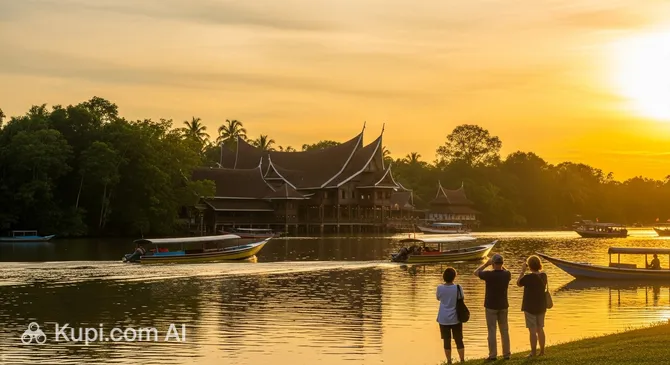
Mukah. Source: Kupi.Binoculars

Geographically, the town sits near the mouth of the Mukah River, facing the South China Sea. The landscape is defined by its golden beaches and extensive sago palm plantations, which have historically been the backbone of the local economy. Visitors interested in the history of Mukah will find that the town's identity is deeply intertwined with the production of sago, a starch extracted from palm stems, and the ancient maritime traditions of its people.

Travelers are drawn here to experience the authentic Melanau lifestyle and unique local flavors. Key attractions include the Lamin Dana Cultural Lodge, where guests can learn about traditional high-legged houses and crafts. The town is also famous for the vibrant Kaul Festival, a spiritual celebration held annually to honor the spirits of the sea. Food enthusiasts should not miss trying Umai, a traditional raw fish salad that is a signature delicacy of the region, or visiting a local factory to witness how sago pearls and tebaloi (sago biscuits) are made.

Whether you are looking to explore rich cultural heritage, enjoy fresh seafood, or simply relax by the seaside, Mukah provides a distinctive and memorable travel experience. It is an ideal stop for those seeking to uncover the hidden gems of Borneo and connect with the warm hospitality of the locals.

Weather Overview

The climate in this coastal town is characteristically tropical, offering warm and stable temperatures throughout the year. Visitors planning a trip should check the detailed weather in Mukah to pack appropriately, as the region experiences consistent warmth and frequent rainfall regardless of the season.

Temperatures remain pleasant and steady, with monthly averages hovering between 26.4°C and 27.7°C. The days are generally warm, with maximum temperatures reaching up to 30.1°C in May, while nights are comfortable with minimums rarely dropping below 24°C. This makes it an excellent destination for outdoor activities, provided you are prepared for the humidity.

Rainfall is a constant companion in this part of Sarawak. The data indicates a high frequency of wet days, ranging from 20 days in July to as many as 30 days in January and December. While the precipitation volume generally stays low, travelers should expect frequent showers and consistently humid conditions year-round, so carrying an umbrella or raincoat is highly recommended.

Interesting Facts

Beyond the main attractions, Mukah holds many fascinating secrets that reveal the depth of its indigenous heritage and daily life. Here are some unique aspects of this coastal town that often surprise visitors:
  • The Mystery of the Jerunai: Hidden in certain parts of the region are the Jerunai, or Kelideng, which are ancient burial poles made from durable Belian (ironwood). These towering columns were historically used by the Melanau aristocracy to house the remains of the deceased, and local legends suggest that in the distant past, they were sometimes accompanied by sacrifices to serve the master in the afterlife.

  • The Giant Swing Tradition: During the annual Kaul Festival, locals participate in a daring traditional game known as Tibow. This involves a massive swing usually built near the beach, where youths launch themselves into the air, with more players jumping onto the moving swing in mid-flight to see how many people it can hold at once.

  • A Wriggling Delicacy: While sago is famous for its starch, the sago palm also produces a unique local snack: the sago worm, or Si'et. Considered a creamy delicacy in Malaysia, these plump grubs are often eaten live by brave foodies or stir-fried with soy sauce for a distinct, savory flavor.

  • The Historic Chimney: Standing near the river is a 20-meter tall red brick chimney, a lonely remnant of a sago processing factory from the late 19th century. It serves as a rare industrial monument from the era of the White Rajahs, symbolizing the town's long-standing economic reliance on the "Tree of Life."

How to Get There

Reaching this charming coastal town is an adventure in itself, often involving a journey through the scenic landscapes of Sarawak. For those planning their itinerary, you can find more about how to get to Mukah and the various transport options available to suit your travel style.

The most direct way to arrive is by flying into Mukah Airport (MKM), which is conveniently located just 2.3 km from the town center. This small airport primarily handles rural air services, connecting the town with major hubs like Kuching and Miri. Upon arrival, a taxi ride to the heart of the town is very short, typically taking around 5 to 10 minutes.

Another popular option is to fly into Sibu Airport (SBW), located in the city of Sibu, approximately 70.7 km from Mukah. As a larger transport hub, it receives flights from Kuala Lumpur and other major cities. From Sibu, travelers can continue their journey by renting a car, taking a taxi, or catching a bus. The overland trip from Sibu to Mukah generally takes approximately 2.5 to 3 hours, offering a glimpse of the lush countryside along the way.

For international travelers, Kuching International Airport (KCH) in the state capital is the primary gateway. Although it is situated 248.8 km away, it serves as the main entry point to Sarawak with high passenger traffic. From Kuching, visitors can easily catch a connecting flight to Mukah or Sibu to complete their journey.

For clarity, here is a summary of the main airports in the region:

Airport Name City Passenger Traffic Km from City
Kuching International AirportKuchingHigh volume248.8
Sibu AirportSibuMedium volume70.7
Bintulu AirportBintuluMedium volume106.3
Putussibau AirportPutussibauLow volume246.1
Mukah AirportMukahLow volume2.3

Main Attractions

Lamin Dana Cultural Lodge is often considered the cultural heartbeat of the area. Situated in the historic Kampung Tellian, this "House of the Living Legend" is a replica of a traditional Melanau tall house. It serves as both a boutique lodge and a heritage center where visitors can immerse themselves in local traditions. Tourists find it fascinating for its authentic architecture, the opportunity to witness traditional crafts like basket weaving, and the chance to learn about the unique "hanging" lifestyle of the Melanau people.

A visit to Kampung Tellian (Tellian Village) offers a scenic journey into the daily life of the riverine community. This water village is crisscrossed by calm waterways where sago logs are traditionally transported to processing factories. It is particularly interesting to history buffs because it houses the ancient Jerunai, or burial poles, which are significant remnants of the Melanau aristocracy's past. A boat ride through the village provides a peaceful and picturesque perspective of this enduring heritage.

Mukah Market, also known as Pasar Tamu, is the best place to experience the town's culinary soul. Located near the river, this bustling market is famous for its array of fresh seafood and local produce. Foodies flock here to try Umai, a signature raw fish salad marinated in lime and spices, and to challenge themselves by tasting Si'et, the creamy sago worms. It is also the perfect spot to buy Tebaloi, the crunchy sago biscuits that make for excellent souvenirs.

Kala Dana Beach is a popular recreational spot that comes alive during the annual Kaul Festival. The park, known as Tapak Pesta Kaul, features a beautiful coastal landscape and serves as the gathering ground for the spiritual "sea cleansing" rituals. Visitors enjoy this area for its breezy atmosphere, picnic spots, and the chance to see the site of the Tibow, the traditional giant swing game played during the festival season.

Local Cuisine

The culinary landscape of Mukah is deeply rooted in its identity as the heartland of the Melanau people, offering a gastronomic experience that is distinct from the rest of Malaysia. The local diet is heavily influenced by the abundance of seafood from the South China Sea and the region's status as the "Sago Capital of Sarawak." For food lovers, this means a menu filled with fresh, ocean-to-table delicacies and unique starch-based dishes that you rarely find elsewhere.

The undisputed star of Mukah's cuisine is Umai, a traditional delicacy often described as "Melanau sushi." This dish consists of thinly sliced raw fish, usually mackerel or tenggiri, which is "cooked" in a marinade of calamansi lime juice, chilies, onions, and salt. It is served fresh and is a refreshing appetizer that perfectly balances sour, spicy, and savory flavors. Another must-try for the adventurous eater is the Sago Worm, locally known as Si'et. These plump grubs are harvested from fallen sago palms and are prized for their creamy texture; locals enjoy them stir-fried with soy sauce or even eat them live.

Sago is the staple carbohydrate here, replacing rice in many traditional meals. A quintessential dish is Linut, a sticky, translucent paste made by mixing sago flour with boiling water. It has a glue-like consistency and a neutral taste, designed to be eaten by rolling it around a bamboo stick and dipping it into spicy sambal belacan or savory fish curry. For a lighter snack, look for Tebaloi, crunchy sago biscuits that are wood-fired and come in various flavors like pandan or original coconut. They are a beloved tea-time treat and a popular souvenir.

To wash down these rich flavors, locals often turn to refreshing tropical drinks. Fresh coconut water is widely available and perfect for the humid coastal weather. You will also find the Sarawakian favorite, Teh C Peng Special (Three-Layer Tea), at most local coffee shops. This visually appealing drink consists of layers of palm sugar (gula apong), evaporated milk, and red tea, which are stirred together for a sweet, caramel-like taste.

The food culture in Mukah is laid-back and communal, centering around open-air markets and hawker stalls rather than fancy restaurants. The Mukah Market (Pasar Tamu) is the best place to dive into the local scene. Here, you can sit at simple tables alongside residents, enjoying a bowl of noodles or fresh seafood while watching the daily trade of river produce. The atmosphere is warm and welcoming, reflecting the friendly nature of the Melanau community.

Travel Tips

Visiting Mukah is a delightful immersion into the slow-paced, riverine lifestyle of the Melanau people, but its rural charm requires a bit of preparation. To help you navigate this unique "Sago Capital" of Sarawak comfortably and respectfully, here are some practical travel tips.

  1. Pack for the Tropics and Rain: The weather here is hot and humid year-round, so bring lightweight, breathable clothing like cotton or linen. Since sudden showers are common in this coastal region, a sturdy umbrella or a lightweight poncho is essential. While shorts are acceptable in town, it is respectful to dress modestly (covering shoulders and knees) when visiting traditional villages like Kampung Tellian or entering local homes.

  2. Getting Around: Mukah is a small town with no metro or extensive public bus system. The town center is compact enough to explore on foot, but to reach outlying attractions like the sago factories or Lamin Dana, you will need a vehicle. Ride-hailing apps can be sporadic, so it is often better to arrange a taxi through your accommodation or rent a car if you drove from Sibu.

  3. Cash is King: The currency is the Malaysian Ringgit (MYR). While larger hotels and supermarkets may accept credit cards, cash is absolutely necessary for daily transactions. You will need small notes for the famous Mukah Market (Pasar Tamu), hawker stalls, and boat fees. ATMs are available in the town center, but it is wise to withdraw enough money before heading to more remote areas.

  4. Health and Safety: This is a safe and peaceful town, but being situated near rivers and mangroves means mosquitoes are prevalent. Carry a good insect repellent and apply it generously, especially in the evenings. Pharmacies are available in the town center for basic supplies, and there is a local hospital for emergencies, but travel insurance is always recommended.

  5. Language and Communication: English is widely spoken and understood in Sarawak, making communication relatively easy for tourists. However, learning a few words of Malay or the local Melanau dialect can go a long way in building rapport. A simple "Terima Kasih" (Thank you) is always appreciated. Local SIM cards like Celcom or Digi offer good coverage in the town area.

  6. Local Etiquette: The Melanau people are known for their warm hospitality. If you are invited into a private home or stay at a cultural lodge, always remove your shoes before entering. When eating with your hands or passing money to someone, strictly use your right hand, as the left hand is considered unclean in local culture.

  7. What to Avoid: Avoid pointing at people or objects with your index finger, as this is considered rude. Instead, locals use the thumb of their right hand with the four fingers folded underneath. Also, avoid raising your voice in public; the local culture values politeness and a calm demeanor.

  8. Timing Your Visit: Life in Mukah winds down early. Most shops and the main market close by late afternoon, so plan your shopping and errands for the morning. If you want to see the town at its most vibrant, try to visit during the Kaul Festival in April, but be sure to book accommodation months in advance as the town fills up quickly.

By keeping these practical tips in mind, you will be well-equipped to enjoy the authentic beauty and tranquility of Mukah. Embrace the slower rhythm of life here, indulge in the local flavors, and let the warmth of the Melanau hospitality make your trip truly unforgettable.

Entertainment & Nightlife

Nightlife in Mukah is a reflection of the town's laid-back and friendly character. Unlike the bustling party scenes of larger cities, the evening entertainment here is centered around community connection, culinary exploration, and the local love for music. The atmosphere is relaxed and unpretentious, making it easy for visitors to mingle with residents and experience the authentic rhythm of life in this coastal town. Most activities are concentrated in the town center, particularly around the commercial blocks of Bandar Baru Mukah and along the riverfront.

For those looking to unwind with a drink and some music, karaoke is the undisputed king of entertainment in Mukah. The town features several spots where locals gather to sing their hearts out in a casual setting. C2 Pub & KARAOKE is a popular choice among residents, known for its good sound system and welcoming vibe. It is a great place to witness the local talent or even take the microphone yourself. Another notable spot is Gelanggang Kenyalang Karaoke & Pub, located in the new market area, which offers a comfortable environment for socializing over drinks and songs well into the night.

The culinary scene comes alive after sunset at the Mukah Night Market (Pasar Malam). Situated in the heart of the town, this is the most vibrant place to be in the evening. The air is filled with the aroma of charcoal-grilled satay, burger patties, and fried snacks. It is not just a place to eat but a social hub where families and friends gather. Visitors should definitely try local favorites here, such as grilled fish and various traditional cakes. The market typically operates from late afternoon until around 10:00 PM, making it perfect for an early dinner or a late snack.

For a more sit-down evening experience, Nibong House offers a calm atmosphere perfect for dining and conversation. While primarily a restaurant, it stays open into the evening and serves as a relaxed venue to enjoy authentic Melanau dishes like umai (raw fish salad) or sip on tea while enjoying the cool night breeze. The dress code throughout the town is very casual; comfortable jeans and t-shirts are the norm, and there is no need to dress up.

Practical advice for enjoying Mukah at night revolves around timing and transport. Most venues, including coffee shops and markets, wind down relatively early compared to big cities, so the "peak" hours are usually between 7:00 PM and 10:00 PM. Public transport is virtually non-existent at night, and ride-hailing services can be sporadic. If your accommodation is not within walking distance of the town center, it is highly advisable to arrange a return ride with a taxi driver or your hotel beforehand to avoid being stranded.

Safety in Mukah is generally very good, and the town is considered safe for night walks, especially in well-lit areas like the town square and the waterfront. However, as with any travel destination, it is wise to stay in populated areas and keep an eye on your belongings. The streets are often quiet after 11:00 PM, so solo travelers might prefer to return to their lodgings by then.

While the nights are quiet, the daytime offers its own array of cultural entertainment. Visitors can explore the Lamin Dana Cultural Lodge to learn about Melanau heritage, visit the Sapan Puloh Melanau Museum for a deep dive into history, or relax at the Kala Dana Beach, which hosts the massive Kaul Festival annually. These spots provide the cultural context that makes the evening conversations with locals even more engaging.

Parks & Museums

While Mukah is not a city of sprawling botanical gardens or massive national museums, its charm lies in the fact that the entire town feels like a "living museum" set amidst a breezy coastal landscape. The cultural heritage here is woven into the daily life of the villages, and the green spaces are defined by the natural beauty of the riverbanks and the South China Sea.

Taman Kala Dana is the premier recreational area in Mukah, serving as the town's main gathering spot by the sea. This expansive park is beautifully landscaped with casuarina trees and offers a refreshing coastal breeze, making it a favorite location for jogging, family picnics, and watching the sunset. It is culturally significant as the permanent site of the annual Kaul Festival, where the Melanau community gathers for traditional rituals and games. The park features playgrounds, ample walking paths, and direct access to the sandy beach, providing a perfect blend of culture and nature.

Another notable green space is Taman Boulevard, located centrally within the town. Unlike the wilder coastal areas, this is a manicured urban park that serves as a green lung for the local residents. It features well-maintained lawns, water features, and a peaceful atmosphere, offering a quiet respite from the midday sun. It is an excellent spot for tourists to take a leisurely stroll after exploring the nearby markets and to observe the relaxed pace of local life.

For a deep dive into local history, the Sapan Puloh Melanau Museum is an unmissable gem. Situated in Kampung Tellian, this private mini-museum was established by a passionate local historian to preserve the Melanau heritage. The collection is intimate but incredibly rich, displaying traditional wedding costumes, ancient tools, musical instruments, and ritualistic items used in healing ceremonies. Visitors are often guided by the owner himself, who shares fascinating stories about the artifacts, offering a personal connection to the past that large institutions rarely provide.

Although it functions primarily as a lodge, Lamin Dana Cultural Lodge operates as a vital cultural center and a living museum. Built as an authentic replica of a traditional Melanau tall house, it allows visitors to step back in time and experience the architecture of the pre-modern era. Inside, you can view displays of traditional handicrafts, such as the Terendak (sun hat), and observe the intricate craftsmanship of the wooden structure itself. It is a place where history is not just displayed behind glass but is practiced and lived.

Among the town's historical landmarks, the Old Chimney stands out as a solitary monument to Mukah's industrial past. This 20-meter red brick structure is all that remains of a 19th-century sago processing factory. It serves as a poignant symbol of the town's long-standing relationship with the sago palm. Architecturally, the Masjid Setia Raja is also worth admiring; its grand dome and riverside location make it one of the most striking buildings in the town, reflecting the Islamic heritage of the modern Melanau community.

For a truly authentic experience, take a walk along the wooden boardwalks of Kampung Tellian. Here, hidden among the foliage and village houses, you can find the ancient Jerunai (burial poles). These weathering hardwood columns are open-air historical sites that tell the somewhat dark but captivating tales of the ancient aristocracy, offering a glimpse into the spiritual history of the region without any admission fee.

Getting Around

Public transport in Mukah is quite different from the complex networks found in major metropolitan areas. There is no metro, tram, or train system in this coastal town. Instead, the local transportation infrastructure relies primarily on road vehicles and, to a lesser extent, river boats. For tourists, the most common ways to get around are by taxi, rental car, or simply walking, as the town center is relatively compact and easy to navigate on foot.

The town does have a bus terminal, but it functions mainly as a hub for long-distance express coaches connecting to other divisions in Sarawak, such as Sibu and Bintulu. While there are vans and minibuses that serve the outlying villages and residential areas, they do not operate on a strict timetable suitable for sightseeing. These services are designed for local commuters, and routes can be irregular. If you do choose to take a local van, there are no travel cards or mobile apps required; payment is made strictly in cash directly to the driver upon boarding.

Taxis are the most practical option for visitors who need to travel beyond the town center. You can typically find them waiting at designated stands near the market or the bus terminal. It is important to know that many taxis here do not use meters. The standard procedure is to negotiate and agree on a fare with the driver before you enter the vehicle. Prices are generally affordable, but it is highly recommended to carry small denominations of cash, as drivers may not have change for large notes.

Ride-hailing applications are available and provide a convenient alternative to traditional taxis, allowing you to book rides via your smartphone. However, travelers should be aware that the fleet of drivers is much smaller than in capital cities. Consequently, wait times can be longer, and availability may be very limited during early mornings or late evenings. For those planning to explore the wider region, such as the sago plantations or distant beaches, renting a car is often the most reliable solution.

A unique feature of transport in Mukah is the use of boats, reflecting the town's riverine heritage. While not a formal public transit system with tickets and schedules, small boats can be hired at local jetties to navigate the waterways of Kampung Tellian or to cross the river. This mode of transport offers a scenic perspective of the village life. As with taxis, payment for boat rides is cash-based and should be agreed upon with the boatman before departing.

Accommodation

Accommodation in Mukah offers a pleasant mix of options that cater primarily to cultural travelers, business visitors, and families seeking a quiet coastal retreat. The town does not feature ultra-luxury international chains; instead, visitors will find a good selection of budget-friendly inns, reliable mid-range hotels, and unique homestays that provide a more authentic connection to the local lifestyle.

For those prioritizing convenience, the Town Center (Bandar Baru Mukah) is the most practical area to stay. Hotels here are within walking distance of the central market, coffee shops, and administrative buildings, making them ideal for travelers who want easy access to food and transport. Alternatively, visitors seeking tranquility often prefer the coastal area or the historic Kampung Tellian. These locations offer a more scenic environment, ranging from beachside resorts to traditional wooden lodges nestled among the sago palms and riverways.

Travelers looking for a comfortable, standard hotel experience often choose the Kingwood Hotel, located right in the heart of the town. It is a popular choice for business travelers and families due to its proximity to urban amenities. For a more leisure-oriented stay, the Kingwood Resort Mukah is situated further out by the seaside, offering facilities like a swimming pool and spacious grounds facing the South China Sea. Meanwhile, those wishing to immerse themselves in Melanau heritage should consider the Lamin Dana Cultural Lodge, a boutique "tall house" that offers a unique living experience in a traditional setting.

Booking Tip: Accommodation in Mukah can fill up extremely fast during the annual Kaul Festival, which typically takes place in April. If you plan to visit during this vibrant celebration, it is highly recommended to book your room at least two to three months in advance to secure a spot.

In terms of pricing, Mukah is a very affordable destination. Budget inns and basic homestays often range from RM 50 to RM 100 per night, while mid-range hotels and resorts typically cost between RM 100 and RM 250. While the larger hotels can be booked via major online travel platforms, many smaller homestays and guesthouses rely on direct bookings through phone or messaging apps, so it is worth checking social media listings for more personalized local options.

Nearby Cities

For those looking to explore the surroundings, Mukah serves as an excellent base for day trips to several interesting nearby locations:

Sibu is the most accessible major town and serves as the vibrant gateway to the mighty Rajang River. Located just a short drive away, it is famous for the Sibu Central Market, the largest indoor market in Malaysia, where you can find everything from jungle produce to live poultry wrapped in newspapers. The town is also a culinary haven, renowned for its authentic Foochow heritage; visitors should not miss trying the savory Kampua Mee or the bagel-like Kompia.

Bintulu offers a different experience, blending modern industrial development with stunning natural landscapes. It is best known as the gateway to Similajau National Park, a coastal sanctuary featuring golden beaches and emerald waters that are perfect for trekking and wildlife spotting. For those interested in culture, the town center houses distinct temples and markets that reflect the diverse community of this coastal division.

City Population Distance (km)
Kota Kinabalu 452058 559
Kuching 325132 243
Sibu 247995 73
Miri 234541 272
Bintulu 114058 110

These nearby destinations offer a glimpse into the diverse culture and landscapes of the region.

Shopping & Souvenirs

Shopping in Mukah offers a distinctively local experience that contrasts sharply with the glitzy malls of Malaysia's larger cities. Instead of high-end fashion boutiques and international chains, visitors here will discover a treasure trove of indigenous crafts, fresh jungle produce, and traditional food products. The retail scene is centered around community markets and family-run businesses, providing a wonderful opportunity to interact with the friendly Melanau locals and purchase authentic goods that are directly linked to the region's heritage.

The town's commercial activity is primarily divided between the Old Town and the New Township (Bandar Baru Mukah). The Old Town, situated closer to the river, features rows of traditional shophouses where you can find general stores, textile shops, and hardware suppliers. This area retains a nostalgic charm and is great for a casual stroll. In contrast, Bandar Baru Mukah serves as the modern administrative and commercial hub, hosting banks, pharmacies, supermarkets, and newer retail blocks where residents purchase their daily necessities and electronics.

While you will not find sprawling mega-malls here, the Medan Mall stands out as the most prominent modern shopping complex in the town. It functions as a one-stop center for locals, housing a department store, a supermarket, and various smaller outlets selling clothing, shoes, and accessories. It provides a comfortable, air-conditioned environment for travelers looking to restock on travel supplies, toiletries, or snacks during their stay.

The true heart of shopping in Mukah lies in its markets, particularly the Mukah Market (Pasar Tamu). Located near the riverfront, this bustling wet and dry market is the best place to witness the local lifestyle. Here, traders sell fresh catches from the sea, locally grown fruits, and sago worms. It is an unmissable stop for anyone wanting to see the raw ingredients that define Melanau cuisine. In the evenings, the atmosphere shifts to the night market, where the focus turns to ready-to-eat street food, but you can often find small stalls selling budget-friendly clothes and accessories nearby.

When it comes to souvenirs, Mukah is the undisputed capital of sago-based products. The number one item to bring back is Tebaloi, a crunchy, sweet sago biscuit that comes in flavors like original, pandan, and turmeric. These are widely available at the market and local factories. Another unique keepsake is the Terendak, a traditional Melanau sun hat featuring intricate weaving and colorful patterns. For those who enjoy cooking, packets of sago pearls or blocks of Belacan (shrimp paste) make excellent gifts that carry the flavor of Sarawak.

Business hours in Mukah follow a relaxed, small-town rhythm. The main market is liveliest in the early morning, from as early as 6:00 AM, and many stalls begin to close by early afternoon. Standard retail shops typically open around 8:00 AM or 9:00 AM and close by 6:00 PM. Cash is king in Mukah; while the Medan Mall and some hotels accept credit cards, almost all market vendors, small eateries, and souvenir stalls transact strictly in cash. It is advisable to withdraw sufficient Malaysian Ringgit (MYR) from ATMs in the town center before heading out to shop.

Tourists should be aware that Mukah is not a designated tax-free zone. The Tourist Refund Scheme in Malaysia is generally applicable only for air travel from major international airports and requires purchases to be made at registered stores, which are rare in smaller rural towns. Therefore, visitors should not expect tax refunds on their purchases here and should view shopping as a way to support the local economy directly.
Reached the end of the page?

That means the route is fully explored