Support

Sibu

About

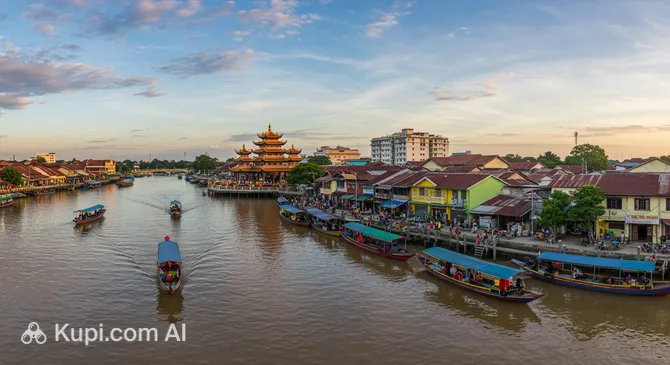
Sibu is a vibrant inland town located in the heart of Sarawak, Malaysia. Situated at the confluence of the Rajang and Igan Rivers, it serves as the main gateway to the Central Region of Sarawak. With a population of approximately 248,000, Sibu is a bustling hub known for its warm hospitality and unique riverine landscape, offering visitors a distinct glimpse into the diverse culture of Borneo.

Sibu. Source: Kupi.Binoculars

The history of Sibu is rich and fascinating, heavily influenced by the influx of Foochow settlers in the early 20th century, earning it the nickname "New Fuzhou." Today, this heritage is evident in the local dialect, traditions, and especially the cuisine. The town is also famously associated with the swan symbol, which represents grace and resilience, and you can find numerous swan statues dotted around the city.

Travelers are often drawn to the Sibu Central Market, the largest indoor market in the country, where one can find everything from exotic jungle produce to live poultry wrapped in newspaper. Another must-see landmark is the Tua Pek Kong Temple, with its iconic seven-story pagoda offering panoramic views of the mighty Rajang River. Whether you are here to savor the famous Kampua noodles or to embark on a river cruise, Sibu promises an authentic and memorable travel experience.

Weather Overview

Sibu experiences a consistent tropical climate characterized by warm temperatures and high humidity throughout the year. The thermometer remains remarkably stable, with average daily highs hovering between 29°C and 31°C, while nights are generally mild with lows around 23°C to 24°C. This steady warmth means that lightweight, breathable clothing is suitable regardless of when you choose to visit.

Rainfall is a significant part of the local weather pattern, with a high frequency of wet days observed in every month. Travelers should be prepared for frequent showers, as rain occurs on approximately 20 to 30 days per month, with December and January being particularly consistent in terms of wet days. To help plan your activities around the rain, you can consult the detailed guide to the weather in Sibu. Even during the relatively drier period around July, precipitation is common, so carrying an umbrella or raincoat is always recommended.

Interesting Facts

Beyond the well-trodden paths of the Central Market and the temples, Sibu holds a collection of intriguing details that often escape the casual observer. Delving deeper into its local lore reveals a city built on resilience, unique industries, and a rich culinary heritage that goes back over a century.

  • The Shipbuilding Capital: While it may seem like a quiet riverine town, Sibu is actually the shipbuilding and ship repair hub of Malaysia. The industrial areas along the river produce a significant number of tugboats, barges, and ferries that are exported internationally, making the city a surprising powerhouse in the maritime industry.

  • A Unique Medical Museum: Sibu is home to the Lau King Howe Hospital Memorial Museum, which is the first and only medical museum in Malaysia. It preserves the history of the town's early healthcare services and pays tribute to the philanthropist Lau King Howe, offering a rare glimpse into the medical equipment and practices of the early 20th century.

  • The "Sibu Bagel" Origin: The famous local snack known as Kompia has a legendary history rooted in warfare. These unleavened buns, often called "Sibu bagels," were originally designed with a hole in the middle so they could be strung together and carried as dry rations by Chinese soldiers during the Ming Dynasty, before becoming a beloved staple in Sibu.

  • Amazon of Borneo: Sibu sits along the Rajang River, which is the longest river in Malaysia. Often referred to as the "Amazon of Borneo," this massive waterway transforms the city into the primary staging point for travelers heading into the deep interior of Sarawak to visit traditional Iban longhouses.

How to Get There

Reaching this riverine town is an adventure in itself, with air travel being the most practical and common method for visitors. Whether you are arriving from within Malaysia or from further afield, you can find more about how to get to Sibu and plan your journey accordingly. The town is well-connected to major hubs in Sarawak and the Malaysian peninsula.

The most convenient entry point is Sibu Airport (SBW), which is located directly within the Sibu division. It is a bustling regional hub that handles a significant volume of travelers annually. Situated just over 17 km from the heart of the town, the airport offers easy access to the city center. A journey by taxi or shuttle bus typically takes approximately 30 minutes, making it a quick transfer for arriving passengers.

Another significant option is Kuching International Airport (KCH), located in the state capital, Kuching. While it is about 188 km away from Sibu, this airport serves as a major international gateway with large passenger traffic. Many travelers choose to fly into Kuching and then take a short connecting flight to Sibu. Alternatively, for those attempting an overland journey from Kuching, the travel time by road is estimated to be around 5 to 6 hours, though actual times can vary depending on road conditions.

For clarity, here is a summary of the main airports:

Airport Name City Passenger Traffic Km from City
Kuching International Airport Kuching Large 187.5
Sibu Airport Sibu Medium 17.4
Bintulu Airport Bintulu Medium 161.3
Putussibau Airport Putussibau Small 202.3
Mukah Airport Mukah Small 73.7

Main Attractions

Sibu offers a delightful mix of cultural heritage, bustling commerce, and riverine charm. While the town is famous for its food and friendly locals, its landmarks provide a deeper understanding of the region's history and lifestyle. From the country's largest indoor market to soaring pagodas, here are the top places to visit in Sibu.

Undoubtedly the heartbeat of the town is the Sibu Central Market. Located on Channel Road opposite the express boat terminal, this massive complex houses over 1,000 stalls, making it the largest indoor market in Malaysia. It is a sensory adventure where visitors can find fresh jungle produce, exotic fruits like dabai and durian, and local handicrafts. The market is particularly famous for its live chickens wrapped neatly in old newspapers, a unique and practical method of packaging that has become an iconic symbol of the town.

Another architectural gem is the Tua Pek Kong Temple, which dates back to 1870. The temple's most striking feature is the seven-storey Eng Ann Teng Pagoda, which dominates the skyline along the waterfront. Visitors can climb the pagoda for a breathtaking panoramic view of the Rajang River, especially beautiful during sunset. The temple serves as a spiritual center for the local Chinese community and stands as a testament to the town's religious harmony and history.

For a modern contrast, head to Wisma Sanyan, which held the title of the tallest building in Sarawak for many years. Standing at 126 meters, this skyscraper houses a large shopping mall, government offices, and serves as a major commercial hub. Directly adjacent to it is the Sibu Town Square, the largest town square in Malaysia. It is a spacious venue where major annual events, such as the Borneo Cultural Festival, take place, serving as a gathering point for locals and tourists alike.

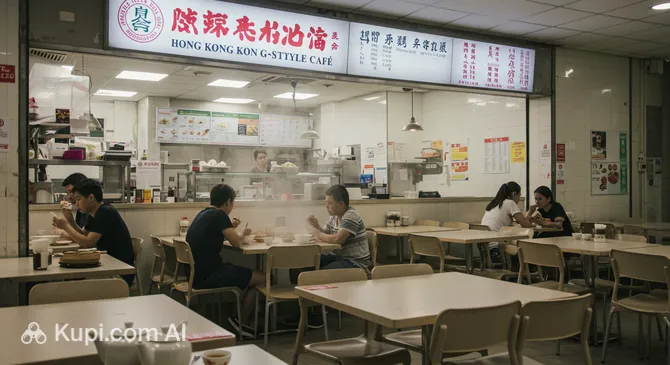
Sibu is also a fantastic destination for food lovers, known for its affordable and delicious culinary offerings. After a day of sightseeing, you might want to stop by the Little Hong Kong Hong Kong-style Café. This restaurant offers a cozy atmosphere to enjoy a variety of dishes, reflecting the town's love for good food and vibrant dining culture.

Little Hong Kong Hong Kong-style Café. Source: Kupi.Binoculars

Finally, to immerse yourself in the cultural roots of the region, a visit to the Sibu Heritage Centre is highly recommended. Housed in the former Sibu Municipal Council building, the center showcases a comprehensive collection of artifacts, photos, and exhibits detailing the migration of the Foochow settlers and the traditions of the indigenous ethnic groups of Sarawak. It provides an excellent educational context to the sights you encounter throughout the city.

Local Cuisine

Sibu is often hailed as the gastronomic paradise of Sarawak, particularly famous for its authentic and affordable Foochow cuisine. The town’s food scene is unpretentious yet deeply flavorful, revolving largely around traditional coffee shops, known locally as kopitiams, and bustling hawker centers. For many travelers, a trip to Sibu is essentially a culinary pilgrimage to taste dishes that are difficult to find with such authenticity elsewhere in Malaysia.

The undisputed king of Sibu’s street food is Kampua Mee. This simple yet delicious dish consists of springy, straight noodles tossed in lard, fried shallots, and soy sauce, typically served with slices of roasted pork (char siu). It is a breakfast staple for locals and is often served on a piece of food-wrapping paper to enhance the nostalgia. Another unique Foochow specialty is Ding Bian Hu, or "wok-edge paste." It is a savory soup made by spreading rice flour batter around the rim of a hot wok to cook before scraping it into a boiling broth rich with cuttlefish, fish balls, and pork.

For a quick snack, you cannot miss Kompia, popularly referred to as the "Sibu bagel." These dense, roasted buns are traditionally baked in a clay oven and sprinkled with sesame seeds. While they can be eaten plain, they are best enjoyed filled with savory minced meat stew. If you are looking for a place to sit down and enjoy a mix of traditional and modern flavors, the Little Hong Kong Hong Kong-style Café is a popular spot that reflects the town's evolving dining landscape while honoring its roots.

When it comes to beverages, the local favorite is Teh C Peng Special, also known as three-layer tea. This refreshing drink features distinct layers of melted palm sugar (Gula Apong or Gula Melaka), evaporated milk, and brewed black tea, which must be stirred before drinking to blend the flavors. Coffee lovers will appreciate the robust local kopi, often roasted with margarine and sugar to create a thick, aromatic brew that pairs perfectly with the town’s heavy breakfast culture.

The heart of the food culture lies in the community atmosphere. Locals typically start their day early at the Sibu Central Market food court on the first floor, where dozens of stalls serve freshly cooked meals at unbeatable prices. As the sun sets, the Sibu Night Market comes alive, offering a different array of treats, from dim sum and barbecued meats to local cakes, making it the perfect destination for a late-night food crawl.

Travel Tips

Welcome to Sibu! Visiting this charming riverine town in Sarawak is a delightful experience, but a little preparation goes a long way in ensuring your trip is smooth and enjoyable. To help you navigate the local lifestyle and make the most of your adventure in the heart of Borneo, here are some practical tips to keep in mind.

  1. Clothing and Gear: Sibu is hot and humid year-round, so pack lightweight, breathable fabrics like cotton or linen to stay cool. Since rain showers are frequent and can happen suddenly, carrying a compact umbrella or a light raincoat is essential. Comfortable walking shoes are a must for exploring the town center, and if you plan to visit religious sites like mosques or temples, ensure you have attire that covers your shoulders and knees to show respect.
  2. Transportation: The most convenient way to get around Sibu is by using ride-hailing apps like Grab, which are widely available, affordable, and overcome language barriers with drivers. While the town center is quite compact and walkable, traditional taxis are also available, though you should agree on a fare beforehand if the meter isn't used. For a unique local experience, the express boat terminal is your gateway for river travel to nearby interior towns, but for city commuting, stick to cars or walking.
  3. Finances: The local currency is the Malaysian Ringgit (MYR). While hotels, shopping malls, and larger restaurants accept credit cards, cash is king in Sibu. You will definitely need small notes for hawker stalls, the Central Market, and the Night Market. ATMs are plentiful in the town center and shopping complexes. Tipping is not a standard practice in Malaysia, but leaving small change or rounding up the bill is appreciated.
  4. Health and Safety: Sibu is generally a safe city for tourists, but standard precautions like watching your belongings in crowded areas apply. Pharmacies such as Watsons or Guardian are easily found in shopping malls and are well-stocked with over-the-counter medicines. It is advisable to drink bottled or filtered water rather than tap water. Also, given the tropical environment, carrying mosquito repellent is a good idea, especially for evening outings near the river.
  5. Communication: Bahasa Malaysia is the national language, but English is widely spoken and understood, especially in business and tourism sectors. Sibu has a large Chinese population, so you will often hear the Foochow dialect being spoken. Buying a local SIM card is easy at the airport or convenience stores (look for Telcos like Celcom, Maxis, or Digi) to stay connected. Useful phrases include "Terima Kasih" (Thank you) and "Apa khabar?" (How are you?).
  6. Local Etiquette: Malaysians are warm and friendly. A smile is the best greeting. If you are entering a local home or a place of worship, always remove your shoes at the door. When eating with your hands or passing money and objects to others, use your right hand, as the left hand is traditionally considered reserved for personal hygiene.
  7. What to Avoid: Avoid pointing at people or objects with your index finger, as this is considered rude; instead, use your thumb with your four fingers folded underneath. Public displays of affection should be kept modest. Also, avoid raising your voice in public, as maintaining "face" and calmness is valued in local culture.
  8. Start Your Day Early: Sibu is a town that wakes up with the sun. To truly experience the local vibe, head to the Sibu Central Market as early as 6:00 AM or 7:00 AM. This is when the market is most vibrant, the produce is freshest, and the locals are bustling about their morning routine. If you arrive by 10:00 AM, you might miss the best part of the action!

With these tips in hand, you are ready to explore the unique sights and sounds of Sibu with confidence. Embrace the relaxed pace of life by the Rajang River, indulge in the incredible food, and enjoy the genuine hospitality that this Sarawakian town has to offer!

Entertainment & Nightlife

While Sibu is not known for a wild or raucous party scene like Kuala Lumpur, it offers a laid-back and culturally distinct variety of entertainment that suits its riverine charm. During the day, visitors typically spend their time exploring cultural landmarks, such as the Lau King Howe Hospital Memorial Museum or strolling through the scenic Bukit Aup Jubilee Park. However, as the sun sets over the Rajang River, the town shifts gears into a relaxed evening mode, focused heavily on communal dining, bustling night markets, and casual social gatherings.

The undisputed star of the local nightlife is the Sibu Night Market. Located on Market Road, this vibrant bazaar operates every evening and serves as the town's primary social hub. The atmosphere is lively yet family-friendly, with hundreds of stalls illuminated by bright bulbs selling everything from clothes and accessories to an endless array of street food. It is the perfect place to mingle with locals and sample freshly steamed dim sum, barbecued meats, and local cakes. The market typically opens around 5:00 PM and stays busy until 10:00 PM or 11:00 PM.

For those looking for a place to sit down, enjoy a drink, or have a late-night meal, the town center has several options. Karaoke is a favorite pastime in Sarawak, and you will find numerous KTV lounges and bistros scattered around the commercial districts where friends gather to sing and unwind. If you prefer a more quiet dining experience with a touch of nostalgia, the Little Hong Kong Hong Kong-style Café is a fantastic venue. It captures the essence of a traditional tea house and is a popular spot for enjoying supper in a comfortable, retro-inspired setting.

The nightlife districts are generally concentrated around the town center, particularly near Jalan Kampung Nyabor and the waterfront area. Here, you can find a few modern bistros and pubs that offer a selection of beers and live bands playing acoustic sets. The dress code in Sibu is casual; t-shirts, jeans, and comfortable footwear are acceptable almost everywhere, including bars and clubs. Prices are very reasonable compared to larger Malaysian cities, with a night out being quite affordable for travelers.

Regarding safety and logistics, Sibu is generally safe for night walks, especially in well-lit areas like the Night Market and the Town Square. However, as with any travel destination, it is wise to stay aware of your surroundings and avoid poorly lit back alleys late at night. Public transport buses stop running in the early evening, so the best way to get around at night is by using e-hailing apps like Grab, which are reliable and easy to use. Taxis are also available but may be harder to flag down on the street after dark, so booking via an app is the recommended method for a hassle-free return to your hotel.

Parks & Museums

While Sibu is primarily known as a bustling commercial hub on the Rajang River, it also offers a surprising array of green sanctuaries and cultural institutions that chronicle its unique heritage. For travelers looking to step away from the busy markets and dive deeper into the local history or enjoy some fresh air, the city provides several well-maintained parks and informative museums that are well worth a visit.

One of the most popular recreational spots is Bukit Aup Jubilee Park, located about 10 kilometers from the town center. This award-winning park is a favorite among locals for jogging and family picnics, featuring rolling hills and lush landscaping. The highlight for visitors is the observation tower, which offers commanding views of the surrounding Igan River and the sprawling greenery. The park also features a suspension bridge and a scenic lake, making it a perfect location for a relaxing afternoon away from the urban noise.

Another significant outdoor area is the Sungai Merah Heritage Walk. This landscaped path runs along the Sungai Merah (Red River), named for the reddish hue of its water. This site holds immense historical importance as it is the spot where the early Foochow settlers first landed in 1902. Today, it is a beautifully paved promenade lined with trees and gazebos, ideal for a leisurely evening stroll while soaking in the history of the town's founding community.

To understand the diverse cultures that shape this region, a visit to the Sibu Heritage Centre is essential. Housed in the former Sibu Municipal Council building, this museum offers a comprehensive look at the various ethnic groups of Sarawak, including the Iban, Melanau, Malay, and Chinese. The exhibits feature traditional costumes, hunting tools, antique porcelain jars, and historical photographs that trace Sibu's transformation from a small village to a major river port. It provides excellent context for the sights and sounds you encounter on the streets.

For a unique glimpse into the history of healthcare in the region, head to the Lau King Howe Hospital Memorial Museum. It is the first and only medical museum in Malaysia, situated on the site of the former hospital funded by the philanthropist Lau King Howe. The museum displays a fascinating collection of vintage medical equipment, old photographs, and dental chairs from the early 20th century, serving as a tribute to the pioneers of medical service in Sibu.

In terms of religious architecture, the An-Nur Jamek Mosque stands out as a significant landmark. Capable of accommodating thousands of worshippers, this mosque is known for its modern architectural design and beautiful dome. It serves as the spiritual focal point for the local Muslim community and is a serene example of the religious harmony that characterizes the town.

For an authentic local experience, try visiting Bukit Aup Jubilee Park early in the morning on a weekend. You will see locals practicing tai chi or feeding the fish in the lagoon, offering a peaceful slice of daily life in Sibu that most tourists miss. Another tip is to visit the Sungai Merah Heritage Walk just after rain; the river's red color becomes even more vibrant, creating a striking contrast with the green banks for photography.

Getting Around

Navigating Sibu is a relatively straightforward affair, though it differs significantly from the transport experience in larger metropolises like Kuala Lumpur. The city does not have a metro, tram, or light rail system. Instead, the public transport network relies primarily on a system of buses, taxis, and, uniquely for this region, an extensive network of river boats that serve as a vital lifeline for connecting to the interior of Sarawak.

The local bus service is the most economical way to move around the town and its suburbs. These buses, often referred to as "stage buses," operate from the local bus station located near the waterfront and the central market. While they are affordable, the frequency can be somewhat irregular, and the fleets are often older. For travel between cities, such as to Kuching, Bintulu, or Miri, travelers use the long-distance bus terminal located at Jalan Pahlawan, a few kilometers from the town center. These express buses are air-conditioned and comfortable, offering a reliable option for overland travel.

A distinctive feature of Sibu's transport system is its riverine connectivity, often dubbed the "river metro" of Borneo. The Sibu Express Boat Terminal is a bustling hub where passengers board high-speed boats to reach towns located further up the Rajang River, such as Song and Kapit, which are difficult or impossible to reach by road. These boats are long, narrow, and air-conditioned, resembling aircraft fuselages inside. For tourists, taking a ride on an express boat is not just a mode of transport but a quintessential local experience.

Regarding payment, cash is the absolute standard for public transport in Sibu. Local buses and river boats do not use smart cards or mobile payment apps. You will need to purchase tickets at the terminal counters for boats or pay the conductor directly on the bus. Fares are generally very low, often costing just a few Ringgit for local trips. It is essential to carry small denominations of the local currency, as drivers and ticket counters may not always have change for large notes.

For those seeking more convenience, ride-hailing apps are the most popular alternative to public transit. Grab is widely available throughout the city and is highly recommended for tourists. It offers fixed pricing, eliminates language barriers, and allows for cashless payment via the app. Traditional taxis are also available and can be identified by their red and yellow color scheme. However, they often do not use meters, so you must negotiate and agree on the fare before starting your journey.

Tourists should be aware of the operating hours. The local bus service typically winds down early, with most buses ceasing operations around 6:00 PM or 7:00 PM. Similarly, the express boats operate mainly in the morning and early afternoon, with the last boats usually departing before 3:00 PM. Therefore, if you are planning evening activities or a late dinner, relying on Grab or walking is the best strategy. The town center itself is compact and pedestrian-friendly, making walking a viable and pleasant option for short distances.

Accommodation

Sibu offers a welcoming variety of accommodation options that cater largely to business travelers and cultural tourists. The hospitality landscape ranges from reliable budget hostels and shophouse inns to comfortable mid-range hotels and a few upscale establishments suitable for those seeking more amenities. While the city does not typically feature ultra-luxury resorts, it provides excellent value for money with clean, modern, and convenient places to stay.

For the most convenient experience, travelers are advised to look for accommodation in the Town Center, particularly near the waterfront or the Sibu Town Square. Staying in this area places you within walking distance of the city's top attractions, such as the Sibu Central Market, the Tua Pek Kong Temple, and the bustling Night Market. This central location also ensures easy access to the express boat terminal and a plethora of local coffee shops, making it the most strategic base for exploration.

The city features several well-established high-rise hotels that dominate the skyline, often providing guests with sweeping views of the Rajang River. These establishments typically offer standard amenities like swimming pools, in-house dining, and conference facilities. For budget-conscious travelers, there are numerous smaller inns and lodging houses scattered throughout the commercial blocks, offering basic air-conditioned rooms at very competitive rates.

Regarding costs, accommodation in Sibu is generally very affordable compared to larger Malaysian tourist hubs. Most travelers will find that even the higher-end hotels are reasonably priced. While walk-ins are often accepted at smaller establishments, it is a good general tip to book in advance using major online booking platforms. This is particularly important if you plan to visit during major local events like the Borneo Cultural Festival or Chinese New Year, when hotels can be fully booked weeks ahead.

Nearby Cities

Nearby Cities:

Sibu’s central location in Sarawak makes it an excellent jumping-off point for exploring the wider wonders of Borneo. Whether you are looking to dive into the bustling city life of the state capital, explore coastal industrial hubs, or venture further afield to the neighboring state of Sabah, there are several exciting destinations within reach. The connectivity from Sibu, primarily via air and an improving road network, allows travelers to easily extend their journey to other major urban centers in East Malaysia.

The closest major town is Bintulu, a coastal industrial hub known for its national parks and kite festivals. To the southwest lies Kuching, the charming capital of Sarawak, famous for its waterfront, cat statues, and colonial history. For those seeking nature and caves, Miri serves as the gateway to the famous Gunung Mulu National Park. If you are willing to travel further, the vibrant city of Kota Kinabalu in Sabah offers majestic mountain views and island-hopping adventures.

Here is a breakdown of nearby cities, their populations, and their approximate distances from Sibu to help you plan your next stop:

City Population Distance (km)
Bintulu 114,058 167
Kuching 325,132 183
Miri 234,541 338
Kota Kinabalu 452,058 624
Tawau 113,809 707

Shopping & Souvenirs

Shopping in Sibu offers a distinctive experience that leans more towards cultural discovery and local authenticity than high-end luxury retail. The city serves as a commercial hub for the Rejang Basin, meaning you will find a fascinating mix of modern conveniences and traditional trade. Visitors can expect to find excellent local handicrafts, fresh jungle produce, and unique food items that are specific to the Central Region of Sarawak, all often at very reasonable prices.

The heart of the town's commercial activity is concentrated around the waterfront and the downtown area. Channel Road (Jalan Channel) and High Street are bustling thoroughfares lined with rows of pre-war shophouses. Here, you can wander through traditional goldsmiths, textile shops, and Chinese pharmacies selling dried herbs. This area is perfect for observing the daily trade of the locals and finding goods that have remained unchanged for decades.

For a more modern shopping experience, Sibu boasts a few key shopping complexes. The most prominent is located within Wisma Sanyan, the tallest building in town. It houses a department store, a supermarket, and various retail outlets offering fashion, electronics, and books. Another major destination is Star Mega Mall, located slightly further from the town center in the Daesco area. As the largest mall in the Central Region, it offers a wider range of international brands, a cinema, and extensive grocery options.

Markets are arguably the most exciting part of the shopping scene here. The Sibu Central Market is not just for sightseeing; it is the best place to buy local commodities. Upstairs, you can find clothing and accessories, while the ground floor offers an abundance of local fruits like the seasonal dabai (local olive) and packaged snacks. For bargain hunters, the Sibu Night Market on Market Road is excellent for picking up cheap apparel, phone accessories, and toys amidst the clouds of steam from food stalls.

When it comes to souvenirs, Sibu has several signature items that travelers love to take home. Sarawak Pepper is world-famous and widely available here in both black and white varieties, often packaged nicely for gifts. Authentic Iban handicrafts, such as Pua Kumbu (traditional woven textiles) and intricate beadwork, are also highly recommended. Food souvenirs are equally popular, particularly the dry version of Kampua noodles and fresh Kek Lapis Sarawak (Sarawak layer cake), which comes in colorful, geometric patterns.

Business hours in Sibu vary depending on the type of establishment. Shopping malls typically operate from 10:00 AM to 10:00 PM daily. However, traditional shophouses and smaller independent stores in the town center often close earlier, usually around 6:00 PM or 7:00 PM, and some may be closed on Sundays. While shopping malls and larger retailers accept credit cards and e-wallets, cash is essential for transactions in markets, hawker stalls, and smaller shops.

Travelers should note that Sibu is not a duty-free zone like Langkawi or Labuan. Consequently, standard taxes apply to goods and services. Tourist tax refund schemes are generally not available or widely practiced in smaller towns like Sibu, so the price you see on the tag is typically the final price you pay.
Reached the end of the page?

That means the route is fully explored