Support

Bintulu

About

Bintulu is a vibrant coastal town located in the central region of Sarawak, on the island of Borneo. While it is often recognized as a major industrial hub, this dynamic destination offers much more than just business opportunities. It serves as a gateway to some of the region's most stunning natural landscapes and cultural landmarks. Visitors to Malaysia will find Bintulu to be a fascinating blend of modern development and traditional charm, making it a unique stop on any travel itinerary.
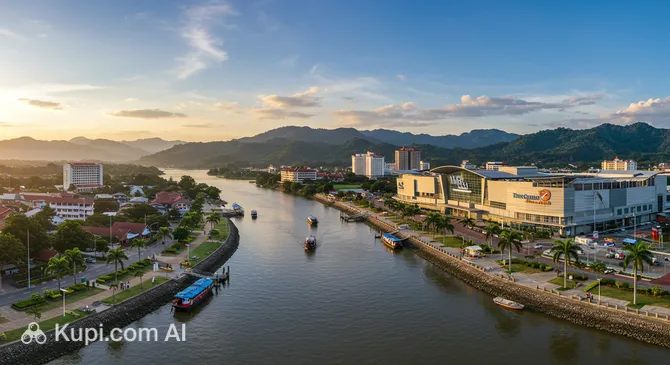
Bintulu. Source: Kupi.Binoculars

Geographically, the city sits near the mouth of the Kemena River, providing it with a breezy coastal climate and scenic waterfront views. With a population of over 114,000 residents, it maintains a lively yet manageable atmosphere. The history of Bintulu is deeply rooted in its transformation from a humble fishing village to a powerhouse of the energy sector, a journey that has shaped its current identity. Despite its rapid growth, the town has preserved its friendly character and welcoming spirit.

For nature enthusiasts, the town is the perfect jumping-off point for exploring the nearby Similajau National Park, famous for its golden sandy beaches and diverse wildlife. Within the city limits, Tanjung Batu Beach is a favorite local spot for picnics and watching breathtaking sunsets over the South China Sea. Culture seekers should not miss the Council Negri Monument, which commemorates the first legislative assembly of Sarawak, marking an important moment in the state's past.

Whether you are passing through for business or looking to explore the hidden gems of Sarawak, Bintulu welcomes you with open arms. Its combination of urban conveniences and proximity to wild nature ensures a memorable experience for every traveler looking to discover a different side of Borneo.
Weather Overview

The climate in this coastal town is typically tropical, characterized by consistent warmth and high humidity throughout the year. Visitors can expect stable conditions, with average temperatures generally hovering around 27°C regardless of the month. Daytime highs typically reach between 29°C and 31°C, while evenings remain pleasantly warm with minimum temperatures rarely dropping below 24°C. May tends to be the warmest month, offering a slight peak in heat.

Rainfall is a constant companion in the region, playing a significant role in the local environment. The end of the year is particularly wet, with December recording precipitation on nearly every day of the month. The mid-year period, especially July, sees a slight reduction in frequency, though travelers should still anticipate rain on about 21 days during this drier spell. It is advisable to pack breathable clothing and reliable rain gear. For a more specific forecast to help plan your trip, you can check the current weather in Bintulu.

Interesting Facts

Beyond the main attractions, Bintulu holds many fascinating secrets that reveal its deep cultural roots and unique local character. Uncover the stories that define this coastal town with these intriguing insights:

  • Birthplace of Sarawak's Legislature: Bintulu is historically significant as the site of the very first state legislative assembly meeting. In 1867, the inaugural Council Negri convened here, marking a pivotal moment in the region's political history that is still celebrated today.

  • A Culinary Icon: The town is famous across the country for its production of belacan, a pungent fermented shrimp paste. Bintulu's version is widely considered the gold standard in Malaysia, prized by chefs and home cooks alike for its superior aroma and taste.

  • International Kite Capital: The city hosts the renowned Borneo International Kite Festival, which takes advantage of the strong coastal winds. This colorful event is held at the site of the old airport, where the vast open runway transforms into a stage for massive, intricate kites from around the world.

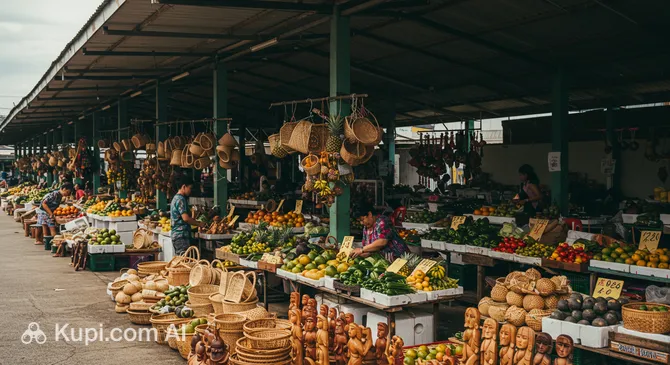
  • Architecture Inspired by Tradition: The distinctive cone-shaped roofs of the Bintulu Tamu Market are not just a design choice; they are modeled after the terendak, a traditional Melanau sun hat. This bustling market is the best place to find rare jungle produce and local handicrafts.

Bintulu Tamu Market. Source: Kupi.Binoculars

How to Get There

Reaching this industrial and cultural hub in Sarawak is relatively straightforward, with air travel being the most convenient and popular option for visitors. The town is well-connected to major Malaysian cities, and an efficient road network links it to neighboring districts. For a complete guide on transportation options, you can read more about how to get to Bintulu.

The primary gateway to the city is Bintulu Airport (BTU), which is conveniently located within the town itself. Situated just about 6 km from the city center, it serves as the main entry point for most travelers. The journey from the terminal to the downtown area is quick, typically taking around 30 minutes by taxi or shuttle, making it an extremely hassle-free arrival experience.

If direct flights are unavailable, travelers can fly into Miri Airport (MYY), located in the city of Miri. This is a larger transport hub situated approximately 165 km away. From Miri, you can continue your journey by road; the drive takes about 4 hours and 30 minutes. This airport handles a significant volume of passengers and offers more connection options.

Another viable alternative is Sibu Airport (SBW), located in the city of Sibu, about 155 km from Bintulu. It is a key regional airport with regular connections. A transfer from Sibu to Bintulu by road generally takes around 4 hours and 15 minutes. While the overland journey is longer, it offers a chance to see the scenic landscapes of Sarawak.

For clarity, here is a summary of the main airports serving the region:

Airport Name City Passenger Traffic Km from City
Miri Airport Miri High 164.7
Sibu Airport Sibu Medium 154.9
Bintulu Airport Bintulu Medium 6.1
Mulu Airport Mulu Low 218.3
Mukah Airport Mukah Low 111.2

While there are no railway services connecting Bintulu to other parts of Borneo, the Pan Borneo Highway provides a vital link for those preferring land transport. Express buses operate frequently between Bintulu, Miri, Sibu, and Kuching, offering an affordable and scenic way to traverse the state.

Main Attractions

Bintulu offers a diverse range of experiences, from exploring local commerce to enjoying modern comforts and culinary delights. While the city is a gateway to natural wonders, its urban center features several key spots that provide insight into the daily life and leisure of its residents.

For a deep dive into local culture, the Bintulu Tamu Market is an essential stop. Known for its distinctive cone-shaped roof, this bustling marketplace is where the community gathers to trade fresh produce and jungle goods. Tourists will find it fascinating to browse through stalls selling exotic fruits, wild ferns like midin, and the region's famous shrimp paste. It is a vibrant place to capture the essence of Sarawakian trade and pick up unique local ingredients.

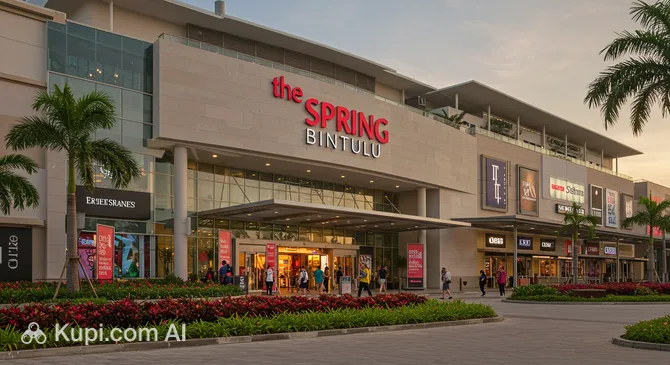
Those looking for a contemporary shopping and lifestyle experience should visit The Spring Bintulu. As a major seafront mall, it serves as a modern hub for retail, dining, and entertainment in the city. Visitors can enjoy a wide variety of international and local brands, catch a movie, or simply relax in air-conditioned comfort while enjoying views of the coast. It is a popular gathering spot for families and travelers alike.

The Spring Bintulu. Source: Kupi.Binoculars

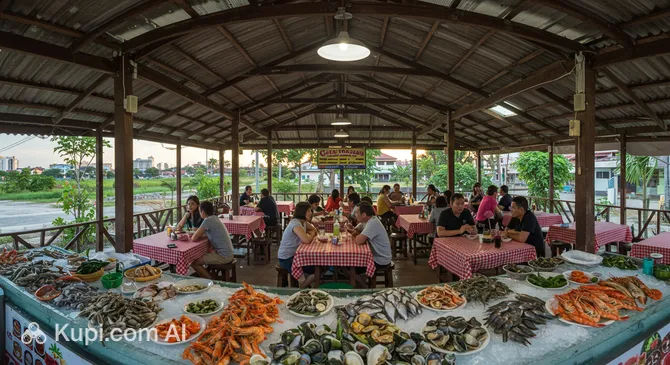
No visit to this coastal town is complete without indulging in its renowned seafood. Peace Garden Seafood Restaurant is a well-regarded establishment where visitors can savor the freshness of the day's catch. The restaurant is an excellent venue to try local Chinese-style seafood dishes, offering a casual yet satisfying dining experience that highlights the rich maritime bounty of the region.

Peace Garden Seafood Restaurant. Source: Kupi.Binoculars

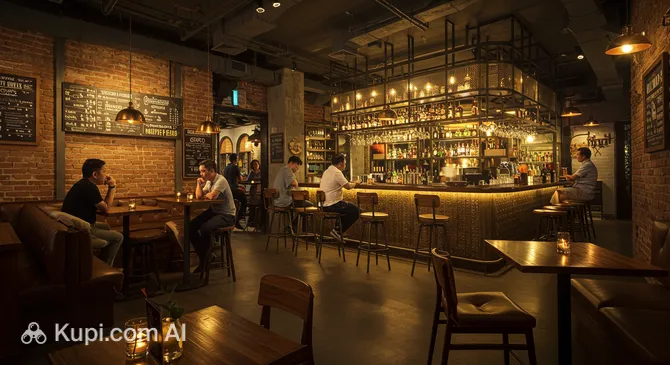
For those seeking a place to unwind after a day of exploration, The Gold Mines Gastropub offers a lively atmosphere. It is a popular venue for enjoying beverages and socialising, reflecting the city's developing nightlife scene. Whether you are looking for a hearty meal or a relaxing evening drink, this spot provides a welcoming environment to mix with locals and expatriates.

The Gold Mines Gastropub. Source: Kupi.Binoculars

Local Cuisine

The culinary landscape of Bintulu is a delightful reflection of its coastal geography and the diverse cultural tapestry of Sarawak. As a seaside town, it is celebrated primarily for its abundance of fresh seafood, which serves as the cornerstone of the local diet. From succulent river prawns to an endless variety of ocean fish, the ingredients here are exceptionally fresh and often prepared with simple techniques that highlight their natural sweetness.

One dish that every visitor must try is Umai, a traditional delicacy of the Melanau people. Often described as a local version of ceviche, it consists of thin slices of raw fish marinated in lime juice, onions, chilies, and salt. It is a refreshing and tangy appetizer that perfectly captures the flavors of the coast. Another gastronomic staple is Midin, a crunchy wild jungle fern that is unique to Sarawak. In Bintulu, it is most commonly stir-fried with the town's legendary shrimp paste, creating a savory and spicy side dish known as Midin Belacan.

Speaking of shrimp paste, Bintulu is famous throughout Malaysia for producing high-quality Belacan. This pungent, fermented condiment is an essential ingredient in local cooking. Foodies often visit the Bintulu Tamu Market specifically to purchase blocks of this savory paste to take home. The market is also a great place to spot other local snacks and seasonal fruits that define the region's flavor profile.

For breakfast or a quick lunch, the local food culture revolves around open-air coffee shops known as kopitiams. Here, you can enjoy a bowl of Sarawak Laksa, a vermicelli noodle soup with a rich, aromatic broth made from sambal belacan and coconut milk. Alternatively, Kolo Mee—springy egg noodles tossed in savory oils and topped with minced meat—is a beloved comfort food enjoyed by locals of all ages.

When it comes to beverages, the "Three-Layer Tea" or Teh C Peng Special is a popular thirst quencher. It features distinct layers of melted palm sugar (Gula Apong), evaporated milk, and black tea, creating a sweet and creamy drink that looks as good as it tastes. For those interested in alcoholic beverages, Tuak, a traditional rice wine brewed by the indigenous Dayak communities, is a cultural icon often served during festivals, though it can sometimes be found in specialty establishments.

Dining out in Bintulu ranges from lively night markets to comfortable sit-down venues. For a classic family-style dinner featuring the day's catch, the Peace Garden Seafood Restaurant is a popular choice among residents and tourists alike. Meanwhile, those looking to experience the modern side of the city's nightlife and beverage scene might enjoy an evening at The Gold Mines Gastropub, where good food and drinks come together in a vibrant atmosphere.

Travel Tips

Welcome to Bintulu! To ensure your journey through this dynamic Sarawakian town is as smooth and enjoyable as possible, we have compiled a list of essential travel advice to help you navigate local customs and logistics with ease.

  1. Clothing and Gear: Given the tropical humidity, pack lightweight, breathable fabrics like cotton or linen to stay cool. Since rain can occur unexpectedly throughout the year, carrying a compact umbrella or a poncho is highly recommended. Comfortable walking shoes are a must for exploring parks, while slip-on footwear is practical for visiting places where shoes must be removed. If you plan to visit religious sites, ensure you dress modestly, covering shoulders and knees.
  2. Transportation: The most convenient way to get around the city is by using ride-hailing apps like Grab, which are reliable and affordable. Public buses exist but can be infrequent and tricky for tourists to navigate. If you intend to explore further afield, such as driving to Similajau National Park, renting a car provides the best flexibility. Taxis are available, but it is wise to confirm the fare or ensure the meter is running before starting your journey.
  3. Finances: The local currency is the Malaysian Ringgit (MYR). While credit cards are widely accepted in hotels, shopping malls, and modern restaurants, cash is king at local eateries (kopitiams) and the Bintulu Tamu Market. ATMs are plentiful in the town center and commercial areas. Tipping is not a standard practice, though rounding up the bill or leaving loose change is appreciated for good service.
  4. Health and Safety: Bintulu is generally a safe city for travelers, but standard precautions should be taken, such as safeguarding valuables in crowded areas. Pharmacies like Watsons and Guardian are easily found in shopping centers for basic medical supplies. Tap water is not recommended for direct consumption; stick to bottled or filtered water. Since it is a tropical region, applying mosquito repellent is advisable, especially during outdoor excursions in the evening.
  5. Communication: Bahasa Malaysia is the national language, but English is widely spoken and understood, particularly in the service industry and among the younger generation. Learning a few local phrases like "Terima Kasih" (Thank you) goes a long way in building rapport. SIM cards with 4G data are readily available for purchase at the airport and convenience stores upon arrival.
  6. Local Etiquette: Sarawakians are known for their friendliness and hospitality. It is customary to remove your shoes before entering a private home or certain guesthouses. When greeting, a smile and a nod are often sufficient. If eating with your hands or passing money to someone, always use your right hand, as the left is considered unclean in local culture.
  7. What to Avoid: Avoid pointing at people or objects with your index finger, as this is considered rude; instead, use your thumb with your four fingers folded underneath. Also, refrain from touching people on the head, as it is viewed as the most sacred part of the body.
  8. Souvenir Tip: If you plan to buy Bintulu's famous belacan (shrimp paste) to take home, be aware that it has a very potent smell. Many airlines have strict rules about carrying it. Ensure it is professionally vacuum-sealed and wrapped in multiple layers to prevent the aroma from escaping, or you may be asked to leave it behind at the airport!

Armed with these practical tips, you are all set to explore the unique sights and flavors of Bintulu. We hope you have a wonderful time discovering the warmth and charm of this coastal gem in Borneo.

Entertainment & Nightlife

While Bintulu is primarily known as an industrial center, its entertainment and nightlife scene has evolved to offer visitors a pleasant variety of ways to unwind after dark. Unlike the high-energy clubbing scenes found in larger capitals, the nightlife here is more laid-back, revolving around social gatherings, live music, and excellent food. The atmosphere is generally casual and friendly, making it easy for travelers to mingle with locals and expatriates.

The heart of the evening action is often found around Parkcity Commerce Square and the waterfront area. These districts come alive at night with a mix of bistros, karaoke lounges, and pubs. For those looking to enjoy a cold beverage and a lively vibe, The Gold Mines Gastropub is a standout venue. It offers a comfortable setting where guests can enjoy a selection of drinks and hearty meals, often accompanied by music that sets the mood for a fun evening out.

Dining late is a favorite pastime in Bintulu, and the city's eateries often stay open well into the night. Seafood restaurants are particularly popular for evening feasts. Peace Garden Seafood Restaurant is a great spot to experience this local tradition, serving fresh dishes in an open-air environment that captures the tropical evening breeze. It is a perfect place for families or groups of friends to enjoy a leisurely dinner.

For a more modern entertainment experience, many locals head to The Spring Bintulu. This shopping mall is not just for retail; it serves as a lifestyle hub with a cinema, providing a classic way to spend an evening watching the latest blockbusters. The mall's seafront location also makes it a pleasant area for a night walk, offering nice views and a clean, safe environment.

Travelers interested in local culture should explore the Pasar Malam (Night Market). Located near the town center, this market bustles with activity as vendors sell everything from clothing to delicious street food like satay and grilled fish. It is the best place to soak up the authentic sights, sounds, and smells of the city at night. Prices here are very affordable, and it is a cash-only environment, so be sure to bring small change.

When it comes to daytime entertainment, the options are more focused on nature and relaxation. Visitors can enjoy recreational activities at local parks or explore the city's history at small museums and monuments. For families, the beaches offer a simple yet enjoyable way to spend the day before the sun sets and the city lights turn on.

Practical Advice: The dress code for most nightlife venues in Bintulu is casual; smart-casual is appropriate for hotel bars or upscale dining. The city is generally safe for walking at night, especially in well-lit commercial areas like Parkcity, but it is always wise to stay aware of your surroundings. Public transport is limited at night, so the most reliable way to get around is by using ride-hailing apps like Grab, which are readily available and provide safe, transparent pricing.

Parks & Museums

While Bintulu is frequently associated with its industrial prowess, the city also offers a surprising array of green spaces and cultural landmarks that provide a refreshing escape from the urban bustle. Visitors looking to explore the region's natural beauty and historical roots will find well-maintained parks and significant heritage sites that tell the story of Sarawak's development.

For nature lovers, Similajau National Park is the crown jewel of the region's outdoor offerings. Located approximately 30 kilometers from the town center, this coastal park is renowned for its unique "Golden Beach," where the sand glimmers under the sun. It is an excellent spot for trekking, with trails leading through dense rainforests that are home to exotic wildlife, including saltwater crocodiles and various species of hornbills. The park offers a raw and immersive experience of Borneo's biodiversity, making it a must-visit for adventure seekers.

Closer to the city center, Taman Tumbina Bintulu offers a more accessible encounter with nature. This hilltop park serves as both a botanical garden and a zoological park, featuring a collection of local flora and fauna. Visitors can walk through orchid gardens, observe animals such as flamingos and deer, and enjoy panoramic views of the city and the coastline. It is a family-friendly destination that combines education with recreation, providing a peaceful environment for a morning jog or a leisurely afternoon stroll.

Another favorite local hangout is Tanjung Batu Beach, which functions as a recreational seaside park. It is the go-to place for residents to unwind, featuring picnic spots, barbecue pits, and a long promenade perfect for walking. The park comes alive in the late afternoon as people gather to watch spectacular sunsets over the South China Sea, offering a simple yet authentic slice of local life.

In terms of cultural heritage, Bintulu does not have large traditional museums, but its history is preserved through significant landmarks. The most important of these is the Council Negri Monument. This site commemorates the first meeting of the Sarawak State Legislative Assembly held in 1867. It stands as a symbol of the state's political history and offers a glimpse into the colonial past of the region. The monument is set within a landscaped garden, making it a pleasant stop for those interested in the origins of Sarawak's governance.

Reflecting the spiritual and cultural diversity of the town is the Tua Pek Kong Temple. Situated in the heart of the old town, this vibrant Chinese temple is not only a place of worship but also an architectural landmark adorned with intricate dragon sculptures and colorful motifs. It stands as a testament to the long-standing Chinese community in Bintulu and offers tourists a chance to observe local religious practices and traditional craftsmanship up close.

For a truly unique experience, keep an eye out for the small, lesser-known trails around the Nyabau Hill area. While not a formal tourist park, this area is popular among local hikers for its jungle trails that lead to waterfalls and viewpoints. It offers a quiet retreat into the rainforest without leaving the city limits, perfect for a quick nature fix.

Getting Around

Navigating Bintulu differs significantly from exploring larger metropolitan hubs, as the city does not have a subway, tram, or light rail network. The public transport system is entirely road-based, relying primarily on buses, taxis, and private vehicles. For most visitors, the town is relatively compact, meaning that getting around is straightforward, though it often requires a bit of planning regarding timing and routes.

Local buses serve as the primary form of mass transit within the city and its outskirts. These buses connect the town center with residential areas and key locations such as the Medan Jaya Bus Terminal, which handles long-distance routes. While this option is economical, frequencies can be irregular, and schedules are not always strictly adhered to. Bus stops are often simple shelters or designated spots on the roadside, so it is helpful to ask locals for the exact location and expected arrival times.

Regarding the payment system, cash is the standard method for most public transport transactions. There are no integrated travel cards or digital passes for the local bus network. Passengers should carry small denominations of the local currency, as drivers may not have change for large notes. Fares are generally very affordable, calculated based on the distance traveled. You simply pay the driver or conductor upon boarding.

For tourists seeking convenience and reliability, ride-hailing apps are the most recommended alternative. Services like Grab are widely available and popular in Bintulu. They offer a comfortable, air-conditioned ride with transparent pricing fixed before the journey begins. This eliminates the language barrier and the need to negotiate fares. Traditional taxis are also available, usually found at designated stands near the airport, markets, or hotels. If using a standard taxi, it is advisable to agree on the fare before starting the trip if the driver does not use a meter.

Car rental is another excellent option for those who prefer total freedom, especially for visiting attractions located further away, such as national parks. Several agencies operate at the airport and in the town center. Since traffic conditions in Bintulu are generally manageable compared to larger cities, self-driving is a stress-free way to explore the region at your own pace. Parking is ample in most areas, though you should look out for parking coupon systems in the central business district.

Walking is a feasible option if you are staying within the immediate town center, where many shops, the night market, and the waterfront are clustered close together. However, due to the tropical heat and humidity, walking long distances during the day can be exhausting. Most travelers combine short walks in the downtown area with ride-hailing services for longer trips to ensure a comfortable experience.

Accommodation

Where to Stay:

Accommodation in Bintulu caters primarily to business travelers due to the city's status as an industrial hub, but this ensures a high standard of comfort and connectivity for leisure tourists as well. The range of options is quite broad, spanning from affordable guesthouses and budget inns to modern mid-range hotels and upscale apartment suites. While you will not find many sprawling luxury beach resorts typical of other tropical islands, the city offers clean, contemporary, and well-equipped lodgings that provide excellent value for money.

The most convenient areas to stay are generally divided between the Old Town (near the riverfront) and the newer commercial districts like Parkcity Commerce Square. The Old Town is perfect for those who want to be within walking distance of local markets, the waterfront promenade, and traditional coffee shops. It offers a more authentic, bustling atmosphere where the city's heritage is easily accessible.

On the other hand, the Parkcity area is the modern heart of Bintulu, featuring wider streets and newer developments. Staying here is highly recommended for travelers who prefer easy access to shopping and entertainment, as it is situated close to major amenities like The Spring Bintulu. This area is often quieter at night compared to the Old Town and offers plenty of parking space for those renting cars.

Booking Tip: While room availability is generally good throughout the year, it is wise to book in advance if your trip coincides with major local events, particularly the Borneo International Kite Festival. During this time, hotels can fill up quickly with participants and spectators from around the world.

In terms of pricing, accommodation here is relatively affordable compared to Malaysia's capital or major tourist hotspots. Budget travelers can find decent rooms for under 100 MYR per night, while comfortable mid-range business hotels typically range between 150 MYR and 300 MYR. Reservations can easily be made through major online booking platforms, which is often the best way to secure competitive rates.

Nearby Cities

For those looking to explore the surroundings, Bintulu serves as an excellent base for day trips to several interesting nearby locations:

Located approximately a three-hour drive to the northeast is Miri, a resort city often referred to as the birthplace of Malaysia's petroleum industry. It is a popular destination for those interested in history and nature. Visitors can explore the "Grand Old Lady" on Canada Hill, which is the country's first oil well, offering panoramic views of the city and the sea. Miri also serves as the gateway to the famous Niah National Park, home to massive limestone caves and significant archaeological sites, making it a perfect stop for adventure seekers.

To the southwest lies the riverine town of Sibu, situated on the banks of the mighty Rajang River. Known for its strong Foochow cultural heritage, Sibu offers a distinct culinary and historical experience. A highlight of any visit is the Sibu Central Market, the largest indoor market in Malaysia, where travelers can browse an incredible variety of jungle produce and local handicrafts. The town's waterfront and the Tua Pek Kong Temple are also excellent spots for a leisurely afternoon walk.

City Population Distance (km)
Kota Kinabalu 452,058 458
Kuching 325,132 348
Sibu 247,995 167
Miri 234,541 175
Tawau 113,809 551

These nearby destinations offer a glimpse into the diverse culture and landscapes of the region.

Shopping & Souvenirs

Shopping in Bintulu offers a distinct mix of modern convenience and traditional charm, reflecting the city's role as both an industrial hub and a cultural melting pot. While it may not rival the vast retail landscape of Kuala Lumpur, visitors will find a satisfying range of options, from contemporary shopping malls housing international brands to bustling local markets filled with exotic jungle produce. Whether you are looking for daily essentials, fashion, or unique Sarawakian handicrafts, the town provides a relaxed and authentic retail experience.

The main commercial pulse of the city is found in Parkcity Commerce Square. This sprawling district is the modern heart of Bintulu, lined with rows of shophouses, banks, specialty stores, and eateries. It is an excellent area to walk around for clothing, electronics, and local services. In contrast, the Old Town area near the riverfront offers a more nostalgic atmosphere. Here, traditional Chinese shophouses sell everything from textiles and hardware to gold jewelry, providing a glimpse into the town's trading history.

For a comfortable, air-conditioned shopping experience, The Spring Bintulu is the premier destination. Located along the seafront, this lifestyle mall is the largest in the city and serves as a primary gathering spot for locals. It features a department store, a supermarket, and a variety of fashion and beauty retailers. Visitors can find familiar international and Malaysian brands here, making it the best place to shop for apparel, accessories, or travel necessities in a modern setting.

To truly understand the local culture, a visit to the Bintulu Tamu Market is essential. Housed under distinctive cone-shaped roofs, this "tamu" (meeting place) is where traders from the interior bring their goods. It is a treasure trove for curious travelers. You can find rare jungle ferns, wild honey, Bario rice, and hand-woven baskets made by indigenous communities. The atmosphere is vibrant and friendly, offering a colorful contrast to the sterile environment of modern malls.

When it comes to souvenirs, Bintulu is famous throughout Malaysia for its Belacan (shrimp paste). It is widely considered the best in the country and makes for a pungent but prized gift for foodie friends; just ensure it is sealed tightly for travel. Other popular items to bring back include Sarawak Pepper, known for its quality, and Kek Lapis Sarawak (layer cake), which comes in intricate patterns and flavors. For a savory treat, Ikan Terubuk Masin (salted fish) is another local specialty often packed specifically for tourists to take home.

Most shopping malls and retail outlets in the city operate daily from 10:00 AM to 10:00 PM. Markets, however, start much earlier, with the freshest produce available from as early as 6:00 AM, and they typically wind down by early afternoon. While credit cards and e-wallets are widely accepted in malls, supermarkets, and hotels, cash is essential when visiting the Tamu market or smaller shophouses. It is advisable to carry smaller denominations of Ringgit for easier transactions with local vendors.

Travelers should note that Malaysia currently does not have a tourist tax refund scheme for sales tax. Unlike some major tourist hubs with duty-free status, Bintulu is not a duty-free zone. Therefore, the prices you see on the shelf are generally the final prices you pay, inclusive of any applicable taxes.

Reached the end of the page?

That means the route is fully explored