Support

Mulu

About

Nestled deep within the verdant rainforests of Borneo, Mulu is a destination that captivates the imagination of adventurers and nature lovers alike. Far removed from the hustle of urban life, this remote settlement serves as the gateway to one of the most spectacular natural landscapes on Earth. Located in the state of Sarawak, Malaysia, Mulu is defined by its serene atmosphere, where the sounds of the jungle replace the noise of traffic, offering a truly immersive escape into the wild.
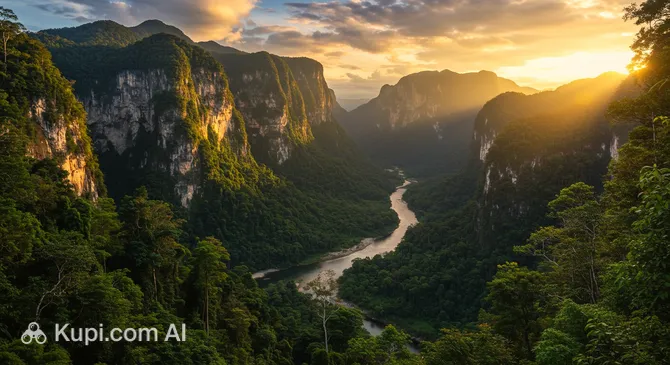
Mulu. Source: Kupi.Binoculars

Geographically, Mulu is situated near the southern border of Brunei, surrounded by dense tropical vegetation and winding rivers. The climate is typically equatorial—hot, humid, and rainy throughout the year—which sustains the incredible biodiversity of the region. While the local population is small, consisting mainly of indigenous communities such as the Berawan and Penan people, the area comes alive with visitors drawn to its ecological wonders. Those interested in the history of Mulu will discover a fascinating narrative of geological evolution spanning millions of years, alongside the rich cultural heritage of the tribes who have called this rainforest home for centuries.

The crown jewel of the area is undoubtedly the Gunung Mulu National Park, a UNESCO World Heritage Site famous for its dramatic limestone karst formations. Among its most iconic features are The Pinnacles, a forest of razor-sharp limestone spikes that rise midway up the slopes of Gunung Api. Beneath the surface, the park hides some of the largest cave systems in the world, including the massive Deer Cave and the Sarawak Chamber, which is large enough to house several jumbo jets. Whether you are watching millions of bats spiral out of the caves at dusk or trekking through the canopy, Mulu invites you to experience nature in its most majestic form.

Weather Overview

The climate in Mulu is typically equatorial, characterized by consistent warmth and high humidity throughout the year. Visitors should expect a tropical environment where the temperature remains remarkably stable, with average monthly temperatures hovering between 25.3°C and 26.4°C. The days are generally warm, reaching highs around 30°C, particularly in April and May, while nights are pleasant with minimum temperatures settling comfortably between 21°C and 22°C.

Rainfall is a constant companion in this lush rainforest region, contributing to its thriving biodiversity. There is no distinct dry season, and travelers should anticipate rain almost daily, with the number of wet days ranging from roughly 20 in July to 30 in December and January. For a more detailed breakdown of seasonal patterns to help plan your packing, you can consult the guide on weather in Mulu. Regardless of when you visit, it is advisable to bring waterproof gear, as showers are frequent and help maintain the area's vibrant greenery.

Interesting Facts

Beyond the main attractions, Mulu holds many fascinating secrets that reveal the true magnitude of its natural wonders. This remote wilderness is not just beautiful; it is a land of superlatives and unique biological phenomena that continue to astound scientists and visitors alike.

  • A Chamber of Giants: The Sarawak Chamber, located within the Good Luck Cave (Gua Nasib Bagus), is the largest known cave chamber in the world by surface area. It is so colossal that it could easily accommodate 40 Boeing 747 aircraft, yet it remained hidden from the world until a geological expedition discovered it in 1981.

  • The Living Ribbon: The famous bat exodus from Deer Cave is not just a random flight; it is a tactical defense strategy. Millions of wrinkled-lipped bats spiral out in a specific ribbon-like formation to confuse and deter the predatory bat hawks that perch on the cliffs waiting to hunt them as they emerge for the night.

  • Isolated by Design: Mulu is one of the few popular tourist destinations in the region that remains completely inaccessible by road. To this day, the only way to reach this secluded rainforest settlement is by a small aircraft or a long, adventurous journey by river boat, preserving its pristine and isolated atmosphere.

  • Ancient Roots: The rainforests surrounding Mulu are estimated to be around 60 million years old, making them significantly older than the Amazon rainforest. This immense age has allowed for an evolutionary playground, resulting in thousands of plant and insect species that are found nowhere else on Earth.

How to Get There

Reaching Mulu is an adventure in itself, as this remote destination in Sarawak is famously isolated from the outside world by thick rainforests and rugged terrain. There are no roads leading directly to the national park, making air travel the primary and most convenient mode of transport for the vast majority of visitors. For a detailed breakdown of routes and travel tips, you can read more about how to get to Mulu.

The gateway to the park is the compact Mulu Airport (MZV), located directly within the settlement. It is a small regional airport specifically designed to serve tourists visiting the national park. Since direct international flights do not land here, most travelers fly into Miri Airport (MYY) in the city of Miri first. Miri serves as the main transit hub for the region and is approximately 109 km away. From Miri, a short flight to Mulu takes about 30 minutes, offering spectacular aerial views of the winding rivers and canopy below. While Mulu Airport handles a modest volume of traffic, Miri is a bustling hub with over 2 million passengers annually, connecting to major cities like Kuala Lumpur and Singapore.

For clarity, here is a summary of the main airports in the vicinity:

Airport Name City Passenger Traffic Km from City
Miri Airport Miri High 109.1
Brunei International Airport Bandar Seri Begawan Medium 99.3
Labuan Airport Labuan Medium 143.2
Mulu Airport Mulu Low 13.8
Bario Airport Bario Low 70.1

There are no railway stations servicing Mulu or the surrounding interior of Sarawak. The challenging topography of the Borneo rainforest makes rail infrastructure impractical in this region. Aside from flying, the only other way to access Mulu is by river, following the traditional routes used by locals. This involves a lengthy journey by boat from Miri to Marudi, and then upriver to the park, a trip that can take an entire day and is dependent on water levels.

Main Attractions

The primary allure of this destination lies entirely within the boundaries of the UNESCO-listed Gunung Mulu National Park. This protected rainforest is a treasure trove of geological marvels, ranging from subterranean chambers to towering karst formations. While the park itself is the main destination, it contains several distinct sites that offer unique experiences for visitors, ranging from leisurely boat rides to adrenaline-pumping treks.

One of the most famous sites is Deer Cave, renowned for possessing one of the largest cave passages in the world. A wooden walkway leads visitors through the jungle to the cave mouth, which is so massive it creates its own microclimate. Inside, you can spot the famous rock formation resembling the profile of Abraham Lincoln. The true highlight, however, occurs at dusk at the nearby "Bat Observatory," where visitors gather to watch millions of bats stream out of the cave in spiraling ribbons to hunt, a spectacular natural event known as the Bat Exodus.

For those seeking a challenge, The Pinnacles on Gunung Api offer one of the most distinctive landscapes in Borneo. These razor-sharp limestone spikes rise up to 45 meters high out of the surrounding vegetation, creating a jagged, grey forest of stone. Reaching the viewing point is an adventure in itself, requiring a tough multi-day trek that involves climbing ladders and navigating steep trails. The reward is a breathtaking view of these geological oddities that has become an iconic image of Mulu.

Another subterranean wonder is Clearwater Cave, believed to be part of one of the largest interconnected cave systems in Southeast Asia. As the name suggests, it features a crystal-clear underground river flowing through its chambers. Visitors usually arrive by longboat, adding a scenic river cruise to the experience. After exploring the cave's boardwalks and marveling at the water-sculpted rock walls, you can enjoy a refreshing swim in the natural pool at the picnic deck outside the cave entrance.

To experience the rainforest from a different perspective, the Mulu Canopy Skywalk is a must-visit. Suspended 25 meters above the forest floor and stretching for 480 meters, it is one of the longest tree-based canopy walks in the world. This network of bridges allows you to walk among the treetops, offering a rare chance to spot birds, monkeys, and intricate epiphytes that thrive in the upper layers of the jungle, all while enjoying the serene sounds of the ancient rainforest.

Local Cuisine

Dining in Mulu is a humble yet authentic experience that reflects the isolation and rich cultural heritage of the Sarawak interior. Unlike the bustling street food scenes of Kuala Lumpur or Penang, the culinary landscape here is defined by what can be sourced from the surrounding rainforest and rivers, or what must be flown in by plane. The result is a simple, hearty cuisine that relies heavily on fresh jungle produce and traditional cooking methods used by the indigenous Orang Ulu communities.

One dish you simply cannot miss while in Mulu is Midin. This wild jungle fern is native to Sarawak and grows abundantly in the damp soil of the region. It is typically stir-fried with belacan (shrimp paste) and chilies, or simply with garlic for a lighter taste. Midin is beloved for its unique texture—crunchy and succulent—and it offers a true taste of the Borneo rainforest. Another local specialty is Manok Pansoh, or bamboo chicken. In this traditional preparation, chicken pieces are marinated with lemongrass, ginger, and tapioca leaves, then stuffed into a hollow bamboo tube and cooked over an open fire. The bamboo seals in the moisture and infuses the meat with a distinct, aromatic woody flavor.

Given the location, freshwater fish is also a staple. River fish caught in the Melinau or Tutoh rivers are often steamed or grilled simply to highlight their natural sweetness. For a quick and comforting meal, you will find ubiquitous Malaysian staples like Sarawak Laksa—rice vermicelli served in an aromatic prawn-based broth with coconut milk—available at breakfast tables, providing the necessary fuel for a day of trekking.

When it comes to beverages, the most famous local drink is Tuak, a traditional rice wine brewed by the indigenous tribes. Often served during festivals and welcoming ceremonies, it has a sweet, yeasty flavor that varies from household to household. For a refreshing non-alcoholic option to cool down after a cave walk, try the Teh C Peng Special (Three-Layer Tea). This visually appealing drink consists of separate layers of melted palm sugar (Gula Apong), evaporated milk, and strong black tea, which you stir together for a sweet, caramel-like treat.

The food culture in Mulu is concentrated and communal. Options are generally split between the resort restaurants, the park's own canteen (Café Mulu), and a small cluster of family-run warungs (stalls) located just across the suspension bridge outside the park headquarters. These local spots offer a relaxed atmosphere where tourists and guides mingle over plates of fried rice or noodles. Do not expect late-night dining or extensive menus; meals here are early, casual affairs designed to nourish you after a long day of exploring the caves.

Travel Tips

Visiting Mulu is a unique adventure into the heart of Borneo, but its isolation requires careful planning to ensure a smooth and enjoyable trip. Since you are venturing into a protected rainforest far from major cities, these practical tips will help you navigate the logistics of this remote paradise.

  1. Clothing and Gear: Given the hot and humid equatorial climate, pack lightweight, breathable clothing that dries quickly. A sturdy raincoat or poncho is mandatory, as downpours are frequent and sudden. You will need comfortable hiking shoes with excellent grip for slippery wooden boardwalks and muddy trails. Don't forget a powerful headlamp for cave tours, insect repellent, and a hat.
  2. Transportation: Unlike typical cities, Mulu has no public transport infrastructure such as buses, taxis, or ride-hailing apps, and there are no roads connecting it to the outside world. Getting around is done almost exclusively on foot via the extensive network of boardwalks or by longboat along the Melinau River. Most accommodations are within walking distance of the airport or offer their own shuttle transfers.
  3. Finances: This is perhaps the most critical tip: bring sufficient cash. The currency is the Malaysian Ringgit (MYR), and there are no ATMs in Mulu. While the National Park Headquarters and the luxury Marriott resort accept credit cards, local homestays, small warungs (eateries), and boat operators deal strictly in cash. You must withdraw money in Miri or Kuching before your flight.
  4. Health and Safety: Medical facilities are very limited; there is only a small rural clinic that handles minor ailments. Pharmacies are non-existent, so bring a comprehensive personal first-aid kit containing painkillers, antihistamines, plasters, and any prescription medications you require. The environment is safe, but always stay on marked trails to avoid getting lost in the dense jungle.
  5. Communication: English is widely spoken by park guides and resort staff, making communication easy for international travelers. The main local language is Bahasa Malaysia. Connectivity is limited; mobile signal is often spotty (Celcom usually has the best coverage), and while Wi-Fi is available at the Park HQ and resorts, it can be slow and unreliable.
  6. Local Etiquette: The indigenous people of the area are warm and welcoming. A smile is the universal greeting. If you visit a local settlement, remove your shoes before entering a house and always ask for permission before taking photographs of individuals. It is polite to accept food or drink if offered, even just a small taste.
  7. What to Avoid: Never touch the cave formations. The oils from your skin can stop the growth of stalactites and stalagmites and permanently damage these ancient structures. Additionally, avoid making loud noises inside the caves, as this can disturb the resting bats and swiftlets that inhabit them.
  8. Booking Essentials: You cannot enter the caves or attempt the Pinnacles trek without a licensed park guide. Tours and slots are subject to strict daily quotas, so it is highly recommended to book your activities weeks in advance via the National Park's official website to avoid disappointment upon arrival.

By packing the right gear and ensuring you have enough cash on hand, you will be well-prepared to explore the breathtaking beauty of Mulu without logistical stress. Embrace the slower pace of the jungle, disconnect from the digital world, and get ready for an unforgettable experience in one of nature's most spectacular classrooms.

Entertainment & Nightlife

Entertainment and nightlife in Mulu are defined by the unique character of the settlement itself: remote, tranquil, and deeply connected to the surrounding rainforest. Travelers expecting bustling nightclub districts, neon-lit streets, or thumping discos will be surprised to find a very different, yet equally captivating, evening atmosphere. The "nightlife" here revolves around relaxing after a physically demanding day of trekking, sharing stories with fellow adventurers, and immersing oneself in the sounds of the jungle. The pace is slow, the vibe is incredibly casual, and the dress code rarely strays from comfortable trekking gear or light resort wear.

For those seeking a drink and a social atmosphere, the options are concentrated in two main areas: the luxury resort setting and the local community hub. The Mulu Marriott Resort & Spa offers the most polished evening experience. Its lounge and bar area provide a comfortable setting where you can enjoy cocktails, wine, or cold beers while overlooking the Melinau River. It is the closest thing to a chic bar in the area, offering a touch of comfort in the wild. Alternatively, the Café Mulu, located at the National Park Headquarters, serves as a central gathering point for hikers. Here, the atmosphere is communal and lively in the early evening, as guides and tourists mingle over cold drinks to discuss the day's sightings.

For a more local and rustic experience, visitors should head to the area just across the suspension bridge from the Park Headquarters. This small strip along the riverbank functions as Mulu's modest "entertainment district." Here, several family-run warungs (small eateries) and homestays serve affordable beer and simple local snacks. This is where the atmosphere is most authentic; there is no pretension, just wooden tables, the sound of the river, and the company of locals and backpackers. These venues typically close relatively early, usually winding down by 10:00 PM or 11:00 PM, as most people plan for early starts the next morning.

The most popular form of "evening entertainment" in Mulu is actually provided by nature itself. The Guided Night Walk organized by the park is a must-do activity that replaces the typical theater or concert experience. Walking through the jungle at night reveals a completely different world of luminescent fungi, blinking fireflies, and nocturnal wildlife like civets and insects. It is an auditory and visual spectacle that far outweighs any city amusement. When venturing out at night, whether for a walk or dinner, safety is straightforward: the area is free from urban crime, but the lack of street lighting means a flashlight or headlamp is essential to navigate the dark paths and avoid stepping on wildlife.

Regarding daytime entertainment beyond the caves and treks, Mulu does not have shopping malls, cinemas, or amusement parks. The educational and cultural aspect is covered by the Mulu Discovery Centre near the park entrance, which acts as a small museum offering insights into the geology and biodiversity of the region. Practical advice for enjoying evenings here includes bringing plenty of cash, as the local warungs do not accept cards, and carrying insect repellent. Since there are no taxis, getting around at night is done entirely on foot or, if staying at the Marriott, via their shuttle boat or van service.

Parks & Museums

Unlike typical urban destinations defined by manicured lawns and city squares, Mulu’s concept of "parks and green spaces" is vastly different; the entire settlement is enveloped by one of the world's most ancient and pristine rainforests. Here, the distinction between a garden and the wild blurs, offering visitors an immersive experience where nature is the primary architect. While there are no traditional art galleries, the region offers deep cultural insights through its interpretative centers and living heritage sites.

Botanical Heritage Trail

For those who wish to appreciate the rich flora of the rainforest without embarking on a strenuous expedition, the Botanical Heritage Trail is the perfect introduction. Located near the park headquarters, this 1.5-kilometer loop is a carefully curated "living garden" designed to showcase the biodiversity of Borneo. Walking along the well-maintained boardwalks, visitors can observe rare plant species, fascinating fungi, and towering tropical trees, all labeled with informative plaques. It offers a serene atmosphere where you can spot squirrels and birds, making it an ideal green space for a leisurely morning stroll.

Paku Valley and Waterfall

While technically part of the larger national park, the Paku Valley loop functions as a distinct recreational area for nature lovers. The trail winds through the dense jungle floor, leading away from the main tourist caves into a quieter zone frequented by wildlife. The highlight of this area is the Paku Waterfall, a secluded spot where the cool river water cascades into a natural pool. It serves as a refreshing sanctuary after a hike, allowing visitors to swim surrounded by the sights and sounds of the primary rainforest, far removed from the more crowded boat landing areas.

Mulu World Heritage Discovery Centre

As the primary educational facility in the area, the Mulu World Heritage Discovery Centre acts as the "museum" of the rainforest. Situated near the park entrance, this interpretation center provides crucial context to the geological and biological wonders surrounding you. Through detailed displays, skeletons of local wildlife, and geological models, it explains the formation of the massive limestone karst and the complex ecosystems of the caves. It is an essential stop for visitors wanting to understand the science behind the spectacle, offering a deeper appreciation of the UNESCO site's global significance.

Batu Bungan Penan Settlement

While not a museum in the conventional sense, the Batu Bungan settlement serves as a living gallery of the indigenous Penan culture. Located along the Melinau River and accessible by boat, this village offers a glimpse into the transition of the Penan people from a nomadic lifestyle to settled life. Visitors can explore a small craft market where locals display intricate beadwork, rattan weaving, and traditional blowpipes. It provides a valuable cultural counterpoint to the nature-focused activities, allowing tourists to support the local community and learn about their enduring relationship with the jungle.

Insider Tip: For a truly magical and unscripted experience, take a walk along the boardwalks near the park headquarters immediately after heavy rain. The forest comes alive in a unique way: the chorus of frogs is deafening, colorful fungi bloom almost instantly, and the mist rising from the limestone cliffs creates a prehistoric atmosphere that few casual visitors take the time to appreciate.

Getting Around

Travelers arriving in Mulu should be aware that the local transport infrastructure is vastly different from that of a typical city. As a remote settlement located deep within the rainforest, Mulu does not possess a public transportation network in the conventional sense. There are no metros, public buses, trams, or trains operating in the area. Furthermore, ride-hailing apps and standard taxi services are non-existent. Instead, the "transport system" here relies almost exclusively on two modes of movement: walking along designated paths and traveling by river using traditional longboats.

The primary way to navigate the immediate area surrounding the World Heritage Site is on foot. The distance between the airport, the National Park Headquarters, and the cluster of nearby homestays is relatively short, typically ranging from 500 meters to 1.5 kilometers. A single paved road runs from the airport to the park entrance, while a network of raised wooden boardwalks connects the park facilities to the show caves. Walking is not just a necessity but part of the experience, allowing visitors to immerse themselves in the jungle atmosphere immediately upon arrival.

For longer distances, specifically to reach sites like the Clearwater Cave, Wind Cave, or the Batu Bungan settlement, the longboat serves as the local equivalent of a bus or taxi. These long, narrow motorized vessels are designed to navigate the shallow and winding Melinau River. Longboats are typically operated by local boatmen and must be chartered or booked as part of a tour. They are not "hop-on, hop-off" services; arrangements are usually made through the National Park Office or your accommodation provider.

Regarding payment, the system is entirely cash-based and manual. There are no travel cards, contactless payment systems, or mobile ticketing apps available in Mulu. If you are staying at a major resort, boat transfers may be charged to your room, but for independent boat charters or rides arranged by smaller homestays, you must pay the boatman directly in cash (Malaysian Ringgit). Prices are generally fixed for standard tourist routes set by the park management, but private charters can be negotiated.

Land-based vehicle transport is extremely limited. The only "shuttle" services available are private vans or trucks operated by specific accommodations, such as the Mulu Marriott Resort, to transport guests to and from the airport or the park entrance. These are not public shuttles and are generally reserved for guests of the respective establishment. Occasionally, local villagers may offer a ride in a private truck for a small fee if you are carrying heavy luggage to a homestay further down the road, but this is informal and cannot be relied upon as a standard service.

A crucial piece of advice for tourists is to coordinate all transport needs in advance. Since you cannot simply flag down a taxi, ensure your accommodation knows your flight arrival time so they can meet you, or be prepared to walk the short distance from the airport. Always carry sufficient small denomination cash for boat fees, as boatmen rarely have change for large notes. Finally, given that walking is the main mode of transit, comfortable, non-slip walking shoes are the most important "transport ticket" you can pack.

Accommodation

Accommodation in Mulu is defined by its remote rainforest setting, offering a small but distinct range of options that cater to different budgets and travel styles. Unlike major tourist hubs with endless hotel lists, lodging here falls into three clear categories: official accommodation inside the National Park, a single luxury resort, and a cluster of family-run homestays and backpacker lodges. Because the settlement is isolated, all options are situated relatively close to each other along the banks of the Melinau River, ensuring that nature is never more than a few steps away.

For travelers seeking a blend of comfort and wilderness, the Mulu Marriott Resort & Spa stands out as the only 5-star property in the area. Built on wooden stilts rising from the jungle floor, it is designed to minimize its ecological footprint while maximizing luxury. The resort is located just a five-minute boat ride or a scenic 20-minute walk from the park entrance. It is the preferred choice for those who want to explore the caves by day and return to air-conditioned rooms, a swimming pool, and fine dining by night.

If proximity to the attractions is your priority, the accommodation managed by the Mulu National Park Headquarters is the most convenient option. Staying here means you are already inside the park, just steps away from the start of the trekking trails and the discovery center. The park offers a variety of room types, ranging from comfortable Garden Bungalows with air conditioning and en-suite bathrooms to basic, budget-friendly dormitory beds in the hostel. These units are highly sought after and often fill up quickly, so early reservation is essential.

For budget-conscious travelers and those wanting a more authentic local experience, the village across the Melinau River offers numerous homestays and B&Bs. These are typically family-run establishments that provide basic but clean rooms, often with shared bathrooms and cold showers. Staying here supports the local community and offers a friendly, communal atmosphere where you can swap stories with other hikers. Access to the park from these homestays usually involves a short walk across the suspension bridge.

Booking and Price Tips: Due to the limited inventory, it is highly recommended to book your accommodation well in advance, especially if you plan to visit during the peak season (July to September). Prices vary significantly: the luxury resort commands international rates, park chalets are mid-range, and homestays are very affordable. While the resort and Park HQ accept online bookings and credit cards, most homestays require cash payment (Malaysian Ringgit) upon arrival, so ensure you bring sufficient funds as there are no ATMs in Mulu.

Nearby Cities

Because Mulu is nestled deep within the rainforest and accessible only by air or river, the surrounding cities function primarily as essential transit hubs and gateways rather than typical day-trip destinations. Travelers typically pass through these urban centers before or after their jungle adventure, making them perfect spots to explore the wider culture and history of Borneo.

Miri is the closest major city and serves as the primary jumping-off point for flights into the national park. Often referred to as the "Resort City," it offers a stark contrast to the isolation of the rainforest with its vibrant markets, modern amenities, and coastal charm. Visitors can explore the Grand Old Lady, Malaysia’s first oil well located on Canada Hill, which offers panoramic views of the town and sea. The city is also known for its handicrafts market and beautiful sunsets at Brighton Beach (Tanjung Lobang), making it a pleasant urban stopover.

Further afield in the neighboring state of Sabah, Kota Kinabalu is a key international entry point often visited in conjunction with Mulu due to flight connections. As a bustling coastal capital, it is famous for the majestic Mount Kinabalu and the pristine islands of Tunku Abdul Rahman Marine Park. Travelers can enjoy fresh seafood on the waterfront, visit the floating mosque, or explore the cultural heritage of the diverse ethnic groups of Borneo at the Sabah Museum.

City Population Distance (km)
Kota Kinabalu 452,058 249
Sibu 247,995 395
Miri 234,541 110
Lahad Datu 199,830 392
Bintulu 114,058 231

These nearby destinations offer a glimpse into the diverse culture and landscapes of the region, complementing the wilderness experience of Mulu.

Shopping & Souvenirs

General Overview

Shopping in Mulu is a modest and localized affair, reflecting the remote nature of this rainforest settlement. Visitors should not expect a conventional shopping experience; there are no commercial high streets, luxury boutiques, or sprawling retail complexes here. Instead, the shopping scene is centered entirely on essentials and cultural souvenirs. The opportunities to buy goods are limited to a few specific spots near the National Park Headquarters and the airport, focusing primarily on indigenous handicrafts, basic trekking supplies, and mementos of your jungle adventure.

Main Shopping Areas

Since Mulu is not a town in the traditional sense, there is no central shopping district. The primary retail location is the National Park Headquarters Gift Shop. Located within the park's administrative complex, this air-conditioned shop offers a well-curated selection of items, including high-quality T-shirts, books on Borneo’s flora and fauna, postcards, and local snacks. Just outside the park boundaries, across the suspension bridge over the Melinau River, you will find a small cluster of locally run stalls. These humble wooden shops sell basic provisions like bottled water, batteries, and toiletries, alongside simple handmade crafts.

Shopping Malls

It is important for tourists to be aware that there are absolutely no shopping malls or department stores in Mulu. The infrastructure is designed solely for eco-tourism and the local community. Travelers needing to purchase electronics, branded clothing, or extensive travel gear should do so in major cities like Miri or Kuching before flying into the national park.

Markets

The most significant and culturally interesting market in the area is the Batu Bungan Handicraft Market. Located in a Penan settlement along the Melinau River, this market is typically visited as part of a morning boat tour to the caves. Here, the women of the Penan tribe display their intricate handiwork on simple tables. It is an authentic place to purchase goods directly from the artisans, supporting the local economy. You will find distinctively patterned mats, bracelets, and bags, all crafted from natural jungle fibers.

Souvenirs

The best souvenirs to bring back from Mulu are undoubtedly the traditional handicrafts made by the Orang Ulu communities. Intricate beadwork is a specialty of the region, often fashioned into colorful necklaces, bracelets, and headbands. Another popular item is the rattan basket or "ajung," woven from sturdy jungle vines and used locally for carrying crops. For a unique memento, you can also find small replicas of traditional blowpipes or wood carvings. The gift shop at the park also sells high-quality photo books that capture the majesty of the caves, which make for excellent coffee-table additions.

Opening Hours and Payment

Store hours in Mulu are generally dictated by daylight and the flow of tourists. The National Park Gift Shop typically opens around 8:00 AM and closes by 5:00 PM or 6:00 PM. The stalls at the Batu Bungan market usually operate in the morning when tour boats arrive, often packing up by midday. The most critical piece of advice for shoppers in Mulu is regarding payment: Cash is essential. With the exception of the park office and the luxury resort, credit cards are not accepted, and there are no ATMs in the settlement. Ensure you bring enough Malaysian Ringgit (MYR) in small denominations to pay for souvenirs and snacks at local stalls.

Reached the end of the page?

That means the route is fully explored