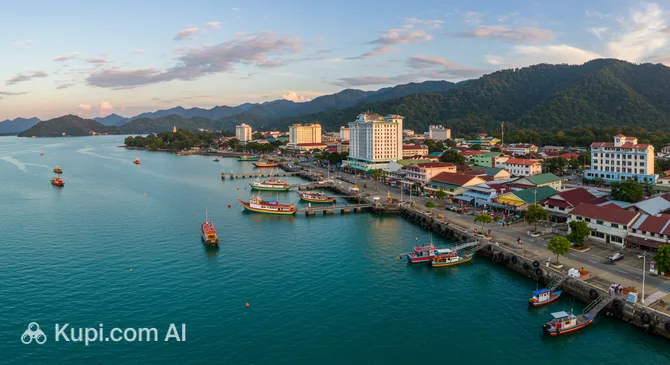
Navigating Sandakan is relatively straightforward, though the city does not possess a complex rapid transit network like a metro, tram, or light rail system. Instead, the public transport infrastructure relies entirely on road-based options, primarily consisting of buses, minibuses, and taxis. For most visitors, the system is easy to understand once you become familiar with the local geography, which is often described in terms of "Miles" (or Batu in the local language) stretching out from the city center.
The most common form of public transport used by locals is the bus system, which includes both larger buses and smaller minibuses or vans. These vehicles connect the downtown area with residential suburbs and key landmarks along the main arterial roads. The central bus terminal is located near the waterfront and the central market. Buses typically display their destination or route number on the windshield. While they are an authentic way to travel, they can sometimes be irregular, as many drivers wait until the vehicle is full before departing rather than adhering to a strict timetable.
When it comes to payment, the system is traditional and cash-based. There are no travel cards, digital passes, or tap-on systems for public buses in Sandakan. Passengers pay the fare directly to the driver or a conductor upon boarding or disembarking. Fares are incredibly affordable, usually costing just a few Ringgit depending on the distance. It is essential to carry small denominations of cash and coins, as drivers may not always have ample change for large banknotes.
For tourists who value convenience and comfort, ride-hailing apps are the most popular alternative to public buses. Services like Grab are widely available throughout the city and offer a hassle-free experience. You can book a car via your smartphone, see the fixed price upfront, and pay electronically or with cash. This option eliminates the language barrier and the uncertainty of bus schedules, making it the preferred choice for reaching specific attractions like the Sepilok Orangutan Rehabilitation Centre, which is located quite far from the city center.
Traditional taxis are also easily found, particularly around the airport, hotels, and major shopping areas. Unlike ride-hailing cars, regular taxis in Sandakan may not always use a meter. Therefore, it is standard practice to negotiate and agree on the fare with the driver before getting into the vehicle to avoid any misunderstandings later. Taxis can be hired for single trips or chartered by the hour for sightseeing tours.
Regarding operating hours, it is important to note that public buses and minibuses generally stop running relatively early in the evening, often around 6:00 PM or 7:00 PM. After sunset, the frequency of public transport drops significantly. If you plan to stay out late for dinner or night market visits, it is highly advisable to arrange a ride-hailing service or have a taxi number handy to ensure a safe return to your accommodation.
For those interested in exploring at their own pace, car rentals are available at the airport and in the city center. Driving in Sandakan is generally manageable, although traffic can be heavy during peak hours. Renting a car provides the freedom to visit distant wildlife sanctuaries without relying on bus schedules. However, walking is also a viable option for exploring the compact historical center, where many heritage sites and the waterfront are located within a comfortable distance of each other.