Support

Berau

About

Located in the province of East Kalimantan, Berau is a captivating destination that serves as the primary gateway to some of the most stunning marine environments in Indonesia. With a population of approximately 170,000 residents, this region blends bustling local life with untouched natural beauty, offering a perfect mix of adventure and relaxation for travelers venturing off the beaten path.

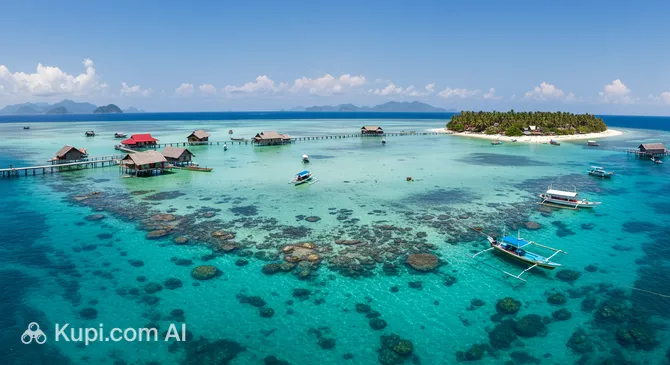
Berau. Source: Kupi.Binoculars

Beyond its natural allure, the region possesses a fascinating cultural background. Travelers interested in the past can explore the history of Berau, which traces back to the ancient sultanates of Sambaliung and Gunung Tabur that once thrived in the area. This heritage adds a layer of depth to the city, where traditional architecture and local customs still play a significant role in daily life.

Most visitors flock to Berau to access the world-renowned Derawan Islands, a diver's paradise famous for its stingless jellyfish, sea turtles, and majestic whale sharks. Another unmissable natural wonder is Labuan Cermin, a crystal-clear lake known as the "Mirror Lake" where freshwater and saltwater meet in distinct layers. Whether you are seeking underwater adventures or a glimpse into authentic local culture, Berau offers an unforgettable escape into nature.

Weather Overview

Berau features a consistent tropical climate, making it a warm destination to visit at any time of the year. The temperature remains stable across all seasons, with daily averages typically hovering between 26°C and 27°C. Daytime highs generally reach up to 30°C, while nights stay comfortable with lows around 24°C to 25°C.

Rainfall is a constant companion in this lush region, with a high number of wet days recorded throughout the year—often between 24 and 30 days per month. Because rain is frequent, it is advisable to pack waterproof gear regardless of when you plan to travel. For a more detailed forecast and monthly breakdown, you can consult the guide to the weather in Berau to help plan your daily activities.

Interesting Facts

Beyond its reputation as a world-class diving hub, Berau conceals ancient mysteries and geological oddities that few travelers fully explore. From prehistoric jungles to royal legacies, the region offers a wealth of secrets waiting to be uncovered.
  • A Prehistoric Time Capsule: Deep within the rainforests of Merabu Village, the Beloyot Cave (Gua Bloyot) guards a collection of rock art and handprints dating back thousands of years. These ancient relics are part of the massive Sangkulirang-Mangkalihat Karst system, which is considered one of the most significant prehistoric sites in Southeast Asia, offering a glimpse into early human civilization in Indonesia.

  • The Tale of Two Sultanates: Unlike many regions with a single royal history, Berau is unique for being home to two distinct sultanates: Sambaliung and Gunung Tabur. Following a political split in the 19th century, the kingdom divided, and today you can visit both of their palaces (keraton). Located just across the river from one another, they each preserve their own royal heirlooms and architectural heritage.

  • The Magic of "Two Flavors": While Labuan Cermin is famous for its clarity, its true wonder is a rare natural phenomenon known as a halocline. The lake consists of two distinct layers of water that never mix: cool freshwater sits on the surface, while warm saltwater resides at the bottom. This separation creates such pristine visibility that boats on the surface often appear to be floating on thin air.

  • An Ancient Trapped Ocean: The famous jellyfish lake on Kakaban Island is actually a prehistoric lagoon that was cut off from the sea millions of years ago. As the island was geologically uplifted, the marine life inside was trapped. Over millennia, the jellyfish evolved in this isolated environment without any natural predators, eventually losing their ability to sting.

How to Get There

Reaching this captivating part of East Kalimantan is the first step of your adventure. While the region feels remote and untouched, it is accessible via several transport hubs. Most visitors choose to fly, as it is the most efficient way to cover the distances in this vast province. For a detailed breakdown of routes and tips, you can read more about how to get to Berau to plan your journey effectively.

The most convenient entry point for many is Kalimarau Airport (BEJ), located within the Berau regency. It is the primary hub for travelers heading to the Derawan Islands. Data indicates the airport is situated approximately 74.6 km from the destination's central coordinates. Due to the unique geography of the region, the journey from the airport often involves a combination of land transport and boat transfers, particularly for those visiting the offshore islands.

Alternatively, travelers can fly into Juwata International Airport (TRK), located in the city of Tarakan. This airport handles a significant volume of traffic and serves as a major regional gateway. It is situated about 129.6 km away. Travel from Tarakan typically requires a sea crossing by speedboat to reach the Berau archipelago. Another option is Tawau Airport (TWU) in Tawau, Malaysia, located roughly 225 km away, which acts as a cross-border entry point for visitors arriving from neighboring areas.

For clarity, here is a summary of the main airports:

Airport Name City Passenger Traffic Km from Destination
Kalimarau Airport Berau Medium 74.6
Juwata International Airport Tarakan Medium 129.6
Tawau Airport Tawau High 225.0

Main Attractions

Berau is widely regarded as the gateway to some of Indonesia's most spectacular marine wonders, but the regency itself offers a diverse array of experiences ranging from deep jungle adventures to historical exploration. While the offshore islands often steal the spotlight, the mainland and coastal areas provide equally mesmerizing sights for travelers willing to explore.

Derawan Islands

Often the primary reason travelers visit the region, this archipelago is a world-class destination for marine tourism. Derawan Island itself is a bustling hub where visitors can watch green sea turtles swimming right under the wooden jetties of local homestays. It serves as the perfect base for island hopping, offering pristine white sand beaches and accessible snorkeling spots where the underwater life is vibrant and abundant. It is an ideal spot for those who want to experience local island life while being steps away from the ocean.

Labuan Cermin

Located in the district of Biduk-Biduk, this "Mirror Lake" is a natural marvel that captivates every visitor. The lake is famous for its crystal-clear waters that allow you to see all the way to the bottom, creating an illusion that boats are floating on air. The unique combination of freshwater on top and saltwater below makes swimming here a refreshing experience. Surrounded by lush forest, it offers a tranquil escape and is a favorite spot for underwater photography enthusiasts.

Kakaban Island

A short boat ride from Derawan, Kakaban offers a rare and surreal experience: swimming with stingless jellyfish. The island's interior houses a brackish lake that has been isolated from the sea for millennia, allowing four species of jellyfish to evolve without natural predators. Snorkeling here is safe and magical, as you glide among thousands of pulsating, harmless creatures. The island also features a rugged wall dive site on its exterior, known for colorful coral gardens.

Maratua Island

Known as the "Maldives of Indonesia," Maratua is a larger, crescent-shaped island that boasts exclusive resorts and stunning turquoise lagoons. It is a haven for divers seeking larger marine life; the waters here are often referred to as "Big Fish Country," where schools of barracuda, eagle rays, and even thresher sharks can be spotted. For non-divers, the shallow reefs and sun-drenched beaches provide a luxurious setting for relaxation.

Keraton Sambaliung

For a touch of culture and history on the mainland, the Sambaliung Palace stands as a testament to the region's royal past. This traditional wooden structure preserves the legacy of the Sambaliung Sultanate, housing a collection of royal heirlooms, weapons, and historical artifacts. A visit here offers a deeper understanding of the local heritage and the intricate history that shaped the Berau community before the modern era.

Local Cuisine

The culinary landscape of Berau is a delightful reflection of its geography, where the bounty of the deep sea meets the rich traditions of the river settlements. As a coastal regency with strong Malay and Dayak influences, the local food scene is dominated by exceptionally fresh seafood and unique regional specialties that are hard to find elsewhere in Indonesia. For food lovers, exploring Berau offers a chance to taste authentic dishes that are as bold and vibrant as the surrounding nature.

One of the most unique delicacies you must try is Tehe-Tehe. This signature dish is particularly famous in the coastal areas and the Derawan Islands. It consists of sticky rice mixed with coconut milk and seasonings, which is then stuffed inside the shell of a sea urchin (bulu babi) and cooked. The result is a savory, creamy treat that perfectly blends the sweetness of the rice with the briny richness of the sea urchin. Another local favorite is Bubur Ancur Paddas, a savory porridge originating from the Berau Malay community. Unlike typical rice porridges, this dish is packed with vegetables, toasted coconut, and spices, offering a comforting and flavorful meal often enjoyed during traditional gatherings.

Given the prominence of the Berau River, freshwater delicacies are also a staple. Udang Galah, or giant river prawns, are a culinary highlight here. These massive prawns are typically grilled with sweet soy sauce or fried with garlic and butter, showcasing their naturally sweet and firm meat. For those who prefer ocean fish, Ikan Bakar (grilled fish) is ubiquitous. Local restaurants serve the day's fresh catch—often snapper or grouper—marinated in turmeric and spices, accompanied by spicy sambal (chili paste) and fresh vegetables.

The food culture in Berau comes alive in the evenings, particularly along the Tepian Sungai Berau (Berau Riverbank). This area transforms into a bustling culinary hub where locals and tourists gather to enjoy dinner with a view of the river. It is the perfect place to experience the "lesehan" style of dining, where you sit on mats at low tables and enjoy street food in a relaxed, open-air atmosphere. The central market, Pasar Sanggam Adji Dilayas, is another excellent spot to hunt for traditional snacks and local fruits, such as the exotic Elalai, a fruit similar to durian but with a distinct orange flesh.

When it comes to beverages, the choices are refreshing and tropical. Es Kelapa Muda (young coconut ice) is the drink of choice to beat the midday heat, often served directly in the shell. You will also find various fresh fruit juices made from local produce like dragon fruit and mango. While alcohol is available in some tourist resorts and hotels, it is less common in local eateries, where sweet iced tea and coffee remain the standard accompaniments to a hearty meal.

Travel Tips

Visiting Berau is the start of an incredible journey into the heart of Borneo's natural beauty, but the region's remote nature requires a bit of extra preparation. To help you navigate the local customs and logistics smoothly, here are some essential practical tips for your adventure.

  1. Clothing and Gear: Given the tropical climate, pack lightweight, breathable fabrics like cotton or linen to handle the heat and humidity. Since rain is frequent, a durable raincoat or poncho is essential. While swimwear is perfect for the islands, remember that Berau is a conservative region; dress modestly when exploring Tanjung Redeb or local villages by covering your shoulders and knees. Don't forget reef-safe sunscreen and a dry bag to protect your electronics during boat transfers.

  2. Transportation: Public transport within the city is limited and not very tourist-friendly. The best way to get around the mainland is by renting a car with a driver or using ojeks (motorcycle taxis) for short distances. For island hopping to Derawan or Maratua, speedboats are the primary mode of transport. These can be expensive if chartered alone, so try to share a boat with other travelers or arrange transfers through your resort in advance.

  3. Finances: The local currency is the Indonesian Rupiah (IDR). Cash is absolute king here, especially on the islands where ATMs are scarce, unreliable, or non-existent. Be sure to withdraw sufficient cash in Tanjung Redeb before heading out to the archipelago. While high-end resorts may accept credit cards, local warungs (eateries) and boat operators will expect cash payments.

  4. Health and Safety: Pharmacies (known as Apotek) are readily available in the main town of Tanjung Redeb, but medical supplies are very limited on the islands. Bring a personal first-aid kit containing motion sickness pills, antiseptics, and any prescription medications. As this is a tropical jungle region, use strong insect repellent to protect against mosquitoes. Always drink bottled or filtered water, never tap water.

  5. Communication: Bahasa Indonesia is the main language, and English proficiency is generally low outside of major dive resorts. Downloading an offline translation app and offline maps is highly recommended. For mobile data, purchase a Telkomsel SIM card upon arrival in Indonesia, as it offers the widest coverage in remote areas like East Kalimantan, though signals can still be spotty on the outer islands.

  6. Local Etiquette: Politeness is highly valued in Berau culture. Always use your right hand for eating, giving, or receiving items, as the left hand is considered unclean. When entering a local home or a mosque, you must remove your shoes. A friendly smile and a nod go a long way in establishing a good rapport with the locals.

  7. What to Avoid: Avoid public displays of affection, which are frowned upon in this conservative society. Additionally, when snorkeling or diving, strictly avoid touching or stepping on the coral reefs; not only is it environmentally damaging, but it can also result in fines or injuries from marine life.

  8. Electricity and Power: Power outages can occur, especially on the islands where electricity might only be available during the evening hours (typically 6 PM to 6 AM). Bring a high-capacity power bank to keep your phone and camera charged during the day. The country uses the two-pin round plug (Type C and F), so bring a universal adapter if your devices use a different standard.

With these tips in mind, you are well-equipped to embrace the rustic charm and breathtaking landscapes of Berau. A little preparation will ensure that your focus remains on the stunning turquoise waters and the warm hospitality of the people of East Kalimantan.

Entertainment & Nightlife

Nightlife in Berau, particularly in the main town of Tanjung Redeb, offers a distinct contrast to the frenetic party scenes found in Indonesia's larger metropolitan areas. Instead of thumping nightclubs and sprawling bar districts, the evening entertainment here is characterized by a relaxed, community-focused atmosphere. The night comes alive along the riverbanks, where locals gather to unwind, enjoy live acoustic music, and savor the cool tropical breeze. For travelers, this is the perfect opportunity to experience the authentic, slow-paced lifestyle of East Kalimantan.

The epicenter of evening activity is undoubtedly the Tepian Ahmad Yani. Stretching along the Segah River, this bustling promenade transforms into a vibrant social hub as the sun sets. The street is lined with dozens of food stalls, small cafes, and "lesehan" spots (dining on mats), where the atmosphere is friendly and buzzing with conversation. It is the best place to mingle with residents, watch the boats drift by, and enjoy local snacks. Another popular area is Tepian Teratai on Jalan Pulau Derawan, which offers a similar riverside vibe but often with a slightly quieter, more romantic setting suitable for couples or those seeking a peaceful evening walk.

For those seeking a more modern hangout spot, the town has seen a rise in trendy coffee shops and cafes that stay open late. Venues like Waroeng Kopi or local roasteries serve excellent Kalimantan coffee and often feature live bands playing Indonesian pop songs on weekends. While alcohol is not widely served in public eateries due to the region's conservative nature, you can find cold beers and cocktails at the bars attached to major hotels, such as the Canting Restaurant at the Grand Parama Hotel or the lounge at the Berau Plaza Hotel. These venues offer a more upscale environment with air conditioning and a selection of international beverages.

Karaoke is a favorite pastime in Indonesia, and Berau is no exception. Several Family Karaoke venues are scattered around Tanjung Redeb. These establishments provide private rooms where groups can sing their hearts out in comfort. They are safe, clean, and open late, making them the closest alternative to a clubbing experience in the city. They typically offer a menu of snacks and non-alcoholic drinks, catering to families and groups of friends looking for fun entertainment.

Practical advice for enjoying the night includes dressing modestly, as the local culture is conservative; casual but covered attire is recommended. The best time to head out is around 8:00 PM when the air cools down. Prices are generally very affordable, with a coffee or meal costing a fraction of what you would pay in tourist hotspots. For transportation, ojeks (motorcycle taxis) and ride-hailing apps are the most convenient ways to get between your hotel and the riverbank. The town is generally safe for night walks, especially in the well-lit Tepian areas, but it is always wise to stay in populated zones and avoid unlit backstreets.

During the day, entertainment shifts towards cultural and recreational activities. Visitors can explore the Batiwakkal Museum in the Gunung Tabur district to see royal artifacts or take a relaxing stroll through Taman Cendana (Cendana Park), a green space in the city center popular for jogging and family picnics. Shopping enthusiasts can visit the local markets to buy traditional Dayak handicrafts or beaded accessories, offering a glimpse into the artistic heritage of the region before the evening festivities begin.

Parks & Museums

While often celebrated as a gateway to the archipelago's marine wonders, Berau possesses a rich cultural tapestry and refreshing green spaces that offer a deeper look into the region's heritage and geography. The city and its surroundings provide a mix of royal history and tropical nature, allowing visitors to explore the legacy of ancient sultanates before retreating into the shade of local parks.

Mayang Mangurai Forest Park

Located approximately 10 kilometers from the city center of Tanjung Redeb, this recreational forest is a favorite escape for locals and families. The park is designed as an agrotourism and educational site, featuring a variety of local tree species, including the towering ironwood. It offers a peaceful atmosphere with walking paths, a camping ground, and outbound facilities like a flying fox. It is an excellent spot to observe the local flora and occasionally spot macaques swinging through the canopy.

Taman Cendana (Cendana Park)

Situated in the heart of the city, Taman Cendana serves as the primary green lung for the urban area. It is a well-maintained public space featuring jogging tracks, fish ponds, and children's playgrounds, making it a lively spot in the late afternoon. The park is adorned with various statues and shaded seating areas, offering a convenient place to relax and mingle with residents after a day of exploring the town.

Batiwakkal Museum (Gunung Tabur Palace)

Housed within the majestic Keraton Gunung Tabur, the Batiwakkal Museum is a cornerstone of the region's cultural preservation. The palace itself is painted in a striking yellow hue, symbolizing royalty. Inside, visitors can view a well-preserved collection of artifacts from the Gunung Tabur Sultanate, including the royal throne, traditional weaponry, ancient ceramics, and photographs of past sultans. The museum provides a fascinating narrative of the Islamic kingdom that once ruled these lands.

Keraton Sambaliung

Across the river lies the palace of the Sambaliung Sultanate, another critical site for history enthusiasts. Unlike a typical museum, this palace feels like a living residence that guards the past. Built from durable ironwood (ulin), the structure showcases traditional architecture with intricate carvings. It houses royal heirlooms such as the sacred kris (daggers), cannons, and a collection of Chinese porcelain jars that indicate centuries of trade. Visiting here offers insight into the rivalry and eventual harmony between the two sultanates.

Masjid Agung Baitul Hikmah

As the most prominent architectural landmark in Tanjung Redeb, this grand mosque dominates the skyline with its towering minaret and expansive dome. Its design blends modern Islamic architecture with local influences. While primarily a place of worship, its grandeur makes it a significant site for sightseeing, particularly at night when it is beautifully illuminated.

Authentic Experiences

For a truly local experience, visit the Royal Tombs located near the Gunung Tabur palace. These sites are often quiet and atmospheric, featuring unique gravestones that reflect the status of the sultans buried there. Additionally, keep an eye out for the historic cannons displayed in the palace courtyards; local legends often attribute mystical powers to them, claiming they can protect the city from harm.
Getting Around

The public transport system in Berau, specifically in the main town of Tanjung Redeb, is modest and informal compared to large metropolitan areas. There are no metro lines, trams, or large municipal bus networks operating within the city. Instead, the local transportation infrastructure relies heavily on road-based vehicles and water transport, reflecting the region's geography and population size. For tourists, navigating the city often involves a mix of local minivans, motorcycle taxis, and private rentals.

The most common form of public transport is the Angkot (Angkutan Kota), which are small minivans that serve as shared taxis. These vehicles typically follow specific routes around the city and its suburbs. They are often color-coded to indicate their destination, although route maps are rarely displayed. To use an angkot, you simply stand by the side of the road and wave one down. When you want to get off, just say "Kiri" (left) to the driver, indicating you wish to stop at the curb. They are an authentic way to travel, but they can be slow due to frequent stops and may not operate on a strict schedule.

For a faster and more direct option, Ojeks (motorcycle taxis) are ubiquitous. You can find traditional ojeks waiting at designated corners or "pangkalan," particularly near markets and busy intersections. In recent years, ride-hailing apps have also established a presence in the area, allowing travelers to book car or motorcycle rides conveniently from their smartphones. This digital option is often preferred by tourists as it provides a fixed price upfront, eliminating the need to haggle, and overcomes potential language barriers.

Given that the town is divided by the Segah River, water transport plays a vital role in local mobility. Small wooden boats known as Ketinting or "taxi boats" operate along the riverbanks. These are primarily used to cross from one side of the river to the other, offering a quick shortcut compared to driving to the nearest bridge. Taking a short ride on these boats offers a scenic and breezy perspective of the city, and they are frequently used by locals for their daily commute.

The payment system for all public transport in the city is almost exclusively cash. There are no travel cards, electronic passes, or tap-to-pay systems for angkots or traditional boats. Fares for angkots are generally flat and very affordable, while ojek and boat prices should be agreed upon before starting the journey if you are not using an app. It is essential to carry small denominations of the local currency, as drivers often do not have change for large bills.

Tourists should be aware that public transport operating hours are limited. Angkots typically run from early morning until late afternoon, and they become very scarce after sunset. If you plan to be out in the evening, it is advisable to arrange a private taxi or use a ride-hailing app. Additionally, public transport does not reliably service the airport; travelers arriving by plane should rely on airport taxis or pre-arranged hotel transfers to reach the city center.

For those seeking total freedom to explore the surrounding region, renting a vehicle is a popular alternative. Motorbike rentals are widely available and cost-effective, allowing you to navigate traffic easily. Alternatively, renting a car with a local driver is highly recommended for day trips to distant attractions. This option not only provides comfort but also the benefit of local knowledge, which is invaluable when navigating the less-developed roads outside the main town.

Accommodation

Accommodation in Berau is generally divided into two distinct experiences: practical stays in the mainland capital of Tanjung Redeb and scenic retreats in the offshore Derawan Archipelago. The region caters to a wide spectrum of travelers, offering everything from simple backpacker hostels and business hotels to luxurious overwater villas that rival those found in the Maldives.

For many visitors, the city of Tanjung Redeb serves as a necessary transit hub before or after heading to the islands. This area is convenient for its proximity to Kalimarau Airport and access to essential services like banks and pharmacies. Here, you will primarily find mid-range hotels and budget guesthouses designed for short stays. These establishments typically offer modern amenities such as air conditioning, Wi-Fi, and hot showers, providing a comfortable base for resting between flights and boat transfers.

The true highlight of staying in Berau, however, lies in the Derawan Islands. Derawan Island itself is famous for its abundance of traditional homestays built on wooden stilts directly over the water. These "water cottages" offer an immersive experience where you can hear the waves beneath your floorboards and often spot sea turtles swimming below your deck. They range from basic rooms with fans to more comfortable air-conditioned suites, generally catering to budget and mid-range travelers seeking a local atmosphere.

For those seeking luxury and seclusion, Maratua Island is the premier choice. This island is home to exclusive resorts that offer private bungalows, pristine private beaches, and direct access to world-class diving sites. These properties are often all-inclusive, providing meals and boat transfers, making them ideal for honeymooners or divers looking for a hassle-free vacation in paradise.

Booking Tip: Accommodation on the islands, particularly the popular overwater villas on Derawan and the resorts on Maratua, can fill up weeks in advance during the dry season (typically April to October). It is highly recommended to book your island stay well ahead of time. Note that while major resorts can be booked via online platforms, many smaller homestays on Derawan still rely on direct bookings through WhatsApp or phone calls.

The general price range varies significantly depending on the location. Mainland hotels and simple island homestays are quite affordable, often falling into the budget to mid-range category. In contrast, the private resorts on Maratua command a premium price, reflecting their exclusivity and logistical remoteness. Travelers should also be aware that while credit cards are accepted at city hotels and luxury resorts, cash is essential for paying at smaller guesthouses and for incidental expenses on the islands.

Nearby Cities

For those looking to explore the surroundings, Berau serves as an excellent base for day trips to several interesting nearby locations:

Tarakan is the closest major city and offers a fascinating mix of history and nature. Known for its significant role during World War II, it features several museums and memorials for history buffs. Nature lovers can visit the Mangrove and Proboscis Monkey Conservation Area, located right in the city center, to see the endemic long-nosed monkeys in their natural habitat.

Samarinda, the capital of East Kalimantan, sits along the banks of the mighty Mahakam River. It is a vibrant hub of trade and culture, famous for its traditional Sarung Samarinda weaving. A visit here offers a chance to explore the river life and serves as a jumping-off point for deeper excursions into the Dayak heartlands of Borneo.

Balikpapan is often referred to as the "Oil City" due to its industrial history, but it is also one of the cleanest and most modern cities in the region. Travelers can relax on Manggar Segara Sari Beach or visit the Sun Bear Education Center (KWPLH) to see the world's smallest bear species, which is the city's mascot.

City Population Distance (km)
Samarinda 753,370 324
Balikpapan 598,043 413
Palu 359,350 404
Mamuju 278,764 545
Tarakan 201,635 129

These nearby destinations offer a glimpse into the diverse culture and landscapes of the region.

Shopping & Souvenirs

Shopping in Berau offers a distinctively local and authentic experience, far removed from the glitz of high-end luxury retail. Instead of sprawling modern shopping complexes, the city of Tanjung Redeb provides a charming mix of traditional markets, family-run shophouses, and local boutiques. Visitors here will find that the retail scene is deeply connected to the region's culture and geography, focusing heavily on fresh produce, unique regional snacks, and handcrafted goods that reflect the heritage of East Kalimantan.

The commercial heartbeat of the city can be found along its main thoroughfares in Tanjung Redeb. Jalan Pangeran Antasari and Jalan SA Maulana are among the busiest streets, lined with rows of "ruko" (shophouses) that sell everything from electronics and clothing to daily necessities. These areas are great for a casual stroll to observe local commerce in action, where small businesses operate side-by-side with convenience stores and local eateries.

Travelers should manage their expectations regarding shopping malls. Berau does not possess large, multi-story international malls like those found in Jakarta or Balikpapan. The shopping experience is more traditional. While there are smaller department stores and supermarkets that provide modern conveniences and air-conditioned shopping for basic goods, the city is not a destination for branded fashion or luxury goods hunting.

The true highlight of the local shopping scene is the Pasar Sanggam Adji Dilayas. Widely recognized as one of the cleanest and most organized traditional markets in the region, it is a hub of activity that no visitor should miss. The market is divided into wet and dry sections. Here, you can wander through aisles of colorful spices, tropical fruits, and fresh catch from the Berau River and the sea. It is also an excellent place to find affordable clothing and mingle with friendly locals going about their daily routine.

When it comes to souvenirs, food items top the list. The region is famous for Amplang, a savory fish cracker made from mackerel or wahoo. The specific variety known as Kuku Macan (Tiger's Nail), named for its shape, is a must-buy delicacy. For something more lasting, look for Batik Berau, which features unique motifs inspired by the local marine life, such as sea turtles and stingless jellyfish. Traditional Dayak handicrafts, including intricate beadwork and rattan baskets, are also popular keepsakes that support local artisans.

Opening hours in Berau are generally consistent. Most standalone shops and market stalls open early, around 8:00 AM or 9:00 AM, and close by 9:00 PM. The traditional market is busiest in the early morning but remains open throughout the day. Regarding payment, cash is the absolute standard. While some larger hotels and modern supermarkets in Tanjung Redeb may accept credit cards or Indonesian QR payments (QRIS), the vast majority of souvenir shops, market stalls, and small vendors deal exclusively in Indonesian Rupiah. It is highly advisable to carry sufficient small notes.

Tourists should not expect a tax-free refund scheme in Berau. The tax refund system for tourists in Indonesia is typically limited to specific registered retailers in major international gateways like Jakarta and Bali. In smaller regencies like Berau, all prices generally include local taxes, and refunds are not available.

Nearby cities

Reached the end of the page?

That means the route is fully explored