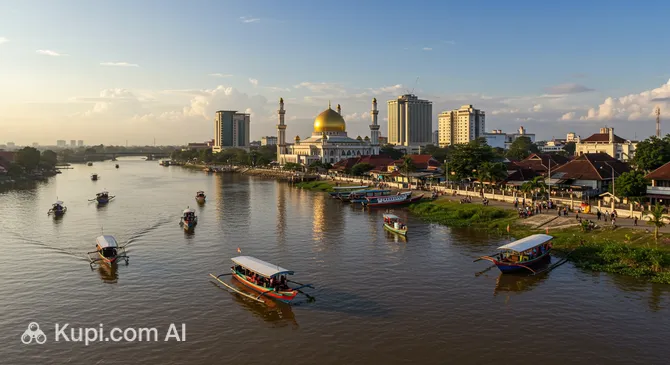
Welcome to Samarinda, the vibrant capital of East Kalimantan and a vital gateway to the wonders of the island of Borneo. Situated along the banks of the majestic Mahakam River, this city serves as a bustling hub of commerce and culture in Indonesia. With a population of over 750,000 residents, Samarinda offers a lively atmosphere where modern urban energy meets the traditional rhythms of river life, creating a unique environment for travelers to explore.
Samarinda. Illustration.
Source: Kupi.com AI
The city is renowned for its rich cultural tapestry, particularly the exquisite Sarung Samarinda, a traditional woven fabric that is a source of immense local pride. Visitors interested in how this settlement evolved from a riverine trading post into a major provincial capital can delve deeper into the history of Samarinda to understand its heritage. One of the most iconic landmarks is the Samarinda Islamic Center Mosque, which stands gracefully by the riverfront, captivating visitors with its stunning architecture and towering minarets.
Nature lovers and adventure seekers will appreciate the city's proximity to the lush rainforests and unique ecosystems of Borneo. A boat cruise down the Mahakam River provides a unique perspective on daily life and offers the chance to witness the region's diverse wildlife. Whether you are visiting to experience the traditions of the Pampang Cultural Village or simply to enjoy local culinary delights, Samarinda invites you to discover the authentic charm of East Kalimantan.
Weather Overview
The climate in Samarinda is characteristically tropical, defined by consistent warmth and high humidity throughout the year. Visitors can expect steady temperatures, with daily averages hovering around 27°C regardless of the month. Daytime highs typically reach up to 31°C, while evenings remain mild with lows rarely dropping below 23°C.
Rainfall is a constant companion in this region. The city experiences a significant number of wet days, ranging from 21 to 29 days per month, making rain gear an essential item for any trip. November tends to see slightly higher precipitation levels compared to other months. For more specific forecasts and seasonal trends, you can view the detailed weather in Samarinda to help plan your daily activities.
Expect a pattern of warm, humid days with frequent showers, so lightweight, breathable clothing and a sturdy umbrella are highly recommended for a comfortable visit.
Average monthly temperature
Average monthly precipitation
Interesting Facts
Beyond the main attractions and the busy waterfront, Samarinda holds fascinating cultural and natural secrets that reveal the true character of East Kalimantan. Here are a few unique insights into this dynamic river city that might surprise you.
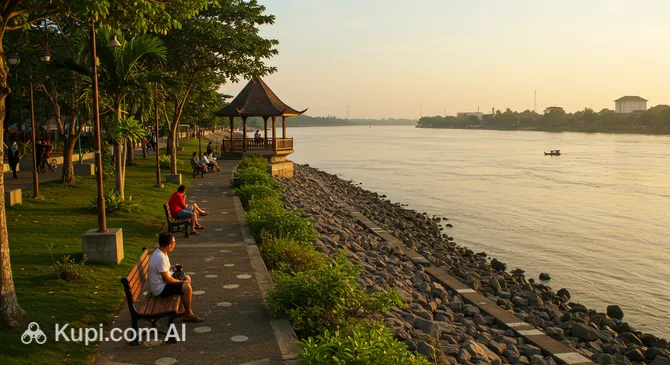
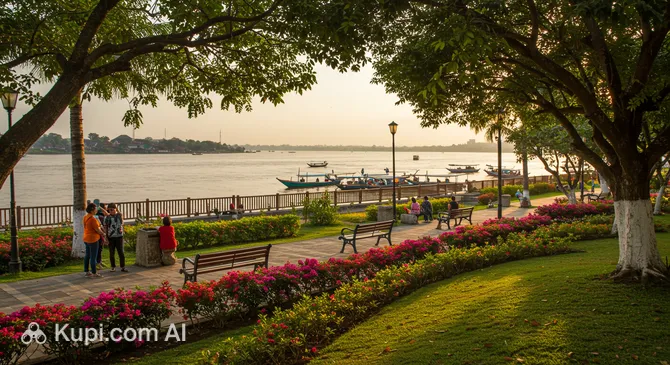
Mahakam Riverside Park. Illustration.
Source: Kupi.com AI
Traveler photos:
Home to Rare River Dolphins: The Mahakam River is one of the few places in the world inhabited by the Irrawaddy dolphin, locally known as Pesut Mahakam. These critically endangered freshwater dolphins are a symbol of the province, and while they are elusive near the busy city center, they are a legendary part of the local ecosystem.
A Unique Weaving Tradition: The city is renowned for Sarung Samarinda, a traditional woven fabric that is distinct from other Indonesian textiles. Originally introduced by Bugis migrants centuries ago, these sarongs are woven using a special non-machine loom called a Gedogan, resulting in a fabric that is famously smooth and cool to the touch.
Tiger Nail Snacks: One of the most famous local culinary souvenirs is Amplang, a savory fish cracker. You might hear locals refer to a specific variety as "Kuku Macan" or "Tiger Nails" because of their distinctive curved shape and size, though they are purely made from fish and tapioca.
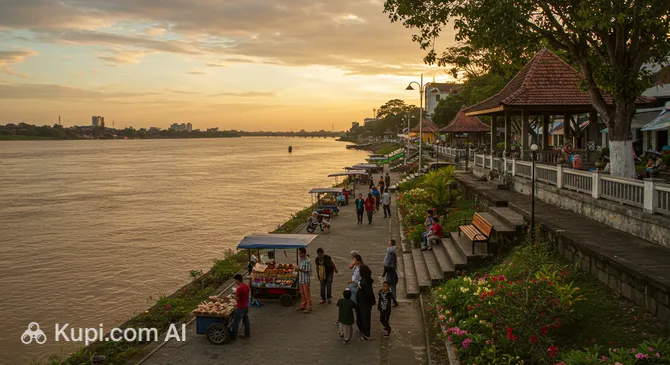
The River as a Highway: In Samarinda, the river is as important as any road. To witness the bustling boat traffic and the daily rhythm of life on the water, locals and visitors alike gather at Mahakam Riverside Park, which offers a front-row seat to the coal barges, fishing boats, and passenger vessels navigating the stream.
How to Get There
Reaching Samarinda typically involves a journey through the broader East Kalimantan region, often starting with a flight to one of the major transport hubs nearby. For travelers looking to plan their trip with precision, you can find more about how to get to Samarinda and the various transport options available.
The most significant gateway for visitors is Sultan Aji Muhamad Sulaiman Airport (BPN), which serves the city of Balikpapan. Although this airport is not located within Samarinda itself, it acts as the primary entry point for the province due to its large capacity and numerous connections. The airport is situated approximately 89.9 km from Samarinda. Travelers should anticipate a transfer time of around 2 hours and 35 minutes by taxi or shuttle bus to reach the city center, depending on traffic. This international airport handles a large volume of passengers annually, ensuring frequent flight options.
Another option in the province is Kalimarau Airport (BEJ), located in the city of Berau. This airport is significantly further away, at a distance of about 294.8 km from Samarinda. Due to the distance, the travel time by road is substantial, estimated at over 7.5 hours. Consequently, it is a less common choice for direct access to the capital but serves as a key hub for the northern parts of East Kalimantan.
For clarity, here is a summary of the main airports:
Samarinda offers a delightful mix of urban parks, cultural landmarks, and riverside beauty. Whether you are looking to immerse yourself in local traditions or simply enjoy a relaxing evening by the water, the city provides several inviting spots for travelers to explore.
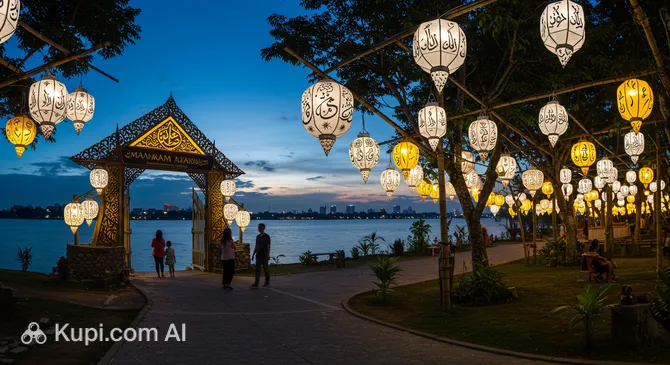
One of the most visually striking locations in the city is the Mahakam Lantern Garden. Situated near the riverbank, this attraction truly comes to life after sunset, transforming into a wonderland of colorful lights. Visitors can wander through displays of illuminated sculptures and lanterns shaped like animals, flowers, and famous landmarks. It is a favorite destination for families and photographers looking to capture the vibrant atmosphere of Samarinda's nightlife by the river.
Mahakam Lantern Garden. Illustration.
Source: Kupi.com AI
Traveler photos:
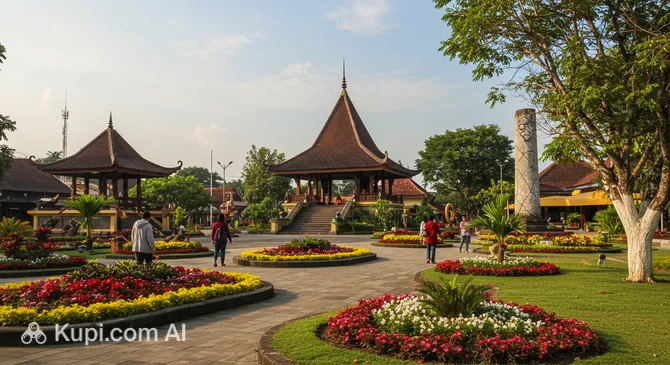
For those interested in the arts and local heritage, the Samarinda Cultural Park is an essential stop. This facility serves as a hub for preserving and showcasing the rich traditions of East Kalimantan. It frequently hosts dance performances, art exhibitions, and cultural festivals that highlight the diversity of the region's ethnic groups. The park provides a spacious and serene environment where tourists can deepen their understanding of the local identity.
Samarinda Cultural Park. Illustration.
Source: Kupi.com AI
Traveler photos:
Located right in the heart of the city, Samarendah Park offers a refreshing green escape amidst the urban hustle. This public space is designed with jogging tracks, seating areas, and modern landscaping, making it a popular gathering place for locals to exercise or relax. Its central location makes it easily accessible and a perfect spot for a brief respite while exploring the downtown area.
Samarendah Park. Illustration.
Source: Kupi.com AI
Traveler photos:
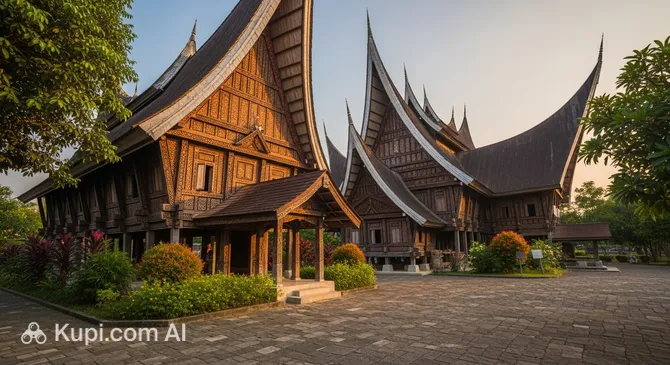
To see traditional architecture up close, you can visit the Rumah Adat Cultural Heritage Site. This museum-like complex features authentic examples of traditional houses, offering a glimpse into the architectural styles and living history of the indigenous communities. It is a fascinating educational experience for anyone wishing to learn more about the craftsmanship and cultural history of the people of Borneo.
Rumah Adat Cultural Heritage Site. Illustration.
Source: Kupi.com AI
Traveler photos:
Local Cuisine
The culinary landscape of Samarinda is a flavorful journey that reflects the cultural diversity of East Kalimantan, blending indigenous Kutai traditions with influences from Banjar and Bugis migrants. The city is famous for its rich, savory dishes that often feature fresh catches from the Mahakam River. A definitive signature dish you must try is Ayam Cincane. This grilled free-range chicken is marinated in a unique red spice paste made from dried chilies, shrimp paste, and ginger, giving it a distinctive reddish hue and a deep, aromatic flavor that is not overly spicy but incredibly satisfying.
Another staple that defines the local food culture is Nasi Kuning (yellow rice). While popular across Indonesia, the Samarinda version is renowned for its generous portions and specific side dishes, such as haruan (snakehead fish) cooked in a red chili sauce, beef floss, and sweet potato noodles. Locals often enjoy this hearty meal for breakfast, but it is available well into the night. For travelers interested in exploring specific regional specialties, a visit to Ketupat Village (Kampung Ketupat) offers a chance to taste Ketupat, a rice cake wrapped in woven palm leaves, typically served with rich coconut milk stews.
Ketupat Village. Illustration.
Source: Kupi.com AI
Traveler photos:
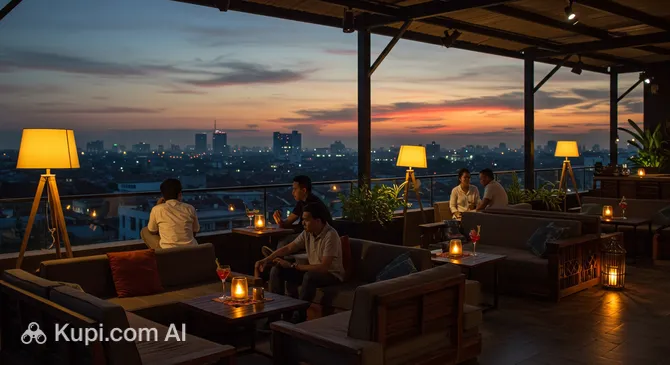
The dining scene in Samarinda ranges from bustling street-side warungs and night markets to modern establishments. Street food culture is vibrant, with vendors selling grilled corn and fresh seafood along the riverbanks in the evenings. When it comes to beverages, fresh tropical fruit juices are the norm, perfect for cooling down in the tropical heat. Alcohol is generally not found in standard eateries due to local customs, but it is available in major hotels and licensed venues. For a sophisticated evening with a view, the SkyHouse Rooftop Restaurant provides a modern setting where guests can enjoy a variety of drinks and international cuisine while overlooking the city lights.
SkyHouse Rooftop Restaurant. Illustration.
Source: Kupi.com AI
Traveler photos:
Seafood lovers will find paradise here, particularly with fresh river prawns and freshwater fish like Patin. These are often grilled or cooked in a sour and spicy soup known as Gangan Asam. Whether you are sitting on a plastic stool at a local market or dining in a hotel restaurant, the bold spices and fresh ingredients of Samarinda's cuisine promise a memorable gastronomic experience.
Travel Tips
Visiting Samarinda offers a unique glimpse into life on the island of Borneo, but a little preparation goes a long way in ensuring a smooth journey. These practical tips will help you navigate the city comfortably, manage your budget, and respect local customs while exploring East Kalimantan.
Clothing and Gear: Given the tropical climate, lightweight and breathable fabrics like cotton or linen are essential to handle the heat and humidity. Pack a raincoat or a compact umbrella, as sudden showers are frequent. Since Samarinda is a somewhat conservative city with major religious sites like the Islamic Center Mosque, modest clothing is recommended; ensure your shoulders and knees are covered when visiting these areas. Comfortable sandals or walking shoes are a must for exploring.
Transportation: While colorful public minivans known as Angkots ply various routes, they can be confusing for first-time visitors without local language skills. The most convenient way to get around is by using ride-hailing apps like Grab or Gojek, which offer both car and motorbike taxi options at fixed prices. If you plan to explore surrounding areas, renting a car with a driver is highly advisable, as local traffic conditions can be unpredictable.
Finances: The local currency is the Indonesian Rupiah (IDR). While credit cards are accepted in major hotels, malls, and modern restaurants, cash is king for street food, traditional markets, and small shops. ATMs are widely available throughout the city. Tipping is not strictly mandatory but rounding up the bill or leaving small change is appreciated by service staff and drivers.
Health and Safety: Tap water is not safe for drinking; always stick to bottled or boiled water. As a river city in a tropical zone, mosquitoes can be a nuisance and carry diseases like dengue fever, so bringing strong insect repellent is crucial. Pharmacies, known locally as Apotek, are common, and chains like Kimia Farma often have branches open 24/7 for minor medical needs.
Communication: Bahasa Indonesia is the primary language. English is spoken in high-end hotels and by some younger locals, but it is not widely understood in traditional markets or by public transport drivers. Downloading an offline translation app and learning a few basic phrases like "Terima kasih" (Thank you) and "Pagi" (Morning) will be very helpful. For internet access, purchasing a local SIM card (Telkomsel has the best coverage in Kalimantan) is recommended upon arrival.
Local Etiquette: Politeness is highly valued in Indonesian culture. Always use your right hand for eating, giving, or receiving items, as the left hand is considered unclean. When entering someone's home or a place of worship, remember to remove your shoes. A smile is a universal greeting here and will often help you overcome language barriers.
What to Avoid: Avoid public displays of affection, such as kissing or excessive hugging, as this is considered inappropriate in the local culture. Also, avoid touching anyone on the head, including children, as the head is regarded as the most sacred part of the body.
Shopping Insight: If you plan to buy the famous Sarung Samarinda, try to visit the weaving villages in the Samarinda Seberang district across the river. Buying directly from the artisans not only ensures authenticity but often gives you a better price than souvenir shops in the city center.
By keeping these simple guidelines in mind, you will be well-equipped to enjoy the warm hospitality and vibrant culture of Samarinda. Embrace the slower pace of river life, stay hydrated, and enjoy your adventure in the heart of East Kalimantan!
Entertainment & Nightlife
Entertainment and Nightlife:
Nightlife in Samarinda offers a distinctively relaxed and social atmosphere compared to the high-energy party scenes found in places like Bali or Jakarta. Instead of sprawling dance clubs, the evening entertainment here revolves around live music cafes, family-friendly karaoke lounges, and vibrant riverside hangouts. The city comes alive after sunset, particularly along the banks of the Mahakam River, where locals gather to enjoy the cool breeze, street food, and the glittering lights of passing barges.
One of the most popular areas to soak in the evening vibe is the Tepian Mahakam district. This stretch along the riverfront is bustling with activity, featuring numerous food stalls and open-air seating areas. A highlight in this area is Teluk Lerong Garden, a beautifully landscaped park that illuminates at night with decorative lights. It is a favorite spot for couples and groups of friends to take photos and enjoy the view of the lit-up bridge spanning the river.
Teluk Lerong Garden. Illustration.
Source: Kupi.com AI
Traveler photos:
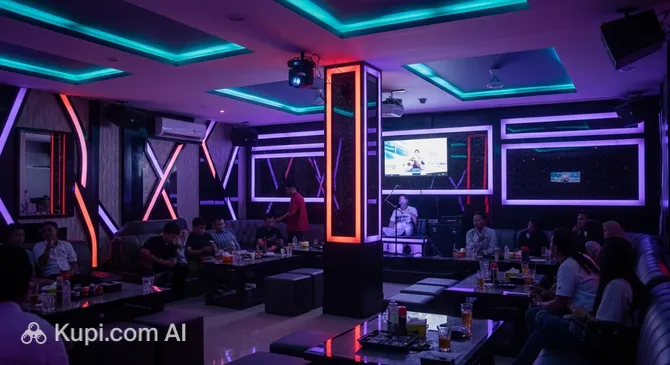
For those seeking indoor entertainment, karaoke is a beloved pastime in Samarinda. The city boasts several high-quality venues where visitors can rent private rooms and sing the night away in comfort. Suka Suka Family Karaoke is a well-known establishment offering a wide selection of songs and a cozy environment suitable for all ages. Another excellent option is QQKTV Siradj Salman, located on one of the city's busiest thoroughfares. This venue is known for its modern sound systems and stylish interiors, making it a popular choice for celebrating special occasions or simply unwinding after a day of exploration.
Suka Suka Family Karaoke. Illustration.
Source: Kupi.com AI
Traveler photos:
The nightlife scene typically peaks between 8:00 PM and midnight. The dress code is generally casual to smart-casual; shorts and t-shirts are acceptable for street-side hangouts, but long pants and a neat shirt are better suited for indoor lounges and upscale cafes. Prices are quite affordable, with a night out at a karaoke bar or cafe costing significantly less than in Indonesia's larger metropolitan areas.
In terms of safety, Samarinda is generally secure for night walks, especially in busy areas like the riverfront and major shopping districts. However, it is advisable to stay in well-lit areas and avoid deserted streets late at night. For transportation, the most reliable and safe way to get around after dark is by using ride-hailing apps like Grab or Gojek. These services are widely available and spare you the hassle of negotiating fares with traditional taxis.
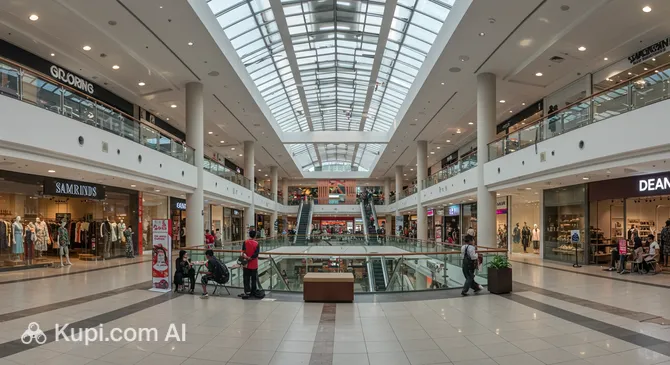
During the day, entertainment often shifts towards the city's modern shopping centers, which serve as hubs for leisure and dining. City Centrum Mall and Samarinda Central Plaza are two of the premier destinations where tourists can catch the latest movies at the cinema, enjoy arcade games, or shop for local and international brands. These malls offer a cool, air-conditioned respite from the tropical heat and are great places to observe the local urban lifestyle.
City Centrum Mall. Illustration.
Source: Kupi.com AI
Traveler photos:
Parks & Museums
While Samarinda is best known for its bustling river trade, the city also offers serene green spaces and cultural repositories that allow visitors to step back from the urban energy. From panoramic hilltops to museums preserving the region's identity, these spots provide a deeper connection to the land and history of East Kalimantan.
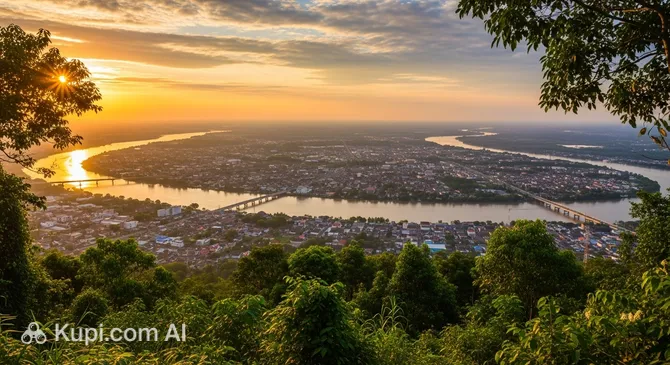
For a refreshing escape with a view, Bukit Selili (Central Hill) is a favorite among nature enthusiasts and photographers. Located in the Samarinda Ilir district, this hill offers one of the best vantage points in the city. A short hike to the top rewards visitors with a sweeping panorama of the winding Mahakam River and the sprawling cityscape below. It is arguably the finest spot in town to watch the sunset, as the golden light reflects off the water and the city lights begin to twinkle, creating a magical atmosphere for an evening picnic or a quiet moment of reflection.
Bukit Selili (Central Hill). Illustration.
Source: Kupi.com AI
Traveler photos:
Closer to the water's edge, Mahakam Riverside Park serves as the city's communal "living room." Stretching along the riverbank, this green promenade is perfect for a leisurely stroll or a morning jog. Unlike the wilder nature of the hills, this park is a social hub where families gather and locals relax on benches to enjoy the cool river breeze. The park is beautifully landscaped with tropical plants and offers uninterrupted views of the passing boats, making it an accessible slice of nature right in the heart of the downtown area.
To understand the rich heritage of the region, a visit to the Samarinda City Museum (Museum Kota Samarinda) is highly recommended. Situated near the city center, this modern facility blends traditional architecture with contemporary design, featuring a roofline inspired by the Dayak shield and a façade mimicking the patterns of the local sarong. Inside, visitors can explore a well-curated collection that chronicles the city's history, from its early days as a trading post to its modern development. Exhibits include vintage photographs of past mayors, replicas of the ancient Yupa inscriptions from the Kutai Kingdom, and a diverse display of traditional ceramics and weaving tools.
Another significant cultural venue is the museum located within the complex of the Samarinda Islamic Center. While the mosque itself is an architectural marvel, the museum offers an educational journey into the history of Islam in East Kalimantan. It houses a collection of Islamic manuscripts, architectural models, and artifacts that highlight the religious and cultural evolution of the local community. It provides a quiet, contemplative space for tourists to learn about the spiritual pillars that have shaped the society of Samarinda.
For a more immersive cultural experience, consider visiting the Weaving Village (Kampung Tenun) in Samarinda Seberang. While not a traditional museum, this area functions as a living gallery where you can watch artisans operate traditional non-machine looms to create the famous Sarung Samarinda. It is a unique opportunity to see history in action and appreciate the intricate craftsmanship that has been passed down through generations.
Getting Around
Public transport in Samarinda is relatively simple and informal compared to larger metropolitan areas. The city does not have a metro, tram, or extensive large bus network. Instead, the local transit system relies primarily on road-based minivans and a unique network of river boats that connect different parts of the city across the Mahakam River. For most locals, these traditional methods are part of daily life, though modern alternatives are increasingly becoming the preferred choice for convenience.
The backbone of public transportation is the Angkot (Angkutan Kota), which are colorful minivans serving fixed routes throughout the city. Each route is designated by a specific letter or color, making them recognizable once you understand the system. While they are an authentic way to experience local travel, they can be somewhat confusing for visitors unfamiliar with the routes. You can hail an Angkot from the side of the road by simply raising your hand, and they can be stopped anywhere along their route to let passengers off.
A special feature of Samarinda's transport system is its river transportation. Small wooden boats, locally known as Tambangan or klotok, operate as water taxis ferrying passengers between the city center and the district of Samarinda Seberang across the Mahakam River. These boats offer a scenic and practical shortcut, avoiding the traffic on the main bridges. For a more leisurely experience, larger tourist boats are available for river cruises, but the small water taxis remain a functional mode of daily commute for residents.
Regarding payment, cash is the only accepted method for Angkots and river boats. There are no travel cards, digital passes, or ticketing apps for these traditional services. Fares are generally very affordable, usually a flat rate regardless of the distance traveled within the city. It is essential to carry small denominations of the local currency, as drivers may not always have change for large bills. You typically pay the driver directly when you reach your destination and exit the vehicle or boat.
For tourists seeking comfort and ease, ride-hailing apps are the most recommended alternative. Services like Grab and Gojek are widely available and extremely popular. They offer both motorbike taxis (ojek) for solo travelers looking to beat traffic and car services for groups or those preferring air conditioning. These apps provide fixed prices, eliminate language barriers regarding destinations, and often allow for cashless payment via credit card or digital wallet, making them much more user-friendly than the Angkot system.
Standard taxis are also available, with companies like Bluebird being the most reputable for using meters and providing reliable service. If you plan to explore the outskirts of the city or visit attractions further afield, renting a car with a driver is a practical option. Self-drive car rentals are less common and generally not recommended due to the unpredictable local traffic habits. Most public transport operates from early morning until early evening, with Angkots becoming scarce after sunset, so it is wise to rely on taxis or ride-hailing apps for any travel at night.
Accommodation
Accommodation in Samarinda caters to a wide spectrum of travelers, ranging from economical guesthouses for backpackers to comfortable mid-range hotels and business-oriented establishments. As a commercial hub, the city is well-equipped with modern facilities, though it lacks the ultra-luxury international resort chains found in Indonesia's primary tourist destinations. Instead, visitors will find a selection of locally managed hotels that offer warm hospitality and good value for money.
For the most convenient stay, travelers are advised to look for lodging in the city center or along the banks of the Mahakam River. Staying in the downtown area places you within walking distance of major shopping malls like Samarinda Central Plaza, while riverside locations offer scenic views and easy access to the evening food markets and parks. These areas are also the best connected in terms of transport, making it easier to catch a taxi or ride-hailing service to explore further afield.
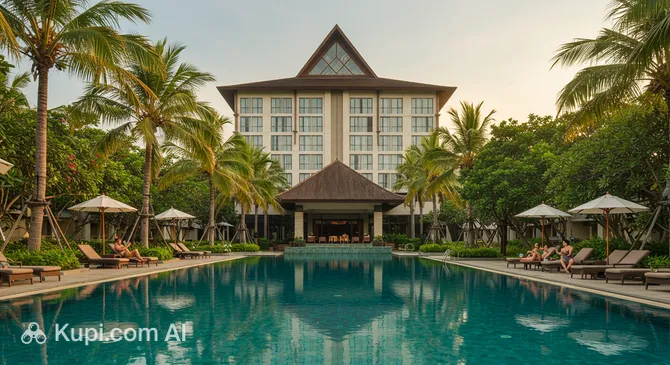
One of the prominent establishments in the city is the Mesra Business & Resort Hotel. Situated slightly elevated from the city bustle, this property offers a resort-style atmosphere with lush gardens and a swimming pool, making it a popular choice for both business travelers and families seeking a relaxing retreat within the city limits.
Mesra Business & Resort Hotel. Illustration.
Source: Kupi.com AI
Traveler photos:
When planning your trip, it is generally recommended to book in advance, especially if you are visiting during national holidays or major local events, as the best rooms can sell out quickly. While walk-ins are possible at smaller guesthouses, securing your reservation online ensures a smoother arrival experience.
The price range for accommodation in Samarinda is quite reasonable. Budget travelers can find clean and basic rooms for very affordable rates, while mid-range and upscale hotels remain accessible compared to prices in Jakarta or Bali. Most major hotels accept online bookings through international travel platforms, but smaller local inns may rely on direct phone bookings or cash payments upon arrival.
Nearby Cities
For those looking to explore the surroundings, Samarinda serves as an excellent base for day trips to several interesting nearby locations:
Among the most accessible destinations is Balikpapan, often referred to as the "Oil City" of Indonesia. Located just a short drive south via the toll road, it offers a distinctively different vibe with its coastal charm and cleaner, well-organized streets. Visitors can relax at Manggar Segara Sari Beach or visit the Sun Bear Education Center to see the mascot of the city. It is also a culinary haven, famous for its fresh seafood restaurants overlooking the Makassar Strait.
Another fascinating option to the north is Bontang. This industrial city is renowned for Bontang Kuala, a traditional fishing village built entirely on stilts over the water. Walking along the wooden boardwalks of this floating settlement offers a unique glimpse into the maritime culture of the region. Additionally, Bontang serves as a gateway to Kutai National Park, where nature enthusiasts can spot wild orangutans and diverse bird species in their natural habitat.
These nearby destinations offer a glimpse into the diverse culture and landscapes of the region.
Shopping & Souvenirs
Shopping in Samarinda offers a fascinating contrast between modern convenience and traditional commerce. As the capital of East Kalimantan and a major trading hub, the city provides a diverse retail landscape where visitors can find everything from high-end fashion brands to authentic local handicrafts. Whether you prefer the air-conditioned comfort of contemporary malls or the bustling atmosphere of open-air markets, Samarinda has plenty of options to satisfy your shopping needs.
For a modern shopping experience, the city boasts several large commercial centers. Samarinda Central Plaza is one of the most established and popular destinations in town. Located strategically in the city center, it houses a wide array of department stores, fashion boutiques, and electronic shops. It is a go-to spot for locals and tourists alike who are looking for reliable brands and a comprehensive selection of goods under one roof.
Samarinda Central Plaza. Illustration.
Source: Kupi.com AI
Traveler photos:
Another notable destination is City Centrum Mall, which offers a more lifestyle-oriented experience. This mall is often frequented for its dining options and entertainment facilities, but it also features a variety of retail outlets. For those seeking the largest shopping complex in the city, Big Mall Samarinda is the premier choice, located by the river and offering an extensive range of international tenants and a massive food court with river views.
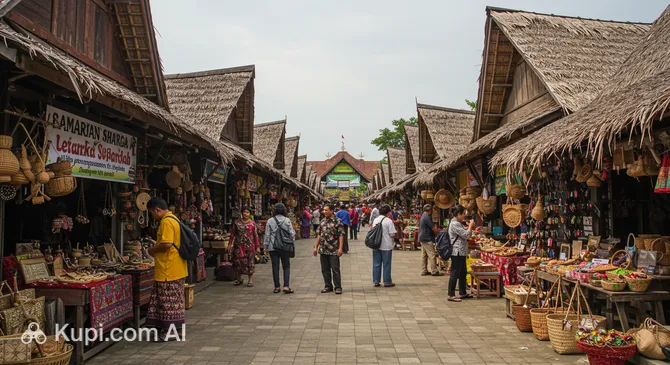
To truly experience the local culture, a visit to the city's traditional markets is essential. Citra Niaga is a must-visit shopping district for tourists. Famous for its unique architecture which once won the Aga Khan Award, this complex is the best place to hunt for souvenirs. Here, you can wander through pedestrian-friendly lanes lined with small shops selling gemstones, Dayak beadwork, and local snacks. For a more chaotic but authentic vibe, Pasar Pagi (Morning Market) is the city's oldest market, where vendors sell everything from fresh produce to wholesale textiles and clothing starting as early as dawn.
When it comes to souvenirs, the pride of the city is undoubtedly the Sarung Samarinda. These traditional hand-woven sarongs are renowned for their elegance and quality. While you can buy them at Citra Niaga, visiting the weaving centers in Samarinda Seberang allows you to purchase directly from the artisans. Food souvenirs are also popular, particularly Amplang (savory fish crackers), often referred to as "Kuku Macan" due to their shape. East Kalimantan is also famous for its semi-precious stones and jewelry, which can be found in specialized shops throughout the city.
Store hours in Samarinda typically follow standard Indonesian practices. Shopping malls generally operate from 10:00 AM to 10:00 PM daily. Traditional markets like Pasar Pagi start much earlier, often bustling by 5:00 AM and winding down in the afternoon, while souvenir shops in Citra Niaga usually stay open until the evening. Regarding payment, major malls and hotels accept credit and debit cards (Visa and Mastercard). However, cash is absolutely necessary when shopping at traditional markets, street stalls, or smaller souvenir shops, so it is wise to carry sufficient Indonesian Rupiah.
Tourists visiting Indonesia may be eligible for a VAT refund on luxury goods, but this scheme is generally applicable only at registered retailers in major tourist hubs and requires departure through specific international airports. Since the nearest international gateway is Sultan Aji Muhamad Sulaiman Airport in Balikpapan, visitors should check with specific stores if they offer "Tax Free" shopping forms, although this is less common in Samarinda compared to Jakarta or Bali.