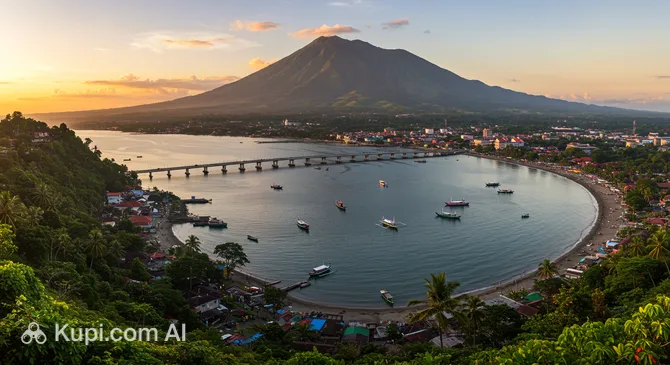
Welcome to Palu, the vibrant capital city of the Central Sulawesi province. Nestled in a valley at the mouth of a long, narrow bay, this city offers a distinctive landscape where the ocean meets towering mountain ranges. As a gateway to some of the region's most fascinating natural wonders, it serves as an intriguing destination for travelers exploring Indonesia.
Palu. Illustration.
Source: Kupi.com AI
Geographically, the city is unique due to its location in a rain shadow, making it one of the driest places in the archipelago. This creates a climate that is quite different from the lush, wet tropics found elsewhere in the country. With a population of approximately 360,000 people, it is a bustling hub that balances urban life with close proximity to nature. Those interested in the region's past will find that the history of Palu adds a layer of depth to the travel experience, revealing a rich cultural heritage and resilient spirit.
Visitors are often drawn to the scenic Palu Bay, which provides a stunning backdrop for sunsets that paint the sky in vibrant colors. The city is also an excellent starting point for excursions to the nearby Lore Lindu National Park, famous for its ancient megaliths and diverse wildlife. For food enthusiasts, the local cuisine is a must-try, particularly the savory beef soup known as Kaledo, which is a beloved specialty of the area.
Whether you are passing through on your way to explore the highlands or staying to enjoy the coastal atmosphere, Palu offers a warm welcome and a memorable stop on your journey through Sulawesi.
Weather Overview
Travelers to this region can expect a remarkably stable and warm climate throughout the year. The temperatures in the city are consistent, with monthly averages holding steady at around 25°C, while daily highs typically reach up to 28°C. Nights remain comfortable, with minimum temperatures rarely dropping below 22°C, making it an ideal destination for those who enjoy tropical warmth without extreme fluctuations.
While the area is known for being relatively dry compared to other parts of the archipelago, the local weather patterns are unique. The total monthly precipitation is quite low, ranging from just 6mm to 13mm, yet the number of recorded "wet days" is consistently high, often exceeding 20 days per month. This suggests that while rain occurs frequently, it is likely very light or brief. For a more detailed breakdown of what to expect during specific months, you can view the comprehensive guide to the weather in Palu to help plan your outdoor activities.
Average monthly temperature
Average monthly precipitation
Interesting Facts
Beyond the main attractions, Palu holds many fascinating secrets that define its unique character and local lore.
Palu City Park. Illustration.
Source: Kupi.com AI
Traveler photos:
The city is famous across Indonesia for a specific culinary staple known as "Bawang Goreng Palu" (fried shallots). Thanks to the unique soil and dry climate of the Palu Valley, the shallots grown here have an incredibly low water content, making them naturally crunchier and more savory than any other variety in the country.
Locals often refer to Palu as a "three-dimensional city" due to its rare topography. It is one of the few places where visitors can experience a deep ocean bay, a flat valley floor, and towering mountain ranges all within a single, immediate view, creating a dramatic and picturesque landscape.
For years, the city was the center of a viral animal story involving a wild saltwater crocodile in the Palu River that had a motorcycle tire stuck around its neck. The reptile became a local icon of resilience for over half a decade until the tire was finally removed by a local resident in a daring rescue operation.
Due to the valley's warm daytime temperatures, the city truly comes alive in the late afternoon and evening. Residents and visitors alike flock to public spaces such as Palu City Park to enjoy the cooler air, making it a prime spot for experiencing the authentic social atmosphere of the region.
How to Get There
Reaching this part of Central Sulawesi is most conveniently done by air, which remains the primary method for international and domestic travelers. For a comprehensive overview of routes and transport modes, you can read more details on how to get to Palu to plan your arrival effectively.
The most direct and significant gateway is Mutiara Airport (IATA: PLW), located directly in the city of Palu. It is the busiest hub in the area, connecting the region with major Indonesian cities. The airport is conveniently situated just 4.1 km from the city center. A trip by taxi or shuttle is very short, typically taking around 10 to 15 minutes depending on traffic. This proximity makes it the ideal choice for most visitors.
If flights to Palu are unavailable, you might consider regional alternatives, though they involve significant overland travel. Tojo Una Una (Tanjung Api) (IATA: OJU) is located in the city of Ampana, approximately 194 km away. Another option is Tampa Padang Airport (IATA: MJU) in the city of Mamuju, which is about 209 km from Palu. Be aware that landing at these airports requires a long subsequent journey by road to reach your final destination.
For clarity, here is a summary of the main airports:
Currently, the city of Palu does not have a railway station, and train travel is not a viable option for reaching this part of the island. The rail infrastructure in Sulawesi is limited and does not connect to this region. Visitors typically rely on the airport or long-distance buses and private cars when traveling from other towns within the province.
Main Attractions
Exploring Palu reveals a city where community life and local culture take center stage. While the surrounding nature is dramatic, the city itself offers several inviting spots where visitors can relax and immerse themselves in the daily rhythm of Central Sulawesi. From lively green spaces to bustling commercial hubs, the attractions here provide a genuine connection to the local lifestyle.
A perfect starting point is Palu City Park, often considered the heart of the town. This central square serves as a communal living room for residents and is beautifully landscaped with trees and walking paths. It is particularly interesting for tourists in the late afternoon and evening, when the area comes alive with food vendors and families enjoying the cooler air. It offers a fantastic opportunity to observe the friendly social atmosphere that defines the city.
GOR Park. Illustration.
Source: Kupi.com AI
Traveler photos:
For those who appreciate active recreation, GOR Park is another significant landmark. Centered around sports facilities, this area is a hub for fitness enthusiasts and acts as a venue for various local events. Visitors will find it an energetic place to visit, featuring statues and open spaces that are great for a morning jog or a leisurely stroll while watching the locals engage in their daily sports routines.
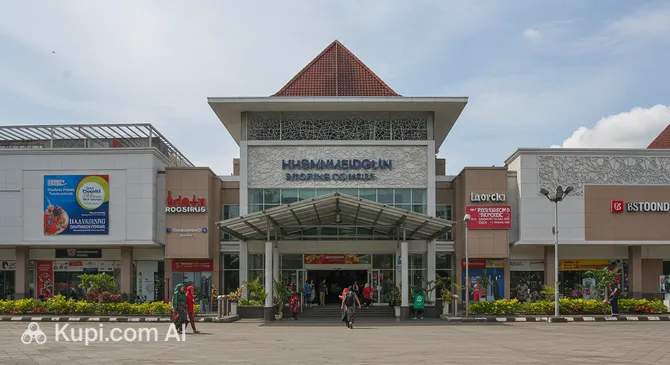
To experience the commercial buzz of the region, a visit to the Hasanuddin Shopping Complex is highly recommended. This busy district is packed with shops and stalls offering a wide range of goods, from clothing to daily necessities. It is an intriguing stop for travelers who want to see the hustle and bustle of Palu's trade and perhaps pick up some local items in a raw, authentic market setting.
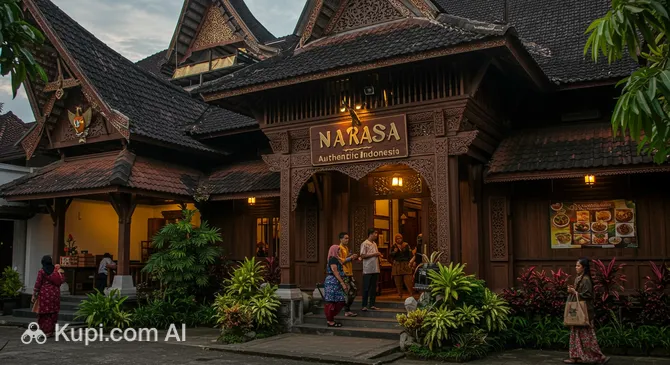
Narasa Authentic Indonesia. Illustration.
Source: Kupi.com AI
Traveler photos:
Finally, exploring the city's flavors is a must, and Narasa Authentic Indonesia stands out as a culinary destination. Known for its dedication to traditional recipes, this spot allows visitors to taste the rich and spicy profiles of Sulawesi cuisine. It is an excellent place to sample local specialties in a comfortable environment, rounding out your cultural experience with the delicious tastes of the island.
Local Cuisine
The culinary scene in Palu is a delightful adventure for those who appreciate bold flavors, characterized by a distinct love for spicy and sour profiles. The local cuisine makes excellent use of fresh seafood from the bay and agricultural produce from the surrounding valleys, resulting in dishes that are both hearty and refreshing. Dining here is not just about sustenance; it is a cultural immersion into the fiery spirit of Central Sulawesi.
No culinary journey in this city is complete without trying Kaledo, the region's most famous signature dish. This traditional soup is made from cow trotters served in a clear, savory broth that is heavily seasoned with tamarind and chili, creating a unique sour and spicy taste. The meat is tender enough to fall off the bone, and the dish is typically enjoyed with steamed cassava or corn rice. Meals are often garnished with the city's famous fried shallots, which add an extra layer of crunch and aroma to the dining experience.
For a taste of the modern local dining culture, travelers can visit Wizzmie Palu. This popular spot has become a favorite among locals for its spicy noodle dishes and lively atmosphere. It offers a contemporary twist on Indonesian comfort food, making it a great place to relax and enjoy a meal in a vibrant setting.
Wizzmie Palu. Illustration.
Source: Kupi.com AI
Traveler photos:
Those seeking a deep dive into traditional recipes should also revisit Narasa Authentic Indonesia. While mentioned earlier as a key attraction, it deserves special recognition in the culinary landscape for its dedication to preserving the authentic taste of Palu's heritage cuisine. Here, visitors can savor a wider variety of local specialties, ensuring a comprehensive tasting tour of the area's gastronomic delights.
Travel Tips
Preparing for a trip to Palu is straightforward, but knowing a few local nuances will ensure your journey through Central Sulawesi is smooth and enjoyable. Here are some essential practical tips to help you navigate the city with ease and respect local customs.
Clothing and Gear: Given Palu's unique dry tropical climate, pack lightweight, breathable fabrics like cotton or linen to stay cool. Since the region is culturally conservative, it is respectful to dress modestly by covering your shoulders and knees, especially when visiting markets or religious sites. Don't forget high-SPF sunscreen, sunglasses, and a hat, as the sun in the valley can be quite intense.
Transportation: The most convenient way to get around the city is by using ride-hailing apps like Gojek or Grab, which offer both car and motorbike taxi options at transparent, fixed prices. Public minivans, known locally as mikrolet, are available but can be confusing for visitors due to their complex routes. Renting a scooter is an option for experienced riders, but be prepared for somewhat chaotic traffic.
Finances: The official currency is the Indonesian Rupiah (IDR). While major hotels and modern restaurants accept credit cards, cash is essential for daily life, particularly at local warungs (food stalls) and traditional markets. ATMs are widely available in the city center, and it is a good idea to keep small denominations handy for small purchases and parking fees.
Health and Safety: Tap water is not potable in Indonesia; always drink bottled or filtered water to avoid health issues. Pharmacies, marked as Apotek, are common and well-stocked; chains like Kimia Farma are reliable and often have extended hours. Generally, Palu is safe for tourists, but standard precautions like keeping an eye on your belongings in crowded areas are advised.
Communication: The primary language is Bahasa Indonesia. While staff at airports and large hotels may speak English, it is not widely spoken in the general community. Downloading an offline translation app and learning basic phrases like Terima kasih (Thank you) will be very helpful. For internet access, purchasing a Telkomsel SIM card usually provides the best coverage in Sulawesi.
Local Etiquette: Politeness is central to the culture here. Always use your right hand for eating, giving, or receiving items, as the left hand is traditionally considered unclean. If you are invited into a local home or are visiting a mosque, remember to remove your shoes at the entrance. A smile is the universal greeting here and is warmly reciprocated.
What to Avoid: Avoid public displays of affection, such as hugging or kissing, as this is considered inappropriate in the local culture. Additionally, refrain from walking around the city in swimwear or overly revealing clothes; save that attire strictly for the pool or beach areas.
Local Insight: Plan your day around the heat. The Palu Valley gets very hot around midday, so do as the locals do: schedule your outdoor explorations for the early morning or late afternoon. The city truly comes alive after 4:00 PM, when the temperature drops and residents flock to parks and the bay.
By keeping these simple tips in mind, you will be well-equipped to embrace the warmth and culture of Palu without any hassles. Enjoy your exploration of this fascinating and resilient corner of Indonesia!
Entertainment & Nightlife
The nightlife in Palu is characterized by a relaxed and social atmosphere rather than a high-energy clubbing scene. As the sun sets and the heat of the day dissipates, the city shifts into a laid-back rhythm where locals gather to unwind. The entertainment culture here revolves heavily around "nongkrong"—the Indonesian art of hanging out with friends for hours—typically at coffee shops, open-air eateries, and karaoke venues.
Karaoke is a favorite pastime in the city, offering a fun and safe environment for evening entertainment. One of the most popular spots for this is Happy Puppy Family Karaoke Palu. It is a well-established venue known for its clean, private rooms and extensive song selection. It attracts a diverse crowd, from families to groups of young friends, looking to sing their hearts out in a comfortable setting.
Happy Puppy Family Karaoke Palu. Illustration.
Source: Kupi.com AI
Traveler photos:
For those looking for a place to enjoy music and drinks in a more lounge-like setting, Cafe 168 House is a notable destination. This venue often features live music performances and offers a cozy ambiance that bridges the gap between a coffee shop and a night spot. It is an excellent place to experience the local youth culture and enjoy the evening breeze with a refreshing beverage.
Cafe 168 House. Illustration.
Source: Kupi.com AI
Traveler photos:
The nightlife districts are generally concentrated around the city center and the areas near the bay. While the coastal strip is still developing its evening scene, you will find clusters of cafes and food stalls along the main thoroughfares. The dress code is almost exclusively casual; t-shirts and jeans are the norm, and there is no need to dress up formally unless there is a specific event. Most venues stay open until around midnight or 1:00 AM, though some karaoke joints may operate later on weekends.
When venturing out at night, safety is generally not a major concern in the main areas, but it is always wise to stick to well-lit streets and avoid walking alone in quiet neighborhoods late at night. For transportation, it is highly recommended to use ride-hailing apps like Grab or Gojek. They are reliable, safe, and eliminate the need to negotiate prices with local drivers. Prices for entertainment are very affordable compared to larger Indonesian cities, making a night out quite budget-friendly.
While the nights are for socializing, daytime entertainment in Palu offers a different pace. Visitors can explore local cultural sites such as the Central Sulawesi Museum to learn about the region's history or visit shopping centers like the Hasanuddin complex for a break from the heat. Whether day or night, the city offers a welcoming and authentic slice of Sulawesi life.
Parks & Museums
While Palu is often celebrated for its stunning bay and valley views, the city also possesses a collection of green spaces and cultural institutions that offer a deeper look into the region's heritage. For travelers looking to step away from the bustling streets, these parks and museums provide a peaceful retreat and a fascinating educational experience regarding Central Sulawesi's rich history and biodiversity.
For those interested in the cultural narrative of the island, the Central Sulawesi Museum (Museum Sulawesi Tengah) is an essential stop. This facility houses a diverse collection that spans geology, biology, and ethnography. Visitors can marvel at ancient bronze drums, intricate traditional textiles like the famous Donggala silk, and even the fossilized bones of a Stegodon, an extinct elephant species that once roamed the area. It provides a comprehensive overview of the province's past, making it a perfect introduction to the local identity.
Another significant cultural site is Sou Raja, also known as Banua Mbaso or the King's House. This traditional stilt house serves as a living museum of Palu's architectural heritage. Built from sturdy wood without the use of iron nails, the structure reflects the ingenuity of the Kaili people. Walking through its halls offers a glimpse into the lives of the local nobility and the customs that have shaped the community for generations. It is a photogenic and historically significant landmark that stands as a testament to the region's royal past.
In terms of green spaces, Palu City Park serves as the primary green lung of the downtown area. While it functions as a social hub, it is also a refreshing botanical escape where visitors can find shade under canopy trees during the heat of the day. The park's layout encourages leisurely walks and provides a safe, open environment for families to relax on the grass, offering a quiet counterpoint to the city's busy traffic.
For a more active outdoor experience, GOR Park is a dedicated space for sports and recreation. Located near the city's main sports hall, this area is characterized by its wide avenues and statues celebrating athletic achievement. It is a favorite spot for morning joggers and those looking to stretch their legs in a well-maintained environment. The park's open design allows for a breezy atmosphere, making it a pleasant place to observe the local passion for fitness and outdoor activity.
Just beyond the city limits lies the magnificent Lore Lindu National Park, a UNESCO Biosphere Reserve that is easily accessible for a day trip. This vast natural area is famous not only for its endemic wildlife, such as the maleo bird and the tarsier, but also for its mysterious ancient megaliths scattered across the Bada, Besoa, and Napu valleys. It is a world-class destination for nature lovers and history buffs alike.
A notable historical landmark representing unity is the Nosarara Nosabatutu Peace Gong. Perched on a hill overlooking the city and the bay, this monument was built to symbolize harmony among the diverse communities of Sulawesi. Beyond its symbolic importance, the site offers one of the best panoramic viewpoints in Palu. Visiting in the late afternoon grants tourists a breathtaking perspective of the valley bathed in golden light.
For a truly local experience, consider heading to the Hutan Kota Kaombona (Kaombona City Forest). This area has gained popularity for its unique landscape featuring dry-climate vegetation that creates a distinct, almost savannah-like aesthetic. It is a favorite spot for local photographers and offers a different kind of natural beauty compared to the lush tropical forests typically found in Indonesia.
Getting Around
The public transport system in Palu is almost entirely road-based, as the city does not currently operate a metro, tram, or railway network. For visitors, getting around involves a choice between traditional shared transport and modern private options. The infrastructure is relatively simple, designed to serve the local population's daily needs, but it can be an adventure for tourists looking to experience the city's authentic rhythm.
The backbone of the local public transport is the Mikrolet, a fleet of minivans that function as shared buses. These vehicles are ubiquitous and can be identified by their color-coding or route letters displayed on the windshield. Unlike standard buses with fixed schedules and designated stops, Mikrolets operate on a "hail-and-ride" basis. You can flag one down from the side of the road anywhere along its route and simply ask the driver to stop whenever you reach your destination. While this system is flexible, the routes can be complex for newcomers, so it is helpful to ask a local or your hotel staff which letter corresponds to your intended direction.
Payment on the Mikrolet is exclusively cash-based. There are no electronic travel cards, passes, or mobile payment systems for these vehicles. The fares are extremely affordable, usually a flat rate regardless of the distance traveled within the city limits. Passengers pay the driver directly upon exiting the vehicle. It is essential to carry small denominations of Indonesian Rupiah, as drivers often do not have change for large banknotes.
For tourists who prioritize convenience and ease of navigation, ride-hailing apps are the most popular and practical alternative. Services such as Gojek and Grab are widely available in Palu and offer both car and motorcycle taxi options. These apps provide fixed pricing, route tracking, and the ability to pay via credit card or cash, eliminating the language barrier and the uncertainty of navigating Mikrolet routes. Motorcycle taxis, locally known as ojeks, are particularly fast for moving through traffic during peak hours.
Operating hours for public transport vary by mode. Mikrolets are most active during daylight hours, starting early in the morning and tapering off significantly after sunset. By late evening, finding a Mikrolet can be difficult. In contrast, ride-hailing services operate around the clock, though availability may decrease slightly in the very early hours of the morning.
Another option for those comfortable with two-wheeled travel is renting a scooter. This is a common way to explore the city and the surrounding coastal roads at your own pace. Rental shops are easy to find, but ensure you have a valid international driving license and always wear a helmet. Conventional taxis are also available but are less frequently used by tourists compared to the app-based alternatives.
Accommodation
Finding a place to stay in Palu is relatively straightforward, as the city serves as the primary commercial and administrative hub of Central Sulawesi. While it does not feature the extensive luxury resort scene found in Indonesia's major tourist hotspots, it offers a solid selection of comfortable and functional accommodation options. The range typically spans from affordable guesthouses and "kos" (boarding houses) for backpackers to modern mid-range hotels catering to business travelers and families.
The most convenient area for tourists to base themselves is the city center. Staying here places you within walking distance of local eateries, shopping centers, and public spaces like the Palu City Park. This central location ensures easy access to transportation and the vibrant street life that emerges in the evenings. Another popular option is the area near Palu Bay. Hotels in this vicinity often offer rooms with views of the water and the surrounding mountains, providing a scenic backdrop, especially during sunset.
For those with early flights or short layovers, there are several accommodation choices located near Mutiara Airport. These are practical for travelers using Palu as a transit point to explore the wider region, such as the Lore Lindu National Park. While the city is generally walkable in specific districts, choosing a hotel with easy access to main roads will make exploring by taxi or ride-hailing apps much smoother.
Booking Tips: As a provincial capital, Palu frequently hosts government events, business conferences, and regional festivals. During these times, better-quality hotels can fill up quickly. It is highly recommended to book your room in advance, particularly if you are visiting during the dry season or around major national holidays.
The price range for accommodation in Palu is generally very affordable compared to other major Indonesian cities. Budget travelers can find clean and basic rooms for a very low cost, while the higher-end hotels—typically offering amenities like air conditioning, Wi-Fi, and breakfast—remain reasonably priced. Most properties are listed on major international online booking platforms, making it easy to secure a reservation and check reviews before arrival. However, for smaller homestays, payment is often expected in cash upon arrival.
Nearby Cities
For those looking to explore beyond the immediate vicinity, Palu serves as a strategic starting point for reaching other fascinating regional destinations.
While the journey through Sulawesi's rugged terrain requires time, the experience is well worth the effort for travelers planning their next stops. Tana Toraja is a world-renowned cultural site located in the highlands to the south. Famous for its elaborate funeral rites, ancient cave graves, and distinctive boat-shaped traditional houses known as Tongkonan, it offers a profound cultural immersion that contrasts deeply with the coastal atmosphere of Palu.
Another excellent option for a subsequent stop on your itinerary is Mamuju, the capital of West Sulawesi. Situated along the coast, it provides beautiful seaside views, particularly at Manakarra Beach, and acts as a gateway to the stunning Karampuang Island. It is a more relaxed urban center where visitors can enjoy fresh seafood and experience the laid-back lifestyle of the neighboring province.
These locations offer a glimpse into the diverse culture and landscapes of the wider region, making them perfect additions to an extended travel plan.
Shopping & Souvenirs
Shopping in Palu offers a distinct mix of modern convenience and traditional charm. While the city is not a massive retail hub like Java's metropolises, it provides a genuine experience where visitors can explore bustling local trade centers and comfortable modern malls. The shopping scene here is less about high-end luxury brands and more about discovering unique local commodities, textiles, and culinary specialties that reflect the culture of Central Sulawesi.
For a concentrated shopping experience, the area around Jalan Gajah Mada and Jalan Hasanuddin serves as a primary commercial district. These streets are lined with a variety of shophouses selling electronics, clothing, and daily necessities. It is a lively part of town where the energy of local commerce is palpable, and visitors can easily hop between stores to find affordable goods or simply window shop amidst the daily hustle of the city.
In terms of shopping centers, the city has developed significantly in recent years. The most prominent modern destination is Palu Grand Mall, located right on the bay. It offers a standard mall experience with air conditioning, a cinema, and various national chains, making it a popular escape from the afternoon heat. For a more localized trading atmosphere, the Hasanuddin Shopping Complex is a key landmark. This area functions as a sprawling commercial hub where you can find everything from textiles to gadgets, often at competitive prices.
Hasanuddin Shopping Complex. Illustration.
Source: Kupi.com AI
Traveler photos:
To truly understand the local lifestyle, a visit to the traditional markets is essential. Pasar Inpres Manenda is the largest and most famous market in the city. Here, the senses are overwhelmed by the sights and smells of fresh spices, tropical fruits, and the day's catch from the bay. It is a fantastic place to observe the morning routine of the locals. Another notable spot is Pasar Masomba, which is equally vibrant and offers a wide array of fresh produce and traditional snacks.
When it comes to souvenirs, Palu is renowned for two specific items. The first is Bawang Goreng Palu (fried shallots), which are famous nationwide for their crispiness and unique flavor derived from the local soil. They are sold in jars and make for a savory, travel-friendly gift. The second is Tenun Donggala (Donggala woven fabric). These beautiful, hand-woven silk textiles feature intricate patterns and rich colors, representing a centuries-old craft heritage from the nearby regency of Donggala.
Most modern shops and malls in the city operate from around 10:00 AM to 10:00 PM. Traditional markets, however, start much earlier, often buzzing with activity by 5:00 AM and winding down by midday. While shopping malls and larger restaurants accept major credit cards (Visa and Mastercard), cash is king in traditional markets, small souvenir shops, and street stalls. It is advisable to carry sufficient Indonesian Rupiah in smaller denominations when exploring these local spots.
Regarding tax-free shopping, tourists should be aware that Palu is not a designated duty-free zone. The VAT refund scheme for tourists in Indonesia is generally limited to specific luxury retailers in major international gateways like Jakarta and Bali. In Palu, you should not expect to find stores offering tax refund services, so the price you see on the tag is typically the final price you pay.