Support

Mamuju

About

Welcome to Mamuju, the vibrant capital of the West Sulawesi province. Nestled along the coastline of the Makassar Strait, this city serves as a scenic gateway to the stunning natural landscapes of Indonesia. With a population of approximately 278,000 residents, it perfectly balances the energy of a growing administrative hub with the laid-back atmosphere of a traditional coastal town.
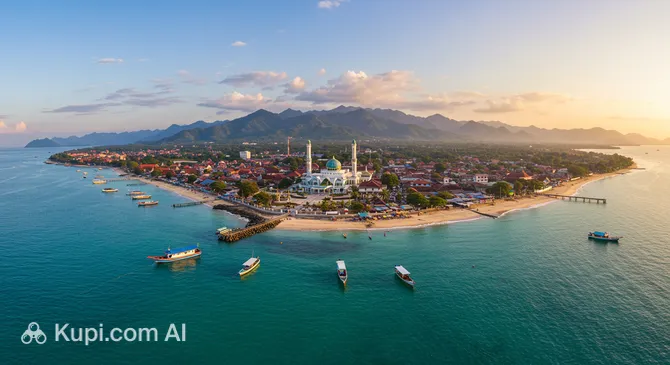
Mamuju. Source: Kupi.Binoculars

The city is geographically defined by its beautiful position between lush, rolling hills and the azure sea. This unique setting provides a picturesque backdrop for travelers exploring the region. While it is a modernizing area today, the settlement has a rich past; visitors interested in the local heritage can delve deeper into the history of Mamuju to understand its cultural evolution. The tropical climate ensures warm weather year-round, making it an inviting destination for outdoor activities.

Travelers are often drawn to Manakarra Beach, the city's waterfront focal point, which comes alive in the evenings with local food stalls and spectacular sunsets. For those seeking underwater adventures, the nearby Karampuang Island is a must-visit gem, offering crystal-clear waters and vibrant coral reefs perfect for snorkeling and diving. Additionally, the city provides a wonderful opportunity to experience the authentic culture of the Mandar people, renowned for their maritime traditions and delicious local cuisine.

Whether you are embarking on a trans-Sulawesi road trip or seeking a quiet coastal retreat, Mamuju offers a warm and welcoming experience. It is a delightful place to relax by the sea, enjoy fresh seafood, and immerse yourself in the genuine hospitality of West Sulawesi.

Weather Overview

Travelers planning a trip to West Sulawesi can expect a consistent tropical climate throughout the year. The temperatures in this coastal city remain incredibly stable, creating a warm and humid environment regardless of when you visit. Because of this consistency, you won't need to worry about extreme seasonal fluctuations, making it easier to plan your wardrobe for the trip.

Daily life here is characterized by steady warmth, with average temperatures generally hovering around 25°C. During the day, highs typically reach up to 28°C, while nights remain pleasant with lows around 22°C. This makes the weather in Mamuju ideal for those who enjoy a constant summer-like atmosphere, though the humidity is a constant companion.

It is important to be prepared for frequent rainfall when exploring the region. The area experiences a high number of wet days year-round, ranging from 23 to 29 days of rain per month. While the showers are a regular occurrence, they are often part of the lush tropical experience, so packing a light raincoat or umbrella is highly recommended for your daily excursions.

Interesting Facts

Beyond the scenic coastline and administrative bustle, Mamuju holds a collection of fascinating stories and unique landmarks that often escape the average visitor's radar. From record-breaking maritime traditions to island legends, the city offers several intriguing details for the curious traveler.

  • The "Crocodile" Guardian: Looking out from the city's waterfront, you will spot Karampuang Island, which locals affectionately call "Pulau Buaya" (Crocodile Island). This is not due to dangerous wildlife, but because the island's silhouette bears a striking resemblance to a giant crocodile sleeping on the ocean surface when viewed from a distance.

  • Home of the World's Fastest Traditional Boat: The region is the birthplace of the Sandeq, a sleek outrigger vessel used by the Mandar people. It is widely reputed to be the fastest traditional sailing boat in the world, capable of reaching speeds up to 20 knots without an engine. An annual race sees these boats sailing from Mamuju to Makassar, celebrating this incredible maritime heritage.

  • A Symbol of Peace: Prominently displayed at Manakarra Beach is the Gong Perdamaian Nusantara (Archipelago Peace Gong). This massive, colorful monument is one of only a few in Indonesia and stands as a permanent symbol of religious and ethnic harmony, reminding visitors of the region's commitment to unity.

  • A Royal Hiding Place: While its nickname refers to a crocodile, the official name "Karampuang" is believed to be derived from the terms "Kara" and "Puang", meaning "Coral of Kings" or "Island of Kings." Local legend suggests the island once served as a secret refuge for local monarchs seeking safety from Dutch colonial forces, adding a layer of royal mystery to its coral reefs.

  • The "Hollywood" of West Sulawesi: The city skyline is dominated by the towering "MAMUJU CITY" sign perched high on Anjoro Pitu Hill. Reminiscent of the famous Hollywood sign, this landmark illuminates the night sky and marks the location of a popular viewpoint that offers panoramic vistas of the town and the bay below.

How to Get There

Reaching this coastal capital is an adventure that connects you to the heart of West Sulawesi. While the region is developing its infrastructure, there are established routes for travelers. For a comprehensive guide on planning your journey, you can read more about how to get to Mamuju and choose the option that best suits your itinerary.

The most convenient gateway is Tampa Padang Airport (MJU), which serves the city directly. It is located approximately 34.5 km from the city center. Travelers landing here can expect a travel time of around 75 minutes by taxi or shuttle bus to reach the downtown area. Although it is a smaller hub with moderate passenger traffic, it offers essential connections to other major cities in Indonesia.

For international arrivals or those coming from distant domestic locations, Sultan Hasanuddin International Airport (UPG) in Makassar is the primary transit point. It is a major hub located about 287 km from Mamuju. From here, visitors typically take a connecting flight to Tampa Padang or embark on a long overland journey. Another alternative in Central Sulawesi is Mutiara Airport (PLW) in Palu, situated roughly 186 km away, though the mountainous terrain can make road travel time-consuming.

For clarity, here is a summary of the main airports:

Airport Name City Passenger Traffic Km from City
Sultan Hasanuddin International Airport Makassar Large 286.9
Mutiara Airport Palu Medium 185.7
Morowali Kolonodale Small 261.6
Tampa Padang Airport Mamuju Small 34.5

Currently, the city of Mamuju does not have a railway station, and there is no active train service connecting it to the rest of the island. The railway network in Sulawesi is still in its early stages and is primarily located in the southern region, far from West Sulawesi. As a result, most travelers relying on ground transport utilize the Trans-Sulawesi Highway via long-distance buses or private travel cars.

Main Attractions

While Mamuju serves as a busy administrative capital, it is surprisingly rich in natural beauty and cultural landmarks. The city's location, sandwiched between mountainous terrain and the Makassar Strait, creates a diverse range of attractions. From relaxing waterfront promenades to hidden waterfalls in the lush jungle, visitors have several compelling options to explore within a short distance of the city center.

The heartbeat of the city is undoubtedly Manakarra Beach. Located right in the downtown area, this is not just a place to swim, but the primary social hub for locals and tourists alike. The waterfront features a spacious promenade, known as the Anjungan Pantai Manakarra, which is adorned with distinctive architecture and statues. It is the perfect spot for a leisurely evening stroll to watch the sunset paint the sky over the ocean. At night, the area transforms into a lively culinary destination where you can sample local delicacies from rows of food stalls.

For those seeking a tropical island escape, Karampuang Island is visible just across the bay. A short boat ride of approximately 15 to 20 minutes from the city harbor transports visitors to this marine paradise. The island is famous for its long wooden pier that stretches over turquoise waters, offering an excellent vantage point for photography. Beneath the surface, the coral reefs are teeming with colorful marine life, making it a favorite spot for snorkeling and diving enthusiasts who want to experience the underwater biodiversity of Indonesia.

Nature lovers willing to venture slightly inland should visit Tamasapi Waterfall. Situated just a few kilometers from the city center, this 75-meter high waterfall is surrounded by dense tropical vegetation and fruit orchards, particularly durian trees. The journey to the falls offers a refreshing break from the coastal heat, and the cool mist from the cascading water provides a natural respite. It is a popular location for picnics and enjoying the serene sounds of the forest.

To appreciate the local heritage, a visit to the Traditional House of Mamuju (Rumah Adat Mamuju) is highly recommended. This architectural landmark showcases the traditional design of the Mandar people, characterized by its stilt structure and intricate wooden craftsmanship. Exploring this site gives travelers a deeper understanding of the region's cultural roots and the historical lifestyle of the West Sulawesi community.

Another scenic highlight is Lombang-Lombang Beach, located about 30 kilometers from the city. Unlike the urban Manakarra Beach, this stretch of coastline offers fine black sand and a quieter atmosphere, ideal for swimming and relaxing under the shade of mangrove trees. It is a favorite weekend getaway for families looking to unwind by the gentle waves of the Makassar Strait.

Local Cuisine

The culinary landscape of Mamuju is a delightful reflection of its coastal location and the rich heritage of the Mandar people. Seafood lovers will find themselves in paradise here, as fresh catches from the Makassar Strait form the backbone of the local diet. The food is characteristically savory, spicy, and often infused with sour notes, offering a distinct flavor profile that sets it apart from other regions in the archipelago.

The undisputed star of the local table is Bau Peapi, a traditional Mandar fish soup that you simply must try. Typically made with fresh tuna or skipjack, the fish is simmered in a rich broth seasoned with shallots, turmeric, and chili. What gives this dish its signature taste is the addition of locally processed coconut oil and dried mango, known as pammissang, which imparts a unique sour freshness that perfectly balances the spice. It is a comforting meal that embodies the soul of West Sulawesi.

To accompany your main course, look for Jepa, a staple food that serves as a popular alternative to rice. This round, flatbread-like delicacy is made from grated cassava and dried coconut, cooked on a clay pan over a wood fire until it achieves a smoky aroma and a slightly chewy texture. It is traditionally eaten with fish dishes like Bau Peapi, acting as the perfect vessel to soak up the flavorful broths, but it can also be enjoyed with palm sugar as a sweet snack.

For those with a sweet tooth, the local markets offer treats like Kue Tetu. These are boat-shaped snacks made from a mixture of flour, coconut milk, and sugar, steamed inside pandan or banana leaf containers. The result is a soft, custard-like dessert that is creamy and fragrant. While they are especially popular during festive seasons, you can often find them at traditional cake stalls throughout the city.

When it comes to beverages, the tropical heat calls for refreshing options. Es Kelapa Muda (young coconut ice) is a ubiquitous drink along the coast, often served directly in the shell with a splash of syrup or lime. For a warm pick-me-up, the local coffee culture is strong, influenced by the nearby highlands. You might also encounter Sarabba, a warming ginger drink mixed with coconut milk and spices, perfect for enjoying the cool sea breeze in the evening.

The best place to experience the authentic food culture is undoubtedly the Anjungan Pantai Manakarra (Manakarra Beach Promenade). As the sun sets, this area transforms into a bustling culinary hub lined with food stalls and lesehan (floor-seating) eateries. It is here that locals gather to enjoy grilled seafood, fried snacks, and cold drinks while overlooking the ocean. For a more formal dining experience, numerous seafood restaurants in the city center serve the day's fresh catch prepared in various traditional styles.

Travel Tips

Visiting Mamuju offers a genuine glimpse into the life of West Sulawesi, but as a developing destination, it requires a bit more preparation than the more tourist-heavy parts of the archipelago. To help you navigate the city with ease and respect for the local culture, here are some essential practical tips for your journey.

  1. Clothing and Gear: Since the climate is tropical and humid, pack lightweight, breathable fabrics like cotton or linen. However, keep in mind that this is a fairly conservative region; it is respectful to dress modestly by covering your shoulders and knees, especially when exploring the city or visiting villages. Bring comfortable walking shoes for excursions to waterfalls like Tamasapi, and sturdy sandals for the beach. Don't forget a universal travel adapter (Type C or F plugs) and a portable rain poncho for sudden tropical showers.

  2. Transportation: The most common form of local public transport is the pete-pete (minibuses), which follow specific routes but can be confusing for first-time visitors. For more direct travel, ojek (motorcycle taxis) are widely available and efficient for short distances. While ride-hailing apps are growing in popularity in Indonesia, their availability in Mamuju may fluctuate, so having cash for conventional taxis or arranging a private driver for day trips is often the most reliable option.

  3. Finances: The local currency is the Indonesian Rupiah (IDR). Cash is absolute king in Mamuju, especially for street food stalls at Manakarra Beach, local markets, and smaller transport fees. ATMs are readily available in the city center, but they become scarce as you venture into the outskirts. Credit cards are generally only accepted at major hotels or large supermarkets, so always carry a sufficient amount of small bills.

  4. Health and Safety: Pharmacies, known locally as Apotek, are easy to find in the downtown area, but few operate 24 hours a day. It is crucial to drink only bottled or filtered water to avoid stomach issues. As a tropical coastal city, mosquitoes can be a nuisance, so packing a strong insect repellent is highly recommended to protect against bites, particularly during the early evening.

  5. Communication: Bahasa Indonesia is the primary language, and English proficiency among locals may be limited compared to major tourist hubs like Bali. It is very helpful to download an offline translation app and learn a few basic phrases such as "Terima Kasih" (Thank you) and "Permisi" (Excuse me). For mobile data, purchasing a Telkomsel SIM card usually guarantees the best coverage in West Sulawesi.

  6. Local Etiquette: The people of Mamuju are known for their friendliness. A smile goes a long way, and it is polite to greet people with a nod or a soft handshake (using your right hand). If you are invited into a local home or enter a place of worship, always remove your footwear at the door. When sitting, avoid pointing the soles of your feet towards anyone, as this is considered impolite.

  7. What to Avoid: Public displays of affection, such as kissing or excessive hugging, are frowned upon in this conservative society and should be avoided. Additionally, never use your left hand to eat, pass money, or shake hands, as the left hand is traditionally considered unclean.

  8. Sunset Socializing: To truly blend in with the locals, head to the Manakarra Beach promenade around 5:00 PM. This is not just a sightseeing spot but a daily ritual where the community gathers to unwind. It is the best time to strike up a casual conversation, watch the sunset, and enjoy the cool sea breeze before the night market stalls open.

By keeping these practicalities in mind, you will be well-equipped to enjoy the warm hospitality and natural beauty of Mamuju without any hassles. Embrace the slower pace of life here, and you will find that a little cultural awareness opens many doors to authentic and memorable experiences.

Entertainment & Nightlife

While Mamuju is primarily known for its laid-back coastal atmosphere, the city offers a growing selection of evening entertainment options that cater to both locals and visitors. The nightlife here is less about wild parties and more about socializing, enjoying live music, and savoring the cool sea breeze. The action is largely concentrated around the waterfront area and the city center, where the transition from a busy administrative hub to a relaxed evening destination takes place.

For those seeking a lively atmosphere, the Grand Maleo Hotel & Convention is a key destination. Located on Jalan Yos Sudarso, this venue is a popular spot for nightlife enthusiasts, housing facilities that often include a karaoke lounge and a club setting. It is an excellent place to unwind with friends, sing your heart out, or enjoy a drink in a comfortable, air-conditioned environment. The crowd here is typically a mix of hotel guests and local residents looking for a fun night out, and the dress code leans towards smart casual.

Another hub of activity is Maleo Town Square (MATOS), the city's premier shopping and entertainment complex. In the evenings, this mall comes alive as families and young people gather to dine or catch the latest blockbuster movies at the recently opened Cinema XXI. It provides a modern and safe environment for a night out, offering everything from coffee shops to fast food, making it a perfect starting point for your evening before heading to other venues.

If you prefer an open-air experience, the Anjungan Pantai Manakarra (Manakarra Beach Promenade) is the undisputed heart of the city's social life. As the sun sets, this waterfront district transforms into a bustling night market. The atmosphere here is vibrant yet family-friendly, filled with the aroma of roasted corn and fresh seafood from the numerous stalls. It is the best place to mingle with locals, enjoy acoustic street performances, and soak in the view of the illuminated city sign on the hill.

For practical advice, the best time to head out is after 8:00 PM when the air cools down. Prices in Mamuju are generally very affordable compared to larger Indonesian cities. Getting around at night is best done via ojek (motorcycle taxis) or by arranging a taxi through your hotel, as public transport options decrease late at night. The city is generally safe for night walks, especially in well-lit areas like the promenade and the main streets around the hotel districts.

During the day, entertainment options shift towards nature and family activities. You can visit the Maleo Waterpark for a refreshing splash or explore the local museums to learn about the region's heritage. The city's proximity to the sea also means that daytime boat trips to nearby islands are a popular precursor to a relaxing evening back in town.

Parks & Museums

While Mamuju is best known for its coastal charm, the city and its surroundings also offer engaging green spaces and cultural repositories that provide a deeper look into the region's heritage. From refreshing natural retreats just outside the urban center to institutions dedicated to preserving the legacy of the Mandar people, visitors have several opportunities to explore the greener and more historic side of this West Sulawesi capital.

Anjungan Pantai Manakarra serves as the city's primary open-air public space. While it functions as a waterfront promenade, its design incorporates park-like elements with wide paved walkways, statues, and landscaped areas that act as a communal "living room" for residents. It is the perfect spot for a leisurely afternoon walk, offering unobstructed views of the ocean and the nearby islands. The area is dotted with monuments and serves as a venue for local events, making it a vibrant hub of civic life where you can relax and watch the world go by.

For a more immersive natural experience, the area surrounding the So'do River is a favorite local getaway. Located a short drive from the city center, this natural spot features clear, cool river waters flowing through a rocky bed, surrounded by lush tropical vegetation. It is less of a manicured park and more of a rustic recreation area where families gather on weekends to swim and picnic. The fresh mountain water provides a welcome respite from the coastal humidity, offering a genuine slice of the region's tropical landscape.

To understand the rich cultural fabric of the province, a visit to the Museum Sulawesi Barat (West Sulawesi Museum) is essential. As the main provincial museum, it houses a modest but meaningful collection of artifacts that trace the history of the region. Visitors can view traditional Mandar weaponry, such as the kris, as well as ancient ceramics, numismatic collections, and traditional textiles. The museum provides valuable context regarding the maritime history and the royal lineages that once ruled this part of the archipelago.

Another significant cultural site is the Rumah Adat Mamuju. This traditional house is not just an architectural landmark but serves as a living gallery of the region's building techniques. Constructed on stilts with intricate wooden carvings, it represents the noble residence of the past. Exploring the structure allows tourists to appreciate the ingenuity of Mandar architecture, which is designed to withstand the tropical climate while signifying social status through its elevated structure and distinct roof shape.

In terms of landmarks, the Gong Perdamaian Nusantara (Archipelago Peace Gong) is a standout feature within the Manakarra area. This massive, ornate gong is filled with symbols representing the diverse religions and regions of the country, standing as a powerful monument to harmony and unity. Nearby, the Masjid Raya Suada (Grand Mosque of Suada) dominates the skyline with its grand architecture. Its striking dome and minarets are not only spiritual beacons but also fine examples of modern Islamic architecture in the province, worth admiring for their aesthetic detail.

For an authentic local experience, try visiting the museum or cultural sites on a weekday morning when they are quietest. If you plan to visit the So'do River area, bring your own snacks and water, as facilities can be basic. Engaging with the caretakers at these sites often yields fascinating stories about local legends that you won't find in guidebooks.

Getting Around

The public transport system in Mamuju is quite different from the extensive networks found in major global metropolises. There is no metro, tram, or train service within the city. Instead, the local transportation relies entirely on road-based vehicles, offering a more informal and authentic experience. For visitors, getting around typically involves a mix of public minibuses, motorcycle taxis, and private rentals, which are well-suited to the city's compact layout and relaxed pace.

The backbone of local public transit is the minibus, locally known as pete-pete. These modified vans serve as the city's shared transport, following specific loops or routes that connect the downtown area with residential neighborhoods and markets. They are easily recognizable, often painted in distinct colors like blue or red to denote their specific route. Unlike buses in larger cities with fixed schedules, pete-pete operate on a "fill-up-and-go" basis and can be flagged down from virtually anywhere along the street rather than at designated stops.

For a faster and more direct way to travel, ojeks (motorcycle taxis) are the most popular choice. You will find ojek drivers waiting at street corners, markets, and near the harbor. They are ideal for navigating through traffic quickly or reaching destinations that are off the main minibus routes. While traditional ojeks require you to negotiate the fare before hopping on, ride-hailing apps have also established a presence in the city, allowing you to book both motorcycle and car rides with fixed pricing, though availability can vary depending on the time of day.

When it comes to payment, cash is the only accepted method for traditional public transport. There are no travel cards, digital passes, or ticketing machines. Fares for the pete-pete are very affordable and are paid directly to the driver upon exiting the vehicle. It is highly recommended to carry small denominations of the local currency, as drivers may not always have change for large bills. If you are taking a conventional ojek, always agree on the price before the journey begins to avoid any misunderstandings later.

Operating hours for public transport are somewhat limited compared to 24-hour cities. Pete-pete generally run from early morning until the late afternoon or early evening. After sunset, their frequency drops significantly, and you may find it difficult to catch one. Ojeks are available later into the night, but for reliable evening transport, it is often better to arrange a ride through your accommodation or use a ride-hailing app.

For tourists who prefer comfort and independence, renting a car or a motorbike is a widely used alternative. While self-driving is an option for the adventurous, it is very common to rent a car with a local driver. This is often the most practical solution for day trips to attractions outside the city center, such as waterfalls or beaches, as it provides flexibility and local knowledge without the stress of navigating unfamiliar roads.

Accommodation

Accommodation in Mamuju primarily caters to government officials and business travelers, resulting in a selection that is functional, comfortable, and rapidly developing. While you will not find an extensive array of ultra-luxury resorts, the city offers a solid range of mid-range hotels and numerous budget-friendly options that provide warm hospitality and essential amenities for tourists.

The most popular area to stay is undoubtedly the City Center, particularly the streets surrounding Manakarra Beach. Choosing a hotel in this district places you within walking distance of the scenic waterfront promenade, the night market, and the harbor for island hopping trips. Staying here means you are right in the heart of the action, with easy access to local dining and evening entertainment.

For travelers seeking comfort and modern facilities, the city features a few standout properties. The Grand Maleo Hotel & Convention is widely regarded as the premier accommodation in town, located right on the coast with sweeping views of the sea. It offers amenities such as a swimming pool and a restaurant, making it a top choice for those looking for a bit of relaxation. Another reliable option is d'Maleo Hotel, known for its strategic location and consistent service standards.

Budget travelers will find plenty of choices in the form of local guesthouses, known as Wisma or Penginapan. These establishments are scattered throughout the city and offer simple, clean rooms at very affordable rates. They are an excellent way to save money while experiencing a more local style of living, though amenities may be basic compared to the larger hotels.

Booking Tips: While walk-ins are often possible at smaller guesthouses, it is highly recommended to book in advance if you plan to stay at the major hotels, especially during government events or the annual Sandeq Race festival when rooms fill up quickly. Major online travel platforms work well for the larger hotels, but you may need to contact smaller properties directly or pay in cash upon arrival.

In terms of pricing, Mamuju is a very affordable destination. Budget rooms can often be found for under $20 USD per night, while the top-tier mid-range hotels typically charge between $30 and $60 USD. This affordability allows visitors to enjoy a comfortable stay without stretching their travel budget, leaving more funds for exploring the beautiful islands and culinary delights of West Sulawesi.

Nearby Cities

Mamuju serves as a strategic point for those traversing the island of Sulawesi. While the city itself offers a coastal retreat, it also acts as a connecting hub to several other significant destinations in the region. Travelers often use the capital as a stopover before continuing their adventure to the highlands or other major cities. It is important to note that due to the mountainous terrain and road conditions, travel times can be significant, making these locations suitable for the next leg of your itinerary rather than quick day trips.

City Population Distance (km)
Makassar 1338663 295
Balikpapan 598043 308
Tana Toraja 450000 79
Palu 359350 186
Majene 272377 123

One of the most compelling reasons to travel further inland is to visit Tana Toraja. Located in the highlands, this region is globally renowned for its unique cultural heritage, particularly its elaborate funeral ceremonies and traditional Tongkonan houses. Although the direct distance appears short, the journey involves navigating winding mountain roads, making it a distinct destination for a multi-day visit rather than a quick excursion to enjoy the cool climate and misty landscapes.

To the south along the coast lies Majene, a historic town that once served as the center of the Mandar kingdom. It remains an important educational and cultural hub in West Sulawesi. Visitors traveling this route can explore the scenic coastline, visit Dato Beach with its unique rock formations, and learn about the maritime history of the Mandar people at local museums, offering a deeper dive into the province's heritage.

For those heading towards the southern tip of the island, Makassar is the primary metropolitan center and the main gateway to Sulawesi. It offers a stark contrast to the quieter pace of Mamuju, featuring bustling ports, historical colonial sites like Fort Rotterdam, and a vibrant culinary scene. It is the most common entry and exit point for travelers exploring the island and serves as a major transit hub.

These regional connections allow visitors to experience the diverse landscapes of Indonesia, from the coastal lowlands of West Sulawesi to the rugged interior mountains.

Shopping & Souvenirs

Shopping in Mamuju offers a unique blend of traditional charm and emerging modern conveniences. While the city is not known as a high-end retail destination, it provides travelers with an authentic glimpse into the local lifestyle of West Sulawesi. Visitors can expect a relaxed experience where the focus is less on global luxury brands and more on discovering regional craftsmanship, fresh local produce, and the daily commerce of a coastal capital.

The main commercial activity is concentrated in the city center, particularly along Jalan Jenderal Sudirman and Jalan Yos Sudarso. These bustling thoroughfares are lined with a variety of shophouses, small boutiques, and electronic stores catering to local residents. Strolling down these streets offers a chance to find everyday essentials, clothing, and local snacks while soaking in the energetic atmosphere of the downtown area.

For a modern shopping experience, Maleo Town Square (MATOS) stands as the city's primary retail and entertainment complex. As the largest mall in the region, it serves as a one-stop destination for both locals and tourists. Inside, you will find a department store, a supermarket for stocking up on supplies, various fashion outlets, and a selection of restaurants. It provides a comfortable, air-conditioned retreat from the tropical heat and is a popular gathering spot on weekends.

To truly understand the local culture, a visit to Pasar Baru Mamuju (the New Central Market) is essential. This sprawling traditional market is the heartbeat of the city's trade, where vendors sell everything from fresh spices and tropical fruits to textiles and household goods. In the evenings, the area around Manakarra Beach transforms into a vibrant night market. Here, you can browse through stalls selling budget-friendly clothes, accessories, and toys, all while enjoying the sea breeze and the aroma of grilled street food.

When searching for souvenirs, the most prized item to bring home is Tenun Sekomandi. This traditional hand-woven fabric is native to the Kalumpang region of West Sulawesi and is renowned for its intricate geometric patterns and natural dyes. Another excellent option is Tenun Mandar (also known as Lipa Saqbe), a colorful silk sarong that represents the maritime heritage of the Mandar people. For edible gifts, look for Abon Ikan (savory shredded fish), packages of Mamasa coffee from the nearby highlands, or locally produced cocoa products.

Most shops in Mamuju operate from around 9:00 AM to 9:00 PM, though the mall typically stays open until 10:00 PM. Traditional markets are busiest in the early morning, starting as early as 5:00 AM, and wind down by the afternoon. While the mall and larger hotels accept credit cards, cash is essential for transactions in traditional markets, small souvenir shops, and street stalls. It is advisable to carry sufficient Indonesian Rupiah in smaller denominations for easier payments.

Tourists should be aware that a tax-free refund system is generally not available in Mamuju, as this service is typically limited to major international airports and luxury retailers in Indonesia's largest tourist hubs. Prices here are generally fixed in modern stores, but polite bargaining is common and often expected when shopping in traditional markets or buying souvenirs from smaller independent vendors.

Nearby cities

Reached the end of the page?

That means the route is fully explored