Support

Balikpapan

About

Known as the "Oil City" of Borneo, Balikpapan is a dynamic seaport that surprises visitors with its cleanliness, organization, and vibrant atmosphere. Far from being just an industrial hub, this coastal metropolis in East Kalimantan offers a unique blend of urban development and natural beauty. As a major gateway to the Indonesian part of Borneo, it serves as a bustling financial center while maintaining a reputation as one of the most livable cities in Indonesia.

Balikpapan. Source: Kupi.Binoculars

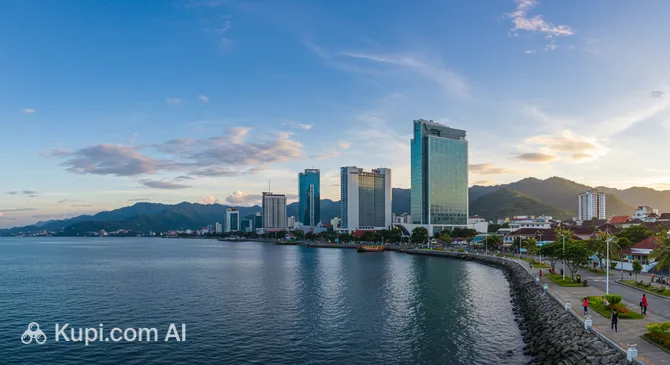
Geographically, the city stretches along the coast of the Makassar Strait, providing it with scenic waterfront views and a tropical climate. With a population of approximately 600,000 residents, it feels lively yet manageable. The history of Balikpapan is deeply intertwined with the discovery of oil in the late 19th century, which transformed a quiet fishing village into a strategic economic powerhouse. Today, remnants of this heritage can still be seen alongside modern infrastructure.

Travelers will find plenty to explore, from the relaxing shores of Kemala Beach to the lush greenery of the Margomulyo Mangrove Forest, where one can walk along wooden boardwalks and spot local wildlife. For a truly unique experience, a visit to the Sun Bear Sanctuary offers a rare chance to see the world's smallest bears in their natural habitat. Whether you are passing through on business or starting an adventure into the wild heart of Kalimantan, Balikpapan offers a welcoming and comfortable stopover.

Weather Overview

Balikpapan experiences a consistent tropical climate, making it a warm destination to visit at any time of the year. The city is characterized by steady temperatures and high humidity, with very little seasonal variation. Travelers can expect the weather in Balikpapan to be reliably hot, with average temperatures hovering around 27°C from January through December.

The days are typically sunny with cloudy intervals, where maximum temperatures consistently reach between 29°C and 30.5°C, while nights remain balmy with lows rarely dropping below 24.4°C. Rainfall is a frequent occurrence throughout the year, rather than being confined to a specific monsoon season. With the number of wet days ranging from 20 in September to 29 in months like March and November, visitors should be prepared for regular showers that help maintain the region's lush, green landscapes.

Interesting Facts

Beyond the main attractions, Balikpapan holds many fascinating secrets that reveal its unique character and history. From its unusual nickname to its celebrated urban achievements, there is much more to this coastal metropolis than meets the eye.
  • Balikpapan is widely recognized as one of the cleanest and most livable cities in the nation, frequently winning the prestigious Adipura Award. This dedication to environmental excellence is immortalized by the Adipura Monument Balikpapan, which stands as a proud symbol of the city's successful waste management and urban planning efforts.

  • Despite its name translating literally to "Vegetable Garden," the famous Kebun Sayur Market is actually a center for handicrafts and jewelry rather than produce. It is the premier destination for finding authentic Kalimantan gemstones, diamonds, and intricate Dayak beaded souvenirs, often surprising visitors expecting to see rows of greens.

  • The city features a remarkable settlement known as Kampung Atas Air, which is constructed entirely on stilts over the water. Far from being a disorganized shantytown, this "Village Above Water" is a well-maintained area with concrete walkways and a mangrove center, offering a distinct glimpse into the traditional coastal lifestyle of the region.

  • Balikpapan is the only city in the world that has officially adopted the sun bear, or beruang madu, as its mascot. These small, shy bears are native to the surrounding rainforests, and their image can be seen on statues and logos throughout the city, highlighting the importance of local wildlife conservation.

Kebun Sayur Market. Source: Kupi.Binoculars

How to Get There

Reaching this coastal city is convenient, primarily due to its status as a major gateway to East Kalimantan. For a comprehensive overview of all available travel methods, including sea and land options, you can read more about how to get to Balikpapan.

The main entry point for most travelers is Sultan Aji Muhamad Sulaiman Airport (IATA: BPN), which is located directly in Balikpapan. This busy international airport serves as a key hub for the region, handling a large volume of passenger traffic annually. It is situated approximately 5.7 km from the city center, ensuring a short and stress-free transfer upon arrival. The journey to the downtown area by taxi or bus usually takes about 30 minutes.

Another facility in the wider region is Tampa Padang Airport (IATA: MJU). However, visitors should be aware that this airport is located in the city of Mamuju, about 284 km away from Balikpapan. Due to the significant distance and its location across the Makassar Strait, it is not a direct or practical option for reaching Balikpapan compared to the city's own airport.

For clarity, here is a summary of the main airports:

Airport Name City Passenger Traffic Km from City
Sultan Aji Muhamad Sulaiman Airport Balikpapan Large 5.7
Tampa Padang Airport Mamuju Small 284.4

Regarding rail travel, Balikpapan does not currently have an intercity railway station offering passenger services to other parts of the island. The primary modes of transport for those not flying are ferries docking at Semayang Port or long-distance buses connecting to other towns in East Kalimantan.

Main Attractions

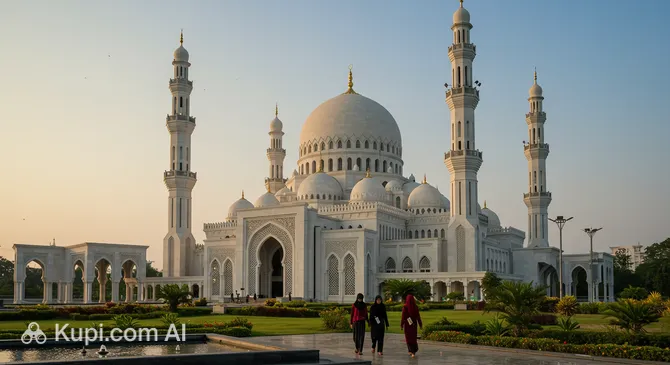
Balikpapan seamlessly blends urban development with natural splendor, offering visitors a variety of sites ranging from grand architectural landmarks to serene ecological parks. One of the most striking structures in the city is the Balikpapan Islamic Center. Known formally as the Madinatul Iman Mosque, this magnificent building is the largest mosque in East Kalimantan. Its design is inspired by the Prophet's Mosque in Medina, featuring towering minarets and a spacious courtyard that offers panoramic views of the city and the sea, making it a must-visit for its spiritual atmosphere and photographic potential.

Balikpapan Islamic Center. Source: Kupi.Binoculars

For nature enthusiasts, the Margo Mulyo Mangrove Forest provides a tranquil escape just a short distance from the city center. This conservation area features long wooden boardwalks that wind through the dense mangrove trees, allowing visitors to explore the ecosystem without disturbing it. It is an excellent spot for bird watching and, if you are lucky, spotting the elusive Proboscis monkey (Bekantan) in its natural habitat. The forest offers a refreshing contrast to the bustling city streets and serves as an important educational site for environmental preservation.

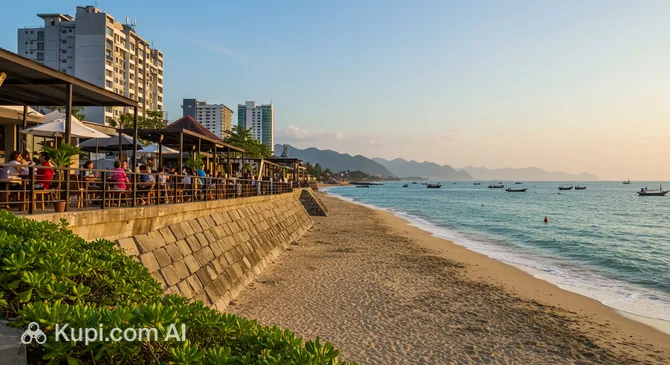
Those looking for a lively waterfront experience should head to BSB Beach. Located within the Balikpapan Superblock area, this modern attraction is more than just a stretch of sand; it is a vibrant lifestyle hub lined with colorful installations, trendy restaurants, and shopping centers. It is particularly popular in the late afternoon, as locals and tourists gather to enjoy the cool sea breeze and witness stunning sunsets over the Makassar Strait, often accompanied by live music and entertainment.

Families traveling with children will find plenty of excitement at the Caribbean Island Water Park. As the largest water park in East Kalimantan, it features a wide array of slides, wave pools, and water play areas designed for all ages. The park's tropical theme and well-maintained facilities make it a perfect destination for a day of fun and relaxation, offering a refreshing break from the tropical heat.

Local Cuisine

Local Cuisine:

As a coastal city facing the Makassar Strait, Balikpapan is a true paradise for seafood enthusiasts. The culinary scene here is defined by the freshness of the daily catch, ranging from giant prawns and clams to various types of fish. The most iconic dish that every visitor must try is Kepiting (crab). Whether cooked in a sweet and sour sauce, oyster sauce, or the local favorite black pepper sauce, the crabs here are renowned for their size and sweet, succulent meat. Many restaurants specialize solely in crab dishes, shipping their famous creations as souvenirs to other cities across the archipelago.

Beyond seafood, the city offers unique local delicacies that reflect a blend of cultural influences. A distinct specialty is Mantau Balikpapan, a type of steamed or fried bun adapted from Chinese cuisine. Unlike the plain version, it is typically served with savory sides such as Sapi Lada Hitam (black pepper beef) or venison, making it a hearty snack or meal. For those with a sweet tooth, Pisang Gapit is a must-try dessert. It consists of grilled bananas that are flattened and drenched in a rich, sweet sauce made from brown sugar, coconut milk, and pandan leaves.

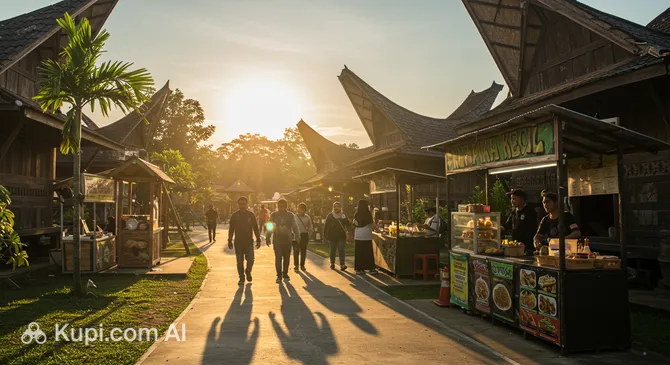
For a dining experience that combines delicious food with a cozy atmosphere, travelers can visit Kampung Kecil Balikpapan. This restaurant is popular for its traditional Sundanese-style architecture, featuring bamboo gazebos and water features that create a relaxing environment. It is an excellent spot for families to enjoy a variety of Indonesian favorites, including grilled fish, spicy sambal, and refreshing beverages, all served in a setting that feels like a village retreat within the city.

Kampung Kecil Balikpapan. Source: Kupi.Binoculars

No culinary tour of Balikpapan is complete without tasting Amplang, a savory fish cracker that serves as the region's signature snack. Made from mackerel or wahoo fish mixed with tapioca flour and spices, these crunchy, round crackers are ubiquitous in local shops. They are widely considered the perfect edible souvenir to bring home, capturing the authentic taste of East Kalimantan's maritime heritage.

Travel Tips

Welcome to the vibrant "Oil City" of Borneo! To ensure your journey through Balikpapan is as smooth as it is memorable, here are some essential practical tips to help you navigate the local culture and environment with ease.

  1. Clothing and Gear: Given the consistent tropical humidity, pack lightweight, breathable fabrics like cotton or linen to stay cool. Comfortable walking shoes are essential for exploring the mangrove forests, and you should always have a modest outfit—covering shoulders and knees—ready for visiting religious sites like the Islamic Center.

  2. Transportation: While colorful minibuses known as angkot ply the streets, their routes can be confusing for first-time visitors. The most convenient and stress-free way to get around is by using ride-hailing apps like Gojek or Grab, or by flagging down reliable Blue Bird taxis, which are safe and use meters.

  3. Finances: The official currency is the Indonesian Rupiah (IDR). Major malls and hotels accept credit cards, but cash is absolute king at local markets like Kebun Sayur and small food stalls. ATMs are widespread throughout the city, and while tipping is not mandatory, rounding up the bill or leaving 5-10% is appreciated for good service.

  4. Health and Safety: Balikpapan is one of the safest cities in the region, but standard precautions apply. Stick to drinking bottled water rather than tap water. Pharmacies (known as Apotek) such as Kimia Farma are common and reliable; however, be sure to pack strong insect repellent to protect against mosquitoes, especially when visiting nature reserves.

  5. Communication: Bahasa Indonesia is the primary language; while staff in high-end hotels speak English, it is less common among street vendors and drivers. Learning a few basic words like terima kasih (thank you) helps, and buying a local SIM card (Telkomsel offers the best coverage in Kalimantan) is highly recommended for maps and translation apps.

  6. Local Etiquette: The people of Balikpapan are incredibly friendly and polite, so a smile goes a long way. Always use your right hand for eating, paying, or shaking hands, as the left hand is traditionally considered unclean. It is also customary to remove your footwear before entering a private home or a mosque.

  7. What to Avoid: Never touch anyone on the head, even children, as it is considered the most sacred part of the body in local culture. Additionally, avoid public displays of affection, such as kissing or excessive hugging, to respect the conservative local norms.

  8. Mall Culture: Don't be surprised by the local affinity for shopping malls like E-Walk or Pentacity. Due to the intense midday heat, these are not just retail spaces but vital social hubs where locals gather to eat and socialize in the comfort of air conditioning—it's a great way to cool down and people-watch.

Armed with these practical insights, you are fully prepared to dive into the unique charm of Balikpapan. Enjoy the warm hospitality, the delicious seafood, and the stunning coastal nature that make this city a true gem of East Kalimantan.

Entertainment & Nightlife

While Balikpapan is not known for a wild or raucous party scene, its nightlife has evolved into a sophisticated mix of relaxed beachside hangouts, modern entertainment hubs, and vibrant culinary spots. The city comes alive after sunset, offering a laid-back atmosphere where locals and visitors gather to unwind. The primary destination for evening entertainment is the Balikpapan Superblock (BSB) area, a sprawling modern complex that integrates shopping, dining, and leisure facilities in one convenient location.

For those seeking a lively atmosphere with a view, BSB Beach is the place to be. Located right on the waterfront within the Superblock, this area transforms at night into a colorful promenade. It features trendy bistros and open-air venues where you can enjoy live music, refreshing drinks, and the cool sea breeze. The crowd here is a mix of young professionals and families, and the vibe is smart-casual—stylish but comfortable.

BSB Beach. Source: Kupi.Binoculars

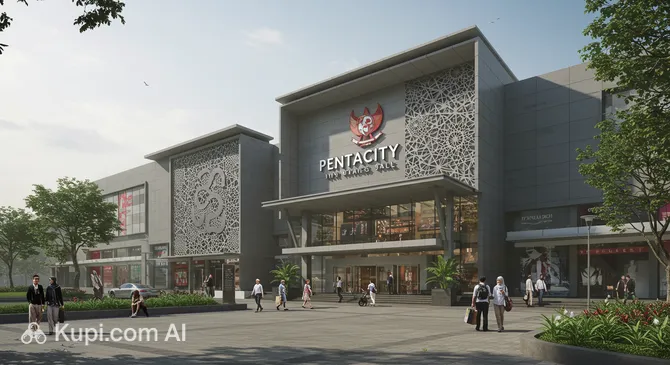
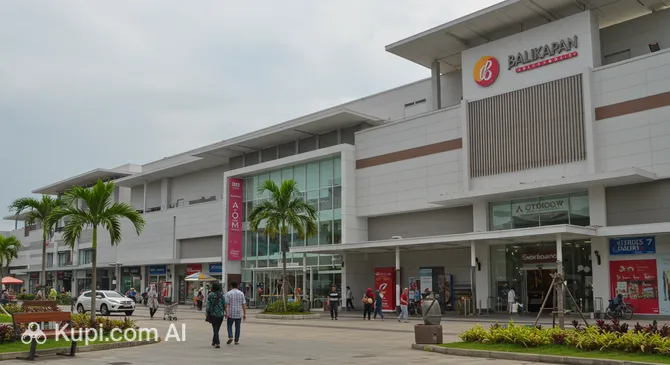
Adjacent to the beach area are the city's premier lifestyle malls, Pentacity Mall and eWalk Mall. These are not just shopping destinations but major nightlife hubs housing modern cinemas, family karaoke lounges, and a variety of restaurants that stay open late. If you are looking for a place to sing your heart out or catch the latest blockbuster movie in comfort, these connected malls offer a safe and air-conditioned environment perfect for a night out.

Pentacity Mall. Source: Kupi.Binoculars

For a more traditional and local experience, head to the Melawai Beach area along Jalan Jenderal Sudirman. As night falls, this street becomes a bustling center for "lesehan" dining, where patrons sit on mats along the seawall to enjoy local snacks and drinks while watching the lights of ships in the harbor. It is an excellent spot to mingle with locals and enjoy affordable street food in an authentic setting.

Practical Tips for Nightlife:

  • Timing: The action typically starts around 7:00 PM. Malls and cafes usually operate until 10:00 PM or 11:00 PM, while standalone bars and entertainment venues may stay open until 1:00 AM or 2:00 AM on weekends.
  • Prices: Entertainment in Balikpapan is generally affordable. A meal and drink at a nice bistro might cost between IDR 100,000 and IDR 200,000, while street food at Melawai is significantly cheaper.
  • Getting Around: The city is quite safe for evening activities. The most reliable way to travel between venues at night is by using ride-hailing apps like Gojek or Grab, or by booking a Blue Bird taxi. Avoid walking long distances alone in unlit areas, although the main districts like BSB are well-guarded and secure.

During the day, the city offers different forms of amusement. Families and thrill-seekers often visit the Caribbean Island Water Park to cool off on the slides. Additionally, the city has several museums and cultural centers, though many travelers prefer to spend their daylight hours exploring the nearby nature reserves before returning to the city center for the evening festivities.

Parks & Museums

While Balikpapan is celebrated for its modern infrastructure and coastal charm, the city also prides itself on its well-maintained green spaces and efforts to preserve its historical narrative. Visitors looking to escape the urban bustle or delve into the region's past will find a selection of parks and cultural sites that offer a refreshing perspective on this dynamic metropolis.

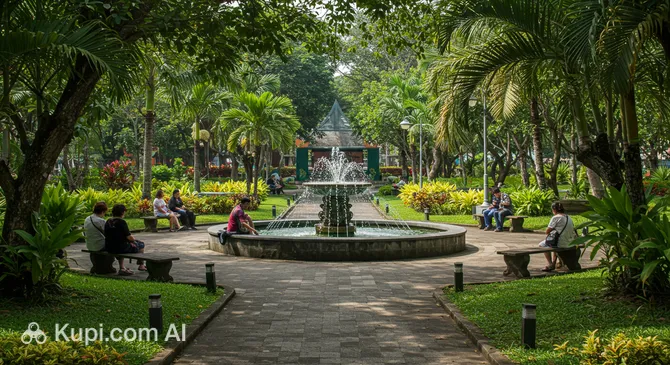
One of the most accessible green areas in the city center is Adipura Park. This compact but beautifully landscaped garden serves as a testament to Balikpapan's achievements in environmental cleanliness. It is a popular spot for locals to jog or enjoy a leisurely afternoon stroll amidst manicured lawns and flower beds. The park is not just a recreational space; it is a symbol of civic pride, housing the iconic Adipura Monument Balikpapan, which commemorates the city's numerous awards for being one of the cleanest cities in Indonesia.

Adipura Park. Source: Kupi.Binoculars

For a more immersive nature experience, the Balikpapan Botanical Garden (Kebun Raya Balikpapan) is a must-visit. Located further from the city center near the Wain River Protection Forest, this expansive area covers hundreds of hectares and focuses on the conservation of Kalimantan's native wood species. It offers a serene environment for trekking and learning about the diverse flora of Borneo, including rare orchids and towering hardwood trees. Another urban favorite is Bekapai Park, often referred to as the "living room" of the city. Situated in the downtown area, it features a central fountain and plenty of seating, making it a lively gathering spot in the evenings when the cool breeze rolls in from the sea.

Although Balikpapan is more famous for nature than museums, the Dahor Heritage House (Rumah Dahor) offers a fascinating glimpse into the city's colonial past. These preserved wooden houses were originally built by the Dutch oil administration in the early 20th century. Today, one of them functions as a gallery displaying vintage photographs and artifacts that narrate the story of the oil industry's development and the city's transformation during the colonial era and World War II.

Another significant site is Monpera (Monumen Perjuangan Rakyat), located near Kemala Beach. This monument is dedicated to the people's struggle for independence in East Kalimantan. Inside the structure, there is a small museum featuring dioramas and historical items that depict the bravery of local fighters against colonial forces. The site also offers a rooftop viewing deck, providing visitors with a panoramic view of the Makassar Strait coastline.

History enthusiasts should also seek out the remaining Japanese Bunkers scattered around the city, particularly in the Manggar area. These concrete fortifications are somber remnants of World War II, serving as a reminder of the strategic importance of Balikpapan's oil resources during the conflict. Many of these sites have been preserved to educate visitors about the intense battles that once took place on these shores.

For an authentic local experience, visit Bekapai Park after sunset. The area transforms with the arrival of numerous street food vendors selling local snacks and drinks, offering a perfect opportunity to mingle with residents and enjoy the relaxed evening atmosphere of the city.

Getting Around

The public transport system in Balikpapan differs significantly from major Western metropolises, as the city does not possess a metro, tram, or extensive railway network. Instead, the primary mode of public transportation relies entirely on road vehicles. The backbone of local mobility is the Angkot (Angkutan Kota), a fleet of minibuses that traverse the city on fixed routes. These vehicles are easily identifiable by their distinct colors and numbers, which correspond to specific destinations and districts. While they provide an authentic glimpse into local life, they lack a strict schedule, departing only when they have enough passengers or at the driver's discretion.

For tourists wishing to use the Angkot system, the process is informal and requires no pre-purchased tickets. There are no designated bus stops in many areas; you simply stand by the roadside and wave your hand to flag down a passing minibus. To exit, you alert the driver verbally or by tapping on the ceiling when you are near your destination. Payment is made exclusively in cash directly to the driver upon disembarking. The fares are very affordable, typically a flat rate regardless of the distance traveled within a single route. It is highly advisable to carry small change, as drivers often struggle to break large banknotes.

Given the informal nature of the minibuses, many visitors prefer the comfort and reliability of taxis. The Blue Bird taxi group is widely considered the most trustworthy operator in the city, using a transparent meter system (argo) that eliminates the need for haggling. You can find them queuing at major shopping malls, hotels, and the airport, or you can hail them from the street. These taxis offer a cool, air-conditioned respite from the tropical heat and provide a safer alternative for evening travel when Angkot services become infrequent or stop running entirely.

In recent years, ride-hailing apps have revolutionized how people navigate the city, becoming the most convenient option for tourists. Applications like Grab and Gojek allow users to book both cars and motorbike taxis (ojeks) with ease. The major advantage of these apps is the fixed pricing model, which is displayed before you book, removing any confusion about costs. Payment can be made seamlessly through the app using a credit card or e-wallet, though cash payments to the driver are also accepted. These services operate around the clock and can reach areas that might be difficult to access with standard public transport.

For those planning to explore attractions on the outskirts of the city, renting a car is a viable alternative. However, it is common practice here to rent a car with a driver rather than self-driving, due to the local traffic habits and road conditions. This option provides flexibility and local expertise, allowing for a stress-free day trip. While motorbike rentals are available for the adventurous, they are generally recommended only for experienced riders confident in navigating busy mixed traffic. Walking is mostly reserved for short distances within specific districts like the Balikpapan Superblock, as the city's layout is spread out and sidewalks can be inconsistent.

Accommodation

Accommodation in Balikpapan caters to a diverse mix of business travelers, families, and backpackers, reflecting the city's status as an industrial and commercial hub. Visitors can find everything from luxurious 4-star and 5-star international hotel chains to comfortable mid-range city hotels and affordable guesthouses. Because the city frequently hosts corporate events and oil-and-gas industry professionals, the standard of service and amenities in many establishments is generally high, ensuring a comfortable stay regardless of your budget.

The most convenient area for tourists to stay is along Jalan Jenderal Sudirman, the city's main coastal avenue. This strip runs parallel to the shoreline and provides easy access to the beach, major offices, and culinary hotspots. Within this area, the Balikpapan Superblock (BSB) stands out as a prime location for accommodation. Staying here places you right in the center of the action, with immediate access to entertainment and shopping venues such as eWalk Mall. This integration of hotels and lifestyle centers makes it incredibly easy to find food, shop, or catch a movie without needing to travel far.

eWalk Mall. Source: Kupi.Binoculars

For those seeking a quieter experience or lower rates, the areas slightly inland or near the airport offer numerous budget-friendly options, often referred to as "losmen" or guest houses. These provide basic but clean facilities perfect for transit passengers or backpackers. Conversely, travelers looking for resort-style experiences can find properties near the beaches that offer swimming pools and ocean views, allowing for a more relaxed vacation vibe within the city limits.

Booking Tips and Prices:

While walk-in bookings are possible, it is highly recommended to book your accommodation in advance, especially during the week when business travel is at its peak. Online travel platforms and local apps like Traveloka or Tiket.com are widely used and often offer the best rates. Price-wise, budget rooms can be found for as little as IDR 200,000 to IDR 350,000 per night. Mid-range hotels typically charge between IDR 400,000 and IDR 800,000, while luxury stays in top-tier hotels generally start from IDR 1,000,000 upwards.

Nearby Cities

For those looking to explore the surroundings, Balikpapan serves as an excellent base for day trips to several interesting nearby locations:

Just a short drive north via the toll road lies Samarinda, the bustling capital of East Kalimantan. Situated along the banks of the mighty Mahakam River, it offers a different vibe from the coastal charm of Balikpapan. Visitors can enjoy a traditional river cruise to observe local life on the water or visit the Pampang Cultural Village to witness the rich heritage of the Dayak Kenyah people, including their traditional longhouses and dances. The city is also famous for its exquisite traditional weaving, known as Sarung Samarinda, making it a great spot for cultural souvenirs.

Further north is the city of Bontang, another industrial hub that surprises travelers with its orderly layout and natural attractions. The highlight here is Bontang Kuala, a charming fishing settlement built entirely on stilts over the sea. Visitors can walk along the wooden boardwalks, enjoy fresh seafood, and experience the serene atmosphere of a traditional maritime village. Additionally, Bontang serves as a gateway to the nearby Kutai National Park, offering opportunities for nature lovers to spot orangutans and other wildlife in their natural habitat.

City Population Distance (km)
Samarinda 753,370 88
Mamuju 278,764 308
Banjarbaru 216,600 331
Martapura 198,239 328
Bontang 161,413 166

These nearby destinations offer a glimpse into the diverse culture and landscapes of the region.

Shopping & Souvenirs

Shopping in Balikpapan offers a delightful contrast between modern convenience and traditional charm. As the commercial hub of East Kalimantan, the city caters to a wide range of tastes, from those seeking high-end international brands to travelers hunting for authentic local handicrafts. Whether you prefer the cool comfort of air-conditioned lifestyle centers or the bustling atmosphere of open-air markets, Balikpapan provides a diverse retail experience that reflects its unique cultural heritage.

The most prominent modern shopping district is located within the Balikpapan Superblock (BSB) on Jalan Jenderal Sudirman. This integrated complex is the heartbeat of the city's retail scene, hosting the largest and most popular malls in the region. It serves as a one-stop destination where tourists can find everything from fashion and electronics to dining and entertainment, all within a safe and pedestrian-friendly environment.

Within this superblock, eWalk Mall stands out as a favorite hangout for young locals and families. It features a "lifestyle" concept with a wide array of cafes, restaurants, and well-known retail chains. Connected to it is the more upscale Pentacity Mall, which houses major department stores and premium brands. Together, these two malls offer a comprehensive shopping experience, providing a welcome escape from the tropical heat with their modern facilities and extensive amenities.

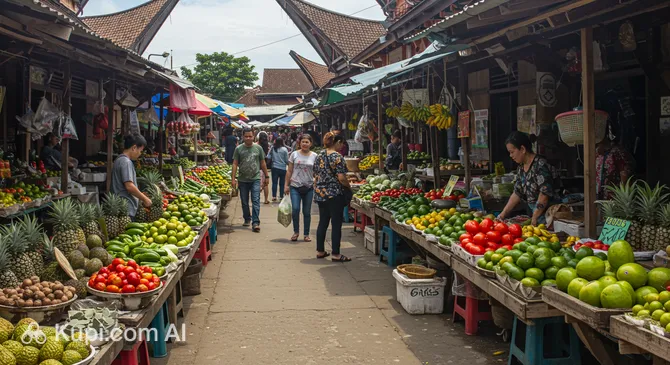
For a more culturally immersive experience, a visit to Kebun Sayur Market is essential. Despite its name, which translates to "Vegetable Garden," this legendary market is actually the center for handicrafts and souvenirs in East Kalimantan. It is a treasure trove for collectors, consisting of rows of small shops selling dazzling goods. This is the best place to practice your bargaining skills and interact with friendly local vendors who are often eager to explain the origins of their wares.

When looking for souvenirs, Balikpapan is famous for its high-quality gemstones and jewelry. Visitors can find beautiful diamonds, sapphires, and amethysts, often set in silver or gold, at very competitive prices in the specialized sections of Kebun Sayur. Another must-buy item is Dayak handicrafts, particularly the intricate beadwork found on bags, wallets, and accessories, which showcase the indigenous artistry of Borneo. For textile lovers, Batik Ampiek (also known as Batik Kalimantan) features distinct patterns inspired by local wood carvings and is a beautiful fabric to take home.

Regarding practicalities, shopping malls typically operate from 10:00 AM to 10:00 PM daily. Traditional markets like Kebun Sayur generally open earlier, around 8:00 AM or 9:00 AM, and start to close by 5:00 PM or 6:00 PM. While credit and debit cards are widely accepted in malls and larger stores, cash is essential when visiting traditional markets or smaller souvenir shops. ATMs are plentiful throughout the city, so withdrawing cash is rarely an issue.

Tourists should be aware that while Indonesia has a VAT refund system for visitors, it is primarily available at major international airports in Jakarta and Bali. It is less common to find participating "Tax Free" shops in Balikpapan compared to the capital, so it is best to check with specific high-end retailers if they offer this service before making significant purchases.
Reached the end of the page?

That means the route is fully explored