Support

Batulicin

About

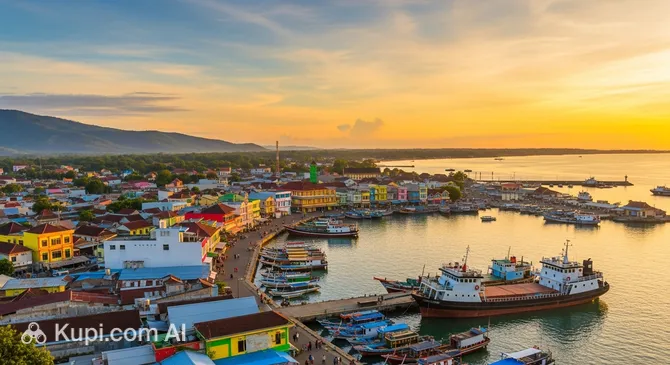
Batulicin is a bustling and strategically important town located in the South Kalimantan province of Indonesia. Serving as the capital of the Tanah Bumbu Regency, this coastal city sits along the edge of the Makassar Strait, acting as a vital gateway to the rich natural resources and cultural heritage of Borneo. With a population of approximately 70,000 residents, it offers a lively atmosphere that balances its role as a commercial hub with the laid-back charm of a tropical seaside settlement.

While the city is rapidly modernizing, discovering the history of Batulicin reveals its roots as a significant trading post and settlement that has evolved over time. Today, it stands as a testament to the region's growth while retaining a strong connection to its traditional values and local way of life.

Batulicin. Source: Kupi.Binoculars

Travelers visiting Batulicin often use it as a starting point to explore the stunning coastal scenery of the region. One of the key highlights nearby is the beautiful Pagatan Beach, famous for its scenic views and the annual Mappanretasi festival, which celebrates the local maritime culture. The city itself features vibrant markets where visitors can sample authentic Banjar cuisine and experience the warm hospitality of the community. Whether you are passing through on a journey across Kalimantan or stopping to appreciate the local vibe, Batulicin invites you to experience the authentic spirit of the island.

Weather Overview

Batulicin experiences a consistent tropical climate characterized by warm temperatures and frequent rainfall throughout the year. The average daily temperature remains stable, generally hovering between 26°C and 28°C. Daytime highs typically reach around 30°C, peaking slightly in October and November, while evenings are pleasant with lows consistently around 24°C.

Rain is a common occurrence in this region, with a high number of wet days recorded in almost every month. March is often the wettest period in terms of frequency, seeing precipitation on nearly every day of the month. In contrast, September tends to be the driest month, though travelers should still expect around 19 wet days. To help plan your activities around the rain, it is helpful to consult the detailed guide on the weather in Batulicin.

Overall, visitors can expect warm conditions with occasional rain regardless of the season. It is advisable to pack lightweight, breathable clothing suitable for humidity, along with a reliable raincoat or umbrella to stay comfortable during the frequent showers.

Interesting Facts

Beyond the main attractions, Batulicin holds many fascinating secrets that reveal the true character of this coastal town. From the literal meaning of its name to the unique daily habits of its residents, there are several intriguing details that often escape the casual visitor.

  • The "Slippery Stone" Origin: The name "Batulicin" is derived from two Indonesian words: batu (stone) and licin (slippery). Local folklore suggests this name originated from the smooth, slippery rocks found along the riverbanks where boats historically docked. These stones were polished by the constant flow of the water, becoming a natural landmark for early traders and settlers.

  • A City of Speedboats: While most cities rely on buses or trains, Batulicin's connection to the neighboring island of Kotabaru is defined by a bustling fleet of speedboats. These small vessels act as "sea taxis," zipping across the strait in about 15 to 20 minutes. It is a quintessential local experience to see dozens of these boats crisscrossing the water at any given time, serving as a vital lifeline for commuters.

  • Ancient History Nearby: Just a short drive inland from Batulicin lies the mysterious Liang Bangkai Cave in the Mantewe district. Although its name translates ominously to "Corpse Burrow," it is actually a stunning natural site featuring impressive stalactites and stalagmites. Archeological findings suggest the cave was inhabited by prehistoric humans, making it a hidden gem for history enthusiasts visiting the regency.

How to Get There

Reaching Batulicin typically involves flying into one of the major airports in the region and completing the journey by road. While the city itself is a growing hub, international and long-distance domestic travelers usually arrive via the larger transport centers in South or East Kalimantan. For a comprehensive guide on all available routes and travel tips, you can read more about how to get to Batulicin.

The most convenient gateway for most visitors is Syamsudin Noor International Airport (BDJ), located in the city of Banjarmasin. Since Batulicin does not have a large international airport, this hub serves as the primary entry point. It is situated approximately 138 km from Batulicin in a straight line, but please note that the actual road distance is longer due to the winding nature of the route. From Syamsudin Noor International Airport, you can take a taxi, rent a car, or use a travel shuttle service. The overland journey typically takes approximately 5 to 6 hours, offering a scenic drive through the landscapes of South Kalimantan.

Another option, particularly for those coming from the north or east, is Sultan Aji Muhamad Sulaiman Airport (BPN) in Balikpapan. This is a larger facility with extensive connections, but it is located significantly further away—about 260 km in direct distance from Batulicin. However, the road network connecting these two cities is extensive and indirect. A trip from Sultan Aji Muhamad Sulaiman Airport involves a much longer drive, often estimated to take over 10 hours depending on road conditions. This route is less common for direct access but serves as a viable alternative for those planning a broader exploration of Kalimantan.

For clarity, here is a summary of the main airports serving the region:

Airport Name City Passenger Traffic Direct Distance (km)
Sultan Aji Muhamad Sulaiman Airport Balikpapan Large 260.8
Syamsudin Noor International Airport Banjarmasin Medium 138.2
Tjilik Riwut Airport Palangkaraya Small 266.0

Main Attractions

One of the most prominent landmarks in the city is the Masjid Agung Al-Falah. Located on Jalan Kodeco, this grand mosque is often referred to as a masterpiece of religious architecture in South Kalimantan. It is designed with a distinct Middle Eastern influence, featuring a magnificent golden dome and spacious courtyards that can accommodate thousands of worshippers. Visitors are often captivated by its serene atmosphere and the intricate details of its interior, making it a peaceful stop for those interested in local culture and spiritual heritage.

For those seeking a classic seaside experience, Pagatan Beach remains a favorite destination just a short drive from the city center. While it is famous for the annual Mappanretasi sea-offering ritual, the beach is a lively spot year-round. The long stretch of coastline is lined with food stalls serving local delicacies, such as roasted corn and fresh coconut water. It is an excellent place to watch the sunset while enjoying the cool sea breeze and the rhythmic sound of the waves crashing against the shore.

Nature lovers looking for a unique coastal landscape should visit Rindu Alam Beach. Unlike typical tropical beaches, this area is defined by a dense forest of pine trees that grows right up to the edge of the sand. The tall trees provide ample shade, creating a cool and refreshing environment perfect for family picnics and relaxation. The combination of the green foliage and the blue sea offers a distinctive backdrop for photography and a quiet escape from the tropical heat.

Although situated a bit further from the main town, Angsana Beach is widely considered a must-visit for anyone in the region. It is often celebrated as one of the best spots for marine tourism in South Kalimantan, boasting relatively clear waters and healthy coral reefs. Visitors can rent snorkeling gear to explore the underwater life or enjoy water sports like banana boats. The journey to reach this hidden gem is well worth the effort for the pristine white sand and the opportunity to witness the vibrant marine ecosystem.

Local Cuisine

The culinary scene in Batulicin is a vibrant reflection of its location in South Kalimantan, offering a delicious blend of fresh coastal seafood and the rich, aromatic spices typical of Banjar cuisine. Food here is more than just sustenance; it is a way to connect with the local culture. Visitors can expect meals that are hearty, flavorful, and often accompanied by generous servings of rice and spicy chili paste, known locally as sambal.

One dish that every traveler must try is Soto Banjar. This iconic soup is famous throughout the region for its fragrant broth, which is infused with spices like cinnamon, cloves, and anise. Unlike other Indonesian sotos, it is often thickened with a bit of milk or egg, giving it a creamy texture. It is typically served with shredded chicken, boiled eggs, and potato cakes (perkedel), and is best enjoyed with ketupat (compressed rice cakes) rather than plain steamed rice.

Given Batulicin's position along the Makassar Strait, seafood plays a central role in the daily diet. Ikan Bakar (grilled fish) is a local staple, where fresh catches like snapper or pomfret are marinated in turmeric and soy sauce before being grilled over charcoal. For a taste of the river, try dishes made with Patin, a type of succulent catfish that is often cooked in a spicy and sour yellow soup known as Gangan Asam. These dishes are usually found in open-air eateries and are perfect for a heavy lunch or dinner.

For a lighter snack or a savory souvenir to take home, look for Amplang. These are traditional fish crackers made from wahoo or mackerel mixed with tapioca starch. They are crunchy, savory, and incredibly addictive, widely available in local markets and souvenir shops. In terms of drinks, the choices are refreshing and simple. Es Kelapa Muda (young coconut ice) is the beverage of choice, especially when dining near the beach, providing a sweet and hydrating break from the tropical heat. Alcohol is not widely prominent in the traditional dining scene, with locals preferring sweet iced tea, coffee, or fresh fruit juices.

The food culture in Batulicin is unpretentious and community-oriented. While there are standard restaurants, the most authentic experiences are found at warungs (small family-owned stalls) and night markets. In the evenings, areas around the town center and the waterfront come alive with vendors grilling satay and frying rice. Dining is often a casual affair, and in some traditional spots, you might enjoy your meal lesehan style, sitting on mats around low tables, which adds a cozy and communal feel to the gastronomic adventure.

Travel Tips

Visiting Batulicin offers a unique glimpse into the daily life of South Kalimantan, but ensuring a smooth trip requires a bit of local know-how and preparation. These practical tips are designed to help you navigate the city with ease while respecting local customs and making the most of your travel experience.

  1. Clothing and Gear: Due to the tropical and humid climate, pack lightweight, breathable fabrics like cotton or linen to stay cool. However, Batulicin is a fairly conservative area, so it is respectful to dress modestly; avoid overly revealing clothing, and ensure your shoulders and knees are covered when visiting public places or religious sites like the Great Al-Falah Mosque. A sturdy umbrella or raincoat is also essential, as sudden showers can occur year-round.

  2. Transportation: Public transportation options like buses are limited within the city itself. The most convenient way to get around is by renting a car with a driver or hiring a motorcycle taxi, locally known as an ojek. If you plan to cross over to Kotabaru, the local speedboats are the primary and most efficient mode of transport, offering a fast connection across the strait.

  3. Finances: The official currency is the Indonesian Rupiah (IDR). While there are ATMs available in the town center and at major banks, cash is king for most daily transactions. Small eateries (warungs), local markets, and transport providers typically do not accept credit cards, so it is wise to carry a sufficient amount of small denominations.

  4. Health and Safety: Pharmacies, known as Apotek, are generally well-stocked for minor ailments, but you should bring any specific prescription medications you need. Tap water is not potable; always stick to bottled or boiled water to avoid stomach issues. Additionally, since this is a tropical region, using insect repellent is highly recommended to protect against mosquitoes, especially during the early morning and evening.

  5. Communication: The primary language spoken is Indonesian (Bahasa Indonesia), often mixed with the local Banjar dialect. English proficiency is not widespread outside of major hotels or business settings, so downloading an offline translation app and learning basic phrases like "Terima kasih" (Thank you) will be incredibly helpful. For mobile data, purchasing a local SIM card (Telkomsel usually has the best coverage in this region) is the most reliable option for staying connected.

  6. Local Etiquette: Politeness is highly valued in Batulicin. Always use your right hand for eating, giving, or receiving items, as the left hand is considered unclean. When entering a local home or a mosque, it is mandatory to remove your shoes. A friendly smile goes a long way here, and it is common to greet people with a slight nod or a handshake, touching your chest afterwards to show sincerity.

  7. What to Avoid: Public displays of affection, such as kissing or hugging, are frowned upon and should be avoided to respect local norms. Also, avoid touching people on the head, including children, as the head is considered the most sacred part of the body in local culture.

  8. Market Tip: If you want to experience the freshest local produce or try authentic snacks like wadai (traditional cakes), visit the markets early in the morning, around 6:00 AM to 8:00 AM. This is when the activity is liveliest and the temperature is still pleasant before the midday heat sets in.

By keeping these practicalities in mind, you will be well-equipped to explore the vibrant streets and coastal beauty of Batulicin without worry. Embrace the laid-back rhythm of the town, and you are sure to find a warm welcome from the friendly locals.

Entertainment & Nightlife

Nightlife in Batulicin offers a distinctively relaxed and culturally immersive experience, differing significantly from the high-energy clubbing scenes found in Indonesia's larger metropolitan areas. Instead of thumping bass and neon-lit dance floors, the evening entertainment here revolves around the local tradition of nongkrong—hanging out with friends over coffee and light snacks. The atmosphere is communal and laid-back, with the city coming alive after sunset as the heat of the day dissipates, inviting families and groups of friends to gather in open-air venues and public parks.

The heart of the city's evening activity is often centered around Taman Education Park. This public space transforms at night into a vibrant social hub, illuminated by colorful lights and populated by local vendors selling street food. It is an excellent place to observe local life, where visitors can rent small electric cars or bicycles to ride around the paved paths. The crowd here is diverse, ranging from teenagers socializing to families enjoying the cool evening breeze. Another popular area is the waterfront district, where simple warungs (food stalls) offer grilled corn and fresh drinks with a view of the dark waters of the strait.

For those seeking a culinary adventure, the Pujasera Batulicin (food court center) is a must-visit destination. It is a bustling collection of food stalls that stays open late, offering everything from savory satay to sweet martabak. While alcohol is not widely served due to the region's conservative culture, the local coffee scene is thriving. You will find numerous modern coffee shops and traditional cafes lining the main roads, serving robust local brews that keep the conversation flowing well into the night. These venues typically operate until around midnight, with a casual dress code that requires modesty but prioritizes comfort.

When venturing out at night, safety is generally not a major concern in Batulicin, as the town is known for its friendly and tight-knit community. The main streets are well-lit and safe for walking, though it is always advisable to stay in populated areas. Public transportation dwindles in the late hours, so the most practical way to get around is by using ride-hailing apps or hiring a local motorcycle taxi (ojek). Prices are affordable, and locals are usually helpful if you need directions. It is best to carry cash, as small vendors and night markets rarely accept cards.

During the daylight hours, entertainment shifts towards family-friendly recreational spots. While the city lacks large-scale museums or theaters, visitors can enjoy time at local water parks such as Water World Batulicin, which offers pools and slides for a refreshing escape from the tropical humidity. Additionally, the city's markets provide a lively daytime atmosphere where you can shop for local crafts and textiles before the evening calm sets in.

Parks & Museums

Exploring Batulicin offers a mix of refreshing green spaces and cultural landmarks that tell the story of the Tanah Bumbu region. While the city is more renowned for its coastal beauty and bustling trade than for a vast array of indoor museums, visitors will find charming parks and historical sites that serve as open-air galleries of the local heritage and natural splendor. The area invites you to slow down and appreciate the lush landscapes and the architectural pride of South Kalimantan.

One of the city's primary green lungs is Taman Education Park (Taman Edukasi). Functioning as a central recreational hub, this park is designed to be both a leisure spot and a learning environment for the community. By day, the park offers paved jogging tracks and shaded areas under tropical trees, making it a favorite location for morning exercises and family picnics. It is a well-maintained space where tourists can observe the daily rhythm of local life, away from the busy harbor and commercial districts.

For a more immersive natural experience, the Rindu Alam Pine Forest stands out as a unique ecological site. Although located near the coast, this area feels distinct from a typical tropical beach due to the dense canopy of pine trees that creates a cool, forest-like atmosphere. It serves as a natural sanctuary where visitors can walk among the tall trunks, enjoying the fresh air and the scenic contrast between the greenery and the nearby sea. It is an ideal spot for nature photography and a peaceful retreat from the tropical heat.

In terms of history and culture, the region preserves its legacy through significant landmarks rather than traditional museum buildings. A key historical site is the Makam Raja Pagatan (Tombs of the Kings of Pagatan), located a short distance from the city center in the Kusan Hilir district. This site honors the lineage of the Bugis nobility who founded the Kingdom of Pagatan. It offers a fascinating glimpse into the aristocratic history of the area and the migration of the Bugis people to South Kalimantan, serving as a testament to the region's diverse cultural roots.

Architecturally, the Masjid Agung Al-Falah acts as a monumental centerpiece of the city's cultural identity. While primarily a place of worship, its grandeur makes it a de facto museum of Islamic art and architecture in the region. The mosque features towering minarets and a massive dome, with interiors adorned in intricate calligraphy and geometric patterns. Visitors are often welcomed to admire the craftsmanship, which reflects the deep spiritual devotion and artistic capability of the local community.

For an authentic insider experience, take a trip to the traditional shipyards often found along the riverbanks and coastal edges near Batulicin. Here, you can witness the age-old craft of boat building, where skilled artisans construct sturdy wooden vessels using techniques passed down through generations. It is a living museum of maritime culture that provides a raw and unpolished look at the industry that has sustained this coastal settlement for centuries.

Getting Around

Navigating Batulicin requires a shift in expectations for travelers accustomed to the structured public transport systems of major metropolises. The city does not possess a metro, tram, or extensive municipal bus network. Instead, the local transportation infrastructure is informal, road-based, and relies heavily on smaller vehicles that offer a flexible, albeit sometimes unpredictable, way to get around.

The most common form of public transport within the city is the Angkot (an abbreviation of Angkutan Kota or city transport). These are minibuses or vans that follow general routes but do not adhere to a strict timetable. They typically wait at terminals or major intersections until they are full before departing. While they have designated routes, there are no fixed bus stops; passengers can hail them from the side of the road by simply waving a hand and can request to get off anywhere along the route. They are an authentic and inexpensive way to travel, though they can be cramped and lack air conditioning.

For a faster and more direct option, Ojeks (motorcycle taxis) are the backbone of individual transport. You will find traditional ojek drivers waiting at street corners, markets, and harbor entrances. In recent years, app-based ride-hailing services have also begun to establish a presence, allowing you to book both motorcycle and car rides via your smartphone. This digital option is often preferred by tourists as it provides a fixed price upfront, eliminating the need for negotiation.

The payment system in Batulicin is predominantly cash-based. There are no travel cards, magnetic passes, or tap-on systems for public transport. For Angkots, you pay the driver directly when you exit the vehicle. It is essential to carry small denominations of the local currency, as drivers often do not have change for large bills. Fares are generally very low and fixed for short distances. If you use a traditional Ojek, you must agree on a price before the journey begins; bargaining is expected and is part of the local culture.

A unique feature of the local transport network is the fleet of speedboats connecting Batulicin to the neighboring island of Kotabaru. While technically inter-island transport, these boats function much like a city bus service due to the high volume of daily commuters. They depart frequently from the waterfront jetties once they carry enough passengers. It is a thrilling and efficient way to cross the strait, offering a scenic, wind-swept alternative to road travel for those heading to the offshore districts.

Tourists seeking comfort and convenience often opt for car rentals, which typically come with a local driver. This is highly recommended for day trips or if you plan to visit attractions scattered around the regency, as waiting for public transport in the heat can be exhausting. Self-drive car rentals are less common and generally not advised due to the informal nature of local traffic rules.

Practical advice for using the transport system includes operating hours. Angkots and traditional boats usually operate from sunrise until late afternoon or early evening. After sunset, public transport options dwindle significantly, and you will likely need to rely on private taxis or ride-hailing apps to get around. Always ensure you have a map or the name of your destination written down, as few drivers speak fluent English.

Accommodation

Accommodation in Batulicin is primarily designed to serve the needs of business travelers and those transiting through the region, reflecting the city's status as a commercial hub and a gateway to the broader Tanah Bumbu regency. Visitors will not find sprawling luxury resorts or international five-star hotel chains here. Instead, the hospitality landscape is dominated by functional mid-range hotels, clean and comfortable guesthouses, and budget-friendly inns known locally as wisma or penginapan.

The majority of lodging options are concentrated in the bustling city center, particularly around the Simpang Empat area and along the main thoroughfares such as Jalan Transmigrasi. Staying in this district places you within walking distance of local eateries, convenience stores, and the central business zones. For travelers planning to cross the strait to Kotabaru, there are also several simple accommodation choices located closer to the harbor, offering quick access to the speedboat jetties and ferry terminals.

In terms of amenities, the mid-range hotels in Batulicin generally offer modern conveniences such as air conditioning, hot showers, and Wi-Fi, making them suitable for a comfortable overnight stay. These establishments often feature on-site restaurants and meeting rooms, catering to the steady stream of professionals visiting for the mining and plantation industries. On the other end of the spectrum, budget travelers will find numerous homestays that provide basic facilities at very affordable rates, offering a no-frills place to rest after a day of exploration.

Booking Tip: While finding a room is usually straightforward throughout the year, the city can become surprisingly busy during major local events, most notably the annual Mappanretasi festival in April. During this period, accommodation is in high demand as visitors flock to the coast, so it is highly recommended to book your stay several weeks in advance. For standard travel dates, online booking platforms cover the larger hotels, but many smaller guesthouses still operate on a walk-in or direct-call basis.

Prices in Batulicin are generally very reasonable compared to larger Indonesian tourist hubs. Budget rooms can be found for a modest fee, while the top-tier local hotels fall into a mid-range price bracket, offering good value for the amenities provided. Whether you are stopping over for a night or using the city as a base to explore the nearby beaches and caves, you will find options that fit a practical travel budget.

Nearby Cities

For those looking to explore the surroundings, Batulicin serves as an excellent base for day trips or short visits to several interesting nearby locations. While the vast landscapes of Kalimantan often mean travel times can be longer than expected, the region offers a mix of bustling river cities and modern urban centers that are well worth the journey.

City Population Distance (km)
Samarinda 753,370 351
Banjarmasin 692,793 158
Balikpapan 598,043 262
Majene 272,377 330
Palangkaraya 249,434 269

Banjarmasin is the closest major city and a cultural highlight of South Kalimantan. Known as the "City of a Thousand Rivers," it offers a unique experience with its traditional floating markets, where traders sell fresh produce and local snacks from boats at dawn. A visit here allows travelers to immerse themselves in the vibrant Banjar culture, explore the intricate network of canals, and see the grand Sabilal Muhtadin Mosque. It is an ideal destination for those wanting to witness the historical heart of the province.

Further to the northeast lies Balikpapan, often referred to as the "Oil City" of Indonesia. Unlike the river-centric layout of Banjarmasin, Balikpapan is known for its cleanliness, modern infrastructure, and coastal charm. Visitors can enjoy a variety of beaches, such as Kemala Beach, or explore the protected Sun Bear Sanctuary to see the local wildlife. It serves as a cosmopolitan contrast to the more traditional towns in the region and acts as a gateway to East Kalimantan.

These nearby destinations offer a glimpse into the diverse culture and landscapes of the region, ranging from riverine heritage to modern coastal living.

Shopping & Souvenirs

General Overview: Shopping in Batulicin offers an authentic glimpse into the daily life of South Kalimantan. While the city is not known as a high-end fashion destination or a hub for luxury brands, it provides a practical and culturally immersive experience. Visitors will find a mix of modern convenience stores catering to daily needs and vibrant traditional markets where the local trading spirit is most alive. The retail scene here is unpretentious, focusing largely on local commodities, fresh produce, and regional handicrafts rather than international designer goods.

Main Shopping Areas: The commercial heartbeat of the city is centered around the Simpang Empat (Four-way Intersection) area. This district serves as the primary hub for activity, lined with rows of shophouses known as ruko. Here, travelers can find a variety of standalone stores selling clothing, electronics, and household items. The streets radiating from this intersection are bustling with activity throughout the day, offering a convenient place to pick up travel essentials or browse for affordable local apparel.

Shopping Malls: Travelers should manage their expectations regarding large-scale retail complexes, as Batulicin does not feature the massive, glitzy shopping malls found in Indonesia's metropolitan cities like Jakarta or Surabaya. Instead, the modern shopping experience is provided by smaller department stores and well-stocked supermarkets. These establishments offer a comfortable, air-conditioned environment where you can purchase groceries, toiletries, and basic clothing, but they are generally functional rather than recreational destinations.

Markets: To experience the true flavor of the region, a visit to the local traditional markets is essential. These markets are the epicenter of community interaction, particularly in the early morning hours. Vendors display an abundance of fresh seafood caught from the Makassar Strait, alongside mounds of colorful spices, tropical fruits, and vegetables. Beyond food, these markets often have sections dedicated to textiles and daily wares, making them excellent spots for photographers and those looking to observe the local culture up close.

Souvenirs: The most popular item to bring back from Batulicin is undoubtedly Amplang, a savory traditional cracker made from fish (typically mackerel or wahoo). These crunchy snacks are famous across the region and are widely available in various packaging suitable for travel. Another excellent souvenir is Sasirangan fabric, a traditional cloth unique to South Kalimantan featuring intricate, tie-dye-like patterns. For those interested in jewelry, the broader region is known for its gemstones, and you may find shops selling beautiful semi-precious stones and accessories.

Opening Hours and Payment: Most modern shops and department stores typically operate from around 9:00 AM to 9:00 PM. Traditional markets, however, start much earlier, often bustling by sunrise and winding down by midday. In terms of payment, cash is king in Batulicin. While some larger stores and hotels may accept credit cards or digital payments, small vendors, market stalls, and souvenir shops deal almost exclusively in Indonesian Rupiah (IDR). It is highly advisable to carry sufficient small denominations for smoother transactions.

Tax-Free: There is no tax-free shopping scheme available for tourists in Batulicin. The tax refund systems found in Indonesia are generally restricted to specific international retailers in major tourist hubs and international airports. Visitors should expect to pay the listed price, which usually includes any applicable local taxes.
Reached the end of the page?

That means the route is fully explored