Support

Palangkaraya

About

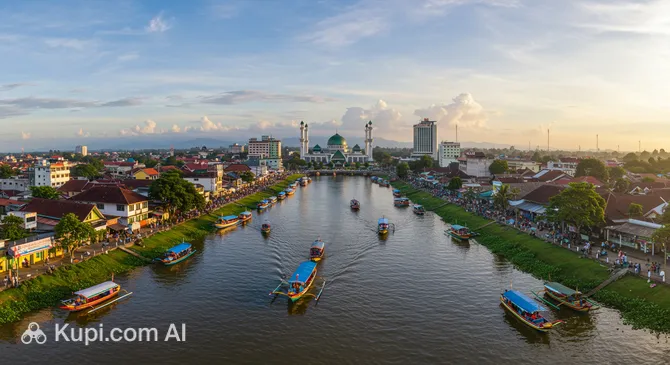
Welcome to Palangkaraya, the intriguing capital of the Central Kalimantan province. Unlike many other bustling urban centers in the archipelago, this city is known for its spacious layout and organized design. Located in the heart of Borneo, it serves as a vital gateway for travelers looking to explore the rich biodiversity and cultural heritage of Indonesia. With a population of approximately 250,000 residents, it offers a blend of urban convenience and close proximity to the wild, tropical nature that defines the region.

Palangkaraya. Source: Kupi.Binoculars

The city is geographically defined by the majestic Kahayan River, which winds through the landscape and plays a central role in local life. Palangkaraya is unique because it was established relatively recently compared to other major settlements in the country. Exploring the history of Palangkaraya reveals that it was built from scratch in 1957, designed by Indonesia's first president, Sukarno, with the vision of potentially becoming the national capital. This planned nature is evident in its wide avenues and distinct lack of the congestion often found in older cities.

Travelers are drawn here not just for the city itself, but for the incredible natural attractions nearby. The iconic Kahayan Bridge is a landmark that offers stunning views, especially at sunset. For wildlife enthusiasts, the city is the perfect jumping-off point for Sebangau National Park, a vast peat swamp forest that is home to a significant population of wild orangutans and other exotic flora and fauna. Whether you are interested in unique urban planning or seeking an adventure in the rainforests of Borneo, Palangkaraya invites you to discover its hidden charms.

Weather Overview

The city experiences a tropical equatorial climate, ensuring warm and humid conditions year-round. Temperatures are remarkably consistent, with average daily highs typically reaching between 30°C and 32°C, while nighttime lows generally stay around 23°C to 24°C. This stability makes the region a destination where summer-like clothing is appropriate at any time.

Precipitation is a significant factor to consider when planning a trip, as rain is frequent throughout the year. The wettest period usually spans from November to March, where travelers might encounter rain on up to 29 days a month. A relatively drier season occurs between July and September, with the number of wet days dropping to around 17 per month. To help you pack the right gear, you can consult the detailed guide on the weather in Palangkaraya. Despite the frequent showers, the rain often brings a refreshing cool-down to the tropical heat.

Interesting Facts

Beyond the main attractions, Palangkaraya holds many fascinating secrets embedded in its unique design and heritage. This city offers more than just a stopover, revealing layers of symbolism and geography that often surprise visitors.

  • A Giant Among Cities: Palangkaraya is often cited as one of the largest cities by land area in Indonesia, covering approximately 2,853 square kilometers. To put this in perspective, its administrative territory is roughly four times the size of Jakarta, yet the vast majority of this space remains dense, lush forest rather than urban sprawl.

  • Encoded Independence: The city's master plan, designed by President Sukarno, is believed to symbolize the date of the nation's independence: August 17, 1945. The iconic Bundaran Besar (Great Roundabout) serves as the anchor, featuring eight main avenues radiating from the center to represent the eighth month, embedding a deep sense of nationalism into the very streets.

  • Spiritual Etymology: The name "Palangkaraya" carries a profound meaning rooted in the local Dayak Ngaju language. It combines "Palangka," referring to a sacred vessel or throne of God, with "Raya," meaning great or vast. Together, the name translates to "The Great Sacred Place," reflecting its intended status as a harmonious and significant center.

  • The First Pillar: While many know the city was built from scratch, you can still visit the exact spot where it all began. The Tugu Soekarno (Soekarno Monument) marks the location where the first pillar, or "Tiang Pancang," was inaugurated by the president in 1957, symbolizing the official birth of this ambitious forest capital.

How to Get There

Reaching this part of Central Kalimantan is an adventure that typically begins by air, as the region is surrounded by dense tropical landscapes. For a comprehensive overview of all travel options, you can read more about how to get to Palangkaraya in our detailed guide. The city is well-connected to major Indonesian hubs like Jakarta and Surabaya, making air travel the most practical choice for most visitors.

The most direct entry point is Tjilik Riwut Airport (IATA: PKY), conveniently located within Palangkaraya itself. Situated just 3.4 km from the city center, it allows for a quick and stress-free arrival. A taxi or car ride to downtown hotels is very short, typically taking around 10 to 15 minutes, depending on traffic. This airport handles a medium volume of traffic, serving as the primary gateway for those exploring the province.

Alternatively, travelers might consider flying into Syamsudin Noor International Airport (IATA: BDJ), which is located in the neighboring city of Banjarmasin. While this airport is significantly larger and offers more flight connections, it is approximately 165 km away from Palangkaraya. If you choose this route, be prepared for a longer overland journey; the drive by taxi or bus takes roughly 4.5 hours through the Trans-Kalimantan Highway.

For clarity, here is a summary of the main airports in the region:

Airport Name City Passenger Traffic Km from City
Syamsudin Noor International Airport Banjarmasin Large 164.9
Tjilik Riwut Airport Palangkaraya Medium 3.4
Iskandar Airport Pangkalan Bun Medium 255.3
H. Asan Airport Sampit Small 109.0

Main Attractions

Palangkaraya offers a distinct blend of urban landmarks and accessible wilderness, making it a unique destination in Borneo. Unlike typical tourist hubs, the attractions here provide a deep connection to the region's indigenous roots and its stunning natural environment. From exploring ancient traditions to witnessing wildlife in its natural habitat, the city serves as a perfect base for discovery.

Nature lovers should not miss Sebangau National Park, a vast peat swamp forest located just on the outskirts of the city. Accessible via the Kereng Bangkirai port, this protected area is a haven for biodiversity and is home to a significant population of wild orangutans. Visitors can take motorized canoes through the distinctive black-water rivers, enjoying the serene jungle atmosphere while keeping an eye out for proboscis monkeys, hornbills, and other exotic wildlife.

For those interested in the rich cultural heritage of Central Kalimantan, the Balanga Museum is a must-visit. The museum houses an extensive collection of artifacts related to the Dayak Ngaju people and other local tribes. Exhibits display traditional weapons, ceremonial masks, intricate woven fabrics, and dioramas depicting life cycle rituals such as weddings and funerals. It offers a fascinating insight into the spiritual and social history of the indigenous communities.

A modern icon of the city is the Kahayan Bridge, which spans the majestic Kahayan River. It is a favorite spot for sightseeing, particularly in the late afternoon when the sunset reflects off the water. Adjacent to the bridge lies Taman Pasuk Kameloh, a beautifully landscaped riverside park featuring a striking mosque and comfortable seating areas. It is a popular gathering place for locals and tourists to relax and enjoy the cool river breeze.

Just a short drive from the city center is the Nyaru Menteng Arboretum, part of a famous orangutan reintroduction project. While direct contact with the animals is restricted to support their rehabilitation, the arboretum offers educational opportunities to learn about conservation efforts in Borneo. Visitors can walk through the forest trails and, on specific days, may observe young orangutans in the "forest school" from a distance, witnessing their journey back to the wild.

Local Cuisine

The culinary scene in Palangkaraya is a flavorful reflection of its location in the heart of Borneo, heavily influenced by the traditions of the indigenous Dayak people and the abundance of the Kahayan River. The local diet relies on fresh freshwater fish and unique jungle vegetables, creating a gastronomic experience that is distinct from other parts of the archipelago. Visitors will find that the food here is savory, aromatic, and often prepared with rich spice pastes.

One of the most iconic dishes you must try is Juhu Umbut Rotan (often called Juhu Singkah). This traditional curry is made from young rattan shoots, which are cooked until tender. It has a unique, slightly bitter flavor profile that pairs wonderfully with grilled fish and sambal. Another staple is Kalumpe, a dish made from pounded cassava leaves simmered with spices and garnished with fried peanuts and anchovies. For seafood lovers, the river fish—particularly Patin and Baung—are exceptional, usually served grilled or in a yellow turmeric soup known as Wadi or Paliat.

When it comes to beverages, the region offers some intriguing local specialties. A popular non-alcoholic option is Bajakah tea, brewed from the roots of a native plant found in the peat swamps, which is widely celebrated for its reputed health benefits. On the traditional side, you may encounter Tuak, a rice wine that holds cultural significance for the Dayak community. It is often served during celebrations and special ceremonies, offering a sweet yet potent taste of local heritage.

Dining in Palangkaraya is as much about the atmosphere as it is about the food. The area along the Kahayan River is a favorite spot for tourists, where you can eat at floating restaurants or riverside stalls while enjoying the cool breeze. As the sun sets, the city center, particularly around Jalan Yos Sudarso, transforms into a vibrant culinary hub. Here, night markets and warungs (small eateries) line the streets, offering an authentic and affordable way to taste a variety of local snacks and heavy meals alongside the friendly residents.

Travel Tips

Exploring Palangkaraya is an adventure into the heart of Borneo, offering a unique mix of urban life and wild nature. To make your journey through this river city as smooth and enjoyable as possible, here are some essential practical tips to keep in mind.

  1. Clothing and Gear: Due to the tropical equatorial climate, pack lightweight, breathable fabrics like cotton or linen to handle the heat and humidity. Since rain can fall unexpectedly year-round, a compact umbrella or a lightweight poncho is a must-have. If you plan to trek in Sebangau National Park, bring sturdy, closed-toe walking shoes and long socks to protect against leeches and insects. While the city is casual, always dress modestly—covering shoulders and knees—when visiting religious sites or traditional villages.
  2. Transportation: There is no metro or tram system in Palangkaraya. While local minivans (angkot) exist, they can be confusing for first-time visitors. The most convenient and reliable way to get around is by using ride-hailing apps like Grab or Gojek, which offer both car and motorbike taxi options at fixed prices. For day trips to nature reserves outside the city, renting a car with a local driver is highly recommended for comfort and ease of navigation.
  3. Finances: The official currency is the Indonesian Rupiah (IDR). While credit cards are accepted in major hotels and modern supermarkets, cash is king in local markets, street food stalls (warungs), and smaller shops. ATMs are widely available in the city center. Tipping is not mandatory, but it is polite to round up the bill or leave small change for good service.
  4. Health and Safety: Palangkaraya is generally a safe city for tourists. However, mosquito-borne illnesses are a concern in tropical regions, so carrying and applying strong mosquito repellent is crucial, especially in the evenings or near the river. Do not drink tap water; stick to bottled or boiled water. For minor ailments, look for pharmacies labeled "Apotek"; major chains like Kimia Farma are reliable and easy to find.
  5. Communication: The main language is Bahasa Indonesia, while Dayak Ngaju is widely spoken by locals. English proficiency is generally low outside of high-end hotels and tour agencies. It is very helpful to download an offline translation app and learn a few basic phrases like "Terima kasih" (Thank you) and "Pagi" (Morning). For internet access, purchasing a local SIM card from Telkomsel is recommended as they offer the widest coverage in Kalimantan.
  6. Local Etiquette: The people of Central Kalimantan are known for their warmth. A smile is the universal greeting here. When giving or receiving something, eating, or shaking hands, always use your right hand, as the left hand is traditionally considered unclean. It is also customary to remove your footwear before entering a local home or a place of worship.
  7. What to Avoid: Avoid touching anyone's head, including children, as it is considered the most sacred part of the body in local culture. Additionally, avoid public displays of anger or shouting; remaining calm and smiling, even during a misunderstanding, will resolve issues much faster than confrontation.
  8. River Life Hack: If you plan to explore the Kahayan River, aim for a late afternoon boat ride (around 4:30 PM). The midday sun can be scorching on the open water, but the late afternoon offers cooler temperatures and the chance to witness a spectacular Borneo sunset over the river.

With these practical tips in hand, you are well-prepared to embrace the vibrant culture and stunning landscapes of Central Kalimantan. Relax, stay curious, and enjoy the warm hospitality that makes a visit to Palangkaraya so memorable!

Entertainment & Nightlife

Nightlife in Palangkaraya is generally more laid-back and intimate compared to the high-energy party scenes found in Jakarta or Bali. The city’s evening entertainment revolves heavily around the local culture of "nongkrong"—hanging out with friends for hours over coffee, snacks, and conversation. While you won't find a vast array of mega-clubs, there is a distinct charm to the city after dark, characterized by live acoustic music, vibrant night markets, and cozy lounges.

The epicenter of evening activity is undoubtedly Jalan Yos Sudarso. This long avenue stretches through the city and comes alive as the sun sets. It is lined with a mix of modern cafes, traditional eateries, and parks that serve as gathering spots for the local youth and families. Specifically, the area around Taman Tunggal Sangomang transforms into a bustling hub where the atmosphere is lively yet safe. Here, you can experience the true pulse of the city, with neon lights from street stalls illuminating the night and the sound of laughter filling the air.

For those seeking a more conventional nightlife experience with music and drinks, there are a few established venues. Zoom Bar & Lounge, located within the Aquarius Boutique Hotel, is one of the most popular spots in town. It offers a sophisticated setting where you can enjoy cocktails and often features live bands or DJs playing Top 40 hits. Another well-known venue is O2 Cafe and Sport Bar, which provides a more casual environment perfect for watching sports matches or enjoying an evening beer with friends. Karaoke is also a favorite pastime here, with several family-friendly karaoke parlors scattered across the city center.

Practicalities for a night out in Palangkaraya are straightforward. The dress code is almost universally casual; jeans and a t-shirt are acceptable in nearly all venues, including clubs. Most bars and cafes start filling up around 8:00 PM and wind down by midnight or 1:00 AM, though some karaoke spots may stay open later. Prices are very affordable by international standards, with drinks and cover charges being significantly lower than in Indonesia's larger tourist hubs.

Safety is rarely an issue in Palangkaraya, which is known for its peaceful environment. The main streets, especially around Yos Sudarso and the Bundaran Besar, are well-lit and safe for walking in the early evening. However as the night progresses, it is best to use transportation. Public transport is scarce at night, so the most reliable way to get around is by using ride-hailing apps like Grab or Gojek. These are readily available, safe, and eliminate the need to negotiate fares.

During the daylight hours, entertainment shifts towards family-friendly and cultural activities. Apart from the museums mentioned earlier, modern entertainment can be found at Mega Town Square (Metos), the city's primary shopping mall. It houses a Cinema XXI, where you can catch the latest international and Indonesian blockbusters in air-conditioned comfort—a perfect escape from the midday tropical heat.

Parks & Museums

Palangkaraya is often celebrated as a "Forest City," where urban living coexists harmoniously with lush green spaces and deep-rooted cultural heritage. Beyond the famous national parks on its outskirts, the city itself offers a variety of manicured gardens, recreational parks, and historical venues that allow visitors to connect with the soul of Central Kalimantan. Whether you are looking to hike up a granite hill or explore the intricate history of the Dayak tribes, the city provides ample opportunities for discovery.

One of the most refreshing escapes near the city is Taman Wisata Alam Tangkiling (Tangkiling Nature Park). Located roughly 34 kilometers from the city center, this area is famous for its unique granite rock formations and rolling hills, a rarity in the mostly flat peatland terrain of the region. Visitors can hike to the top of Bukit Tangkiling to enjoy panoramic views of the surrounding rainforest and the distant Katingan River. The park is also steeped in local legend, with folklore surrounding the "Batu Banama" (Banama Stone), making it a site of both natural beauty and cultural storytelling.

Closer to the city center, Taman Wisata Kum Kum offers a family-friendly atmosphere right on the banks of the Kahayan River. It serves as a "mini-zoo" and recreation area where you can see local wildlife, including crocodiles, bears, and monkeys, in a more accessible setting than the wild jungle. The park features traditional wooden huts (gazebos) nestled among the trees, providing a perfect spot for a relaxing picnic while enjoying the cool river breeze. It is a popular weekend destination for locals and a great place to observe the laid-back lifestyle of the residents.

For a deep dive into the region's history, the Balanga Museum remains the premier cultural institution in Palangkaraya. Housed in a building designed to resemble a traditional longhouse, the museum goes beyond simple displays; it curates the "circle of life" of the Dayak Ngaju people. From birth ceremonies and marriage rituals to the complex funeral traditions involving sandung (bone houses), the exhibits offer a profound look at the spiritual and social fabric of the indigenous tribes. It also houses a collection of guci (ceramic jars) and mandau (traditional swords) that are considered sacred heirlooms.

Another significant cultural venue is the Rumah Tjilik Riwut. Originally the residence of Tjilik Riwut, a National Hero and the first Governor of Central Kalimantan, this house has been preserved as a gallery and a restaurant. It is a place where history feels alive; visitors can view personal memorabilia, photographs, and documents that trace the struggle for independence and the development of the province. The wooden architecture retains its vintage charm, offering a nostalgic atmosphere that honors one of Borneo's most respected figures.

In terms of architectural landmarks, the Rumah Betang Hapakat stands out as a magnificent example of traditional engineering. This replica of a Dayak longhouse symbolizes the communal living philosophy known as Huma Betang, which emphasizes harmony and togetherness. Unlike modern individual homes, the longhouse is designed to accommodate multiple families under one massive roof, raised on stilts to protect against floods and wild animals. Visiting this site allows tourists to appreciate the scale and craftsmanship of indigenous architecture up close.

For a truly authentic experience, look out for the small Sandung structures scattered around older neighborhoods or near the Kahayan riverbanks. These intricately carved wooden ossuaries, used to store the bones of ancestors, are often painted in vibrant colors and adorned with dragon motifs. They are silent yet powerful testaments to the enduring Kaharingan belief system, standing quietly amidst the modernizing city.

Getting Around

Navigating Palangkaraya offers a different experience compared to the chaotic traffic of Indonesia's larger metropolises. The public transport system here is relatively simple and informal, reflecting the city's laid-back atmosphere. Visitors should be aware that there is no metro, tram, or extensive large-bus network. Instead, the city relies primarily on road-based vehicles, with a mix of traditional communal transport and modern digital solutions.

The most traditional form of public transport is the Angkot (short for Angkutan Kota), which are small minibuses or vans. In Palangkaraya, these are typically color-coded to denote their specific routes, although deciphering these routes can be a bit of a puzzle for newcomers. Angkots do not operate on a strict timetable; they leave terminals when full and pick up passengers anywhere along their designated path. To catch one, simply stand by the roadside and wave your hand. When you want to get off, just say "Kiri" (Left) to the driver.

Payment for Angkots is strictly cash only. There are no travel cards, passes, or ticketing apps for this mode of transport. The fare is very affordable, usually ranging between IDR 5,000 to IDR 10,000 per trip depending on the distance. It is highly recommended to carry small bills, as drivers may not always have change for large denominations. While Angkots offer an authentic glimpse into local life, they stop operating relatively early in the evening, so they are not a reliable option for night outings.

For most tourists, the most practical and efficient way to get around is by using ride-hailing apps. Services like Gojek and Grab are ubiquitous in Palangkaraya and are far more convenient than navigating the Angkot routes. You can choose between a motorbike taxi (Ojek) for a quick, breezy solo trip, or a car for air-conditioned comfort. The apps provide fixed prices, eliminate language barriers regarding destinations, and allow for payment via cash or linked credit cards. These services operate 24/7, making them essential for evening travel.

Conventional taxis exist but are less commonly hailed on the street. They are mostly found waiting at strategic locations like the airport or large hotels. If you prefer a conventional taxi, it is best to ask your hotel receptionist to call one for you. For those planning to explore the surrounding areas or visit attractions outside the city limits, renting a car is a popular alternative. Rental agencies typically provide a car with a local driver, which is a stress-free way to navigate the region without worrying about directions or local driving habits.

A unique feature of transport in this river city is the water transport along the Kahayan River. While not used for general commuting across town, small motorized boats known as Klotok or Getek are essential for reaching riverside communities and are a primary mode of travel for residents living along the water. For a visitor, hiring one of these boats from the dermaga (pier) is not just a way to move around, but a scenic journey in itself.

Accommodation

Where to Stay:

Accommodation options in Palangkaraya generally reflect the city's functional and laid-back character. Visitors will not find an abundance of ultra-luxury international resorts; instead, the hospitality scene is dominated by a solid selection of mid-range hotels, comfortable business hotels, and numerous budget-friendly guesthouses known locally as wisma or losmen. These establishments are typically clean, well-maintained, and offer excellent value for money, making the city an affordable destination for all types of travelers.

The most convenient area to stay is undoubtedly the city center, particularly around the iconic Bundaran Besar (Great Roundabout) and along the major avenues like Jalan Tjilik Riwut and Jalan Yos Sudarso. Staying in this vicinity places you within walking distance of government offices, the main shopping mall, and the vibrant culinary night markets. For those seeking a more scenic atmosphere, there are a few properties located closer to the Kahayan River, offering peaceful views and easy access to riverside parks, though these may be slightly further from the commercial hub.

For travelers preferring modern amenities, the city features several reputable 3-star and 4-star hotels that provide swimming pools, gyms, and in-house dining. These are popular with business travelers and tourists alike. On the other end of the spectrum, backpackers will find a wide array of homestays and small inns that provide a more intimate experience with local families. These budget options are often scattered throughout the residential neighborhoods, offering a quiet retreat after a day of exploration.

Booking Tips: While it is usually easy to find a room upon arrival, it is highly recommended to book your accommodation in advance if you are visiting during major local events, such as the Isen Mulang Cultural Festival in May. During these times, the best hotels fill up quickly with domestic tourists and dignitaries. Additionally, check if your chosen hotel offers airport transfers, as this can save time and hassle upon landing.

In terms of pricing, Palangkaraya is very wallet-friendly. Budget rooms can often be found for as little as $10 to $20 USD per night, while a stay at a top-tier local hotel rarely exceeds $50 to $70 USD. Most major hotels are bookable via international online platforms, but smaller guesthouses may rely on direct contact or local booking apps. Cash payment is still preferred at smaller establishments, so keeping some Indonesian Rupiah on hand is always a good idea.

Nearby Cities

For those looking to explore the surroundings, Palangkaraya serves as an excellent base for day trips to several interesting nearby locations. While the distances in Kalimantan can be deceiving due to road conditions, these neighboring cities offer unique cultural experiences that are well worth the journey for a short visit or an extended excursion.

One of the most popular destinations is Banjarmasin, often referred to as the "River City of a Thousand Rivers." Located to the southeast, it offers a stark contrast to the planned layout of Palangkaraya with its bustling waterways and traditional floating markets. Visitors can wake up early to witness the iconic Lok Baintan Floating Market, where traders in colorful boats sell fresh produce and local snacks on the water, providing a quintessential Borneo experience.

A bit further along the same route lies Martapura, famous throughout Indonesia as the "City of Diamonds." It is a hub for gemstone mining and polishing, attracting visitors who wish to buy high-quality jewelry or simply observe the craftsmanship at the Cahaya Bumi Selamat market. Nearby, the city of Banjarbaru serves as an emerging administrative center and offers a mix of modern parks and access to regional museums, making this cluster of cities a fascinating cultural detour from Central Kalimantan.

City Population Distance (km)
Banjarmasin 692,793 143
Banjarbaru 216,600 169
Martapura 198,239 168
Sampit 166,773 112
Kotabaru 137,400 242

These nearby destinations offer a glimpse into the diverse culture and landscapes of the region, allowing travelers to experience the bustling river life and rich trade heritage that define southern Borneo.

Shopping & Souvenirs

Shopping in Palangkaraya offers a relaxed and authentic experience that contrasts with the frenetic pace of Indonesia's larger commercial hubs. While you will not find an endless array of luxury boutiques or sprawling mega-complexes here, the city provides a charming mix of modern conveniences and traditional commerce. Visitors can explore everything from air-conditioned malls to bustling local markets, making it easy to find both travel essentials and unique cultural treasures that reflect the heritage of Central Kalimantan.

The city's commercial activity is largely concentrated along its major thoroughfares. Jalan Ahmad Yani and Jalan Yos Sudarso serve as the primary arteries for shopping, lined with a variety of standalone shops, electronics stores, and clothing boutiques. These streets are perfect for a casual stroll, where you can pop into small local businesses to find affordable fashion, accessories, and daily necessities while observing the day-to-day life of the residents.

For a modern retail experience, Mega Town Square (often referred to as Metos) is the premier destination in the city. Located on Jalan Yos Sudarso, this mall is the go-to spot for locals seeking branded clothing, department stores, and a supermarket for groceries. It offers a comfortable, air-conditioned environment to escape the midday heat. Another option is Palma (Palangka Raya Mall), an older establishment located near the Bundaran Besar, which houses a supermarket and various smaller tenants, though it is quieter than its newer counterpart.

To truly understand the local culture, a visit to the traditional markets is essential. Pasar Besar (Big Market) is the main trading hub of Palangkaraya. It is a vibrant maze of stalls selling fresh produce, river fish, spices, and textiles. In the mornings, it is a hive of activity where you can see the bounty of the land and river being traded. For a more specific experience, the night markets along the main streets offer a chance to buy cheap clothes, phone accessories, and local snacks under the glow of streetlights.

When it comes to souvenirs, Palangkaraya is famous for its exquisite Dayak craftsmanship. Visitors should look for items made from rattan, such as intricately woven bags, mats, and baskets, which are both durable and stylish. Another unique local product is Getah Nyatu, a rubber-like material fashioned into delicate decorative boats and figures. Gemstones are also a popular buy in Kalimantan; you can find beautiful semi-precious stones like amethyst and agate set into rings or pendants at specialized jewelry shops or within the markets.

Most modern shops and malls in the city operate from around 10:00 AM to 10:00 PM daily. Traditional markets start much earlier, often at dawn, and begin to wind down by the afternoon. While credit cards and digital payments are accepted in shopping malls, hotels, and larger restaurants, cash is essential for transactions in traditional markets, small souvenir shops, and street stalls. It is advisable to carry smaller denominations of Indonesian Rupiah for easier bargaining and payments.

Regarding tax refunds, Palangkaraya is not a primary international tourist gateway like Bali or Jakarta, and the tax-free refund scheme for tourists is generally not available at local stores. Visitors should not expect to process VAT refunds within the city, so it is best to view purchases here as final.

Reached the end of the page?

That means the route is fully explored