Support

Pangkalan Bun

About

Pangkalan Bun serves as a vital gateway to the wild heart of Borneo, welcoming travelers with its unique blend of riverside charm and bustling activity. Located in the province of Central Kalimantan, this town sits along the banks of the Arut River and acts as the administrative center of the West Kotawaringin Regency. With a population of approximately **120,000 people**, it offers a friendly and authentic atmosphere for those exploring Indonesia beyond the usual tourist trails.

Pangkalan Bun. Source: Kupi.Binoculars

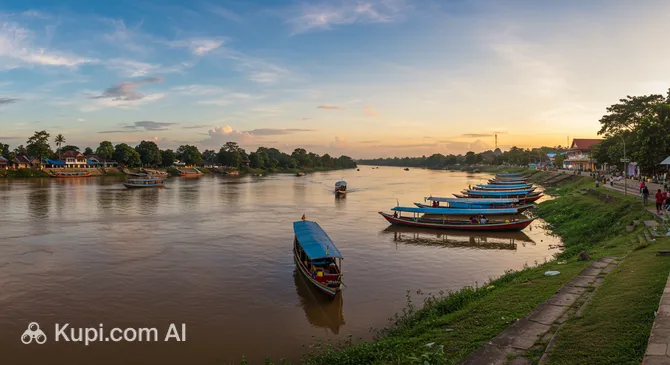
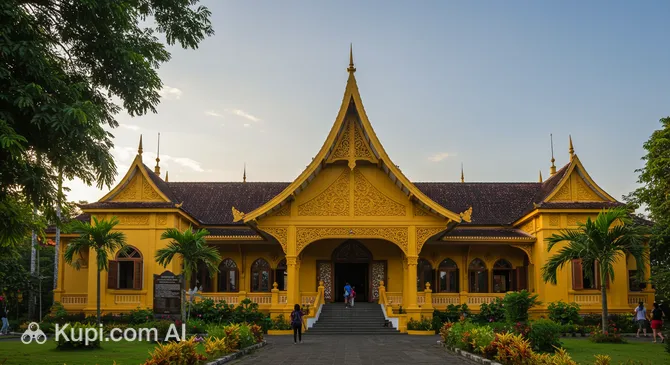
While often viewed as a transit point, the town itself holds significant cultural value. Visitors interested in the history of Pangkalan Bun can explore the legacy of the Kutaringin Sultanate at the **Istana Kuning** (Yellow Palace). This reconstructed traditional wooden palace stands as a proud symbol of the region's royal heritage. A stroll along the waterfront offers a glimpse into local life, where residents navigate the river in traditional wooden boats, creating a picturesque scene particularly at sunset.

The city's primary claim to fame is its proximity to **Tanjung Puting National Park**, a world-renowned conservation area. Pangkalan Bun is the starting point for unforgettable klotok boat tours that take adventurers deep into the rainforest to observe orangutans in their natural habitat. Whether you are embarking on a jungle expedition or simply enjoying the local hospitality, Pangkalan Bun provides a warm and memorable introduction to the wonders of Kalimantan.

Weather Overview

Pangkalan Bun experiences a consistent tropical climate characterized by warm temperatures and high humidity throughout the year. The average temperature remains steady at approximately **27°C**, with daytime highs typically reaching **30°C to 31°C** and nighttime lows cooling to around **24°C**. This stability ensures a warm atmosphere regardless of the season, making it suitable for year-round travel if you are prepared for the heat.

Rainfall is a frequent occurrence, and travelers should expect showers during most months. The weather in Pangkalan Bun is generally wettest from November to March, where the number of rainy days can reach up to 29 per month. A slightly drier period typically occurs between July and September, with the number of wet days dropping to around 19 to 21, which may offer slightly more predictable conditions for exploring the nearby national parks.

Interesting Facts

Beyond the famous orangutan tours, Pangkalan Bun holds many fascinating secrets and local quirks that define its unique character. Here are some intriguing facts about this riverside town that often go unnoticed by visitors.
Yellow Palace. Source: Kupi.Binoculars
  • The Yellow Palace, or Istana Kuning, is an architectural marvel constructed entirely from Ulin (ironwood), a timber so dense it sinks in water. Interestingly, the building standing today is a faithful reconstruction; the original 19th-century structure was destroyed by fire in 1986, yet the replica remains the spiritual heart of the Kutaringin Sultanate.

  • The traditional river boats known as "klotok" get their peculiar name from onomatopoeia. Locals named them after the distinct "klok-tok-tok" noise their diesel engines make as they cruise slowly along the river, a sound that has become the heartbeat of the region's tourism.

  • Pangkalan Bun is renowned for its semi-precious stones, particularly amethysts known as "Kecubung." The city is so proud of this geological heritage that it features a massive landmark called the Bundaran Kecubung, a roundabout adorned with a giant replica of a purple amethyst ring.

  • The city's layout is deeply connected to the Arut River. In the Waterfront City Pangkalan Bun area, you will notice that many traditional stilt houses are oriented with their "front" facing the water rather than the road, a remnant of the time when the river was the community's primary highway.

How to Get There

Reaching this part of Central Kalimantan is most convenient by air, with the city served directly by its own airport. The primary gateway is Iskandar Airport (PKN), located just 5.6 km from the city center. It is the most common entry point for visitors planning to explore Tanjung Puting National Park. Flights operate regularly from major hubs such as Jakarta, Surabaya, and Semarang. A taxi ride from the airport to the downtown area typically takes around 30 minutes. For those looking for detailed routes and options, you can read more about how to get to Pangkalan Bun.

While most travelers fly directly into Pangkalan Bun, there are alternative options if you are exploring the wider region. You can arrive at H. Asan Airport (SMQ) in the city of Sampit, which is approximately 152 km away. The overland journey from Sampit takes about 4 hours by taxi or private car. Another option is Tjilik Riwut Airport (PKY) in Palangkaraya, the provincial capital. However, this airport is situated about 263 km from Pangkalan Bun, requiring a travel time of approximately 7 hours by road.

For clarity, here is a summary of the main airports:
Airport Name City Passenger Traffic Km from City
Tjilik Riwut AirportPalangkarayaMedium263.1
Iskandar AirportPangkalan BunMedium5.6
Ketapang AirportKetapangSmall208.2
H. Asan AirportSampitSmall151.9

Main Attractions

The **Istana Kuning**, or Yellow Palace, is the most iconic cultural landmark in the city. Serving as a testament to the region's royal heritage, this structure is a faithful reconstruction of the 19th-century seat of the Kutaringin Sultanate. Visitors are drawn to its striking yellow facade and traditional architectural style, which features a mix of local Dayak and Malay influences. Inside, you can explore a collection of royal heirlooms, weapons, and historical photographs that offer a deep dive into the legacy of the sultans who once ruled this riverside territory.

Yellow Palace. Source: Kupi.Binoculars

For a vibrant look at local life, travelers should explore Waterfront City Pangkalan Bun along the banks of the Arut River. This area has been transformed into a scenic destination with colorful wooden boardwalks and renovated stilt houses. It is a favorite spot for evening strolls, offering picturesque views of small boats navigating the water and the sun setting over the river. The area buzzes with activity, providing a genuine connection to the river-based culture that defines the community.

Waterfront City Pangkalan Bun. Source: Kupi.Binoculars

While technically located just outside the city limits, **Tanjung Puting National Park** is inextricably linked to Pangkalan Bun and remains the primary reason for most tourist visits. The city acts as the logistical hub for expeditions into this world-renowned conservation area. Here, adventurers board traditional klotok boats to journey deep into the rainforest, where they can witness wild orangutans, proboscis monkeys, and exotic bird species in their natural habitat, making it an unforgettable eco-tourism experience.

Local Cuisine

The culinary landscape of Pangkalan Bun is deeply influenced by its riverside location and the diverse cultures of Central Kalimantan. The absolute must-try local specialty is Soto Manggala. Unlike typical Indonesian soto which is served with rice or noodles, this savory chicken soup features chunks of boiled cassava ("manggala" in the local dialect). It is a hearty, comforting dish often seasoned with aromatic spices, celery, and served with a sprinkle of fried shallots, offering a unique texture that you won't find elsewhere.

Given the city's position on the Arut River, freshwater fish plays a massive role in the local diet. You will frequently find dishes featuring Ikan Patin (catfish) or Ikan Baung, prepared either as a rich curry or simply grilled with sweet soy sauce and chili sambal. For a crunchy snack or a souvenir to take home, look for Amplang. These are savory fish crackers typically made from Spanish mackerel or Belida fish, renowned for their crispiness and distinct seafood flavor.

When it comes to dining out, the city offers a mix of traditional warungs and growing modern establishments. The waterfront area is a great place to find local street food vendors selling grilled corn and snacks in the evenings. For travelers looking for a popular contemporary spot, Mie Gacoan Pangkalan Bun has become a favorite destination. It serves spicy noodle dishes that have gained a massive following across Indonesia, offering a lively atmosphere for dinner.

Mie Gacoan Pangkalan Bun. Source: Kupi.Binoculars

To quench your thirst in the tropical heat, locals often turn to refreshing non-alcoholic beverages. Es Kelapa Muda (young coconut ice) is widely available and perfect for hydration. You might also encounter various fresh tropical fruit juices. While alcohol is not a prominent feature of the public dining scene due to local customs, you can find traditional herbal drinks like Jamu in the morning markets, which are believed to boost health and vitality.

Travel Tips

Welcome to Pangkalan Bun, the charming gateway to the wilds of Borneo. To help you navigate this riverside town and prepare for your jungle adventures, here are some essential practical tips to ensure a smooth and enjoyable journey.

  1. Clothing and Gear: Given the hot and humid tropical climate, pack lightweight, breathable fabrics like cotton or linen. Since Pangkalan Bun is the starting point for jungle treks, sturdy walking shoes and a high-quality raincoat or poncho are essential. If you plan to visit the Yellow Palace or religious sites, dress modestly by covering your shoulders and knees. Don't forget a universal travel adapter (Type C or F) and plenty of strong insect repellent.

  2. Transportation: Public transport options like buses are limited within the city itself. The most convenient way to get around is by using ojek (motorcycle taxis) or renting a car with a local driver, which can be arranged through your hotel. Ride-hailing apps like Grab or Gojek may operate in the city center, but availability can be sporadic compared to Java. For river exploration, traditional klotok boats are the primary mode of travel.

  3. Finances: The official currency is the Indonesian Rupiah (IDR). While some hotels and larger restaurants accept credit cards, cash is king in Pangkalan Bun, especially at local markets, warungs, and for small transport fees. ATMs are readily available in the town center, but it is wise to withdraw sufficient cash before heading out on a boat tour where access to banking is impossible.

  4. Health and Safety: Pangkalan Bun is generally safe, but standard precautions apply. Tap water is not safe for drinking; always stick to bottled or boiled water. Pharmacies are known as Apotek and are easy to find in the town center, though few stay open 24 hours. As the region is tropical, protecting yourself from mosquito bites is crucial to prevent dengue fever and malaria.

  5. Communication: The primary language is Bahasa Indonesia. While tour guides and hotel staff usually speak English, it is less common among the general population. Learning a few basic phrases like "Terima kasih" (Thank you) and "Selamat pagi" (Good morning) will be warmly received. For mobile data, a Telkomsel SIM card typically offers the most reliable coverage in this region, including parts of the national park.

  6. Local Etiquette: The culture in Pangkalan Bun is polite and somewhat conservative. Always remove your footwear before entering a private home or a mosque. It is customary to use your right hand for eating, giving, or receiving items, as the left hand is considered unclean. a friendly smile and a nod go a long way in interactions with the welcoming locals.

  7. What to Avoid: Avoid public displays of affection, as they are frowned upon in this conservative society. Additionally, never attempt to touch or feed wild animals, particularly the orangutans, during your tours; maintaining a safe distance protects both you and the wildlife from disease transmission.

  8. Market Tip: If you have a free morning, wake up early to visit the local markets along the river. They are most vibrant around 6:00 AM. It is the best time to see the daily catch of freshwater fish and try traditional snacks like kue (cakes) before the midday heat sets in.

By keeping these practical tips in mind, you will be well-equipped to embrace the unique rhythm of life in Pangkalan Bun. Enjoy the warm hospitality of Central Kalimantan and have an unforgettable experience exploring the wonders of the rainforest.

Entertainment & Nightlife

Nightlife in Pangkalan Bun offers a distinct change of pace from the energetic party scenes found in Indonesia's larger tourist hubs. Instead of loud nightclubs and discos, the evening entertainment here is laid-back, community-focused, and centers largely on culinary experiences and social gatherings. The atmosphere is friendly and authentic, allowing visitors to mingle with residents who frequent the town's parks, cafes, and riverside promenades after the heat of the day subsides.

The most atmospheric place to begin your evening is Waterfront City Pangkalan Bun. As the sun sets over the Arut River, this area comes alive with locals enjoying the cooling breeze. The wooden boardwalks are illuminated by warm lights, and the river reflects the glow of nearby houses. It is a fantastic spot for a night walk, where you can soak in the peaceful ambiance and perhaps enjoy a snack from a passing vendor while watching the small boats glide by in the twilight.

For a livelier scene, the area around Bundaran Pancasila serves as a central hub for evening activity. This large roundabout and its surrounding park often host night markets and street food stalls, drawing families and groups of friends. Nearby, you will find a growing number of modern coffee shops and eateries. One of the most popular spots for the younger crowd is Mie Gacoan Pangkalan Bun. This venue buzzes with energy well into the evening, offering a vibrant setting where you can experience the local youth culture over spicy noodles and music.

Travelers should note that the nightlife culture here is relatively conservative. Most venues, including cafes and restaurants, typically close by 10:00 PM or 11:00 PM. Alcohol is not widely served in public dining establishments, as the social scene revolves more around coffee and tea. The dress code is casual but modest; shorts and t-shirts are acceptable, but revealing clothing is best avoided. The town is generally very safe for night walks, especially in busy areas like the waterfront and Bundaran Pancasila. If you need to travel between districts late at night, it is best to arrange a taxi or ride-hailing service via an app, as public transport options dwindle after dark.

Before the evening sets in, Pangkalan Bun offers several daytime diversions to fill your schedule. Cultural enthusiasts can visit the Yellow Palace to learn about the region's royal history, while nature lovers often spend their days on river cruises. Although the town does not feature large amusement parks or theaters, the charm of its historical sites and the bustling activity of its markets provide ample entertainment for a relaxed day out.

Parks & Museums

While Pangkalan Bun is primarily celebrated as a transit point for jungle expeditions, the city possesses its own charm with cultural sites and public spaces that offer a glimpse into local heritage and daily life. The most prominent historical institution is the Yellow Palace, locally known as Istana Kuning. Functioning as a museum dedicated to the Kutaringin Sultanate, this site is essential for understanding the region's royal past. Visitors can explore the traditional wooden architecture and view a collection of royal heirlooms, ancient cannons, and historical photographs that have been carefully preserved within the reconstructed halls.

For those seeking open-air recreation within the city limits, Waterfront City Pangkalan Bun acts as a scenic linear park along the Arut River. This revitalized area features well-maintained wooden boardwalks and viewing decks that transform the riverbank into a pedestrian-friendly promenade. It is a favorite spot for both locals and tourists to enjoy a leisurely walk, particularly in the late afternoon when the setting sun casts a golden glow over the water and the traditional boats passing by.

Although located just outside the city, **Tanjung Puting National Park** is the region's defining natural sanctuary and the primary reason many travelers visit. Spanning over 400,000 hectares, this world-renowned biosphere reserve protects vast swathes of peat swamp forest and is famous for its orangutan conservation program. While it requires a boat trip to access, it serves as the ultimate "park" for nature enthusiasts, offering an immersive experience in one of Borneo's most important ecosystems.

Back in the town center, **Bundaran Pancasila** (Pancasila Roundabout) serves as a central gathering space that functions much like a city park. In the evenings, this area buzzes with activity as families and friends congregate to relax, enjoy street food, and socialize. It provides a simple yet authentic venue to experience the community spirit of Pangkalan Bun away from the river.

Getting Around

Public transport in Pangkalan Bun is relatively simple and informal compared to larger metropolitan areas. The city does not have a metro, tram, or large bus network. Instead, the primary form of local public transportation is the angkot (public minivan). These vehicles, typically painted yellow or blue, follow specific routes through the main streets and residential areas. They serve as the lifeline for local residents and offer an authentic way to observe daily life, though navigating their routes can be a bit of an adventure for first-time visitors.

A unique and essential feature of the local transport network is the river transit system along the Arut River. Small wooden boats, often referred to as getek or small klotok, function as water taxis. They ferry passengers across the river or between the neighborhoods built on stilts along the banks. This mode of transport is not only a practical solution for locals to avoid road traffic but also offers a scenic and distinctively local perspective of the waterfront settlements.

Regarding payment, cash is the absolute standard for all traditional transport methods. There are no electronic travel cards, passes, or mobile tapping systems for angkots or river boats. Fares are very affordable, typically costing just a few thousand Rupiah per trip. It is highly recommended to carry small denominations of cash, as drivers often do not have change for large bills. You simply pay the driver directly when you exit the vehicle or boat.

For tourists seeking more convenience and predictability, ride-hailing apps like Grab and Gojek are widely available and popular within the city limits. These apps allow you to book both motorcycle taxis (ojek) and private cars with fixed prices, eliminating the language barrier and the need to haggle. Traditional motorcycle taxis are also found at street corners, known as pangkalan ojek, but you will need to negotiate the fare in advance before hopping on.

Travelers should note that public transportation, particularly the angkot service, operates primarily during daylight hours. Frequency drops significantly after sunset, and finding a minivan late at night can be difficult. To catch a bus, simply stand by the side of the road and wave your hand; they stop anywhere safe to pick up or drop off passengers. If you plan to travel in the evening, relying on ride-hailing apps or arranging a private driver through your accommodation is the most reliable option.

Accommodation

Accommodation in Pangkalan Bun is primarily designed to serve travelers using the city as a transit point for jungle expeditions, rather than as a luxury resort destination itself. The options generally range from simple, budget-friendly guesthouses (known locally as losmen or homestays) to comfortable mid-range hotels. While you will not find international five-star luxury chains within the town limits, the available lodgings are typically clean, functional, and offer the essential amenities needed for a good night's rest before or after a boat tour.

The most convenient area to stay is the town center (downtown), particularly along the main roads like Jalan Pangeran Antasari or near Bundaran Pancasila. staying here places you within easy reach of local markets, restaurants, and convenience stores. For those who prefer a more scenic atmosphere, there are a few establishments located closer to the Arut River, offering views of the water and easy access to the harbor where the klotok boats depart. The proximity to Iskandar Airport is also a key factor, and many hotels in the city center are just a short drive away from the terminal.

In terms of pricing, Pangkalan Bun is a very affordable destination. Budget travelers can find basic rooms for a very low cost, while mid-range hotels offering air conditioning, hot showers, and breakfast remain reasonably priced compared to major tourist hubs like Bali. Booking methods vary; larger hotels are listed on major international online booking platforms, making reservation easy. However, many smaller, family-run guesthouses may not have an online presence and often operate on a walk-in basis or require booking via phone or messaging apps.

Booking Tip: Although accommodation is generally available, the best hotels can fill up quickly during the peak tourist season (typically July to August), which coincides with the dry season and summer holidays. If you are planning to visit Tanjung Puting National Park during these months, it is highly recommended to book your room in advance to secure your preferred level of comfort.

Nearby Cities

Pangkalan Bun is situated in the vast province of Central Kalimantan on the island of Borneo. Due to the sheer size of the island and the density of the rainforests, "nearby" cities are often separated by significant distances, making travel an adventure in itself. Exploring the surrounding urban centers offers a deeper insight into the diverse cultures, administrative hubs, and river-based lifestyles that define this part of Indonesia.

The closest major city is Palangkaraya, the capital of Central Kalimantan. It is known for its broad avenues and unique position as a planned city. Further away in South Kalimantan lies Banjarmasin, a historic city famous for its intricate network of canals and traditional floating markets. For those willing to travel longer distances, Pontianak in West Kalimantan offers the unique experience of standing directly on the Equator line.

Below is a list of cities in the wider region, including their population and distance from Pangkalan Bun:

City Population Distance (km)
Palangkaraya 249,434 260
Banjarmasin 692,793 337
Banjarbaru 216,600 366
Martapura 198,239 367
Pontianak 618,388 389

Shopping & Souvenirs

Shopping in Pangkalan Bun offers a distinctively local experience, far removed from the glitzy luxury boulevards of Indonesia's metropolises. Instead of high-end fashion boutiques, visitors will find a humble yet vibrant commercial scene that caters primarily to the daily needs of residents and the specific interests of eco-tourists. The city provides a mix of traditional charm and emerging modernity, where you can browse through bustling wet markets in the morning and cool off in a modern shopping center in the afternoon.

The commercial heartbeat of the town is centered around Jalan Pangeran Antasari. This busy thoroughfare is lined with rows of shophouses (rukos) selling everything from electronics and clothing to hardware and groceries. It is the best place to witness the town's daily hustle. For a more relaxed atmosphere, especially in the late afternoon and evening, the area around Bundaran Pancasila becomes a focal point. While primarily known for its culinary delights, this district also hosts various stalls and small vendors offering local accessories, clothing, and toys, making it a lively spot to mingle with the community.

For travelers seeking air-conditioned comfort and familiar retail brands, Citimall Pangkalan Bun is the primary destination. As the city's first and main modern shopping center, it serves as a one-stop hub for lifestyle needs. Inside, you will find a large Hypermart for groceries and travel supplies, a Matahari Department Store for fashion, and various smaller tenants offering shoes, optics, and gadgets. It provides a convenient escape from the tropical heat and is the most reliable place to find fixed-price goods.

To truly understand the local culture, a visit to Pasar Indra Sari is essential. This is the town's main semi-modern traditional market, located in the Kelurahan Baru area. It is a sensory overload of sights and smells, bustling with activity from the early hours of the morning. Here, vendors display fresh catches from the Arut River, colorful tropical fruits, and mounds of aromatic spices. It is a fantastic place for photographers and those looking to buy fresh local produce or traditional snacks at bargain prices.

When hunting for souvenirs, Pangkalan Bun has two main specialties: gemstones and snacks. The region is famous for Batu Kecubung (amethyst), and you can find many small jewelry shops or specialist vendors selling these purple stones set in rings or pendants. For a tasty treat to bring home, look for Amplang, a savory fish cracker made from Spanish mackerel that is a beloved snack across Kalimantan. Additionally, shops near the town center and airport often sell t-shirts and handicrafts featuring Orangutan motifs, celebrating the city's status as the gateway to Tanjung Puting.

Most shops in Pangkalan Bun operate from around 9:00 AM to 9:00 PM, though traditional markets are best visited between 6:00 AM and 10:00 AM for the freshest selection. While Citimall and larger hotels accept credit cards and digital payments, cash is king in Pangkalan Bun. Small shops, traditional markets, and souvenir stalls generally deal only in Indonesian Rupiah (IDR), so it is advisable to carry sufficient small denominations.

Travelers should note that Pangkalan Bun does not have a tax-free refund scheme for tourists, as this is typically reserved for major international gateways in Indonesia. Prices are generally affordable, and while bargaining is expected in traditional markets like Pasar Indra Sari, prices in the mall and convenience stores are fixed.
Reached the end of the page?

That means the route is fully explored