Support

Ketapang

About

Ketapang is a vibrant coastal city located in the province of West Kalimantan, serving as a bustling gateway to some of Borneo’s most pristine natural treasures. Often referred to as the "Ale-ale City" after a local clam delicacy that is abundant in the area, it offers a unique blend of cultural heritage and lively daily life. Situated on the delta of the Pawan River, the city is an important economic hub that retains a welcoming, small-town atmosphere, making it an excellent starting point for travelers venturing into the heart of the island.

Geographically, the city is positioned in the southwestern part of the province, enjoying a tropical climate characterized by warm temperatures and lush greenery year-round. With a population of approximately 119,200 residents, it is a multicultural melting pot where Malay, Dayak, and Chinese communities live harmoniously. As you explore this dynamic corner of Indonesia, you will find that the city serves as a bridge between modern development and the wild, untouched landscapes that define the region.
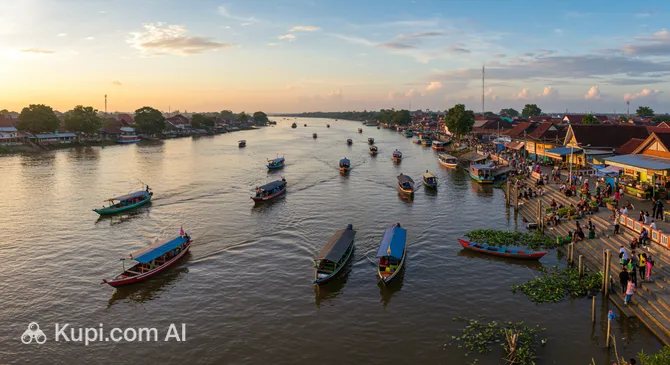
Ketapang. Source: Kupi.Binoculars

For those interested in the past, the history of Ketapang is deeply intertwined with the ancient Kingdom of Tanjungpura. Travelers can witness remnants of this royal legacy at the Keraton Matan (Matan Palace), a historical site that offers a glimpse into the area's aristocratic traditions. The city is also dotted with religious landmarks, including the ornate Kelenteng Tua Pek Kong, a Chinese temple that stands as a testament to the region's diverse cultural fabric.

Nature enthusiasts will find Ketapang to be the perfect base for visiting the renowned Gunung Palung National Park. Just a short journey away, this protected rainforest is one of the few remaining habitats for wild orangutans and proboscis monkeys, offering unforgettable trekking opportunities. Closer to town, visitors can relax at local seaside spots like Sungai Jawi Beach, known for its scenic views and relaxing ambiance, or indulge in the famous spicy Ale-ale dishes that give the city its nickname.

Whether you are passing through on an eco-adventure or staying to soak up the local culture, Ketapang welcomes you with open arms. Its combination of historical intrigue, culinary delights, and proximity to world-class nature reserves makes it a destination well worth exploring on your journey through Kalimantan.

Weather Overview

Ketapang experiences a consistent tropical climate characterized by warm temperatures and significant humidity throughout the year. The average temperature hovers steadily around 26°C to 27°C, with daytime highs typically reaching 30°C and nights cooling down to about 23°C. This stable warmth makes it a destination suitable for visits at any time, provided you are prepared for the elements.

Rainfall is a constant companion in this region, with a high number of wet days recorded in almost every month. The end of the year, particularly November and December, sees rain on nearly 29 days per month, while July offers a slightly drier window with about 16 wet days. For a more comprehensive breakdown of what to expect during your specific travel dates, you can consult the detailed guide to the weather in Ketapang. Generally, travelers should pack lightweight, breathable clothing along with reliable rain gear to stay comfortable.

Interesting Facts

Beyond its reputation as a bustling transit hub, Ketapang holds several fascinating secrets that reveal its deep historical roots and unique local identity.
  • The city owes its name to the Ketapang tree (Terminalia catappa), also known as the Indian almond or sea almond. These sturdy trees with their distinctive broad leaves grow abundantly along the local coastlines, providing natural shade and defining the area's landscape long before modern development took over.

  • While today it is a district capital, this region was once the seat of the powerful Kingdom of Tanjungpura. Historically, the name "Tanjungpura" was so significant that it was used in ancient Javanese texts, such as the Nagarakretagama, to refer to the entire island of Borneo, highlighting the area's past importance as a center of trade and power.

  • The local obsession with the "ale-ale" clam is not just culinary; it is immortalized in concrete. The city features a dedicated Ale-Ale Monument (Tugu Ale-Ale) in the town center, a unique landmark that celebrates this humble mollusk as the official mascot and symbol of the region's maritime abundance.

How to Get There

Reaching this fascinating destination in West Kalimantan requires a bit of planning, as it is tucked away from the busiest tourist trails. For a comprehensive overview of all transport options, you can read more about how to get to Ketapang, which details the various routes available to travelers.

The most convenient entry point for the region is Ketapang Airport (KTG), also known as Rahadi Osman Airport. According to data, it is located approximately 67.8 km from the city center coordinates. This airport handles a modest volume of passengers annually and connects the area to other major Indonesian cities, making it the primary choice for those wishing to arrive as close to the destination as possible.

Alternatively, many travelers fly into Supadio International Airport (PNK) in the provincial capital, Pontianak. This is a significantly larger hub located about 200.2 km from Ketapang. While it offers more frequent connections and international flights, visitors choosing this route should be prepared for a long and demanding overland transfer, as road conditions in West Kalimantan can make the journey significantly longer than the distance suggests.

Another regional option is Iskandar Airport (PKN) in Pangkalan Bun, situated approximately 179 km away. Like the route from Pontianak, reaching Ketapang from here involves a substantial road trip. Travelers are advised to arrange reliable transport in advance if choosing one of these alternative airports.

For clarity, here is a summary of the main airports serving the region:

Airport Name City Passenger Traffic Distance (km)
Supadio International Airport Pontianak High 200.2
Iskandar Airport Pangkalan Bun Medium 179.0
Ketapang Airport Ketapang Low 67.8
H. Asan Airport Sampit Low 291.7

Main Attractions

To explore Ketapang is to dive into a region where the wild beauty of Borneo meets rich historical narratives. While the city acts as a commercial hub, its surroundings offer travelers a chance to connect with nature and discover the legacy of ancient Malay kingdoms. Below are some of the most compelling places to visit during your stay.

Undoubtedly the crown jewel of the region is Gunung Palung National Park. This vast protected area is one of the most important centers for biodiversity in Indonesia, encompassing distinct ecosystems ranging from mangroves and peat swamps to montane forests. It is most famous for being a sanctuary for the endangered Bornean orangutan and the proboscis monkey. For eco-tourists and wildlife enthusiasts, a guided trek here offers the rare opportunity to see these majestic primates in their natural habitat, alongside hornbills and sun bears.

For a deep dive into local history, a visit to Keraton Matan (Matan Palace) is essential. Located in the Mulia Kerta village, this palace is a remnant of the Kingdom of Tanjungpura, the oldest Malay kingdom in West Kalimantan. Although the original structures have evolved over centuries, the current building preserves the architectural style and dignity of the royal past. Visitors can view historical heirlooms, including ancient cannons and royal regalia, which provide a fascinating window into the aristocratic traditions that once shaped this coastline.

If you are looking for a relaxing escape near the city, Tanjung Belandang Beach is a favorite local getaway. Situated approximately 12 kilometers from the city center, this beach is distinct for its grassy areas and shaded pine groves. It is a popular spot for picnics, camping, and enjoying the breeze without venturing too far into the wilderness. The area also features a recreational park, making it family-friendly and a great place to unwind after a day of exploring.

Another significant cultural landmark is the Tua Pek Kong Temple. As a testament to the multicultural fabric of Ketapang, this Chinese temple stands out with its vibrant red architecture and intricate dragon motifs. It serves as a place of worship for the local Chinese community and offers tourists a glimpse into the religious harmony of the city. The temple is particularly atmospheric during festivals, where it becomes a hub of color and celebration.

Finally, nature lovers might also enjoy a trip to Hutan Kota Ketapang (City Forest). This green space serves as the lungs of the city and a conservation area for local flora and fauna. It provides a convenient and accessible way to experience the tropical environment without embarking on a major expedition. Wooden walkways allow visitors to stroll through the peatland forest, making it an excellent spot for a morning walk or a quick immersion in nature.

Local Cuisine

The culinary landscape of Ketapang is a delightful reflection of its coastal geography and multicultural heritage, offering a gastronomic adventure that is heavily centered around fresh seafood. As a melting pot of Malay, Dayak, and Chinese influences, the city presents a unique array of flavors that range from savory and spicy to refreshingly sweet. For food lovers, exploring the local "warungs" (food stalls) and markets is as essential as visiting the nearby national parks.

The undisputed star of the local dining scene is Ale-ale, a type of soft-shell clam that is endemic to the Ketapang waters. This delicacy is so integral to the region's identity that the city is affectionately nicknamed "Ale-ale City." Locals typically prepare it in a variety of ways, but the most popular version involves stir-frying the clams with a rich blend of spices, chili, and sometimes toasted coconut (serundeng). The result is a savory, slightly chewy, and incredibly flavorful dish that pairs perfectly with a plate of warm steamed rice.

Another signature treat you must try is Amplang, a traditional fish cracker that is famous throughout the regency. Unlike the typical crackers found elsewhere, Ketapang's amplang is known for its distinct round shape and robust fish flavor, usually made from mackerel or belida fish. It has a satisfying crunch and is widely available in souvenir shops and markets, making it the perfect savory snack to bring home or munch on while exploring the city.

The food culture here is casual and communal, with a strong coffee shop (kopitiam) tradition influenced by the local Chinese community. In the mornings, these spots are buzzing with locals enjoying a cup of strong Kopi O (black coffee) paired with toasted bread or steamed buns. For a refreshing drink to beat the tropical heat, look for Es Lidah Buaya (Aloe Vera Ice). West Kalimantan is a major producer of aloe vera, and the local drink features large, jelly-like chunks of the plant served in sweet syrup and ice, offering a cooling and healthy beverage option.

Dining in Ketapang is largely an unpretentious affair, where the best meals are often found in open-air eateries and night markets rather than upscale restaurants. As the sun sets, the streets come alive with vendors grilling fresh fish and seafood, often served with the region's characteristic spicy sambal. This vibrant street food scene provides not just a meal, but a genuine connection to the daily life and warm hospitality of the local people.

Travel Tips

Visiting Ketapang offers a genuine slice of life in West Kalimantan, but because it is less commercialized than Indonesia’s major tourist hubs, a little extra preparation goes a long way. To help you navigate the city and its surroundings smoothly, here are some practical tips to ensure your journey is comfortable and hassle-free.

  1. Clothing and Gear: Given the tropical humidity, pack lightweight, breathable fabrics like cotton or linen to stay cool. Since rain is frequent year-round, a sturdy umbrella or a high-quality raincoat is essential. If you plan to trek in Gunung Palung National Park, bring durable, water-resistant hiking boots and leech socks. For visits to religious sites or rural villages, dress modestly by covering your shoulders and knees.

  2. Transportation: Public transport within the city is limited mainly to angkots (minivans), which can be confusing for visitors. The most convenient way to get around is by renting a car with a driver or using motorcycle taxis (ojeks). While ride-hailing apps like Grab or Gojek may operate in the city center, availability can be sporadic compared to larger cities, so having a backup plan or a local driver's number is wise.

  3. Finances: The official currency is the Indonesian Rupiah (IDR). While some hotels and larger supermarkets accept credit cards, cash is king in Ketapang, especially at local markets and food stalls (warungs). ATMs are readily available in the town center, but they become scarce as you head towards the coast or national parks, so withdraw sufficient cash before leaving the main city area.

  4. Health and Safety: Pharmacies (apotek) are available in the city, but it is best to bring your own supply of prescription medications. Mosquito repellent is non-negotiable, particularly if you are venturing near the forests or mangroves, to protect against dengue and malaria. Stick to bottled or filtered water for drinking and brushing your teeth, as tap water is not safe for consumption.

  5. Communication: English is not widely spoken outside of major hotels and the airport. Learning a few basic phrases in Bahasa Indonesia, such as terima kasih (thank you) and selamat pagi (good morning), will be greatly appreciated by locals. For internet access, purchase a local SIM card (Telkomsel usually offers the widest coverage in Kalimantan) upon arrival, as Wi-Fi can be unreliable in remote areas.

  6. Local Etiquette: The people of Ketapang are generally warm and welcoming. When greeting someone, a smile and a slight nod or a handshake (using the right hand) is appropriate. Always remove your footwear before entering a private home or a place of worship. It is polite to accept food or drink offered to you, even if you only take a small sip or bite.

  7. What to Avoid: Never use your left hand to eat, pass objects, or shake hands, as it is considered unclean in local culture. Additionally, avoid public displays of affection, which are frowned upon in this conservative region. Be mindful when taking photos of locals; always ask for permission first, especially in traditional Dayak villages.

  8. Coffee Shop Culture: Immerse yourself in the local lifestyle by visiting a traditional coffee shop. In Ketapang, coffee shops are social hubs where locals gather from early morning. It’s a great place to observe daily life, but note that many local businesses open early and may close for a break during the midday heat or prayer times.

By keeping these practicalities in mind, you will be well-equipped to look past the logistics and fully enjoy the warm hospitality and natural beauty that Ketapang has to offer. A respectful and prepared attitude will open many doors and lead to a far more enriching travel experience in this unique corner of Borneo.

Entertainment & Nightlife

Nightlife in Ketapang offers a distinctively relaxed and authentic experience compared to the high-energy party scenes found in Indonesia's larger metropolitan areas. Rather than sprawling nightclubs and thumping bass, the evening entertainment here revolves around social connection, culinary exploration, and a laid-back atmosphere. The city comes alive after sunset, but the vibe is welcoming and community-focused, making it easy for travelers to mingle with locals and experience the true rhythm of West Kalimantan life.

The heart of the city's evening activity is often centered around major thoroughfares like Jalan R. Suprapto and the areas near the Pawan River delta. Here, the streets are lined with vibrant food stalls and traditional coffee shops, known locally as warung kopi. These establishments are the social pulse of the city, staying open late into the night. You will find a diverse crowd ranging from students to business people, all enjoying the cool night air over a glass of strong coffee or teh tarik. The dress code is universally casual; comfortable modest clothing is perfect for fitting in.

For those seeking a more modern or upscale evening, hotel lounges provide a comfortable setting. The Aston Ketapang City Hotel is a notable venue where visitors can enjoy a quiet drink and a more refined atmosphere. It is a popular spot for expatriates and travelers looking to unwind in air-conditioned comfort. Additionally, karaoke is a favorite pastime in the region. You will find several "Family Karaoke" venues scattered around the city center, offering private rooms where groups can sing and snack in a fun, safe environment.

Another hub for evening entertainment is Citimall Ketapang. As the city's primary modern shopping complex, it serves as a gathering place for families and young people. It often hosts a cinema and various dining options that remain open into the evening, providing a familiar recreational space for tourists. Outside the mall, the local night markets offer a sensory adventure, where the smell of grilled corn and satay fills the air, and prices are incredibly affordable.

Regarding safety, Ketapang is generally safe for night walks in busy, well-lit areas. However, as the streets can get quiet and dark on the outskirts, it is advisable to stick to the town center. For transportation, ride-hailing apps like Grab are often available and are the safest, most convenient way to get around at night. If you are staying at a hotel, the reception can also arrange a reliable taxi for you.

While the city focuses heavily on evening social dining, daytime entertainment is more low-key. Apart from the natural and historical sites mentioned earlier, visitors can spend time at the local parks or the mall for leisure. Cultural enthusiasts might not find large museums or amusement parks within the city limits, but the charm of Ketapang lies in its unhurried pace, allowing you to seamlessly transition from a day of eco-adventure to a relaxing evening of local coffee and conversation.

Parks & Museums

Ketapang offers a refreshing balance between urban life and the wild beauty of Borneo, providing visitors with accessible green spaces and cultural landmarks that tell the story of the region. While the city itself is bustling, it serves as a gateway to some of Indonesia's most significant natural reserves and preserves the legacy of the Malay kingdoms that once ruled these coasts.

For those seeking fresh air within the city limits, Hutan Kota Ketapang (City Forest) is the premier green lung of the area. This conservation area is designed to protect local peatland ecosystems while offering residents and tourists a cool retreat from the tropical heat. Wooden boardwalks wind through the trees, making it an ideal spot for a leisurely morning walk or an educational tour about the local flora. It is a quiet sanctuary where you can observe small birds and enjoy the tranquility of nature without leaving the town.

Just outside the city lies the world-renowned Gunung Palung National Park. Although it requires a short journey to reach, it is the ecological crown jewel of the region and functions as a massive natural park for adventurous souls. It hosts distinct ecosystems ranging from mangroves to cloud forests and is one of the best places on Earth to see wild orangutans. For visitors, it offers a profound connection to the ancient rainforests of Kalimantan, far surpassing the experience of a typical city park.

In terms of cultural heritage, the Keraton Matan (Matan Palace) stands as the city's most significant living museum. Located in Mulia Kerta, this historical site preserves the lineage of the Kingdom of Tanjungpura. Inside, visitors can view a collection of royal heirlooms, including ancient weaponry, photos of past rulers, and ceremonial items that offer a window into the aristocratic past of West Kalimantan. The architecture itself, with its distinct yellow hues and traditional Malay design, serves as a visual history lesson.

Another key cultural venue is the Tua Pek Kong Temple. While primarily a place of worship, it functions as a gallery of traditional Chinese art and architecture. The intricate dragon carvings, vibrant red pillars, and detailed murals reflect the long-standing history of the Chinese community in Ketapang. It provides a colorful contrast to the Malay and Dayak influences seen elsewhere in the city and is particularly photogenic during the Lunar New Year celebrations.

For a truly authentic experience, head to the banks of the Pawan River in the late afternoon. While not a formal park, the riverside area transforms into a communal space where locals gather to watch the sunset. It offers a candid look at daily life, with fishermen returning with their catch and families enjoying the cool breeze, providing a simple yet memorable cultural immersion.

Getting Around

Navigating Ketapang offers travelers a glimpse into the authentic rhythm of daily life in West Kalimantan. Unlike the bustling metropolises of Indonesia, this coastal city does not rely on complex subway systems or extensive bus networks. Instead, getting around is a more personal and ground-level experience, primarily facilitated by road transport. The city is relatively compact, making it manageable to traverse, though options may seem limited compared to major tourist hubs.

Public Minivans (Angkot) are the most common form of shared transport. These minibuses ply various routes connecting the city center with residential districts and the harbor. They are an incredibly affordable way to move around, offering a true local experience. However, routes are not always clearly marked, and schedules can be flexible. It is advisable to ask your hotel staff or a local resident which color or route number suits your destination. Be prepared to hail them from the roadside and pay a small cash fare upon exiting.

Motorcycle Taxis (Ojek) provide a faster and more direct alternative. You can find traditional ojeks waiting at street corners, markets, and busy intersections. They are ideal for short trips or navigating through traffic quickly. Since traditional drivers do not use meters, it is essential to negotiate the fare before starting your journey. Ride-hailing apps have also started to gain traction in the city, offering the convenience of fixed prices and easier booking, although the fleet size may be smaller than in provincial capitals.

For those planning to visit attractions outside the city center, such as the national parks or distant beaches, Car Rental is the most practical solution. Self-drive options are rare; instead, most rentals come with a local driver. This is highly recommended as road conditions in the region can be unpredictable, and a local driver will know the safest and most efficient routes. Renting a motorbike is also an option for adventurous solo travelers who are comfortable riding in Indonesian traffic.

Walking is feasible within the main commercial areas, particularly around Jalan R. Suprapto and the riverside markets. The town center is walkable and allows you to absorb the sights and sounds at a leisurely pace. However, due to the tropical climate, midday heat can be intense. It is best to plan walking excursions for the early morning or late afternoon and always carry water to stay hydrated.

Accommodation

Accommodation in Ketapang is primarily designed to serve business travelers and transit passengers, resulting in a hospitality landscape that is functional, affordable, and welcoming. While you will not find ultra-luxury resorts or international five-star chains here, the city offers a decent selection of comfortable mid-range hotels and numerous budget-friendly guesthouses. The options range from modern establishments with standard amenities like air conditioning and Wi-Fi to simple, family-run losmen (inns) that provide basic lodging for backpackers and budget-conscious visitors.

For the most convenient stay, travelers are advised to look for accommodation in the city center, particularly along major thoroughfares such as Jalan R. Suprapto and Jalan M.T. Haryono. Staying in this area places you within walking distance of local markets, banks, and a wide variety of dining options, including the popular night food stalls. This central location also makes it easier to access public transport or arrange car rentals for trips to the nearby national parks. Alternatively, if you are merely passing through for a quick stopover, there are several reliable hotels located closer to Rahadi Osman Airport, minimizing travel time before your flight.

The mid-range hotels in Ketapang are generally modern and well-equipped, often featuring on-site restaurants, meeting rooms, and occasionally a swimming pool. These establishments are the preferred choice for international tourists and professionals, offering a higher standard of cleanliness and service. On the other end of the spectrum, the city is dotted with "Wisma" or "Penginapan" signs, indicating small budget lodgings. These are perfect for travelers who plan to spend most of their time exploring outdoors and simply need a clean place to sleep.

Booking and Prices: Accommodation prices in Ketapang are very reasonable compared to Bali or Jakarta. Budget rooms can often be found for under $20 USD per night, while the top-tier business hotels typically range between $30 and $60 USD. While walk-ins are generally acceptable for smaller guesthouses, it is highly recommended to book in advance if you plan to stay at one of the major hotels, especially during Indonesian public holidays or the Ramadan season when occupancy rates spike. Major online travel platforms are widely used by the larger hotels, making digital booking convenient, though smaller inns may still rely on direct phone calls or WhatsApp for reservations.

Nearby Cities

Ketapang is situated in the southwestern part of West Kalimantan, a location that places it within reach of several other prominent cities on the island of Borneo. While the dense rainforests and vast distances of Kalimantan often make travel a dedicated adventure, the city remains connected to the wider region, with the provincial capital serving as the nearest major urban hub.

The closest significant city is Pontianak, located approximately 215 km away. As the capital of West Kalimantan, it is a vital economic and cultural center, often acting as the primary gateway for travelers entering the province before heading to Ketapang. Further afield lies Singkawang, famous for its rich Chinese heritage and cultural festivals, situated about 323 km to the north. For those willing to venture across provincial borders, cities like Sampit and Palangkaraya in Central Kalimantan offer further exploration opportunities, though they require longer journeys.

Below is a list of nearby cities, their distances from Ketapang, and their population sizes, helping you plan your itinerary across this expansive island:

City Population Distance (km)
Pontianak 618,388 215
Sampit 166,773 292
Singkawang 230,376 323
Palangkaraya 249,434 384
Banjarmasin 692,793 492

Shopping & Souvenirs

Shopping in Ketapang offers a distinct blend of modest modern conveniences and vibrant traditional commerce. While the city is not a high-end fashion destination like Jakarta or a craft haven like Bali, it provides an authentic glimpse into the daily life of West Kalimantan. Visitors can expect to find a mix of practical goods, local delicacies, and unique regional specialties. The retail scene ranges from air-conditioned shopping centers to bustling open-air markets where bargaining is part of the experience.

The primary hub for commercial activity in the city is Jalan R. Suprapto. This bustling main street acts as the city's economic artery, lined with rows of "ruko" (shophouses) that sell everything from electronics and clothing to household items. Walking along this street allows tourists to access banks, pharmacies, and small local boutiques. It is a lively area where you can observe the local hustle and bustle while browsing for everyday necessities or affordable apparel.

For a more contemporary shopping experience, Citimall Ketapang is the go-to destination. As the city's largest and most modern shopping complex, it offers a respite from the tropical heat with its air-conditioned environment. Inside, you will find a well-stocked Hypermart for groceries and travel supplies, a department store for fashion, and a cinema. It serves as a popular gathering spot for locals and is the best place to find fixed-price goods and familiar brands.

To truly immerse yourself in the local culture, a visit to the traditional markets is essential. Pasar Rangga Sentap is one of the most prominent markets in the area. Here, the sensory experience is intense, with vendors selling fresh tropical fruits, vegetables, and locally caught seafood. It is an excellent place to see the famous "ale-ale" clams fresh from the river or to buy exotic local snacks. The market is busiest in the early morning, offering a colorful start to the day for early risers.

When it comes to souvenirs, Ketapang has two main claims to fame: snacks and gemstones. The must-buy edible souvenir is Amplang, a savory traditional fish cracker known for its round shape and distinct flavor, often made from mackerel or belida fish. For something more lasting, the region is renowned for Kecubung (Amethyst). Ketapang is a famous source of these purple gemstones, and visitors can find beautiful polished stones or jewelry set with local quartz in specialty shops around the city center.

Store opening hours in Ketapang generally follow a standard pattern. Modern shops and the mall typically operate from 10:00 AM to 10:00 PM. Traditional markets, however, start much earlier, often opening at sunrise around 5:00 AM and winding down by midday. Regarding payment, cash is king. While Citimall and some hotels accept credit cards, small shops, street vendors, and traditional markets deal exclusively in Indonesian Rupiah. It is advisable to carry sufficient small change when exploring local stalls.

Tourists should note that the tax-free shopping refund scheme available in Indonesia is generally limited to registered luxury retailers in major international tourist hubs like Jakarta and Bali. In a smaller city like Ketapang, tax-free shopping is not typically available, so visitors should not expect to claim VAT refunds on purchases made in local stores.

Reached the end of the page?

That means the route is fully explored