Support

Sampit

About

Sampit is a vibrant and strategically important city located in the province of Central Kalimantan, Indonesia. Situated on the banks of the majestic Mentaya River, this bustling town serves as the capital of the East Kotawaringin Regency. With a population of approximately 166,000 residents, it acts as a significant economic and commercial hub for the region, offering a blend of busy urban life and the serene beauty of the surrounding tropical landscapes.

The city's development is deeply intertwined with its riverine geography. Visitors interested in the history of Sampit will find that the Mentaya River has long been the lifeline of the community, facilitating trade and transportation for generations. Today, the riverfront area is a focal point for social activities and tourism, providing a picturesque setting for sunset views and leisurely strolls.
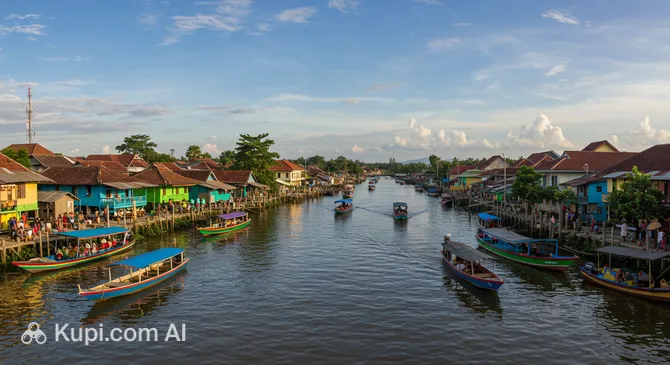
Sampit. Source: Kupi.Binoculars

Travelers are often drawn to the iconic Jelawat Fish Statue (Patung Jelawat), a striking landmark overlooking the river that celebrates the local fish species and symbolizes the city's identity. Another highlight is taking a relaxing boat tour along the river to observe the daily life of locals and enjoy the lush greenery along the banks. The city also serves as a convenient gateway for those looking to explore the deeper rainforests of Borneo.

Whether you are passing through on a journey across the island or stopping to explore its specific charms, Sampit offers a warm welcome. Its friendly atmosphere, combined with the unique river culture, makes it a delightful destination to experience the authentic spirit of Central Kalimantan.

Weather Overview

Sampit features a tropical climate defined by consistent warmth and high humidity levels throughout the year. Because the city sits close to the equator, there are no drastic seasonal temperature changes, making it a steady destination for travelers. To ensure you pack the right gear for your trip, it is advisable to check the current weather in Sampit before your arrival.

Temperatures in the city are quite stable, with monthly averages generally hovering between 27°C and 28°C. Daytime highs typically reach around 31°C, while nights remain pleasant with minimum temperatures staying near 24°C. May is often the warmest month, while July sees slightly cooler averages, though the tropical heat is a constant presence.

Rainfall is a significant part of the local weather pattern, with precipitation occurring frequently regardless of the season. The wettest period usually spans from November to March, where rain can be expected on up to 29 days per month. A relatively drier spell occurs around August and September, though travelers should still expect warm conditions with frequent showers, as even these months record approximately 17 to 18 wet days.

Interesting Facts

Beyond the busy river port and local markets, Sampit holds several fascinating secrets and unique traditions that offer a deeper look into its culture.

  • The "Merlion" of Kalimantan: The city’s most famous landmark, the Jelawat Fish Statue, was designed with a nod to Singapore’s Merlion. Standing proudly on the riverbank, this giant sculpture of the local Jelawat fish sprays a jet of water into the Mentaya River, symbolizing the region's abundant freshwater life and serving as a favorite gathering spot for locals at sunset.

  • A Mass River Purification Ritual: One of the most intriguing local traditions is Mandi Safar, held annually on the last Wednesday of the Islamic month of Safar. Thousands of residents flock to the Mentaya River to bathe together, believing the ritual cleanses them of bad luck. Participants often wear sawang leaves tied around their waists or heads, which are believed to offer protection during the ceremony.

  • An Accidental "Snow" Lake: Just outside the main town lies Danau Biru (Blue Lake), a surreal landscape that was unintentionally created by former gold and sand mining activities. The chemical reaction of the mineral-rich soil has turned the water a striking bright blue, while the surrounding white sand banks resemble snow, creating a photogenic contrast that has become a hidden gem for adventurous travelers in Indonesia.

  • The Sea Offering Ceremony: While Ujung Pandaran is known as a recreational beach, it is also the site of the sacred Simah Laut ritual. Held annually by local fishermen, this ceremony involves releasing offerings into the Java Sea to ward off disaster and pray for safety and abundant catches, showcasing the community's deep spiritual connection to the ocean.

How to Get There

Reaching this part of Central Kalimantan is an adventure in itself, with air travel being the most practical method for most visitors. For a detailed overview of all transport options and routes, you can read more about how to get to Sampit to plan your journey effectively.

The most direct way to arrive is by flying into H. Asan Airport (IATA: SMQ), which is conveniently located within the city limits. Situated just 4.8 km from the center, this regional airport serves as the primary gateway for travelers. Since it is right in town, the commute to your accommodation is very short; a taxi or car ride typically takes around 10 to 15 minutes.

If direct flights to Sampit are unavailable, a common alternative is to fly into Tjilik Riwut Airport (IATA: PKY) in the city of Palangkaraya. This airport is larger and handles more daily connections. However, while the straight-line distance is approximately 115 km, the actual road distance is significantly longer. Travelers choosing this route should be prepared for an overland journey of about 4 to 5 hours by taxi or rented vehicle to reach their final destination.

For clarity, here is a summary of the main airports in the region:

Airport Name City Passenger Traffic Km from City
Syamsudin Noor International Airport Banjarmasin High 223.6
Tjilik Riwut Airport Palangkaraya Medium 114.9
Iskandar Airport Pangkalan Bun Medium 144.4
H. Asan Airport Sampit Low 4.8

Main Attractions

Sampit offers a fascinating mix of riverside charm, historical intrigue, and coastal beauty. While the city serves as a busy economic hub, its tourism scene is anchored by unique landmarks that reflect the local culture and the region’s deep connection to nature.

Jelawat Fish Statue (Ikon Jelawat)
Standing proudly on the banks of the Mentaya River, this striking monument is the undisputed icon of the city. Modeled after the Singaporean Merlion, the statue features the Jelawat—a local fish species highly prized in the region—spraying water into the river. It is the centerpiece of a lively waterfront promenade that comes alive in the late afternoon. Tourists flock here to enjoy the cool river breeze, watch the sunset paint the sky, and capture the perfect photo with the city’s most famous landmark.

Museum Kayu Sampit (Timber Museum)
For a deep dive into the region's history, this museum is a must-visit. Central Kalimantan was once the epicenter of the timber industry, and this unique museum preserves that legacy. Inside, visitors can explore a vast collection of wood samples, traditional logging tools, and historical photographs. A surprising highlight of the museum is the massive skeleton of a blue whale, discovered stranded on a nearby beach in 2004, which is displayed prominently on the second floor.

Mentaya River Cruise
No trip to Sampit is complete without experiencing the river that defines it. Travelers can hire a traditional small boat, known locally as a klotok, to embark on a scenic cruise along the wide Mentaya River. This journey offers a front-row seat to the daily lives of the locals who live in wooden houses on stilts along the banks. It is a peaceful way to soak in the atmosphere, especially during the golden hour when the water glimmers under the setting sun.

Ujung Pandaran Beach
Located about 80 kilometers south of the city center, this beach is the premier seaside getaway for locals and visitors alike. Facing the Java Sea, Ujung Pandaran is loved for its stretch of white sand and calm waters. It is also a site of spiritual significance, home to the tomb of a revered religious scholar, which attracts pilgrims from across the island. Whether you are looking for a relaxing day by the ocean or a cultural experience, this coastal spot offers a refreshing escape from the town's bustle.

Local Cuisine

The culinary landscape of Sampit is deeply defined by its proximity to the Mentaya River and the rich traditions of the Dayak and Banjar cultures. Freshwater fish is the undisputed star of the local diet, offering tourists a chance to taste ingredients that are fresh from the source. The dining experience here is often casual and communal, reflecting the warm hospitality of Central Kalimantan.

The most iconic dish you must try is Ikan Jelawat. Since the Jelawat fish is the symbol of the city, tasting it is almost a rite of passage for visitors. This tender freshwater fish is typically prepared either grilled (bakar) with a side of spicy sambal or cooked in a rich, yellow turmeric-based soup. Another unique regional specialty is Juhu Umbut Rotan, a traditional Dayak curry made from young rattan shoots. While the idea of eating rattan might seem unusual, the shoots have a distinct texture and a slightly bitter yet savory flavor that pairs perfectly with warm rice and grilled fish.

For those interested in traditional beverages, the region is known for Bajakah tea, brewed from the roots of a native peatland plant believed to have significant health benefits. It has an earthy taste and is widely available in local markets. While alcohol is not prominent in the city center's dining scene due to local customs, traditional rice wine known as Tuak is culturally significant to the indigenous Dayak community and is often served during special festivals and ceremonies in the surrounding areas. On a hot day, nothing beats a glass of Es Kelapa Muda (young coconut ice), best enjoyed by the riverside.

The heart of Sampit’s food culture beats strongest along the riverbanks. The Pusat Kuliner (Culinary Center) near the Jelawat Fish Statue is a favorite spot for both locals and tourists. Here, you can sit at open-air stalls in the evening, enjoying the cool breeze while sampling various dishes, from satay to fried rice. For a more street-food-focused experience, the area around Taman Kota Sampit (City Park) comes alive at night with vendors selling snacks like roasted corn and pentol (meatballs), making it a perfect place to mingle with residents and soak up the local atmosphere.

Travel Tips

Visiting Sampit offers a unique glimpse into the life of Central Kalimantan, but like any destination off the beaten path, a little preparation goes a long way. To help you navigate the city with ease and respect for local customs, here are some essential practical tips for your journey.

  1. Clothing and Gear: Since Sampit has a hot and humid tropical climate, pack lightweight, breathable fabrics like cotton or linen. A sturdy umbrella or rain poncho is essential, as sudden downpours are common year-round. While the vibe is relaxed, it is a conservative city; dress modestly when visiting markets or walking in town—keep shoulders and knees covered. Comfortable, slip-on shoes are best, as you will frequently need to take them off when entering homes or certain establishments.
  2. Transportation: The most common way to get around is by ojek (motorcycle taxi) or local minivans known as angkot. While ride-hailing apps like Grab or Gojek are becoming more available in Indonesian regency capitals, their coverage in Sampit can sometimes be inconsistent compared to big cities like Jakarta. For a hassle-free experience, especially for day trips, it is highly recommended to rent a car with a local driver who knows the roads and the best routes.
  3. Finances: The local currency is the Indonesian Rupiah (IDR). While major hotels may accept credit cards, cash is king in Sampit, especially at local warungs (food stalls), traditional markets, and small shops. ATMs from major national banks (like Mandiri, BNI, or BRI) are widely available in the city center, so it is wise to withdraw enough cash for your daily expenses. Tipping is not mandatory but rounding up the bill or leaving small change is appreciated.
  4. Health and Safety: Pharmacies, known as Apotek, are easy to find in the town center; look for chains like Kimia Farma for reliable supplies. Tap water is not safe to drink, so always stick to sealed bottled water. As with most tropical destinations, mosquitoes can be a nuisance and carry diseases, so bring a high-quality insect repellent and apply it generously, especially if you are near the river in the evening.
  5. Communication: Bahasa Indonesia is the primary language spoken here. English proficiency is generally low outside of high-end hotels, so downloading an offline translation app is a lifesaver. For mobile data, Telkomsel usually offers the most reliable signal coverage in Kalimantan. You can purchase a SIM card at local kiosks, but you will need your passport for registration.
  6. Local Etiquette: The people of Sampit are known for their friendliness. A smile is the best introduction. When greeting, a soft handshake (often followed by touching your hand to your chest) is the norm. Always remove your footwear before entering a private residence or a place of worship. If you are invited to sit on the floor, try to sit cross-legged or with your legs tucked to the side; avoid stretching your feet out towards others.
  7. What to Avoid: Never use your left hand to give or receive money, eat, or shake hands, as it is considered unclean in local culture. Also, avoid public displays of affection, such as kissing or hugging, as this is frowned upon in the conservative local society.
  8. Additional Tip: Wake up early to experience the Pusat Perbelanjaan Mentaya (PPM) market area. The morning hours are when the riverfront is most alive with boats unloading fresh produce and fish. It is not only the best time to buy fresh tropical fruits like rambutan or durian (when in season) but also a fantastic opportunity for photography before the midday heat sets in.

By keeping these practicalities in mind, you will be well-equipped to enjoy the warm hospitality and riverine charm of Sampit. A respectful and prepared attitude will open many doors, allowing you to connect authentically with the locals and their vibrant culture.

Entertainment & Nightlife

Nightlife in Sampit is defined by a relaxed and communal atmosphere known locally as "nongkrong"—the art of hanging out and socializing. Unlike the high-energy clubbing scenes found in larger Indonesian cities, the evening culture here revolves around riverside breezes, lively coffee shops, and family-friendly entertainment. The pace is slower, allowing visitors to genuinely connect with the local lifestyle and enjoy the city's warm hospitality after dark.

The most vibrant area to visit in the evening is the Mentaya Riverfront, particularly around the iconic Jelawat Fish Statue. As the sun sets, this district comes alive with the Pusat Kuliner Mentaya (Mentaya Culinary Center). This sprawling open-air food court along the riverbank is the city's favorite meeting point. Here, you can sit at a plastic table under the stars, enjoy the cool river wind, and feast on local specialties like grilled fish and sweet martabak while watching the lights of passing boats reflect on the water.

For a more modern entertainment experience, travelers often head to Citimall Sampit on Jenderal Sudirman Street. As the city's main shopping complex, it offers a comfortable, air-conditioned environment perfect for families and couples. Inside, you will find Cinépolis, a modern cinema showing the latest international and Indonesian films. The mall also hosts various dining outlets that stay open until around 10:00 PM, making it a convenient one-stop destination for dinner and a movie.

If you are looking to unwind with music or meet the local youth, the city has a thriving café and karaoke culture. Happy Puppy Karaoke on Jalan Ahmad Yani is a popular and safe venue where groups can rent private rooms to sing and enjoy snacks in a family-friendly setting. For a trendier vibe, Friends of Mine is a standout café that attracts a stylish crowd. With its "feels like home" concept and cozy outdoor seating, it is an excellent spot to sip on high-quality coffee or signature non-alcoholic drinks while soaking up the local social scene late into the night.

When planning your night out, keep in mind that public transportation (angkot) typically stops operating in the early evening. The best way to get around at night is by using ride-hailing apps like Gojek or Grab, or by arranging a taxi through your hotel. Sampit is generally safe for night walks in the city center and along major roads like Jalan HM Arsyad, but it is advisable to avoid unlit alleys and dress modestly to respect local customs. Alcohol is not widely available in standard cafes; it is usually limited to specific hotel bars or licensed entertainment venues.

While the evenings are for relaxing, you can easily combine them with daytime exploration. After a day visiting cultural sites like the Museum Kayu or the city parks, heading to the riverfront for the sunset offers a perfect transition into the calm and charming nightlife of Central Kalimantan.

Parks & Museums

While Sampit is bustling with river trade and commerce, the city also offers refreshing green spaces and cultural landmarks where travelers can take a break and immerse themselves in the local atmosphere. These public areas are not just for relaxation; they serve as windows into the daily life of the residents and the rich heritage of Central Kalimantan, a fascinating province in Indonesia.

Taman Kota Sampit (City Park)
Located centrally on Jalan S. Parman, this park is the green heart of the city and a hub of community activity. It is beautifully landscaped with paved paths, making it a popular destination for morning joggers and families enjoying an afternoon stroll. The park is anchored by a tall, culturally significant monument decorated with traditional Dayak motifs, which stands as a proud symbol of local identity. In the late afternoon and evening, the perimeter of the park transforms into a vibrant social scene, lined with food vendors offering local snacks, making it the perfect place to experience the city's friendly "nongkrong" (hanging out) culture.

Taman Miniatur Budaya Kotawaringin Timur
For those interested in the architectural heritage of Borneo without venturing far into the interior, this cultural park on Jalan Pramuka is an essential stop. It functions as an open-air museum designed to showcase the diversity of the region's ethnic groups. The complex features impressive replicas of traditional dwellings, most notably the Rumah Betang (Dayak longhouse), as well as Banjar and Javanese traditional houses. It also includes sacred structures like the Balai Keramat. This site offers a quiet, educational environment where visitors can appreciate the intricate wood craftsmanship and learn about the spiritual and communal living traditions of the Dayak people.

Bundaran Balanga
Another significant landmark that functions as a public monument is the massive Bundaran Balanga (Balanga Roundabout) located on the main highway, Jalan Jenderal Sudirman. The centerpiece of this roundabout is a giant replica of a Balanga—a traditional ceramic jar that holds immense cultural and spiritual value for the Dayak community. Historically used for dowries and traditional ceremonies, the jar symbolizes peace and high status. Surrounding the statue is a well-maintained garden area, creating a striking visual welcome for anyone entering the city from the west and serving as a testament to the region's respect for its ancestral customs.

Mentaya Riverfront Promenade
Beyond the famous fish statue, the extended riverfront area serves as a linear park that offers a breezy escape from the tropical heat. This paved promenade stretches along the riverbank and is dotted with benches and small green pockets. It is distinct from the busy market areas, providing a more serene setting for watching tugboats and traditional klotok boats navigate the wide waters. It is particularly enchanting at dusk, offering unobstructed views of the sunset over the Mentaya River, making it a favorite spot for photographers and nature lovers alike.

Getting Around

Navigating Sampit is a relatively straightforward experience, though it differs significantly from the structured public transport systems found in major metropolises. The city does not have a metro, tram, or train network. Instead, the local transportation system is informal and road-based, relying primarily on minivans and motorcycles to move residents around the town center and surrounding districts.

The most common form of public transport is the angkot (public minivan). These vehicles usually follow specific routes through the main streets, connecting key locations such as the markets, the port, and residential areas. While they do not have fixed timetables or official stops, you can easily hail one by waving your hand from the side of the road. They are an authentic way to travel like a local, though the routes can sometimes be confusing for first-time visitors without local assistance.

Payment for the angkot is strictly cash-based. There are no travel cards, passes, or digital ticketing systems for these minivans. Fares are very affordable, typically costing a few thousand Rupiah per trip. You pay the driver directly when you reach your destination. It is highly recommended to carry small notes and coins, as drivers may not always have change for large denominations.

For a faster and more direct option, ojek (motorcycle taxis) are widely available. You can find traditional ojeks waiting at street corners, markets, or near the port. Before hopping on, you must negotiate the fare with the driver. Alternatively, ride-hailing apps like Gojek and Grab operate in the city, offering both car and motorcycle services with the benefit of fixed prices and cashless payment options via the app, which eliminates the language barrier during negotiation.

Given the city's location on the banks of the Mentaya River, water transport is a unique and essential part of the local system. Small wooden boats and ferries operate across the river, connecting the city center with settlements on the opposite bank. These boats are not just for tourists; they are a daily mode of commute for many residents. A short boat ride offers a scenic and practical way to cross the water, costing a nominal fee paid in cash to the boatman.

Tourists should be aware that public transport, particularly angkots, operates mainly during daylight hours. Service frequency drops significantly after sunset, and it can be difficult to find a minivan late at night. If you plan to be out in the evening, it is safer to rely on ride-hailing apps or arrange a private taxi through your hotel.

For those who prefer more comfort and independence, renting a car with a driver is the most convenient alternative. This allows you to explore attractions outside the city limits without worrying about route connections. While the city center is compact enough for short walks, the tropical heat and humidity can make walking long distances exhausting, so utilizing the local transport options is often the better choice.

Accommodation

Accommodation in Sampit primarily caters to business travelers and families passing through Central Kalimantan, offering a practical and welcoming range of options. While the city does not feature ultra-luxury international resort chains, it boasts a solid selection of comfortable mid-range hotels and affordable guesthouses. Visitors can expect clean, modern facilities in the 3-star and 4-star categories, often equipped with essential amenities such as air conditioning, Wi-Fi, and on-site restaurants.

The most convenient area to stay is the city center, particularly along major thoroughfares like Jalan Jenderal Sudirman and Jalan Ahmad Yani. Choosing a hotel in this district places you within easy reach of key conveniences, including the Citimall, local banks, and dining spots. For those who prefer a more scenic atmosphere, there are accommodations located closer to the Mentaya River. Staying near the waterfront allows for quick access to the Jelawat Fish Statue and the lively evening culinary markets, offering a more immersive experience of the local riverine culture.

Regarding costs, Sampit is a very budget-friendly destination. The general price range is quite affordable compared to larger tourist hubs in Indonesia. Budget travelers can find simple rooms or "losmen" for very low rates, while the top-tier local hotels offer excellent value for money, providing superior comfort at prices that are considered mid-range elsewhere.

Booking Tip: While you can often find a room upon arrival, it is highly recommended to book in advance if you are visiting during major local events, such as the Mandi Safar festival. During these times, the city fills up with visitors from surrounding regencies. Major Indonesian travel apps like Traveloka and Tiket.com are widely used and reliable for securing reservations here, though some smaller, family-run guesthouses may still prefer direct contact or walk-ins.

Nearby Cities

For those looking to explore the surroundings, Sampit serves as an excellent base for day trips or onward journeys to several interesting nearby locations:

Palangkaraya
Situated approximately 112 kilometers from Sampit, the provincial capital of Central Kalimantan is the most accessible major city for a visit. It is renowned for its vast natural beauty, including the nearby Sebangau National Park, which is home to wild orangutans and unique peat swamp ecosystems. Within the city, visitors can admire the iconic Kahayan Bridge or visit the Nyaru Menteng Orangutan Rescue Center to learn about conservation efforts. Its mix of urban amenities and proximity to wild nature makes it a compelling destination.

Pangkalan Bun
Located to the west, this historic town serves as the primary gateway to the world-famous Tanjung Puting National Park. While a bit further away, it is a crucial stop for wildlife enthusiasts hoping to see orangutans in their natural habitat at Camp Leakey. The town itself offers cultural sights such as the Istana Kuning (Yellow Palace), a legacy of the Kutaringin Sultanate. Its riverside charm and historical significance provide a different flavor of Kalimantan life compared to the bustling trade focus of Sampit.

City Population Distance (km)
Banjarmasin 692,793 201
Palangkaraya 249,434 112
Banjarbaru 216,600 231
Martapura 198,239 231
Pangkalan Bun 120,000 150

These nearby destinations offer a glimpse into the diverse culture and landscapes of the region, ranging from bustling provincial capitals to historic river towns and gateways to the rainforest.

Shopping & Souvenirs

Shopping in Sampit offers a distinct blend of modern convenience and traditional commerce, reflecting the city's role as a regional trading hub. While it is not a destination for high-end luxury fashion or sprawling designer outlets, it provides a genuine experience of local life. Visitors can explore everything from air-conditioned malls stocking national brands to bustling riverside markets where bargaining is part of the daily rhythm. The shopping scene here is particularly excellent for discovering unique Kalimantan handicrafts and local food products.

For a modern retail experience, Citimall Sampit on Jalan Jenderal Sudirman is the primary destination. As the largest shopping center in the city, it serves as a one-stop complex for travelers needing travel essentials, clothing, or electronics. The mall houses a large department store and a well-stocked supermarket, making it the best place to restock on toiletries, snacks, and supplies in cool, air-conditioned comfort. It is also a popular spot for locals to browse the latest fashion trends from Indonesian national brands.

To truly feel the pulse of the city, a visit to the Pusat Perbelanjaan Mentaya (PPM) is essential. Located right on the banks of the Mentaya River, this semi-traditional market complex is the commercial heart of Sampit. It is famous for its jewelry shops, particularly those selling gold and Kalimantan gemstones, which are a specialty of the region. The market also features rows of vendors selling textiles, affordable clothing, and daily necessities. The atmosphere is vibrant, and the river view from the back of the market adds a unique backdrop to your shopping spree.

When looking for gifts to bring home, Sampit has several unique offerings rooted in its culture and natural resources. Given the city's riverine abundance, savory fish crackers known as Amplang or Krupuk Ikan are the most popular edible souvenir. Look for varieties made from the local Jelawat fish; they are crunchy, savory, and widely available. For cultural artifacts, look for items made from rattan (rotan), such as intricately woven bags and mats, or colorful crafts made from Getah Nyatu (rubber tree sap). Additionally, the region is renowned for semi-precious stones, so you may find beautiful Kecubung (amethyst) jewelry at local jewelers.

Modern establishments like Citimall typically operate from 10:00 AM to 10:00 PM daily. Traditional markets start much earlier, with activity beginning around 8:00 AM and winding down by late afternoon, around 4:00 PM. While the mall and larger supermarkets accept credit and debit cards, cash is king in traditional markets and smaller souvenir shops. It is highly advisable to carry sufficient Indonesian Rupiah (IDR) in smaller denominations when exploring local stalls to make transactions smoother.

Tourists should note that tax-free shopping (VAT refund) facilities are generally not available in Sampit. This service is typically limited to major international airports and luxury retailers in Indonesia's largest tourist cities. Therefore, the price you see on the tag is usually the final price, although bargaining is acceptable and expected in traditional markets and independent stalls.

Reached the end of the page?

That means the route is fully explored