Support

Kuala Kurun

About

Welcome to Kuala Kurun, the charming capital of the Gunung Mas Regency. Nestled in the heart of Borneo, this town offers a unique glimpse into the authentic lifestyle of the region, far removed from the crowded tourist trails. It serves as a serene gateway for travelers eager to experience the raw beauty and cultural depth of this part of the world.

Located in the province of Central Kalimantan, the town is situated along the winding banks of the majestic Kahayan River. As you explore this fascinating corner of Indonesia, you will be immersed in a lush tropical environment defined by its vibrant greenery and warm, equatorial climate. With a population of approximately 12,000 residents, Kuala Kurun maintains a close-knit, friendly atmosphere where visitors are welcomed with genuine hospitality.
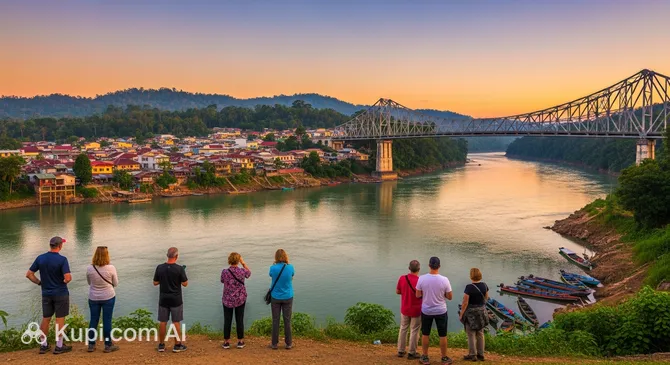
Kuala Kurun. Source: Kupi.Binoculars

The area is deeply rooted in the traditions of the Dayak people, particularly the Dayak Ngaju. To truly appreciate the significance of this settlement and how it has developed into the administrative center it is today, delving into the history of Kuala Kurun is highly recommended. The town's heritage is visible in its local customs and the enduring spirit of its community.

Travelers are often drawn to the scenic riverfront, which offers stunning views, especially during sunset when the water reflects the golden hues of the sky. The town also serves as an excellent starting point for eco-tourism adventures, providing access to nearby waterfalls and traditional villages. A visit to the local markets offers a sensory experience, where you can find fresh local produce and observe the daily rhythm of life in Central Kalimantan.

Whether you are a nature enthusiast or a culture seeker, Kuala Kurun promises a peaceful retreat and a memorable connection to the spirit of Borneo. We invite you to discover the hidden charms of this riverside town on your next adventure.

Weather Overview

Kuala Kurun features a tropical climate characterized by steady warmth and high humidity throughout the year. The temperatures are remarkably consistent, creating a perpetually warm atmosphere where seasonal fluctuations are minimal. You can expect average daily temperatures to hover around 27°C, with daytime highs typically reaching 31°C and nighttime lows settling at a comfortable 23°C.

Rainfall is a frequent companion in this region, contributing to the lush, green surroundings. Travelers should be prepared for regular showers, as the town experiences a high number of wet days across all months, often exceeding 20 days per month. For a more comprehensive look at what to expect during your specific travel dates, you can check the weather in Kuala Kurun. Even during the relatively drier periods around July and September, carrying rain gear is highly recommended to stay comfortable during your explorations.

Interesting Facts

Beyond the main attractions, Kuala Kurun holds many fascinating secrets and local legends that offer a deeper understanding of its cultural heritage. Here are a few unique facts about this riverside town:

  • The Legend of the Sky Ladder: Just a short distance from the town lies Batu Suli, a majestic rock formation jutting over the Kahayan River. According to local folklore, this rock was once part of a "ladder" used by ancient giants to descend from the sky to the earth. A unique feature at the summit is a narrow rock crevice known as Batu Tingkes; legend says that only those with a pure heart and full conviction can successfully squeeze through it.

  • A Name Worth Its Weight: Kuala Kurun is the capital of the Gunung Mas Regency, which literally translates to "Mountain of Gold." This is not merely a poetic name; the region has a rich history of traditional gold mining. It is not uncommon to see locals panning for gold along the riverbanks in the surrounding areas, a practice that has been passed down through generations.

  • Symbolism in Architecture: The town’s prominent Welcome Monument (Tugu Selamat Datang) stands exactly 21 meters tall. This specific height was intentionally chosen to symbolize the regency's founding date, June 21st. The monument is wrapped in a design resembling a flowing shawl, representing the rivers that are the lifeline of the local Dayak community.

  • The "Falling" Rock: When viewed from the Kahayan River, the massive Batu Suli rock formation creates a stunning optical illusion. Due to its forward-leaning angle, it appears as if it is perpetually falling into the water, yet it has stood firm for centuries. This unique geological feature makes it a favorite subject for photographers visiting Indonesia's hidden gems.

How to Get There

Reaching Kuala Kurun typically involves a combination of air and ground travel, as the town is tucked away in the heart of Central Kalimantan. While it does not have its own commercial airport, it is accessible via major transport hubs in the region. Visitors usually fly into the provincial capital or neighboring cities and complete the journey by car or bus, enjoying the scenic landscapes of Borneo along the way. You can find detailed information on routes and transportation options in our guide on how to get to Kuala Kurun.

The most convenient gateway for travelers is Tjilik Riwut Airport (IATA: PKY), located in the city of Palangkaraya. Since Kuala Kurun does not have its own airport, this is the closest major hub, situated approximately 128 km away. From Palangkaraya, the overland journey to Kuala Kurun takes about 3.5 to 4 hours by taxi or rented car. This airport handles a significant volume of domestic flights and serves as the primary entry point for the region.

For those arriving from further afield or requiring more international connections, Syamsudin Noor International Airport (IATA: BDJ) in Banjarmasin is another viable option, though it is much farther away. Located about 280 km from Kuala Kurun, this airport is a major regional hub with higher passenger traffic. However, be prepared for a long overland trip from here, which can take approximately 7 to 8 hours by road.

For clarity, here is a summary of the main airports serving the region:

Airport Name City Passenger Traffic Km from City
Syamsudin Noor International Airport Banjarmasin Large 279.9
Tjilik Riwut Airport Palangkaraya Medium 128.5
Putussibau Airport Putussibau Small 235.6
H. Asan Airport Sampit Small 188.8

Kuala Kurun does not have a railway station, and there is no passenger train service connecting it to other parts of Kalimantan. The island's terrain and infrastructure rely heavily on river and road transport. Therefore, after arriving at one of the airports mentioned above, your best option is to secure a rental car, hire a private driver, or use local bus services to reach your final destination.

Main Attractions

Kuala Kurun offers a delightful mix of natural wonders and cultural landmarks that reflect the rich heritage of Central Kalimantan. While the town itself is modest in size, it serves as the perfect base for exploring the surrounding rainforests, waterfalls, and legendary sites that define the landscape of the Gunung Mas Regency.

One of the most popular destinations for both locals and visitors is Air Terjun Batu Mahasur (Batu Mahasur Waterfall). Located just a few kilometers from the town center, this refreshing oasis is easily accessible and provides a quick escape into nature. The waterfall cascades from a height of approximately 15 meters into a natural pool where visitors can enjoy a cool dip. Local folklore adds a mystical touch to the site, with many believing that the water possesses healing properties and can even grant eternal youth to those who bathe in it.

For eco-tourism enthusiasts, Tahura Lapak Jaru (Lapak Jaru Grand Forest Park) is a must-visit destination. This expansive conservation area protects the region's biodiversity while offering a variety of recreational activities. Visitors can explore the lush forest trails, ride ATVs through the rugged terrain, or relax in the treehouses. Inside the park, you will also find the scenic Bawin Kameloh Waterfall, a hidden gem surrounded by dense tropical vegetation, making it an ideal spot for photography and nature walks.

A short journey from the town leads to the legendary Batu Suli, a massive rock formation jutting out over the Kahayan River in the nearby village of Upon Batu. This site is steeped in Dayak mythology, said to be the remains of a ladder used by ancient giants to descend from the sky. A unique feature here is Batu Tingkes, a narrow rock crevice that challenges visitors to squeeze through; legend has it that only those with a pure heart can pass without difficulty.

Back within the town limits, the Tugu Tambun Bungai stands as a proud landmark honoring the region's ancestral figures. This monument, along with the nearby city parks, offers a glimpse into the local history and serves as a welcoming symbol for travelers arriving in Kuala Kurun. It is a great spot to take a moment to appreciate the town's quiet charm before heading out to explore the wilder side of Borneo.

Local Cuisine

The culinary landscape of Kuala Kurun is deeply intertwined with the traditions of the Dayak Ngaju people and the abundance of the Kahayan River. Visitors can expect a gastronomic experience that relies heavily on fresh freshwater fish, aromatic herbs, and unique ingredients foraged from the surrounding rainforests. The food here is characterized by its savory, fresh, and occasionally pleasantly bitter flavors, offering a distinct departure from the sweeter cuisines found in other parts of the archipelago.

One of the most iconic dishes you must try is Juhu Singkah. This traditional soup is made from young rattan shoots (*umbut rotan*), which are harvested from the jungle. The shoots have a soft texture and a slightly bitter taste that pairs perfectly with a savory yellow broth, typically cooked with river fish like baung or patin. Another local specialty is Wadi, a fermented fish dish preserved with salt and toasted rice grains. While it has a strong aroma and a sharp, salty-sour flavor, it is a beloved staple that serves as a testament to the region's traditional food preservation methods.

For those who enjoy spicy condiments, Kandas is a culinary highlight not to be missed. Unlike the typical chili paste found elsewhere, Kandas is often prepared by grinding chilies with grilled fish or lemongrass (*Kandas Sarai*), creating a dry, coarse, and incredibly flavorful mixture that is eaten with warm white rice. It is a simple yet appetizing side dish that defines the local palate.

When it comes to beverages, Tuak is the traditional drink of choice for social gatherings and ceremonies. This rice wine holds significant cultural value among the Dayak community and is often offered to guests as a sign of hospitality. For a non-alcoholic alternative, you might encounter herbal teas made from local roots and woods, such as the famous Bajakah, which is renowned in Central Kalimantan for its reputed health benefits.

Dining in Kuala Kurun is a casual and authentic affair. You will not find fancy fine-dining establishments; instead, the best meals are served in humble, family-run warungs (small eateries) scattered around the town center and near the riverbank. These spots offer a relaxed atmosphere where you can enjoy freshly grilled river fish (*ikan bakar*) served with steamed rice and fresh vegetables, allowing you to immerse yourself in the slow, friendly rhythm of daily life in Borneo.

Travel Tips

Visiting Kuala Kurun is an adventure into the heart of Borneo, where the pace of life is dictated by the river and the rainforest rather than the clock. To help you navigate this remote and culturally rich capital of the Gunung Mas Regency with ease, we have compiled a list of essential practical tips.

  1. Clothing and Gear: Given the tropical climate, lightweight and breathable fabrics like cotton or linen are your best friends to handle the heat and humidity. Since rain can occur unexpectedly year-round, always carry a sturdy umbrella or a high-quality raincoat. While the vibe is casual, it is respectful to dress modestly—covering shoulders and knees—when visiting villages or government offices. Comfortable, water-resistant walking shoes are a must for exploring the muddy riverbanks or forest trails.

  2. Transportation: Public transport options like buses or metros do not exist within the town. The most common way to get around is by ojek (motorcycle taxi). These are informal services, so you will need to negotiate the fare with the driver before hopping on. For exploring the wider region, renting a car with a local driver is highly recommended, as road conditions can be challenging. Ride-hailing apps are generally not available or reliable in this area.

  3. Finances: Cash is absolute king in Kuala Kurun. While there are a few ATMs (typically strictly for major national banks like BRI, BNI, or Mandiri), they can occasionally run out of cash or reject international cards. Exchange a sufficient amount of Indonesian Rupiah (IDR) in a larger city like Palangkaraya before you arrive. Credit cards are rarely accepted outside of perhaps the largest hotel or government-affiliated establishmens; small warungs and markets operate exclusively on cash.

  4. Health and Safety: The tropical environment means mosquitoes are prevalent; bring a strong insect repellent and consider wearing long sleeves in the evenings to prevent bites. Never drink tap water; stick to sealed bottled water for drinking and brushing your teeth. Pharmacies (*Apotek*) are available for basic supplies, but for any serious medical issues, head to the local general hospital, RSUD Kuala Kurun. The town is very safe, but standard precautions like keeping valuables secure apply.

  5. Communication: English is not widely spoken, so having a translation app that works offline is crucial. Learning a few basic phrases in Bahasa Indonesia, such as "Terima kasih" (Thank you) and "Selamat pagi" (Good morning), will go a long way in breaking the ice. For connectivity, purchase a Telkomsel SIM card before leaving a major city, as it offers the most reliable coverage in remote parts of Central Kalimantan.

  6. Local Etiquette: The local culture is warm but conservative. Always remove your footwear before entering a private home or certain guesthouses. When handing something to someone or eating without cutlery, always use your right hand, as the left is considered unclean. If you are invited to share a meal or a drink (like traditional tuak), it is polite to at least taste a small amount to show respect.

  7. What to Avoid: Avoid pointing at people or objects with your index finger, which can be seen as rude; locals often point with their thumb while keeping the other fingers folded. Additionally, do not raise your voice or show outward anger in public, as maintaining social harmony and "saving face" are deeply ingrained cultural values.

  8. River Wisdom: Life in Kuala Kurun revolves around the Kahayan River. Be mindful of the currents if you decide to take a boat or swim in designated areas. Local boatmen are experts on the water; trust their advice regarding weather and safety conditions, as river levels can change rapidly after heavy rains upstream.

By keeping these tips in mind, you will be well-prepared to embrace the authentic experiences that Kuala Kurun has to offer. Enjoy the warm hospitality of the Dayak people and the serene beauty of Central Kalimantan without the stress of the unexpected.

Entertainment & Nightlife

Nightlife in Kuala Kurun is a distinct departure from the bustling clubs and neon-lit streets found in Indonesia’s major metropolitan areas. Instead of high-energy dance floors, the evening entertainment here reflects the town's laid-back, community-focused rhythm. The atmosphere is warm and inviting, centered around socializing, culinary exploration, and the local tradition of nongkrong—hanging out with friends for hours over coffee and snacks.

The heart of the town’s evening activity is undoubtedly Taman Kota Kuala Kurun (Kuala Kurun City Park). As the sun sets, this central square transforms into a vibrant social hub. Families, teenagers, and visitors gather here to enjoy the cool evening breeze. The park is lined with food stalls and small vendors selling everything from grilled corn to local delicacies, making it the perfect place to experience the local "night market" vibe. It is bustling, safe, and offers a genuine slice of daily life in Gunung Mas.

For those looking for a place to sit and relax, the Kahayan Riverfront area offers a selection of simple cafes and warungs. While you won't find upscale cocktail bars, you will find open-air establishments serving strong local coffee and sweet iced tea. The crowd here is casual, and the dress code is entirely informal—T-shirts and jeans are the norm. These riverside spots are ideal for watching the river flow by under the moonlight while chatting with locals.

If you are seeking indoor entertainment, Karaoke is the most popular activity in town. Several family karaoke venues operate in Kuala Kurun, providing private rooms where groups can sing their hearts out. These venues typically serve soft drinks and snacks and are open until around midnight. They are safe, affordable, and a favorite pastime for residents looking to unwind after a week of work.

Practical advice for enjoying the night here is simple: cash is essential, as digital payments are rarely accepted at night stalls. The best time to head out is between 7:00 PM and 9:00 PM when the streets are liveliest. By 10:00 PM or 11:00 PM, the town quiets down significantly. Getting around is best done by walking if you are staying central, or by arranging a local ojek (motorcycle taxi) beforehand, as finding transport late at night can be difficult.

Regarding safety, Kuala Kurun is a very safe town for night walks, especially around the main government offices and the city park. However, street lighting can be sparse in residential alleyways, so it is wise to stick to the main roads. Solo travelers should feel comfortable, but as always, staying in well-lit, populated areas is good practice.

In terms of daytime entertainment, the options are modest. There are no large movie theaters, shopping malls, or amusement parks in the city. Daytime leisure is largely defined by outdoor activities, cultural visits to local landmarks, or sports at community facilities like the local stadium. Travelers should plan to spend their days exploring the surrounding nature and their evenings soaking in the quiet charm of the town center.

Parks & Museums

Kuala Kurun offers a refreshing blend of tropical greenery and deep-rooted cultural heritage, where the lines between nature and daily life are beautifully blurred. While the town may not feature vast museum complexes, its parks and historical landmarks serve as open-air galleries that showcase the rich traditions of the Dayak people and the biodiversity of Central Kalimantan.

For nature lovers, Tahura Lapak Jaru (Lapak Jaru Grand Forest Park) is the premier destination for eco-tourism. Located just a short distance from the town center, this expansive conservation area acts as the region's "green lung." It is more than just a forest; the park features well-maintained trails for trekking, ATV tracks for adventure seekers, and the scenic Bawin Kameloh Waterfall tucked within its grounds. It is a perfect spot to observe local flora and fauna while enjoying the cool, fresh air away from the tropical heat.

In the heart of the town lies Taman Kota Kuala Kurun (Kuala Kurun City Park), a vibrant community hub that comes alive in the late afternoon. This park is not only a place for relaxation and exercise but also a cultural landmark, featuring the prominent statue of Tambun and Bungai. These legendary figures are revered ancestors in Dayak folklore, and their presence here symbolizes the strength and unity of the local people. The park serves as a social gathering point where visitors can mingle with friendly locals and soak in the town's laid-back atmosphere.

Although Kuala Kurun does not have a conventional indoor museum, the region's history is preserved through its traditional architecture and sacred sites. The most profound "living museums" in the area are the Rumah Betang (Longhouses). These massive communal wooden structures, raised high on stilts, are architectural marvels that have housed Dayak families for generations. Visiting one offers a rare glimpse into the communal lifestyle, ancient heirlooms, and intricate wood carvings that define the indigenous culture of Borneo.

Another significant site for history enthusiasts is the Situs Tamanggung Panji located in the Kurun Hulu area. This historical site honors a respected local leader and offers insight into the region's past governance and social structure. Additionally, the Tugu Tambun Bungai monument stands as a proud testament to the region's folklore, serving as an educational landmark for those interested in the myths that shape the local identity.

For a truly authentic experience, take a short trip to the nearby Batu Mahasur Waterfall. While primarily a natural attraction, it is steeped in local legend and often serves as a site for traditional rituals. The combination of cascading water and the mystical stories surrounding it provides a unique cultural context that you won't find in a typical guide book.

Getting Around

The public transport system in Kuala Kurun is very informal and quite different from the structured networks found in larger metropolitan hubs. Due to the town's modest population and compact size, there are no mass transit facilities such as metros, trams, trains, or large city buses operating within the city limits. Instead, the local transportation culture relies heavily on personal vehicles and informal services.

The most common and practical way to navigate the town is by using an ojek (motorcycle taxi). These are not typically booked through apps but are found at designated spots, such as street corners, markets, or near government offices. Ojeks are versatile and can navigate the narrow streets and unpaved roads that larger vehicles might find difficult. While you may occasionally see minivans (known regionally as taksi or angkot), they generally serve inter-city routes connecting to neighboring villages or the provincial capital rather than providing circulation within Kuala Kurun itself.

Payment for transport is exclusively cash-based. There are no electronic travel cards, passes, or ticketing machines. When using an ojek, the fare is not metered; it is a fixed price based on distance. It is standard practice to negotiate and agree on the fare with the driver before you start your journey to avoid any misunderstandings upon arrival. Prices are generally affordable, but as a tourist, having an idea of the standard local rate can be helpful during negotiation.

For visitors, walking is a viable and pleasant alternative for exploring the town center, as many key administrative buildings, markets, and the riverfront are located within a reasonable distance of each other. However, due to the tropical heat, walking long distances during midday is not recommended. If you plan to visit attractions on the outskirts or explore the surrounding nature, renting a car with a local driver is the most reliable option, as formal car rental agencies without drivers are rare.

Since the town is situated along the Kahayan River, water transport plays a significant role in the region's connectivity. Small motorized boats, often referred to as klotok or speedboats, are frequently used to reach settlements located along the riverbanks that are less accessible by road. These boats can be chartered at the local docks, offering a scenic and functional way to experience the area's river-based lifestyle.

Travelers should be aware that transport availability decreases significantly after dark. Ojeks are most active during the day and early evening. If you need to travel at night, it is advisable to arrange your return transport in advance. Ride-hailing apps, which are popular elsewhere, are generally not available or reliable in this area, so do not rely on them for your daily commute.

Accommodation

Accommodation in Kuala Kurun reflects the town's status as a remote administrative center rather than a mainstream tourist hub. Visitors should manage their expectations, as the options here are primarily functional, modest, and geared towards local business travelers or government officials. You will not find international luxury hotel chains or sprawling resorts; instead, the town offers a selection of small hotels, guesthouses (known locally as losmen), and simple lodges (wisma) that provide a comfortable base for your adventures in Central Kalimantan.

The majority of accommodation options are concentrated in the heart of the town, particularly along the main roads and near the government office complex. Staying in this central area is highly recommended as it places you within walking distance of local warungs (eateries), convenience stores, and the bustling Taman Kota Kuala Kurun. Some smaller guesthouses can also be found closer to the Kahayan River, offering a quieter atmosphere and scenic views of the water, though they may be slightly further from the main commercial strips.

For those used to instant online confirmation, booking a room in Kuala Kurun requires a slightly different approach. While a few of the larger establishments may appear on major Indonesian travel apps, many local guesthouses do not have an online presence. It is often necessary to call directly to make a reservation or simply arrive and inquire about availability. Since the town rarely sees mass tourism, finding a room upon arrival is usually possible, except perhaps during major local government events or regional festivals.

In terms of amenities and pricing, the range is predominantly budget to lower-mid-range. Most standard rooms come with essential facilities such as air conditioning and private bathrooms, though hot water is not always guaranteed in the cheapest losmen. Payment is almost exclusively in cash (Indonesian Rupiah), so travelers should ensure they have withdrawn sufficient funds from an ATM before checking in. Overall, while the lodgings are simple, the warm hospitality of the local hosts often makes the stay a pleasant and authentic experience.

Nearby Cities

For those looking to explore the surroundings, Kuala Kurun serves as an excellent base for day trips to several interesting nearby locations:

The most prominent destination for a substantial day trip or a weekend getaway is Palangkaraya, the capital of Central Kalimantan. Located approximately 3.5 to 4 hours away by road, it offers a blend of urban amenities and natural wonders. Visitors can marvel at the iconic Kahayan Bridge, explore the bustling local markets, or visit the nearby Nyaru Menteng Arboretum to learn about orangutan conservation efforts. It serves as the primary hub for the region and provides a stark contrast to the quiet atmosphere of Kuala Kurun.

Another fascinating option, though slightly further afield, is Sampit. Situated on the banks of the Mentaya River, this town is known for its vibrant port activity and river tourism. A visit here offers a glimpse into the commercial life of the province, with opportunities to enjoy river cruises and sample fresh seafood. While it requires a longer drive, the scenic route through the Kalimantan landscape makes it a rewarding journey for those interested in the diverse river cultures of Borneo.

City Population Distance (km)
Banjarmasin 692,793 261
Palangkaraya 249,434 127
Banjarbaru 216,600 283
Martapura 198,239 280
Sampit 166,773 193

These nearby destinations offer a glimpse into the diverse culture and landscapes of the region.

Shopping & Souvenirs

Shopping in Kuala Kurun offers a distinctively local and authentic experience, far removed from the glitzy commercialism of large metropolitan cities. As a small administrative town in the heart of Borneo, the retail scene here is focused primarily on daily necessities, traditional goods, and community commerce. Visitors will not find high-end fashion boutiques or luxury brands; instead, the charm lies in exploring small, family-owned shops and vibrant markets that reflect the simple, river-based lifestyle of the Gunung Mas Regency.

The main commercial activity is concentrated along the primary thoroughfares in the town center, particularly around the areas leading to the Kahayan River. Streets such as Jalan Sangkurun and the roads surrounding the central park are lined with rows of shophouses (ruko). Here, you can find a variety of stores selling clothing, electronics, household goods, and groceries. These areas are pedestrian-friendly in the sense that traffic is light, allowing you to wander from shop to shop at a leisurely pace.

Travelers should be aware that there are no modern shopping malls or large department stores in Kuala Kurun. The concept of a "mall" does not exist here. For modern conveniences, air-conditioned mini-markets and local supermarkets are available to stock up on snacks, toiletries, and bottled water. These establishments serve as the modern retail backbone for the town, providing essential supplies for both locals and visitors preparing for trips into the surrounding rainforest.

The heart and soul of the local economy can be found in the traditional markets (pasar). These bustling hubs are where the community gathers to buy fresh produce, river fish, and spices. A visit to the local market in the early morning is a sensory adventure; you will see an abundance of freshwater catch from the Kahayan River and unique jungle vegetables used in Dayak cuisine. It is also a great place to interact with friendly locals and witness the daily rhythm of life in Central Kalimantan.

For those looking to bring home a piece of Indonesia, Kuala Kurun offers unique souvenir opportunities rooted in Dayak culture. The region is famous for its intricate rattan weaving, producing items such as baskets, mats, and traditional hats. Another popular item is Bajakah wood, a native plant believed to have significant health benefits, often sold dried for tea. Additionally, given the region's name "Gunung Mas" (Mountain of Gold), you may find small shops selling locally sourced gemstones or simple jewelry, though it is advisable to purchase these with a knowledgeable guide.

Business hours in Kuala Kurun are relatively consistent. Most shops open around 8:00 AM and close by 9:00 PM, although traditional market stalls start much earlier, often at dawn, and wrap up by midday. Cash is the only reliable payment method. Credit cards and digital wallets are rarely accepted outside of perhaps a few government-run facilities or the largest hotels. Ensure you have sufficient Indonesian Rupiah (IDR) on hand for all your shopping needs.

As a small regional town, Kuala Kurun does not offer a tax-free shopping scheme or VAT refund services for tourists. The prices you see are generally final, though friendly bargaining is common and expected in the traditional markets and smaller, non-fixed-price stalls.

Reached the end of the page?

That means the route is fully explored