Support

Banjarmasin

About

Welcome to Banjarmasin, the largest city in the South Kalimantan province and a vibrant economic hub. Often affectionately referred to as the "City of a Thousand Rivers," this unique urban center is defined by its intricate network of waterways that crisscross the city, shaping the daily lives of its residents. Located on a delta island near the junction of the Barito and Martapura rivers, the city offers a fascinating glimpse into a culture that thrives on the water.

Geographically, the city sits on the southern coast of Borneo in Indonesia. The climate here is tropical, characterized by warm temperatures year-round and distinct wet and dry seasons. With a population of approximately 690,000 people, it is a lively metropolis that seamlessly blends traditional river life with modern development. As the former capital of the province, it remains the heart of social and commercial activity in the region.
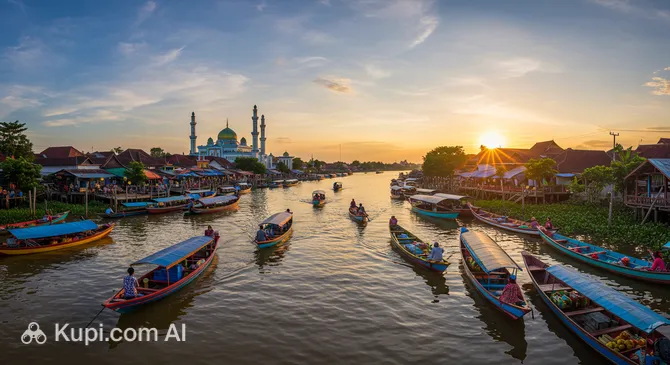
Banjarmasin. Source: Kupi.Binoculars

The history of Banjarmasin is deeply intertwined with its strategic river location, having served as an important trading port for centuries. This rich heritage is reflected in the city's architecture and the enduring traditions of its people. Visitors are often captivated by the sight of houses on stilts lining the riverbanks, a testament to the community's adaptation to the local environment.

One of the most iconic experiences here is visiting the Floating Markets (Pasar Terapung), such as those at Lok Baintan or Muara Kuin. In the early morning mist, local traders gather on traditional boats called jukung to sell fresh produce, food, and handicrafts, creating a colorful and lively spectacle. Another major landmark is the grand Sabilal Muhtadin Mosque, which stands as a stunning example of modern Islamic architecture and a spiritual center for the city.

Whether you are taking a relaxing river cruise to observe the proboscis monkeys on Kembang Island or sampling the delicious local cuisine like Soto Banjar, Banjarmasin promises an unforgettable adventure. It is a destination that invites travelers to slow down and immerse themselves in the rhythmic flow of river life.
Weather Overview

Banjarmasin experiences a consistent tropical climate, characterized by warm temperatures and significant humidity throughout the year. The city remains reliably hot, with average monthly temperatures staying steady between 27°C and 28°C. Daytime highs typically range from 30°C to 31.5°C, while the evenings are milder, with minimum temperatures generally settling around 24°C to 25°C.

Precipitation is a key factor to consider when planning a trip, as the city has distinct wet and drier periods. The months of December, January, and March are particularly rainy, with precipitation occurring on up to 30 days per month. Conversely, the weather tends to be drier from July through September, with August seeing the fewest wet days. To help schedule your river tours and outdoor exploration, it is advisable to consult the detailed forecast for the weather in Banjarmasin before your arrival.

Interesting Facts

Beyond the bustling river markets, Banjarmasin holds captivating secrets and cultural nuances that define its unique character. Here are a few fascinating details that reveal the deeper heritage of this river city.
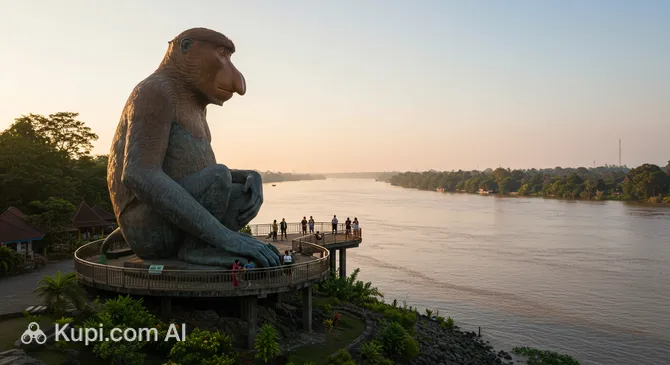
  • The city honors its unique local wildlife with a giant landmark, the Bekantan Statue. Standing over six meters tall, this monument depicts the reddish-nosed Proboscis monkey, a species endemic to Borneo, and curiously features a fountain that sprays water directly into the river.

  • Religious history runs deep here, anchored by the Sultan Suriansyah Mosque. Located on the riverbank, it is recognized as the oldest mosque in South Kalimantan, established during the era of the first Banjar monarch to embrace Islam centuries ago.

  • To see authentic Banjar architecture, one should look for the Bubungan Tinggi style, characterized by a steep, high roof. A prime example is the WASAKA Museum, which is housed in a beautifully preserved traditional stilt house originally built by a wealthy local merchant.

  • Banjarmasin is the heart of Sasirangan production, a vibrant traditional fabric created using a manual resist-dyeing technique. While now a popular souvenir, local legends say these textiles were once crafted specifically for healing rituals and driving away bad luck.

Bekantan Statue. Source: Kupi.Binoculars

How to Get There

Reaching this vibrant river city is relatively straightforward, with air travel being the most convenient and popular method for international and domestic tourists. For a comprehensive overview of all transport options, including overland and sea routes, you can read more about how to get to Banjarmasin.

The primary entry point is Syamsudin Noor International Airport (BDJ), located approximately 23 km from the city center. As the busiest airport in the region, it handles a significant volume of passenger traffic and connects the city to major hubs across Indonesia. The drive from the airport to downtown Banjarmasin typically takes about 55 to 60 minutes by taxi or shuttle bus, depending on traffic conditions.

Alternatively, travelers can fly into Tjilik Riwut Airport (PKY) in the neighboring city of Palangkaraya. However, please note that this airport is situated about 140 km away from Banjarmasin. Choosing this route requires a subsequent land journey of approximately 3 to 4 hours. While less direct, it serves as a viable backup option for exploring the wider South and Central Kalimantan regions.

For clarity, here is a summary of the main airports:

Airport Name City Passenger Traffic Km from City
Syamsudin Noor International Airport Banjarmasin High 23.3
Tjilik Riwut Airport Palangkaraya Medium 140.5
H. Asan Airport Sampit Small 201.0

Beyond air travel, Banjarmasin is accessible by sea through the Trisakti Port, which receives passenger ferries from islands such as Java. Overland travel by bus is also possible from other cities within Kalimantan, offering a scenic, albeit longer, journey through the island's lush landscapes.

Main Attractions

Banjarmasin offers a compelling mix of river-based culture, historical landmarks, and vibrant public spaces. While the famous floating markets often steal the spotlight, the city center itself is home to several architectural and recreational gems that showcase the local lifestyle. Here are some of the main attractions you should visit during your stay.

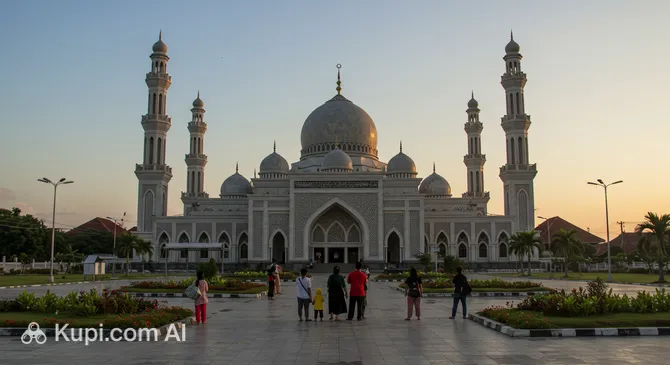
Dominating the city center is the magnificent Sabilal Muhtadin Grand Mosque, a spiritual landmark named after a respected local scholar. With its distinctive copper-colored dome and expansive grounds, it serves as a central place of worship and a striking example of modern Islamic architecture. Tourists are welcome to explore the exterior gardens and admire the intricate calligraphy and design that reflect the region's deep religious heritage.

Sabilal Muhtadin Grand Mosque. Source: Kupi.Binoculars

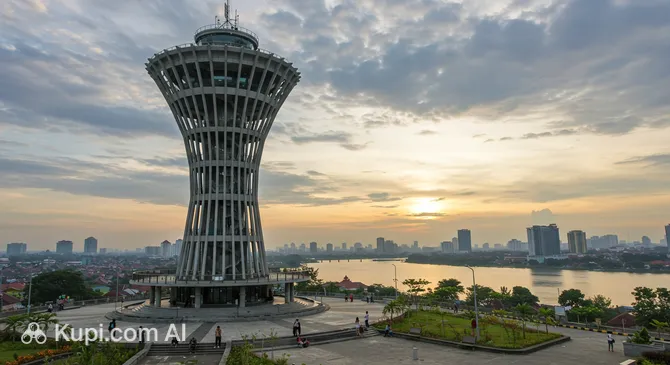
For the best panoramic views of the "City of a Thousand Rivers," head to the Banjarmasin Viewing Tower (Menara Pandang). Located right on the riverbank, this multi-story structure allows visitors to look out over the bustling Martapura River and the surrounding cityscape. It is a favorite spot for locals and tourists alike, especially in the late afternoon when the setting sun reflects beautifully off the water.

Banjarmasin Viewing Tower. Source: Kupi.Binoculars

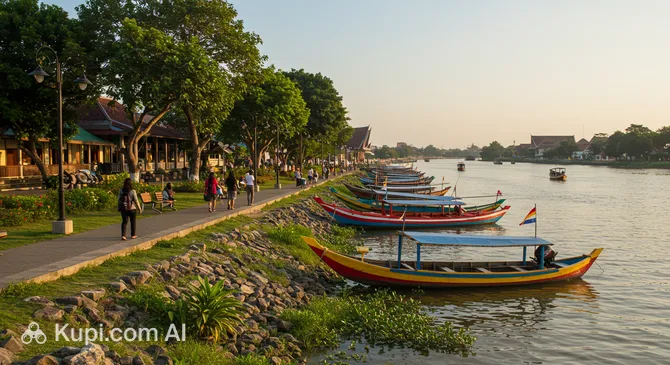
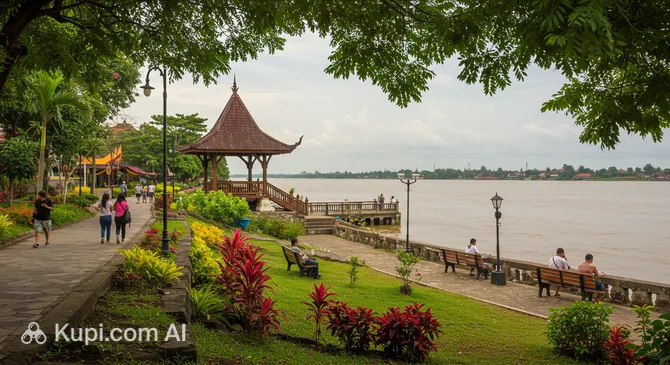
Just steps away from the tower lies Siring Park Banjarmasin, the social heartbeat of the city. This lively promenade stretches along the river and is the perfect place to witness the daily rhythm of Banjarmasin. You can watch traditional klotok boats glide by, enjoy local street food, or simply take a relaxing stroll. The park comes alive in the evenings and on weekends, offering a festive atmosphere that is great for families and photographers.

Siring Park Banjarmasin. Source: Kupi.Binoculars

If you are seeking a greener and quieter escape, Kamboja Park provides a refreshing retreat in the middle of the urban hustle. Once a historical site, it has been transformed into a well-maintained public garden featuring jogging tracks, fountains, and lush vegetation. It is an excellent spot for a morning run or a leisurely walk, offering a peaceful environment to recharge before continuing your exploration of the city.

Local Cuisine

The culinary landscape of Banjarmasin is a delightful reflection of its river-based culture and rich heritage. Known for its bold use of spices and fresh ingredients sourced from the surrounding waters, the local cuisine offers a distinct flavor profile that sets it apart from other regions in Indonesia. Food here is not just sustenance; it is a communal experience often enjoyed in open-air stalls or traditional eateries.

The undisputed star of the city's gastronomy is Soto Banjar. Unlike other Indonesian soups, this aromatic chicken broth is infused with a complex blend of spices such as cinnamon, cloves, and star anise, giving it a unique fragrance. It is typically served with ketupat (compressed rice cakes) rather than loose rice, and garnished with shredded chicken, boiled eggs, and perkedel (potato fritters). A squeeze of lime adds a refreshing zest that cuts through the richness of the broth.

Another must-try dish is Ketupat Kandangan. Originating from a nearby regency but widely available in Banjarmasin, this dish features rice cakes served with roasted snakehead fish (ikan gabus) in a thick, savory coconut milk gravy. For those with a sweet tooth, the city is famous for Bingka, a moist, flower-shaped cake made from flour, eggs, sugar, and coconut milk. It has a delicate, custard-like texture and is a favorite treat for breaking the fast during Ramadan or as a souvenir.

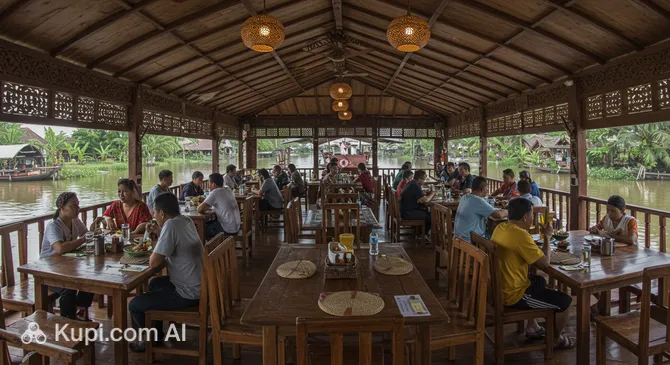
Ahmad Yani Restaurant. Source: Kupi.Binoculars

When it comes to dining out, the options range from humble street-side warungs to comfortable family establishments. For a taste of local hospitality and hearty meals, you can visit the Ahmad Yani Restaurant, which is a popular spot for both locals and visitors. If you are looking for a more modern dining experience or a quick noodle fix, Wizzmie Banjarmasin offers a contemporary atmosphere that contrasts with the traditional settings found elsewhere in the city.

The dining culture in Banjarmasin is casual and relaxed. Locals often enjoy their meals lesehan style, sitting on mats on the floor, which fosters a sense of togetherness. For a truly unique experience, breakfast on the river is essential; at the floating markets, you can buy traditional snacks and hot tea directly from passing boats, enjoying your morning meal while bobbing gently on the water.

Travel Tips

Traveling to Banjarmasin offers a unique adventure into the heart of Borneo's river culture. To ensure your journey is as smooth and enjoyable as possible, here are some essential practical tips to keep in mind before you go.

  1. Dress for the Tropics. The weather in South Kalimantan is consistently hot and humid, so pack lightweight, breathable fabrics like cotton or linen to stay cool. As the city has a strong Islamic culture, it is respectful to dress modestly by covering your shoulders and knees, especially when visiting religious sites or traditional neighborhoods. Comfortable, slip-on shoes are highly recommended, as you will frequently be taking them off to enter buildings or hopping onto boats.
  2. Mastering Local Transport. While yellow minibuses known as angkot operate throughout the city, routes can be confusing for first-time visitors. The most convenient way to navigate the streets is by using ride-hailing apps like Gojek or Grab, which are reliable and affordable. For exploring the waterways, hiring a traditional klotok boat is essential; negotiate the price beforehand or book through your hotel.
  3. Cash is King. The currency used is the Indonesian Rupiah (IDR). While credit cards are generally accepted in modern malls and large hotels, cash is absolutely necessary for transactions at the floating markets, street food stalls (warungs), and small shops. ATMs are widely available in the city center, but it is wise to carry small denominations for easier payments.
  4. Health and Safety. Tap water is not safe for consumption; always opt for bottled or boiled water to avoid stomach issues. Given the river environment, mosquitoes can be prevalent, so bringing a strong insect repellent is crucial. Pharmacies, known as Apotek, are common in the city and carry standard medications, but travel insurance is always recommended for peace of mind.
  5. Overcoming Language Barriers. Bahasa Indonesia is the primary language, though locals often speak the Banjar dialect. English is not widely spoken outside of major hotels and tourist agencies. Downloading an offline translation app or learning a few basic phrases like terima kasih (thank you) and permisi (excuse me) will go a long way in connecting with the friendly locals.
  6. Respect Local Etiquette. The people of Banjarmasin are known for their warmth and hospitality. When interacting, always use your right hand for eating, passing money, or shaking hands, as the left hand is historically considered unclean. Additionally, it is customary to remove your footwear before entering a mosque or a private home.
  7. Cultural Sensitivities. Avoid public displays of affection, as they are considered inappropriate in this conservative society. Furthermore, never touch someone on the head—even a child—as it is regarded as the most sacred part of the body in local culture.
  8. The Early Bird Advantage. To experience the iconic floating markets at their best, you must be an early riser. The markets are most vibrant between 5:00 AM and 7:00 AM. Arriving late often means missing the bustle of traders and the best photographic lighting, so plan your river excursions for dawn.

By keeping these practical tips in mind, you will be well-prepared to embrace the charm of the "City of a Thousand Rivers." Enjoy the warm hospitality, the delicious food, and the unforgettable sights that make Banjarmasin a truly special destination in the archipelago.

Entertainment & Nightlife

Unlike the high-energy party scenes found in Bali or Jakarta, the nightlife in Banjarmasin is more laid-back and socially oriented. The city does not have a sprawling district of nightclubs; instead, evening entertainment revolves around vibrant coffee culture, late-night culinary explorations, and family-friendly recreational venues. As the tropical heat subsides after sunset, the streets and riverbanks come alive with locals gathering to unwind, chat, and enjoy the cool evening breeze.

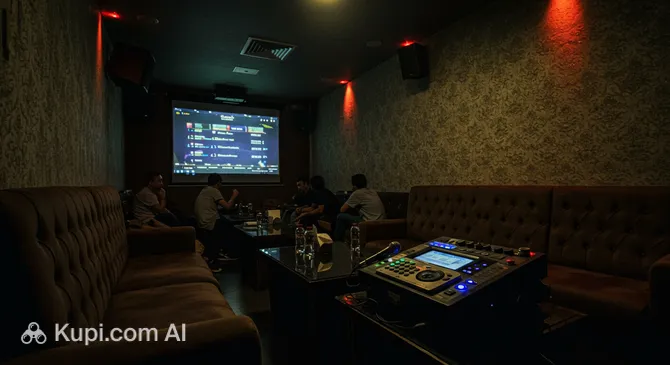
One of the most popular activities for groups of friends and families is karaoke, which is a staple of urban entertainment across Indonesia. A prominent venue in the city is Nav Karaoke. This establishment offers private rooms equipped with modern sound systems, allowing visitors to sing their hearts out in a comfortable and air-conditioned environment. It is a wholesome way to spend an evening, often accompanied by a menu of snacks and refreshing drinks.

Nav Karaoke. Source: Kupi.Binoculars

For those who prefer an outdoor atmosphere, the area along Jalan Piere Tendean (the Siring area) is the bustling heart of the city at night. Here, the riverside promenade transforms into a lively social hub illuminated by colorful lights. You can find street musicians performing, vendors selling glowing toys, and countless food stalls offering local delicacies. It is the perfect place for a night walk to soak in the local vibe without spending much money.

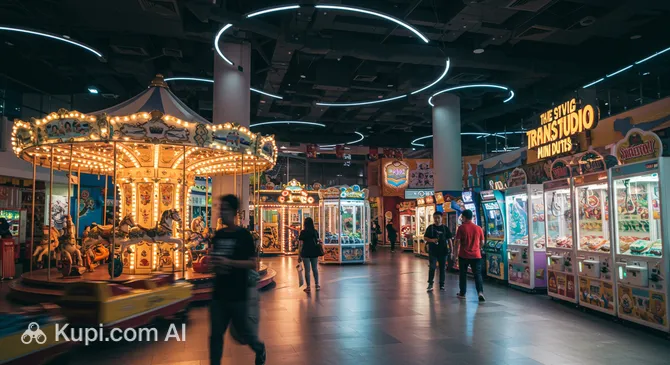
If you are looking for modern entertainment that bridges the gap between day and night, the city's major shopping complexes are the place to go. Located inside the largest mall in the city, Trans Studio Mini Duta Mall is an indoor amusement park that offers rides, games, and attractions suitable for all ages. It is an excellent escape if you want to have fun in a climate-controlled setting. Similarly, Transmart combines shopping with entertainment options like a cinema and dining areas, making it a convenient one-stop destination for a relaxed evening.

Trans Studio Mini Duta Mall. Source: Kupi.Binoculars

Regarding practicalities, it is important to note that Banjarmasin is a relatively conservative city. The dress code for a night out is casual but modest; avoid overly revealing clothing. The "bar scene" as known in the West is limited, and alcohol is not widely available in public venues, with the social culture focusing more on coffee shops and eateries. The city is generally safe for tourists at night, especially in busy areas like the Siring or Duta Mall. Public transport becomes scarce after dark, so the most reliable way to get around is by using ride-hailing apps like Gojek or Grab, which are affordable and readily available.

Parks & Museums

Banjarmasin is not only defined by its bustling waterways but also by its inviting green spaces and rich historical repositories. The city offers a unique blend of open-air recreational areas and cultural institutions that allow visitors to connect with both the natural beauty of Borneo and the deep-rooted heritage of the Banjar people.

For a refreshing escape into nature, a trip to Pulau Kembang (Flower Island) is an essential experience. Located in the middle of the Barito River, this delta island serves as a conservation forest and a natural habitat for long-tailed macaques and the shy, reddish-nosed proboscis monkeys. Accessible by a short boat ride from the city, it offers a distinct contrast to the urban environment, allowing you to walk through mangrove forests and observe wildlife in their natural setting. It is a favorite spot for those looking to experience the wilder side of Kalimantan without traveling far from the city center.

Back on the mainland, the Siring Park 0 Kilometer Banjarmasin stands as a modern gathering point and a symbol of the city's development. Situated along the Martapura River, this park is anchored by a prominent monument marking the "zero kilometer" point of the province. It features a spacious riverside promenade, a skateboard area, and lush landscaping, making it a popular hub for joggers and families. The atmosphere here is particularly lively in the late afternoon, offering a perfect vantage point to watch the river traffic while enjoying the cool breeze.

Siring Park 0 Kilometer Banjarmasin. Source: Kupi.Binoculars

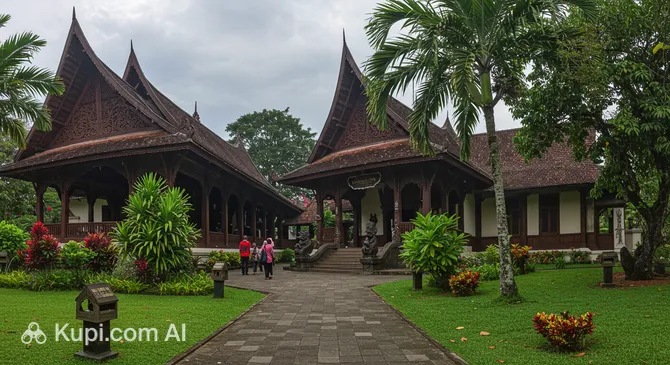
To delve into the region's heroic past, a visit to the WASAKA Museum is highly recommended. The name "WASAKA" is an abbreviation of the local motto Waja Sampai Kaputing, meaning "struggle until the end." Housed in a magnificent traditional Banjar house known as Bubungan Tinggi, the museum displays a collection of weapons, photographs, and artifacts related to the local fight for independence against colonial rule. The architecture of the building itself is a cultural treasure, showcasing the intricate wood craftsmanship typical of South Kalimantan royalty.

WASAKA Museum. Source: Kupi.Binoculars

Another significant site for history enthusiasts is the Sultan Suriansyah Museum, located within the complex of the historic Sultan Suriansyah Mosque. Although smaller in scale, this museum preserves important heirlooms from the first Islamic kingdom in the region. Visitors can view ancient ceramics, royal lineage charts, and traditional weapons that tell the story of the transition to Islam and the establishment of the sultanate. It provides a quiet and educational complement to the spiritual grandeur of the adjacent mosque.

For a truly authentic experience, try visiting the Siring area on Sunday mornings when the streets are often closed to vehicles for "Car Free Day." This is when the parks are most vibrant, filled with locals exercising, street performers, and vendors selling traditional snacks, offering a genuine slice of Banjarmasin's community life.

Getting Around

Navigating Banjarmasin offers a distinct experience that reflects its geography as a river city. Unlike major metropolitan areas, the city does not have a metro, tram, or train system. Instead, the public transport network relies heavily on road-based vehicles and, uniquely, water transport. Understanding how to use these options allows for a more authentic exploration of the local culture and daily life.

The most ubiquitous form of public transport on land is the Angkot (Angkutan Kota). These are typically yellow minibuses that operate on specific routes throughout the city. While they have designated paths, they do not always have fixed stops; passengers can hail them from the roadside by simply raising a hand and can request to stop anywhere along the route. They are an affordable way to get around, though the routes can be confusing for newcomers without local assistance.

For a more comfortable and modern alternative, travelers can use the Trans Banjarbakula bus system (often associated with the "Teman Bus" program). These buses are air-conditioned, safer, and follow a more reliable schedule compared to minibuses. They connect the city center with surrounding areas, including the airport and neighboring towns like Banjarbaru. Stops are marked, making it easier for tourists to identify where to wait.

Given the city's nickname, the "City of a Thousand Rivers," water transport is a special feature that serves as both a practical commute and a tourist attraction. Traditional motorized boats, known as Klotok, function as river taxis. They are essential for crossing the wider rivers where bridges may be far apart or for reaching destinations located directly on the water. Taking a klotok is not just a means of travel; it is a quintessential part of the local experience.

Regarding payment, cash is king for traditional transport. For angkots and river boats, you should carry small denominations of the local currency, as drivers often do not have change for large bills. Fares are generally very low, typically ranging from 5,000 to 10,000 IDR per trip. In contrast, the modern Trans Banjarbakula buses utilize a cashless payment system. Passengers are required to use e-money cards (such as E-Money, TapCash, or Brizzi) or scan a QRIS code using a mobile banking or payment app upon boarding.

For tourists seeking convenience and ease, ride-hailing apps are the most recommended alternative. Services like Gojek and Grab are widely available and extremely popular. They allow you to book a car or a motorcycle taxi (Ojek) with a fixed price, eliminating the language barrier and the need to negotiate fares. Conventional taxis, particularly the reputable Bluebird fleet, are also available and can be hailed on the street or booked via phone, always using a meter to ensure fair pricing.

A few practical tips will help smooth your journey: Angkots usually operate only until late afternoon, so plan for alternative transport in the evening. If you choose to take a river taxi, it is advisable to negotiate the price beforehand if you are hiring the boat for a private route rather than a standard crossing. Finally, traffic congestion can be significant during rush hours, so using a motorcycle taxi via an app is often the fastest way to cut through the jams.

Accommodation

Where to Stay:

Accommodation in Banjarmasin caters largely to business travelers and domestic tourists, offering a wide selection of budget guesthouses and comfortable mid-range hotels. While the city does not feature an extensive array of ultra-luxury resorts, visitors will find several reputable 3-star and 4-star establishments that provide excellent amenities, including swimming pools, fitness centers, and reliable Wi-Fi.

For the most convenient experience, staying in the City Center is highly recommended. This area places you within walking distance of key landmarks, government offices, and the bustling activity of the waterways. Hotels located near the riverbanks are particularly sought after, as they offer scenic views of the Martapura River. Staying here means you are just a stone's throw away from the lively Siring Park Banjarmasin, making it incredibly easy to catch a dawn boat to the famous floating markets.

Another popular zone for tourists is the commercial district, which is ideal for those who prioritize access to modern dining and entertainment. The neighborhoods surrounding major shopping complexes like Transmart offer a more contemporary urban vibe. These areas are well-connected and provide easy access to cinemas, supermarkets, and a variety of restaurants, ensuring you have everything you need close at hand.

Transmart. Source: Kupi.Binoculars

Booking Tips: It is generally advisable to book your accommodation in advance, especially if you plan to visit during major holidays or the annual river festival, as the best rooms fill up quickly. Prices in Banjarmasin are relatively affordable compared to other major Indonesian cities. You can easily secure good deals through major online booking platforms, though some smaller, family-run guesthouses (known locally as losmen) may prefer direct bookings via phone or messaging apps.

Most hotels in the city provide breakfast, often featuring local culinary favorites like Nasi Kuning or Soto Banjar. This gives guests a delicious and authentic start to the day before they head out to explore the "City of a Thousand Rivers."

Nearby Cities

For those looking to explore the surroundings, Banjarmasin serves as an excellent base for day trips to several interesting nearby locations:

Just a short drive away lies Martapura, widely known as the "City of Diamonds." This town is famous throughout the archipelago for its gemstone industry, where visitors can browse the Cahaya Bumi Selamat market for dazzling jewelry and precious stones. It is also a significant religious hub, home to the impressive Al-Karomah Great Mosque, making it a culturally enriching stop just outside the city limits.

Another excellent option is Banjarbaru, the administrative capital of South Kalimantan. Located approximately 30 kilometers from Banjarmasin, it offers a more structured urban environment with wide avenues and ample green spaces. Travelers often visit for the Lambung Mangkurat Museum to learn about regional history or to enjoy family-friendly attractions like the Amanah Borneo Park.

City Population Distance (km)
Palangkaraya 249,434 143
Banjarbaru 216,600 30
Martapura 198,239 30
Sampit 166,773 201
Kotabaru 137,400 155

These nearby destinations offer a glimpse into the diverse culture and landscapes of the region.

Shopping & Souvenirs

Shopping in Banjarmasin offers a fascinating contrast between age-old river traditions and modern retail convenience. Visitors can start their day trading on the water at a floating market and end it browsing international brands in an air-conditioned mall. This blend of experiences makes the city a unique destination for hunting down local treasures and contemporary goods alike.

For a truly authentic experience, the city's Floating Markets are the primary destination for fresh produce and traditional snacks. While mostly known for fruit and vegetables, these markets also offer a chance to buy local handicrafts directly from traders on boats. Beyond the river, the city is famous for Sasirangan, a traditional tie-dyed fabric unique to South Kalimantan. Travelers should visit the dedicated Sasirangan Village (Kampung Sasirangan) to see the artisans at work and purchase these colorful textiles, which are fashioned into everything from clothing to accessories.

South Kalimantan is also renowned for its gemstones, particularly diamonds, thanks to the nearby mining town of Martapura. In Banjarmasin, numerous jewelry shops offer dazzling stones and intricate settings. For edible souvenirs, look for Amplang, a savory fish cracker that is a favorite local snack, or Dodol Kandangan, a sweet, sticky treat made from palm sugar and coconut milk.

Those seeking a modern shopping atmosphere will find several well-equipped centers. The largest and most popular is Duta Mall, a sprawling complex that houses department stores, a cinema, and various dining options. It is the go-to spot for fashion, electronics, and lifestyle products. Another prominent venue is Transmart, which combines a hypermarket with entertainment facilities, making it ideal for families who need to stock up on daily necessities while enjoying a day out.

If you are looking for high-quality leather goods, House of Donatello is a notable stop. This store specializes in fashionable footwear, bags, and accessories, offering a range of stylish products that are popular among locals. Whether you are bargaining for fabrics in a traditional kampung or shopping for shoes in a modern outlet, Banjarmasin provides a rewarding retail therapy experience.

House of Donatello. Source: Kupi.Binoculars

Reached the end of the page?

That means the route is fully explored