Support

Kotabaru

About

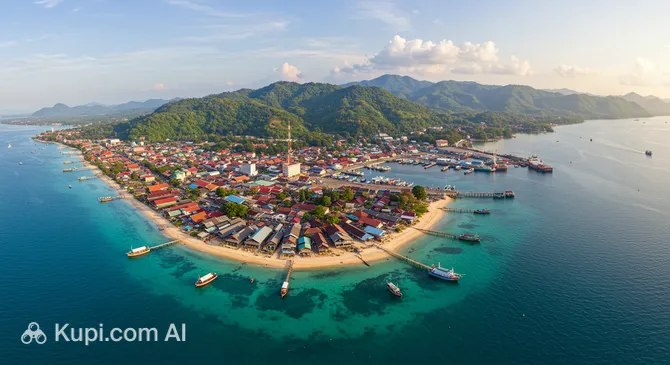
Kotabaru is a captivating destination situated in the province of South Kalimantan, offering a distinct island atmosphere that sets it apart from the mainland. As the capital of the Kotabaru Regency, this vibrant city is primarily located on Laut Island (Pulau Laut), serving as a gateway to the rich maritime traditions of the region.

With a population of approximately 137,400 residents, the city balances a bustling local life with serene natural surroundings. It provides a unique perspective of Indonesia, allowing travelers to experience an authentic side of the archipelago away from the typical tourist trails. The climate is tropical, characterized by warm temperatures that make coastal exploration enjoyable year-round.

Kotabaru. Source: Kupi.Binoculars

The cultural tapestry here is diverse, with influences from Banjar, Bugis, and Mandar communities living in harmony. Visitors interested in the past can delve into the history of Kotabaru to understand how these cultures have shaped the city's identity and development over time. The local motto, "Sa-ijaan," meaning "one heart" or "unity," perfectly reflects the welcoming spirit of the people.

Travelers should not miss Siring Laut, a scenic waterfront park that serves as the city's main landmark. It is the perfect spot to watch the sunset and taste local delicacies, such as the famous Amplang fish crackers. For those seeking nature, Gedambaan Beach offers beautiful golden sands, while the hills of Mount Mamake provide breathtaking panoramic views of the coastline and the city below.

Whether you are looking for cultural immersion or a relaxing escape by the sea, Kotabaru invites you to discover its hidden charms and warm hospitality.

Weather Overview

Kotabaru experiences a consistent tropical climate characterized by steady warmth and frequent moisture throughout the year. Temperatures remain remarkably stable, with daily averages generally hovering between 25°C and 27°C. Daytime highs typically reach up to 30°C, while nights are pleasant with minimum temperatures rarely dropping below 22°C.

Travelers should be prepared for regular rainfall, as wet days are a common occurrence in every season. According to local data, rain can be expected on 20 to 30 days per month, with March often seeing the highest frequency of wet days. For a more comprehensive breakdown of what to expect during your specific travel dates, you can consult the detailed guide on the weather in Kotabaru.

Although the rain is frequent, the city remains warm, making it suitable for visits year-round if you pack appropriate rain gear. The coolest month is typically July, with an average temperature of around 25.6°C, while months like April and November are slightly warmer, averaging around 27°C.

Interesting Facts

Beyond the scenic waterfronts and hills, Kotabaru holds several fascinating details that add depth to its island charm. Here are a few unique facts about this South Kalimantan gem:

  • Immortalized in Song: The city is famous throughout the archipelago thanks to the classic Banjarese folk song, "Paris Barantai." The lyrics famously describe the city as "Kotabaru Gunungnya Bamega," referring to its majestic, mist-covered mountains, which has made the destination a poetic icon of the region.

  • The Swordfish Symbol: The city's identity is deeply tied to the ocean, symbolized by the Ikan Todak (Swordfish). Iconic twin swordfish statues stand prominently at the main square, representing the strength and resilience of the local fishermen who have relied on these waters for generations.

  • A Rare Forest Sanctuary: Just a short distance from the city center lies the White Meranti Forest (Hutan Meranti). This ecotourism park is a rare conservation site dedicated to the endangered White Meranti trees and serves as a habitat for various exotic birds and monkeys.

  • Turtle Conservation: While many visitors stay on the main island, the nearby Samber Gelap Island is a hidden treasure for wildlife enthusiasts. It serves as a vital conservation ground where Green Turtles and Hawksbill Turtles come to lay their eggs on the pristine sands.

How to Get There

Reaching Kotabaru, located on Laut Island in South Kalimantan, typically involves a combination of air travel and surface transport. While the journey requires some planning, it offers a scenic introduction to the region's diverse landscapes. For a detailed breakdown of routes and transport modes, you can consult the detailed guide on how to get to Kotabaru.

The most convenient and direct method is to fly into Gusti Syamsir Alam Airport (KBU), located directly on the island near the city center. Flights to this local airport usually connect from major regional hubs like Banjarmasin or Makassar, though schedules can be limited compared to larger international airports.

Alternatively, many travelers fly into major airports on the mainland of Kalimantan and continue overland. The primary gateway is Syamsudin Noor International Airport (BDJ) in Banjarmasin. From this hub, visitors must travel by road to the port town of Batulicin, a journey that takes several hours, before catching a ferry to cross the strait to Kotabaru.

Another option for those arriving from different parts of Indonesia is Sultan Aji Muhamad Sulaiman Airport (BPN) in Balikpapan. While it is a busy international airport, it is situated further away, necessitating a significantly longer overland trip to reach the ferry crossing points compared to the route from Banjarmasin.

Below is a summary of the major airports in the wider region:

Airport Name City Passenger Traffic Km from City
Sultan Aji Muhamad Sulaiman Airport Balikpapan High 218.9
Syamsudin Noor International Airport Banjarmasin Medium 140.7
Tjilik Riwut Airport Palangkaraya Small 238.9

Since there are no railway services in this part of Kalimantan, reliance on road transport and ferries is essential for the final leg of the trip. Travelers arriving at mainland airports should arrange for car rentals or private transfers to the ferry terminals at Batulicin or other crossing points to reach Laut Island.

Main Attractions

Kotabaru offers a delightful mix of coastal beauty, highland greenery, and vibrant public spaces. From bustling waterfronts to serene natural escapes, the city and its surroundings provide a variety of experiences for travelers. Here are some of the top attractions to explore during your visit.

The heartbeat of the city is undoubtedly Siring Laut Park. Located directly on the waterfront in front of the regent's office, this public square is the most iconic landmark in the area, distinguished by its massive twin swordfish statues. It is the perfect place to experience the local atmosphere, especially at sunset when the sky turns vibrant colors over the sea. Tourists flock here not just for the views, but for the culinary center that comes alive at night, serving delicious local seafood and traditional snacks in a lively, open-air setting.

For a classic beach day, head to Gedambaan Beach, also widely known among locals as Sarang Tiung. Situated approximately 14 kilometers from the city center, this destination is famous for its long stretch of golden sand and calm, shallow waters, making it ideal for swimming and family picnics. The beach is lined with gazebos and cottages where visitors can relax and enjoy the breeze from the Makassar Strait. Its accessibility and clean environment make it a top choice for a stress-free seaside retreat.

Nature lovers should venture into the hills to visit the White Meranti Forest (Ekowisata Hutan Meranti). This conservation park is a rare sanctuary dedicated to the endangered Meranti trees and offers a refreshing break from the coastal heat. Beyond the lush flora, the park features hiking trails that lead to a peak offering spectacular panoramic views of Laut Island and the ocean below. It is also home to various bird species and a small collection of wildlife, combining education with eco-tourism.

If you are willing to travel further by boat, Samber Gelap Island is a pristine paradise that rivals the best tropical destinations in the country. Known for its crystal-clear waters and powdery white sands, it is a haven for snorkeling and diving enthusiasts. The island is particularly special because it serves as a conservation ground for sea turtles. Visitors who time their trip right may witness the magical sight of turtles laying eggs or hatchlings making their first journey into the sea.

Another refreshing spot close to nature is Tumpang Dua, a recreational park located in the Sebelimbingan area. This attraction is favored for its natural river pool, which is fed by fresh mountain springs, providing a cool and invigorating swim. Surrounded by shady trees and equipped with simple water slides, it is a popular weekend destination for locals and a great place for tourists to experience the relaxed, community-oriented side of Kotabaru.

Local Cuisine

The culinary scene in Kotabaru is heavily influenced by its coastal location and the rich traditions of the Banjar and Bugis communities. As an island destination, the city is a paradise for seafood lovers, offering an abundance of fresh fish, crabs, prawns, and squid. The most popular way to enjoy these catches is Ikan Bakar (grilled fish), typically served with steamed rice and a side of spicy sambal, a chili paste that adds a fiery kick to the meal.

Beyond seafood, visitors should try typical South Kalimantan dishes that are staples in the local diet. Soto Banjar is a must-try aromatic chicken soup spiced with star anise, cinnamon, and cloves, usually served with rice cakes (lontong) or steamed rice. Another local favorite for breakfast is Nasi Kuning, fragrant yellow rice cooked with turmeric and coconut milk, often accompanied by Haruan (snakehead fish) cooked in a rich red sauce.

No culinary tour of Kotabaru is complete without tasting Amplang, the region's most famous savory snack. These crunchy fish crackers, made primarily from Spanish mackerel (ikan tenggiri), are synonymous with the city. They are widely available in various flavors and packaging, making them the perfect souvenir to bring home. For those with an adventurous palate, Manday—made from fermented cempedak fruit skin—offers a unique, savory taste and texture similar to meat when fried.

To quench your thirst in the tropical heat, Es Kelapa Muda (young coconut ice) is the most refreshing choice, easily found at stalls along the coast. Locals also enjoy spending time at coffee shops (warung kopi), where you can sip on strong local coffee or sweet iced tea while socializing.

For the best dining atmosphere, head to the Siring Laut area in the evening. This waterfront park transforms into a vibrant culinary center where dozens of food stalls offer everything from grilled seafood to traditional snacks. It is the heart of the city's food culture, allowing tourists to dine alfresco while enjoying the sea breeze and the lively local crowd.

Travel Tips

Visiting Kotabaru offers a unique glimpse into life on Pulau Laut, but traveling here requires a bit more local know-how than visiting Indonesia’s major tourist hubs. These practical tips will help you navigate the city smoothly and respect local customs while exploring its natural beauty.

  1. Clothing and Gear: Pack light, breathable fabrics like cotton or linen to stay cool in the tropical heat. Since South Kalimantan is culturally conservative, it is respectful to dress modestly; avoid overly revealing clothing in the city and cover your shoulders and knees when visiting villages or religious sites. A sturdy pair of sandals is essential for beach hopping, and a universal power adapter is recommended for your electronics.

  2. Transportation: Public transport, consisting mainly of yellow minivans known as angkot or taksi, can be confusing for visitors without local language skills. The most convenient way to explore is by renting a scooter or hiring a car with a driver for the day. While ride-hailing apps exist, their availability can be sporadic compared to big cities, so conventional ojek (motorcycle taxis) are often a reliable alternative.

  3. Finances: The official currency is the Indonesian Rupiah (IDR). While a few hotels and modern restaurants may accept credit cards, cash is absolute king in Kotabaru. Be sure to carry sufficient small bills for street food, parking fees, and local markets. ATMs are available in the city center, but they are scarce near remote attractions like Gedambaan Beach.

  4. Health and Safety: Pharmacies, marked as Apotek, are easy to find in the town center for basic supplies. Tap water is not safe for consumption; always stick to sealed bottled water or boiled water. Since the region has lush forests and mangroves, carrying a strong insect repellent is crucial to protect against mosquito bites, especially in the evenings.

  5. Communication: Bahasa Indonesia is the primary language spoken, and English proficiency is generally limited outside of government offices or major hotels. Downloading an offline translation app is highly advisable. For mobile data, purchasing a Telkomsel SIM card usually ensures the best coverage across the island and surrounding areas.

  6. Local Etiquette: The people of Kotabaru are known for their warm hospitality ("Sa-ijaan"). Always greet locals with a smile and a nod. Remember to use your right hand for eating, shaking hands, or giving money, as the left hand is traditionally considered unclean. It is also customary to remove your footwear before entering a private home or a mosque.

  7. What to Avoid: Avoid public displays of affection, such as kissing or excessive hugging, as this is frowned upon in the local culture. Additionally, do not touch anyone on the head, including children, as the head is considered the most sacred part of the body in Indonesian culture.

  8. Local Insight: For an authentic experience, plan your evenings around the Siring Laut waterfront. This is where the city comes alive after sunset. Also, be aware that Friday is the main day for congregational prayers; many shops and businesses may close for a few hours around midday, so plan your schedule accordingly.

By keeping these tips in mind, you will be well-prepared to embrace the laid-back island rhythm of Kotabaru. Enjoy the warm hospitality, the delicious seafood, and the stunning coastal views that make this city a memorable destination.

Entertainment & Nightlife

Nightlife in Kotabaru is distinct from the bustling club scenes found in Indonesia's larger metropolitan areas. Instead of loud nightclubs and discos, the evening entertainment here is centered around community, culinary delights, and the refreshing coastal breeze. The city comes alive after sunset with a relaxed, family-friendly atmosphere where locals and visitors gather to socialize ("nongkrong") in open-air spaces, enjoying the cool tropical night.

The undisputed hub of evening activity is the Siring Laut district. Located right on the waterfront facing the Makassar Strait, this area transforms into a vibrant social center as dusk falls. The iconic twin swordfish statues are beautifully illuminated, creating a picturesque backdrop for an evening stroll. This is where the pulse of the city is most palpable, with neon lights reflecting off the water and the sound of laughter filling the air.

For those seeking entertainment, the Panggung Apung Manjulang (Manjulang Floating Stage) within the Siring Laut complex is a key attraction. On weekends, particularly Saturday nights, this venue often hosts live acoustic music performances, cultural shows, and local events that draw large crowds. It offers a perfect setting to sit back, enjoy local tunes, and immerse yourself in the creative spirit of South Kalimantan without an entrance fee.

Food is the heart of Kotabaru's nightlife, and the Siring Laut Culinary Center is the best place to experience it. Dozens of stalls line the waterfront, serving everything from grilled seafood (Ikan Bakar) to traditional snacks and coffee. The style here is casual, often involving "lesehan" dining (sitting on mats), which encourages long conversations and a communal vibe. It is the ideal spot to try local favorites while watching the ships pass by in the distance.

While western-style bars are rare due to the local conservative culture, the city has a growing coffee shop scene that serves as the alternative nightlife. Modern cafes and traditional warung kopi stay open late, offering a cozy environment for youth and travelers to unwind. For those looking for singing entertainment, several Family Karaoke venues are available in the town center, providing private rooms for groups to enjoy music in a comfortable, air-conditioned setting.

Practical Advice for Nightlife:

  • Best Time to Go: The waterfront area starts to get busy around 7:00 PM and remains lively until about 10:00 PM or 11:00 PM. Weekends are significantly more crowded and festive.
  • Prices: Entertainment here is very affordable. A hearty meal with a drink at the culinary center typically costs between IDR 25,000 and IDR 50,000.
  • Dress Code: The atmosphere is casual but modest. It is recommended to dress respectfully (covering shoulders and knees) to align with local customs.
  • Safety & Transport: The Siring Laut area is bright and heavily populated, making it very safe for night walks. To get back to your accommodation, ojek (motorcycle taxis) are widely available, or you can arrange a pick-up through local ride-hailing services if available.

While the nights are for relaxing by the sea, daytime in Kotabaru offers its own adventures. Before the sun goes down, visitors can explore the pristine sands of Gedambaan Beach or hike up Mount Mamake to catch the sunset that precedes the evening's festivities. These natural attractions provide a serene counterpoint to the lively social scene that takes over the city center at night.

Parks & Museums

While Kotabaru is primarily known for its stunning coastal landscapes, the city also offers a selection of green spaces and cultural landmarks that provide a deeper understanding of its identity. From hilltop conservation areas to vibrant waterfront squares, these public spaces allow visitors to connect with the local environment and the region's rich heritage.

Siring Laut Park is undoubtedly the most significant public space in the city. Located right on the edge of the water, this open square serves as the city's "living room" where locals gather to socialize and relax. Dominated by the iconic twin swordfish statues, the park offers unobstructed views of the ocean and the passing ships. It is a lively hub of activity, especially in the evenings when it transforms into a culinary center, but during the day, it provides a breezy promenade for a leisurely walk along the harbor.

For a more immersive nature experience, the White Meranti Forest (Hutan Meranti) is a must-visit destination located just a short drive from the city center. This ecotourism park is unique because it preserves the rare White Meranti trees, which are native to the region but increasingly scarce. Beyond the botanical interest, the park features a mini-zoo with deer and birds, as well as hiking trails that lead to a peak offering sweeping panoramic views of Laut Island and the surrounding sea.

Another spectacular natural area is Mount Mamake (Bukit Mamake), situated between Sarang Tiung and Tirawan villages. This hill has been developed into a premier recreational spot, famous for its "U-shaped" viewing platform that juts out over the slopes, providing a thrilling vantage point. It is a popular location for paragliding enthusiasts due to the favorable winds, and for regular tourists, it offers a cool mountain atmosphere and one of the best sunset views in the region.

Although Kotabaru does not have many large formal museums, its history and culture are vividly preserved in its historical sites and religious landmarks. The Sigam Royal Tombs (Makam Raja Sigam) are a key historical site located in the village of Sigam. This complex contains the graves of the rulers of the Pulau Laut Kingdom, offering a quiet and respectful place to reflect on the local monarchy that once governed this island. The site provides a tangible link to the pre-colonial history of South Kalimantan.

The Great Mosque of Husnul Khatimah (Masjid Agung Husnul Khatimah) stands as a modern architectural landmark that reflects the deep Islamic roots of the community. With its majestic dome and towering minarets, it is not only a place of worship but also a center for religious and community events. Visitors are often impressed by the mosque's grandeur and the peaceful atmosphere of its grounds, which serve as a spiritual anchor for the city's residents.

For a glimpse into the living culture of the island, a visit to the Kampung Laut (Sea Villages) offers an authentic "open-air museum" experience. These traditional settlements, built on wooden stilts over the water, showcase the enduring maritime lifestyle of the Banjar and Bugis people. Walking along the wooden boardwalks connects you directly with the daily rhythm of the fishermen and their families.

Insider Tip: If you enjoy freshwater swimming, head to Tumpang Dua. This natural recreational park features a river pool fed by mountain springs, offering a refreshing alternative to the saltwater beaches. It is a favorite local hideaway for picnics and cooling off on hot afternoons.

Getting Around

The public transport system in Kotabaru is relatively simple and informal compared to larger metropolitan areas. There is no metro, tram, or large bus network within the city. Instead, the primary mode of public transportation for locals is the angkot (public minivan). These minivans serve various routes connecting the city center with residential districts and nearby villages. They are typically color-coded—often yellow or blue—to indicate their specific route, although route maps are rarely displayed, so asking the driver for the destination is essential.

Payment for public transport is almost exclusively cash-based. There are no travel cards, passes, or digital ticketing systems for the local minivans. Fares are very affordable, generally ranging from IDR 5,000 to IDR 10,000 for a single trip within the city limits. Passengers simply pay the driver directly upon reaching their destination. It is highly recommended to carry small denominations of the local currency, as drivers may not always have change for large bills.

For tourists, navigating the angkot system requires a bit of patience and flexibility. There are no fixed timetables or official stops; you can hail a van from the side of the road by waving your hand and stop it anywhere along its route by telling the driver "Kiri" (left) or simply asking to stop. These vehicles typically operate from early morning until late afternoon, around 5:00 PM or 6:00 PM. After dark, public transport becomes scarce, so it is important to plan your return journey in advance if you are out for the day.

Given the limitations of the public network, many visitors opt for alternatives such as ojek (motorcycle taxis). These are widely available and can navigate narrow streets quickly. While ride-hailing apps are beginning to appear, their availability can be sporadic compared to major cities, so conventional ojeks remain a reliable choice. Always agree on a price before starting the ride if you are not using an app. For complete freedom to explore attractions like Gedambaan Beach or Mount Mamake, renting a scooter or a car with a driver is often the most practical solution.

A unique and essential component of the local transport ecosystem is the ferry service connecting Laut Island to the mainland. Ferries operate regularly between Tanjung Serdang Port on the island and Batulicin on the mainland. This crossing is the main lifeline for passengers and vehicles entering or leaving the city. The ferry ride itself offers a scenic view of the strait and is a common part of the travel experience for anyone arriving overland.

Accommodation

Accommodation in Kotabaru is characterized by its unpretentious and comfortable nature, catering primarily to travelers seeking functional and affordable stays. The city does not yet feature extensive luxury chains or high-end international resorts. Instead, visitors will find a solid selection of budget-friendly guesthouses (often called losmen or wisma), modest inns, and several mid-range hotels that provide modern amenities suitable for both leisure and business travelers.

The most convenient area to stay is undoubtedly the city center (Pusat Kota). Choosing a hotel here places you within walking distance of the bustling Siring Laut waterfront, local markets, and government offices. Staying in the heart of the town ensures easy access to the evening culinary scenes and makes it simple to arrange transport to other parts of the island.

For those prefering a quieter atmosphere closer to nature, there are accommodation options located along the coast towards Gedambaan Beach (Sarang Tiung). These are typically cottage-style lodgings or simple villas that offer direct access to the sea. While they may be further from the city's dining hubs, they provide a relaxing environment with beautiful sunrise views over the Makassar Strait.

Booking Tip: While it is often possible to find a room upon arrival on regular weekdays, it is highly advisable to book your accommodation in advance if you are visiting during Indonesian public holidays, particularly Eid al-Fitr, or during local events like the Saijaan Festival. During these peak times, the limited number of rooms in the city can fill up quickly.

The general price range for staying in Kotabaru is quite affordable compared to Bali or Jakarta. Most properties fall into the budget to lower-mid-range category. While major online travel platforms are increasingly covering the area, some smaller, family-run establishments may still rely on direct phone bookings or walk-ins. It is always a good idea to have cash on hand for payment at smaller guesthouses.

Nearby Cities

Nearby Cities:

While Kotabaru offers a unique island escape, it also serves as a starting point for exploring the wider region of Kalimantan. Several major urban centers are located within a travelable distance, each offering its own distinct character, from bustling river cities to administrative hubs. Although Kotabaru is situated on Laut Island, connections to the mainland allow travelers to reach these neighboring destinations, primarily via road transport after crossing the strait.

The closest major city to Kotabaru is Banjarbaru, located approximately 133 kilometers away. As the administrative capital of South Kalimantan, it is a planned city known for its orderly layout and growing importance. Just a bit further lies the historic city of Banjarmasin, about 155 kilometers from Kotabaru. Famous as the "City of a Thousand Rivers," Banjarmasin offers a vibrant cultural experience with its iconic floating markets and extensive network of canals.

Travelers willing to venture further can visit cities in neighboring provinces. Balikpapan, often referred to as the "Oil City," is situated roughly 220 kilometers away in East Kalimantan and is known for its clean environment and modern infrastructure. Nearby is Samarinda, the capital of East Kalimantan, located about 308 kilometers from Kotabaru. To the west, Palangkaraya in Central Kalimantan sits approximately 242 kilometers away, offering a gateway to the majestic Kahayan River.

Below is a summary of the nearby major cities, their populations, and their distances from Kotabaru:

City Population Distance (km)
Banjarbaru 216,600 133
Banjarmasin 692,793 155
Balikpapan 598,043 220
Palangkaraya 249,434 242
Samarinda 753,370 308

Please note that the distances listed are direct estimates. Actual travel times may vary significantly depending on road conditions, ferry schedules connecting Laut Island to the mainland, and the chosen mode of transport.

Shopping & Souvenirs

Shopping:

Shopping in Kotabaru offers a distinctively local experience that contrasts with the modern mega-malls found in Indonesia's larger metropolitan areas. Instead of international luxury brands and sprawling department stores, the city invites visitors to explore bustling traditional markets, modest shopping complexes, and specialized souvenir shops. The retail scene here is deeply connected to the region's culture and maritime resources, making it an excellent destination for finding authentic handicrafts, fabrics, and unique culinary treats.

The primary hub of commerce in the city is centered around the Pasar Kemakmuran (Kemakmuran Market) and the adjacent Limbur Raya complex. Located in the heart of the town, this district is where the pulse of daily life beats strongest. Limbur Raya serves as the main shopping center for clothing, textiles, and electronics, acting as the local equivalent of a mall. It is the go-to place for residents looking for fashion and household goods, offering a wide variety of items at affordable prices.

For a more traditional atmosphere, Pasar Kemakmuran is the place to be. This sprawling market is a sensory adventure, filled with the aroma of spices and the vibrant colors of fresh produce. It is divided into wet and dry sections, selling everything from the morning's fresh catch of fish to vegetables and daily necessities. Walking through the narrow aisles provides a genuine glimpse into the livelihood of the local people and is a great spot to practice your bargaining skills.

When it comes to souvenirs, Kotabaru is famous across the archipelago for its savory fish crackers known as Amplang. Made primarily from Spanish mackerel (ikan tenggiri), these crunchy snacks are the city's signature product. Visitors will find numerous shops and home industries dedicated to producing and selling Amplang, often allowing you to taste different varieties before buying. They are typically sold in large bags and make for perfect, lightweight gifts to bring home.

Beyond food, travelers should look for Sasirangan, the traditional cloth of South Kalimantan. While Banjarmasin is the main production hub, Kotabaru offers beautiful selections of this tie-dye fabric featuring unique motifs and bright colors. It is commonly sold as fabric cuts or ready-to-wear clothing in the textile shops around Limbur Raya. Additionally, the city's coastal location means you can find excellent dried marine products, such as salted fish and shrimp paste, which are prized for their quality.

Most shops and market stalls in Kotabaru operate from around 09:00 AM to 09:00 PM, although the traditional wet markets start much earlier, often before dawn, and wind down by early afternoon. It is important to note that cash is king here. While some larger stores in the town center may accept cards, small vendors, market stalls, and souvenir shops deal almost exclusively in Indonesian Rupiah. ATMs are available in the city center, so it is wise to withdraw sufficient cash before heading out to shop.

Tax-free shopping (VAT refund) is generally not available in Kotabaru, as the system is typically limited to major international airports and luxury retailers in Indonesia's biggest tourist hubs. Visitors should expect the listed price to be the final price in supermarkets, while bargaining is expected and encouraged in traditional markets.
Reached the end of the page?

That means the route is fully explored