Support

Kulat

About

Welcome to Kulat, an intriguing destination located in the heart of the Central Kalimantan province. Nestled within the lush landscapes of Borneo, this city offers a unique blend of tropical tranquility and authentic local culture. As part of Indonesia, Kulat serves as a gateway for travelers seeking to explore the rich biodiversity and vibrant traditions of the region. With a population of approximately 40,200 residents, it maintains a friendly, community-oriented atmosphere while providing the essential amenities for a comfortable stay.

Geographically, Kulat is situated near the equator, ensuring a warm, tropical climate year-round. The city is surrounded by the dense greenery characteristic of the island, with river systems playing a vital role in the local ecosystem and daily life. The humidity and abundant rainfall contribute to the thriving flora that frames the city's outskirts, making it a visually refreshing stop for nature lovers. The rhythm of life here is often dictated by the flow of the nearby rivers, which have historically been the lifelines for trade and transportation in the area.
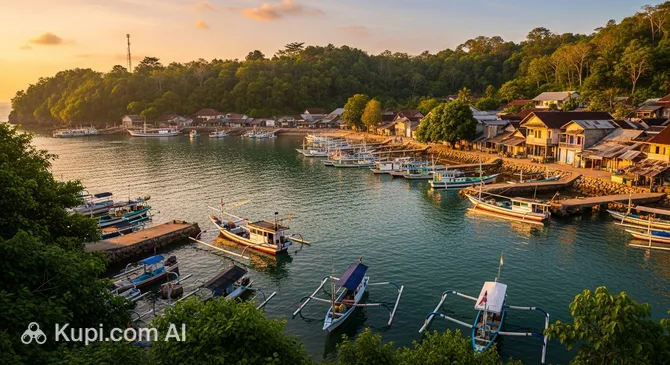
Kulat. Source: Kupi.Binoculars

Visitors to Kulat will find several unique features that make it a worthwhile stop on a Central Kalimantan itinerary. One of the main draws is the opportunity to experience the authentic lifestyle of the Dayak communities. The region is known for its deep connection to the river and the forest, and travelers can often find local markets selling traditional handicrafts, including intricate rattan weavings. For those interested in the past, exploring the history of Kulat reveals how this settlement has evolved from a quiet river outpost into a growing urban center, blending indigenous heritage with modern Indonesian influences.

Nature enthusiasts will appreciate the city's proximity to the untamed wilderness of Borneo. River cruises or boat trips are popular activities, offering a chance to spot local wildlife and enjoy the serene water views, especially at sunset. The surrounding areas are often gateways to peat swamp forests and conservation areas where the diverse ecosystem of Kalimantan comes alive. Whether you are passing through on an eco-adventure or looking to immerse yourself in the quiet charm of a provincial Indonesian town, Kulat welcomes you with open arms and a warm smile.

Weather Overview

The climate in Kulat is characteristically tropical, offering warm and consistent temperatures year-round. Visitors can expect average daily temperatures to stay within the comfortable range of 26.3°C to 27.2°C. Days are generally warm with maximums peaking around 30°C, while nights remain mild, rarely dropping below 23°C, making it an ideal destination for those who enjoy stable warmth without extreme fluctuations.

Rainfall is a constant companion in this region, with precipitation occurring frequently throughout the year. Even during the relatively drier months like September, you might encounter rain on roughly 21 days. The wettest periods, such as March, can see up to 29 wet days, although the total monthly precipitation volume recorded is relatively low, typically hovering between 6mm and 10mm. Because of this high frequency of rainy days, it is wise to check the current weather in Kulat before heading out to ensure you are prepared.

Overall, the weather pattern is defined by its consistency rather than distinct seasons. Expect warm days accompanied by frequent, light showers regardless of when you visit. The months from June to August tend to see slightly fewer wet days compared to the beginning and end of the year, but carrying a light raincoat is always recommended.

Interesting Facts

Beyond the main attractions, Kulat holds many fascinating secrets that reveal the depth of its cultural and natural heritage. For those willing to look closer, the city offers a glimpse into the unique traditions and geographical quirks of Central Kalimantan.

  • The "Mountain of Gold" Legacy: Kulat is situated in a region historically referred to as "Gunung Mas," which translates to "Mountain of Gold." The area has a centuries-old tradition of traditional gold panning. It is not uncommon to hear local stories about the early days of the gold rush that shaped the settlement patterns along the river, a practice that remains a quiet part of the region's history.

  • The Philosophy of Huma Betang: The local culture is deeply influenced by the "Huma Betang" philosophy, originating from the traditional Dayak longhouses. This concept emphasizes communal living, peace, and consensus-building. Even in modern Kulat, this spirit of togetherness dictates social etiquette, where community harmony is often prioritized over individual interests.

  • Durian's Orange Cousin: Visitors to the local markets might encounter a fruit that resembles the famous Durian but differs in a surprising way. Known locally as "Lai" or "Pampakin," this fruit is native to Borneo and features bright orange flesh. Unlike its pungent cousin, the Lai has a mild, creamy aroma, making it a favorite "secret" snack for travelers who want the texture of Durian without the overpowering smell.

  • River Guardians: Local folklore in Indonesia often attributes spiritual significance to major waterways, and the river near Kulat is no exception. Elders speak of ancient legends involving mythical creatures or "water spirits" that guard the river's depths, serving as traditional warnings that teach children to respect the unpredictable currents of the water.

How to Get There

Traveling to this part of Central Kalimantan is an adventure that often combines air travel with a scenic overland journey. To help you plan your trip effectively, you can read more about how to get to Kulat and the various transport options available. While the city is tucked away in the lush landscapes of Borneo, it remains accessible through regional transit hubs that connect it to the wider archipelago.

The city of Kulat does not have its own airport, but you can fly into Tjilik Riwut Airport (PKY) in the city of Palangkaraya, which is the most common gateway for visitors. Located approximately 158.8 km from Kulat, this airport serves as the primary hub for the region. As a key facility in the province, it handles a moderate volume of passenger traffic and offers decent connectivity with other major cities in Indonesia. From here, travelers typically continue their journey by road to reach their final destination.

Alternative entry points include Putussibau Airport (PSU) in Putussibau and H. Asan Airport (SMQ) in Sampit. These are smaller regional airports situated significantly further from the city. Putussibau Airport is about 210.4 km away, while H. Asan Airport is located approximately 216.4 km from Kulat. It is important to note that road connectivity in this part of Borneo can be complex and indirect. Consequently, transferring from these secondary airports likely involves a long and challenging overland trip, making them less convenient options compared to Palangkaraya.

For clarity, here is a summary of the main airports:

Airport Name City Passenger Traffic Km from City
Tjilik Riwut AirportPalangkarayaMedium158.8
Putussibau AirportPutussibauSmall210.4
H. Asan AirportSampitSmall216.4

Main Attractions

Exploring Kulat and its surrounding region offers a fascinating journey into the heart of Central Kalimantan's natural beauty and cultural heritage. The city serves as an excellent base for discovering the unique landscapes of the Gunung Mas area, where dense tropical forests meet the historic banks of the river. Visitors will find that the attractions here are less about commercial tourism and more about authentic experiences, ranging from serene nature parks to sites steeped in local folklore.

One of the top destinations for nature enthusiasts is Tahura Lapak Jaru. This Grand Forest Park is located just a short distance from the city center and provides a refreshing escape into the wild. It is home to diverse tropical flora and features a scenic waterfall that becomes a popular spot for locals during weekends. The park offers well-maintained trekking paths, allowing tourists to immerse themselves in the sounds of the rainforest while spotting local bird species and enjoying the cool, fresh air away from the urban bustle.

For those interested in cultural legends and dramatic landscapes, Batu Suli is a must-visit landmark. Situated along the banks of the Kahayan River, this massive rock formation is not only visually striking but also holds deep spiritual significance for the local Dayak community. According to local folklore, the rock is associated with the legend of a mighty hero, and it stands as a sentinel over the river. Visitors can climb to certain vantage points to enjoy panoramic views of the winding river and the lush green canopy that stretches to the horizon.

The Kahayan River itself is a central attraction that defines the character of Kulat. A simple boat tour along this waterway offers a unique perspective on the daily life of the residents who rely on the river for transportation and fishing. Sunset is arguably the best time to be on the water, as the sky turns vibrant shades of orange and reflects off the calm surface. It is a peaceful way to observe the traditional wooden houses on stilts and experience the slow, rhythmic pace of life in this part of Borneo.

Finally, travelers should look out for traditional Betang Houses (longhouses) in the nearby villages. While modernization has changed the cityscape, the surrounding areas still preserve these architectural marvels. A visit to a Betang house offers a glimpse into the communal living philosophy of the Dayak people, where majestic wooden structures house multiple families and serve as the center for traditional ceremonies and social gatherings.

Local Cuisine

The culinary landscape of Kulat is a delightful reflection of its location in Central Kalimantan, offering a taste of authentic Dayak traditions mixed with broader Indonesian influences. The local cuisine is heavily defined by the surrounding rivers and forests, meaning fresh ingredients and freshwater fish play a central role in almost every meal. Visitors will find that food here is hearty, flavorful, and often prepared with unique herbs and spices found only in the Borneo wilderness.

One of the must-try dishes in this region is Juhu Singkah, a traditional soup made from young rattan shoots. While the idea of eating rattan might seem unusual to outsiders, the tender shoots provide a unique texture and a slightly bitter but savory flavor that pairs perfectly with fish broth. Another staple is grilled river fish, particularly Ikan Jelawat or Patin. These fish are typically marinated in a blend of turmeric, garlic, and lemongrass before being grilled over charcoal, resulting in a smoky, tender delicacy that highlights the freshness of the catch.

For those feeling adventurous, Wadi is a local specialty worth tasting. It consists of fish (often catfish or snakehead) that has been fermented with salt and toasted rice grains. The fermentation process gives it a strong, distinct aroma and a sour-salty taste that is usually balanced by frying the fish with ample shallots and chili. It is an acquired taste but is deeply cherished by the locals as a traditional method of preserving food.

When it comes to beverages, the drink culture ranges from refreshing to ceremonial. In the tropical heat, nothing beats fresh coconut water or sweet iced tea, widely available at street stalls. On the cultural side, Tuak is a traditional rice wine made by the Dayak community. While it is often reserved for special ceremonies, festivals, or welcoming guests, it represents an important part of the region's social heritage. It is a sweet, cloudy alcoholic beverage that varies in potency depending on how long it has been fermented.

Dining in Kulat is a casual and community-focused affair. You won't find many high-end luxury restaurants; instead, the best food is found in small, family-run eateries known as warungs or at the bustling local markets. These spots offer an authentic atmosphere where you can observe daily life while enjoying a meal. Exploring the night markets is particularly rewarding, as vendors grill satay and serve steaming bowls of soup, creating a vibrant culinary scene that brings locals and travelers together under the evening sky.

Travel Tips

To help you make the most of your adventure in Kulat, we have compiled a set of essential travel guidelines tailored to the specific conditions of Central Kalimantan. These practical tips will ensure your journey through this unique riverside city is as comfortable and culturally respectful as possible.

  1. Clothing and Gear: Given the tropical humidity and frequent showers, pack lightweight, breathable fabrics like cotton or linen. A sturdy raincoat or poncho is an absolute must, as sudden downpours can occur even on sunny days. Comfortable, water-resistant walking shoes are recommended for exploring nature parks. While the vibe is relaxed, it is respectful to dress modestly—covering shoulders and knees—especially when visiting villages or traditional Betang houses. Don't forget a universal travel adapter (Type C or F) to keep your devices charged.
  2. Transportation: As a smaller city, Kulat does not have a complex public transport system like a metro. The most common way to get around is by ojek (motorcycle taxi) or local minivans known as angkot. Ride-hailing apps might have limited availability compared to major Indonesian hubs, so it is wise not to rely on them exclusively. For the most freedom to explore the surrounding "Gunung Mas" region, renting a scooter or a car with a driver is often the best option.
  3. Finances: The official currency is the Indonesian Rupiah (IDR). In a town of this size, cash is king. While there are ATMs available, they can occasionally be out of service, and credit cards are rarely accepted outside of larger hotels or convenience stores. It is highly advisable to withdraw sufficient cash in larger cities like Palangkaraya before arriving or to use the ATMs in the town center immediately upon arrival. Tipping is not mandatory but rounding up the bill or leaving small change is appreciated.
  4. Health and Safety: Pharmacies, known as Apotek, are available in the town center, but they may not operate 24/7; bring a personal kit with basic supplies. Since Kulat is surrounded by rainforests and rivers, mosquito repellent is crucial to protect against tropical ailments. Never drink tap water; always opt for sealed bottled water or boiled water. The city is generally very safe, but standard precautions like keeping valuables secure should always be practiced.
  5. Communication: The primary language is Bahasa Indonesia, and you will also hear local Dayak dialects. English proficiency is not widespread outside of hospitality settings, so downloading an offline translator app or learning basic phrases like terima kasih (thank you) and selamat pagi (good morning) will go a long way. For mobile data, Telkomsel is typically the provider with the most reliable signal coverage in this part of Borneo.
  6. Local Etiquette: The local culture, influenced by the communal Huma Betang philosophy, values harmony and politeness. Always greet people with a smile and a slight nod. When handing something to someone, eating, or shaking hands, always use your right hand, as the left is considered unclean. It is also customary to remove your footwear before entering a private home or certain traditional shops.
  7. What to Avoid: Avoid touching anyone on the top of the head, including children, as the head is considered the most sacred part of the body. Additionally, public displays of anger or shouting are frowned upon and will cause you to "lose face" locally; staying calm and patient is the key to resolving any issues.
  8. Market Wisdom: Life in Kulat often starts early to beat the midday heat. If you want to experience the freshest local produce or try the unique Lai fruit mentioned earlier, visit the traditional markets in the early morning (around 6:00 AM to 8:00 AM). This is also the best time to interact with locals before the daily bustle fully sets in.

By keeping these tips in mind, you will be well-prepared to navigate the charming streets and lush surroundings of Kulat with confidence. Embracing the local pace of life and respecting cultural nuances will not only make your trip smoother but also open doors to warmer interactions with the friendly residents of Central Kalimantan.

Entertainment & Nightlife

The nightlife in Kulat is far removed from the chaotic energy of a metropolis; instead, it offers a warm, laid-back atmosphere that perfectly mirrors the friendly nature of its residents. As the sun sets over the river, the city shifts into a slower gear, where entertainment is centered around socializing, dining, and enjoying the cool tropical evening. You won't find sprawling nightclub districts here. The "nightlife" is defined by cozy coffee shops, local eateries, and open-air gathering spots where friends and families come together to unwind after a long day.

The most bustling area after dark is undoubtedly the vicinity of Taman Kota (City Park). This central hub acts as the community's living room, coming alive particularly on weekends. It is a vibrant mix of a night market and a social square, where locals gather to enjoy street food, listen to impromptu music performances, and let children play. The atmosphere is casual and inclusive, with no dress code required—shorts and t-shirts are the norm. It is the best place to immerse yourself in the local "nongkrong" (hanging out) culture, sipping on sweet iced tea while watching the world go by.

For those seeking a more culinary-focused evening, the local warungs (small family-owned eateries) and coffee shops are the places to be. Rather than high-end bars, the social scene revolves around these modest establishments where you can enjoy traditional snacks like grilled corn, toast, or local fried bananas accompanied by strong coffee. These venues offer an authentic slice of life in Central Kalimantan, providing a welcoming environment where travelers can strike up conversations with residents and experience the genuine hospitality of the region.

If you are looking for practical advice, the best time to venture out is between 7:00 PM and 10:00 PM, as many places in this small city close relatively early compared to larger hubs in Indonesia. Prices are generally very affordable, with a substantial meal and drink costing a fraction of what you would pay in Jakarta or Bali. Cash is king in Kulat's nightlife scene; while some larger establishments might accept cards, it is essential to carry sufficient Indonesian Rupiah (IDR) for street vendors and smaller cafes.

Safety in Kulat is generally excellent, and walking around the main town center at night is considered safe for tourists. However, street lighting can be inconsistent in the outskirts, so it is wise to stick to the well-lit main roads. Public transport options like angkot (minivans) become scarce after sunset. The most reliable way to get around at night is by using an ojek (motorcycle taxi). If you are dining at a restaurant, the staff will happily help you call a trusted driver to take you back to your accommodation.

While the nights are quiet and relaxing, the daytime offers a different kind of entertainment focused on nature and culture. Before the evening sets in, visitors can explore local cultural sites or take daytime excursions to the surrounding rainforests. Although Kulat lacks large amusement parks or grand theaters, the city's charm lies in its authenticity. You might find small local galleries or community centers displaying Dayak crafts, offering a peaceful cultural interlude before you head out for your evening meal.

Parks & Museums

Kulat offers a refreshing balance of manicured green spaces and authentic cultural repositories, allowing visitors to connect with both the natural beauty of Borneo and the deep-rooted traditions of its people. While the city may not boast massive national museums, its parks and heritage sites provide intimate and meaningful experiences that highlight the local way of life.

Taman Kota (City Park) stands out as the central hub for recreation and social interaction. Situated conveniently within the town, this park is a lush oasis featuring well-maintained walking paths, playgrounds, and shaded benches. It is the perfect spot for a leisurely morning jog or an evening stroll. For tourists, the park offers a window into the daily rhythm of the locals, serving as a vibrant venue for community events, exercise groups, and family gatherings in the cooler hours of the day.

For those seeking a deeper connection with the regional flora, the Tahura Lapak Jaru acts as a significant natural reserve. Functioning as a grand forest park, it showcases the rich biodiversity of Central Kalimantan. The area is designed to educate visitors about the native plant species, including rare orchids and towering tropical trees. Its serene trails and designated picnic spots make it an ideal escape for nature lovers who want to experience the sights and sounds of the rainforest within a safe and managed environment.

In terms of cultural preservation, the Traditional Betang Houses serve as the city's most compelling "living museums." These architectural marvels are not just historical structures but active centers of Dayak heritage. Visitors can explore the elevated wooden halls and view collections of ancestral artifacts, such as ancient ceramic jars, gongs, and traditional weaponry. A visit here explains the communal philosophy of the Dayak people and offers a tangible link to the past that standard museum exhibits often lack.

Additionally, the city is home to several Local Art Galleries and Craft Centers that function as custodians of the region's artistic history. These venues display a wide array of traditional handicrafts, from intricate rattan weaving to the carving of Mandau (traditional swords). These galleries are fascinating for those interested in anthropology and art, as they often provide demonstrations and detailed explanations of the symbolic motifs that are central to the indigenous identity of the region.

For a unique experience, look for the small, unlisted riverfront gardens maintained by local communities along the Kahayan River. These modest patches of green offer a quiet place to sit and watch the traditional boats glide by, providing a peaceful and authentic perspective on the river-based culture that defines Kulat.

Getting Around

Navigating Kulat is a straightforward experience, though it differs significantly from the structured transit systems found in major metropolitan areas. Due to the city's relatively small size and population, there is no metro, tram, or large municipal bus network. Instead, the public transport system relies heavily on informal, road-based services that are flexible and integrated into the daily flow of local life. The primary mode of shared transportation is the Angkot (Angkutan Kota), a fleet of minivans that ply specific routes throughout the town and its suburbs.

Angkots are the backbone of local mobility. These minivans are typically color-coded or have their destination regions written on the windshield. Unlike a formal bus system with designated stops, Angkots operate on a hail-and-ride basis. To catch one, simply stand by the side of the road and wave your hand as a vehicle approaches. When you are ready to disembark, you just need to say "Kiri" (meaning "left," indicating pull over to the left) to the driver, and they will stop at the nearest safe point. This flexibility makes them convenient for short hops across the city center.

For a faster and more direct option, Ojeks, or motorcycle taxis, are ubiquitous. They are ideal for navigating narrow streets or reaching destinations that are off the main Angkot routes. You will find traditional Ojek drivers waiting at designated corners or "stations" known as pangkalan. If you use a traditional Ojek, it is customary to negotiate the fare before the ride begins to avoid misunderstandings. Ride-hailing apps for cars and motorcycles may be available, but coverage can be sporadic compared to larger cities, so it is always good to have a backup plan.

The payment system in Kulat is almost exclusively cash-based. There are no travel cards, passes, or tap-to-pay terminals for public transport. Passengers are expected to pay the driver directly upon exiting the vehicle. Fares for Angkots are generally fixed and very affordable, while Ojek fares vary by distance. It is highly recommended to carry small denominations of the local currency, as drivers often do not have change for large bills. Tourists should keep a supply of coins and small notes handy specifically for transport needs.

Travelers should also be aware of the operating hours. Public transport, particularly the Angkot service, is most active during daylight hours, starting early in the morning around 6:00 AM. Service frequency tends to drop significantly after sunset, and finding an Angkot after 7:00 PM can be difficult. If you plan to be out late, it is advisable to arrange private transport or ensure you have the contact number of a reliable Ojek driver.

Given the city's riverside location, water transport is another unique feature to consider. Small motorized boats, often referred to as Klotok or simply water taxis, are used to cross the river or reach settlements along the banks that are less accessible by road. These boats offer a scenic and practical alternative for specific trips. Additionally, for those who prefer total independence, renting a scooter is a popular choice, though car rentals usually come with a driver included, providing a stress-free way to explore the wider region.

Accommodation

Finding accommodation in Kulat is a relatively straightforward experience, though visitors should manage their expectations regarding variety and luxury. As a modest provincial city in Central Kalimantan, the hospitality scene is primarily geared towards practical travelers, government officials, and those passing through the region. Instead of sprawling international resort chains or high-end luxury hotels, the city offers a selection of comfortable mid-range hotels, budget-friendly inns, and traditional guesthouses known locally as wisma or losmen. These establishments generally prioritize cleanliness and basic functionality, providing a cozy base for your explorations.

When choosing where to stay, location is key to enjoying the city's laid-back atmosphere. The most convenient areas are situated around the town center and near the banks of the Kahayan River. Staying in this central zone places you within walking distance of the bustling night markets, local warungs (eateries), and the main parks. This proximity is particularly helpful given the limited public transport in the evenings. For those seeking a quieter environment, there are a few guesthouses located slightly further from the main road, offering a more peaceful retreat surrounded by greenery.

The price range for accommodation in Kulat is generally very affordable compared to Indonesia's major tourist hubs. Most options fall into the budget to mid-range categories. While some of the larger hotels can be booked through major international travel apps or Indonesian platforms like Traveloka and Tiket.com, many smaller guesthouses still operate on a direct-booking basis. It is not uncommon for these smaller places to lack a digital footprint, meaning you might need to call ahead or simply walk in to secure a room. Because digital payment infrastructure may vary, it is highly recommended to carry sufficient cash to pay for your stay, especially at family-run establishments.

Booking Tip: While the city rarely experiences a shortage of rooms during regular periods, it is wise to book in advance if you plan to visit during local cultural festivals or national holidays. During these peak times, the limited number of higher-quality rooms can fill up quickly with domestic travelers. Additionally, English proficiency at the front desk of smaller inns may be limited, so having a translation app or a few basic Indonesian phrases ready can make the check-in process much smoother.

Nearby Cities

For those looking to explore the surroundings, Kulat serves as an excellent base for day trips to several interesting nearby locations. While the vast landscapes of Kalimantan mean that travel times can be significant, the destinations accessible from here offer unique cultural and natural experiences that are well worth the effort.

Palangkaraya, the capital of the Central Kalimantan province, is the closest major urban hub and a popular choice for a short visit. It offers a blend of modern amenities and rich heritage. Visitors can explore the Balanga Museum to gain deeper insights into Dayak culture and history or admire the architectural beauty of the Kahayan Bridge. For nature lovers, this city is also the gateway to the Sebangau National Park, a pristine peat swamp forest known for its wild orangutan population.

Although situated further away, Banjarmasin is another compelling destination for those willing to undertake a longer journey. Known as the "City of a Thousand Rivers," it is famous for its intricate network of waterways and the iconic Lok Baintan Floating Market. Here, traders sell vibrant produce from traditional boats at dawn, creating a photographer's paradise. The city provides a lively contrast to the tranquility of Kulat and showcases the bustling river life characteristic of Borneo.

City Population Distance (km)
Banjarmasin 692,793 289
Palangkaraya 249,434 158
Banjarbaru 216,600 310
Martapura 198,239 308
Sampit 166,773 221

These nearby destinations offer a glimpse into the diverse culture and landscapes of the region.

Shopping & Souvenirs

Shopping in Kulat offers a distinctly local and authentic experience, far removed from the glitz of high-end luxury retail. Instead of sprawling modern complexes, visitors will find a commercial landscape driven by community needs and traditional commerce. The shopping scene here provides a wonderful opportunity to interact with friendly residents and discover unique items that reflect the cultural heritage of Central Kalimantan. From daily necessities to handcrafted treasures, the retail environment is humble, bustling, and full of character.

The main shopping activity is concentrated in the town center, particularly along the primary thoroughfares that run parallel to the river. Here, the streets are lined with rows of "ruko" (shophouses), where families live upstairs and conduct business on the ground floor. These independent stores sell everything from electronics and clothing to hardware and groceries. Walking down these streets allows tourists to browse through a variety of goods while soaking in the atmosphere of a typical Indonesian provincial town.

Travelers should manage their expectations regarding shopping malls. Kulat does not possess large, multi-story shopping centers or international department stores. For a full-scale modern shopping spree, one would typically need to travel to the provincial capital, Palangkaraya. However, the city is served by several local supermarkets and convenience stores that provide a comfortable, air-conditioned environment for purchasing toiletries, snacks, and bottled water.

The true heartbeat of commerce in Kulat is its traditional markets (Pasar). These markets are vibrant hubs of activity, especially in the early morning hours. Visitors can wander through stalls piled high with fresh tropical fruits, vegetables, and river fish. Beyond fresh produce, these markets often have sections dedicated to clothing and household goods. In the evenings, areas like the vicinity of Taman Kota transform into culinary markets, but you can often find vendors selling small trinkets and accessories nearby.

When it comes to souvenirs, the region is famous for its craftsmanship. The best items to bring back include rattan handicrafts, such as woven bags, mats, and baskets, which are durable and feature intricate Dayak patterns. Central Kalimantan is also known for its semi-precious stones, particularly amethysts (kecubung) and agates, which can be found in local jewelry shops. Additionally, traditional Dayak beadwork and herbal medicines, often sold in small specialty kiosks, make for unique and culturally significant gifts.

Opening hours in Kulat are generally consistent. Most independent shops and market stalls open around 8:00 AM and close by 9:00 PM. However, the wet market is busiest just after dawn and winds down by midday. Regarding payment, cash is the absolute standard. While a few larger supermarkets or hotels might accept credit cards, the vast majority of vendors, market stalls, and small shops only accept Indonesian Rupiah. It is essential to carry sufficient cash, particularly in smaller denominations, to facilitate smooth transactions.

Tax-free shopping and VAT refunds are not available in Kulat. The tax refund scheme in Indonesia is typically limited to major international airports and specific luxury retailers in large metropolitan areas. Therefore, the price you see on the tag or the price you negotiate is the final amount you will pay.

Reached the end of the page?

That means the route is fully explored