Support

Palopo

About

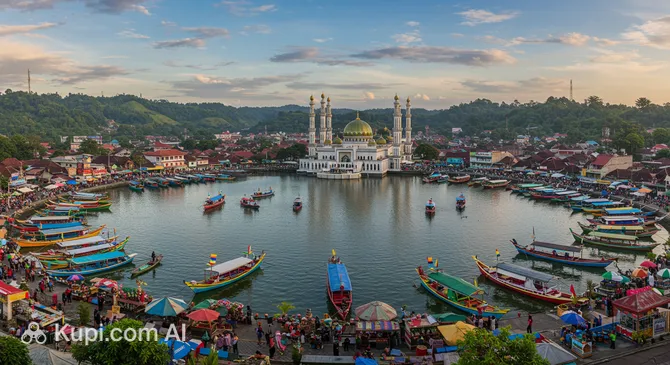
Palopo is a captivating destination located in the province of South Sulawesi. Nestled between lush mountains and the sparkling waters of the Bone Gulf, this city offers a scenic blend of natural beauty and cultural richness. As a key urban center in this part of Indonesia, it serves as a gateway to the highlands and a hub of local heritage.

With a population of approximately 180,000 residents, the city maintains a lively yet welcoming atmosphere. It holds significant historical importance as the former capital of the Luwu Kingdom, which is widely regarded as the cradle of Bugis culture. Visitors interested in the history of Palopo will find deep roots here, reflected in the city's enduring traditions and landmarks.

Palopo. Source: Kupi.Binoculars

Travelers are often drawn to the Old Jami Mosque, a remarkable structure built in the early 17th century using coral blocks and egg whites, showcasing unique architectural ingenuity. Another highlight is the Luwu Palace complex, where one can learn more about the region's royal past. For nature lovers, the refreshing Latuppa Waterfall offers a cool retreat surrounded by tropical greenery, perfect for a relaxing afternoon.

Whether you are exploring ancient architectural marvels or enjoying the serene natural landscapes, Palopo provides a memorable experience for every traveler. It is a wonderful stop for those seeking to uncover the authentic charm and diverse heritage of Sulawesi.

Weather Overview

Palopo experiences a consistent tropical climate characterized by warm temperatures and high humidity throughout the year. Visitors can expect steady warmth, with average temperatures hovering comfortably between 23°C and 25°C. The days are generally pleasant, with maximum highs reaching around 28°C in October and November, while nights remain mild with minimum temperatures rarely dropping below 20°C.

Precipitation is a constant companion in this region, and travelers should be prepared for frequent rain. Months like January, March, and December are particularly wet, often recording rain on nearly every day of the month. The period from August to September is relatively drier, though you can still expect about 17 to 20 wet days during this time. To pack appropriately for your trip, it is advisable to consult the detailed forecast for the weather in Palopo before your departure.

Interesting Facts

Beyond the scenic landscapes and historical sites, Palopo holds several intriguing details that add depth to its character. From ancient literary connections to unique culinary traditions, the city offers more than meets the eye.

  • The Cradle of a Massive Epic: Palopo is historically the heart of the Luwu Kingdom, which is central to the I La Galigo. This ancient Bugis creation myth is recognized by UNESCO as a Memory of the World and is one of the longest literary works in existence, reportedly containing more verses than the Mahabharata.

  • A Sweet Etymology: Local lore suggests that the name "Palopo" might be derived from a traditional sticky treat made of glutinous rice and palm sugar. This etymology is often metaphorically linked to the city's history, referencing the "binding" nature of the mixture used in the construction of its most famous mosque.

  • A Distinct Sago Tradition: While rice is the primary staple in many parts of the archipelago, Palopo is famous for Kapurung. This unique dish consists of sago flour balls served in a savory, sour, and spicy fish soup with vegetables, offering a culinary experience distinct from the rest of South Sulawesi.

  • The "Idaman" City: Locals frequently refer to their home as "Kota Idaman." While the word means "ideal" or "dream" in the national language, it serves here as an acronym for Indah, Damai, Aman (Beautiful, Peaceful, Safe), perfectly encapsulating the city's motto and atmosphere.

How to Get There

Planning a trip to South Sulawesi requires considering the best entry points, as the region's geography often involves travel through scenic landscapes. For a detailed overview of travel options, you can read more about how to get to Palopo. Most visitors arrive via major airports in neighboring cities and complete the journey by road, enjoying the views along the way.

The city of Palopo does not have its own major airport listed in this guide, but it is well-connected to Sultan Hasanuddin International Airport (UPG) in the city of Makassar. Located approximately 240.5 km from Palopo, this is the primary hub for the province and handles a large volume of passenger traffic. From Makassar, travelers typically continue their trip via an overland route. This drive offers an opportunity to witness the diverse landscapes of South Sulawesi before reaching the city, making the transfer an integral part of the adventure.

Alternatively, you can consider arriving at Tampa Padang Airport (MJU) in Mamuju. Although it is a smaller regional facility, it is geographically closer, situated about 137.9 km from Palopo. Reaching the city from here involves traversing the region's distinct terrain. Another option is Mutiara Airport (PLW) in Palu, which is approximately 232.6 km away and accessible via a road trip connecting the provinces.

For clarity, here is a summary of the main airports:

Airport Name City Passenger Traffic Km from City
Sultan Hasanuddin International Airport Makassar Large 240.5
Mutiara Airport Palu Medium 232.6
Kolaka (Sangia Nibandera) Pomala Small 209.1
Morowali Kolonodale Small 184.9
Tampa Padang Airport Mamuju Small 137.9

Main Attractions

Palopo offers a delightful mix of cultural heritage and natural splendor, making it a unique stop for travelers exploring South Sulawesi. From remnants of the great Luwu Kingdom to refreshing highland retreats, the city's attractions provide a deep dive into local history and the serene tropical environment.

Istana Datu Luwu (Luwu Palace) is a must-visit for history enthusiasts. Located in the city center, this complex serves as a testament to the region's royal past as the cradle of Bugis culture. The palace features traditional architecture and houses a museum displaying royal regalia, ancient weaponry, and historical manuscripts. It is an excellent place to understand the profound influence of the Luwu Kingdom on the cultural identity of Sulawesi.

Just a short walk from the palace stands the Old Jami Mosque (Masjid Jami Tua Palopo), an architectural marvel dating back to the early 17th century. It is renowned for its unique construction, which reportedly utilized a mixture of egg whites and coral stone to bind the walls. The mosque's design is a fascinating fusion of Islamic, Hindu, and local Javanese influences, characterized by its three-tiered roof and massive pillars, making it one of the most significant religious landmarks in the archipelago.

For those seeking a nature escape, Latuppa Waterfall offers a cool and refreshing retreat. Situated a few kilometers from the city center, this area is surrounded by lush cocoa and durian plantations. The attraction consists of a river with clear, cold water cascading over rocks, creating natural pools perfect for swimming. It is a favorite spot for locals to relax and enjoy a picnic in the fresh mountain air.

Another scenic highlight is Kambo Highland, located in the hills overlooking the city. This area is emerging as a popular agrotourism destination, offering panoramic views of Palopo and the distant blue waters of the Bone Gulf. Visitors can enjoy the cool climate, explore local villas with unique architecture, and capture stunning photographs of the landscape, especially during sunset.

Local Cuisine

The culinary landscape of Palopo offers a distinct journey into the flavors of the Luwu region, setting it apart from the rest of South Sulawesi. While the cuisine shares the boldness and spice typical of Indonesia, it relies heavily on sago and fresh seafood, reflecting the area's coastal geography and agricultural traditions. Travelers here can expect meals that balance savory, sour, and spicy notes, often prepared with fresh ingredients sourced directly from the nearby gulf and fertile highlands.

The undisputed star of the local table is Kapurung. Unlike the rice-centric meals found elsewhere, this dish centers on balls of translucent sago starch. These chewy morsels are served in a rich, savory soup filled with an abundance of vegetables such as spinach, long beans, and corn, along with shredded fish, chicken, or shrimp. The broth is typically seasoned with a souring agent like tamarind or local fruits and is best enjoyed with a side of fiery sambal, creating a hearty and refreshing meal that is beloved by locals.

For seafood enthusiasts, Pacco' provides a unique gastronomic experience often compared to ceviche. This delicacy consists of raw, fresh fish fillets "cooked" in a marinade of vinegar or lime juice, mixed with chili, salt, and sometimes crushed peanuts. The acidity cures the fish, resulting in a tender texture and a burst of zesty flavor. Another favorite is Parede, a fish soup cooked with patikala (torch ginger fruit), which imparts a signature sour aroma and taste that perfectly complements the sweetness of the fresh catch.

To accompany these main courses or as a snack with coffee, visitors should try Dange. This traditional cake is made from sago flour mixed with grated coconut and palm sugar, then roasted in a clay mold over an open fire. It has a crisp exterior and a chewy, sweet interior. Additionally, the region is famous for its tropical fruits, particularly the durians and langsats harvested from the Latuppa and Kambo highlands, which offer a sweet conclusion to any culinary exploration in Palopo.

Travel Tips

Visiting Palopo offers a chance to experience the authentic warmth of South Sulawesi, but a little preparation goes a long way in ensuring a smooth journey. To help you navigate the local customs and tropical environment with ease, here are some essential practical tips for your trip.

  1. Pack for Warmth and Rain. Given the tropical climate, lightweight and breathable fabrics like cotton or linen are best for daily wear. Since rain can occur unexpectedly even during drier months, always carry a sturdy umbrella or a lightweight raincoat. If you plan to visit religious sites like the Old Jami Mosque, remember to dress modestly; covering your shoulders and knees is required for both men and women.
  2. Getting Around the City. Public transportation in Palopo mainly consists of petepete (local minibuses) which follow specific routes and are very affordable. For a more direct and faster option, ojek (motorcycle taxis) are widely available at street corners. Ride-hailing apps like Grab or Gojek operate in the city, offering both car and bike rides, which can be more convenient for travelers unfamiliar with local routes.
  3. Cash is King. The official currency is the Indonesian Rupiah (IDR). While some hotels and larger supermarkets accept credit cards, cash is essential for paying for local transport, street food, and souvenirs. ATMs are readily available in the city center, but it is wise to withdraw enough money before heading to more remote attractions like the Latuppa Waterfall.
  4. Stay Connected. English is not widely spoken outside of major hotels and tourist offices, so having a translation app is highly recommended. For mobile data, purchasing a local SIM card is the most reliable option; Telkomsel generally offers the strongest coverage in South Sulawesi, including the highland areas surrounding Palopo.
  5. Health and Hygiene. Tap water is not safe for drinking; always stick to sealed bottled water or filtered water. Pharmacies, known as Apotek, are easy to find in the city center for basic medical supplies. As Palopo is a tropical destination, carrying mosquito repellent is crucial, especially if you plan to enjoy outdoor dining or evening walks.
  6. Local Etiquette Matters. The people of Palopo are known for their friendliness. A smile is the universal greeting, but learning the local gesture of "Tabe" (bowing slightly while lowering one hand) when passing in front of older people is deeply appreciated. Always use your right hand for eating, giving, or receiving items, as the left hand is considered impolite.
  7. What to Avoid. Avoid public displays of affection, as the local culture is conservative. Additionally, do not enter homes or places of worship with your shoes on; always look for a pile of shoes at the entrance as a cue to remove yours.
  8. Culinary Timing. If you want to try the famous Kapurung or fresh seafood, aim to visit local eateries (warungs) during standard lunch (12:00 PM – 2:00 PM) or dinner hours. Many authentic spots may run out of their daily specialties if you arrive too late in the afternoon.

By keeping these simple tips in mind, you will be well-equipped to embrace the laid-back rhythm and rich culture of Palopo. Enjoy your adventure in this charming coastal city!

Entertainment & Nightlife

Entertainment in Palopo differs significantly from the bustling nightlife of major metropolises. Instead of loud nightclubs and wild parties, the evening scene here is defined by a relaxed and social atmosphere known locally as "nongkrong." The city comes alive after sunset with a vibrant coffee culture, where locals gather to chat, enjoy live acoustic music, and savor the cool breeze drifting in from the Bone Gulf.

The heart of this social activity is often found along the main thoroughfares and the coastal districts. Jalan Andi Djemma and the surrounding streets in the city center are lined with modern cafes and traditional "Warkop" (coffee shops). These venues are the primary spots for evening entertainment, offering everything from single-origin Sulawesi coffee to modern mocktails. For a different vibe, the Tanjung Ringgit area near the port offers a lively street food scene where you can enjoy local snacks while watching the ships and the reflection of city lights on the water.

For a memorable night out, Labombo Beach is a standout destination. Located along the coast, this venue transforms into a lively hangout spot in the evenings, especially on weekends when live bands often perform on the stage. It offers a unique mix of a beach club atmosphere with a family-friendly environment. Another excellent option is to head up to the hills to visit Kambo Highland. While beautiful by day, at night it offers a breathtaking panoramic view of Palopo’s glittering city lights against the dark expanse of the ocean, making it a perfect spot for a quiet dinner or a romantic evening.

Travelers looking for a modern cafe experience should check out Hill & Tiff Cafe or Solata Cafe. These venues are popular among the local youth and offer a comfortable setting with air conditioning, good Wi-Fi, and a variety of snacks. They typically stay open late, often until midnight, providing a safe and cozy environment to unwind after a day of exploration.

Practical advice for enjoying Palopo at night includes dressing casually but modestly, as the local culture is conservative. The best time to head out is around 8:00 PM when the air cools down. Prices are generally very affordable, with a cup of premium coffee costing between 15,000 to 25,000 IDR. For transportation, ride-hailing apps like Gojek or Grab are the safest and most convenient way to get around, though traditional ojeks (motorcycle taxis) are also widely available.

Palopo is generally safe for night walks, particularly in the busy city center and well-lit coastal areas. However, it is always wise to remain aware of your surroundings and avoid unlit, quiet alleys. If you are looking for daytime entertainment before your evening out, the city offers the Platinum Cineplex at Palopo City Market for the latest movies, or you can explore the cultural exhibits at the Istana Datu Luwu museum.

Parks & Museums

Exploring Palopo offers a journey through lush landscapes and deep-rooted heritage. The city’s layout, sandwiched between the mountains and the sea, provides a variety of green spaces, while its status as the historic capital of the Luwu Kingdom ensures that culture enthusiasts have significant sites to discover.

Pancasila Field (Lapangan Pancasila) serves as the vibrant green heart of the city. Located centrally near the government complex, this open square is more than just a park; it is the primary communal hub where locals gather for exercise, events, and relaxation. Surrounded by trees and offering a clear view of the city’s grand mosque, it is an excellent spot for travelers to observe local life, especially in the late afternoon when families enjoy the cooling breeze and street food vendors set up nearby.

For a more immersive nature experience, the Latuppa Nature Tourism Area is the city's premier ecological escape. While often celebrated for its waterfall, the surrounding parkland is equally inviting, featuring dense tropical vegetation and fruit orchards. It serves as a natural recreational park where visitors can walk along the riverbanks, enjoy the shade of durian and langsat trees, and breathe in the fresh highland air, making it a perfect refreshing break from the urban heat.

The cultural soul of the city is preserved within the Museum Batara Guru. Housed within the complex of the Istana Datu Luwu, this museum is the custodian of the region's royal history. It displays a fascinating collection of artifacts from the Luwu Kingdom, including ancient ceramics, traditional weaponry like the kris, and royal regalia. A visit here provides essential context to the Bugis heritage, explaining the kingdom's influence on the development of South Sulawesi.

In terms of historical architecture, the Old Jami Mosque remains the city's most iconic landmark. Beyond its spiritual significance, it stands as a monument to 17th-century craftsmanship. Visitors can admire the fusion of local Austronesian architectural styles with Islamic elements, noting the thick walls made from coral stone and egg whites—a testament to the ingenuity of the era that has allowed the structure to withstand the test of time.

For an authentic local experience, venture slightly out of the main city to Lereng Cinta. This hillside attraction is a quirky, colorful garden area designed for leisurely walks and photography. It offers a different perspective of Palopo’s topography, featuring playful photo spots and sweeping views of the coastline, making it a hidden gem for those looking to capture a unique side of the city.

Getting Around

Navigating Palopo is a relatively straightforward experience, as the city is compact and does not rely on complex heavy rail or subway systems. The public transport network is entirely road-based, informal, and deeply integrated into the daily life of the locals. For visitors, this offers a chance to travel authentically, though it requires a bit of adaptability compared to rigid western timetables.

The backbone of local transportation is the pete-pete, which is the local name for public minibuses found throughout South Sulawesi. These modified vans follow specific routes across the city and connect major residential areas with markets, the harbor, and the central business district. They are easily recognizable by their colors, often blue, and do not have designated stops in the strict sense; passengers simply wave from the roadside to hail one and ask the driver to stop anywhere along the route to disembark.

For shorter distances or trips into narrow residential lanes where minibuses do not venture, the becak (pedicab) remains a charming and practical option. These three-wheeled non-motorized vehicles are perfect for a leisurely pace and are often used by locals to carry goods from the market. Additionally, traditional motorcycle taxis, known as ojeks, are ubiquitous at street corners and offer a faster way to cut through traffic, though you will need to negotiate the fare with the driver before hopping on.

In terms of payment, cash is the absolute standard for all traditional forms of transport. There are no travel cards, magnetic passes, or tap-to-pay systems for the pete-pete or becak. Fares are generally very affordable, typically ranging from 5,000 to 10,000 IDR for a standard trip within the city limits. It is crucial to carry small denominations of the local currency, as drivers often do not have change for large bills. You simply pay the driver directly upon exiting the vehicle.

Modern alternatives have also established a strong presence in the city. Ride-hailing apps like Gojek and Grab are widely available and are often the most convenient choice for tourists. These apps allow you to book both car and motorcycle rides with a fixed price displayed upfront, eliminating the language barrier and the need to haggle. You can pay via the app using a linked credit card or digital wallet, or choose the cash option to pay the driver at the end of the ride.

Travelers should note that public transport operates primarily during daylight hours. The pete-pete fleets are most active from early morning until around 6:00 PM or 7:00 PM. After sunset, their frequency drops significantly, and relying on ride-hailing apps or arranging a private transfer becomes necessary. The main transit hub, Terminal Dangerakko, is a good reference point for finding transport links to surrounding districts or for catching intercity buses if you plan to explore the wider region.

Accommodation

Accommodation in Palopo caters primarily to transit travelers and visitors exploring the cultural roots of the Luwu region. The options generally range from budget-friendly guesthouses (known locally as wismas) to comfortable mid-range hotels. While the city does not feature ultra-luxury international resorts, it offers clean, functional, and welcoming places to stay that reflect the warm hospitality of South Sulawesi.

For those prioritizing convenience and accessibility, the City Center is the best area to base yourself. Staying near major thoroughfares like Jalan Andi Djemma places you within walking distance of key attractions such as the Old Jami Mosque and the Luwu Palace, as well as a variety of local eateries and coffee shops. This area is bustling and offers the easiest access to public transportation.

Travelers seeking a more scenic and tranquil experience should consider the Kambo Highland area. Located in the hills overlooking the city, this district is becoming popular for its villa-style accommodations and homestays. Staying here allows you to enjoy the cool mountain breeze and wake up to panoramic views of the city stretching out towards the Bone Gulf, though you will likely need a vehicle to commute back and forth to the town center.

Booking and Prices in Palopo are generally very affordable compared to Indonesia's major tourist hubs. Budget rooms can be found for very low rates, while standard hotel rooms are moderately priced. While larger hotels are listed on major online booking platforms, many smaller guesthouses still operate on a walk-in basis or via direct phone reservations. It is advisable to book in advance if you are visiting during major Islamic holidays or local cultural festivals, as the best rooms tend to sell out quickly.

Nearby Cities

For those looking to explore the surroundings, Palopo serves as an excellent base for day trips to several interesting nearby locations. The city's strategic position connects the coastal lowlands with the mountainous highlands, offering travelers easy access to some of Sulawesi's most iconic cultural and urban destinations.

Tana Toraja is undoubtedly the most compelling destination for a short visit from Palopo. Located in the highlands just west of the city, this region is world-renowned for its unique indigenous culture, particularly its elaborate funeral rites and traditional boat-shaped houses known as Tongkonan. Visitors can explore ancient cave grave sites, trek through misty coffee plantations, and witness a way of life that has been preserved for centuries. The journey itself offers breathtaking views of rugged mountains and lush valleys.

For a change of pace, the provincial capital of Makassar offers a bustling urban experience. Although it requires a longer journey, it is the primary gateway to the island and rich in colonial history. Travelers can visit the well-preserved Fort Rotterdam, stroll along the famous Losari Beach to catch a stunning sunset, and indulge in the city's legendary seafood scene. It serves as a stark contrast to the quiet charm of Palopo, providing a mix of modern amenities and historical depth.

City Population Distance (km)
Makassar 1,338,663 253
Tana Toraja 450,000 51
Palu 359,350 235
Kendari 331,013 280
Mamuju 278,764 112

These nearby destinations offer a glimpse into the diverse culture and landscapes of the region.

Shopping & Souvenirs

Shopping in Palopo offers a genuine glimpse into the daily life of South Sulawesi, blending the charm of traditional commerce with the convenience of modern retail. While the city is not a high-end fashion destination like Jakarta, it provides a delightful array of local goods, from fresh tropical produce to unique regional handicrafts. Visitors will find that the shopping experience here is less about luxury brands and more about discovering authentic local flavors and textiles.

For a modern shopping experience, Palopo City Market (PCM) is the primary destination. As the largest shopping center in the city, it serves as a one-stop hub for entertainment and retail. Here, you can find a well-stocked supermarket for daily necessities, department stores offering clothing and shoes, and a variety of dining options. It provides a comfortable, air-conditioned environment, making it a popular spot for locals to gather, especially on weekends.

To truly immerse yourself in the local culture, a visit to Pusat Niaga Palopo (PNP) is essential. This sprawling central market is the beating heart of the city's economy. It is a bustling maze of stalls selling everything from fresh seafood caught in the Bone Gulf to colorful spices and affordable clothing. The atmosphere is lively and sometimes chaotic, offering an authentic sensory experience where you can observe the vibrant trade of the Luwu region.

The main commercial activity extends outward from the market along Jalan Andi Djemma and its surrounding streets. This area functions as the city's downtown, lined with rows of shophouses (rukos). Travelers can stroll along these streets to find pharmacies, electronics shops, small boutiques, and local bakeries. It is also a good place to hunt for smaller convenience stores if you need quick supplies.

When it comes to souvenirs, Palopo has several distinct items worth bringing home. The region is famous for its sago production, so be sure to look for Bagea, a traditional crunchy cookie made from sago flour, often flavored with walnuts or spices. Given the city's proximity to durian orchards, processed durian snacks like Dampo Durian (durian cake) are also popular. For non-edible gifts, look for Tenun fabrics featuring traditional Luwu motifs, or bottles of Minyak Gosok, a herbal oil from Sulawesi renowned for its medicinal properties.

Most shops in Palopo operate daily. Traditional markets like PNP are busiest in the early morning, starting as early as 6:00 AM, and wind down by late afternoon. Modern stores and the Palopo City Market typically open from 10:00 AM to 10:00 PM. While the mall and larger convenience stores accept credit cards and digital payments, cash is king in traditional markets and smaller street-side shops. It is highly recommended to carry sufficient Indonesian Rupiah (IDR) in smaller denominations for easier transactions.

Regarding tax-free shopping, tourists should be aware that Palopo is not a designated zone for VAT refunds. The tax refund scheme in Indonesia is generally limited to specific registered retailers in major international gateways like Bali and Jakarta. Therefore, visitors should not expect to claim tax refunds on purchases made within the city.
Reached the end of the page?

That means the route is fully explored