Support

Ampana

About

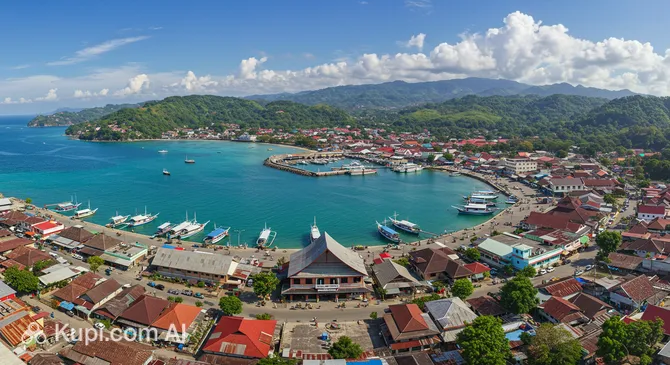
Ampana is a lively coastal town located in the province of Central Sulawesi, Indonesia. Often recognized primarily as a transit point, this settlement has grown into a welcoming destination in its own right, offering a glimpse into the daily life of the region. With a population of approximately 40,000 residents, it balances the bustle of a port town with the relaxed pace of a tropical community.

Ampana. Source: Kupi.Binoculars

Geographically, the town sits along the beautiful Tomini Bay, providing stunning ocean views and a warm, tropical climate year-round. While the history of Ampana is deeply connected to maritime trade and local governance, today it is most famous among travelers as the primary gateway to the enchanting Togean Islands. Ferries and boats depart regularly from here, making it an essential stop for divers and island hoppers.

Beyond its role as a transport hub, the area boasts unique natural attractions nearby. One of the most intriguing sites is the Tanjung Api Nature Reserve, located just a short distance away. Here, visitors can witness the phenomenon of natural gas seeping from the ground, allowing flames to burn continuously on the beach. Whether you are waiting for a boat connection or exploring the mainland, Ampana offers a friendly atmosphere and a convenient base for your adventures.

Weather Overview

Ampana experiences a consistent tropical climate, characterized by steady warmth and frequent moisture throughout the year. Regardless of when you visit, the weather in Ampana remains remarkably stable, making it a destination where summer gear is appropriate in any season.

Temperatures show very little variation, with monthly averages hovering consistently around 25°C to 26°C. Daytime highs typically reach approximately 27°C, while nighttime lows stay mild, rarely dropping below 23°C. This creates a warm and humid environment that is ideal for beach activities, though the humidity is a constant factor.

Rainfall is a significant part of the local climate pattern. The region records a high number of wet days, ranging from 25 to 31 days per month, suggesting that brief showers are a near-daily occurrence. While the frequency is high, the precipitation volume is relatively spread out, peaking slightly in June with 18mm. Travelers should expect warm days with occasional rain and are advised to keep rain gear handy regardless of the month.

Interesting Facts

Beyond the main attractions and its role as a busy transit hub, Ampana holds several fascinating secrets that offer a deeper understanding of the region. Here are some unique facts about this coastal town:

  • Nature's Open-Air Kitchen: While the Tanjung Api Nature Reserve is famous for its eternal flames, few know that locals and adventurous travelers often turn this geological phenomenon into a picnic activity. It is a popular tradition to bring raw eggs or bananas to the beach and cook them directly over the natural gas fires seeping through the sand.

  • The Calmest Waters: Ampana is situated on the shores of Tomini Bay, which is widely considered one of the calmest deep-water bays in Indonesia. Because the bay is geographically sheltered by the northern and southern peninsulas of Sulawesi, the waters here remain remarkably placid year-round, earning it a reputation among sailors as a "sleeping sea."

  • A Capital of Coconuts: Before tourism began to flourish, the town's economy was almost entirely driven by the copra (dried coconut kernel) trade. Even today, as you explore the outskirts, you will likely encounter vast rows of coconut palms and the distinct aroma of coconuts drying in the sun, serving as a reminder of the industry that built the town.

How to Get There

Reaching this coastal town in Central Sulawesi is an adventure that often involves connecting through major regional hubs. While the journey can be long, the scenic routes make it worthwhile. For a comprehensive guide on all available transport modes, you can read more about how to get to Ampana. Most travelers choose a combination of flights and overland transport to reach this gateway to the Togean Islands.

The most convenient entry point is the local Tojo Una Una (Tanjung Api) airport (IATA: OJU), located directly in Ampana. It is situated just 4.3 km from the town center, making the transfer very quick—typically around 15 to 20 minutes by taxi or local transport. However, as a small facility with annual passenger traffic of around 25,000 people, flight schedules may be limited compared to larger cities, often requiring connections from Makassar or Palu.

If direct flights are unavailable or fully booked, a common alternative is to fly into Mutiara Airport (IATA: PLW) in the city of Palu. This is a much larger hub serving over 700,000 passengers annually. From Palu, travelers must embark on a long overland journey. Although the straight-line distance is about 186 km, the winding mountainous roads mean the drive typically takes between 9 and 10 hours. Another option is Bubung Airport (IATA: LUW) in Luwuk, located roughly 133 km away (geodesic distance). The drive from Luwuk is shorter but still significant, usually taking around 5 to 6 hours through coastal and hilly terrain.

For clarity, here is a summary of the main airports in the region:

Airport Name City Passenger Traffic Km from City (Direct)
Mutiara Airport Palu Large 186.7
Tolotio Airport Gorontalo Medium 217.9
Morowali Kolonodale Medium 147.9
Bubung Airport Luwuk Small 133.4
Tojo Una Una (Tanjung Api) Ampana Small 4.3

There are no railway services currently operating in this part of Sulawesi. Travelers who do not fly directly usually rely on the network of intercity buses and shared cars (known locally as "travel") that connect Ampana with major cities like Palu and Luwuk. The roads wind through lush landscapes and coastal areas, offering beautiful views that compensate for the travel time.

Main Attractions

While Ampana is widely known as the primary jumping-off point for island adventures, the town and its immediate surroundings offer several captivating spots worth exploring. From natural geological wonders to refreshing springs, here are the main attractions to visit during your stay.

Tanjung Api Nature Reserve is undoubtedly the most unique attraction in the area, located just a short boat ride or a trek from the town center. The name "Tanjung Api" translates to "Fire Cape," referring to the natural gas that seeps from the ground along the shoreline. Visitors can witness the fascinating phenomenon of eternal flames burning directly on the beach; you can even dig a small hole in the sand and light it with a match. It is a popular spot for locals to have picnics, often cooking food over these natural fires. Apart from the flames, the reserve offers excellent snorkeling opportunities with vibrant coral reefs just offshore.

For a refreshing escape from the tropical heat, Permandian Malotong (Malotong Nature Bath) is a local favorite. Situated a few kilometers from the town center, this natural bathing spot features crystal-clear, cool water that flows from a mountain spring. The water often has a striking blue tint and is surrounded by lush greenery, creating a serene atmosphere. It is a perfect place to swim, relax, and mingle with friendly residents who come here to unwind on weekends.

The Ampana Waterfront and Marina Beach area serve as the social heart of the town, especially in the late afternoon. As the sun begins to set over Tomini Bay, the sky turns into a canvas of oranges and purples, offering one of the best sunset views in Sulawesi. The waterfront comes alive with food stalls and small cafes where travelers can enjoy fresh coconuts or local snacks while watching the boats drift by. It is an ideal spot to soak in the laid-back coastal vibe before heading out to the islands.

Finally, no mention of Ampana's attractions is complete without highlighting its role as the Gateway to the Togean Islands. While technically an archipelago located across the bay, the Togeans are the primary reason travelers visit this city. Ampana is the logistics hub where you can arrange ferries, speedboats, and diving gear for your trip to this world-class marine park. The anticipation of visiting these pristine islands, known for their incredible biodiversity and the unique "stingless jellyfish" lake, adds a palpable excitement to the town's atmosphere.

Local Cuisine

The culinary scene in Ampana is a delightful reflection of its coastal location and the rich cultural heritage of Central Sulawesi. As a port town, the local diet is heavily centered around fresh seafood, often prepared with bold spices and distinct regional flavors. Travelers here can expect a gastronomic experience that is simple yet incredibly flavorful, characterized by the use of fresh fish, sago, and the fiery kick of local chilies.

One of the most authentic dishes to try in this region is Onyop. Similar to the famous Papeda found in eastern Indonesia, Onyop is a translucent, glue-like porridge made from sago flour. It is traditionally served with a savory and sour fish soup known as Kuah Asam. The fish is cooked with turmeric, lemon basil, and tomatoes, creating a refreshing broth that perfectly balances the neutral taste of the sago. It is a staple comfort food for the locals and a must-try for anyone wanting to taste the true flavor of Tojo Una-Una.

For those who enjoy spicy food, Duo Saleh is an essential accompaniment to any meal. This is a traditional sambal (chili paste) made from dried anchovies or small fish that are fried with onions, tomatoes, and plenty of chili. It offers a unique combination of crunchy texture and intense savory-spicy flavor. It is typically eaten with warm white rice or grilled fish (Ikan Bakar), which is abundant and freshly caught daily from Tomini Bay.

When it comes to snacks, look out for Lalampa, a favorite throughout Sulawesi. These are rolls of sticky rice filled with seasoned shredded fish, wrapped in banana leaves, and grilled over charcoal. The grilling process infuses the rice with a smoky aroma, making it a perfect portable snack for travelers waiting for their ferry connections. Another sweet treat is Tetewuga, a traditional cake made from brown sugar and flour, often enjoyed with afternoon tea.

The beverage culture in Ampana is relaxed and tropical. Given the town's history with the copra trade, Es Kelapa Muda (young coconut ice) is widely available and incredibly refreshing in the humid climate. You will find it sold at almost every street corner and beach stall. For a warm pick-me-up, try the local Sulawesi coffee, often served strong and sweet in small warungs (food stalls), providing a caffeine kick to start your day of exploration.

Dining in Ampana is less about fancy restaurants and more about the atmosphere of community eating. The best place to experience the local food culture is along the waterfront area and the night markets that spring up after sunset. Here, rows of pushcarts and open-air stalls serve freshly grilled seafood and local specialties under the stars. The vibe is casual and friendly, allowing tourists to mingle with residents while enjoying an affordable and authentic feast by the sea.

Travel Tips

Visiting Ampana requires a bit of preparation, especially since it often serves as the final logistics hub for travelers heading into the remote Togean Islands. To help you navigate this friendly port town and ensure a smooth journey in Central Sulawesi, here is a set of essential practical tips.

  1. Clothing and Gear: Given the tropical climate, pack lightweight and breathable fabrics like cotton or linen to stay cool. Ampana is located in a somewhat conservative region of Indonesia, so it is respectful to dress modestly when exploring the town; avoid walking around in swimwear and aim to keep shoulders and knees covered. Comfortable sandals or slip-on shoes are ideal, as you will often need to remove them when entering homes or certain shops.

  2. Transportation: There is no metro or large bus system within the town. The most common way to get around is by bentor (a motorized pedicab) or ojek (motorcycle taxi). Ride-hailing apps like Grab or Gojek are generally unavailable or unreliable here, so you will need to flag down drivers on the street. Always agree on the fare before starting your journey, as vehicles rarely use meters.

  3. Finances: The local currency is the Indonesian Rupiah (IDR), and cash is king. While there are several ATMs in Ampana (such as BNI, BRI, and Mandiri), they can occasionally run out of bills or reject foreign cards. It is crucial to withdraw enough cash here to cover your entire stay in the Togean Islands, where ATMs are non-existent. Credit cards are rarely accepted outside of major hotels.

  4. Health and Safety: Pharmacies, known locally as Apotek, are available in the town center but are typically not open 24/7. For emergencies, there is a local hospital (RSUD Ampana). As this is a tropical area, mosquito-borne illnesses can be a concern, so bring and use a high-quality insect repellent. The town is generally very safe for tourists, but standard precautions with valuables apply.

  5. Communication: The main language is Bahasa Indonesia. English is spoken by staff at dive centers and hotels catering to foreigners, but it is less widespread among the general population. It is highly recommended to buy a Telkomsel SIM card in Ampana, as this provider offers the most reliable coverage in the region and is often the only one that works on the nearby islands.

  6. Local Etiquette: Politeness is highly valued. Always use your right hand for eating, giving, or receiving items, as the left hand is considered unclean. When greeting locals, a smile and a nod go a long way. If you are invited into a local's home, remember to take off your footwear at the door.

  7. What to Avoid: Do not drink tap water; always stick to sealed bottled water or boiled water to avoid stomach issues. Additionally, avoid public displays of affection, which are frowned upon in local culture and can make residents uncomfortable.

  8. Stock Up on Supplies: Treat Ampana as your supply base. If you are heading to the islands, buy all your essential toiletries, snacks, batteries, and medications here. Shops in the archipelago are limited and significantly more expensive, so a visit to the local market in Ampana can save you both money and hassle.

By keeping these practicalities in mind, you can focus on enjoying the warm hospitality and stunning natural beauty of the region. Whether you are passing through or staying a few days, Ampana offers a welcoming start to your Sulawesi adventure.

Entertainment & Nightlife

Nightlife in Ampana is a world away from the thumping bass of big city clubs or the neon lights of major tourist hubs. Instead, the evening scene here is defined by a relaxed, small-town charm where the main entertainment revolves around socializing, dining under the stars, and enjoying the cool sea breeze. For travelers, the "nightlife" is less about partying and more about unwinding after a long journey or sharing stories with fellow divers before heading out to the Togean Islands.

The heart of the town's evening activity is undoubtedly the Ampana Waterfront, specifically the area known locally as Marina Beach. As the sun sets, this promenade transforms into a bustling social hub. Rows of food carts and small warungs (stalls) set up along the water's edge, offering plastic tables and chairs where locals gather to chat. The atmosphere is incredibly friendly and casual; you will see families, groups of teenagers, and travelers mixing together. It is the perfect place to grab a fresh young coconut or a plate of grilled corn while watching the fishing boats bob in the harbor.

For those seeking a place to sit down with a proper meal and perhaps meet other international travelers, the restaurant at Marina Cottages is a staple institution. It serves as an unofficial meeting point for backpackers transiting through the region. While Ampana is predominantly Muslim and alcohol is not sold in most convenience stores or local eateries, establishments catering to tourists like this one are often the best bet for finding a cold beer to accompany your dinner. The vibe here is laid-back and acoustic, often filled with the chatter of tourists exchanging travel tips.

Another popular form of local entertainment is Karaoke. Like many towns in Sulawesi, Ampana has a few family karaoke venues where locals go to sing their hearts out. These places are usually safe, air-conditioned, and provide a fun, authentic insight into how residents spend their leisure time. If you hear music drifting onto the street late at night, it is likely coming from one of these spots or a private celebration, as the town is otherwise quite quiet after 10:00 PM.

When planning your evening, keep in mind that Ampana goes to sleep early. The best time to head out is around 5:30 PM to catch the sunset, with most activity winding down by 9:00 PM or 10:00 PM. Prices are very affordable, with local snacks costing just a few thousand Rupiah. In terms of safety, the town is generally very secure for night walks, especially along the well-lit main roads and waterfront. However, street lighting can be sparse in back alleys, so it is wise to stick to the busier areas.

Getting around at night requires a bit of foresight. The motorized pedicabs (bentors) that swarm the streets during the day become scarce as the night progresses. If you plan to stay out late at a restaurant or the waterfront, be prepared to walk back to your accommodation or arrange a ride in advance. Fortunately, the town center is compact, and most key locations are within walking distance of each other.

While the nights are quiet, the daytime entertainment in Ampana is focused on nature and exploration. Before the sun goes down, visitors typically spend their time exploring the local markets, taking trips to the nearby Tanjung Api to see the natural fire phenomenon, or simply relaxing by the harbor. There are no cinemas or large amusement parks here; the entertainment is purely about connecting with the environment and the local culture.
Parks & Museums

Ampana is primarily a destination defined by its stunning natural surroundings rather than indoor exhibitions. While the town does not boast large national museums or art galleries, its "green spaces" are spectacular, ranging from geological wonders to refreshing natural springs. The cultural heritage of the region is best experienced not through glass display cases, but by immersing yourself in the living history of its streets, markets, and religious landmarks.

Tanjung Api Nature Reserve (Taman Wisata Tanjung Api) is the most significant natural area in the region and serves as a unique geological park. Located on a cape just a few kilometers from the town center, this reserve is famous for its natural gas seeps that keep eternal flames burning along the shoreline. It is a fascinating open-air site where visitors can witness fire emerging directly from the sand. The surrounding forest is also home to endemic wildlife, making it a perfect spot for a nature walk that combines curiosity with the beauty of the Sulawesi coast.

For a refreshing escape, Permandian Malotong acts as a beloved recreational park for the local community. This natural bathing area features crystal-clear spring water that flows from the mountains, gathering in cool, blue-tinted pools surrounded by lush tropical vegetation. It is a favorite weekend spot for families and offers tourists a chance to relax in a serene, green environment while observing the local leisure culture. The area is well-maintained and provides a peaceful contrast to the salty air of the harbor.

Since Ampana does not have dedicated museums, the Traditional Market (Pasar Ampana) serves as the town's most vibrant "living gallery." Here, the culture of Central Sulawesi is on full display. Wandering through the stalls, visitors can see the trade of local commodities like copra, cloves, and fresh seafood that has driven the town’s economy for decades. It offers an authentic glimpse into the daily lives of the residents and the region's agricultural history, far more vivid than any static exhibit.

Architecturally, the Masjid Jami At'taqwa stands as a key cultural landmark. As one of the prominent mosques in the area, its structure reflects the strong Islamic heritage of the coastal population. While it is a place of worship rather than a museum, its presence dominates the skyline and serves as a focal point for the community. Visitors can admire the exterior architecture, which often blends traditional Indonesian mosque designs with modern influences, symbolizing the town's spiritual grounding.

For a lesser-known experience, head to the Ampana Waterfront in the late afternoon. This area functions as the town's public square and social park. It is where the history of Ampana as a maritime hub comes alive. You can watch traditional wooden boats dock against the backdrop of the setting sun, offering a quiet moment to appreciate the enduring relationship between the people of Tojo Una-Una and the sea.

Getting Around

The public transport system in Ampana is quite different from what you might find in large metropolises. As a small coastal town, it does not have a metro, tram network, or a municipal bus service. Instead, the local transportation landscape is informal, colorful, and dominated by smaller, versatile vehicles that navigate the narrow streets with ease. For tourists, getting around is generally straightforward, provided you are comfortable with a bit of negotiation and open-air travel.

The most iconic and ubiquitous mode of transport here is the Bentor (short for becak motor). These are motorized pedicabs consisting of a motorcycle attached to a covered seating cabin in the front. They serve as the town's primary taxi service, capable of carrying one or two passengers and their luggage. You will find them waiting at the harbor, the market, and near major hotels. Another common option is the Ojek, a motorcycle taxi where you ride as a passenger behind the driver. Ojeks are faster and ideal for solo travelers without heavy bags.

Payment in Ampana is strictly cash-based. There are no travel cards, electronic passes, or mobile payment systems for local transport. You must pay the driver directly in Indonesian Rupiah (IDR) upon reaching your destination. Prices are generally very affordable but are not fixed by a meter. A short trip within the town center typically costs between 5,000 and 10,000 IDR, while a ride to the airport or further outskirts might cost slightly more. It is essential to carry small bills, as drivers often do not have change for large denominations.

Practical advice for using these services revolves around clear communication. Since there are no meters, you must agree on the price before you get into the vehicle to avoid misunderstandings later. If you do not speak the local language, using a calculator app on your phone to show the price is a helpful tactic. While bentors operate throughout the day, they become scarce late at night, so if you have an early morning ferry or a late dinner, it is wise to arrange a pick-up with a driver beforehand.

For those who prefer more independence, renting a scooter is a popular alternative. Many guesthouses and hotels offer daily motorbike rentals, allowing you to explore the coastline and nearby nature spots at your own pace. Standard car taxis are virtually non-existent in the town itself. Ride-hailing apps, which are popular in larger Indonesian cities, are generally unavailable or unreliable in Ampana, so you should not rely on them for immediate transport.

While not "public transport" in the urban sense, the shared car service known as "Travel" is the standard way to leave the city for other regions like Palu or Luwuk. These operate on a seat-by-seat basis and pick passengers up directly from their accommodation. Additionally, since Ampana is a port town, the public ferries and speedboats at the harbor are an integral part of the transit system, serving as the daily "bus" service for locals commuting to and from the Togean Islands.

Accommodation

Accommodation in Ampana is designed primarily to cater to travelers in transit, offering a range of practical and welcoming options rather than high-end luxury. The town does not have 5-star international hotel chains or sprawling resorts. Instead, visitors will find a good selection of budget-friendly homestays, guesthouses (known locally as losmen), and a few mid-range hotels that provide comfortable amenities like air conditioning and private bathrooms. The atmosphere in most places is laid-back and family-oriented, reflecting the friendly nature of the local community.

For most tourists, the most convenient area to stay is near the Waterfront and Harbor. This location is ideal for those catching early morning ferries or speedboats to the Togean Islands, as the docks are often just a short walk away. Staying here also puts you in the heart of the town's social scene, with easy access to night markets, food stalls, and sunset views over the bay. Alternatively, the Town Center along the main road offers quieter hotels that are closer to banks, pharmacies, and the traditional market, though you will need a short bentor ride to reach the port.

When it comes to amenities, travelers should manage their expectations. While mid-range hotels generally offer hot showers and reliable Wi-Fi, many budget guesthouses may only provide cold water showers—which are actually quite refreshing in the tropical heat—and internet connections that can be intermittent. Breakfast is frequently included in the room rate, usually consisting of simple toast, eggs, or traditional fried rice (Nasi Goreng).

Booking Tip: While some of the larger hotels in Ampana are listed on major online booking platforms, many smaller homestays and guesthouses still rely on direct bookings via phone or WhatsApp. If you are visiting during the peak season (July to August), it is highly recommended to book your room in advance, as the best spots fill up quickly with divers and backpackers.

Prices in Ampana are generally very affordable. Budget travelers can find basic rooms for a very low cost, while "luxury" in this context—meaning a spacious room with AC and a hot shower—is still reasonably priced compared to western standards. It is important to note that credit card machines are rare; most accommodations prefer or strictly require payment in cash (IDR), so ensure you have withdrawn enough money from an ATM before checking out.

Nearby Cities

For those looking to explore the surroundings, Ampana serves as an excellent base for day trips to several interesting nearby locations:
City Population Distance (km)
Tana Toraja 450,000 319
Palu 359,350 190
Mamuju 278,764 309
Gorontalo 191,897 226
Palopo 180,130 282

While the distances in Central Sulawesi often make "day trips" to major cities challenging due to the mountainous terrain, several key destinations are perfect for short visits or onward travel adventures. Palu, the provincial capital, is the most significant urban hub nearby. Situated in a long, narrow bay surrounded by mountain ridges, it offers a blend of coastal beauty and city amenities. Travelers often stop here to experience the local culture and visit landmarks like the floating mosque before or after their time in Ampana.

Another fascinating destination accessible from the region is Gorontalo. Although separated by the waters of Tomini Bay, it is frequently connected to Ampana via ferry. This city is renowned for its Dutch colonial architecture and the majestic Otanaha Fortress, which offers panoramic views of the lake and ocean. Nature lovers are particularly drawn to the nearby waters, which are famous for ethical whale shark sightings, making it a memorable addition to any Sulawesi itinerary.

For those willing to venture further south for a truly unique cultural experience, Tana Toraja is a world-famous highland region. Known for its elaborate funeral rites, ancient cave graves, and distinctive traditional houses called Tongkonan, it offers a stark and captivating contrast to the coastal atmosphere of Ampana. The cool mountain climate and misty landscapes provide a refreshing change of pace for travelers exploring the diverse geography of the island.

These nearby destinations offer a glimpse into the diverse culture and landscapes of the region.

Shopping & Souvenirs

Shopping in Ampana is a low-key and authentic experience, reflecting its status as a small coastal town rather than a commercial metropolis. Travelers should not expect sprawling shopping malls, luxury boutiques, or international fashion brands here. Instead, the retail scene is practical and community-focused, centered around traditional markets and small family-run stores. For tourists, the town serves primarily as a crucial supply base where they can stock up on essentials, snacks, and toiletries before heading out to the remote Togean Islands, where shops are scarce and prices are significantly higher.

The main commercial activity is concentrated along the central thoroughfares, particularly the streets leading toward the harbor and the area around the central market. Here, you will find rows of "Ruko" (shophouses) selling everything from electronics and phone credit to beachwear and flip-flops. These streets are bustling during the day, with goods often displayed on the sidewalks. It is the best place to find simple clothing, sunglasses, or dry bags that might be useful for your upcoming island adventures.

It is important to note that there are no modern shopping malls or department stores in Ampana. The closest experience to a modern retail environment are the convenience stores, such as Indomaret or Alfamart, which have begun to appear in the town. These are air-conditioned and offer fixed prices for drinks, snacks, and basic personal care items, providing a touch of familiarity for international travelers.

The heart and soul of the local shopping scene is undoubtedly the Pasar Ampana (Ampana Central Market). This traditional market is a vibrant sensory experience where the local culture is on full display. Early in the morning, it is packed with vendors selling fresh produce, spices from the hills of Sulawesi, and the catch of the day from Tomini Bay. For a visitor, wandering through the market offers a chance to see unique local fruits, buy affordable sarongs, or simply observe the daily trade of the Tojo Una-Una region.

When it comes to souvenirs, options are somewhat limited compared to major tourist hubs like Bali. However, you can find meaningful mementos if you look closely. The most popular items are typically Togean-themed T-shirts and handicrafts sold in small shops near the waterfront or at dive centers. Food souvenirs are also a great choice; look for bags of locally grown coffee or traditional snacks like savory crackers and palm sugar treats, which make for delicious gifts to bring back home.

Most shops in Ampana open around 8:00 AM or 9:00 AM and close by 9:00 PM, though the traditional market is busiest just after sunrise and winds down by midday. Cash is the only way to pay in 99% of establishments. Credit cards are virtually useless for shopping here, and while there are ATMs in town, small vendors and market stall owners will not have card machines. Always carry small denominations of Indonesian Rupiah (IDR), as change for large bills can sometimes be hard to find.

Tax-free shopping and VAT refunds are not applicable in Ampana. The tax refund scheme in Indonesia is generally limited to specific registered retailers in major international airports and large cities like Jakarta or Bali. In Ampana, the price you see (or the price you negotiate in the market) is the final price you pay.

Reached the end of the page?

That means the route is fully explored