Support

Luwuk

About

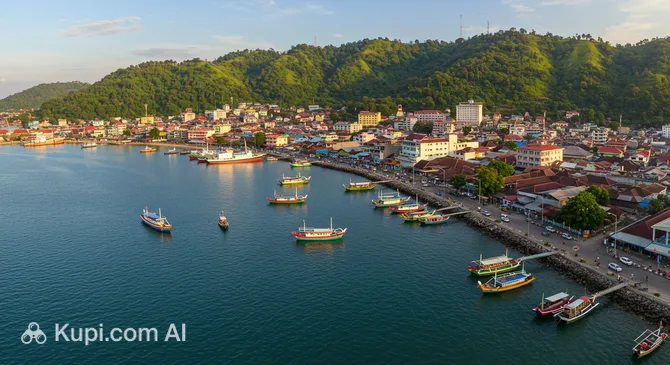
Luwuk is a captivating destination located in the province of Central Sulawesi. Often celebrated for its picturesque setting, this coastal city serves as the capital of the Banggai Regency and acts as a vital gateway to the eastern parts of Indonesia. With a population of approximately 48,000 residents, it perfectly balances the vibrancy of a growing urban center with the laid-back atmosphere of a tropical port town.

Luwuk. Source: Kupi.Binoculars

Geographically, the city is unique because it is nestled right between verdant hills and the sparkling sea. This topography creates a stunning visual effect, especially after sunset when the city lights on the hillsides reflect upon the water, earning it the nickname "Hong Kong at Night" among locals. For those interested in the past, the history of Luwuk reveals its development from a small settlement into a bustling transit hub connecting the mainland to the surrounding archipelago.

Travelers are often drawn to its natural attractions, such as the refreshing Piala Waterfall and the popular Kilo 5 Beach, which offers crystal-clear waters and vibrant coral reefs just a short distance from the city center. Whether you are passing through on your way to the Banggai Islands or staying to enjoy the local scenery, Luwuk promises a memorable experience filled with warm hospitality and breathtaking views.

Weather Overview

Luwuk experiences a consistent tropical climate characterized by steady warmth and high humidity throughout the year. The temperatures remain pleasant and stable, with monthly averages generally hovering around 25°C to 26°C. October is typically the warmest month, seeing daytime highs reach approximately 28.5°C, while July offers slightly cooler conditions with average temperatures dipping to 24.7°C.

Rainfall is a frequent companion in this region, and travelers should be prepared for showers during their stay. The wettest periods occur around May and December, which can see rain on up to 29 days of the month. Conversely, the months of August and September tend to be somewhat drier, with the number of wet days dropping to around 15. For those planning a trip, checking the specific weather in Luwuk is recommended to better anticipate the frequent precipitation patterns.

Interesting Facts

Beyond the main attractions, Luwuk holds many fascinating secrets that add to its unique character as a coastal gem. From quirky local naming customs to surprising landscape features, there is much to discover about this vibrant city.

  • The "Amphitheater" Layout: The city is built on a narrow coastal strip backed by steep hills, creating a natural amphitheater shape. This specific topography is the secret behind its dazzling night view; because the houses are stacked vertically up the slopes, their lights appear to hang directly above the ocean, creating a visual effect often compared to a much larger metropolis.

  • Distance-Based Names: Visitors are often amused to find that several popular beaches and locations are named simply after their distance from the city center. The most famous example, Kilo 5 Beach, is exactly five kilometers from the town's zero point, and you can also find spots like Kilo 9, reflecting a pragmatic and charming local tradition.

  • Teletubbies Hill: Just outside the city lies a landscape of rolling, grassy green mounds that bear a striking resemblance to the set of the famous children's TV show. Known locally as Bukit Teletubbies, this area offers a surreal and photogenic contrast to the tropical beaches typically associated with the region.

How to Get There

Reaching this coastal gem in Central Sulawesi is an adventure in itself, offering travelers a glimpse of the region's stunning landscapes before they even arrive. While the journey can be made by sea or land, air travel remains the most popular and efficient method. For a detailed breakdown of routes and tips, you can read more about how to get to Luwuk to plan your trip effectively.

The primary gateway to the city is Bubung Airport (also known as Syukuran Aminuddin Amir Airport), conveniently located just outside the urban area. This airport (IATA: LUW) serves as the main hub for visitors, offering direct connections to major Indonesian cities like Makassar and Manado. Since the airport is situated in Luwuk itself, the transfer to the city center is quick and easy; covering the distance of approximately 11.3 km takes about 35 to 40 minutes by taxi or shuttle. It is a regional airport with a modest passenger volume, ensuring a relaxed arrival experience compared to larger international hubs.

For those exploring the broader region, Tojo Una Una (Tanjung Api) (IATA: OJU) is another option, although it is located in the city of Ampana, roughly 130 km away. While less convenient for a direct trip to Luwuk, it serves as an alternative entry point for adventurous travelers touring Central Sulawesi. Be aware that the overland journey from Ampana to Luwuk is significant, taking approximately 3.5 to 4 hours by road transport. Another distant alternative is Tolotio Airport (GTO) in Gorontalo, though it is located over 170 km away and involves a much longer transfer time.

For clarity, here is a summary of the main airports:

Airport Name City Passenger Traffic Km from City
Tolotio Airport Gorontalo Medium 174.4
Morowali Kolonodale Small 188.3
Bubung Airport Luwuk Small 11.3
Tojo Una Una (Tanjung Api) Ampana Small 130.4

Currently, Luwuk does not have a railway station, and there is no train service connecting it to other parts of Sulawesi. The island's terrain is mountainous, and rail infrastructure is not the primary mode of transport here. Travelers typically rely on buses, shared cars (known locally as "travel"), or ferries to move between cities if they are not flying.

Main Attractions

Luwuk offers a delightful array of natural wonders, ranging from pristine beaches to cascading waterfalls, all located within a short distance of the city center. The city's unique topography, where mountains meet the sea, provides travelers with diverse landscapes to explore without the need for long expeditions.

Kilo 5 Beach is perhaps the most iconic hangout spot in the city, named for its location exactly five kilometers from the town center. It is a favorite among locals and tourists alike, not just for its crystal-clear waters perfect for a quick swim or snorkeling, but also for its vibrant culinary scene. The beach is lined with small kiosks serving local favorites, including "pisang goreng" (fried bananas) dipped in spicy chili sauce, offering a truly authentic taste of Luwuk while you enjoy the sea breeze.

For a refreshing escape into nature, Piala Waterfall is a stunning destination located quite close to the city. This waterfall is famous for its distinctive emerald-green waters and the lush vegetation that surrounds it. The water flows down tiered rock formations, creating natural pools that are inviting for a dip on a hot day. The journey there involves a short trek, adding a sense of adventure to the visit while remaining accessible for most travelers.

A bit further from the city lies the enchanting Salodik Waterfall, a multi-tiered cascade nestled in the cooler highlands. This spot is renowned for its photogenic limestone terraces and the refreshing, chilly water that flows through the forest. It is an ideal location for relaxation and photography, offering a peaceful atmosphere away from the coastal heat. The surrounding area is well-maintained, making it a comfortable spot for a picnic or a leisurely afternoon.

To fully appreciate the city's nickname as the "Hong Kong of Sulawesi," a visit to Bukit Kasih Sayang (Love Hill) is essential, especially in the evening. Perched on a high vantage point, this café and viewing area offers a panoramic vista of the coastline and the city below. As night falls, the glittering lights of the houses stacked up the hillsides reflect on the dark ocean, creating a mesmerizing visual spectacle that defines Luwuk's charm.

Local Cuisine

Luwuk offers a culinary journey that deeply reflects its coastal geography and the rich traditions of Central Sulawesi. The local food scene is dominated by fresh seafood, bold spices, and unique textures that might be new to many international visitors. Dining here is not just about the flavors but also about the experience of eating fresh ingredients sourced directly from the surrounding waters and fertile hills.

One of the most distinctive local delicacies is Onyop. Similar to the famous Papeda found in eastern Indonesia, this dish consists of a translucent, glue-like porridge made from sago flour. While it has a neutral taste on its own, it transforms into a flavorful meal when paired with Kuah Asam, a sour and spicy fish soup seasoned with turmeric, lemon basil, and chili. It is a must-try for those wanting to taste the authentic staple of the Banggai region.

Being a port city, grilled fish (Ikan Bakar) is ubiquitous and exceptionally fresh. It is typically served with Dabu-dabu, a fresh salsa made from chopped chilies, shallots, tomatoes, and lime juice that adds a fiery kick to the smoky fish. For a lighter snack, you cannot miss the local style of eating fried bananas (Pisang Goreng). Unlike the sweet versions found elsewhere, here they are often dipped in spicy chili sauce (sambal), creating a savory-sweet combination that is surprisingly addictive.

To wash down the spicy meals, locals often turn to Sarabba, a warm, traditional drink made from ginger, coconut milk, palm sugar, and spices. It is particularly popular in the evenings to ward off the cool sea breeze. Additionally, Luwuk is famous for its agricultural produce, particularly Salak (snake fruit). The local variety is known for its sweet, crunchy flesh and makes for a perfect healthy snack or a souvenir to take home.

The dining culture in Luwuk is casual and vibrant, often centered around open-air spots. The area around Teluk Lalong comes alive at night with food stalls serving everything from roasted corn to fresh seafood. While standard restaurants are available, the best way to experience the local vibe is to join the residents at seaside stalls (warungs) or night markets, where you can enjoy simple, homemade dishes while listening to the waves.

Travel Tips

Visiting Luwuk offers a unique glimpse into the authentic lifestyle of Central Sulawesi, but like any off-the-beaten-path destination, a little preparation goes a long way. To help you navigate the local customs and logistics smoothly, here are some practical tips to ensure your trip is as enjoyable and hassle-free as possible.

  1. Clothing and Gear: Luwuk is hot and humid, so pack lightweight, breathable fabrics like cotton or linen. Since the region is predominantly Muslim, it is respectful to dress modestly when exploring the city or visiting villages; keep shoulders and knees covered. Bring sturdy, non-slip sandals or trekking shoes, as visiting attractions like Piala Waterfall often involves walking on slippery, uneven terrain. Don't forget a universal travel adapter (Type C or F plugs are standard) and a waterproof bag for your island-hopping adventures.
  2. Transportation: There is no metro or train service here. The most common form of public transport is the Mikrolet (blue public minivans) which follow specific routes, but they can be confusing for first-time visitors. For more freedom, renting a scooter is the most popular and efficient choice for tourists. Alternatively, you can hire a car with a driver for day trips to distant spots like the Toili region. Ride-hailing apps may have limited availability compared to Jakarta or Bali, so having a local taxi number or arranging transport through your hotel is advisable.
  3. Finances: The official currency is the Indonesian Rupiah (IDR). While some larger hotels may accept credit cards, cash is absolute king in Luwuk, especially at local eateries (warungs), markets, and entrance gates to natural attractions. ATMs are readily available in the city center, but they become scarce as you venture towards the waterfalls or beaches. It is wise to carry small denominations (5,000 to 20,000 notes) for small purchases and parking fees.
  4. Health and Safety: Luwuk is generally safe, but standard precautions apply. Avoid drinking tap water; always stick to sealed bottled water. As a tropical destination, mosquitoes can be a nuisance and carry diseases like dengue, so bringing a strong insect repellent is essential. Pharmacies (known as Apotek) are available in the town center for basic supplies, but if you have specific prescription needs, bring them with you.
  5. Communication: Bahasa Indonesia is the primary language. English is not widely spoken outside of major hotels or the airport, so downloading an offline translation app or learning a few basic phrases like "Terima kasih" (Thank you) and "Berapa harganya?" (How much is this?) will be incredibly helpful. For mobile data, Telkomsel is the provider with the most reliable coverage in this region, including the more remote areas outside the city.
  6. Local Etiquette: The people of Luwuk are known for their friendliness. A smile and a polite nod go a long way when passing locals. When handing over money, food, or shaking hands, always use your right hand, as the left is considered unclean in local culture. If you are invited into a local home or entering certain traditional spaces, remember to remove your shoes at the door.
  7. What to Avoid: Avoid public displays of affection, as conservative social norms prevail here. Also, refrain from walking around the city center or visiting markets in swimwear; reserve that attire strictly for the beach or waterfalls. Being loud or losing your temper in public is looked down upon and will not help resolve situations faster; patience is key.
  8. Navigation Tip: Embrace the local "Kilo" system. Locations are often referred to by their distance from the city center (e.g., Kilo 5, Kilo 8). If you are asking for directions or taking a taxi, knowing the "Kilo" number of your destination is often more useful to the driver than the actual street name.

By keeping these practicalities in mind, you will be well-equipped to explore the "City of Water" with confidence and respect. Luwuk is a place that rewards the curious and polite traveler, offering warm interactions and unforgettable natural beauty to those who embrace its local rhythm.

Entertainment & Nightlife

Nightlife in Luwuk is defined by a relaxed and social atmosphere rather than a high-energy clubbing scene. As the sun sets, the city transforms into a vibrant hub of "nongkrong" (hanging out), where locals gather to enjoy cool sea breezes, live music, and good food. The entertainment landscape is dominated by karaoke lounges, open-air cafes, and seaside culinary spots, offering a distinctively Indonesian experience that is welcoming to visitors.

The heart of the evening action is undoubtedly the Teluk Lalong (Lalong Bay) area. This waterfront district serves as the city's communal living room, bustling with activity from sunset until late at night. Here, you can stroll along the promenade, watch the reflection of city lights dancing on the water, and explore the numerous food stalls selling local snacks. Another key area is Kilo 5 Beach, which transitions from a swimming spot by day to a lively culinary strip by night. It is the perfect place to sit by the ocean, enjoy a plate of fried bananas with chili sauce, and soak in the local vibe.

For those looking to sing the night away, karaoke is the most popular form of indoor entertainment. Various family karaoke lounges and local KTV spots can be found in the city center, offering private rooms where groups can enjoy a wide selection of songs in comfort. These venues are favorites among locals for celebrating special occasions or simply unwinding after a long week. If you prefer a more lounge-like setting with food and drinks, there are semi-open venues on streets like Jalan Dr. Moh. Hatta that often feature live music and offer a modern, stylish environment.

For a quieter evening with a spectacular view, a trip up to Bukit Kasih Sayang is highly recommended. Perched on a hill overlooking the city, this cafe area offers a panoramic vista of Luwuk's glittering coastline. It is an ideal spot for a romantic evening or a peaceful coffee break, allowing you to appreciate the "Hong Kong at Night" scenery that the city is famous for. The atmosphere here is serene, contrasting with the busier streets below.

Practical advice for enjoying Luwuk at night revolves around simplicity. The best time to head out is around 8:00 PM when the air cools down. The dress code is generally casual and modest; shorts and t-shirts are fine for the beach areas, but smart-casual attire is better for indoor venues. Alcohol is available at specific karaoke bars and hotels, but it is not as ubiquitous as in major tourist hubs, so expectations should be managed accordingly.

Safety in Luwuk is generally good, and walking around the Teluk Lalong area is considered very safe due to the crowds and lighting. However, for moving between districts like Kilo 5 and the city center, it is best to use a taxi or a ride-hailing service rather than walking on dimly lit roads. Local "ojeks" (motorcycle taxis) are widely available and are an affordable way to get around. Always agree on a price before starting your journey if the driver does not use a meter.

Parks & Museums

While Luwuk is primarily famous for its stunning coastal landscapes and waterfalls, the city also offers charming green spaces and cultural venues that provide a deeper look into the region's heritage. Visitors can enjoy a relaxing afternoon in the city's waterfront parks or step back in time to explore the history of the Banggai Kingdom through its well-preserved historical sites.

The heart of the city's public life is undoubtedly RTH Teluk Lalong (Teluk Lalong Green Open Space). Located right on the waterfront, this park serves as the "living room" for locals, offering a vibrant atmosphere where people gather to jog, socialize, or simply enjoy the sea breeze. A unique feature of this park is the "Water Mambual," a natural freshwater spring that flows directly into the sea from a rock crevice, which is a fascinating natural phenomenon to witness within a city park setting.

For a more expansive natural escape, Bukit Teletubbies offers a surreal, park-like landscape just outside the city center. Named after the famous children's show due to its rolling green mounds covered in lush grass, this area is perfect for light trekking and photography. It provides a stark, beautiful contrast to the coastal scenery and is a favorite spot for sunset picnics, offering panoramic views of the surrounding hills and the ocean in the distance.

Cultural enthusiasts should not miss the Museum Daerah Kabupaten Banggai (Banggai District Museum). Housed in a colonial-era building known locally as "Rumah Kapitan," this structure was built in 1926 and once served as the residence of the 33rd King of Banggai, H.S.A. Amir. The building itself is a piece of history, showcasing classic Dutch colonial architecture. Inside, visitors can find a modest but meaningful collection of artifacts, including traditional clothing from the Saluan, Balantak, and Banggai tribes, as well as historical photographs and a replica of the endemic Maleo bird egg.

Another site of historical interest is the Keraton Banggai (Banggai Royal Palace) area. While the museum occupies the former King's residence, the surrounding district retains an old-world charm that reflects the city's royal past. Walking through these neighborhoods offers a glimpse into the architectural transition from the colonial period to the modern era, providing a quiet counterpoint to the bustling port areas.

For an authentic local experience, try visiting RTH Teluk Lalong in the late afternoon. This is when the park truly comes alive with food vendors selling local snacks. It is the perfect place to mingle with residents and experience the friendly, laid-back culture of Luwuk firsthand while watching the lights of the city begin to reflect on the bay's calm waters.

Getting Around

Navigating Luwuk is a straightforward and authentic experience, as the city does not rely on complex modern transit systems like metros, trams, or trains. Instead, the public transport network is informal, road-based, and deeply integrated into the daily life of the locals. The primary mode of transportation for getting around the city and its immediate suburbs is the Mikrolet, a type of public minibus that is ubiquitous across the region.

These minibuses, often painted blue, operate on fixed routes that connect the city center (Kota) with outlying districts and key landmarks. Unlike buses in major metropolises with numbered digital displays, Mikrolets in Luwuk are typically identified by the destination written on the windshield or by the specific route color. They are an essential part of the local rhythm, weaving through the hilly terrain and coastal roads, making them the most authentic way to see the town alongside residents.

The payment system is strictly cash-based; there are no travel cards, passes, or mobile tap-to-pay systems for public transit here. Fares are incredibly affordable, usually ranging from 5,000 to 10,000 IDR depending on the distance. Passengers simply pay the driver directly upon exiting the vehicle. It is highly recommended to carry small denominations of cash (2,000, 5,000, and 10,000 notes), as drivers may not always have change for large bills.

For tourists, using a Mikrolet requires a bit of interaction. There are no designated bus stops with timetables; you can hail a van from virtually anywhere along its route by simply raising your hand. To get off, mention your destination or say "Kiri" (Left) to the driver. Since many locations in Luwuk are named based on their distance from the city center (e.g., Kilo 5, Kilo 8), telling the driver the "Kilo" number is often the most effective way to ensure you are dropped off at the right spot.

Operating hours for these minibuses are generally from early morning until early evening. After sunset, the frequency drops significantly. For night travel or for reaching specific destinations not covered by main routes, Ojeks (motorcycle taxis) are the most popular alternative. You can find conventional Ojek drivers waiting at street corners (pangkalan), or you can use ride-hailing apps like Gojek or Grab, which have a presence in the city, primarily for motorbike rides and food delivery.

For those seeking more independence, renting a scooter is a widely favored option. Several local guesthouses and rental shops offer motorbikes for daily rates. This is particularly useful for visiting attractions like the waterfalls or hilltops where public transport might not go directly. Standard taxis are less common on the streets than in larger cities, so arranging a car with a driver through your accommodation is the best bet if you prefer four-wheeled private transport.

While the system may seem unstructured at first glance, it is efficient for the city's size. The absence of a rigid schedule allows for a flexible "hop-on, hop-off" style of travel that fits the relaxed pace of life in Central Sulawesi. Just remember to ask locals for the right Mikrolet direction, and you will find getting around to be an easy and culturally enriching part of your trip.
Accommodation

Accommodation in Luwuk has developed steadily to serve both business travelers and the growing number of tourists exploring Central Sulawesi. The city offers a range of options, primarily focusing on functional mid-range hotels and budget-friendly guesthouses (known locally as wisma or penginapan). While you will not find ultra-luxury international resort chains here, there are several comfortable, modern establishments that provide excellent amenities, including air conditioning, Wi-Fi, and breakfast, ensuring a pleasant stay.

When choosing where to stay, location is key to enjoying the city's unique topography. The most convenient area for tourists is around the city center near Teluk Lalong (Lalong Bay). Staying here places you within walking distance of the vibrant night markets, waterfront parks, and the central harbor. It is the perfect base for those who want to be in the heart of the action and have easy access to local culinary spots in the evening.

For a more scenic experience, consider looking for accommodation along the coast near Kilo 5 Beach or perched on the hillsides overlooking the town. Hotels in these areas often offer spectacular views of the ocean and the glittering city lights at night, capitalizing on Luwuk's reputation as the "Hong Kong of Sulawesi." These spots tend to be slightly quieter than the bustling city center, offering a more relaxed atmosphere while still being just a short drive from main attractions.

Booking Tips and Prices: Generally, accommodation prices in Luwuk are quite affordable compared to major Indonesian tourist hubs like Bali. Budget rooms can be found for very low rates, while the top-tier local hotels remain reasonably priced for the comfort they offer. It is advisable to book your room in advance, especially if you are visiting during weekends or national holidays, as the best rooms with sea views tend to fill up quickly. While major hotels are listed on international booking platforms, some smaller guesthouses may only be bookable via phone or upon arrival, so having cash on hand is recommended for these smaller establishments.

Nearby Cities

While Luwuk is a destination in its own right, it also functions as a strategic transit point for travelers moving across the sprawling island of Sulawesi. The following cities are not day-trip targets but rather the next logical steps on a broader itinerary. Due to the island's mountainous geography and winding roads, travel between these regions often requires a dedicated journey by air or sea, making them distinct adventures to be planned ahead.

To the north across the Gulf of Tomini lies Gorontalo. Accessible by a scenic ferry ride or a quick flight, this city is a favorite next stop for those heading towards North Sulawesi. It is world-famous for the chance to swim with whale sharks just off the coast and offers historical intrigue with the Otanaha Fortress overlooking Lake Limboto.

West of Luwuk, across the rugged central spine of the island, sits Palu, the provincial capital. Reaching this bustling hub involves a significant overland expedition or a short flight. Palu offers a different vibe with its unique bay topography and serves as a base for exploring the Lore Lindu National Park, known for its ancient megaliths.

For those continuing their journey northward, Manado is a major urban center that contrasts sharply with Luwuk's quiet charm. Known for its spicy Minahasan cuisine and the diving paradise of Bunaken, it is a key connection often reached via flight. Meanwhile, travelers heading southeast might look towards Kendari, the gateway to Southeast Sulawesi, or Palopo to the southwest, both serving as vital hubs for their respective regions.

City Population Distance (km)
Manado 461,636 351
Palu 359,350 324
Kendari 331,013 340
Gorontalo 191,897 165
Palopo 180,130 368

Shopping & Souvenirs

Shopping in Luwuk offers a modest but authentic experience that reflects the daily life of Central Sulawesi. While the city is not a destination for high-end luxury brands or sprawling designer outlets, it provides travelers with a genuine glimpse into local commerce. Visitors can expect to find a mix of traditional markets, small independent boutiques, and a modern shopping center, all of which cater primarily to the needs of residents rather than international tourists. The atmosphere is laid-back and friendly, making it easy to browse for essentials or hunt for unique regional products.

For a modern retail experience, the Luwuk Shopping Mall (LSM) is the primary destination in the city. Located centrally, this complex serves as the main hub for fashion, electronics, and household goods. It features a department store and a supermarket, making it a convenient stop for travelers needing to restock on supplies or purchase standard clothing items. Outside the mall, the streets surrounding the city center, particularly along Jalan Jenderal Sudirman, are lined with "ruko" (shophouses) selling everything from mobile phones to sportswear and local textiles.

The true heartbeat of Luwuk's trade, however, is found in its traditional markets. Pasar Simpong is the most famous and vibrant market in town. uniquely situated with parts of the market extending over the water on stilts. It is a sensory adventure where locals buy fresh catch from the sea, spices, vegetables, and daily wares. For tourists, it is an excellent place to observe the local culture, take photographs of the bustling waterfront activity, and find affordable clothing or sandals. The market is busiest in the early morning, offering the freshest selection of goods.

When it comes to souvenirs, Luwuk has several distinct offerings that make for meaningful gifts. The region is known for Batik Nambo, a local textile art featuring motifs inspired by the area's nature, such as the endemic Maleo bird and the cardinal fish. These fabrics can be bought as cloth or ready-to-wear shirts. Additionally, the region's agricultural produce is a popular take-home item, especially the sweet and crunchy Salak (snake fruit) grown in the nearby highlands. For a savory snack, look for processed seafood products like fish crackers (amplang), which are a staple in this coastal area.

Regarding practicalities, most shops in Luwuk operate from around 9:00 AM to 9:00 PM, though Indonesia's traditional markets like Pasar Simpong start much earlier, often before dawn, and wind down by the afternoon. Cash is king throughout the city. While the mall and some larger stores may accept credit cards, small vendors, market stalls, and souvenir shops deal exclusively in Indonesian Rupiah. It is highly recommended to carry sufficient cash in smaller denominations when exploring.

Travelers should note that a tax-free refund scheme is generally not available in Luwuk. The VAT refund system in the country is typically limited to major international airports and specific registered retailers in large tourist hubs like Jakarta or Bali. Therefore, visitors should not expect to claim tax back on purchases made within the city.

Reached the end of the page?

That means the route is fully explored