Support

Bolaang Mongondow

About

Bolaang Mongondow is a captivating destination located in the province of North Sulawesi, offering a unique blend of rich cultural heritage and stunning natural landscapes. Known for its authentic atmosphere, this region provides a peaceful escape with a population of approximately 80,000 residents. The area is characterized by its diverse geography, ranging from fertile volcanic highlands to scenic coastal stretches, all thriving under a warm tropical climate.

As a hidden gem within Indonesia, the region is a paradise for nature lovers and explorers. The fertile land supports a vibrant ecosystem, making it an excellent spot for eco-tourism and outdoor adventures. Beyond its natural beauty, the area is deeply rooted in tradition. Visitors can delve into the history of Bolaang Mongondow to learn about its past as a significant kingdom, which has left a lasting legacy on the local culture and customs.

Bolaang Mongondow. Source: Kupi.Binoculars

One of the region's top attractions is the Bogani Nani Wartabone National Park, a vast protected area that offers a chance to see endemic wildlife, such as the unique maleo bird, in its natural habitat. For a change of pace, travelers can visit Lake Moat, a breathtaking crater lake situated in the highlands. The cool air and panoramic views make it a perfect location for photography and relaxation. Additionally, the coastal areas near Lolak offer beautiful beaches where visitors can unwind and enjoy the sea breeze.

Bolaang Mongondow invites you to experience a side of Sulawesi that is both serene and historically profound. Whether you are trekking through rainforests or connecting with the local community, a visit here promises a memorable journey into the heart of the archipelago.

Weather Overview

The climate in this region is typically tropical, offering consistent warmth and high humidity throughout the year. Visitors can look forward to stable temperatures that make outdoor exploration possible in any season, though it is wise to be prepared for frequent showers. For a more comprehensive breakdown of conditions during your specific travel dates, you can consult the guide to the weather in Bolaang Mongondow.

Temperatures remain pleasant and steady, with daily averages generally sitting around 25°C. The days are warm but rarely scorching, with maximums reaching up to 28.5°C in October, while evenings cool down to a comfortable 22°C. This limited fluctuation means you won't need a heavy wardrobe, but light, breathable clothing is essential for comfort.

Precipitation is a defining feature of the local weather pattern. While the accumulated rainfall volume is recorded as low, the frequency of rain is quite high, with 20 to 30 wet days per month. December often sees rain nearly every day, while August and September are slightly drier with fewer wet days. Travelers should expect a mix of sun and clouds with regular spells of rain that keep the landscape lush and green.

Interesting Facts

Beyond the main attractions, Bolaang Mongondow holds many fascinating secrets that reveal the depth of its character and history. Here are some unique facts that make this region truly special:

  • A Union of Sea and Mountain: The name of the region itself is a geographical map of its people. "Bolaang" is derived from a word meaning "sea" or "bright and open," referring to the coastal communities. In contrast, "Mongondow" comes from "Momondow," which translates to "cry of victory," and traditionally referred to the people of the highlands and forests. The combination symbolizes the historic unification of these two distinct groups.

  • Home to an Unusual Incubator: The region's Bogani Nani Wartabone National Park is one of the few places on Earth where you can find the endangered Maleo bird. Unlike most birds that sit on their eggs, the Maleo buries its large eggs in warm volcanic soil or sun-heated sand, relying on geothermal energy to incubate them until they hatch.

  • A Royal Legacy: Before becoming a modern regency, this area was the seat of the Kingdom of Bolaang Mongondow, which ruled for centuries and was one of the most influential powers in North Sulawesi. The kingdom maintained its sovereignty for a long time and only officially joined the Republic of Indonesia in 1950, leaving behind a rich heritage of royal customs and social structures that still influence local traditions today.

  • The Philosophy of Mutual Care: The local culture is deeply rooted in the ancestral motto "Mototompiaan, Mototabian, bo Mototanoban," which translates to "mutual improvement, mutual love, and mutual care." This philosophy shapes the incredibly hospitable nature of the locals, making visitors feel like part of the community almost instantly.

How to Get There

Reaching this scenic region typically involves flying into one of the major hubs in North Sulawesi or Gorontalo and continuing the journey by road. The drive offers beautiful views of the island's lush landscapes. For a comprehensive guide on all available transport options and routes, you can read more about how to get to Bolaang Mongondow.

The most convenient gateway for many travelers is Sam Ratulangi International Airport (MDC). Located in the city of Manado, it serves as the primary entry point to North Sulawesi and handles a large volume of passengers annually, offering various domestic and international connections. Since Bolaang Mongondow does not have its own airport, you will need to travel from Manado. The distance is approximately 135 km, and the journey by taxi or private car usually takes around 3 hours and 45 minutes.

Another viable option is Tolotio Airport (GTO), situated in the neighboring province of Gorontalo. This regional hub is a good alternative, especially for those exploring different parts of the island. It is located about 135 km from Bolaang Mongondow, making the travel time similar to the route from Manado. The overland trip from the airport to the region takes approximately 3 hours and 45 minutes by car or bus.

For clarity, here is a summary of the main airports:

Airport Name City Passenger Traffic Km from City
Sam Ratulangi International Airport Manado Large 135.2
Tolotio Airport Gorontalo Medium 135.3
Bubung Airport Luwuk Small 239.0

The region of Bolaang Mongondow does not have a railway station, and there are no passenger train services currently operating on the island of Sulawesi. Visitors typically rely on road transport to reach the area. From the airports in Manado or Gorontalo, you can take a bus, a shared minivan (locally known as "travel"), or rent a car to reach your destination. The scenic drive is an integral part of the adventure, passing through coastal roads and highland passes.

Main Attractions

Bogani Nani Wartabone National Park is undoubtedly the crown jewel of the region's natural heritage. Spanning a vast area of rainforest, this park is a sanctuary for Sulawesi’s unique endemic wildlife. It is particularly famous for the Maleo bird, a fascinating species that incubates its eggs in geothermal soil rather than sitting on them. Visitors can embark on guided jungle treks to spot these rare birds, along with black macaques, hornbills, and the spectral tarsier. The park’s rich biodiversity and pristine environment make it a premier destination for eco-tourism and wildlife photography.

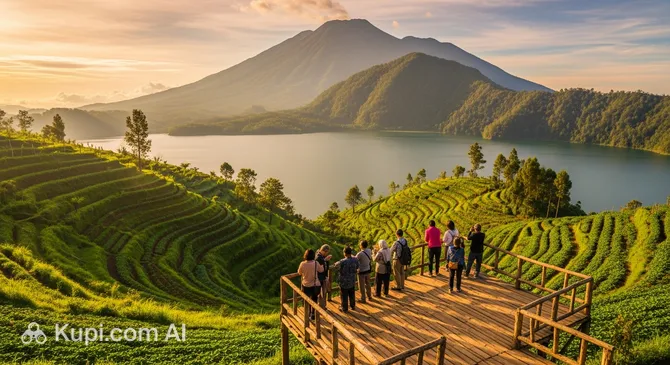
For a refreshing escape into the highlands, Lake Moat offers a serene and picturesque setting. Located at a high altitude, this ancient crater lake is surrounded by lush hills and thriving vegetable plantations. The cool mountain air provides a pleasant contrast to the coastal heat, making it an ideal spot for relaxation and picnics. The lake is known for its tranquil waters and the mystical fog that often descends in the mornings, creating a magical atmosphere that captivates every visitor.

Lolak Beach serves as a perfect coastal retreat, situated conveniently near the regency's capital. This long stretch of shoreline is lined with swaying coconut trees and offers sweeping views of the Celebes Sea. It is a favorite local spot for watching breathtaking sunsets and enjoying the gentle sea breeze. The calm waters are inviting for a leisurely swim, and the surrounding area provides opportunities to sample fresh local seafood, allowing tourists to experience the authentic flavors of Bolaang Mongondow.

Adventure seekers should explore the Mount Ambang Nature Reserve. This area features an active volcano that is relatively accessible for hikers. The trek takes you through dense forests filled with wild orchids and leads to a crater area with active sulfur vents. Reaching the summit rewards hikers with panoramic vistas of the surrounding lakes and the verdant landscape below. It is a fantastic location for those looking to combine physical activity with stunning natural scenery.

Local Cuisine

The local cuisine of Bolaang Mongondow is a vibrant reflection of North Sulawesi’s rich culinary heritage, characterized by bold spices, fresh seafood, and unique cooking methods. Food here is deeply connected to the land and tradition, offering a distinct flavor profile that sets it apart from neighboring regions. Visitors can expect savory dishes that often utilize coconut milk, chili, and aromatic herbs, creating a gastronomic experience that is both hearty and memorable.

One of the most iconic dishes you must try is Sinandoi. This traditional delicacy involves cooking meat—typically beef or chicken—mixed with a rich blend of spicy seasonings inside a bamboo stem over an open fire. The bamboo infuses the meat with a subtle, woody aroma while keeping it tender and juicy. Another local staple is Dinangoi, a unique sago-based dish often affectionately called "Mongondow Pizza." Unlike savory sago dishes found elsewhere, Dinangoi is primarily enjoyed here as a sweet snack, where the pan-cooked chewy sago base is topped with melted brown sugar and grated coconut.

For those looking for a filling accompaniment or a snack on the go, Binarundak is a favorite. This is glutinous rice cooked with coconut milk and spices inside bamboo tubes, similar to lemang but with a local twist. It is often enjoyed during celebrations but can be found in local markets year-round. If you have a sweet tooth, look for traditional cakes like Alingkoge, a simple yet delicious treat made from white sticky rice and brown sugar, perfect for an afternoon snack.

Beverages in Bolaang Mongondow are just as inviting. The region produces excellent coffee, often sourced from the nearby highlands, which is enjoyed black and strong. For a non-alcoholic warmer, try Saraba, a ginger-based drink mixed with palm sugar and coconut milk, often spiced with pepper and cinnamon. It is particularly popular in the evenings. Traditional palm wine, locally known as Saguer, is also part of the cultural fabric, often served during gatherings to welcome guests.

The food culture here is communal and unpretentious. The best places to experience authentic flavors are not fine dining establishments but rather local warungs (small family-owned eateries) and traditional markets. Here, you can sit with locals, watch the food being prepared fresh, and enjoy the warm hospitality that defines the region. Exploring the morning markets offers a sensory delight, where you can see the abundance of fresh produce and sample freshly made local snacks right from the stalls.

Travel Tips

Welcome to Bolaang Mongondow, a region where lush highlands meet the tropical sea. To help you navigate this diverse landscape and connect meaningfully with its welcoming communities, we have compiled a list of practical tips for a smooth and enjoyable journey.

  1. Clothing and Gear: Since the region features both hot coastal areas and cooler highlands, packing layers is essential. Bring lightweight, breathable fabrics like cotton or linen for the lowlands, but keep a light jacket or sweater handy for visits to Lake Moat or the Mount Ambang area. Comfortable, sturdy walking shoes are a must for trekking in the national park, while sandals are perfect for Lolak Beach. Don't forget a raincoat or waterproof bag, as showers can be frequent and sudden. If you plan to visit local villages, dress modestly by covering your shoulders and knees to respect local customs.

  2. Transportation: Public transport, such as local minibuses (mikrolets), can be confusing for visitors and often lacks fixed schedules. The most convenient and efficient way to explore is to rent a car with a driver. This allows you to navigate the winding mountain roads safely and stop at scenic viewpoints at your leisure. Ride-hailing apps may work in larger towns but are unreliable in remote areas, so arranging transport for the whole day is recommended.

  3. Finances: The official currency is the Indonesian Rupiah (IDR). While credit cards might be accepted in a few larger hotels or supermarkets in main towns, cash is king in Bolaang Mongondow. You will need cash for local eateries (warungs), markets, and entrance fees to attractions. ATMs are available in administrative centers like Lolak and nearby Kotamobagu, but they can be scarce in rural areas, so withdraw sufficient funds before heading into the countryside.

  4. Health and Safety: Pharmacies (Apotek) are generally found in the main towns and are usually open from morning until evening, though rarely 24/7. It is advisable to bring a basic medical kit, including motion sickness medicine for the winding roads. As this is a tropical region, mosquito repellent is crucial, especially for jungle treks. Always drink bottled or boiled water to avoid stomach issues, and stay hydrated in the humidity.

  5. Communication: The primary language is Bahasa Indonesia, and locals also speak the regional Mongondow language. English is not widely spoken outside of major government or tourist hubs, so learning a few basic phrases like "Terima kasih" (Thank you) and "Permisi" (Excuse me) will go a long way. For mobile data, Telkomsel typically offers the widest coverage in North Sulawesi, including remote spots. It is wise to download an offline translation app before you arrive.

  6. Local Etiquette: The people of Bolaang Mongondow are known for their motto of "mutual love and care," so friendliness is key. Always smile and nod when making eye contact. When entering a local home or some traditional accommodations, remember to remove your shoes at the door. Use your right hand for eating, giving, or receiving items, as the left hand is traditionally considered unclean for these actions.

  7. What to Avoid: Avoid public displays of affection, such as kissing or excessive hugging, as the local culture is conservative. Also, avoid pointing at people or objects with your foot, which is considered extremely rude. When visiting natural sites like the Maleo bird sanctuary, avoid making loud noises that could disturb the wildlife.

  8. Culinary Tip: Be prepared for spice! North Sulawesi cuisine is famous for its heat. If you cannot handle spicy food, learn the phrase "Tidak pedas" (not spicy) or "Jangan pakai cabai" (don't use chili) when ordering. However, do try the local coffee; it is robust and often served with a side of palm sugar, offering a true taste of the highlands.

By keeping these tips in mind, you will be well-prepared to embrace the natural beauty and warm hospitality of Bolaang Mongondow. We hope your adventure is filled with breathtaking views, delicious flavors, and unforgettable encounters with the locals!

Entertainment & Nightlife

Entertainment and nightlife in Bolaang Mongondow offer a refreshing departure from the bustling club scenes of major metropolises. Instead of neon-lit discos and thumping bass, the evening atmosphere here is defined by a relaxed "nongkrong" (hanging out) culture. The nightlife centers around vibrant coffee shops, open-air cafes, and night markets where locals gather to socialize, play acoustic guitars, and enjoy the cool tropical breeze. It is an authentic experience that allows visitors to connect with the friendly local community over a cup of strong Sulawesi coffee.

The main hub for evening activities within the regency is the capital area of Lolak, particularly along the Jalan Trans Sulawesi. As the sun sets, this thoroughfare comes alive with small eateries and cafes opening their doors. For those seeking a slightly more urban vibe with a wider selection of venues, the nearby city of Kotamobagu serves as the primary entertainment district for the entire region. Here, you will find a higher concentration of modern cafes, karaoke lounges, and spots featuring live music performances, making it a popular destination for travelers staying in the area.

For a taste of the local social scene, you can visit Kedai Binuni in Lolak. This popular spot is known for its comfortable garden setting and "lesehan" style seating (dining on mats), which encourages long conversations and a laid-back mood. It is a fantastic place to try local snacks and beverages while soaking in the community vibe. Another excellent option is Malioboro Coffee Lolak, a favorite among the younger crowd. This venue brings a touch of modern coffee culture to the region, serving various espresso-based drinks in a setting that often features local youth strumming guitars and singing popular Indonesian songs.

If you prefer an evening by the sea, Babo Beach Cafe in the Sangtombolong area offers a picturesque setting. It is an ideal spot to catch the sunset and stay into the evening, enjoying the sound of waves accompanied by fresh coconut water or light meals. The dress code across almost all venues is casual and modest; shorts and t-shirts are acceptable, but it is respectful to avoid overly revealing clothing given the conservative local culture.

Practicalities for a night out in Bolaang Mongondow differ from big cities. Most venues close by midnight, with peak hours being between 8:00 PM and 10:00 PM. Prices are very affordable, with coffee and snacks costing a fraction of what you would pay in Bali or Jakarta. Be aware that cash is king; credit cards are rarely accepted at local hangouts, so ensure you have sufficient Rupiah. Public transport dwindles after dark, so it is highly recommended to arrange a private driver or rent a scooter to get around safely. Ride-hailing apps are generally unavailable or unreliable in the evenings.

Safety is generally not a major concern, as the region is peaceful and the locals are welcoming. However, street lighting can be sparse on rural roads, so exercise caution if you are driving yourself. If you need a taxi, your best bet is to ask your hotel reception to call a trusted local driver or "ojek" (motorcycle taxi) for you. Avoid walking alone on unlit inter-village roads late at night, simply to prevent traffic accidents.

While the nights are quiet and cozy, daytime entertainment in Bolaang Mongondow focuses on cultural and outdoor experiences. Visitors can explore traditional markets to see the daily trade of spices and produce, or visit local cultural centers to see the traditional "Banua" architecture. The region does not have large amusement parks or shopping malls, but the charm lies in its authentic village life and the natural wonders that serve as the main playground for visitors.
Parks & Museums

While Bolaang Mongondow may not be filled with manicured city parks or vast modern museum complexes, it offers something far more organic and profound. The region's "parks" are its sprawling, untouched rainforests and garden reserves, while its "museums" are often living cultural centers or historical sites that have stood the test of time. Exploring these spaces provides a direct connection to the land's biodiversity and the enduring legacy of the Mongondow Kingdom.

Bogani Nani Wartabone National Park serves as the region's primary natural sanctuary. As one of the most important conservation areas in Sulawesi, it functions as a massive, wild park where visitors can immerse themselves in the sights and sounds of the jungle. Beyond its fame for the Maleo bird, the park is a botanical treasure trove, filled with towering endemic trees, wild orchids, and medicinal plants used by locals for generations. It is a place for true eco-tourism, offering a raw and educational experience of Indonesia's equatorial biodiversity.

For a more relaxed and accessible green space, the Kebun Jati Gelebug Chandra offers a unique atmosphere. This teak garden has been transformed into a recreational area where the orderly rows of tall teak trees create a shaded, serene environment. It is a popular spot for locals to enjoy nature without the demands of a jungle trek. The play of light through the canopy makes it an excellent location for photography and quiet afternoon walks, providing a different perspective on the region's agricultural beauty.

When it comes to history, the Rumah Adat Monibi in Mengkang Village is a hidden cultural jewel that functions as a rare local museum. Located in a somewhat remote area, this traditional house preserves a collection of ancient artifacts, including traditional tools, household items, and heirlooms passed down through generations. Visiting this site offers a fascinating glimpse into the daily lives and customs of the Mongondow ancestors, maintained with great care by the local community.

Another significant cultural landmark is the Komalig, or the traditional palace house. Reconstructed versions, such as the one found in the cultural heartlands near Kotamobagu, serve as vital centers for preservation. These buildings showcase the distinct architectural style of the region, characterized by their raised stilt structures and symbolic roofing. They often act as venues for customary gatherings and are essential for keeping the oral histories and artistic traditions of the Mongondow people alive.

For a deeper dive into the royal history, the Tomb of King Loloda Mokoagow (Datu Binangkang) in Poyowa Besar is a site of great reverence. As one of the most powerful rulers in the history of the Kingdom of Bolaang Mongondow, his resting place is considered a sacred cultural heritage site. It attracts pilgrims and history enthusiasts alike, offering a solemn atmosphere where one can learn about the golden age of the kingdom and its influence over North Sulawesi.

Insider Tip: If you visit the Rumah Adat Monibi, try to go with a local guide who can translate the stories of the caretakers. The oral history shared by the elders often provides context to the artifacts that you won't find on any written plaque, making the experience truly personal and enriching.

Getting Around

The public transport system in Bolaang Mongondow is quite different from what you might find in large metropolitan areas. There is no metro, tram, or train network in this region. Instead, the local transportation infrastructure relies heavily on road-based, informal transit services. For tourists, this adds a sense of adventure to the journey, but it also requires a bit of local knowledge to navigate effectively. The system is decentralized, serving the connection between the capital, Lolak, and the surrounding districts and villages.

The most common form of "bus" service here is the Mikrolet. These are blue or multi-colored minivans that operate on specific routes, connecting main towns and markets. Unlike standard city buses with fixed stops, Mikrolets operate on a hail-and-ride basis. You can flag one down anywhere along its route by simply waving your hand, and you can ask the driver to stop at any safe point to let you off. They are the primary mode of transport for locals commuting to work or school and offer an authentic glimpse into daily life in the regency.

A unique and iconic feature of transport in North Sulawesi is the Bentor (motorized rickshaw). This vehicle consists of a cabin for two passengers mounted at the front of a motorcycle. Bentors are perfect for short distances within towns or for reaching areas where Mikrolets do not venture. They are agile, breezy, and offer an unobstructed view of the surroundings. For solo travelers looking for speed, Ojeks (motorcycle taxis) are also widely available at street corners and market entrances.

When it comes to payment, cash is the only accepted method. There are no travel passes, smart cards, or tap-to-pay systems for public transport in Bolaang Mongondow. Fares are generally very affordable, often ranging from a few thousand to ten thousand Indonesian Rupiah depending on the distance. It is essential to carry small denominations of cash (coins and small notes), as drivers often struggle to provide change for large bills. For Mikrolets, the price is usually fixed, but for Bentors and Ojeks, you should agree on the fare with the driver before starting your journey to avoid misunderstandings.

Operating hours for public transport are somewhat flexible but generally follow the sun. Services are most frequent from early morning (around 6:00 AM) until late afternoon. After sunset, the frequency of Mikrolets drops significantly, and it can be difficult to find transport in remote areas. Tourists are advised to plan their movements during daylight hours. To pay on a Mikrolet, simply hand the cash to the driver or the assistant when you reach your destination. If you are sitting in the back, it is common custom to pass your money forward via other passengers.

While ride-hailing apps like Gojek or Grab are popular in major Indonesian cities, their coverage in the rural districts of Bolaang Mongondow can be sporadic or non-existent. You may find some availability in the neighboring city of Kotamobagu, but it is not wise to rely on apps for travel within the regency itself. Consequently, the most recommended alternative for tourists is renting a car with a driver. This option provides the freedom to explore the scattered attractions, such as Bogani Nani Wartabone National Park or the highlands, at your own pace without worrying about route schedules or return trips.

Accommodation

Accommodation in Bolaang Mongondow is primarily designed to serve local travelers and adventurous spirits, reflecting the region's authentic and uncommercialized nature. Visitors should not expect sprawling luxury resorts or international hotel chains. Instead, the area offers a modest selection of functional and comfortable options, ranging from budget-friendly guesthouses (locally known as wisma or penginapan) to standard mid-range hotels. These establishments are often family-run, providing a warm, hospitable atmosphere that allows guests to experience the local culture firsthand.

For those looking for convenience and proximity to administrative centers and the coast, the capital district of Lolak is the most strategic place to stay. Accommodation here is typically situated along the main Trans-Sulawesi highway or near the waterfront, offering easy access to Lolak Beach and local dining spots. Alternatively, many travelers choose to base themselves in the neighboring city of Kotamobagu. Although technically a separate municipality, it serves as the central hub for the entire Bolaang Mongondow region and offers a wider variety of hotels with modern amenities, making it a comfortable jumping-off point for daily excursions into the regency's highlands and national parks.

When it comes to booking, it is important to manage expectations regarding technology. While a few of the larger hotels in the region may be listed on major Indonesian travel apps, many smaller guesthouses and homestays do not have an online presence. For these smaller establishments, booking is often done via direct phone calls or simply by walking in upon arrival. If you are traveling during major holidays such as Eid al-Fitr or Christmas, securing your room in advance is highly recommended as availability can tighten quickly due to local visitors returning home.

Price-wise, Bolaang Mongondow is an incredibly affordable destination. The vast majority of accommodation options fall into the budget to lower-mid-range category. Travelers can find clean, basic rooms with air conditioning and private bathrooms for very reasonable rates. Be prepared to pay in cash (IDR), as credit card facilities are rare outside of the largest hotels. Keeping a supply of small denominations is useful for settling bills at smaller guesthouses where change might be limited.

Nearby Cities

Bolaang Mongondow serves as an excellent starting point for exploring the wider wonders of Sulawesi and beyond. Its strategic location allows travelers to easily reach several key urban centers and historic destinations, each offering its own distinct charm, from bustling markets and colonial history to underwater paradises.

The nearest neighbor is Kotamobagu, located just 29 km away. Once the capital of the regency, this city remains the commercial and cultural heart of the area. It is known for its cool climate, vibrant flower gardens, and as a hub for sampling authentic Mongondow cuisine. Due to its proximity, it is perfect for a quick day trip to enjoy urban amenities or to visit the local markets.

Travelers heading northeast will reach Manado, the provincial capital of North Sulawesi, situated approximately 123 km from the region. As a major gateway to the island, Manado is famous for its spicy cuisine, the iconic Jesus Blesses monument, and access to the world-renowned Bunaken National Marine Park. It offers a lively contrast to the quiet serenity of the countryside.

Further to the east, about 150 km away, lies the port city of Bitung. This destination is a haven for nature lovers, serving as the entry point to the Tangkoko Nature Reserve, home to tarsiers and black macaques. It is also the gateway to the Lembeh Strait, a world-class site for muck diving and underwater photography.

To the west, approximately 113 km from the area, is Gorontalo. Known for its calm atmosphere and colonial-style architecture, it is often visited by those looking to swim with whale sharks or explore the pristine Togean Islands. For those willing to venture further across the sea, the historic island of Ternate awaits about 367 km away, offering a deep dive into the history of the spice trade and spectacular views of the Gamalama volcano.

Shopping & Souvenirs

Shopping in Bolaang Mongondow offers a distinct departure from the polished malls of big cities, inviting visitors to immerse themselves in the authentic rhythm of local life. The retail scene here is defined by bustling traditional markets, roadside stalls, and small family-run shops. For travelers, this is an excellent opportunity to discover fresh tropical produce, unique regional snacks, and observe the daily trade that sustains the community.

The heartbeat of the local economy can be felt at the traditional markets, known locally as pasar. Pasar Lolak, located in the regency’s capital, is a central hub where vendors display an array of colorful spices, fresh seafood from the Celebes Sea, and locally grown vegetables. Another significant spot is Pasar Inobonto, a busy transit market that serves as a meeting point for traders from various districts. These markets are not just places to buy goods but are vibrant social spaces where the friendly nature of the locals is on full display.

When looking for souvenirs or local specialties, food items top the list. The region is famous for its agricultural abundance, particularly in the village of Lobong, which is renowned for its sweet, juicy pineapples. Travelers driving through the area often stop at roadside stalls to buy these fresh fruits or pineapple-based snacks. Additionally, coffee lovers should look for Kopi Mongondow, a robust local coffee often processed traditionally, making for a perfect aromatic gift to take home.

For a smooth shopping experience, it is important to keep a few practicalities in mind. Transactions in Bolaang Mongondow are almost exclusively conducted in cash, so ensure you have sufficient Indonesian Rupiah in smaller denominations. Bargaining is a common practice in traditional markets; doing so with a smile and a polite attitude is part of the cultural interaction. Most markets are liveliest in the early morning, so an early start will reward you with the freshest produce and the most energetic atmosphere.

Reached the end of the page?

That means the route is fully explored