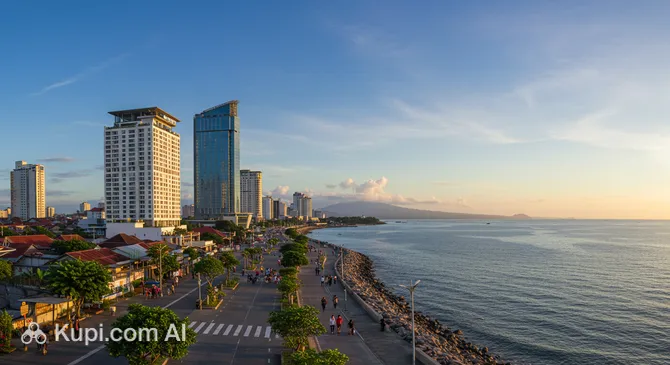
Manado, the bustling capital of North Sulawesi, is a city where vibrant urban life meets breathtaking natural wonders. Known for its warm hospitality and scenic coastal setting, it serves as a major gateway to some of the most spectacular underwater landscapes in Indonesia. The city is nestled against a backdrop of green hills and overlooks the azure waters of the Celebes Sea, offering visitors a unique blend of scenic beauty and cultural richness.
Manado. Illustration.
Source: Kupi.com AI
With a population of over 460,000 people, Manado is a lively hub that has evolved significantly over the centuries. It has long been a melting pot of various cultures and traditions, influenced by trade and colonial eras. Travelers interested in how this diverse heritage shaped the modern city can delve deeper into the history of Manado to understand its fascinating development.
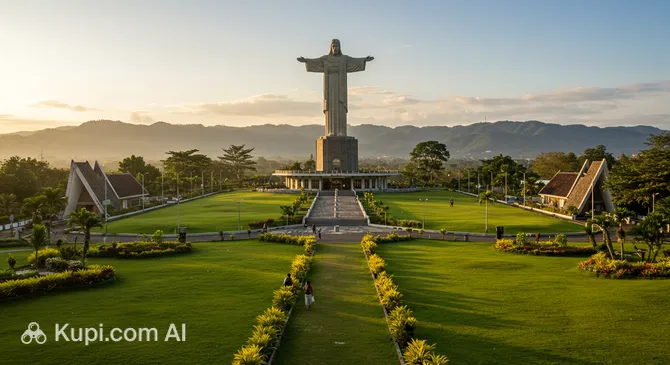
For many tourists, the city is synonymous with the world-famous Bunaken National Marine Park, a paradise for divers and snorkelers teeming with colorful coral reefs and marine life. Back on land, the iconic Christ Blessing Statue stands tall as a symbol of the city's religious harmony and offers panoramic views of the area. Food enthusiasts are also in for a treat, as Manado is renowned for its spicy and flavorful Minahasan cuisine, which is unlike anything else in the archipelago. Whether you are seeking underwater adventures or culinary delights, Manado invites you to experience its unforgettable charm.
Weather Overview
Manado features a tropical climate characterized by consistent warmth and high humidity throughout the year. Visitors can generally expect stable temperatures and frequent rainfall, which keeps the region lush and green. To help you plan your activities and packing list, it is helpful to review the current weather in Manado before your trip.
The temperature in the city is remarkably steady, with the average hovering around 26°C for most of the year. Daily highs typically range between 27.5°C and 28.9°C, while nights remain comfortable with minimum temperatures rarely dropping below 23.6°C. May is statistically the warmest month, averaging 26.6°C, whereas February is slightly cooler at 25.5°C, though the difference is minimal and the weather remains pleasant for outdoor exploration.
Precipitation is a defining feature of the local climate, with a significant number of wet days recorded each month. December is the wettest month in terms of frequency, seeing precipitation on up to 30 days, while January follows closely with 28 wet days. The relatively drier season occurs around August and September, yet even during these months, travelers should be prepared for about 20 to 21 wet days. Despite the high frequency of rain days, the recorded precipitation volume is often light, suggesting frequent but potentially brief showers.
Average monthly temperature
Average monthly precipitation
Interesting Facts
Beyond the stunning sunsets and diving spots, Manado holds several fascinating secrets that make it truly unique. From prehistoric marine discoveries to architectural marvels, the city offers plenty of surprises for the curious traveler.
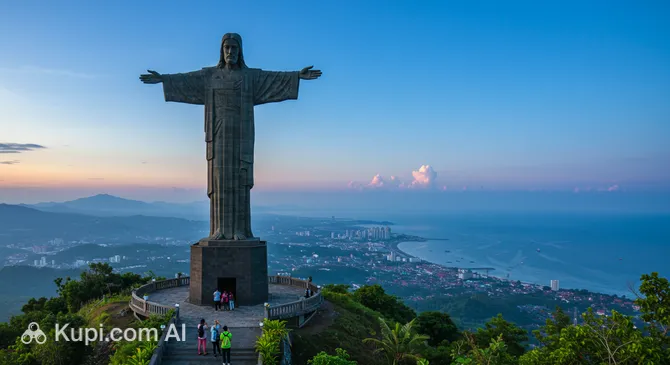
Jesus Blesses Statue. Illustration.
Source: Kupi.com AI
Traveller photos:
The iconic Jesus Blesses Statue is an engineering feat; it stands 50 meters tall and leans forward at a 20-degree angle, creating a dynamic illusion that the figure is flying or floating over the city.
The deep waters near Manado are the home of a "living fossil," the Coelacanth; this prehistoric fish, once believed to have gone extinct along with the dinosaurs, was shockingly rediscovered alive in the sea around Manado Tua island.
Manado is frequently nicknamed the "City of a Thousand Churches" due to having one of the highest densities of church buildings in the country, with a religious structure found on nearly every few hundred meters of road.
The city preserves significant heritage at the Ban Hin Kiong Temple, which is recognized as the oldest Chinese temple in eastern Indonesia, with a history spanning over three centuries.
How to Get There
Reaching this vibrant city in North Sulawesi is most conveniently done by air, as it serves as a primary hub for the region. Travelers planning their trip can find more about how to get to Manado and the various transport connections available on our detailed page.
The most direct and common way to arrive is via Sam Ratulangi International Airport (MDC). Located approximately 12.5 km from the city center, this facility is the main gateway for both domestic and international visitors. It handles a large volume of passengers annually, connecting the area to major Indonesian cities and select international destinations. Once you land, getting to the downtown area is straightforward; a journey by taxi or bus typically takes around 40 minutes.
For those exploring the wider archipelago, you might notice other airports in the general vicinity, though they are significantly further away. Babullah Airport (TTE) is located in the city of Ternate, about 291 km from Manado, and requires a sea crossing or connecting flight to reach North Sulawesi. Similarly, Tolotio Airport (GTO) serves the city of Gorontalo, situated roughly 240 km away. These airports primarily serve their respective local regions rather than offering direct access to Manado.
For clarity, here is a summary of the main airports:
While Manado is often celebrated for its proximity to world-class diving sites, the city itself offers a variety of attractions that showcase its cultural diversity and modern development. From historic religious sites to bustling waterfront hubs, exploring the city center provides a deeper understanding of local life in North Sulawesi.
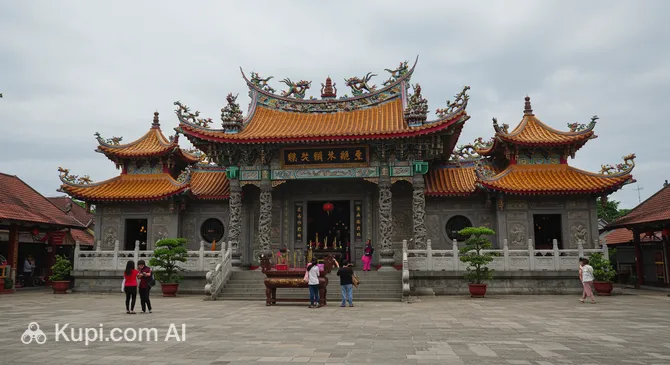
A visit to the Chinatown district reveals the stunning Ban Hin Kiong Temple. As the primary place of worship for the local Tri Dharma community, this architectural gem is adorned with intricate dragon sculptures, red lanterns, and classic pagoda-style roofs. It becomes especially vibrant during traditional festivals like Cap Go Meh, when the streets come alive with parades and cultural performances. Even on quiet days, the temple's serene atmosphere and detailed craftsmanship make it a photographer's delight.
Ban Hin Kiong Temple. Illustration.
Source: Kupi.com AI
Traveller photos:
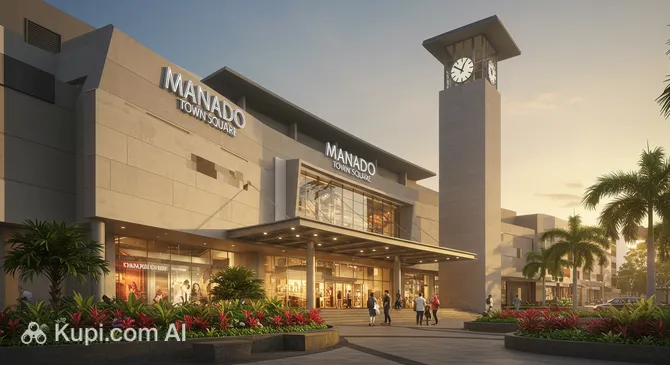
For those looking to experience the modern pulse of the city, Manado Town Square is the place to be. Often referred to simply as "Mantos," this sprawling complex is more than just a shopping destination; it is a social hub located right along the waterfront. Visitors can enjoy a wide array of dining options that offer views of the sea, making it a popular spot to watch the sunset while enjoying local snacks or international cuisine. The mall connects the urban energy of Manado with the relaxing breeze of the coast.
Travelers seeking family-friendly fun or a break from the tropical heat can head to CitraLand Water Park Manado. Situated within a well-planned residential area, this park features a variety of pools and water slides suitable for all ages. It is a refreshing escape for an afternoon, offering a clean and safe environment for swimming and leisure.
In the heart of the downtown area stands Zero Point, a significant landmark that marks the center of the city. This monument serves as the reference point for distance measurements in the region and is surrounded by a mix of historical buildings and busy markets. It is an excellent starting location for a walking tour, allowing visitors to witness the daily hustle of Manado's commercial district up close.
Local Cuisine
Local Cuisine:
The culinary scene in Manado is widely regarded as one of the most distinctive and flavorful in Indonesia. Known as Minahasan cuisine, the local food culture is defined by its bold use of fresh spices, aromatic herbs, and a generous amount of chili. For travelers who enjoy a spicy kick, this city is a gastronomic paradise where every meal promises an explosion of taste.
A quintessential dish to start your day is Tinutuan, often referred to as Manado Porridge. Unlike typical rice porridges, this vegetarian-friendly breakfast is a vibrant mix of rice, pumpkin, sweet potato, corn, and leafy greens like spinach or water spinach. It is usually served with salted fish and sambal, offering a savory and comforting start to the morning. Another local favorite is Cakalang Fufu, cured and smoked skipjack tuna clipped onto a bamboo frame. The smoking process gives the fish a rich aroma and a texture that pairs perfectly with warm rice.
No meal in Manado is complete without the famous condiments that define the region's palate. Dabu-dabu is the local version of salsa, made from chopped fresh tomatoes, chili peppers, shallots, basil, and a squeeze of lime juice. It provides a refreshing yet fiery contrast to grilled seafood. For those seeking authentic local flavors, Dabu Dabu Lemong is a popular spot to experience grilled fish served with this signature condiment in a relaxed atmosphere.
Dabu Dabu Lemong. Illustration.
Source: Kupi.com AI
Traveller photos:
When it comes to beverages, the locals have unique options to cool down or celebrate. Es Brenebon is a beloved dessert drink made from red kidney beans, shaved ice, condensed milk, and sometimes chocolate syrup; it is surprisingly refreshing in the tropical heat. On the stronger side, traditional alcoholic drinks like Saguer (a milky palm wine) and Cap Tikus (a distilled palm spirit with high alcohol content) are deeply rooted in Minahasan tradition and are often shared during social gatherings.
The food culture here is incredibly social, with dining spots ranging from humble street stalls to bustling seafood restaurants along the waterfront. The Boulevard area is particularly famous for its night markets and eateries where tourists can dine with a view of the sea. Whether you are sampling spicy Ayam Rica-Rica (chicken in chili sauce) or enjoying fresh pastries, eating in Manado is an adventure in itself.
Travel Tips
Welcome to Manado! To help you make the most of your adventure in this vibrant coastal city, we have compiled a set of practical tips. Whether you are here to explore the underwater wonders of Bunaken or taste the fiery local cuisine, these suggestions will ensure your trip is smooth, safe, and enjoyable.
Clothing and Gear: Given the tropical climate, pack lightweight, breathable fabrics like cotton or linen to stay cool. Since Manado experiences frequent rainfall, especially in the afternoons, carrying a compact umbrella or a light raincoat is essential. Comfortable walking shoes are a must for city exploration, while water shoes are recommended if you plan to visit coral beaches. If you intend to visit religious sites like the Ban Hin Kiong Temple or local churches, dress modestly by covering your shoulders and knees.
Transportation: The most iconic way to get around is by Mikrolet (blue passenger vans). They follow specific routes and are incredibly affordable, offering a genuine local experience. For a more direct and comfortable journey, ride-hailing apps like Gojek and Grab are widely available and reliable for both car and motorbike taxis. Bluebird taxis are also a safe option and can be hailed on the street or booked via phone.
Finances: The official currency is the Indonesian Rupiah (IDR). While credit cards are accepted in major hotels, malls like Manado Town Square, and upscale restaurants, cash is king for local markets, Mikrolets, and street food stalls. ATMs are plentiful throughout the city. Tipping is not strictly mandatory but is appreciated for good service; rounding up the taxi fare or leaving a small amount at restaurants is a kind gesture.
Health and Safety: Manado is generally safe for tourists, but standard precautions apply. Stick to bottled water for drinking and brushing your teeth to avoid stomach issues. Pharmacies, known as Apotek (e.g., Kimia Farma or K-24), are easy to find, and some operate 24/7. As it is a tropical area, bring and use mosquito repellent regularly, especially in the evenings, to protect against insect-borne illnesses.
Communication: The official language is Indonesian (Bahasa Indonesia), though locals often speak a dialect called Manado Malay. English is commonly spoken in hotels, dive centers, and tourist hubs, but may be limited in traditional markets. It is highly recommended to buy a local SIM card (Telkomsel has the best coverage) upon arrival for maps and translation apps. Useful phrases include "Terima kasih" (Thank you) and "Pagi" (Good morning).
Local Etiquette: The people of Manado are known for their friendliness and smiles. It is polite to smile back and return greetings. When handing over money or objects, always use your right hand, as the left is considered impolite. If you are invited into a local home, remember to remove your shoes before entering.
What to Avoid: Avoid public displays of anger or shouting, as this causes a "loss of face" and is considered very rude in Indonesian culture. Also, be cautious with the local cuisine if you have a low tolerance for spice; Minahasan food is famous for being incredibly hot, so test small portions first.
Spicy Food Hack: If you want to try the local dishes but are afraid of the heat, learn the phrase "Tidak pedas" (Not spicy) or "Sedikit pedas" (A little spicy). However, keep in mind that even "mild" in Manado might still have a kick compared to international standards!
Manado is a city that rewards the curious and the adventurous with its warm culture and stunning nature. By keeping these practical tips in mind, you will be well-prepared to navigate the city like a pro and focus on creating unforgettable memories in North Sulawesi.
Entertainment & Nightlife
As the sun sets over the Celebes Sea, Manado transitions from a bustling trade hub into a city of vibrant lights and music. The nightlife here is distinctively social and centered around the locals' deep love for singing and gathering with friends. Unlike the frantic clubbing scenes found in some capital cities, evening entertainment in Manado is more about relaxed conviviality, live bands, and, most importantly, karaoke.
The epicenter of the city's night activity is undoubtedly the Boulevard area along Jalan Piere Tendean. This waterfront strip is lined with modern malls, hotels, and restaurants that stay open late. It is the perfect place to start your evening with a stroll, enjoying the fresh sea breeze and the view of fishing boats returning with their catch. The atmosphere here is lively yet safe, with families, couples, and groups of friends mingling until late at night.
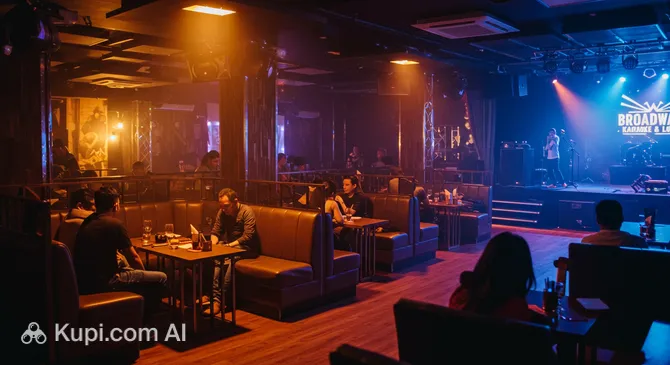
Karaoke is a serious pastime in North Sulawesi, and visitors looking to immerse themselves in local culture should definitely try it. Venues range from family-friendly establishments to more upscale lounges. Broadway Karaoke & Lounge is a popular choice for those seeking a comfortable environment to sing their hearts out. These venues typically offer private rooms, excellent sound systems, and a menu of snacks and drinks to keep the energy high.
Broadway Karaoke & Lounge. Illustration.
Source: Kupi.com AI
Traveller photos:
For a different vibe, Family Karaoke Sam Ratulangi offers a welcoming setting suitable for larger groups. It is common to hear laughter and enthusiastic singing echoing from these establishments throughout the night. Dress codes are generally casual, though "smart casual" is appreciated in the lounges. Prices for room rentals are quite reasonable, often charged by the hour, making it an affordable luxury for travelers.
If singing isn't your preference, the city's shopping complexes provide a comprehensive entertainment experience. Manado Town Square, locally known as Mantos, is not just for shopping; in the evenings, its oceanfront dining area becomes a social hotspot. Many restaurants here feature live acoustic music, allowing you to enjoy dinner with a backdrop of local tunes and ocean views. It is also home to a cinema, making it a go-to destination for a movie night.
Manado Town Square. Illustration.
Source: Kupi.com AI
Traveller photos:
When planning your night out, it is best to head out around 7:00 PM when the air cools down. Public transportation like the blue Mikrolets may become less frequent late at night, so it is advisable to use ride-hailing apps like Gojek or Grab, or call a Bluebird taxi for a safe and reliable return to your hotel. The Boulevard area is generally well-lit and safe for walking, but as with any city, it is wise to stay in populated areas and avoid unlit backstreets.
While the city is famous for its evenings, daytime entertainment also has its charm. Before the sun goes down, visitors can enjoy a leisurely afternoon at God Bless Park, a waterfront recreational area that offers sports facilities and stunning views of the coastline. For those interested in culture, local museums and theaters provide insight into the rich history of the Minahasa region, offering a quiet counterpoint to the energetic nights.
Parks & Museums
Beyond its reputation as a premier diving destination, Manado offers a selection of green spaces and cultural institutions that provide a glimpse into the region's heritage and daily life. For travelers looking to take a break from the ocean or the bustling streets, the city's parks and historical venues offer a refreshing change of pace, blending scenic views with stories of the Minahasan people.
One of the most prominent recreational areas in the city is God Bless Park. Located along the vibrant Boulevard (Jalan Piere Tendean), this waterfront park is a favorite among locals for its open spaces and sports facilities. The park is easily recognizable by its large "God Bless" statue of a hand, which has become an iconic photo spot. It serves as an excellent vantage point for watching Manado's spectacular sunsets over the sea, allowing visitors to relax while enjoying the cooling coastal breeze.
God Bless Park. Illustration.
Source: Kupi.com AI
Traveller photos:
Another significant green space is Taman Kesatuan Bangsa (Unity of the Nation Park), situated in the heart of the city center. This park acts as a social hub and a venue for various local events and performances. Surrounded by markets and historical buildings, it offers a slice of authentic urban life where residents gather to socialize. While less manicured than modern tourist parks, it provides a genuine look at the community spirit of Manado.
For those interested in the rich history and culture of North Sulawesi, the North Sulawesi State Museum (Museum Negeri Provinsi Sulawesi Utara) is an essential stop. The museum houses a diverse collection of artifacts ranging from prehistoric items to colonial-era ceramics. Visitors can explore exhibits showcasing traditional Minahasan clothing, musical instruments, and miniature replicas of traditional houses, offering a comprehensive overview of the region's anthropological background.
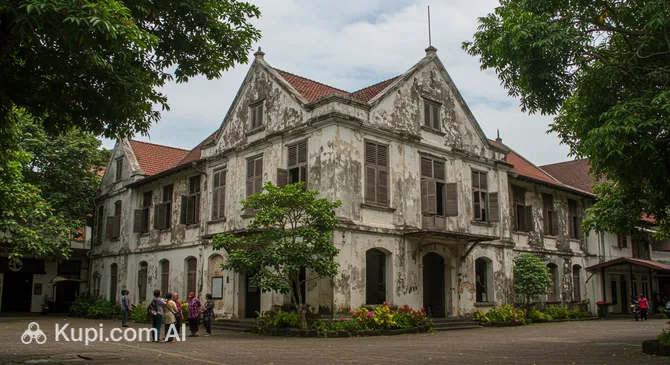
A notable landmark that stands as a testament to the nation's resilience is the Juang 45 Building. This historical site is dedicated to the struggle for Indonesian independence in North Sulawesi. The architecture itself reflects the style of the era, and the site serves as a reminder of the patriotic spirit of the local people. It is a meaningful destination for history buffs wanting to understand the political evolution of the region.
Juang 45 Building. Illustration.
Source: Kupi.com AI
Traveller photos:
While exploring the city's cultural landscape, visitors might also appreciate the architectural diversity found in the older districts. Colonial-style buildings often sit alongside traditional structures, creating a unique visual tapestry. Although not a museum, the area around the harbor often reveals glimpses of the city's maritime past through its old warehouses and trading posts.
Insider Tip: If you plan to visit the open-air parks like God Bless Park, the best time to go is late afternoon around 5:00 PM. The midday sun can be quite intense, but the golden hour brings cooler temperatures and a lively atmosphere as families and joggers fill the area.
Getting Around
Navigating Manado is an adventure in itself, primarily defined by its unique and ubiquitous road transport. The city does not have a metro, tram, or train system; instead, the backbone of public transportation is the Mikrolet. These blue minibuses (locally known as angkot) ply various routes across the city and its suburbs. In Manado, Mikrolets are more than just vehicles; many are customized with flashy exterior designs, colorful LED lights, and powerful sound systems blasting local pop or electronic music, making the commute a lively cultural experience.
For a more private and direct journey, taxis and ride-hailing services are widely available. Bluebird taxis are the most reputable metered option and can be hailed on the street or booked via phone. However, modern travelers often prefer app-based services like Gojek and Grab. These apps allow you to book a car (Gocar/GrabCar) or a motorcycle taxi (Goride/GrabBike) with fixed prices, overcoming language barriers and the need to negotiate fares.
The payment system in Manado depends heavily on the mode of transport. For Mikrolets, cash is the only accepted payment method. Fares are fixed and very affordable, typically ranging from a few thousand Rupiahs for a single trip within the city. There are no travel cards or season passes for these minivans. Conversely, if you use ride-hailing apps, you can pay seamlessly via the app using a linked credit card or e-wallet, though paying the driver in cash at the end of the trip is also standard practice.
Travelers planning to use the Mikrolet system should keep a few practical tips in mind. Routes are usually indicated on the windshield, but since the system can be confusing for newcomers, it is best to ask a local or hotel staff which route number or destination to look for. There are no designated bus stops; you can hail a Mikrolet anywhere by waving your hand. To get off, simply say "Kiri" (meaning "left" or "pull over to the left") loud enough for the driver to hear. Always carry small denominations (coins or 2,000 and 5,000 IDR notes), as drivers often struggle to provide change for large bills.
Operating hours for Mikrolets generally run from early morning, around 6:00 AM, until approximately 9:00 PM or 10:00 PM. Frequency drops significantly after dark, so if you are out late, it is safer and more convenient to rely on taxis or ride-hailing apps. Additionally, for those heading to the nearby islands like Bunaken for diving, public boats depart daily from the Calaca Harbor (behind the market) in the early afternoon, offering a budget-friendly alternative to private speedboat charters.
Accommodation
Accommodation in Manado caters to a wide spectrum of travelers, ranging from budget-friendly guesthouses for backpackers to upscale hotels offering panoramic ocean views. Whether you are in town for a quick transit before heading to the islands or planning a longer exploration of the Minahasa highlands, the city provides ample choices to suit your comfort level and budget. The hospitality sector here is well-developed, ensuring that visitors can find modern amenities alongside traditional warm service.
For most tourists, the most convenient area to stay is along the Boulevard (Jalan Piere Tendean). This bustling waterfront strip is the heart of the city's modern life, lined with major shopping malls, restaurants, and entertainment venues. Staying here means you are within walking distance of excellent dining options and can enjoy stunning sunsets over the Celebes Sea right from your hotel window. The area features a mix of mid-range business hotels and luxury establishments that offer pools and fitness centers.
Zero Point. Illustration.
Source: Kupi.com AI
Traveller photos:
Travelers looking for more affordable options often prefer the City Center, particularly near the Zero Point landmark and the harbor. This district is bustling with local markets and historic shophouses. It is an ideal location if you plan to take an early public boat to Bunaken Island, as the port is just a short drive or walk away. Here, you can find simple hostels, homestays, and budget hotels that provide basic but clean facilities perfect for those who plan to spend most of their day outdoors.
For those specifically focused on diving, many choose to stay in specialized dive resorts located on the outskirts of the city, such as in the Malalayang or Tateli areas. These resorts often provide all-inclusive packages that combine accommodation with dive trips, equipment rental, and transfers. While further from the city center's shopping hubs, they offer a tranquil atmosphere and direct access to the water, making them perfect for relaxation.
Booking Tip: Manado is a year-round destination, but it can get particularly busy during the dry season (July to September) and major holidays like Christmas. It is highly recommended to book your accommodation in advance during these peak periods to secure the best rates and availability.
In terms of pricing, Manado is generally quite affordable compared to other major tourist hubs in Indonesia. Budget travelers can find comfortable rooms starting from as low as $15 to $25 USD per night. Mid-range hotels typically range between $30 and $60 USD, while luxury options and high-end resorts can go upwards of $80 to $100+ USD. Most properties are listed on major international booking platforms, making it easy to reserve online, though smaller homestays may prefer direct contact via WhatsApp or email.
Nearby Cities
For those looking to explore the surroundings, Manado serves as an excellent base for day trips to several interesting nearby locations.
Located just a short drive to the east, Bitung is a bustling port city that acts as a gateway to some of North Sulawesi's most remarkable natural wonders. It is globally famous for the Lembeh Strait, a premier destination for "muck diving" where photographers capture rare marine critters. On land, the area offers access to the Tangkoko Nature Reserve, a protected rainforest sanctuary where lucky visitors can spot the tiny spectral tarsier and the endemic black crested macaque in the wild.
Traveling south into the highlands brings you to Kotamobagu, a city known for its cooler climate and lush surroundings. This area is a hub for the region's coffee production and offers a refreshing break from the coastal heat. The journey there is scenic in itself, winding through the picturesque landscapes of the Minahasa peninsula, making it a worthwhile destination for those interested in nature and local agriculture.
These nearby destinations offer a glimpse into the diverse culture and landscapes of the region, providing ample opportunities for exploration beyond the city limits.
Shopping & Souvenirs
Shopping:
Shopping in Manado offers a delightful mix of modern convenience and traditional charm, reflecting the city's role as the commercial hub of North Sulawesi. Visitors can transition seamlessly from air-conditioned mega-malls with international brands to bustling open-air markets filled with the aroma of exotic spices. Whether you are looking for high-end fashion, electronic gadgets, or authentic local handicrafts, the city provides a diverse range of options to satisfy every type of shopper.
The primary destination for modern retail therapy is the Boulevard area along Jalan Piere Tendean. This coastal road is lined with the city's largest shopping complexes, hotels, and restaurants, making it a one-stop district for entertainment and commerce. For a more traditional experience, the area around the historic Chinatown and the harbor offers a glimpse into the daily trade of the locals. Here, shophouses sell everything from textiles to gold jewelry, providing a stark contrast to the polished facades of the waterfront malls.
When it comes to shopping centers, the city is dominated by the sprawling complex known as Manado Town Square, or simply "Mantos." It is a favorite hangout spot for locals and tourists alike. Connected to this main hub is Mantos 2, an extension that expands the variety of retail outlets, dining options, and entertainment facilities. These malls are not just places to buy goods; they are social centers where people gather to escape the midday heat, catch a movie, or enjoy a meal with a view of the sea.
Mantos 2. Illustration.
Source: Kupi.com AI
Traveller photos:
For a truly authentic Minahasan experience, a visit to the traditional markets is a must. Pasar Bersehati, located near the Calaca Harbor, is the most famous market in the city. It is a sensory adventure where vendors sell fresh seafood caught that very morning, mounds of colorful chili peppers, and local tropical fruits. It is the best place to observe the local way of life and purchase fresh ingredients if you are self-catering. Be prepared for a lively, sometimes chaotic, atmosphere and wet floors—wearing sturdy, non-slip shoes is advisable.
Souvenir hunting in Manado is largely centered around its unique culinary heritage. The most popular item to bring home is Klappertaart, a delicious coconut custard cake influenced by Dutch colonial history. Another signature gift is Cakalang Fufu, cured and smoked skipjack tuna clipped onto bamboo frames, which travels well and is a staple of local cuisine. For those who love spice, jars of Sambal Roa (chili paste made with smoked fish) are an essential buy. Additionally, Batik Minahasa, featuring distinctive patterns like the coelacanth fish or cloves, makes for a beautiful and lightweight cultural keepsake.
Store hours in Manado generally follow standard Indonesian practices. Modern shopping malls like Mantos typically open from 10:00 AM to 10:00 PM daily. Traditional markets operate much earlier, often starting before dawn around 4:00 AM and winding down by the early afternoon. While malls and larger souvenir shops accept credit cards (Visa and Mastercard are most common), cash is strictly required for traditional markets, street stalls, and smaller independent vendors. It is wise to carry small denominations of Indonesian Rupiah when visiting these local spots.
Regarding tax-free shopping, Indonesia does offer a VAT Refund for Tourists scheme, but it is primarily available at major international airports and participating luxury retailers in Jakarta and Bali. In Manado, opportunities for instant tax refunds are limited. Tourists should look for stores displaying the "Tax Free Shopping" signage, but generally, it is best not to rely on this for everyday purchases in North Sulawesi.
We use cookies and services to collect user information. This is essential for the functioning of the site and for marketing purposes. You can find out more in .