Support

Tahuna

About

Welcome to Tahuna, the lively administrative center and capital of the Sangihe Islands Regency. Nestled in a sheltered bay and surrounded by verdant hills, this coastal town serves as the primary gateway to a stunning archipelago located in the province of North Sulawesi. It offers travelers a unique blend of small-town charm and the vibrant activity of a key maritime hub.

Geographically, the town is situated on the main island of Sangihe in Indonesia, acting as a crucial link between the mainland and the outer islands. With a population of approximately 35,000 people, Tahuna maintains a friendly and welcoming atmosphere where visitors can easily immerse themselves in the local culture. The climate is typically tropical, making it a lush and green destination year-round.
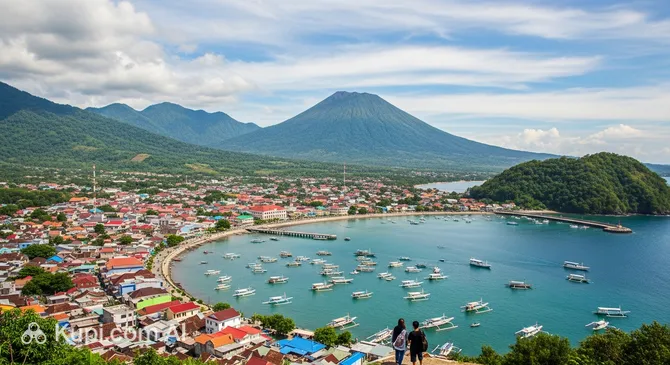
Tahuna. Source: Kupi.Binoculars

The town has long been a center of commerce and cultural exchange due to its strategic position. Visitors interested in the past can explore the history of Tahuna, which reveals a fascinating narrative of maritime trade and resilience in this remote part of the world. The local architecture and bustling markets still reflect the diverse influences that have shaped the community over time.

For nature enthusiasts and adventurers, Tahuna is the perfect base camp. The majestic Mount Awu, an active volcano, dominates the landscape and offers hiking opportunities with breathtaking views from the summit. The surrounding waters are equally impressive, renowned for world-class diving and snorkeling spots that feature pristine coral reefs and rich marine biodiversity. A relaxed evening walk along the harbor provides a picturesque view of traditional fishing boats against the backdrop of a setting sun.

If you are looking for an authentic island experience away from the crowds, Tahuna is a destination that promises both relaxation and adventure. We invite you to discover the warm hospitality and natural wonders of this hidden gem in the Sangihe Islands.

Weather Overview

Tahuna features a consistent tropical climate, offering warm and humid conditions that make it a lush destination year-round. The temperatures are remarkably stable, with daily averages generally hovering between 26°C and 27°C. May tends to be the warmest month, seeing highs of around 28.2°C, while the coolest nights in January only drop to approximately 25.5°C, ensuring a comfortable atmosphere for travelers at any time.

Precipitation is a regular part of life here, contributing to the region's vibrant greenery. Visitors should expect frequent showers, as the number of wet days remains high throughout the year—peaking at 28 days in December and January. Even during April, which sees the fewest rainy days, you can still anticipate precipitation on about 19 days. To pack appropriately for your trip, we recommend consulting the detailed weather in Tahuna before you travel.

Interesting Facts

Beyond the main attractions, Tahuna holds many fascinating secrets that surprise even seasoned travelers. Situated on the edge of the Indonesian archipelago, this town offers unique geographical and ecological features that set it apart from other destinations.

  • Closer to Neighbors than the Capital: Geographically, Tahuna is located significantly closer to the southern islands of the Philippines than to Jakarta. This proximity has historically fostered unique cross-border trade connections, and the town serves as a frontline guardian of the country's northern maritime border.

  • Gateway to an Underwater Volcano: While the towering Mount Awu is visible from land, Tahuna is also the primary launching point for expeditions to Banua Wuhu. Located near the neighboring Mahengetang Island, this is a rare shallow underwater volcano where divers can swim through columns of geothermal bubbles rising from the seafloor.

  • A Sanctuary for Rare Species: The lush highlands surrounding the city are the only known habitat for several critically endangered birds found nowhere else on Earth. Avid birdwatchers flock here specifically to spot the elusive Sangihe Shrike-thrush and the colorful Sangihe Hanging Parrot in their natural environment.

How to Get There

Reaching Tahuna, the capital of the Sangihe Islands, typically involves a journey through major regional hubs followed by a scenic connection to the archipelago. While the town is remote, the travel experience offers stunning views of the Celebes Sea. For a detailed breakdown of schedules and transport options, you can read more about how to get to Tahuna.

The primary gateway for most travelers is the Sam Ratulangi International Airport (IATA: MDC). It is important to note that this airport is not located in Tahuna itself but in the city of Manado, approximately 236 km away. As a major transport hub with high annual passenger traffic, it connects the region to Jakarta and other key cities. Since Tahuna is situated on a separate island, you cannot reach it directly by taxi or bus from Manado; instead, travelers typically take a connecting flight to the local Naha Airport or board a ferry from Manado Harbor, which takes several hours depending on the vessel type.

Another option, primarily for those in the neighboring region, is the General Santos International Airport (IATA: GES). Located in General Santos, Philippines, this airport is about 277 km from Tahuna. Although it handles a significant volume of passengers, using this route involves crossing international maritime borders, making it less common for standard tourists compared to the domestic route via Manado.

For clarity, here is a summary of the main airports:

Airport Name City Passenger Traffic Km from City
Sam Ratulangi International Airport Manado High 236.3
General Santos International Airport General Santos Medium 277.3

Main Attractions

While Tahuna serves as a commercial hub, it is also surrounded by natural beauty and local landmarks that offer a glimpse into the lifestyle of the Sangihe Islands. From panoramic viewpoints to lively waterfronts, the city provides several spots where visitors can relax and appreciate the unique island atmosphere.

One of the most popular destinations for the best views is Puncak Pusunge. Located just a short drive from the town center, this hilltop vantage point offers a sweeping panorama of Tahuna Bay and the surrounding lush hills. It is an ideal spot for photographers and sunset chasers, providing a clear perspective of the town's layout against the backdrop of the majestic Mount Awu. The cool breeze and quiet atmosphere make it a perfect escape from the midday heat.

For a taste of local social life, a visit to Tahuna Boulevard is essential. Stretching along the waterfront, this promenade comes alive in the late afternoon and evening. It is the heart of the town's casual dining scene, where you can find numerous stalls selling local snacks, fresh coconuts, and grilled seafood. Walking here offers a chance to mingle with friendly locals, watch fishing boats bobbing in the harbor, and enjoy the sea breeze as the sun dips below the horizon.

Nature lovers willing to venture a bit further should explore Kadadima Waterfall. Situated in the nearby village of Laine, this stunning three-tiered waterfall is accessible via a scenic drive from Tahuna. The falls tumble into refreshing natural pools surrounded by dense tropical vegetation, inviting visitors for a cooling swim. The journey there provides a wonderful opportunity to see the verdant countryside of Sangihe up close.

If you are looking for a beach experience, Pananwaleng Beach is a favorite among locals and tourists alike. Known for its fine white sand and clear, calm waters, it is a great location for swimming and picnicking. The beach is lined with coconut trees, offering plenty of shade for a relaxing day by the sea, and the shallow waters make it suitable for families and casual snorkelers.

Local Cuisine

The local cuisine of Tahuna offers a delicious immersion into the culinary traditions of the Sangihe Islands, where the ocean's bounty meets rich volcanic soil. As a coastal town, the food scene is dominated by incredibly fresh seafood, often caught just hours before being served. The flavors here are bold and savory, sharing the spicy kick typical of North Sulawesi but with unique island twists that distinguish the local palate.

A staple you must try is Sagu (sago), which replaces rice in many traditional meals. It is often processed into hard, biscuit-like cakes known as Sagu Lempeng, which are perfect for dipping into coffee or accompanying fish dishes. For a main course, Ikan Woku is a standout dish; fish is cooked in a rich, aromatic yellow sauce made from turmeric, ginger, lemongrass, and lemon basil. Another local favorite is grilled fish served with Dabu-dabu, a spicy condiment made from chopped chilies, shallots, and fresh tomatoes that adds a refreshing zest to the smoky seafood.

When it comes to beverages, the locals have a strong connection to the sugar palm tree. You can try Saguer, a traditional milky-white palm wine that is mildly alcoholic and sweet, often enjoyed during social gatherings. For non-alcoholic options, fresh coconut water is abundant and widely available, providing a perfect way to hydrate in the tropical heat. Coffee culture is also growing, with local shops serving strong brews accompanied by traditional snacks like Bagea (sago cookies) or fried bananas dipped in chili sauce.

The best place to experience the authentic food culture is along Tahuna Boulevard in the evenings. As the sun sets, this waterfront area transforms into a bustling culinary hub filled with street food carts and open-air tables. Here, tourists and locals sit side-by-side enjoying grilled tuna and corn on the cob while taking in the sea breeze. For a more daytime experience, the traditional markets offer a glimpse into daily life, where you can buy fresh tropical fruits, spices, and homemade traditional cakes directly from the vendors.

Travel Tips

Visiting Tahuna offers a rewarding journey into the heart of the Sangihe Islands, but traveling to this remote archipelago requires a bit more preparation than a standard trip to Bali or Java. To help you navigate the local lifestyle and make the most of your adventure, we have compiled a list of essential practical tips for your stay.

  1. Clothing and Gear: Given the tropical climate and high rainfall, pack lightweight, breathable fabrics like cotton or linen. Since rain showers can occur suddenly even in drier months, a sturdy umbrella or a high-quality poncho is indispensable. For exploring Mount Awu or hiking to waterfalls, bring durable, non-slip hiking shoes. While swimwear is perfect for the beaches, it is respectful to cover up with a t-shirt and shorts when walking through the town or visiting local villages.

  2. Transportation: Public transport in Tahuna consists mainly of mikrolets (blue public minivans) that follow specific routes and are very affordable. For more flexibility, ojeks (motorcycle taxis) are widely available and can take you to specific destinations; be sure to agree on the price before hopping on. Ride-hailing apps are generally not available or reliable here, so do not rely on them. If you are comfortable, renting a scooter is a great way to explore the coast at your own pace.

  3. Finances: The official currency is the Indonesian Rupiah (IDR). Cash is absolute king in Tahuna. While there are ATMs in the town center (typically Bank BNI, BRI, or Mandiri) that accept international cards, they can occasionally be out of service. Small shops, traditional markets, and local eateries do not accept credit cards, so always carry sufficient cash, especially small denominations for transport and snacks.

  4. Health and Safety: Pharmacies, known locally as Apotek, are available in the town center for basic supplies, but it is wise to bring your own prescription medications. The local hospital, RSUD Liun Kendage, handles medical emergencies. As a tropical destination, mosquitoes are present, so bring effective insect repellent to prevent dengue fever. Always drink bottled or filtered water, and stay hydrated in the humidity.

  5. Communication: The main language is Bahasa Indonesia, and the local dialect is Sangihe. English is not widely spoken outside of major government offices or high-end tourism interactions, so downloading an offline translation app or learning basic phrases like "Terima kasih" (Thank you) is highly recommended. For mobile data, Telkomsel is the most reliable provider in this region; buy a SIM card in Manado or upon arrival in Tahuna to ensure connectivity.

  6. Local Etiquette: The people of Sangihe are known for their warmth and hospitality. Greeting locals with a smile and a nod goes a long way. When handing over money or objects, always use your right hand, as the left is considered impolite. If you are invited into a local home, remember to remove your shoes at the door.

  7. What to Avoid: Avoid drinking tap water under any circumstances; stick to sealed bottled water to prevent stomach issues. Additionally, when snorkeling or diving in the pristine waters, avoid touching the coral reefs or marine life. Not only can this damage the delicate ecosystem, but some marine creatures can also inflict painful stings.

  8. Travel Flexibility: Be prepared for "island time." Transportation schedules, particularly ferries and flights connecting Tahuna to the mainland, can be subject to delays or cancellations due to weather conditions. It is best to keep your itinerary flexible and leave a buffer day before any major international connecting flights.

By keeping these practical tips in mind, you will be well-equipped to navigate the unique charm of Tahuna. Embrace the slower pace of island life, connect with the friendly locals, and enjoy the untouched natural beauty that makes this destination so special.

Entertainment & Nightlife

Nightlife in Tahuna is defined by its relaxed, small-town charm rather than a bustling club scene. As the sun sets, the atmosphere shifts from the busy commerce of the day to a laid-back social vibe, where locals gather to enjoy the cool sea breeze and good company. You will not find high-energy nightclubs or sprawling entertainment districts here; instead, the evening entertainment revolves around socializing at waterfront cafes, enjoying acoustic music, and exploring the culinary offerings that come alive after dark.

The heart of the town’s evening activity is undoubtedly Tahuna Boulevard. This waterfront strip transforms into a lively social hub as dusk falls, drawing families, young people, and visitors alike. It is the perfect place for a night walk, where you can stroll along the harbor, watch the lights of fishing boats reflecting on the water, and soak in the friendly local culture. The area is lined with traditional coffee houses, known locally as Rumah Kopi, which serve as the primary meeting spots for residents to chat over strong brews and traditional snacks.

For those looking to dine out, the boulevard and surrounding streets offer a variety of authentic experiences. Instead of formal restaurants, you will find open-air seafood warungs grilling fresh fish right by the water and humble stalls serving savory local noodles. These spots offer a communal dining atmosphere where visitors can mingle with the locals. The night market scene is casual and vibrant, perfect for trying street food favorites while enjoying the view of the bay under the stars.

Practicality is key when enjoying an evening out in Tahuna. The town is generally very safe for night walks, especially around the illuminated Boulevard area. Public transport like mikrolets stops running early, so the best way to get around at night is by hiring an ojek (motorcycle taxi) or a bentor (motorized rickshaw). Prices are negotiable and affordable, but be sure to carry cash, as card payments are rarely accepted at night venues. Most places begin to wind down around 10:00 PM or 11:00 PM, so it is best to start your evening early to fully experience the town's nightly rhythm.

Parks & Museums

Tahuna offers a refreshing blend of open-air greenery and deep-rooted heritage, where the beauty of the landscape is matched by the richness of its history. While the town does not boast vast botanical gardens or sprawling museum complexes, it provides intimate and authentic experiences. Visitors can explore scenic natural areas that showcase the island's volcanic geography and discover historical landmarks that serve as custodians of the Sangihe culture.

Puncak Pusunge stands out as the premier natural area for visitors seeking panoramic beauty. Located in the hills just outside the town center, this vantage point functions as a recreational park where locals and tourists come to enjoy the cool mountain breeze. It offers the best unobstructed views of Tahuna Bay and the towering Mount Awu. The area is surrounded by lush tropical vegetation, making it an excellent spot for a light trek or a relaxing picnic while admiring the verdant landscape that defines the region.

For a more social green space, the Tahuna Waterfront acts as the town's central promenade and linear park. Stretching along the harbor, this area is where the ocean meets the community. In the late afternoon, it transforms into a vibrant public space where families stroll and children play against the backdrop of fishing boats and the setting sun. It is a perfect example of how the islanders integrate nature into their daily lives, offering a relaxing atmosphere with fresh sea air and shade from scattered trees.

When it comes to history and culture, the Rumah Raja Manganitu (King’s House of Manganitu) is the most significant cultural site in the vicinity. Although located a short drive from Tahuna proper, it is the essential "museum" for anyone interested in the region's royal past. This preserved residence of the former kings of Sangihe houses a collection of historical artifacts, photographs, and traditional heirlooms. A visit here provides a fascinating insight into the local monarchy, the resistance against colonial rule, and the unique architectural style of the era.

Another key landmark that reflects the city's heritage is the GMIST Jemaat Imanuel Church. While it is an active place of worship, it stands as a monument to the long history of Christianity in North Sulawesi. The architecture reflects colonial influences, and the site plays a central role in the community's cultural identity. For architecture enthusiasts, walking around the older districts near the harbor reveals several colonial-era buildings that, while not formal museums, act as an open-air gallery of the town's trading past.

For a truly authentic experience, look out for local Sanggar Seni (Art Studios) or cultural performance groups often practicing in community halls. These groups preserve the dynamic Masamper singing tradition and traditional dances. Asking a local guide to take you to a rehearsal offers a raw and immersive look at Sangihe culture that you won't find in a glass display case.

Getting Around

Public transport in Tahuna is simple, informal, and perfectly scaled to the size of the town. Unlike large metropolises with complex subway networks or scheduled bus fleets, the system here relies on smaller, flexible vehicles that navigate the narrow streets and coastal roads. For tourists, getting around is an affordable and authentic experience, offering a chance to interact with locals while enjoying the scenic backdrop of the island.

The backbone of local transportation is the mikrolet. These are blue public minivans that operate on fixed routes connecting the town center with outlying neighborhoods and nearby villages. There are no designated bus stops in the traditional sense; instead, you can simply hail one from the side of the road by raising your hand. To get off, just tell the driver to stop when you are close to your destination. They are the most economical way to travel, though they can be cramped and often wait to fill up with passengers before departing.

For shorter distances or door-to-door service, the bentor is a popular and unique choice found throughout the region. A portmanteau of "becak" (rickshaw) and "motor" (motorcycle), this vehicle consists of a cabin mounted to the front of a motorbike. They are ideal for navigating the town center and carrying groceries or luggage. Ojeks (motorcycle taxis) are also widely available and are faster for solo travelers looking to weave through traffic or reach areas with steeper terrain that might be difficult for a bentor.

Payment for all forms of public transport is strictly cash-based. There are no travel cards, electronic passes, or mobile payment apps for transit here. You pay the driver directly upon reaching your destination. Fares for mikrolets are generally fixed and very low, while prices for bentors and ojeks should be negotiated before you hop in. It is essential to carry small denominations of the local currency, as drivers often do not have change for large bills.

Operating hours are somewhat flexible but generally follow the rhythm of the sun. Public transport is most active from early morning until late afternoon. Mikrolets become scarce after sunset, and while you can still find bentors or ojeks in the evening, especially around the bustling waterfront, they are less frequent late at night. If you plan to stay out late, it is wise to arrange a return ride in advance.

For those who prefer more independence, renting a scooter is a fantastic alternative. Several local guesthouses and shops offer daily rentals, allowing you to explore the coastal roads and viewpoints at your own pace. Car rentals are also available but typically come with a driver, which can be a great option for a day trip to attractions further afield like waterfalls or volcano trailheads. Walking is also a viable option for exploring the compact town center and the harbor area.

Accommodation

Accommodation in Tahuna primarily caters to practical travelers, offering a range of modest and comfortable options rather than high-end luxury. Visitors will mostly find budget-friendly guesthouses, known locally as losmen, and standard mid-range hotels. These establishments focus on providing essential amenities such as air conditioning and private bathrooms, ensuring a restful stay after a day of exploring the Sangihe Islands. While you won't find sprawling 5-star resort complexes in the town center, the warm hospitality of the local hosts more than makes up for it.

For the most convenient experience, it is best to stay in the town center, particularly near the harbor or Tahuna Boulevard. Staying in this area places you within walking distance of local markets, the night culinary scene, and public transport hubs like the mikrolet terminals. This central location allows for easy access to morning ferries and provides a lively atmosphere in the evenings, where you can easily find food and supplies.

Booking accommodation in Tahuna requires a bit of planning, as the digital presence of smaller lodgings can be limited. While some larger hotels are listed on major international booking platforms, many smaller guesthouses rely on direct bookings via phone or messaging apps. Prices are generally very affordable, fitting well within a budget or mid-range travel plan. It is highly recommended to book your room in advance, especially if you are visiting during local festivals or the holiday season, as the limited number of rooms can fill up quickly. Additionally, be prepared to pay in cash, as credit card facilities may not be available at smaller establishments.

Nearby Cities

While Tahuna offers a secluded island retreat, it is part of a vibrant network of destinations in North Sulawesi and beyond. Most travelers reach the Sangihe Islands via major regional hubs, making these cities excellent stops to explore before or after your island adventure. Whether you are in transit or planning a multi-stop itinerary, these nearby urban centers offer diverse experiences ranging from bustling ports to world-class diving sites.

Manado is the primary gateway to the region and a likely starting point for your trip to Tahuna. As the provincial capital, it is famous for its fiery cuisine and the iconic Bunaken National Marine Park, a haven for divers. The city bustles with energy, offering cultural landmarks like the Ban Hin Kiong Temple and serving as the main transit hub for flights and ferries to the outer islands.

A short distance from Manado lies Bitung, a key maritime city with a distinct character. It is globally celebrated by underwater photographers for the Lembeh Strait, known as the "muck diving" capital of the world. On land, the nearby Tangkoko Nature Reserve provides an unforgettable opportunity to spot the spectral tarsier and the endemic black crested macaque in the wild.

City Population Distance (km)
Manado 461636 247
Bitung 218520 242
Ternate 204215 375
Gorontalo 191897 434
Kotamobagu 120597 345

These regional connections provide a deeper look into the diverse culture and natural beauty of North Sulawesi, perfectly complementing a visit to Tahuna.

Shopping & Souvenirs

Shopping in Tahuna offers a distinctively local experience that contrasts sharply with the glitzy mega-malls found in Indonesia's larger metropolitan areas. Instead of international luxury brands and sprawling retail complexes, visitors will find a humble yet vibrant commercial scene focused on daily necessities, traditional produce, and unique regional snacks. The town's retail landscape is authentic and unpretentious, providing a glimpse into the everyday life of the Sangihe people.

The main commercial activity is concentrated in the Town Center (Pusat Kota), particularly along the streets surrounding the harbor. This compact district is walkable and lined with rows of small shophouses, known as ruko, which sell everything from electronics and clothing to household goods. Walking through these busy streets allows tourists to soak in the bustling atmosphere, where motorcycles weave through traffic and local music often plays from storefront speakers.

For those looking for a more modern shopping experience, Megaria Supermarket serves as the closest equivalent to a shopping mall in Tahuna. While it is not a mall in the western sense, this multi-story department store is a local landmark where you can find a wide range of products under one roof. It includes a well-stocked supermarket for groceries and toiletries, as well as sections for clothing, shoes, and stationery, making it the go-to spot for supplies.

The true heartbeat of Tahuna's commerce, however, is found in its traditional markets. Pasar Towo'e is the central market and a must-visit for an immersive cultural experience. Best visited in the early morning, this market is a sensory explosion of fresh spices, tropical fruits, and the day's catch from the sea. It is here that you can see the richness of the island's agriculture and marine resources, with vendors selling everything from freshly ground nutmeg to piles of vibrant vegetables.

When it comes to souvenirs, Tahuna is famous for its unique culinary products rather than mass-produced trinkets. The most popular item to bring home is Sagu Lempeng, a hard, biscuit-like snack made from sago flour that is a staple of the region. Another local favorite is Kue Bagea, a savory cookie also made from sago and often flavored with walnuts or spices. For something sweet, look for syrup or jams made from Pala (nutmeg), as the Sangihe Islands are a major producer of this spice. Woven bamboo crafts and traditional Krawang embroidery can also be found if you ask around the local art shops.

Most shops in Tahuna typically open around 8:00 AM and close by 8:00 PM or 9:00 PM. The traditional markets start much earlier, often before dawn, and wind down by midday. Cash is absolute king in Tahuna. While the larger establishment like Megaria may accept debit cards, the vast majority of smaller shops, market stalls, and street vendors only deal in Indonesian Rupiah. It is highly advisable to withdraw sufficient cash from ATMs in the town center before heading out to shop.

Tourists should be aware that the tax-free shopping refund schemes found in major international tourist hubs like Bali or Jakarta are not available in Tahuna. Prices are generally fixed in supermarkets and department stores, but friendly bargaining is expected and welcomed in the traditional markets and with street vendors.

Reached the end of the page?

That means the route is fully explored