Support

General Santos

About

Welcome to General Santos, a vibrant and rapidly developing metropolis often affectionately referred to as "GenSan." Widely recognized as the "Tuna Capital of the Philippines," this bustling city is located in the southern part of the Philippines, within the province of South Cotabato. Situated along the scenic shores of Sarangani Bay, it serves as a major economic hub and a gateway to the rich culture and natural beauty of the Soccsksargen region.

With a population approaching 700,000 residents, the city offers a dynamic blend of urban energy and laid-back tropical charm. Its geographical location places it outside the country's typhoon belt, resulting in a generally pleasant climate year-round that is perfect for exploration. The city is not only an industrial powerhouse but also a place where modern amenities meet traditional Filipino hospitality.
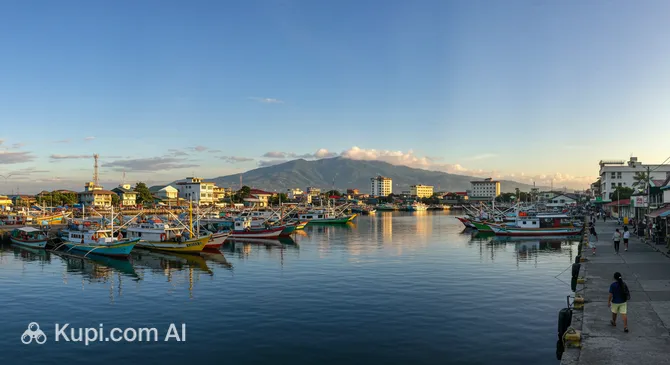
General Santos. Source: Kupi.Binoculars

The city has a compelling past, having evolved from a small settlement originally known as Dadiangas. Travelers interested in the history of General Santos will find its transformation into a first-class highly urbanized city truly inspiring. Today, it stands as a testament to resilience and growth, famously known as the hometown of world-renowned boxing champion Manny Pacquiao.

Visitors will find plenty to see and do here. A trip to the General Santos City Fish Port Complex is a must for anyone wanting to witness the massive tuna catch that drives the local economy. For those seeking outdoor adventures, Sanchez Peak offers panoramic views of the city and the bay, while Plaza Heneral Santos provides a green sanctuary in the heart of the downtown area.

Whether you are a food enthusiast eager to taste the freshest sashimi or an adventurer looking to explore the unique landscapes of Mindanao, General Santos invites you to experience its warmth and vitality. It is a destination that promises authentic experiences and unforgettable memories for every traveler.

Weather Overview

General Santos generally enjoys a warm and tropical climate, characterized by consistent temperatures and frequent cloud cover throughout the year. Because the city is situated outside the country's typhoon belt, the weather remains relatively stable, allowing for travel opportunities in almost any season. For a more detailed breakdown of what to expect during your specific travel dates, you can consult the guide to the weather in General Santos.

Temperatures in the city are quite uniform, with monthly averages hovering comfortably between 25°C and 27°C. April is typically the warmest month, where daytime highs can reach up to 31.1°C, while the coolest temperatures are often recorded in February, dropping to around 21.8°C at night. This steady warmth makes light, breathable clothing a must for visitors.

Rainfall patterns in General Santos are unique; while the recorded precipitation volume is low, the frequency of "wet days" is high. You can expect rain on many days of the year, ranging from about 15 days in February to as many as 29 days in May and June. Consequently, travelers should expect warm days interspersed with regular, likely brief, showers.

Interesting Facts

Beyond the celebrated tuna industry and famous personalities, General Santos holds fascinating details that add depth to its character. From unique local transport to architectural tributes, these lesser-known aspects offer a glimpse into the true heart of the city.

  • The city is named after General Paulino Santos, the commanding officer who led the first group of settlers to the area in 1939. His remains are actually interred within Plaza Heneral Santos, transforming the park into a significant historical monument honoring the city's founder.

  • General Santos is frequently cited as having one of the highest densities of tricycles in the Philippines. Unlike the compact versions found in Manila, the tricycles here feature a unique, wide-bodied sidecar design specifically built to accommodate larger families and substantial cargo.

  • The local tuna industry operates with remarkable speed to ensure premium freshness. "Sashimi-grade" tuna caught in the region is often processed and flown out immediately, reaching fish markets in Japan and the United States within just 24 hours of being landed.

  • Modern development in the city often pays homage to nature, as seen in Veranza Mall. This lifestyle hub is distinct for incorporating a large artificial waterfall and extensive al fresco gardens, blending retail therapy with the tropical vibe of the region.

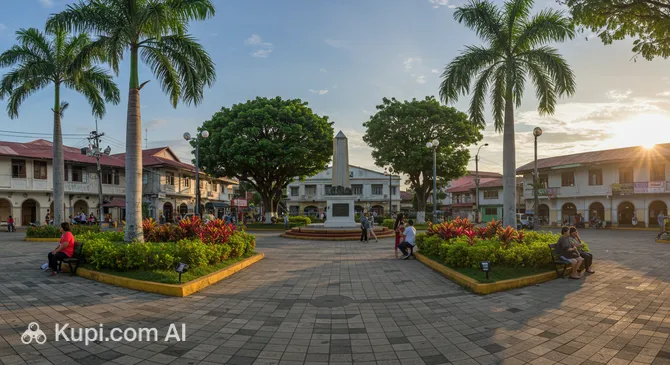
Plaza Heneral Santos. Source: Kupi.Binoculars

How to Get There

Reaching this southern metropolis is relatively straightforward, thanks to its well-connected infrastructure. Travelers planning their journey can find detailed information on how to get to General Santos via various modes of transport. The most convenient way to arrive is by air, as the city is served by its own airport, though nearby major hubs also offer viable alternatives for international connections.

The primary gateway is General Santos International Airport (IATA: GES), located directly in General Santos, just 7.1 km from the city center. It is the largest airport in the Soccsksargen region and handles a significant volume of domestic flights, making it the easiest option for most visitors. A taxi or shuttle from the terminal to the downtown area typically takes about 30 minutes.

For those who cannot find a direct flight, the Francisco Bangoy International Airport (IATA: DVO) in Davao City is a major alternative hub. Although it is located approximately 123.3 km away, it serves a much larger volume of international and domestic traffic. From Davao, you can take a bus or rent a private car to reach General Santos; the overland journey usually takes around 3.5 hours depending on traffic conditions.

Another option for regional travelers is Awang Airport (IATA: CBO) in Cotabato City. Situated about 157.3 km from General Santos, this airport is smaller but provides access to the broader region. Traveling from here to General Santos by road would take approximately 4 to 4.5 hours.

For clarity, here is a summary of the main airports:

Airport Name City Passenger Traffic Km from City
Francisco Bangoy International Airport Davao City High 123.3
General Santos International Airport General Santos Medium 7.1
Awang Airport Cotabato City Small 157.3
Labo Airport Ozamiz Small 271.3
Pagadian Airport Pagadian Small 267.7

Currently, there are no railway stations serving General Santos directly, and the island of Mindanao does not have an active inter-city passenger train network. Visitors arriving at airports in neighboring cities typically rely on the extensive network of buses, vans, and private transfers to reach their final destination. The road network connecting General Santos to major cities like Davao is well-paved and scenic, offering a pleasant drive through the countryside.

Main Attractions

General Santos offers a mix of historical landmarks and modern lifestyle hubs that reflect its growth as a major city in the south. While the city is famous for its tuna industry, its urban attractions provide excellent opportunities for leisure, shopping, and understanding local heritage.

A central part of the city's identity is Plaza Heneral Santos. This public park is not only a green sanctuary in the middle of the bustling downtown area but also a historical site dedicated to General Paulino Santos, the city's namesake. It serves as a popular meeting place for locals and features a prominent monument, making it an ideal spot for tourists to take a pleasant stroll and observe the daily life of the community.

For a contemporary experience, visitors should explore Veranza Mall. This destination stands out for its unique architectural design that integrates nature with retail space. It is famous for its relaxing ambiance, featuring an artificial waterfall and extensive al fresco dining areas where you can enjoy local and international cuisine amidst lush greenery.

Veranza Mall. Source: Kupi.Binoculars

Another vibrant spot for shopping and entertainment is Gensan Mall. As one of the established commercial centers in the area, it offers a wide range of retail stores, cinemas, and food outlets. It is a convenient stop for travelers looking to buy souvenirs, catch a movie, or simply enjoy the air-conditioned comfort while experiencing the city's energetic commercial vibe.

Local Cuisine

As the "Tuna Capital of the Philippines," the culinary landscape of General Santos is defined by an abundance of fresh seafood, particularly high-quality yellowfin tuna. The city is a haven for seafood lovers, offering a gastronomic experience that revolves around the daily catch from Sarangani Bay. Dining here is often an unpretentious affair where the freshness of the ingredients takes center stage, ranging from upscale restaurants to lively open-air eateries.

No visit to General Santos is complete without trying its signature tuna dishes. Tuna Sashimi here is legendary, often served simply with soy sauce and calamansi to highlight the fish's premium quality. Another local favorite is Grilled Tuna Panga (tuna jaw), marinated in a savory blend of soy sauce and spices, then grilled over charcoal until tender and smoky. For those who enjoy a tangy kick, Kinilaw is a must-try; it is a Filipino ceviche made with fresh raw fish cubes cured in vinegar, ginger, onions, and chili peppers.

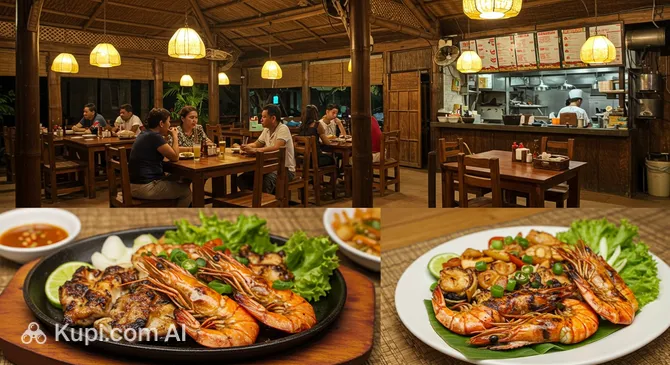
Abi's Resto Grill. Source: Kupi.Binoculars

To accompany these savory meals, locals often enjoy fresh tropical fruit shakes. Since the region is rich in agriculture, fruits like pineapple, mango, and even the pungent but creamy Durian are readily available and often made into refreshing drinks. For an alcoholic option, ice-cold local beers are the standard pairing for grilled dishes during evening gatherings.

The food culture in General Santos is vibrant and communal. In the evenings, food parks and grill restaurants come alive with the aroma of barbecue. Travelers looking for a hearty meal can visit Abi's Resto Grill, a popular spot known for serving classic Filipino comfort food and grilled specialties in a relaxed setting. Whether you are dining in the al fresco areas of Veranza Mall or exploring street-side stalls, the city promises a satisfying culinary adventure.

Travel Tips

Visiting General Santos is an exciting experience, offering a unique blend of urban energy and coastal relaxation. To help you make the most of your trip to the "Tuna Capital," here are some practical tips to ensure a smooth and enjoyable journey.

  1. Clothing and Gear: Given the tropical climate, pack lightweight and breathable fabrics like cotton or linen to stay cool in the heat. Since rain showers can occur frequently throughout the year, bringing a compact umbrella or a light raincoat is highly recommended. Comfortable walking shoes are essential for exploring, and if you plan to visit religious sites, remember to dress modestly by covering your shoulders and knees.
  2. Transportation: The most common way to get around the city is by tricycle; unlike in other parts of the Philippines, tricycles here are spacious and can seat multiple passengers. For longer distances, jeepneys are a colorful and affordable option, while taxis are available for a more comfortable, air-conditioned ride. Car rentals are possible but generally not necessary for city exploration unless you plan to travel to distant towns.
  3. Finances: The local currency is the Philippine Peso (PHP). While major malls, hotels, and upscale restaurants accept credit cards, cash is absolute king for tricycles, local markets, and small eateries. ATMs are widely available in commercial centers and banks. A daily budget can vary, but travelers can live quite comfortably on a moderate amount; tipping is not mandatory but is appreciated, usually around 10% or rounding up the fare.
  4. Health and Safety: General Santos is generally safe for tourists, but it is wise to practice standard precautions like keeping an eye on your belongings in crowded areas and avoiding poorly lit streets at night. Pharmacies like Mercury Drug and Watsons are common, with some branches operating 24/7. It is strongly advised to drink only bottled or purified water to avoid stomach issues.
  5. Communication: English is widely spoken and understood, especially in business and service sectors, making communication easy for international travelers. The primary local language is Cebuano (Bisaya), though Tagalog is also spoken. Buying a local SIM card (Globe or Smart) at the airport or malls is recommended for mobile data, as Wi-Fi is mostly reliable in hotels and cafes but less so in public spaces.
  6. Local Etiquette: Filipinos are known for their warmth and hospitality; a smile goes a long way here. It is polite to address locals with "Sir" or "Ma'am" when asking for assistance. When entering a local home or certain establishments, check if you need to remove your shoes. Respect for elders is culturally important, often shown through a polite nod or the traditional "mano" gesture (touching the elder's hand to your forehead), though a handshake is perfectly acceptable for tourists.
  7. What to Avoid: Avoid drinking tap water or using ice cubes from street vendors if you have a sensitive stomach. Also, refrain from raising your voice or showing visible anger in public, as this causes "loss of face" and is considered very rude in local culture; staying calm and smiling will resolve issues much faster.
  8. Fish Port Dress Code: If you plan to visit the famous General Santos City Fish Port Complex to see the tuna catch, be aware that there is a strict dress code. Visitors are required to wear long pants and closed shoes (sneakers or rubber boots); shorts and slippers are generally not allowed on the trading floor for safety and hygiene reasons.

By keeping these practical tips in mind, you will be well-prepared to navigate the city's streets and engage with its friendly residents. Enjoy the fresh seafood, the vibrant culture, and the warm hospitality that make General Santos a memorable destination.

Entertainment & Nightlife

Entertainment and nightlife in General Santos reflect the city's laid-back and friendly character. Unlike the high-octane club scenes found in larger capitals, the evening vibe here is centered around socializing, live acoustic music, and, inevitably, excellent food. The nightlife culture is heavily influenced by the "grill and chill" concept, where locals gather at open-air venues to enjoy grilled tuna specialties paired with ice-cold local beers.

One of the primary hubs for evening entertainment is the al fresco area of Veranza Mall. This strip comes alive at night with a variety of bars, gastropubs, and restaurants that often feature live bands performing local hits and international covers. It is a favorite spot for young professionals and tourists alike, offering a safe and modern environment to unwind. The crowd here is casual, and the dress code is generally relaxed—shorts, jeans, and t-shirts are perfectly acceptable.

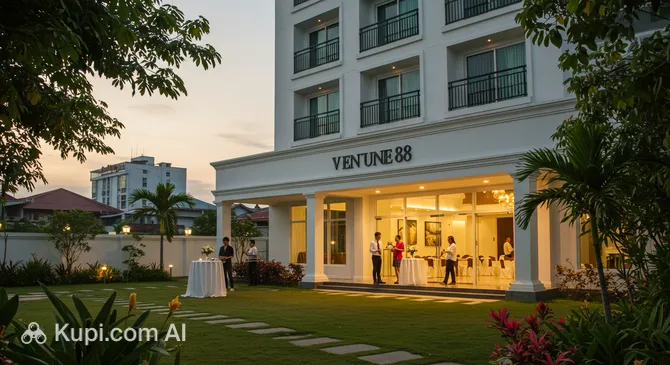
For those looking for a venue that combines leisure with events, Venue 88 Hotel and Events Place is a notable establishment in the city. It often hosts gatherings and offers a more resort-like atmosphere compared to the busy downtown streets. It is an excellent choice if you prefer a slightly more upscale yet comfortable setting for your evening.

Venue 88 Hotel and Events Place. Source: Kupi.Binoculars

Another staple of the General Santos nightlife is the traditional resto-bar experience. Establishments like Abi's Resto Grill provide a quintessential GenSan evening: open-air dining, hearty platters of grilled seafood, and a lively ambiance. These venues are typically busiest on Friday and Saturday nights, often staying open until around 1:00 AM or 2:00 AM.

Travelers interested in a bustling local experience should also visit the Tiongson Arcade. While primarily a night food market famous for fresh seafood cooked to order, it transforms into a vibrant social hall in the evenings where groups of friends eat and drink at communal tables. It is arguably the best place to feel the pulse of the city's local culture.

When planning a night out, safety is generally not a major concern in these popular areas, but it is always wise to stay in well-lit districts and keep an eye on your belongings. Tricycles are the main mode of transport at night. Be aware that fares may be slightly higher in the evening, so it is best to agree on the price before hopping in. Taxis are also available and can be booked via hotel concierges for a more secure ride back to your accommodation.

While the city shines at night with its culinary scene, daytime entertainment also has its charm. Visitors can enjoy modern amenities at Gensan Mall, catch a movie at the local cinemas, or explore the city's history at the General Santos City Museum. For families, the open spaces of Plaza Heneral Santos offer a pleasant environment for afternoon walks before the nightlife begins.

Parks & Museums

While General Santos is renowned as a bustling trade hub, the city also maintains spaces dedicated to leisure, nature, and the preservation of its rich heritage. Visitors looking to step away from the commercial centers will find verdant parks and cultural institutions that offer a deeper understanding of the region's history and diverse community.

At the very center of the city lies Plaza Heneral Santos, the most significant public park in the area. This landscaped square serves as the city's living room, where locals gather for morning exercises, afternoon strolls, and community events. It is historically significant as it houses the monument and resting place of General Paulino Santos, the city's founder. For tourists, it provides a safe and relaxing environment to observe local life, surrounded by well-maintained gardens and shaded pathways.

For those seeking a connection with the sea, Queen Tuna Park offers a refreshing coastal experience. Located near the public market and the shores of Sarangani Bay, this park is famous for its large sculptures of tuna, reinforcing the city's identity. It is a popular spot for catching the sea breeze and watching the sunset, providing a simple yet authentic slice of life in a coastal city.

Nature enthusiasts willing to venture a bit further should explore Sanchez Peak. Situated on the boundary of the city and the municipality of Polomolok, this natural attraction is the highest point in General Santos. It offers a moderate hiking trail that rewards adventurers with a breathtaking panoramic view of the city skyline, Mount Matutum, and Sarangani Bay. It is an excellent escape for those looking to trade the urban noise for cool mountain air and lush scenery.

To delve into the cultural fabric of the region, a visit to the General Santos City Museum is highly recommended. The museum showcases the diverse history of the area, featuring artifacts and exhibits that highlight the traditions of the indigenous B'laan people, as well as the story of the Christian settlers who arrived in the 1930s. It serves as an educational gateway, helping visitors appreciate the harmonious blend of cultures that defines the Soccsksargen region today.

Another point of interest is the Notre Dame of Dadiangas University Museum. Although located within a university campus, it is a treasure trove of archaeological finds and ethnographic materials. The collection often includes burial jars, traditional weaving, and other historical items that reflect the pre-colonial and colonial past of Mindanao, offering a scholarly perspective on the local heritage.

For an insider experience, try visiting Kalaja Karst Area located in Barangay Conel. This eco-tourism destination features limestone formations, caves, and a waterfall, offering a rugged adventure just a short drive from the city center. It played a role as a hideout during World War II, adding a layer of historical intrigue to its natural beauty.

Getting Around

Navigating General Santos is a unique experience compared to other major urban centers, as the city does not have a metro, tram, or train system. Instead, the public transport network is entirely road-based, colorful, and heavily reliant on smaller, locally adapted vehicles. The most iconic and ubiquitous mode of transport here is the tricycle. Unlike the compact versions found elsewhere, General Santos is famous for its custom-built, wide-bodied tricycles designed to carry multiple passengers and even substantial cargo. These serve as the primary taxis for short to medium distances, weaving through neighborhoods and connecting residential areas to the downtown district.

For travel along major avenues and highways, jeepneys and multicabs are the standard options. These operate on fixed routes, similar to buses, and are the most affordable way to traverse the city. Passengers simply hop on at designated stops or hail them from the roadside. While less frequent than tricycles in residential zones, they are essential for commuting between key commercial hubs, the public market, and the fishing port area. Air-conditioned taxis are also available, primarily stationed at the airport, shopping malls, and major hotels, offering a more comfortable but pricier alternative for tourists.

The payment system in General Santos is traditional and cash-based. There are no electronic travel cards or tap-and-go systems for local public transport like tricycles or jeepneys. Passengers must pay the driver directly in Philippine Pesos (PHP). It is crucial to carry smaller bills (20s, 50s, 100s) and coins, as drivers often do not have change for large denominations. Fares are generally very affordable; a standard shared tricycle ride within the city proper costs a nominal fee, while a "special" trip—where you hire the entire vehicle for a private ride—will cost significantly more, usually agreed upon before departure.

For tourists seeking convenience, ride-hailing apps are becoming increasingly popular and provide a safe, transparent way to book a ride without negotiating fares on the street. Grab is the primary service available, allowing users to book cars or taxis with fixed pricing. This is particularly recommended for travelers who are unfamiliar with local routes or those carrying luggage. Car rentals are also an option but are typically only necessary if you plan to drive extensively outside the city limits to explore the province of South Cotabato.

Operating hours for public transport are flexible but generally follow the rhythm of the city. Jeepneys and multicabs run frequently from early morning (around 5:00 AM) until the evening (around 9:00 PM or 10:00 PM). Tricycles are available 24/7, though fewer ply the streets late at night, and drivers may charge higher rates during these off-hours. When using public transport, a helpful tip is to learn the local word for stop, which is "Para." Saying this loudly will signal the driver to pull over so you can disembark safely.

Accommodation

Where to Stay:

Accommodation in General Santos caters largely to business travelers and families, offering a practical range of options from budget-friendly inns to comfortable mid-range hotels. While the city is not primarily defined by ultra-luxury resorts, visitors will find a good selection of clean, modern, and accessible places to stay. The hospitality sector here is growing, ensuring that tourists have reliable choices that combine value with warm local service.

For the most convenient experience, staying in the downtown area (often referred to as the City Proper) is highly recommended. This location places you within walking distance or a short tricycle ride of major shopping hubs like KCC Mall and Veranza, as well as various dining establishments. The area along the National Highway is another strategic spot, offering easy access to the airport and transport terminals for those planning to explore the wider Soccsksargen region.

Travelers looking for a more relaxed atmosphere with resort-style amenities might consider Venue 88 Hotel and Events Place. This establishment is well-known in the city for its spacious grounds and swimming pool, making it a popular choice for families and those seeking a bit of leisure within the urban setting. It stands out as an example of the city's capacity to offer comfortable retreats alongside standard business lodgings.

When planning your stay, it is generally easy to find a room upon arrival, but booking in advance is advisable if you are visiting during the Tuna Festival in September, as hotels fill up quickly due to the influx of visitors. Prices in General Santos are quite reasonable, with mid-range options often costing significantly less than similar accommodations in Manila or Cebu. Most established hotels are bookable via major online platforms, ensuring a hassle-free reservation process.

Nearby Cities

For those looking to explore the surroundings, General Santos serves as an excellent base for day trips to several interesting nearby locations. The region is rich in natural beauty and cultural heritage, offering diverse experiences just a short drive from the city center.

One of the closest and most popular destinations is Polomolok, located at the foot of the majestic Mount Matutum. This town is famous for hosting one of the world's largest integrated pineapple plantations. Visitors can enjoy the cool, breezy climate and the scenic views of endless green fields, making it a refreshing escape from the coastal heat.

For beach lovers, the town of Glan in the province of Sarangani is a top choice. Often referred to as the "Boracay of the South," it is renowned for the powdery white sands and crystal-clear waters of Gumasa Beach. It offers a perfect setting for swimming, sunbathing, and enjoying a quiet retreat away from crowded tourist spots.

Another significant stop is Koronadal, also known as Marbel, which serves as the regional administrative center of Soccsksargen. Beyond its urban conveniences, the city is a gateway to cultural attractions and inland adventures, including nearby waterfalls and springs that showcase the lush landscape of South Cotabato.

City Population Distance (km)
Koronadal 195398 55
Polomolok 172605 17
Malita 118197 59
Glan 109547 33
Malungon 105465 26

These nearby destinations offer a glimpse into the diverse culture and landscapes of the region, making them well worth the journey for any traveler.

Shopping & Souvenirs

Shopping in General Santos offers a vibrant mix of modern retail convenience and authentic local commerce, reflecting its status as the economic powerhouse of the Soccsksargen region. Visitors will find that the city seamlessly blends large, air-conditioned lifestyle hubs with bustling traditional markets. While it is not a high-fashion capital, the city provides an excellent selection of local products, particularly seafood-based goods, making it a unique destination for bringing home a "taste" of the Philippines.

The city's retail landscape is dominated by several large shopping complexes that serve as the primary centers for leisure and commerce. One of the most prominent destinations is Veranza Mall, known for its distinct resort-inspired design. It offers an upscale shopping experience with a variety of international brands, fashion boutiques, and tech stores, all set around a relaxing water feature and garden.

Another key player in the local shopping scene is Gensan Mall, which has long been a favorite among locals for its department store and supermarket. For those looking for extensive variety, the massive KCC Mall of Gensan and SM City General Santos are the go-to spots, housing everything from cinemas and food courts to department stores and specialty shops.

Gensan Mall. Source: Kupi.Binoculars

For a more traditional experience, the General Santos City Public Market is the place to be, especially for foodies. This is where the "Tuna Capital" title truly comes to life. Early risers can witness the freshest catch of the day, including the city's famous yellowfin tuna. Aside from seafood, the market area is a hub for fresh tropical fruits like pineapples, pomelos, and durian, which are abundant in the region.

When it comes to souvenirs, tuna products are undeniably the top choice. Tourists often buy frozen tuna sashimi packed in styrofoam boxes for travel, or processed items like canned tuna, tuna chorizo, and fish chicharon (crispy fish skin). Beyond food, look for intricate beadwork and hand-woven fabrics like the Malong, which showcase the rich cultural heritage of the indigenous B'laan and Maguindanaoan communities in Mindanao.

Most shopping malls in General Santos operate daily from 10:00 AM to 9:00 PM, though supermarkets often open earlier. Payment methods in malls and major restaurants are modern, with credit cards and mobile wallets being widely accepted. However, if you plan to visit the public markets or smaller souvenir stalls, carrying sufficient cash in Philippine Pesos (PHP) is essential, as electronic payments are rarely used in these settings.

Regarding tax-free shopping, the Philippines does not currently have a widely implemented VAT refund system for tourists at the point of sale in general retail stores. The price you see on the tag typically includes the 12% Value Added Tax (VAT). While there have been government discussions about introducing a tax refund scheme for foreign visitors, it is best to assume for now that the listed price is the final price.

Reached the end of the page?

That means the route is fully explored