Support

Cotabato City

About

Welcome to Cotabato City, a vibrant and historically significant urban center in the southern part of the Philippines. Often referred to as the "City of Stone" derived from its local name Kuta Wato, this bustling metropolis serves as a primary commercial, industrial, and cultural hub in Mindanao. It offers a unique atmosphere where diverse cultures and traditions blend seamlessly, creating a fascinating destination for travelers seeking an authentic experience.
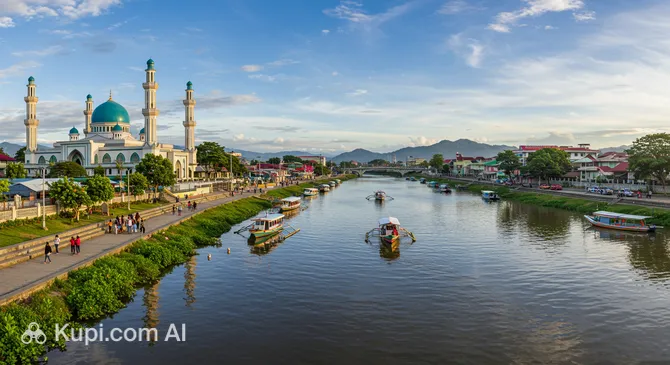
Cotabato City. Source: Kupi.Binoculars

Geographically, the city is strategically situated in the lowlands, bordered by the majestic Rio Grande de Mindanao and the Tamontaka River. This location has made it a vital trade route for centuries. With a population of approximately 325,000 residents, the city buzzes with energy while maintaining a deep connection to its natural surroundings. The climate is generally tropical, characterized by a mix of sunny days and seasonal rainfall that keeps the landscape lush and green.

The cultural depth of the area is profound, and exploring the history of Cotabato City reveals a narrative of resilience and heritage that dates back long before the Spanish era. Visitors are often captivated by the architectural marvels that dot the cityscape. One of the most iconic landmarks is the Sultan Haji Hassanal Bolkiah Masjid, also known as the Grand Mosque. Its stunning gold domes and intricate design make it a breathtaking sight and a symbol of the city's spiritual richness.

Another must-visit attraction is the People's Palace, which serves as the City Hall. Unlike typical government buildings, this structure boasts a majestic design that blends neo-classical and ethnic influences, standing proudly as a testament to local craftsmanship. For those interested in local artistry, the city is also famous for the exquisite Inaul fabric, a traditional hand-woven cloth known for its vibrant colors and intricate patterns.

Whether you are drawn by the majestic mosques, the lively markets, or the warm hospitality of the locals, Cotabato City promises a memorable journey. It is a place where every corner tells a story, inviting you to discover the heart and soul of Mindanao.

Weather Overview

Travelers to this region can expect a tropical climate characterized by steady warmth and significant humidity. The weather in Cotabato City is remarkably consistent, with average monthly temperatures hovering comfortably between 26.4°C and 27.3°C throughout the year. This stability makes the city a warm destination regardless of the season, with daily highs typically reaching up to 29°C and nighttime lows rarely dropping below 24.6°C.

Precipitation is a frequent companion in this lush area, with rain occurring on many days of the month. The wettest period generally spans from May to October, with July seeing up to 28 wet days. In contrast, February is typically the driest month, recording approximately 14 wet days and slightly lower precipitation levels. Expect warm days year-round with frequent showers, making it advisable to always carry rain gear while exploring the city.

Interesting Facts

Beyond its well-known landmarks and bustling streets, Cotabato City holds a treasure trove of fascinating details and historical secrets waiting to be uncovered. Here are some intriguing facts that make this "City of Stone" truly unique:

  • Caves in the City Heart: Cotabato City is home to the Kutawato Caves, which hold the distinction of being the only cave system in the country located right within the city proper. These natural caverns have historically served as a sanctuary for the local population during World War II.

  • A Haven for Freedom: The historic Tamontaka Church, built in 1872, is more than just a place of worship. It was established by Jesuits as part of a unique project to redeem children from slavery. These children, known as "Libertos," were raised in a self-sustaining agricultural community surrounding the church.

  • Brassware Capital: The city is renowned as a primary production center for traditional brassware in the Philippines. Local artisans continue to use centuries-old lost-wax casting techniques to create intricate items, including the famous kulintang (gong ensembles) used in traditional Maguindanaoan music.

  • Crab Delicacies: Thanks to its location along the delta of the Rio Grande de Mindanao, the city is famous for its abundance of massive mud crabs. These local delicacies are so celebrated that they are often the highlight of culinary festivals and are considered some of the best in the region.

How to Get There

Reaching this historic urban center in Mindanao is relatively straightforward, with air travel being the most convenient option for most visitors. For a comprehensive guide on transportation routes and tips, you can read more about how to get to Cotabato City.

The most direct way to arrive is via Awang Airport (CBO), which serves the city directly. Located just 5.0 km from the city center, it offers the quickest access for travelers. The journey from the airport to the downtown area typically takes around 30 minutes by taxi or local transport, making it an ideal choice for those looking to minimize travel time. While it is a smaller regional hub, it connects the city efficiently to major destinations like Manila.

Alternatively, international travelers or those coming from other parts of the Philippines often fly into Francisco Bangoy International Airport (DVO). Situated in Davao City, this is a major aviation hub located approximately 156.5 km from Cotabato City. Although it requires a longer ground transfer, taking about 4 to 5 hours by bus or van, it offers a wider range of flight schedules and international connections. Another option is the Laguindingan International Airport (CGY) in Cagayan de Oro, which is roughly 157.6 km away and serves as another key gateway to the region.

For clarity, here is a summary of the main airports:

Airport Name City Passenger Traffic Km from City
Francisco Bangoy International Airport Davao City Large 156.5
Laguindingan International Airport Cagayan de Oro Medium 157.6
Awang Airport Cotabato City Regional 5.0
Labo Airport Ozamiz Regional 115.9
Pagadian Airport Pagadian Regional 109.6

Main Attractions

There is no shortage of fascinating places to explore in this historic city, ranging from architectural marvels to natural wonders. Visitors can immerse themselves in the local culture, history, and geography through these top attractions.

Sultan Haji Hassanal Bolkiah Masjid is widely regarded as the crown jewel of the city's landmarks. Often cited as the largest mosque in the Philippines, this majestic structure sits near the coastline and covers a sprawling five-hectare complex. It is famous for its fourteen stunning gold-painted domes and towering minarets that are visible from miles away. Tourists are captivated by its grandeur and the peaceful atmosphere that surrounds the grounds, making it a perfect location for sightseeing and photography.

For those seeking a unique natural adventure within an urban setting, the Kutawato Caves are a must-visit. This cave system is the only one in the country located right in the heart of a city, giving Cotabato its name, which translates to "Fort of Stone." The caves offer various entrances and chambers for spelunking enthusiasts to explore. Beyond their geological beauty, they hold historical significance as ancient shelters, adding a layer of intrigue to the physical adventure.

The People's Palace, which serves as the City Hall, is an architectural sight that defies the typical look of government buildings. Perched on a vantage point, it blends neo-classical style with traditional ethnic motifs, symbolizing the cultural harmony of the region. The building is surrounded by manicured grounds where visitors can enjoy a leisurely walk, and its imposing facade provides a stunning backdrop for photos, representing the modern spirit of the city.

Shoppers and culture enthusiasts should not miss the Cotabato Barter Trade Center. This bustling market is the ultimate destination for authentic local products. It is particularly famous for the Inaul, a traditional hand-woven fabric known for its vibrant colors and intricate designs. Visitors can also find brassware, malongs, and other native crafts, offering a tangible connection to the rich artistic heritage of Mindanao.

Nature lovers can head to Timako Hill, a lush forest reserve located near the delta of the Rio Grande de Mindanao. The area is steeped in local folklore and offers a tranquil escape from the city noise. It is home to a variety of wildlife, including troops of monkeys that often greet visitors. The hill provides excellent opportunities for trekking and observing the natural biodiversity of the region.

Local Cuisine

The culinary landscape of Cotabato City is a flavorful reflection of its rich cultural heritage, predominantly influenced by Maguindanaoan traditions. Unlike many other parts of the Philippines, the local food scene here is deeply rooted in Halal practices, offering a distinct gastronomic journey that is savory, spicy, and satisfying. Visitors will find that coconut milk, chilies, and turmeric are staple ingredients that define the bold taste profiles of the region.

One dish that you simply cannot leave without trying is Pastil. Often considered the ultimate comfort food of the city, it consists of steamed rice topped with kagikit—shredded chicken or fish slow-cooked in soy sauce and spices—all wrapped in a banana leaf. It is ubiquitous, affordable, and delicious, commonly found in street stalls and local eateries. Another festive favorite is Sinina, a rich stew typically made with goat meat or beef, simmered in coconut milk and spices until tender. It is often served during special occasions but can be enjoyed in many traditional restaurants.

Given the city's location near the Rio Grande de Mindanao and the coast, seafood is also a highlight. Cotabato is famous for its massive mud crabs (alimango), which are celebrated for their sweet, firm meat. These are often cooked in spicy coconut sauce or simply steamed to highlight their natural flavor. For those with a sweet tooth, Dodol is a must-try delicacy. This sticky, sweet treat made from rice flour, coconut milk, and jaggery is a popular snack and a common souvenir to bring home.

When it comes to beverages, the city offers refreshing options to combat the tropical heat. While alcohol is available in certain establishments, the local culture leans heavily towards non-alcoholic drinks. Fresh fruit shakes, particularly those made from durian or mango, are widely popular. Coffee culture is also alive and well, with many locals enjoying strong, native coffee accompanied by native delicacies.

Dining in Cotabato City is a communal experience. You will find a mix of humble carenderias (local eateries), bustling street food markets, and established Halal restaurants. The atmosphere is generally laid-back and welcoming. Exploring the local markets not only offers a taste of authentic dishes but also provides a glimpse into the daily life of the residents, making every meal a cultural encounter.

Travel Tips

Exploring Cotabato City is a rewarding experience, and a few practical preparations will help you navigate its unique cultural landscape with ease. Here are some essential tips to ensure your visit to this historic city is both comfortable and respectful.

  1. Clothing and Gear: Given the tropical humidity, lightweight and breathable fabrics like cotton or linen are your best friends. Since the city has a significant Muslim population and several religious sites, modest clothing is highly recommended; avoid overly revealing outfits, especially when visiting the Grand Mosque. Bring comfortable slip-on shoes, as you will need to remove them when entering places of worship, and carry a universal travel adapter (Type A, B, or C) if you have electronics from other regions.

  2. Transportation: The most common way to get around the city is by tricycle, a motorized rickshaw that can navigate small streets efficiently. For longer distances within the city or to neighboring towns, colorful jeepneys and multicabs are the standard public transport. Ride-hailing apps are not widely established here compared to Manila, so it is best to carry small change for fares. Car rentals are available but often come with a driver, which is a stress-free way to explore.

  3. Finances: The local currency is the Philippine Peso (PHP). While major malls like the Mall of Alnor or KCC Mall have ATMs and accept credit cards, cash is absolute king in local markets, small eateries, and for tricycle fares. It is wise to withdraw sufficient cash in the city center before heading to more remote attractions. Tipping is not mandatory but is appreciated; rounding up the fare for tricycle drivers is a common gesture of goodwill.

  4. Health and Safety: Pharmacies such as Mercury Drug are common in the downtown area and shopping centers, but it is smart to bring a personal kit with basic medications. Stick to bottled or purified water to avoid stomach issues. As a general safety precaution, stay in well-lit, populated areas, particularly at night, and keep your valuables secure in crowded places like the public market.

  5. Communication: English is widely understood and spoken, making communication relatively easy for international travelers. The national language, Filipino (Tagalog), is also used, alongside the local dialect, Maguindanaoan. Buying a local SIM card (Globe or Smart) is easy at any convenience store or mall, ensuring you have data for maps and translation apps. A friendly "Good morning" works well, but learning the local greeting "Assalamu Alaikum" (Peace be upon you) is deeply appreciated.

  6. Local Etiquette: The city is known for its warm hospitality, and returning a smile is the best way to interact. When visiting Muslim homes or religious sites, always ask about specific rules, such as removing shoes or separating genders in certain areas. It is polite to use your right hand when giving or receiving objects, as the left hand is traditionally considered unclean in some cultural contexts.

  7. What to Avoid: Public displays of affection (PDA) are frowned upon in this conservative society and should be avoided. Additionally, refrain from drinking alcohol in public spaces or near religious sites; while alcohol is available in specific establishments, the local culture is predominantly Halal, and public intoxication is considered very disrespectful.

  8. Market Tip: If you plan to visit the Barter Trade Center for souvenirs like Inaul fabric, go in the morning when the temperature is cooler and the stocks are fresh. Bargaining is acceptable but should be done with a smile and a friendly attitude; a little rapport with the vendor often leads to a better price.

By keeping these practical tips in mind, you will be well-equipped to enjoy the vibrant culture, delicious food, and historical beauty of Cotabato City. Embrace the local rhythm, respect the traditions, and you are sure to have an unforgettable journey in the Philippines.

Entertainment & Nightlife

Entertainment and nightlife in Cotabato City offer a distinct change of pace from the high-energy club scenes found in other major Philippine cities. Reflecting the region's rich cultural heritage and conservative traditions, the evening atmosphere here is relaxed, family-oriented, and centered heavily around gastronomy and socializing. Instead of loud bars and discos, the night comes alive with vibrant night markets, acoustic music sessions, and a thriving coffee shop culture where locals gather to unwind.

The heart of the city's modern evening entertainment is undoubtedly along Sinsuat Avenue, particularly around the Mall of Alnor complex. This area serves as a primary social hub where you can find a concentration of restaurants, cafes, and lifestyle centers that remain open late. It is a bustling district where friends meet to enjoy a mix of traditional Maguindanaoan delicacies and modern cuisine. The complex often hosts events and features establishments that offer a comfortable, air-conditioned environment perfect for evening relaxation.

For those seeking an authentic local vibe, the area around the City Plaza transforms into a lively night market after sunset. This is the best place to experience the city's street food culture. You can sample freshly grilled barbecue, sweet desserts, and the ubiquitous pastil while observing the local hustle and bustle. Another key venue is the KCC Mall of Cotabato, which not only offers late-night shopping but also houses cinemas and a food court that serves as a popular hangout spot for the younger crowd and families alike.

Travelers should be aware that due to the predominant Halal culture, the availability of alcohol is limited compared to other parts of the country. Public consumption of alcohol is generally frowned upon, and most restaurants do not serve it. However, specific establishments within hotel complexes like the Al Nor Hotel may have lounges where drinks are served in a more private and discreet setting. The dress code throughout the city is casual but modest; wearing revealing clothing is discouraged out of respect for local customs.

When venturing out at night, safety is generally well-maintained in the main commercial districts, with a visible security presence ensuring order. It is advisable to stick to well-lit, populated areas like the mall strips and main avenues. For transportation, motorized tricycles are the most convenient way to get around, but they may become scarcer after midnight. It is recommended to arrange your ride back to your accommodation in advance if you plan to stay out late. Prices for food and transport are very affordable, making a night out quite budget-friendly.

During the daylight hours, entertainment options shift towards cultural and historical appreciation. While the city lacks large amusement parks, visitors can explore local history at the Old Cotabato City Hall, which houses a museum showcasing the region's heritage. For a scenic break, Tantawan Park offers a refreshing outdoor space with panoramic views of the city and the winding Rio Grande de Mindanao, providing a perfect contrast to the evening's urban buzz.

Parks & Museums

While Cotabato City is often recognized for its bustling trade and historic mosques, it also offers serene green spaces and cultural institutions that provide a deeper look into the region's soul. The city's landscape is a mix of urban energy and natural wonders, while its museums serve as custodians of the rich Maguindanaoan heritage and the broader history of Mindanao.

For those seeking fresh air and panoramic views, Tantawan Park is a significant landmark located at the foot of Pedro Colina Hill. This area is historically important as it was once a strategic lookout point. Today, it serves as a refreshing open space where visitors can enjoy a view of the winding Rio Grande de Mindanao. It is a popular spot for locals to catch a breeze and watch the sunset, offering a quiet respite from the busy city streets below. The park stands as a reminder of the "stone fort" identity of the city, connecting the natural geography with local history.

Nature enthusiasts should explore Timako Hill, a lush natural reserve that feels worlds away from the urban center. Shrouded in local folklore, this area is not just a forest but a sanctuary for biodiversity. It is home to troops of wild monkeys that are often visible to visitors, adding a touch of wildlife adventure to the trip. The hill offers trails for trekking and is an excellent spot for bird watching, providing a green escape where the sounds of the city are replaced by the rustling of leaves and the calls of nature.

To truly understand the cultural fabric of the region, a visit to the Bangsamoro Museum is essential. Located within the compound of the Bangsamoro Autonomous Region in Muslim Mindanao (BARMM), this institution houses a vast collection of artifacts that tell the story of the Bangsamoro people. Visitors can admire intricate brassware, traditional musical instruments like the kulintang, and royal heirlooms from the sultanates. The museum provides invaluable context regarding the artistic and historical contributions of the Muslim Filipinos to the nation's identity.

Another architectural and cultural gem is the Old Cotabato City Hall Museum. Situated facing the city plaza, this vintage structure is a classic example of early 20th-century architecture. Recently repurposed to showcase the city's timeline, it features galleries that display photographs, documents, and memorabilia tracing the evolution of Cotabato from a river settlement to a major city. The building itself is an exhibit, with its preserved design offering a nostalgic glimpse into the past.

Among the historical sites that blend architecture with spirituality is the Tamontaka Church. As the first church established in the city in the late 19th century, it is a site of immense historical value. The architecture is simple yet dignified, reflecting the Spanish colonial influence adapted to the local environment. It stands as a symbol of the city's diverse religious history and the long-standing presence of the Jesuit mission in the area.

For a truly authentic experience, take a moment to visit the City Plaza in the late afternoon. It is the beating heart of the city's social life, where families gather and children play. Nearby, you might find vendors selling local snacks. It is an excellent place to sit back, observe the daily rhythm of the locals, and feel the genuine warmth that defines the community of Cotabato City.

Getting Around

Navigating Cotabato City is an experience in itself, characterized by an informal yet highly functional network of road-based vehicles. Unlike major capitals with extensive train lines or subways, public transport here relies entirely on the road. The system is straightforward, affordable, and offers a genuine glimpse into the local way of life, with colorful vehicles dominating the streets from sunrise to sunset.

The undisputed king of the road in this city is the tricycle. These are motorcycles attached to a covered sidecar, designed to carry passengers through narrow streets and busy intersections where larger vehicles cannot pass. They function similarly to taxis but on a shared basis. You can find them on almost every corner, and they are the most convenient option for short-distance travel within the city center or to specific landmarks like the city hall or local markets.

For longer journeys or travel along main thoroughfares such as Sinsuat Avenue, jeepneys and multicabs are the standard modes of transport. Multicabs are smaller, van-like versions of the traditional jeepney and are widely used in this region. They follow fixed routes and are ideal for getting from the downtown area to the airport or neighboring towns. These vehicles are open-air, allowing for a breezy ride, though they can get crowded during peak hours.

The payment system is strictly cash-based; there are no travel cards, tap-to-pay apps, or digital ticketing systems for public transit here. Fares are extremely affordable, typically starting at a minimal base rate for the first few kilometers. It is essential to carry coins and small bills (20, 50, or 100 Peso notes), as drivers often do not have change for large denominations. You simply hand your payment to the driver or pass it forward through other passengers, saying "bayad po" (payment, please).

Travelers should be aware that public transport operates primarily during daylight hours. Tricycles and multicabs are abundant from early morning until early evening, but their availability drops significantly after 8:00 PM. If you plan to stay out late, it is advisable to arrange transportation in advance or charter a tricycle for a "special trip," which involves paying a higher, negotiated fare for a private ride directly to your destination.

Alternatives to public transit are somewhat limited. There are no standard metered taxis that you can hail on the street, nor are there international car-sharing apps like Uber. Car rentals are available but usually come with a hired driver, which is a stress-free way to tour the area. For those staying within the compact downtown district, walking is a viable option, though the tropical heat often makes a short tricycle ride the more comfortable choice.

A unique feature of the local transport landscape is the presence of pump boats or water taxis along the Rio Grande de Mindanao. While not a primary mode of transit for all tourists, these small motorized outriggers are used by locals to cross the river or reach specific barangays situated along the banks. Riding one offers a different perspective of the city, viewing its bustling life from the water that has historically defined its trade and culture.

Accommodation

Accommodation options in Cotabato City are generally practical, affordable, and designed to cater to business travelers and cultural tourists. Visitors should not expect sprawling 5-star luxury resorts; instead, the city offers a solid selection of reliable mid-range hotels, clean business inns, and budget-friendly pension houses. The hospitality industry here is growing, with establishments focusing on providing comfort, security, and traditional Filipino warmth.

The most popular and convenient area to stay is along Sinsuat Avenue. As the city's main commercial artery, this location places you within walking distance of shopping centers like the Mall of Alnor and KCC Mall, as well as various dining spots. Staying here ensures easy access to public transportation and a relatively modern urban environment. Alternatively, the downtown area near the City Plaza offers more budget-oriented lodgings. This district is bustling and places you right in the heart of the local action, close to markets and historical landmarks, though it can be busier and noisier than the uptown areas.

Among the well-known establishments, the Al Nor Hotel and Convention Center is often considered the premier choice in the city. Located within a lifestyle complex, it provides modern amenities, including function halls and easy access to restaurants, making it a favorite for conferences and leisure travelers alike. Another reputable option is the Em Manor Hotel, which is recognized for its decent facilities and accessibility. These hotels typically offer air-conditioned rooms, Wi-Fi, and on-site dining, ensuring a comfortable stay after a day of exploration.

When it comes to pricing, Cotabato City is very budget-friendly compared to major metropolises like Manila or Cebu. Mid-range hotels are quite affordable, while pension houses offer extremely low rates for backpackers. While the larger hotels are increasingly present on major online booking platforms, many smaller establishments still prefer direct bookings via phone or social media pages. A helpful tip is to bring sufficient cash for deposits and payments, as card terminals may not be available in smaller inns. Additionally, it is wise to book your room in advance if you plan to visit during the Shariff Kabunsuan Festival in December, as accommodations can fill up quickly during this peak cultural celebration.

Nearby Cities

For those looking to explore the surroundings, Cotabato City serves as an excellent base for day trips to several interesting nearby locations. The region offers a mix of coastal towns, agricultural hubs, and hidden natural gems that provide a deeper understanding of Mindanao's geography and culture.

One of the most accessible destinations is Parang, located just a short drive away. This coastal municipality is home to the Polloc Freeport and offers breezy seaside views. It is a convenient spot for travelers who wish to see the ocean and enjoy fresh local seafood without venturing too far from the city center.

For nature enthusiasts willing to travel a bit further, Alamada is a must-visit. It is famous for the breathtaking Asik-Asik Falls, a unique natural wonder where water springs forth from a curtain of lush vegetation on a cliffside rather than from a river above. The sight is truly spectacular and worth the journey for anyone interested in eco-tourism.

Another significant town in the vicinity is Midsayap. Known as a vibrant agricultural and commercial center, it offers a lively atmosphere and hosts the colorful Halad Festival. A visit here provides a glimpse into the bustling daily life and diverse traditions of the province.

City Population Distance (km)
Midsayap 165,376 34
Pikit 164,646 46
Parang 102,914 14
Pigcawayan 72,371 24
Alamada 68,659 52

These nearby destinations offer a glimpse into the diverse culture and landscapes of the region.

Shopping & Souvenirs

Shopping in Cotabato City offers a distinct experience that blends modern convenience with deep-rooted cultural traditions. As a major commercial hub in the region, the city serves as a trading convergence point for Central Mindanao. While you will not find high-end luxury fashion avenues here, the city is a treasure trove for authentic local crafts, traditional textiles, and regional delicacies. It is a place where slick modern malls stand just a short distance from bustling barter centers, providing tourists with a diverse range of retail opportunities.

The city's commercial activity is largely concentrated along Sinsuat Avenue. This major thoroughfare serves as the lifeline of the city's modern economy, lined with shopping complexes, restaurants, and banks. It is the most convenient area for tourists to find general supplies, electronics, and clothing. In contrast, the downtown area, particularly around the city plaza, offers a more traditional vibe with older establishments and street-side vendors selling affordable goods, making it ideal for those who enjoy bargain hunting.

For a comfortable and air-conditioned shopping experience, KCC Mall of Cotabato is the premier destination. As the largest mall in the city, it houses a comprehensive department store, a supermarket, and a wide array of retail chains and dining options. It is a one-stop shop for travelers needing travel essentials or looking for branded items. Another notable spot is the Mall of Alnor, which is part of a larger hotel and lifestyle complex. It offers a more relaxed atmosphere, focusing on dining and lifestyle shops, making it a great place to unwind after a day of exploring.

However, the true heart of the city's shopping scene lies in its markets. The Cotabato Barter Trade Center is the most important stop for any visitor. Historically, barter centers were hubs where goods from neighboring countries were traded; today, this market is the best place to find authentic souvenir items. For foodies, the Mega Market (City Public Market) is the place to go to buy fresh local produce, including the city's famous massive mud crabs and fresh fruits like durian and mangosteen.

When it comes to souvenirs, Inaul is the undisputed star. This traditional Maguindanaoan hand-woven fabric is renowned for its intricate designs and vibrant colors, often used to make malongs or formal attire. It is a piece of wearable art that represents the region's heritage. Visitors should also look for brassware, such as miniature gongs and jars, which are crafted using centuries-old techniques. For edible gifts, Dodol (a sticky, sweet treat made from rice flour and coconut) and dried fish are popular choices to bring back home.

Most shopping establishments operate daily, with malls typically opening from 9:00 AM to 8:00 PM or 9:00 PM. Traditional markets start much earlier, often buzzing with activity by sunrise and winding down in the late afternoon. Regarding payment, cash is king in Cotabato City. While major malls and hotels accept credit cards and digital wallets, stalls in the Barter Trade Center, public markets, and smaller souvenir shops deal exclusively in cash. It is advisable to withdraw sufficient Philippine Pesos from ATMs located in the commercial centers before heading to the markets.

Tax-free shopping or VAT refund schemes for tourists are not currently a standard feature in the city's retail landscape. Prices displayed are generally inclusive of all taxes. In markets like the Barter Trade Center, fixed prices are rare, and friendly negotiation or bargaining is a common and expected part of the shopping experience.

Reached the end of the page?

That means the route is fully explored