Support

Dumaguete

About

Welcome to Dumaguete, a charming coastal hub affectionately known as the "City of Gentle People." As the capital of the province of Negros Oriental, this vibrant city serves as a primary gateway to the Central Visayas region of the Philippines. Famous for its relaxed atmosphere and academic prestige, Dumaguete strikes a perfect balance between a bustling urban center and a laid-back university town.
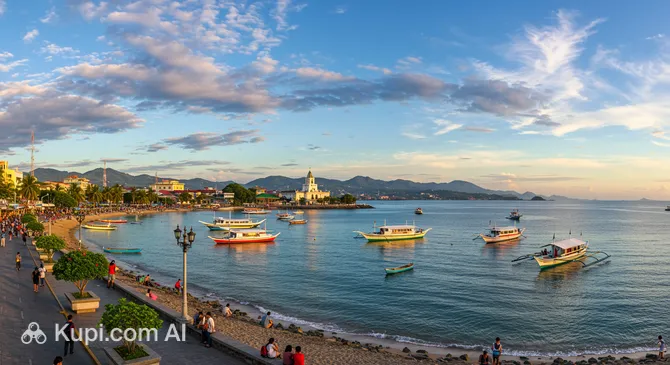
Dumaguete. Source: Kupi.Binoculars

Geographically, the city is situated on the southeastern coast of Negros Island, offering lovely sea views and a tropical climate. With a population of approximately 134,000 residents, it feels lively yet uncrowded. The city is home to several universities, including the historic Silliman University, which infuses the area with a youthful energy and a rich cultural scene. Visitors eager to learn more about the local heritage can explore the fascinating history of Dumaguete, which is visibly preserved in landmarks like the iconic Campanario de Dumaguete watchtower.

Travelers are often drawn to the picturesque Rizal Boulevard, a waterfront promenade perfect for morning jogs or watching stunning sunsets. It is also the ideal base for nature lovers, serving as the main jump-off point for diving trips to the world-renowned Apo Island, known for its thriving sea turtle population. Whether you are here to taste the famous local silvanas pastries or to experience the genuine warmth of the locals, Dumaguete promises a memorable and heartwarming visit.
Weather Overview

Travelers visiting this coastal city can expect a warm, tropical climate year-round, making it a pleasant destination at almost any time. The average temperatures remain remarkably consistent, generally staying between 25°C and 27°C. Nights are comfortable with minimums rarely dropping below 23°C, while daytime highs typically peak around 29°C during the warmest months, such as May.

When planning your outdoor activities, it is important to consider the local rainfall patterns. While the precipitation volume is often recorded as light, rain showers are a frequent occurrence throughout the year. The number of wet days varies significantly, from a low of roughly 16 days in March to nearly 30 days in October. For more detailed forecasts and seasonal breakdowns, you can consult the guide on the weather in Dumaguete to help choose the best dates for your trip.

Interesting Facts

Beyond the popular waterfront promenades and university halls, Dumaguete holds fascinating stories that add depth to its character. Uncover some of the unique history and urban legends that define this captivating city.
  • While it is famously called the "City of Gentle People," the name Dumaguete actually originates from the Visayan word "dagit," meaning "to snatch." This refers to the city's turbulent history centuries ago when pirates would frequently raid the coast to capture residents, a sharp contrast to the peaceful and welcoming atmosphere found there today.

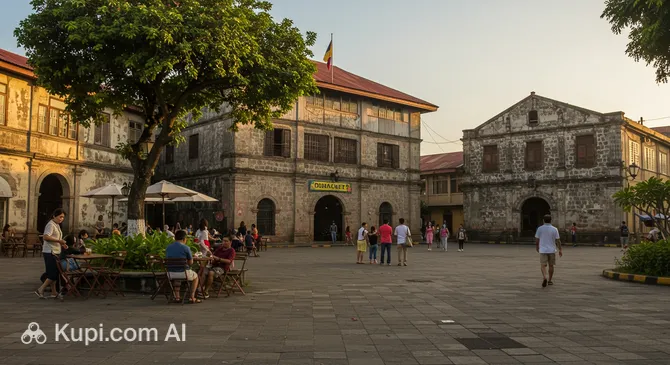
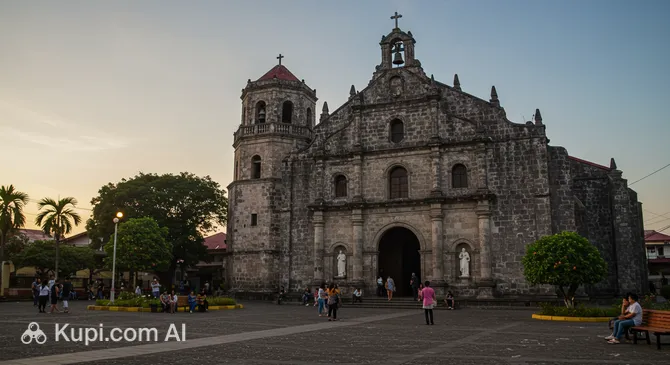
  • The city's most recognizable landmark, the Campanario de Dumaguete, served a dual purpose. Built in 1811 adjacent to the St. Catherine of Alexandria Cathedral, this bell tower was not only a religious structure but also a crucial watchtower used to warn locals of incoming marauders, allowing them to seek safety in time.

  • Dumaguete is home to Silliman University, founded in 1901, which holds the distinction of being the first American university established in the Philippines and Asia. The campus is a declared National Historical Landmark and is one of the few places in the city center where you can find century-old acacia trees lining the roads.

  • The scenic waterfront promenade, Rizal Boulevard, is more than just a beautiful walkway; it is steeped in history. It is named after the Philippine national hero, Dr. Jose Rizal, who is said to have stopped in the city and strolled along this very coastline before traveling to his exile in Dapitan, noting the exceptional hospitality of the locals.

St. Catherine of Alexandria Cathedral. Source: Kupi.Binoculars

How to Get There

Reaching this beautiful coastal city is straightforward, with several convenient options available for travelers. Whether you are flying from within the Philippines or arriving from abroad, you can easily plan your journey and find all ways to reach the city to suit your schedule. The primary gateway is the local airport, but nearby international hubs also serve as excellent entry points.

The most direct route is via Dumaguete Airport (IATA: DGT), also known as Sibulan Airport. It is a regional hub located just 3.0 km from the city center of Dumaguete. Because of its proximity, the commute is exceptionally quick; a taxi or tricycle ride to downtown typically takes only about 25 minutes. This airport handles a significant volume of domestic traffic, making it the top choice for most visitors.

For international travelers, Mactan-Cebu International Airport (IATA: CEB) is the closest major global gateway. Please note that this airport is located in Cebu City, approximately 133.2 km from Dumaguete. To complete the journey, you will need to take a ferry or a combination of bus and ferry, with the total travel time estimated at around 220 minutes. Another viable option is flying into Bohol-Panglao (IATA: TAG) in Tagbilaran. Situated about 58.9 km away, it requires a ferry crossing to reach Dumaguete, taking roughly 110 minutes in total travel time.

For clarity, here is a summary of the main airports:

Airport Name City Passenger Traffic Km from City
Mactan-Cebu International AirportCebu CityLarge133.2
Bohol-PanglaoTagbilaranMedium58.9
Dumaguete AirportDumagueteMedium3.0
Labo AirportOzamizSmall138.1
Dipolog AirportDipologSmall78.3

Since Dumaguete is located on an island, there are no railway services connecting it to other cities. Aside from air travel, the most common alternative means of entry is by sea. Fast crafts and RORO (Roll-on, Roll-off) ferries frequently ply routes connecting the city's port to nearby islands such as Cebu, Bohol, and Siquijor, offering a scenic and often affordable way to arrive.

Main Attractions

Attractions:

Dumaguete offers a delightful mix of historical landmarks, green spaces, and modern photo spots that reflect its unique character. The city's compact size makes it easy to explore these sites on foot or by a short tricycle ride, allowing visitors to immerse themselves in the local culture and history comfortably.

A visit to the city would not be complete without stopping by the St. Catherine of Alexandria Cathedral. As the oldest stone church in Negros Oriental, it stands as a testament to the region's rich religious heritage. Tourists are drawn here not only for spiritual reflection but also to admire the architecture and the famous Campanario de Dumaguete, the historic bell tower that once protected the town from pirates. The area around the cathedral is always bustling with energy, making it a focal point of city life.

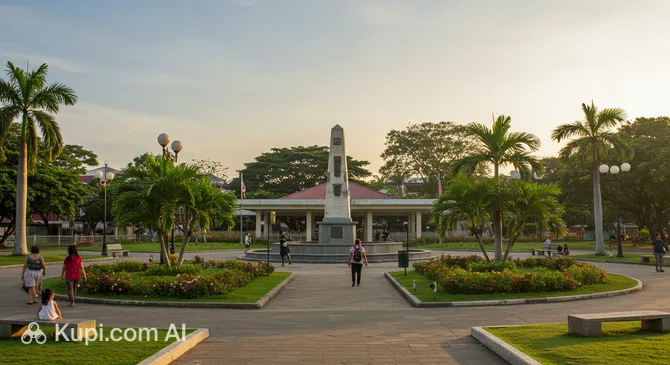
Just across from the cathedral lies Quezon Park, a favorite gathering spot for both locals and tourists. This lush, open space is perfect for a leisurely stroll or a relaxing afternoon picnic under the shade of century-old trees. It features historical monuments and a playground, making it family-friendly. The park often hosts local events and provides a great vantage point to observe the daily rhythm of the "City of Gentle People."

Quezon Park. Source: Kupi.Binoculars

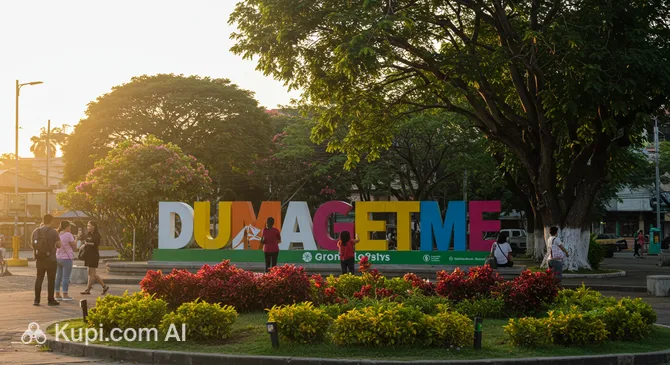
For those looking to capture a memorable souvenir photo, the DumaGetMe Sign is an absolute must-visit. Located along the scenic Rizal Boulevard, this colorful landmark plays on the city's name and its inviting atmosphere. It is one of the most Instagrammable spots in town, with the beautiful sea and passing ships providing a stunning backdrop. The area comes alive particularly at sunset, when visitors flock to the waterfront to enjoy the view and the cool sea breeze.

DumaGetMe Sign. Source: Kupi.Binoculars

Nature lovers seeking a quiet escape within the city limits should explore the Ninoy Aquino Freedom Park. This spacious park offers a serene environment with well-maintained gardens and pathways, ideal for jogging, walking, or simply unwinding away from the traffic. It serves as a green lung for Dumaguete, providing a refreshing break and a lovely setting for outdoor activities.

Local Cuisine

The culinary scene in Dumaguete is a delightful reflection of its culture: sweet, laid-back, and unpretentious. Known affectionately as the "City of Gentle People," it is equally famous for being a haven for those with a sweet tooth. No visit is complete without trying the city's most iconic delicacy, Silvanas. These are frozen cashew meringue wafers filled with buttercream and coated in cookie crumbs, offering a unique texture that is crunchy, creamy, and cold all at once. Their cake counterpart, Sans Rival, is another buttery, nutty masterpiece that has put Dumaguete on the culinary map.

For a taste of tradition, look for Budbud Kabog, a native delicacy distinct to the province of Negros Oriental. Unlike the typical sticky rice cake found elsewhere in the Philippines, this version is made from millet seeds (kabog), giving it a finer texture and a distinct flavor. It is best enjoyed in the morning or as an afternoon snack, traditionally paired with a steaming cup of Sikwate, a rich and thick local hot chocolate made from pure cacao tablea.

When the sun sets, the local food culture comes alive along the seaside promenade. The street food scene here is legendary, particularly for its Tempura. Note that in Dumaguete, this usually refers to deep-fried fish cake rolls rather than the Japanese shrimp dish. Locals and tourists alike flock to the stalls along the boulevard to enjoy these skewers, dipping them in varying levels of spicy sauce while sitting on the seawall and enjoying the ocean breeze.

Gerry's Grill Dumaguete. Source: Kupi.Binoculars

If you prefer a sit-down meal to enjoy hearty Filipino favorites, the city is dotted with approachable restaurants and bistros. A popular spot to experience the lively atmosphere is Gerry's Grill Dumaguete. It is a great place to sample classic dishes like Sisig (sizzling pork) or grilled seafood while enjoying a cold drink. The dining vibe in the city is generally casual, catered to the student population and travelers, meaning you can find excellent quality food at very reasonable prices.

As for drinks, aside from the beloved hot chocolate, the tropical climate makes fresh fruit shakes a staple. Calamansi juice and fresh Buko (coconut) juice are widely available and incredibly refreshing. For those looking to unwind after a day of exploring, the local nightlife is subdued but pleasant, often revolving around enjoying a cold beer or a cocktail at a restobar, accompanied by acoustic music and the sound of the sea.

Travel Tips

Visiting Dumaguete is a delightful experience, thanks to its relaxed vibe and welcoming locals, but a little preparation goes a long way in ensuring a hassle-free trip. To help you navigate the "City of Gentle People" like a pro, here are some practical tips covering everything from getting around to local customs.

  1. Clothing and Gear: Given the tropical climate, pack lightweight, breathable fabrics like cotton or linen to stay cool. Comfortable walking shoes are a must for strolling along Rizal Boulevard or exploring the university campus. If you plan to visit religious sites like the St. Catherine of Alexandria Cathedral, remember to dress modestly; avoid sleeveless tops and short shorts, or bring a scarf to cover up as a sign of respect.
  2. Transportation: The most common mode of transport within the city is the motorized tricycle (locally often referred to as a "pedicab"). They are plentiful and affordable; for short trips within the downtown area, there is usually a standard fixed rate per passenger. For exploring the outskirts or visiting nearby waterfalls, renting a motorcycle is a popular and convenient option for tourists. Car rentals are available but less necessary for city travel.
  3. Finances: The currency is the Philippine Peso (PHP). While major hotels, malls, and some restaurants accept credit cards, cash is absolute king in Dumaguete, especially for tricycle fares, local markets, and the famous tempura stalls along the boulevard. ATMs are widely available around the city center and shopping malls. Tipping is not mandatory but is highly appreciated; leaving loose change or 10% for good service is a kind gesture.
  4. Health and Safety: Dumaguete is generally very safe for travelers, but standard precautions like watching your belongings in crowded areas apply. Pharmacies like Mercury Drug and Watsons are easy to find, with some branches open 24/7. For medical concerns, the Silliman University Medical Center is a top-tier facility located near the city center. It is advisable to drink bottled or purified water rather than tap water to avoid stomach issues.
  5. Communication: English is widely spoken and understood, largely due to the city's status as a university town. You will have no trouble communicating with locals, drivers, and shopkeepers. The local language is Cebuano (Visayan); learning a simple "Salamat" (Thank you) will earn you warm smiles. SIM cards from major providers like Globe and Smart are cheap and easily purchasable at the airport or malls for mobile data.
  6. Local Etiquette: The city lives up to its nickname, so friendliness is key. Smile back at locals and maintain a polite demeanor. The pace of life here is slower than in Manila or Cebu; avoid rushing people or showing impatience. When entering a local home, it is polite to take off your shoes unless told otherwise.
  7. What to Avoid: Do not lose your temper or shout in public, as this causes a "loss of face" and is considered very rude in Filipino culture. Also, avoid littering, especially on the boulevard and beaches; the city takes pride in its cleanliness, and there are ordinances in place against improper waste disposal.
  8. Local Insight: If you plan to buy the famous Silvanas as a souvenir (pasalubong), remember that they need to be kept frozen. Many shops, like the iconic Sans Rival Bistro, offer insulated packaging for travel, but it is best to buy them shortly before your departure to keep them fresh.

By keeping these tips in mind, you will be well-equipped to enjoy the laid-back charm and hospitality that Dumaguete is famous for. Embrace the slower pace, indulge in the local sweets, and enjoy your adventure in this captivating corner of the Philippines!

Entertainment & Nightlife

While Dumaguete is celebrated for its serene atmosphere, it also offers a variety of entertainment options ranging from modern shopping venues to vibrant cultural festivities. The city’s compact nature allows visitors to easily transition from a day of exploring historical sites to an evening of leisure and social activities.

For those interested in retail therapy, the city center provides several excellent destinations. Lee Super Plaza is a landmark department store where you can find everything from clothing to travel essentials, offering a glimpse into the daily life of the locals. Just a short distance away is Place Dumaguete, a contemporary lifestyle complex. It features a mix of dining establishments and retail shops, serving as a modern gathering spot for students and tourists looking to unwind in a comfortable setting.

Place Dumaguete. Source: Kupi.Binoculars

The nightlife in the "City of Gentle People" is characteristically laid-back. Instead of raucous nightclubs, the evening scene revolves around the waterfront and nearby streets, where restobars come alive with the sounds of local acoustic bands. It is a perfect environment for enjoying a cold drink and engaging in conversation while soaking up the cool ocean breeze. This relaxed approach to nightlife reflects the friendly and welcoming spirit of the community.

Travelers visiting in the latter half of the year are in for a treat, as the city hosts spectacular festivals. The Sandurot Festival in September celebrates the convergence of different cultures that shaped the city, while the grand Buglasan Festival in October brings together the finest cultural presentations from the entire province of Negros Oriental. These events transform the streets into a kaleidoscope of colors, music, and dance, offering an unforgettable entertainment experience.

Parks & Museums

While Dumaguete is best known for its charming coastal promenade, the city also boasts verdant spaces and historical grounds that offer a glimpse into its cultural soul. These areas serve as communal living rooms where locals gather, offering tourists a chance to experience the relaxed pace of life in Negros Oriental amidst nature and history.

For those seeking a breath of fresh air away from the town center, the Ninoy Aquino Freedom Park is the premier destination. This expansive green space is a favorite among nature enthusiasts and fitness buffs. With its wide pathways winding through manicured gardens and tall trees, it provides a serene environment perfect for morning jogs, leisurely walks, or simply sitting on a bench to read. The park's design incorporates elements of local flora, making it a refreshing ecological sanctuary within the city limits.

Ninoy Aquino Freedom Park. Source: Kupi.Binoculars

In the heart of the downtown area lies Quezon Park, a historical plaza that buzzes with activity from sunrise to sundown. Located directly across from the cathedral and the city hall, it functions as the town square. Visitors can admire the monuments dedicated to national heroes, watch children play in the designated areas, or enjoy an afternoon snack from nearby vendors. The park is shaded by massive, century-old trees, offering a cool respite from the tropical sun while keeping you connected to the vibrant city life surrounding it.

Although the city is compact, its history is palpable in its landmarks. The grounds of the St. Catherine of Alexandria Cathedral act as an open-air museum of sorts. Here, visitors can stand at the foot of the iconic bell tower and imagine the days when it served as the town's primary defense against pirate raids. The architectural details and the sheer age of the stone structures provide a tangible connection to the Spanish colonial era.

Additionally, the nearby Silliman University campus deserves mention for its cultural significance. While it is an educational institution, its sprawling grounds, lined with acacia trees and American colonial-style buildings, feel like a walk through history. The campus is home to specialized museums showcasing anthropology and marine biology, which are often open to the public, adding a layer of educational depth to the city's recreational offerings.

Getting Around

Navigating Dumaguete is a unique experience compared to larger metropolitan areas, as the city does not utilize heavy rail systems like metros or trams. Instead, the "King of the Road" here is the motorized tricycle, locally referred to as a "pedicab." These distinct vehicles are motorcycles attached to covered sidecars, designed to carry up to six or more passengers. They function as shared taxis and are the lifeblood of the city's transport network, buzzing through every street and corner from early morning until late at night.

For travel to neighboring towns or the outskirts of the city, multicabs and jeepneys are the standard options. These are larger than tricycles and follow fixed routes, such as those heading to Sibulan, Valencia, or Dauin. You will typically find them waiting at designated terminals near the public market or major shopping centers. For longer provincial trips, the bright yellow Ceres Buses operate from the main bus terminal, offering comfortable air-conditioned and non-air-conditioned rides to other parts of the island.

The payment system in Dumaguete is strictly cash-based; there are no travel cards, tap-to-pay systems, or ticketing apps for local city transport. Fares are very affordable and are usually paid directly to the driver upon reaching your destination. For a standard shared ride within the downtown area (Poblacion), there is a fixed minimum fare per passenger. It is highly advisable to carry small bills and coins, as drivers often do not have change for large denominations.

Tourists should be aware of the difference between a "regular" ride and a "special" trip. If you hail a tricycle on the street and there are other passengers, you pay the standard low rate. However, if you wish to hire the vehicle exclusively for yourself or go to a specific off-route location, this is considered a "special" trip, and you must negotiate the price with the driver beforehand. Operating hours are generally from 5:00 AM to 10:00 PM, though finding a ride becomes significantly harder after midnight.

Unlike major capital cities, conventional metered taxis are quite rare here and are mostly found waiting at the airport or arranged by hotels. Consequently, ride-hailing apps for cars are not a reliable method for getting around the city center. However, because the traffic is relatively light and the scenery is beautiful, scooter and motorbike rentals are extremely popular among visitors. Renting your own bike offers the freedom to explore the coastal roads and mountain spots at your own pace, making it a favorite alternative for adventurous travelers.

Accommodation

Where to Stay:

Accommodation in Dumaguete caters to a wide spectrum of travelers, reflecting the city's welcoming and unpretentious nature. Visitors can choose from a diverse range of options, including backpacker-friendly hostels, cozy family-run inns, and comfortable mid-range business hotels. For those seeking a more luxurious experience, there are several boutique resorts located along the coast or on the outskirts of the city, offering amenities like swimming pools and lush gardens.

The most popular area to stay is the Downtown district (Poblacion), particularly near Rizal Boulevard and Silliman University. Staying here places you within walking distance of major landmarks, the sea port, and a vibrant selection of restaurants and cafes. It is the ideal location for travelers who want to be in the heart of the action and enjoy the city's nightlife. Alternatively, those looking for a quieter retreat might prefer the establishments located slightly inland or along the northern and southern coastal roads, where the atmosphere is more serene and relaxed.

Prices in Dumaguete are generally very competitive compared to other major tourist destinations in the Philippines. Budget travelers can find excellent value in guesthouses and dormitories, while mid-range hotels offer modern comforts at reasonable rates. Booking is typically straightforward, with most properties listed on major online travel platforms. However, it is highly recommended to book your accommodation well in advance if you plan to visit during major local events, such as the Buglasan Festival in October or the Sandurot Festival in September, as rooms in the city center tend to fill up quickly during these peak periods.

Nearby Cities

For those looking to explore the surroundings, Dumaguete serves as an excellent base for day trips to several interesting nearby locations:

Just a short drive up the mountains lies the municipality of Valencia. Known as the "Summer Capital of Negros Oriental" due to its cooler climate, it is a haven for nature lovers. Visitors flock here to hike to the majestic Casaroro Falls, relax in the natural hot springs, or marvel at the volcanic steam vents in the geothermal areas. Its proximity makes it the easiest and most refreshing escape from the city heat.

To the north, Bais offers one of the region's most famous attractions: dolphin watching. Early morning boat trips take visitors out to the Tañon Strait to spot playful pods of spinner dolphins. Bais is also the jumping-off point for the Manjuyod Sandbar, often dubbed the "Maldives of the Philippines," where you can swim in crystal-clear waters and enjoy a picnic on a pristine white strip of sand that emerges during low tide.

Heading south, travelers can explore the town of Siaton, home to the serene Lake Balanan. This freshwater lake, formed by a tectonic earthquake in the 1920s, is surrounded by lush forests and offers activities like kayaking, boat riding, and trekking. It provides a peaceful retreat for those wishing to immerse themselves in the quiet beauty of the island's interior.

City Population Distance (km)
Valencia 216546 13
Bais 84317 37
Siaton 83082 36
Tanjay 82642 43
Santa Catalina 77501 40

These nearby destinations offer a glimpse into the diverse culture and landscapes of the region.

Shopping & Souvenirs

Shopping in Dumaguete is a pleasant and stress-free affair, reflecting the city's laid-back personality. While it may not boast the sprawling mega-complexes found in major metropolises, the city provides a well-balanced mix of modern malls, department stores, and traditional markets that cater to both daily needs and souvenir hunting.

For a convenient retail experience in the city center, Lee Super Plaza is the longstanding local favorite. Situated in the bustling downtown area, this multi-story department store and supermarket is a reliable stop for travelers needing to restock on supplies, buy clothes, or simply enjoy the air-conditioned environment. It serves as a primary commercial landmark where the pulse of the city's daily commerce can be felt.

[IMAGE attraction id=140514]

Those looking for a more contemporary lifestyle setting should visit Place Dumaguete. Located near the port area, this modern strip features a curated selection of shops and dining outlets. It is an excellent spot to browse for fashion items or electronics before settling down for a coffee. Additionally, the city is home to Robinsons Place Dumaguete, a larger mall located slightly away from the center, which houses cinemas, international brands, and a wide array of food choices.

For a taste of authentic local culture, a trip to the Dumaguete Public Market is highly recommended. This is the best place to find fresh tropical fruits, locally grown coffee, and native handicrafts. It is also the ideal spot to purchase pasalubong (gifts), such as the famous silvanas and sans rival cakes, or handwoven items from the neighboring towns. The market offers a vibrant atmosphere where you can interact with friendly vendors and discover the region's unique products.

Reached the end of the page?

That means the route is fully explored