Support

Surigao

About

Surigao City, often celebrated as the "City of Island Adventures," serves as a vital gateway to Northern Mindanao. Located in the Philippines, this bustling port city offers a unique blend of urban energy and natural beauty. As the capital of the province of Surigao del Norte, it sits at the northeastern tip of the island of Mindanao, acting as a major transit point connecting the Visayas and Mindanao regions.
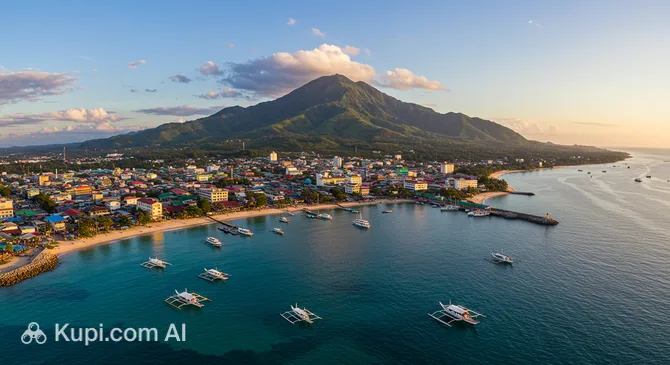
Surigao. Source: Kupi.Binoculars

The city is home to a population of approximately 170,000 residents and enjoys a tropical climate that supports lush vegetation and year-round travel. While it is a modern hub today, the area holds significant cultural depth. Visitors interested in the local heritage can delve into the history of Surigao, which includes its strategic importance during the Battle of Surigao Strait in World War II and its long-standing role as a center of trade.

Travelers are drawn to the city's distinct natural attractions that set it apart from typical beach destinations. One of the most famous spots is Mabua Pebble Beach, renowned for its shoreline composed of smooth, multi-sized pebbles rather than sand, offering a therapeutic foot massage as you walk. Another must-see is the Day-asan Floating Village, often referred to as the "Little Venice of Surigao," where wooden houses on stilts stand amidst serene mangrove forests and clear waters.

Whether you are exploring the mystic Silop Multi-Caves or simply enjoying the fresh seafood at the local boulevard, Surigao provides a welcoming atmosphere for all. It is a destination that invites you to uncover its hidden gems and experience the warm hospitality of its people.
Weather Overview

Surigao experiences a consistent tropical climate, characterized by warm temperatures and significant humidity throughout the year. Because the city is located in a region where rainfall is frequent, it is advisable for travelers to consult the detailed weather in Surigao before packing. The atmosphere remains generally pleasant, making it a viable destination for nature lovers at almost any time.

Temperatures in the city are quite stable, with monthly averages ranging from a comfortable 25.8°C in January and February to a peak of around 27.5°C in May. Rainfall is a constant companion here, with wet days occurring regularly across all seasons. December is typically the rainiest month, seeing precipitation on up to 30 days, while April offers a slightly drier window with about 20 wet days. Expect warm conditions year-round with frequent showers, so carrying rain gear is always a good idea.

Interesting Facts

Beyond the popular beaches and island hopping tours, Surigao holds fascinating secrets that highlight its strategic and cultural importance. This coastal city is not just a transit hub but a place deeply rooted in history and unique geographical features.
  • The Last Battleship Duel: The waters of the Surigao Strait were the site of the historic Battle of Surigao Strait during World War II. It is distinguished by historians as the last time in naval history that battleships fought each other directly, marking the end of an era in naval warfare.

  • Northernmost Tip of Mindanao: Geographically, the city encompasses Punta Bilar, which serves as the northernmost point of the Mindanao mainland. This location makes the city a crucial maritime crossroads, effectively bridging the Visayas and Mindanao regions.

  • Bonok-Bonok Festival: The city is famous for the "Bonok-Bonok Maradjaw Karadjaw" festival, a vibrant street dancing event held every September. Unlike typical celebrations, this ritual originated as a prayer to animistic nature spirits for healing and abundant rain, blending indigenous traditions with the later veneration of San Nicolas de Tolentino.

  • A City of Islands: Although it is a single administrative city, Surigao's jurisdiction actually covers a vast archipelago of its own. It comprises not just the mainland area but also 17 islands and 21 islets, meaning much of the city's territory is actually offshore.

How to Get There

Reaching this coastal gateway is an essential part of the adventure, with options ranging from direct flights to overland journeys from neighboring cities. For a comprehensive guide on planning your route, you can read more about how to get to Surigao. The city is well-connected, serving as a primary transit point between Visayas and Mindanao.

The most convenient entry point is Surigao Airport (SUG), located directly within the city limits. It is a compact hub situated just 3.5 km from the city center, meaning a tricycle or taxi ride to your hotel takes only about 25 minutes. Although it handles a modest volume of passengers, it provides vital links to major hubs like Manila and Cebu.

Alternatively, many travelers choose to fly into Butuan Airport (BXU) in the city of Butuan, which is approximately 93 km away from Surigao. This airport is busier and may offer more flight schedules. From Butuan, you can take a bus or van to Surigao; the travel time is roughly 2 hours and 40 minutes, offering a scenic drive through the province.

For clarity, here is a summary of the main airports:

Airport Name City Passenger Traffic Km from City
D. Z. Romualdez Airport Tacloban High 167.0
Sayak Airport (Siargao) Del Carmen Medium 57.8
Butuan Airport Butuan Medium 92.8
Mambajao Mambajao Small 104.8
Surigao Airport Surigao Small 3.5

Main Attractions

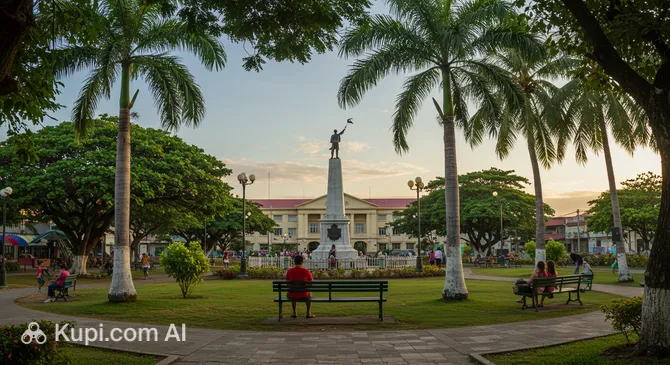
Located right in the heart of the city, Luneta Park is a beloved gathering spot for both locals and visitors. This urban park offers a peaceful green space amidst the bustling streets, making it an ideal place for a leisurely afternoon stroll or a morning jog. It serves as a social hub where you can observe the daily rhythm of life in Surigao, often hosting small events and providing a shaded retreat under its large trees.

Luneta Park. Source: Kupi.Binoculars

For history enthusiasts, the Battle of Surigao Strait Museum is an essential stop. This facility is dedicated to preserving the memory of one of the most significant naval engagements of World War II. Inside, visitors can view a collection of artifacts, photographs, and scale models that narrate the events of the historic battle. It provides a deeper context to the city's strategic importance and offers a poignant look at the region's past.

Just a short boat ride from the city port lies Basul Island, the nearest island getaway featuring fine white sand and crystal-clear waters. Unlike the rocky shores of some nearby areas, Basul offers a classic beach experience perfect for swimming and picnicking. Its proximity makes it a convenient option for travelers looking for a quick tropical escape without venturing too far from the mainland.

Nature lovers seeking a refreshing dip should visit Songkoy Cold Spring in the municipality of Tubod, accessible via a short drive from the city center. This natural pool is renowned for its cool, invigorating waters that flow from the forest. Surrounded by lush greenery, it is a popular spot for families and groups to relax, especially on warm days, offering a tranquil alternative to the coastal beaches.

Local Cuisine

As a coastal hub, Surigao offers a culinary landscape heavily defined by the ocean's bounty. The city is a paradise for seafood lovers, where the catch of the day is often grilled simply to highlight its freshness or prepared as Kinilaw, a local ceviche made with raw fish cubes marinated in vinegar, calamansi, ginger, onions, and chili. This dish is a staple on almost every dining table and serves as a perfect introduction to the bold flavors of the region.

For a taste of something truly unique to Surigao, visitors must try Sayongsong. This famous native delicacy is a violet-colored rice cake wrapped in banana leaves, giving it a distinct aroma. It is made from ground glutinous rice, brown sugar, roasted peanuts, and coconut milk, creating a soft and sweet treat that pairs perfectly with hot coffee or chocolate. You can easily find vendors selling these at the public market or near the port area.

To quench your thirst, fresh Buko juice (young coconut water) is widely available and refreshing in the tropical heat. In the evenings, adventurous travelers might encounter Tuba, a traditional coconut wine that is often consumed by locals during social gatherings. For non-alcoholic options, fruit shakes made from local mangoes or bananas are a sweet and cooling choice.

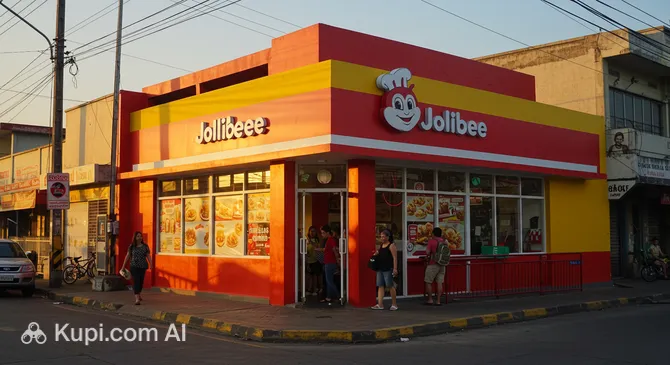
The heart of the local dining scene comes alive at the city's Boulevard, where rows of barbecue stands and open-air eateries offer a relaxed atmosphere by the sea. Here, you can enjoy "sinugba" (grilled food) while soaking in the sea breeze. If you are looking for a quick and familiar Filipino comfort meal amidst your exploration, you can also stop by Jollibee, a beloved fast-food staple found in the city center.

Jollibee. Source: Kupi.Binoculars

Another condiment you might encounter is Poot-Poot Ginamos, a fermented fish sauce made from tiny fishes found in the surrounding waters. While it has a strong scent, it is a prized flavor enhancer for many locals, often served as a side dip for boiled bananas or root crops. Exploring these distinct flavors offers a delicious insight into the simple yet rich food culture of Surigao.

Travel Tips

To ensure your journey through the "City of Island Adventures" is as smooth as it is memorable, we have compiled a set of essential travel guidelines. These practical tips will help you navigate local customs, logistics, and the tropical environment of Surigao with ease.

  1. Clothing and Gear: Given the tropical climate, pack lightweight, breathable fabrics like cotton or linen to stay cool. Since rain showers can occur unexpectedly throughout the year, carrying a compact umbrella or a lightweight raincoat is highly recommended. If you plan to visit Mabua Pebble Beach, bring sturdy aqua shoes or sandals, as walking barefoot on the smooth stones can be challenging under the midday sun.
  2. Transportation: The most common way to get around the city center is by tricycle (a motorcycle with a sidecar). For longer distances or trips to neighboring municipalities, "multicabs" and jeepneys are affordable options. If you are heading to the islands, head to the port area where public boats and private rentals are readily available; always agree on the price before boarding a private charter.
  3. Finances: The local currency is the Philippine Peso (PHP). While major hotels and some restaurants in the city center accept credit cards, cash is absolute king here, especially for tricycles, small eateries, and island fees. ATMs are widely available in the downtown area, but it is wise to withdraw sufficient cash before heading to remote spots or islands where banking facilities are non-existent.
  4. Health and Safety: Pharmacies like Mercury Drug and Watsons are easily found in the city center for basic medical supplies. Tap water is generally not recommended for drinking; stick to bottled or purified water to avoid stomach issues. As a precaution against mosquitoes, especially during the rainy season, keep a bottle of insect repellent handy during your outdoor excursions.
  5. Communication: English is widely understood and spoken, making communication relatively easy for international travelers. The local dialect is Surigaonon, which is closely related to Cebuano. Learning a simple "Salamat" (Thank you) or "Maayong Buntag" (Good morning) will go a long way in connecting with the friendly locals. SIM cards from major networks like Globe and Smart are available at the airport and malls for internet access.
  6. Local Etiquette: Surigaonons are known for their warmth and hospitality. A smile is the best greeting. When interacting with elders, it is polite to use a soft tone. If you are invited into a local home, it is customary to remove your shoes at the door unless told otherwise. Dress modestly when visiting churches or religious sites.
  7. What to Avoid: strictly avoid taking pebbles or rocks from Mabua Pebble Beach as souvenirs. Local authorities enforce this rule to preserve the natural beauty of the coastline. Also, avoid stepping on corals during island hopping tours to protect the marine ecosystem.
  8. Local Insight: For an authentic breakfast experience, wake up early and visit the Surigao City Public Market. This is the best place and time to buy fresh Sayongsong (native rice cake) straight from the vendors while it is still warm, ensuring you get the most authentic taste of this local delicacy.

By keeping these tips in mind, you will be well-prepared to embrace the laid-back rhythm of Surigao. Enjoy the stunning islands, the unique flavors, and the genuine kindness of the people in this beautiful corner of the Philippines.

Entertainment & Nightlife

Surigao City offers a nightlife experience that is distinctively laid-back and centered around social connection rather than high-energy clubbing. Unlike the party-centric atmosphere of nearby island destinations, the evenings here are defined by cool sea breezes, live acoustic music, and open-air gatherings. The city comes alive after sunset, providing travelers with a relaxing way to unwind after a day of island hopping.

The undisputed heart of the city's nightlife is the Surigao City Boulevard. Stretching along the waterfront, this promenade transforms into a bustling hub of activity as the sun goes down. Locals and tourists alike flock here to enjoy "sinugba" (grilled) seafood and barbecue at the various restobars and food stalls lining the strip. The vibe is incredibly casual; you will often find groups of friends sharing a bucket of cold beer while listening to local bands performing covers of popular songs. It is the perfect place to mingle with residents and experience the authentic, friendly culture of the city.

For a quieter evening, Luneta Park offers a charming alternative. Located in the city center, this well-lit park is a favorite spot for families and couples to enjoy a peaceful night walk. The area is surrounded by small food vendors selling affordable snacks, making it a great place to sit on a bench, people-watch, and soak in the local atmosphere without the noise of a bar scene.

If you find yourself hungry late at night, options are readily available. While the Boulevard offers local grilled delicacies, you can also rely on familiar comfort food at Jollibee, which serves as a convenient stop for a quick meal regardless of the hour. For those seeking a more upscale setting for a drink, the bars within major hotels near the port area often provide a sophisticated ambiance and a wide selection of cocktails.

Practical Advice for Night Outs:

  • Best Time to Go: The Boulevard is most vibrant from 6:00 PM to 10:00 PM, especially on weekends when the crowd is liveliest.
  • Dress Code: The dress code is very casual. Shorts, t-shirts, and sandals are perfectly acceptable almost everywhere, including the bars along the waterfront.
  • Getting Around: Tricycles are the primary mode of transport. They are plentiful even at night, but be sure to agree on the fare before hopping in, especially if you are heading back to your hotel late.
  • Safety: Surigao is generally safe for night walks, particularly in well-lit areas like the Boulevard and the city plaza. However, it is always wise to stay in populated zones and avoid unlit alleys.

While the city is famous for its island adventures, daytime entertainment within the city limits also has its charm. History buffs can visit the local museums to learn about the region's pivotal role in World War II, while shoppers can explore the modern malls and public markets that offer a glimpse into the daily trade of this busy port city.

Parks & Museums

While the waterfront boulevard and the central plaza are popular stops, Surigao City possesses other cultural gems and open spaces that offer a deeper understanding of the province's identity. Travelers willing to venture slightly off the main tourist trail will find institutions dedicated to the region's rich geological history and community landmarks that define local daily life.

The Surigao Heritage Center is a fascinating educational stop, particularly for those interested in earth sciences and history. Given Surigao del Norte's status as a mining hub, this facility houses a comprehensive Rock and Mineral Museum displaying a vast array of specimens mined from the province. Beyond geology, the center serves as a custodian of the past, featuring an archaeological section with pre-colonial artifacts, including ancient burial jars and ceramics that offer insight into the early settlements of Northern Mindanao.

A cornerstone of the city's spiritual life is the San Nicolas de Tolentino Cathedral. Standing as a testament to the enduring faith of the locals, this structure is more than just a place of worship; it is a sanctuary of peace amidst the city's activity. The cathedral is known for its simple yet dignified architecture and plays a central role in major religious festivals. It provides a quiet space for reflection and allows visitors to observe the devout culture that permeates the region.

For a genuine experience of local recreation, the Provincial Capitol Grounds offer a spacious, green retreat. Distinct from the smaller urban parks, this expansive area is often abuzz with activity in the late afternoons. It is a favorite spot for residents to engage in sports, jogging, and leisure walks. The grounds also frequently serve as the staging area for large civic gatherings and cultural presentations, making it an excellent place to witness the community spirit of Surigao in action.

Getting Around

Navigating Surigao is a straightforward and authentic experience, as the city does not rely on complex subway systems or large bus networks. Instead, the public transport system is dominated by smaller, road-based vehicles that are perfectly suited to the city's compact layout. The most ubiquitous mode of transport is the tricycle—a motorcycle with an attached sidecar. These colorful vehicles rule the streets and act as the primary "taxis" for getting around the downtown area, taking you from your hotel to the market, the boulevard, or the port with ease.

For slightly longer distances or travel to neighboring barangays and municipalities, multicabs and jeepneys are the standard options. These operate on fixed routes, similar to small buses. You will typically find them lined up at designated terminals or waiting near the public market. They are the most economical way to reach destinations like Mabua Pebble Beach or the airport, offering a breezy, open-air ride that allows you to take in the local sights along the way.

The payment system in the city is exclusively cash-based. There are no travel cards, apps, or digital ticketing machines for local transit. Passengers pay directly to the driver or the conductor. For multicabs and jeepneys, the fare is fixed and very affordable, usually starting at a minimal amount for the first few kilometers. When riding a tricycle, you have two options: a "regular" fare, where you share the ride with other passengers along a set route, or a "special" trip, where you hire the entire vehicle to take you directly to your destination. For "special" trips, it is customary to agree on the price before hopping in.

Tourists should keep small bills and coins handy, as drivers often struggle to find change for large banknotes. Operating hours are generally from early morning until around 9:00 PM or 10:00 PM. While transport is plentiful during the day, catching a ride late at night can be more challenging, especially outside the city center. If you plan to stay out late at the Boulevard, ensure you have a way to get back or arrange a pickup in advance.

Given its status as a gateway to numerous islands, water transport is a unique and vital part of the local system. The city's port area is a bustling hub where passenger ferries and motorized outrigger boats (bancas) connect the mainland to island barangays and nearby provinces. For island hopping adventures, these boats are your primary mode of travel. You can buy tickets at the ticket booths in the port terminal, but for private island tours, you will often negotiate directly with boat owners.

Alternatives like car-sharing apps or metered taxis are not standard here. However, car and van rentals are available for those who prefer self-drive flexibility or need a vehicle for a group excursion. Motorcycle rentals (habal-habal) are also popular among adventurous travelers who wish to explore the coastal roads at their own pace. Additionally, the city center is quite walkable; many key spots, including the park and the cathedral, are within comfortable walking distance of each other.

Accommodation

Where to Stay:

Accommodation in Surigao is diverse and generally affordable, catering primarily to transit travelers heading to nearby islands and leisure seekers exploring the province's natural wonders. The city offers a practical mix of lodging options, ranging from straightforward budget inns and backpacker hostels to comfortable mid-range business hotels. For those looking for a more scenic stay, there are several beach resorts located a short drive from the city center, offering a relaxing atmosphere by the sea.

When choosing where to stay, location is key depending on your itinerary. The city center and Port Area are the most convenient zones for travelers planning to catch an early ferry to Siargao or Dinagat Islands. Staying here places you within walking distance of the port, the public market, and the lively Boulevard. Alternatively, if you prefer a quieter environment with ocean views, the Mabua and Ipil areas are excellent choices. These coastal neighborhoods are famous for their pebble beaches and sunsets, providing a resort-style experience while still being accessible via a 20-30 minute tricycle ride from downtown.

Booking Tip: While finding a room is usually easy, it is highly recommended to book your accommodation in advance if you are visiting during the Bonok-Bonok Festival in September or during the Holy Week holidays. During these peak periods, hotels in the city center fill up quickly due to the influx of visitors and returning locals.

In terms of pricing, Surigao is very budget-friendly compared to major tourist hubs. Budget rooms and transient houses are widely available for backpackers, while mid-range hotels offer modern amenities like air conditioning and Wi-Fi at reasonable rates. Luxury options are limited, but the higher-end resorts provide comfortable suites and pools. While major booking platforms cover the larger hotels, many smaller inns and local resorts still rely on direct bookings via phone or social media pages, and some may prefer cash payments upon arrival.

Nearby Cities

For those looking to explore the surroundings, Surigao serves as an excellent base for day trips to several interesting nearby locations:

Located on Bucas Grande Island, Socorro is a premier destination for nature lovers. It is best known as the home of Sohoton Cove National Park, a maze of limestone islets and emerald waters. Visitors flock here to swim with non-stinging jellyfish in the lagoon and explore hidden caves, making it a magical day adventure accessible by boat.

For a refreshing change from the ocean, Mainit offers a serene lakeside experience. Situated along the shores of Lake Mainit, the fourth-largest lake in the Philippines, this town is perfect for scenic boat rides and eco-tourism. Nearby, the Mapaso Hot Springs provide a therapeutic spot to relax and soak in warm, sulfuric waters amidst lush nature.

Travelers intending to visit the famous island of Siargao will find Dapa to be a vital hub. As the main port of entry for Siargao, it connects visitors to the island's world-class surfing spots and palm-fringed roads. While often a transit point, the town itself offers a glimpse into local island life and serves as the gateway to the white sands and surf breaks of the Pacific.

City Population Distance (km)
Socorro 41,585 52
Basilisa 36,911 33
Dapa 29,006 63
Mainit 28,019 26
Jabonga 24,855 51

These nearby destinations offer a glimpse into the diverse culture and landscapes of the region.

Shopping & Souvenirs

Shopping in Surigao offers a practical and authentic experience that contrasts with the high-end retail scenes of larger metropolitan areas. While you will not find luxury boutiques or sprawling designer outlets here, the city provides everything a traveler needs, from travel essentials to unique local products. It is an excellent place to stock up on supplies before heading to the more remote islands, with a mix of modern conveniences and traditional trade that reflects the daily life of the locals.

The main commercial activity is concentrated in the downtown area, particularly along the streets surrounding the city plaza and the port. San Nicolas Street and Rizal Street are bustling thoroughfares lined with independent shops, pharmacies, and general merchandise stores. This district is walkable and lively, allowing visitors to browse for clothes, footwear, and electronics while soaking in the energetic atmosphere of the city center.

For a more modern retail experience, Gaisano Capital Surigao stands as the primary shopping mall in the city. Located conveniently within the town proper, it offers a cool, air-conditioned retreat from the tropical heat. Here, you can find a well-stocked department store, a supermarket for groceries, and various specialty shops selling gadgets and accessories. It is the go-to spot for travelers who need to purchase toiletries, swimwear, or camping gear for their island adventures.

To truly understand the local culture, a visit to the Surigao City Public Market is essential. This is not just a place to buy food; it is a vibrant hub of commerce where the region's agricultural and marine bounty is on display. It is the best place to find fresh tropical fruits like lanzones, mangosteen, and durian when in season. The market is also the ideal spot to purchase dried seafood, a popular product of the province that makes for a savory gift to bring home.

When it comes to souvenirs, Surigao focuses more on edible treats than handicrafts. The most famous local delicacy is Sayongsong, a violet-colored rice cake wrapped in banana leaves. While it is best eaten fresh, many tourists buy boxes of it to share with friends immediately after their trip. You can also look for "Pasalubong" centers near the port area that sell T-shirts printed with "Surigao" designs, keychains, and locally made accessories, which serve as simple mementos of your visit.

Store hours in Surigao are generally standard, with most shops opening around 9:00 AM and closing by 8:00 PM. The public market starts much earlier, often bustling by dawn. In terms of payment, cash is king throughout the city. While the mall and some larger establishments accept credit cards, smaller vendors, market stalls, and tricycle drivers deal exclusively in cash. It is highly advisable to withdraw sufficient Philippine Pesos (PHP) from the ATMs in the city center before exploring the markets or smaller shops.

Reached the end of the page?

That means the route is fully explored
