Support

Borongan

About

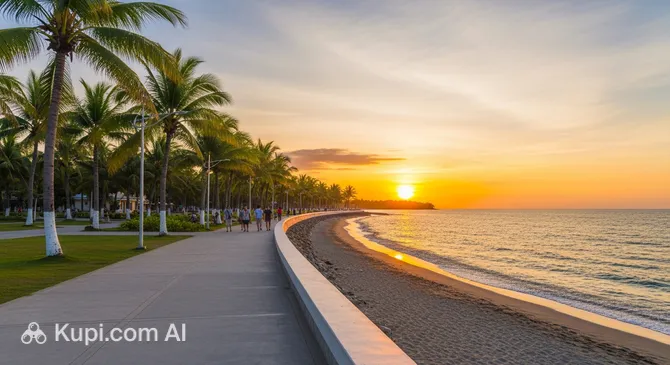
Welcome to Borongan, the vibrant capital of Eastern Samar and a hidden gem along the eastern coast of the Philippines. Known as the "City of the Golden Sunrise," it offers visitors a breathtaking view of the Pacific Ocean each morning, setting the tone for a day filled with tropical adventure and relaxation. With a population of approximately 72,000 people, the city maintains a friendly, tight-knit atmosphere while providing the essential amenities for a comfortable stay.

Geographically, Borongan is situated along the rugged coastline facing the Pacific, making it a prime destination for water sports enthusiasts. The city features a tropical climate, with refreshing sea breezes that complement its lush green surroundings. Those who delve into the history of Borongan will discover a rich heritage shaped by its strategic coastal location and the resilience of its people.

Borongan. Source: Kupi.Binoculars

The city is rapidly gaining fame as a top surfing destination in the Visayas region. Baybay Boulevard is a local favorite, offering excellent waves for surfers of various skill levels, as well as a scenic promenade for leisurely walks. Beyond the surf, visitors can explore pristine natural attractions such as the enchanting Hilangagan Beach or venture inland to discover serene waterfalls and caves.

Whether you are chasing the perfect wave, interested in local culture, or simply looking for a peaceful seaside retreat, Borongan invites you to experience its unique charm and warm hospitality.

Weather Overview

Travelers visiting this coastal city can expect a warm, tropical climate year-round. Temperatures remain remarkably consistent, making it a reliable destination for those who enjoy the heat. The average temperature hovers between 25.5°C in the cooler months of January and February and rises slightly to 27.5°C by May. Daily highs typically reach around 30°C, while evenings remain pleasant with lows rarely dropping below 23°C.

Rainfall is a frequent companion in this region, contributing to the lush, green landscapes of Eastern Samar. The city experiences a high number of wet days throughout the year, ranging from about 23 days in March and April to nearly every day in December. Because showers can occur at any time, it is advisable to pack light rain gear alongside your swimwear. For more specific forecasts and monthly breakdowns, you can consult the detailed guide to the weather in Borongan to help plan your trip accordingly.

Interesting Facts

Beyond the main attractions, Borongan holds many fascinating secrets and unique traditions that surprise many visitors. Here are some interesting facts that reveal the deeper character of this coastal city.

  • The Legend of Hamorawan Spring: Located right in the heart of the city, this spring is steeped in local folklore. It is widely believed that any visitor who drinks its waters will be destined to return to Borongan, or perhaps even find a spouse among the locals.

  • A Name Born of Mist: The city's name is derived from the Waray word borong, which translates to "fog" or "mist." This refers to the thick haze that historically blanketed the area, rolling down from the dense forests of the mountains to meet the sea, especially during the Amihan season.

  • Surf in the City: Unlike many other surfing destinations in the Philippines where the best breaks are in remote areas, Borongan is unique for its accessibility. The prime surfing spots along Baybay Boulevard are located immediately adjacent to the town proper, earning it the reputation of being a rare "urban" surf hub.

  • The Secret Ingredient of Salukara: Borongan is famous for a native delicacy called salukara, a crepe-like snack with a twist. Instead of using yeast or baking powder, locals use tuba (fermented coconut wine) as the rising agent, which gives the pancake a distinct aroma and a soft, fluffy texture.

How to Get There

Reaching this coastal gem in Eastern Samar is an adventure in itself, often involving a mix of air and land travel that allows you to witness the lush landscapes of the region. While the city is tucked away on the Pacific coast, it remains accessible for travelers who plan ahead. For a comprehensive breakdown of routes and transportation options, you can read more about how to get to Borongan to ensure a smooth journey.

The city of Borongan does not have a major international gateway of its own listed here, so most travelers fly into D. Z. Romualdez Airport (TAC) located in the city of Tacloban. This is the most significant hub in the region. Although the straight-line distance is approximately 61 km, the actual road journey is much longer as it winds through the mountains and along the coast. The trip from Tacloban to Borongan typically takes around 3 to 4 hours by van or bus. This overland route is quite scenic, offering views of the countryside and the famous San Juanico Bridge if coming from Leyte.

Another option for reaching the area is via Catarman National Airport (CRM), located in Catarman. It is situated at a straight-line distance of about 132 km from Borongan. Travel from this airport involves a longer road trip, which can take approximately 4 to 5 hours depending on road conditions and traffic. While it serves fewer passengers compared to Tacloban, it provides an alternative route for those exploring the northern parts of Samar before heading east.

For clarity, here is a summary of the main airports in the vicinity (distances shown are straight-line):

Airport Name City Passenger Traffic Km from City
D. Z. Romualdez Airport Tacloban Large 61.0
Sayak Airport (Siargao) Del Carmen Medium 203.7
Masbate Airport Masbate City Small 213.8
Catarman National Airport Catarman Small 131.6
Surigao Airport Surigao Small 204.4

There are no railway stations currently serving Borongan or the immediate surrounding provinces. The primary mode of public transport for inter-city travel remains the bus or van network. Travelers typically arrive by air at one of the neighboring airports and then continue their journey via the road system that links the provinces of Samar and Leyte.

Main Attractions

Borongan offers a delightful mix of natural wonders, historical sites, and recreational spots that capture the essence of Eastern Samar. While the city is famous for its surf, there are several other destinations that allow visitors to immerse themselves in the local culture and the raw beauty of the landscape. Here are some of the top places to include in your itinerary.

Divinubo Island is a must-visit destination located just a short boat ride from the mainland or accessible via a bridge in Barangay Lalawigan. This scenic island is celebrated for its white sandy beaches and crystal-clear waters, making it an ideal spot for swimming and picnicking. The island is also home to a historic lighthouse built during the American period; climbing to its base offers a stunning panoramic view of the vast Pacific Ocean and the rugged coastline.

For those who enjoy freshwater adventures, Pahungaw Falls in Barangay San Andres is a refreshing retreat. Tucked away in a lush forest setting, this natural attraction features a series of cascading waters that form cool, inviting pools perfect for a relaxing dip. The journey to the falls involves a scenic trek through nature, offering a peaceful escape from the city noise and a chance to appreciate the region's rich biodiversity.

In the heart of the city stands the Cathedral of the Nativity of Our Lady, the spiritual center of the Diocese of Borongan. This historic church is not only a place of worship but also a landmark of the city's heritage. It houses the miraculous image of the Lady of the Nativity, which is deeply revered by the locals. The cathedral's architecture and peaceful atmosphere provide a glimpse into the profound religious traditions that have shaped the community for centuries.

Adventure seekers should explore Locso-on Cave, a fascinating geological formation located a few kilometers from the city proper. The cave is known for its intricate rock formations and underground chambers that appeal to spelunkers and nature enthusiasts. Exploring the cave offers a cool respite from the tropical heat and an opportunity to witness the hidden geological beauty of Eastern Samar.

Local Cuisine

The culinary scene in Borongan is a delightful reflection of its coastal geography and the rich traditions of Eastern Samar. Local cuisine here relies heavily on the bounty of the Pacific Ocean, resulting in dishes that feature fresh seafood, often prepared with coconut milk, vinegar, and native spices. Travelers can expect hearty, savory meals that offer a distinct taste of the Waray culture.

A must-try delicacy in the region is podpod. This unique version of smoked fish is typically made from tuna or mackerel, which is cured, smoked, and shaped into flat discs. The smoking process imparts a deep, savory flavor and a firm texture, making it a favorite viand for breakfast or lunch. It is usually fried and served with garlic rice or added to vegetable dishes to enhance their taste.

For seafood lovers, the local kinilaw is an absolute highlight. Fresh fish is "cooked" in spiced vinegar and coconut milk, creating a refreshing dish that perfectly balances acidity and creaminess. Adventurous eaters should also look for sisi, a fermented shellfish delicacy made from rock oysters. Salty and savory, it is often sold in bottles and enjoyed as a flavorful appetizer or a side dish to grilled meats.

On the sweeter side, the city is renowned for salukara. This native pancake is a popular morning treat or afternoon snack. What sets it apart is the use of tuba (coconut wine) in the batter, which acts as a rising agent and gives the crepe a soft, spongy texture and a subtle, aromatic tang. It is best eaten warm, straight from the pan, often paired with a hot cup of coffee or chocolate.

Exploring the public market or small local eateries known as carinderias is the best way to experience these flavors. The food in Borongan, Philippines is unpretentious yet deeply satisfying, offering a genuine connection to the local way of life.

Travel Tips

Traveling to Borongan offers a unique glimpse into the laid-back lifestyle of Eastern Samar, but a little preparation goes a long way in this tropical destination. To help you navigate the "City of the Golden Sunrise" smoothly and make the most of your surf trips and city explorations, here are some practical tips to ensure a hassle-free vacation.

  1. Clothing and Gear: Since the climate is hot and humid, pack lightweight, breathable fabrics like cotton or linen. However, because Eastern Samar experiences frequent rainfall throughout the year, carrying a compact umbrella or a lightweight raincoat is essential. If you plan to surf at Baybay Boulevard or explore the waterfalls, bring appropriate swimwear, a rash guard, and sturdy water shoes. When visiting religious sites like the Cathedral, remember to dress modestly (cover shoulders and knees).
  2. Transportation: The primary mode of transport within the city is the tricycle (a motorcycle with a sidecar). For shorter distances, you can also take a potpot (pedicab). Ride-hailing apps like Grab are generally not available here, so you will rely on these local rides. For trips to nearby towns or beaches, you can hire a tricycle for a "special trip" (private charter), but be sure to negotiate the fare with the driver beforehand.
  3. Finances: Cash is king in Borongan. While some hotels and larger grocery stores may accept credit cards, most local eateries, souvenir shops, and transport providers only take Philippine Pesos (PHP). ATMs from major banks (like Landbank, PNB, or Metrobank) are available in the city center, so it is wise to withdraw enough cash before heading to more remote areas or islands like Divinubo. Keep smaller bills handy for paying tricycle drivers.
  4. Health and Safety: Borongan is generally a safe and peaceful city, but standard travel precautions apply. Stick to bottled or purified water rather than drinking from the tap. Pharmacies like Mercury Drug and Watsons are available in the town proper for basic medical supplies. For emergencies, the Eastern Samar Provincial Hospital is the main medical facility in the area. Don't forget to pack insect repellent, as mosquitoes can be common in tropical settings.
  5. Communication: English is widely understood and spoken, especially in business establishments and hotels, so communication is rarely an issue. The local language is Waray-Waray. Learning a simple greeting like "Maupay nga aga" (Good morning) will go a long way in connecting with the locals. Mobile signal is generally good in the city center (Smart and Globe networks), but data speeds may fluctuate in outlying barangays.
  6. Local Etiquette: The locals, known as Estehanons, are warm and hospitable. It is polite to smile and greet people. If you are introduced to elders, the gesture of pagmamano (taking the elder's hand and touching it to your forehead) is a sign of respect, though a polite nod or handshake is also perfectly acceptable for tourists. Patience is a virtue here; the pace of life is slower than in big metropolises like Manila.
  7. What to Avoid: Avoid displaying large amounts of cash or expensive jewelry in public markets to stay low-profile. Also, refrain from stepping on or touching the coral reefs when swimming or surfing; environmental preservation is taken seriously by the local community.
  8. Golden Hour Tip: True to its nickname, the "City of the Golden Sunrise," the best time to experience Borongan is at dawn. Wake up early and head to Baybay Boulevard or the port area. Not only will you witness a spectacular sunrise over the Pacific, but you will also see the city come alive as fishermen return with their fresh catch and locals start their morning exercises.

By keeping these practical tips in mind, you will be well-equipped to enjoy everything Borongan has to offer, from its crashing waves to its serene forests. Embrace the local rhythm, respect the environment, and you are sure to have an unforgettable adventure in Eastern Samar.

Entertainment & Nightlife

Entertainment in Borongan is defined by its laid-back, coastal charm rather than high-octane clubbing. The city’s nightlife reflects the warm and hospitable nature of the locals, known as Estehanons, where the focus is on good food, cold drinks, and live music by the sea. Instead of neon-lit districts filled with thumping discotheques, you will find breezy restobars and open-air venues where the sound of crashing waves accompanies acoustic bands and karaoke sessions.

The undisputed center of evening activity is Baybay Boulevard. Stretching along the city's shoreline, this promenade transforms after sunset into a lively hub for both locals and tourists. The atmosphere here is casual and unpretentious; shorts and flip-flops are the standard dress code. It is the perfect place to enjoy a "bucket" of local beer while feeling the cool Pacific breeze. The crowd is a friendly mix of surfers winding down after a day on the waves, families enjoying a night out, and groups of friends singing along to local bands.

For those looking to experience the local scene, the waterfront offers a variety of inviting options. You can visit Brewer's Best, a popular restobar that fits perfectly with the city's chilled-out evening vibe, or explore the area known as the Baybay Boulevard Food Park. This stretch is lined with open-air barbecue stalls and seafood eateries, offering an ideal setting for a relaxed dinner of grilled favorites right by the ocean. If you prefer a more energetic vibe with the possibility of dancing, Zzyclone Party Club is one of the few venues in the city that offers a club-like atmosphere with DJs and a dance floor. Another local favorite is Poolsite Grills Restobar, known for its affordable prices and convivial environment, perfect for bonding over platters of pulutan (finger foods).

Travelers should note that nightlife in Borongan wraps up relatively early compared to major metropolises like Manila or Cebu. Most bars and restaurants begin to close around midnight or 1:00 AM. For transportation, tricycles are the primary way to get around. At night, it is advisable to agree on a fare with the driver before hopping in, as "special trips" (private charters) are common after regular commuting hours. The city is generally very safe for night walks, especially along the well-lit boulevard, but it is always wise to stay in populated areas.

Before the sun goes down, Borongan offers plenty of daytime entertainment centered around nature and culture. You can visit the Eastern Samar Provincial Capitol to appreciate the local architecture or explore the city's history at the local library and museum archives if available. For a more active day, the city is a playground for surfers and beach lovers, with spots like Hilangagan Beach providing a perfect setting for sunbathing and swimming before the evening festivities begin.

Parks & Museums

While Borongan is primarily known for its stunning coastal scenery and surf breaks, the city also offers serene green spaces and cultural venues that provide a deeper understanding of its heritage. Visitors looking to explore beyond the beaches will find that the city's parks and museums serve as vital community hubs where history, nature, and daily life intersect.

At the very heart of the city lies Hamorawan Park, a central gathering spot that is as culturally significant as it is picturesque. This urban park is distinguished by a massive century-old acacia tree that provides ample shade for locals and tourists alike. Its most distinct feature is the performance stage designed to look like a giant open clamshell, which serves as the venue for many of the city's social and cultural events. Beneath this structure flows the famous Hamorawan Spring, adding a refreshing natural element to the bustling town center.

For those seeking a more rugged natural escape, Canjuway Nature Park offers a peaceful retreat located in Barangay Canjuway. Unlike the manicured lawns of city parks, this area is defined by its raw beauty, featuring golden sands, interesting rock formations, and a quiet atmosphere perfect for reflection. It is an excellent spot for picnics and leisurely walks, allowing visitors to appreciate the diverse coastal geology of Eastern Samar away from the more crowded surfing spots.

Cultural enthusiasts should make time to visit the Ibabao Museum of History and Culture. Housed within the Bishop’s Residence, this museum is a treasure trove of religious artifacts, historical documents, and ethnographic items that trace the rich legacy of the region. It offers a rare glimpse into the ecclesiastical history of the diocese and the traditions of the Waray people, making it an essential stop for anyone interested in the spiritual and social foundations of the province.

Another educational venue is the ESSU Museum, located within the campus of the Eastern Samar State University. While smaller in scale, this university museum plays a crucial role in preserving local heritage through its collection of archeological finds and cultural displays. It serves as an academic resource that helps interpret the pre-colonial and colonial past of the area, providing context to the development of modern-day Borongan.

Architecturally, the Eastern Samar Provincial Capitol stands as a prominent landmark. As the seat of the provincial government, the building is set within spacious grounds that are often used for jogging and public exercises. Its imposing structure reflects the city's status as the capital of the province and offers a nice backdrop for photos, especially during the golden hour when the facade is warmly illuminated.

For a unique insider experience, try to visit the Healtop Eco Park, a newer attraction that has quickly gained popularity among locals for its panoramic views. Situated on higher ground, it offers a sweeping perspective of the lush landscapes and the ocean beyond, making it a fantastic location for sunset viewing away from the coastal crowds.

Getting Around

Public transport in Borongan is straightforward, informal, and deeply integrated into the local way of life. Unlike large metropolises with complex subway systems or scheduled city buses, this coastal city relies on a network of smaller, versatile road vehicles. The system is designed to navigate the narrow streets of the town center as well as the unpaved roads leading to remote barangays. For tourists, getting around is an authentic experience that offers a closer look at the local culture, though it requires a bit of adjustment to the "island time" pace.

The undisputed king of the road here is the tricycle. These are motorcycles equipped with a covered sidecar, capable of carrying anywhere from two to five passengers depending on the configuration and the driver's willingness to squeeze people in. Tricycles function as the primary taxi service within the city. They operate on two distinct schemes: "regular," where you share the ride with other passengers along a fixed route for a modest fee, and "special," which is essentially a private charter that takes you directly to your destination without stops. The latter is more expensive but offers convenience, especially if you are carrying luggage or traveling to a specific beach resort.

For shorter distances within the poblacion (city center), you will frequently see potpots. These are non-motorized pedicabs powered solely by the driver's cycling. Potpots are an eco-friendly and leisurely way to move between the public market, the cathedral, and nearby shops. They are slower than tricycles and are best suited for flat terrain and relaxed sightseeing. Riding a potpot supports the livelihood of local drivers and allows you to take in the street scenes at a gentle pace.

When it comes to traveling to the outskirts or neighboring towns in Eastern Samar, multicabs and jeepneys are the standard options. Multicabs are small, light trucks converted into passenger vehicles, while jeepneys are the iconic, elongated Filipino minibuses known for their colorful decorations. These vehicles typically wait at designated terminals or near the public market until they are full before departing. They are the most affordable way to travel longer distances, but they do not follow a strict time schedule, so patience is required.

The payment system across all modes of transport is strictly cash-based. There are no travel cards, tap-to-pay apps, or digital ticketing systems for intra-city transit. Fares are paid directly to the driver, usually at the end of the trip for tricycles and potpots, or upon boarding for jeepneys. It is highly advisable to carry small denominations of the local currency, particularly coins and smaller bills, as drivers often struggle to find change for large banknotes. Pricing is generally regulated by the local government, with a base fare for the first few kilometers and additional charges for further distances.

For those who prefer more independence, motorcycle rentals (often called "scooters" or "motorbikes") are becoming increasingly popular among tourists. several local shops and guesthouses offer daily rentals, allowing you to explore the coastal highways and hidden waterfalls at your own leisure. Standard car taxis are virtually non-existent in the city; however, if you need a four-wheeled vehicle for a group tour, you can often arrange for a van rental with a driver through your hotel or at the transport terminal.

Operating hours for public transport are generally from early morning, around 5:00 AM, until early evening. After sunset, the frequency of passing tricycles drops significantly, and by 9:00 PM or 10:00 PM, finding a ride can become difficult, especially outside the very center of town. If you plan to stay out late at a restobar along Baybay Boulevard, it is a practical tip to arrange a pickup time with a tricycle driver beforehand or ask the establishment to help you find a ride home.

Accommodation

Accommodation in Borongan is characterized by its simplicity, affordability, and warm hospitality. Unlike highly commercialized tourist destinations filled with high-rise luxury chains, the city offers a modest but growing selection of places to stay that cater primarily to budget-conscious travelers, surfers, and families. The options generally range from economical pension houses and backpacker-friendly hostels to mid-range hotels and laid-back beach resorts.

When choosing where to stay, visitors typically decide between two main areas: the City Center (Poblacion) and the Coastal Area (Baybay Boulevard). Staying in the town proper is ideal for those who prioritize convenience, as it places you within walking distance of the public market, banks, pharmacies, and transport terminals. This area is populated by practical inns and business hotels that offer essential amenities like air conditioning and Wi-Fi, serving as a comfortable base for exploring the region.

For travelers seeking a more scenic experience, the accommodations along Baybay Boulevard and the nearby coastal barangays are the top choice. These locations are particularly popular among surfers and beach lovers, offering direct access to the Pacific Ocean breeze and the sound of crashing waves. Here, you can find resort-style lodgings and bungalows that provide a more relaxed, vacation-like atmosphere, often with open-air spaces to enjoy the sunrise.

Booking and Prices:

The cost of accommodation in Borongan is generally very reasonable. Budget travelers can find pension houses and homestays for very low rates, while mid-range hotels offer comfortable rooms with private baths and cable TV at prices that remain wallet-friendly compared to major Philippine cities. There are very few, if any, true luxury options, so expectations should be managed regarding 5-star amenities.

Travel Tip: While some of the larger hotels in the city are listed on major international booking platforms, many smaller inns and local resorts still rely on direct bookings via phone or social media pages. It is highly recommended to book in advance if you are visiting during the peak surfing season (November to February) or during the city’s fiesta in September, as rooms can fill up quickly. Additionally, while some hotels accept credit cards, it is always wise to carry enough cash for deposits and smaller incidental payments.

Nearby Cities

For those looking to explore the surroundings, Borongan serves as an excellent base for day trips to several interesting nearby locations:

One of the most culturally and naturally significant stops is Basey. It is famous for the magnificent Sohoton Caves and Natural Bridge, where visitors can embark on a scenic river cruise to explore massive limestone formations and underground chambers. The town is also renowned for its traditional banig (woven mat) industry, offering a chance to see local artisans creating vibrant, intricate designs by hand.

To the south, the municipality of Llorente offers a quick escape into the lush countryside of Eastern Samar. It is a great destination for nature lovers seeking a quieter atmosphere and fresh air. Meanwhile, heading north leads to Can-avid, an area known for its rugged terrain and river systems, providing a glimpse into the raw, tropical beauty that defines the province.

City Population Distance (km)
Can-avid 59696 44
Basey 56685 36
Calbiga 23310 41
Salcedo 22136 53
Llorente 21459 25

These nearby destinations offer a glimpse into the diverse culture and landscapes of the region.

Shopping & Souvenirs

Shopping in Borongan offers a laid-back and authentic experience that contrasts with the frantic pace of large metropolitan retail hubs. While you will not find sprawling luxury complexes or high-end designer boutiques here, the city provides a charming selection of local stores, community malls, and bustling markets. The retail scene is primarily centered on daily essentials, affordable fashion, and unique regional products, making it an excellent place to discover the simple joys of provincial life in the Philippines.

The main commercial activity is concentrated in the Poblacion or downtown area. The streets surrounding the city plaza and the cathedral are lined with a variety of small businesses, ranging from hardware stores and pharmacies to clothing boutiques and souvenir shops. A stroll through this district allows tourists to mingle with locals and find most travel necessities. The atmosphere is vibrant yet unhurried, reflecting the city's overall friendly character.

For a more modern retail experience, visitors can head to Wilsam Uptown Mall. As one of the few air-conditioned shopping centers in the city, it offers a comfortable respite from the tropical heat. Here, you can find a department store, a supermarket, and several food outlets. It serves as a popular hangout spot for residents and provides a convenient one-stop destination for groceries, toiletries, and casual apparel.

The heart and soul of the local trade is undoubtedly the Borongan City Public Market. This is the best place to witness the region's bounty, particularly its seafood. Since Borongan faces the Pacific Ocean, the wet market section is often filled with fresh catch, including tuna, blue marlin, and various shellfish. Beyond food, the market area has stalls selling dry goods, footwear, and household items at bargain prices, offering a glimpse into the everyday culture of the Estehanons.

When it comes to souvenirs, food items are the top recommendation. You should not leave without buying podpod, the city's famous smoked fish discs, which make for a savory gift. Another popular take-home treat is salukara, a native crepe made with coconut wine, though it is best consumed fresh. For non-food items, look for handicrafts made from banig (woven grass). While the nearby town of Basey is the main producer, shops in Borongan often sell colorful banig bags, mats, and coin purses that showcase the artistry of Eastern Samar.

Most shops in the city open around 8:00 AM and close by 7:00 PM or 8:00 PM, although the public market starts bustling much earlier in the morning. Payment methods are predominantly cash-based. While the mall and some larger establishments may accept credit or debit cards, smaller vendors, market stalls, and tricycle drivers deal strictly in Philippine Pesos. It is highly advisable to withdraw sufficient cash from ATMs in the city center before heading out to shop.

Regarding tax-free shopping, the country has recently introduced initiatives for VAT refunds for tourists, but these are generally applicable only at major retailers in large international gateways. In a provincial city like Borongan, tax-free shopping facilities are not available, so visitors should expect to pay the standard prices which are already inclusive of local taxes.
Reached the end of the page?

That means the route is fully explored