Support

Masbate City

About

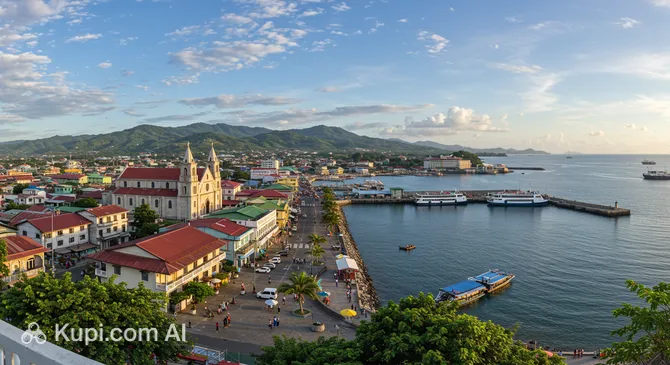
Welcome to Masbate City, the bustling capital of its namesake province and a vibrant gateway to the Visayas region. Located in the central part of the Philippines, this coastal city offers a unique blend of urban energy and laid-back island charm. As the main commercial and educational hub of the island, it is home to a population of approximately 104,000 residents, creating a lively atmosphere that welcomes travelers from all over the world.

Masbate City. Source: Kupi.Binoculars

The city is famously known as the "Rodeo Capital of the Philippines," a title that reflects its deep-rooted cattle-raising industry. This cowboy culture is celebrated with great enthusiasm during the annual Rodeo Masbateño Festival, where locals and tourists alike gather to watch thrilling events. Beyond the festivities, those interested in the past can explore the history of Masbate City, which reveals a rich heritage shaped by its strategic location as a maritime crossroads.

Nature enthusiasts will find plenty to admire just a short boat ride away from the city proper. One of the top attractions is the stunning Buntod Reef Marine Sanctuary, a protected area featuring a mesmerizing white sandbar and lush mangroves that are perfect for swimming, snorkeling, and kayaking. Whether you are visiting to experience the adrenaline of the rodeo or to relax by the sea, Masbate City invites you to discover its warm hospitality and unique cultural flavor.

Weather Overview

Masbate City enjoys a tropical climate characterized by consistent warmth and varying rainfall throughout the year. The temperatures remain generally stable and pleasant, with monthly averages hovering between 25.9°C in the cooler months of January and February and reaching roughly 28.2°C during the peak of May. This steady heat makes the city an inviting destination for sun-seekers, though travelers should be prepared for the region's characteristic humidity.

Precipitation patterns play a major role in the local weather, with a clear distinction between the drier and wetter seasons. The months from February to April offer the most stable conditions for outdoor activities, with March seeing the fewest rainy days. Conversely, the period from June to December is significantly wetter; July, for instance, records rain on nearly every day of the month. For those planning a specific itinerary, checking the detailed weather in Masbate City is highly recommended. Overall, visitors can expect warm tropical days year-round, with frequent showers becoming the norm as the year progresses.

Interesting Facts

Beyond its famous rodeo events and stunning sandbars, Masbate City holds several fascinating cultural and historical secrets. Here are a few unique facts that reveal the deeper character of this coastal hub:

  • The city is the birthplace of the Lapay Bantigue Dance, a celebrated Philippine folk dance recognized nationally. Originating in the coastal village of Bantigue, the dance mimics the graceful, swooping movements of seagulls (locally called "lapay") as they hover over the water waiting for fish.

  • Masbate City is a true linguistic melting pot due to its strategic location in the center of the archipelago. The local language, Masbateño (or Minasbate), is a unique blend that incorporates elements of Bicolano, Waray-Waray, and Hiligaynon, making it distinct from the dialects of neighboring provinces.

  • Nature lovers can walk through the Pawa Mangrove Park, which features a remarkable 1.3-kilometer wooden boardwalk. This structure allows visitors to stroll deep into the heart of a dense, protected mangrove forest without getting their feet wet, connecting the mainland to a serene embrace of nature.

  • The city preserves its colonial heritage through landmarks like Villa Bayot. This ancestral house is one of the few remaining structures that survived World War II, offering a rare and nostalgic glimpse into the architectural style and lifestyle of the early 20th century in the province.

How to Get There

Reaching this island destination is an exciting part of the journey, with air travel being the most convenient method for most visitors. For a comprehensive guide on all available transport options, including ferries and buses from neighboring provinces, you can read more about how to get to Masbate City.

The most direct way to arrive is via Masbate Airport (IATA: MBT), which is conveniently located within Masbate City itself. This domestic hub serves as the primary aerial gateway to the province, handling a steady flow of travelers looking to explore the city's rodeo culture and natural attractions. Since the airport is situated just 8.5 km from the city center, the transfer is quick and hassle-free. A ride by taxi or tricycle typically takes approximately 33 minutes, allowing you to start your vacation almost immediately upon landing.

Alternatively, travelers often fly into Bicol Airport (IATA: DRP), located in the city of Daraga on the Luzon mainland. Although it is about 84.9 km away from Masbate City, it is a significantly larger hub with higher passenger traffic, offering more flight schedules and connections. However, choosing this route requires an additional journey involving land transport to a port (usually Pilar) and a ferry crossing to reach Masbate Island. It is a viable option for those planning a multi-stop itinerary through the Bicol Region.

For clarity, here is a summary of the main airports in the vicinity:

Airport Name City Passenger Traffic Km from City
Bicol Airport Daraga Medium 84.9
Roxas City Airport Roxas City Medium 121.0
Masbate Airport Masbate City Small 8.5
Naga Airport Pili Small 139.2
Catarman National Airport Catarman Small 119.3

Regarding rail transport, Masbate City does not have a railway station, as it is located on an island separated from the main railway networks of Luzon. Visitors typically rely on buses and ferries (Ro-Ro) to connect from mainland terminals if they prefer traveling by land and sea. The local transport system is robust, but for long-distance arrivals, flights or ferries remain the standard choices.

Main Attractions

Masbate City is a destination where the rugged charm of cowboy culture meets the serene beauty of the coast. While it serves as a busy provincial capital, the city is dotted with landmarks that reflect its rich history, religious heritage, and stunning natural environment. Visitors can easily spend a few days exploring its diverse offerings, from marine sanctuaries to iconic cultural venues.

Undoubtedly the crown jewel of the city's tourism is the Buntod Reef Marine Sanctuary. Located just a short boat ride from the mainland, this ecological haven features a spectacular white sandbar that emerges fully during low tide. It is ranked as one of the most resilient marine sanctuaries in the central Philippines, teeming with colorful coral gardens and diverse fish species. Tourists flock here not only for swimming and snorkeling but also to enjoy a picnic in the cottages on stilts, surrounded by crystal-clear turquoise waters and a lush mangrove forest at the sandbar's edge.

For a glimpse into the city's spiritual and historical soul, a visit to the Cathedral of Saint Anthony of Padua is essential. Situated in the heart of the city along Quezon Street, this cathedral stands as the seat of the Roman Catholic Diocese of Masbate. While the current structure is relatively modern, its roots trace back to the Spanish colonial era, representing centuries of faith in the region. The church’s simple yet dignified architecture and peaceful ambiance offer a quiet retreat from the bustling city streets outside.

No trip to the "Rodeo Capital of the Philippines" would be complete without seeing the Masbate Rodeo Arena. This venue is the epicenter of the city's unique cowboy identity and the primary staging ground for the famous Rodeo Masbateño Festival. Even when the festival is not in session, the arena remains a significant landmark that symbolizes the province's cattle-raising heritage. It is a popular spot for jogging and taking photos, reminding visitors of the wild and spirited culture that sets Masbate apart from other island destinations.

Nature lovers looking for a tranquil escape within the city limits should head to the Pawa Mangrove Park. This eco-tourism site features a long wooden boardwalk that winds through a dense forest of mangroves, connecting the barangay of Pawa to the open sea. It provides a refreshing break from the urban heat and serves as an excellent spot for birdwatching and photography. The walk is particularly magical during the golden hour, offering a unique perspective on the island's coastal ecosystem.

Local Cuisine

The culinary landscape of Masbate City is a delicious reflection of its dual identity as a cattle-raising hub and a coastal paradise. Situated at the crossroads of the Visayas and Luzon, the local cuisine offers a unique blend of flavors, drawing influence from the spicy dishes of the Bicol region and the savory traditions of the neighboring islands. Visitors can expect hearty meals that range from premium cuts of meat to the freshest bounty from the sea.

As the "Rodeo Capital of the Philippines," it is no surprise that beef takes center stage on many menus. Bulalo, a rich beef marrow stew, is a local favorite, often simmered for hours until the meat falls off the bone. However, the city's most iconic meat product is undoubtedly Masbate Beef Tapa. Unlike the dry cured beef found elsewhere, the local version is known for its tenderness and distinct balance of sweet and salty flavors. It is a staple breakfast dish served with garlic rice and eggs, and travelers frequently buy kilos of it frozen to take home as a savory souvenir.

For those with a sweet tooth, the city offers unique native delicacies that are perfect for dessert or snacks. The most famous is Carmelado, a milk candy made from pure carabao’s milk and sugar. It has a rich, creamy texture similar to pastillas but is distinctively wrapped in white paper and sold in boxes throughout the city. Another treat worth trying is Molido, a crumbly, sweet confection typically made from sweet potato (kamote) or pili nuts, which pairs wonderfully with a hot cup of local coffee.

The dining culture in Masbate City is generally laid-back and unpretentious. While there are air-conditioned restaurants serving international and Filipino classics, the heart of the food scene beats near the water. The coastal boulevard and port area come alive in the evenings with stalls and open-air eateries. Here, you can enjoy fresh seafood cooked "Sutukil" style—Sugba (grilled), Tula (stewed), or Kilaw (marinated in vinegar)—while soaking in the cool ocean breeze. To wash it all down, fresh Buko (coconut) juice is the drink of choice, offering a refreshing natural escape from the tropical heat.

Travel Tips

Planning a trip to the "Rodeo Capital of the Philippines" promises an exciting mix of cultural heritage and island relaxation, but a little preparation goes a long way. To ensure your visit to Masbate City is as smooth and enjoyable as possible, here is a collection of practical advice tailored for travelers.

  1. Clothing and Gear:

    Given the tropical climate, pack lightweight and breathable fabrics like cotton or linen to stay cool in the heat. Essential accessories include sunscreen, sunglasses, and a sturdy hat, especially if you plan to visit the open Buntod Reef Sandbar. If you intend to enter the Cathedral of Saint Anthony of Padua, remember to dress modestly by covering your shoulders and knees out of respect for local religious customs.

  2. Transportation:

    The primary mode of transport within the city is the tricycle. These motorized three-wheelers are abundant and can take you almost anywhere in the town center for a small fee; just agree on the price beforehand if hiring one for a special trip. For travel to neighboring towns, jeepneys and vans are available at the transport terminals. Car rentals are limited and typically come with a driver, so self-driving is not the standard way to get around.

  3. Finances:

    The local currency is the Philippine Peso (PHP). While major hotels and some larger restaurants may accept credit cards, cash is definitely king in Masbate City. Ensure you have enough small bills for tricycle fares, market purchases, and entrance fees. ATMs are widely available around the city center and near the port area, but it is wise to withdraw cash before heading to more remote coastal spots.

  4. Health and Safety:

    Masbate City is generally safe for tourists, but standard precautions like keeping an eye on your belongings should be observed. Pharmacies, including major chains like Mercury Drug, are easily found in the downtown area for basic medical supplies. For emergencies, the Masbate Provincial Hospital provides medical assistance. It is also recommended to drink bottled or purified water rather than tap water.

  5. Communication:

    The main local language is Masbateño (or Minasbate), a unique mix of Visayan and Bicolano dialects, but English is widely understood and spoken, particularly in business and tourism sectors. You will have no trouble communicating with hotel staff or tricycle drivers. Local SIM cards (Globe or Smart) are easy to purchase at the airport or city center to stay connected via mobile data.

  6. Local Etiquette:

    Masbateños are known for their warm hospitality. A simple smile and a polite greeting go a long way. When interacting with elders or locals, a respectful tone is appreciated. If you visit during the Rodeo Masbateño, feel free to join in the excitement, but always follow the instructions of event marshals to ensure safety during the animal exhibitions.

  7. What to Avoid:

    Avoid taking photos of sensitive government buildings or security personnel without permission. Additionally, when visiting eco-tourism sites like the mangrove parks or marine sanctuaries, strictly avoid littering or touching the coral reefs; locals are very protective of their natural environment and strict penalties may apply.

  8. Souvenir Tip:

    If you plan to buy the famous Carmelado (milk candy) or beef tapa to take home, head to the stalls near the port early in the morning. These items are popular and can sell out quickly, especially during peak travel seasons or festivals. Buying directly from these local vendors ensures you get the freshest batch.

By keeping these tips in mind, you can navigate Masbate City with the confidence of a local and focus on making memories. Whether you are cheering at the rodeo arena or relaxing on a pristine sandbar, this charming city is ready to offer you a safe and unforgettable adventure.

Entertainment & Nightlife

While Masbate City is widely known for its energetic rodeo culture during the day, the evenings offer a more relaxed but equally inviting atmosphere. The nightlife here is not defined by massive nightclubs or loud discos but rather by a collection of cozy restobars, open-air grills, and lively spots where locals and visitors gather to unwind. The vibe is typically laid-back and friendly, making it easy to strike up a conversation with residents while enjoying live acoustic music or a cold drink after a day of island hopping.

For those looking for a classic night out with good food and drinks, Tio Jose Bar and Grill on Quezon Street is a popular choice. It serves as a great meeting point, offering a mix of hearty local meals and refreshing beverages in a setting that feels both vibrant and comfortable. If you prefer a slightly more upbeat environment with a party atmosphere, Zero 8 Restobar on Ibañez Street is the place to be. Known for its "dark yet vibrant" ambiance, it attracts a crowd looking for loud music, cocktails, and a space to socialize late into the night. Another notable spot is Captain's Pizza, located right along Port Road; it is perfect for a casual evening of pizza and beer, especially if you enjoy watching the activity near the harbor.

The heart of the city's evening social life often gravitates towards the Port Area and the coastal Boulevard. As the sun sets, this district transforms into a breezy promenade lined with food stalls and simple eateries. It is the best place to experience the local "leisure" lifestyle, where families and groups of friends hang out to enjoy the cool sea breeze. The dress code throughout the city is very casual; shorts, t-shirts, and sandals are perfectly acceptable almost everywhere, reflecting the unpretentious island culture.

When planning your night out, keep in mind that Masbate City is generally safe for walking, particularly in the well-lit downtown areas and along the Boulevard. However, public transportation like tricycles can become scarce after 10:00 PM. If you plan to stay out late, it is advisable to arrange a ride beforehand or ensure you are within walking distance of your accommodation. Prices are very affordable compared to major metropolitan areas, allowing you to enjoy a full night of entertainment without breaking the bank.

Parks & Museums

While Masbate City is often celebrated for its dynamic rodeo events and coastal allure, it also offers serene green spaces and cultural landmarks that tell the story of its rich heritage. Visitors looking to take a break from the ocean adventures or the bustling streets will find pockets of tranquility in the city's parks, as well as fascinating glimpses into the past through its preserved architecture and historical sites.

For a relaxing afternoon in the heart of the town, the Masbate Social Center serves as the primary urban park and community hub. Located downtown, this open space is shaded by acacia trees and serves as a gathering point for locals, hosting everything from morning exercises to major city events. Just a stone's throw away is the Masbate City Boulevard, a scenic coastal promenade that acts as a linear park. It is the perfect spot for a sunset stroll, offering unobstructed views of the sea and a refreshing breeze that draws families and joggers alike.

In terms of museums and cultural galleries, the city's history is best experienced through its "living museums" and heritage structures. The most prominent is Villa Bayot, an ancestral house that stands as a testament to the Spanish and American colonial eras. Unlike a traditional museum with glass cases, this well-preserved residence allows visitors to step back in time, featuring antique furniture, period photographs, and memorabilia that chronicle the life of one of the province's influential families. It offers an intimate look at the domestic history and architectural style of early 20th-century Masbate.

Another significant site for history buffs is the grounds of the Masbate Provincial Capitol. While primarily a government seat, the building itself is a landmark of neoclassical architecture, and its surrounding park is often adorned with statues and markers relevant to the province's political history. It provides a quiet, dignified atmosphere where visitors can appreciate the civic pride of the capital before heading back to the livelier parts of the city.

Getting Around

Public transport in Masbate City is straightforward, informal, and heavily reliant on smaller vehicles rather than complex mass transit systems. There are no trains, metros, or large city buses operating within the urban center. Instead, the tricycle—a motorcycle with an attached covered sidecar—serves as the primary mode of transportation. These vehicles are agile and abundant, capable of navigating both the paved main avenues and narrower residential streets. For very short distances, you may also encounter pedicabs (bicycles with sidecars), locally known as "padyak," which offer a slower, quieter pace suitable for short trips around the downtown area.

For travelers planning to explore the wider province or visit neighboring towns, the transport options shift to jeepneys and multicabs. These iconic vehicles, along with air-conditioned passenger vans (often called UV Express), are typically stationed at designated transport terminals. They operate on fixed routes connecting the city to other municipalities. Unlike tricycles, which can be hailed anywhere, these larger vehicles generally wait at the terminal until they are full before departing, so a bit of patience is often required when planning a trip outside the city limits.

The payment system across all modes of transport is strictly cash-based. There are no travel cards, mobile apps, or digital ticketing systems in use for local transit. Fares are paid directly to the driver, usually upon reaching your destination. It is highly recommended to carry small bills and coins, as drivers often do not have enough change for large denominations. Fare structures for tricycles are divided into two types: "regular," where you share the ride with other passengers for a standard low rate, and "special," which essentially hires the tricycle as a private taxi for a higher, agreed-upon fee.

Navigating the system is relatively easy, even for first-time visitors. To catch a tricycle, simply wave one down from the side of the street; they are available throughout the day, starting as early as 5:00 AM. However, public transport can become scarce after 10:00 PM, so it is wise to arrange a ride in advance if you plan to stay out late. When taking a "special" trip, especially to specific tourist spots or the airport, it is polite and practical to confirm the price with the driver before boarding to avoid any misunderstandings.

Alternatives to public transport are somewhat limited but available. Walking is a viable and pleasant option for getting around the compact city center, particularly along the coastal boulevard and the market areas. For those who prefer more comfort and independence, car rentals are available, though they typically come with a hired driver rather than as a self-drive service. Ride-hailing apps are generally not operational in the city, so relying on the ubiquitous tricycle or hiring a private vehicle remains the most efficient way to travel.
Accommodation

Accommodation in Masbate City caters primarily to practical travelers, offering a selection of budget-friendly inns, straightforward business hotels, and family-run lodges. While the city does not feature sprawling 5-star luxury resorts or major international chains, it provides a variety of clean, comfortable, and safe environments that reflect the province's warm hospitality. Most establishments focus on essential amenities, such as air conditioning, private bathrooms, and Wi-Fi, ensuring a restful base for exploring the island.

For those prioritizing convenience, the Downtown area near the port and the city center is the most strategic place to stay. Locations here are within walking distance of the public market, the Cathedral of Saint Anthony of Padua, and various dining spots, making them ideal for travelers arriving by ferry or those with business in the capital. Alternatively, visitors seeking a more scenic atmosphere may prefer properties situated along the Coastal Boulevard or near the airport, where the setting is breezier and slightly removed from the busiest streets.

Travelers should note that the demand for rooms spikes dramatically during the annual Rodeo Masbateño Festival in April. During this peak season, the city is packed with tourists and participants, so booking accommodation several months in advance is absolutely essential to secure a spot. For the rest of the year, the pace is more relaxed, and finding a room is generally easier.

In terms of cost, Masbate City is a very affordable destination. Prices typically range from budget rates for basic backpacker rooms or homestays to mid-range prices for hotels with modern facilities and in-house restaurants. While some of the larger hotels are listed on major online booking platforms, many smaller local inns and lodges still operate through direct bookings via phone or social media pages. It is also worth noting that while some hotels accept credit cards, keeping cash on hand is advisable for settling bills at smaller establishments.

Nearby Cities

For those looking to explore the surroundings, Masbate City serves as an excellent base for day trips to several interesting nearby locations.

Just a short distance away is Milagros, a town famous for its vast rolling hills and cattle ranches. As a central hub for the local cattle industry, it offers visitors a glimpse into the cowboy culture that the province is renowned for, along with serene pastoral landscapes. Another notable destination is Aroroy, located to the northwest. This area is known for its rich history in gold mining and features scenic coastal spots, including the historic Bugui Point Lighthouse, which provides stunning views of the sea.

City Population Distance (km)
Cawayan 108480 39
Bulan 105190 50
Aroroy 88351 20
Irosin 59267 65
Milagros 57538 13

These nearby destinations offer a glimpse into the diverse culture and landscapes of the region.

Shopping & Souvenirs

Shopping in Masbate City offers a practical mix of modern convenience and traditional local commerce. While the city does not feature the massive luxury malls found in larger metropolitan areas of the Philippines, it provides sufficient facilities for travelers to find essential supplies, clothing, and unique regional products. The retail landscape is split between air-conditioned centers and the lively atmosphere of open-air markets.

For modern retail needs, Gaisano Capital Masbate on Quezon Street is the primary destination. As the largest commercial establishment in the city, it houses a supermarket, a department store, and various food outlets. It is a convenient stop for replenishing toiletries, buying travel gear, or simply enjoying a break in a cool environment. The LCC Mall is another key establishment, offering similar goods and groceries, ensuring that visitors have access to standard urban amenities.

To experience the local trading culture, a visit to the Masbate City Public Market is recommended. This bustling hub is the best place to purchase fresh produce and immerse oneself in the daily life of the residents. The market is particularly known for its abundance of fresh seafood and dried fish (daing), which are sourced directly from the surrounding waters. The prices here are generally lower than in supermarkets, and the selection of dried goods is excellent for those looking to stock up on pantry staples.

Visitors looking to take a piece of Masbate home should focus on the city's signature food souvenirs, locally known as "pasalubong." The most iconic items include:

  • Carmelado: A sweet milk candy made from carabao’s milk and sugar. These white-wrapped treats are a specialty of the province and are widely available at stalls near the port and within the market.

  • Masbate Beef Tapa: Reflecting the province's cattle industry, this cured beef is famous for its tenderness. It is typically sold frozen in kilo packs at the market, making it a popular savory gift.

  • Handicrafts: Small shops and stalls often sell items crafted from local materials, such as shell accessories and woven products, which highlight the island's coastal craftsmanship.

When shopping in Masbate City, cash is the most reliable payment method. While the main malls and some larger stores accept credit cards, smaller vendors, market stalls, and tricycle drivers deal exclusively in cash. ATMs are available in the downtown area, so it is wise to withdraw money before exploring the markets. Bargaining is common practice in the public market and souvenir stalls, but prices in the department stores and supermarkets are fixed.

Reached the end of the page?

That means the route is fully explored