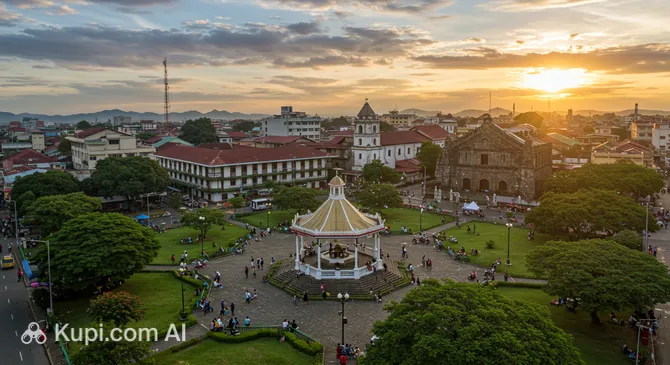
Welcome to Bacolod, a vibrant and highly urbanized metropolis that serves as the capital of the province of Negros Occidental. Widely known as the "City of Smiles," this destination is famous for the genuine warmth and hospitality of its locals, creating an atmosphere that instantly makes visitors feel at home. Located in the Western Visayas region of the Philippines, the city sits on the northwestern coast of Negros Island and is home to a population of over 600,000 residents.
Bacolod. Illustration.
Source: Kupi.com AI
The city's development is deeply rooted in the sugar industry, which shaped its culture and architecture over the centuries. Travelers interested in the past can explore the history of Bacolod to understand how it evolved from a small settlement into the bustling "Sugarbowl of the Philippines." Today, it balances its rich heritage with modern progress, offering a unique travel experience.
Bacolod is renowned for its culinary scene, particularly the famous Chicken Inasal, a roast chicken dish that is a must-try for any food lover. Beyond its gastronomy, the city boasts iconic landmarks such as the San Sebastian Cathedral and the nearby ancestral mansion known as The Ruins, often called the "Taj Mahal of Negros." Whether you are visiting for the colorful MassKara Festival or simply to enjoy the laid-back vibe, Bacolod promises a memorable journey filled with culture, flavor, and endless smiles.
Weather Overview
The climate in Bacolod is tropical and generally warm throughout the year, making it a welcoming destination for travelers seeking sunshine. Temperatures are quite consistent, with average daily values hovering between 26°C and 29°C. The warmest period typically occurs in April and May, where maximum temperatures can reach up to 31.5°C, while the coolest nights are usually found in January and February with lows around 24°C.
Rainfall is a frequent occurrence in the city, although the volume of precipitation is often moderate. The months of March and April tend to be the driest, recording the fewest wet days, making them ideal for outdoor exploration. Conversely, from July through October, rain is much more common, with up to 30 wet days per month, so packing a light raincoat or umbrella is always a good idea.
Overall, visitors can expect warm days mixed with regular showers, maintaining the region's lush greenery. To help you pack appropriately for your specific travel dates, you can check the detailed weather in Bacolod for the latest forecasts and seasonal trends.
Average monthly temperature
Average monthly precipitation
Interesting Facts
Beyond the main attractions and the famous local cuisine, Bacolod holds many fascinating secrets that reveal the depth of its character. The city's history is woven with intriguing tales and unique architectural details that often escape the casual observer's eye.
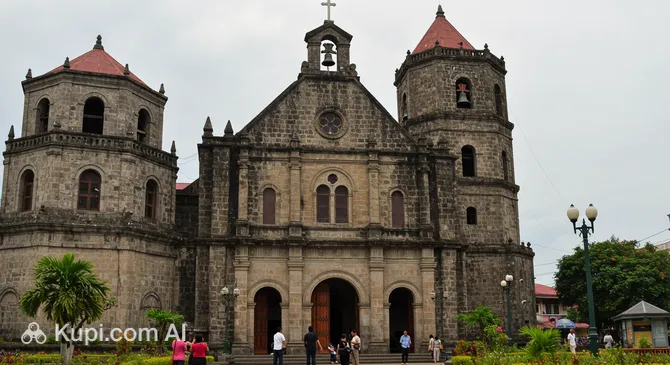
The San Sebastian Cathedral is a marvel of 19th-century engineering, constructed using coral stones sourced from the nearby island of Guimaras and hardwood from Palawan. According to local lore, millions of egg whites were mixed with lime to create the durable mortar that binds the masonry, a technique believed to have given the structure its lasting strength.
While the MassKara Festival is now a world-famous celebration of joy, its origins are deeply rooted in resilience. The festival was created in 1980 to lift the spirits of the locals during a time of crisis, following the collapse of the sugar industry and a maritime tragedy, symbolizing the city's unwavering determination to smile through adversity.
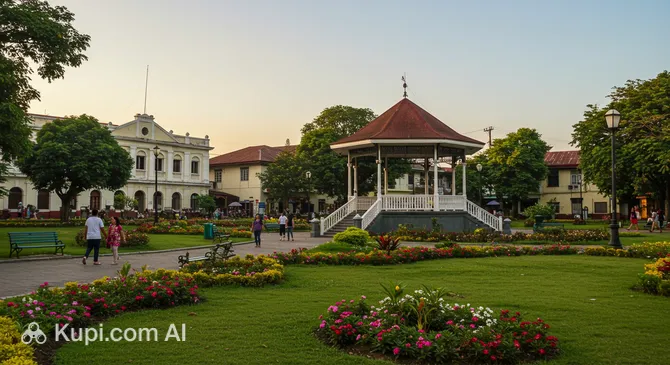
The central bandstand within the Bacolod Public Plaza features a rare cultural tribute. Inscribed on its sides are the names of renowned classical composers such as Mozart, Beethoven, and Wagner, reflecting the rich artistic appreciation that the city's founders sought to cultivate.
Unlike traditional galleries that keep artifacts behind glass, The Negros Museum is designed as a "living museum" that encourages a deeper connection with history. It focuses heavily on the lifestyle of the sugar barons and utilizes contemporary local art to narrate the complex story of the region's sugar industry.
San Sebastian Cathedral. Illustration.
Source: Kupi.com AI
Traveler photos:
How to Get There
Travelers planning a trip to the "City of Smiles" will find that the most convenient way to arrive is by air. For a detailed guide on all transport options, including ferries and buses, you can read more about how to get to Bacolod.
The primary entry point is the Bacolod-Silay International Airport (IATA: BCD), located approximately 13.8 km from the city center. This facility handles a significant volume of passengers and serves as the main hub for the province. Upon arrival, a journey to downtown Bacolod typically takes about 40 minutes by taxi or shuttle bus, depending on traffic conditions.
For international travelers, another significant gateway is the Mactan-Cebu International Airport (IATA: CEB) in Cebu City. Although it is located about 119.6 km away on the neighboring island of Cebu, it is a major hub with extensive international connections. From there, visitors can take a short connecting flight or a ferry to reach Bacolod.
For clarity, here is a summary of the main airports:
There are no railway stations currently operating on Negros Island, so train travel is not an option for reaching Bacolod. However, the city is a major maritime hub, and many visitors choose to arrive by sea. Fast crafts and RORO (Roll-on/Roll-off) vessels frequently dock at the BREDCO Port, connecting the city to destinations like Iloilo and Manila.
Main Attractions
Exploring Bacolod offers a delightful mix of historical immersion, urban relaxation, and gastronomic adventures. The city's attractions reflect its status as the "Sugarbowl of the Philippines," blending colonial heritage with a modern, sweet-toothed culture. Here are some of the top places to visit during your stay.
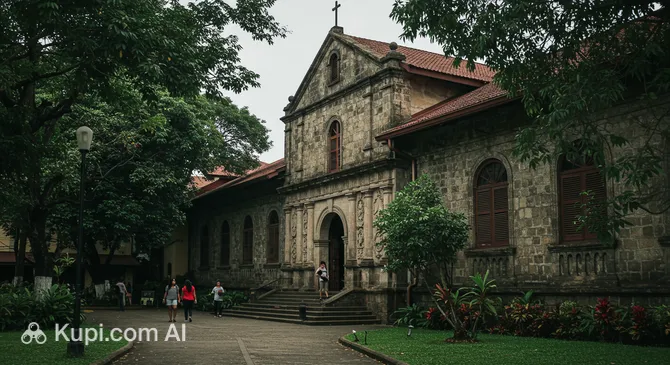
For a deep dive into the local culture, The Negros Museum is an essential stop. Unlike traditional museums that simply display artifacts behind glass, this institution prides itself on being a "living museum." It vividly narrates the history of Negros Island, focusing heavily on the sugar industry and the lifestyle of the "sugar barons." Visitors will find it fascinating for its engaging exhibits that blend historical storytelling with contemporary local art, offering a poignant look at the region's past and present.
The Negros Museum. Illustration.
Source: Kupi.com AI
Traveler photos:
Located right in the heart of the downtown area is the Bacolod Public Plaza. This trapezoidal park is one of the city's most recognizable landmarks and serves as a popular gathering spot for locals and tourists alike. It is particularly famous for its central gazebo, which is inscribed with the names of classical composers. The plaza is a perfect place to enjoy a leisurely afternoon walk, and it comes alive as the central hub during the annual MassKara Festival, filled with music, dance, and colorful masks.
Bacolod Public Plaza. Illustration.
Source: Kupi.com AI
Traveler photos:
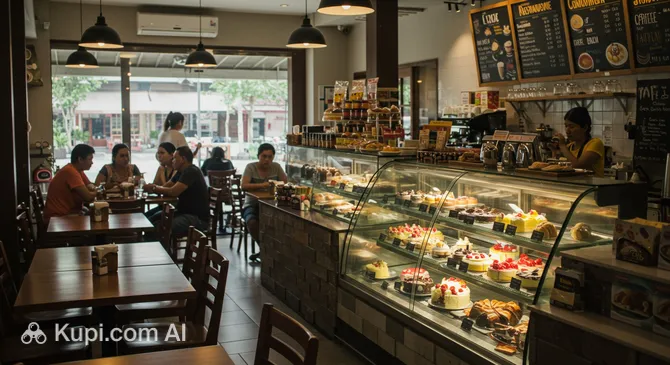
No trip to the city is complete without indulging in its famous desserts, and Calea Pastries & Coffee is widely regarded as the dessert capital of Bacolod. Situated on a busy street, this establishment is a haven for those with a sweet tooth, offering a vast array of cakes and pastries at surprisingly affordable prices. It is interesting to tourists not just for the quality of its chocolate mud pies and cheesecakes, but because it perfectly embodies the city's sugary heritage and love for good food.
Calea Pastries & Coffee. Illustration.
Source: Kupi.com AI
Traveler photos:
Another architectural gem is the San Sebastian Cathedral. Standing proudly across from the public plaza, this late 19th-century church is a spiritual and historical anchor for the community. Tourists are often drawn to its unique construction; the structure was built using coral stone from Guimaras and hardwood from Palawan. Its distinct grandeur and historical significance make it a serene spot for reflection amidst the bustling city center.
Local Cuisine
Bacolod is widely regarded as a gastronomic haven, offering a culinary landscape that is as warm and inviting as its people. As the capital of the Philippines' sugar-producing region, the city naturally excels in sweet treats, but its savory offerings are equally legendary. The local food scene is defined by bold flavors, fresh ingredients, and a love for grilling, making it a top destination for travelers who plan their itineraries around their meals.
The undisputed star of the local cuisine is Chicken Inasal, a unique version of roast chicken that has put the city on the culinary map. Unlike the typical barbecue found elsewhere, the chicken here is marinated in a special blend of coconut vinegar, calamansi, lemongrass, garlic, and ginger. It is then grilled over hot coals while being basting with annatto oil, giving it a distinct reddish hue and a smoky, savory flavor. It is traditionally served with steaming garlic rice and a dipping sauce of vinegar and soy sauce.
For those looking for comfort food, Kansi is a must-try dish that is often described as a cross between beef shank soup (Bulalo) and sour stew (Sinigang). The secret to its rich, tangy broth is the use of batuan, a sour fruit native to the region, which cuts through the richness of the tender beef shank and bone marrow. It is a hearty meal that locals often enjoy as a midday pick-me-up or a late-night remedy.
Given its location near the coast, the city also offers an abundance of fresh seafood. A popular dining style known as "Pala-pala" allows visitors to shop for fresh fish, shrimp, crabs, and shells from a wet market and have them cooked on the spot according to their preference—whether grilled, buttered, or stewed in coconut milk. This market-to-table experience is a vibrant part of the food culture, bustling with energy and flavor.
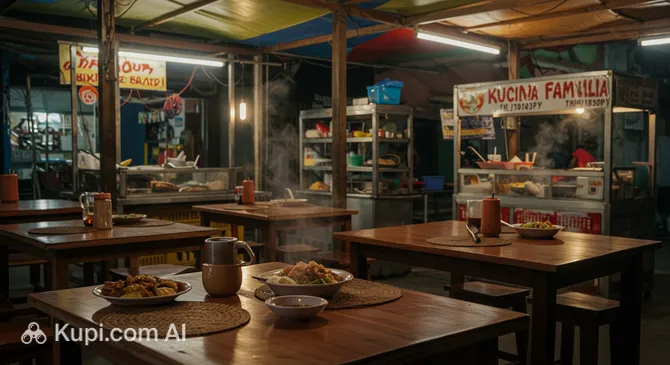
Beyond street food and markets, the city is home to excellent restaurants that serve home-cooked Negrense heritage recipes. One such establishment is Maria Kucina Familia, which offers a cozy, family-friendly atmosphere where you can sample a wide array of classic Filipino dishes prepared with a local twist. It is a great place to experience the communal style of eating that is central to Filipino culture.
Maria Kucina Familia. Illustration.
Source: Kupi.com AI
Traveler photos:
No culinary journey here is complete without indulging in the sweets that the "Sugarbowl of the Philippines" is famous for. Napoleones—a puff pastry filled with custard cream and topped with a white sugar glaze—is a favorite pasalubong (gift) to bring home. Another staple is Piaya, a flat unleavened bread filled with muscovado sugar and toasted on a griddle. These sugary delights are best paired with a cup of strong local coffee or fresh fruit shakes, providing the perfect ending to a savory feast.
Travel Tips
Navigating Bacolod is relatively easy and offers a glimpse into local daily life. The most common mode of public transport is the jeepney, colorful utility vehicles that follow specific routes across the city. For shorter distances or to reach areas off the main roads, tricycles are a convenient and affordable choice. Taxis and ride-hailing apps are also widely available, providing a comfortable alternative, especially for those traveling with luggage or seeking to avoid the midday heat.
While major establishments, hotels, and shopping malls in the city accept credit cards, cash is king when exploring local markets, riding public transport, or dining at smaller eateries like the famous chicken inasal stalls. It is advisable to carry smaller bills and coins, as change can sometimes be scarce. ATMs are plentiful in commercial areas, ensuring you can easily withdraw funds when needed.
Communication is rarely a barrier for visitors. The local dialect is Hiligaynon (Ilonggo), known for its soft, melodic intonation that reflects the gentle nature of the people. However, English and Tagalog are widely spoken and understood throughout the Philippines, so asking for directions or recommendations is hassle-free. As a guest in the "City of Smiles," maintaining a friendly demeanor and practicing basic politeness will be warmly reciprocated by the locals.
Travelers should pack light, breathable clothing to stay comfortable in the tropical weather. If you plan to visit religious sites, remember to dress modestly out of respect. In terms of health and safety, it is best to drink bottled or purified water, which is readily available at convenience stores. The city is generally safe, but standard travel precautions, such as securing your valuables and staying aware of your surroundings, should always be observed.
Entertainment & Nightlife
When the sun sets over the "City of Smiles," Bacolod transforms into a lively hub of entertainment, offering everything from energetic nightclubs to laid-back acoustic sessions. The nightlife here is known for being unpretentious and affordable, reflecting the friendly nature of the locals. Whether you are looking to dance the night away, enjoy a quiet drink with a view, or simply stroll through illuminated streets, the city has a district to match your mood.
The heart of the action is undoubtedly Lacson Street, often referred to as the "Tourism Strip." This wide avenue is lined with a high concentration of bars, restaurants, and hotels, making it the primary destination for bar-hopping. Here, you can find popular spots like Qanto and Tippy's, which are favorites among locals for their live bands and cold beer. The atmosphere is generally casual, so there is no need to dress up too formally; a smart-casual look is perfect for blending in with the crowd.
For a more alternative and artistic vibe, travelers should head to the Art District in Mandalagan. This area is a haven for the creative community, featuring graffiti-covered walls, art galleries, and open-air bars. It is the perfect place to sip on craft cocktails or local brews while listening to indie music or admiring the latest exhibits. If you prefer a classic nightlife experience with larger clubs, the Goldenfield Commercial Complex remains a well-known entertainment hub. While it is an older district, it still houses bustling venues like the MO2 club, where you can experience the city's energetic party scene.
If you are looking for a venue that combines leisure with evening entertainment, the Palmas del Mar Conference Resort Hotel is an excellent choice. Located by the water, this resort offers a more relaxed setting where you can enjoy night swimming or unwind at their bar with a drink in hand, away from the noise of the city center. It is a great spot for families or couples seeking a tranquil end to their day.
For those who prefer indoor entertainment or a late-night movie, the city's modern shopping centers are bustling until late evening. Capitol Central Mall is a popular hangout that often hosts evening events and features a cinema and arcade, making it a safe and fun option for groups of all ages. Similarly, situated within the Goldenfield area is City Mall Bacolod, which serves as a convenient stop for late-night necessities or a quick bite before heading out to the nearby clubs.
Palmas del Mar Conference Resort Hotel. Illustration.
Source: Kupi.com AI
Traveler photos:
Practical Tips for Night Owls:
Safety: Bacolod is generally safe, but like any city, it is wise to stay in well-lit areas, especially around the Goldenfield complex late at night.
Transport: Taxis and ride-hailing apps like Grab are the safest and most convenient way to get around after dark. Jeepneys stop running on some routes late at night.
Prices: Nightlife here is very budget-friendly compared to Manila or Cebu. A bucket of beer or a cocktail is surprisingly affordable.
While the nights are vibrant, do not forget to save some energy for daytime exploration. Before the sun goes down, you can visit the city's museums or take a trip to the famous The Ruins in nearby Talisay. However, saving your appetite for the evening is a must, as the street food scene, particularly the barbecue stalls near the New Government Center (NGC), comes alive at night, offering a delicious prelude to your evening adventures.
Parks & Museums
Bacolod provides a refreshing balance of urban development and cultural preservation, featuring inviting green spaces and institutions dedicated to the region's rich heritage. Visitors looking to escape the bustle of the city streets will find serenity in its well-maintained parks, while history enthusiasts can delve into the stories of the sugar era through its impressive museums and galleries.
One of the most prominent green spaces in the city is the Capitol Park and Lagoon. Located in front of the Provincial Capitol building, this spacious park is a favorite among locals for jogging, aerobics, and leisurely walks. The centerpiece is a man-made lagoon, flanked by majestic statues of a woman standing beside a water buffalo and a man pulling another, sculpted by the Italian artist Francesco Riccardo Monti. Just a short distance away in the downtown area is the Bacolod Public Plaza. Known for its historical significance and central gazebo, this park offers a shaded retreat under century-old trees and serves as a charming spot to observe the daily rhythm of local life.
For a deeper understanding of the local culture, a visit to The Negros Museum is highly recommended. Housed in the former Provincial Agriculture Building, this institution goes beyond displaying artifacts; it tells the compelling story of Negros Island's sugar industry and the opulent lifestyle of its "sugar barons." The museum also features a gallery of international folk art toys and dolls, making it an eclectic stop for visitors of all ages.
Art lovers should also explore the Orange Project, the prime art district in Bacolod. This creative hub is filled with contemporary art galleries, installations, and murals that showcase the talent of modern Negrense artists. It stands in contrast to the traditional museums, offering a vibrant and colorful look at the city's evolving cultural identity.
Architectural landmarks play a significant role in the city's landscape. The San Sebastian Cathedral remains a cornerstone of the city's faith and history, drawing travelers to admire its coral stone facade. Another striking structure is the New Government Center (NGC). While it functions as a government office, its vast grounds and fountain area have become a popular recreational space, especially in the late afternoon when families gather to enjoy the open air and the grand architecture.
For a unique encounter with nature, the Negros Forests and Ecological Foundation Biodiversity Conservation Center offers an authentic experience right in the city. Often missed by the average tourist, this sanctuary is dedicated to preserving the wildlife of the Philippines. Here, you can see endangered species such as the Visayan Warty Pig and the Negros Bleeding-Heart Pigeon, providing a rare glimpse into the region's ecological treasures.
Getting Around
Getting around Bacolod is an experience in itself, primarily defined by the iconic jeepneys. These colorful, open-air vehicles are the backbone of the city's public transport system and are often referred to as the "Kings of the Road." They operate on fixed routes, which are usually painted on the side of the vehicle or displayed on a signboard in the windshield. For shorter distances or to reach areas not covered by jeepney routes, tricycles (motorcycles with sidecars) are the most common option. They are perfect for navigating smaller streets and subdivisions where larger vehicles cannot pass.
The payment system in the city is traditional and straightforward, relying almost exclusively on cash. There are no electronic travel cards or complex ticketing systems for the standard jeepneys and tricycles. Passengers simply pay the driver directly or pass their fare forward through other passengers, a local custom known as "bayad po." Fares are very affordable, typically starting at a low base rate for the first few kilometers. It is highly recommended to carry small bills and coins, as drivers often do not have enough change for large denominations.
For tourists, using the transport system requires a bit of local know-how but is generally easy to pick up. To catch a jeepney, you can simply flag one down from the side of the road; they often stop almost anywhere rather than at strictly designated stations. When you are ready to get off, you signal the driver by tapping a coin on the metal handrail or saying "lugar lang" (just here). Public transport generally operates from early morning, around 5:00 AM, until late evening. However, availability drops significantly after 10:00 PM, so it is wise to plan ahead if you are out late.
If you prefer a more comfortable or private mode of travel, taxis are widely available and are strictly required to use meters. For a more tech-savvy approach, ride-hailing apps like Grab are fully operational in the city, offering a convenient way to book a car with a fixed price, which is especially useful for travelers unfamiliar with the routes. While there is no metro or train system in the city, the charm of riding a breeze-filled jeepney offers a unique cultural connection that modern trains cannot replicate.
Accommodation
Where to Stay:
Finding the perfect place to stay in Bacolod is generally a stress-free experience, as the city offers a wide array of accommodation options to suit every traveler's budget and preference. The hospitality industry here is well-developed, ranging from economical pension houses and backpacker hostels to modern business hotels and family-friendly resorts. Unlike the steep prices found in major capital cities, accommodation rates in the "City of Smiles" are known for being surprisingly affordable, allowing visitors to enjoy comfortable amenities without breaking the bank.
For those who want to be in the center of the action, the area along and around Lacson Street is the most popular choice. Often referred to as the city's "Tourism Strip," this district is lined with numerous hotels, restaurants, and cafes, making it incredibly convenient for dining and nightlife. Staying here means you are just a short walk or jeepney ride away from major attractions and the Provincial Capitol. Alternatively, the Downtown area near the public plaza offers older but very accessible hotels and inns, perfect for budget travelers who prioritize easy access to public markets and jeepney terminals.
If you prefer a more resort-style atmosphere away from the busy city streets, the Palmas del Mar Conference Resort Hotel is a well-known option. Located by the waterfront, it provides a relaxing escape with amenities like swimming pools and landscaped gardens, making it ideal for families or those seeking a leisure-focused stay while still being within reach of the city center.
When planning your trip, it is important to consider the timing. While rooms are generally easy to find year-round, the city fills up to capacity during the MassKara Festival in October. If you plan to visit during this vibrant celebration, it is highly recommended to book your accommodation several months in advance. Most established hotels are listed on major online booking platforms, but many smaller local inns and pension houses also accept direct reservations via phone or social media pages.
Nearby Cities
For those looking to explore the surroundings, Bacolod serves as an excellent base for day trips to several interesting nearby locations.
Just a short drive north lies Silay, often referred to as the "Paris of Negros." This city is a living museum, boasting over 30 declared heritage houses that have been preserved to showcase the grandeur of the sugar era. Visitors can step back in time by touring ancestral homes like the Balay Negrense and the Hofileña Ancestral House, making it an essential stop for architecture and history enthusiasts.
For travelers seeking a nature retreat, the municipality of Murcia is a fantastic option located at the foot of Mount Kanlaon. It is most famous for the Mambukal Mountain Resort, a government-run sanctuary where guests can relax in hot sulfur springs, hike to seven cascading waterfalls, or observe giant fruit bats in their natural habitat. The cooler mountain air and lush greenery offer a refreshing break from the city heat.
Across the Guimaras Strait is Iloilo City, which is easily accessible via a fast craft ferry ride of about one hour. Known for its rich Spanish colonial history, ancient churches, and the scenic Iloilo River Esplanade, it offers a different cultural experience. It is also a culinary hotspot, famous for the noodle soup dish called La Paz Batchoy, making it well worth the short sea journey for a gastronomic adventure.
City
Population
Distance
Silay
130 478
17 km
Bago City
191 210
19 km
Murcia
88 868
20 km
Saravia
64 290
23 km
Pulupandan
30 117
23 km
These nearby destinations offer a glimpse into the diverse culture and landscapes of the region, allowing visitors to enrich their travel experience beyond the city limits.
Shopping & Souvenirs
Shopping in Bacolod offers a delightful mix of modern retail experiences and traditional bargain hunting. While the city may not be a massive high-fashion capital, it is a haven for travelers looking to purchase local handicrafts and, most importantly, world-famous sweet delicacies. The retail scene ranges from spacious, air-conditioned shopping complexes to bustling street markets where the local culture is on full display.
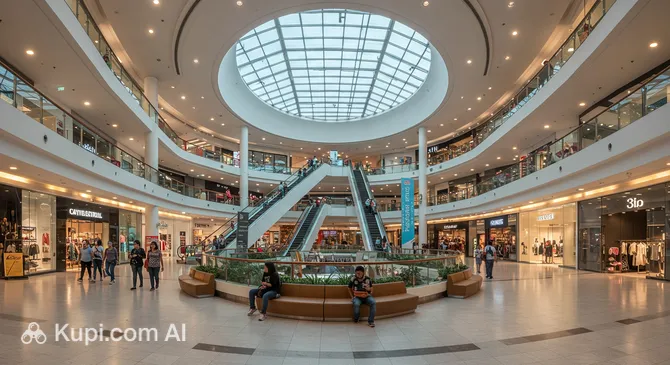
For a contemporary shopping experience, the city is home to several large malls that house both international brands and local boutiques. Capitol Central Mall is a popular destination located near the Provincial Capitol, offering a wide variety of dining and retail options in a sleek, modern setting. It is a convenient stop for tourists who want to shop for clothes, gadgets, or simply enjoy the air-conditioning. Another accessible option is City Mall Bacolod, which provides a compact but complete selection of groceries, fashion items, and essential services.
Capitol Central Mall. Illustration.
Source: Kupi.com AI
Traveler photos:
Travelers seeking a more authentic local vibe should head to the Downtown area, particularly along Araneta and Gatuslao Streets. This district is the commercial heart of the old city, teeming with department stores, bazaar-style stalls, and the Central Market. Here, visitors can find everything from affordable clothing and footwear to fresh produce and local textiles. It is a great place to practice bargaining skills and observe the daily hustle of the locals.
When it comes to souvenirs, Bacolod is synonymous with "pasalubong" (gifts to bring home). The most sought-after items are undoubtedly food products. Visitors should not leave without buying packs of piaya (muscovado-filled flatbread), napoleones (layered puff pastry with custard), and barquillos (crispy wafer rolls). These treats are widely available at specialized pasalubong centers throughout the city. For non-food items, colorful MassKara Festival masks make for unique wall decorations and are a perfect memento of the "City of Smiles."
Most shopping malls typically operate from 10:00 AM to 9:00 PM daily. While major establishments and hotels accept credit cards, cash remains the preferred mode of payment in public markets, small souvenir shops, and for transportation. It is advisable to carry smaller denominations when exploring the downtown areas. Regarding taxes, while the Philippines has introduced a VAT refund scheme for tourists, it is primarily applicable to large purchases at participating retailers, so it is best to check with specific stores for eligibility.