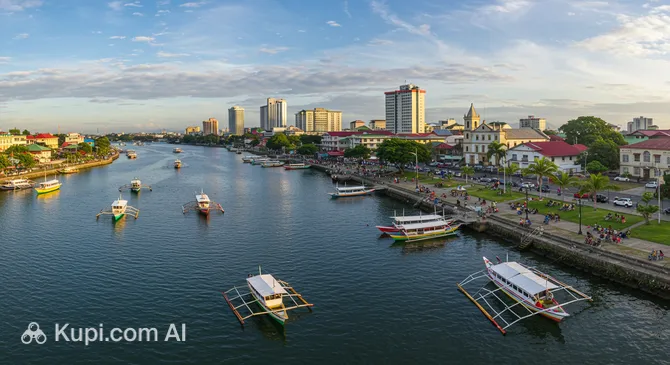
Welcome to Iloilo City, a vibrant metropolis often affectionately called the "City of Love." Located in the Western Visayas region of the Philippines, this urban center is celebrated for its soft-spoken locals, rich cultural heritage, and a seamless blend of historic charm and modern progress.
Iloilo City. Illustration.
Source: Kupi.com AI
Situated on the southeastern tip of Panay Island, the city serves as a major hub for commerce and education, home to a population of approximately 457,000 people. The history of Iloilo City is deeply woven into its streets, visible in the grand ancestral houses and well-preserved Spanish colonial architecture that stand as testaments to its past prominence as a royal city.
Travelers are often captivated by the city's unique landmarks, such as the stunning Molo Church, known for its feminist theme featuring all-female saints, and the majestic Jaro Cathedral. For those seeking relaxation, the Iloilo River Esplanade offers a beautiful, open space perfect for sunset strolls and enjoying the breeze. With its famous culinary delights like La Paz Batchoy and the energetic Dinagyang Festival, Iloilo City invites every visitor to experience its genuine warmth and hospitality.
Weather Overview
Iloilo City experiences a tropical climate characterized by consistent warmth throughout the year, with distinct dry and wet periods. Travelers planning a trip can generally expect pleasant conditions, though it is wise to be prepared for high humidity and seasonal rainfall. For a more detailed breakdown of conditions for your specific dates, you can check the weather in Iloilo City.
Temperatures in the city are quite stable, rarely dropping below 24°C. The warmest time of the year is typically around May, which sees an average temperature of 28.9°C and highs reaching nearly 32°C. January is usually the coolest month, though it remains comfortably warm with an average of 26.3°C, making it a popular time for exploring the city's outdoor attractions.
Rainfall patterns vary significantly depending on the season. The driest months generally span from January to April, with March seeing the fewest wet days (around 10 days). In contrast, the wet season becomes prominent from June through October. During these months, rain is very frequent, with July and August often recording up to 30 wet days, so packing waterproof gear is essential if you plan to visit during this period.
Average monthly temperature
Average monthly precipitation
Interesting Facts
Beyond the main attractions, Iloilo City holds many fascinating secrets and historical footnotes that often surprise visitors. Here are a few unique details that highlight the city's rich heritage and distinctive character.
Iloilo City is home to a unique pair of religious landmarks that reflect a curious gender balance. While Molo Church is famous for its "feminist" theme featuring an ensemble of all-female saints, the Jaro Metropolitan Cathedral serves as its masculine counterpart, with pillars adorned exclusively by statues of male saints.
The city takes pride in hosting the very first department store in the Philippines. Hoskyn's & Co. was established in 1877 along the historic Calle Real and was renowned for claiming to sell everything "from a needle to an anchor," marking the city as a pioneer in modern retail.
In a rare architectural arrangement, the bell tower of the Jaro Cathedral is detached from the main church structure and stands across the street in Jaro Plaza. This separation was a strategic design to prevent the tower from collapsing onto the church during earthquakes, which were a concern during the colonial era.
Iloilo City was once honored with the royal title "La Muy Leal y Noble Ciudad" (The Most Loyal and Noble City) by the Queen Regent of Spain in 1890. This prestigious designation recognized the city's economic importance and steadfast loyalty, cementing its status as the "Queen City of the South" during that period.
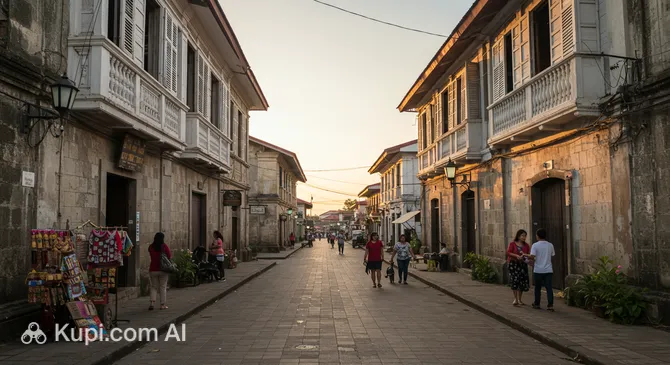
Calle Real. Illustration.
Source: Kupi.com AI
Traveler photos:
How to Get There
Reaching Iloilo City is relatively straightforward, as it serves as a major gateway to the Western Visayas region. While the city is a primary hub itself, travelers often explore various routes depending on their itinerary and point of origin. For a comprehensive guide on all available transportation methods, you can read more about how to get to Iloilo City.
Travelers can consider flying into Bacolod-Silay International Airport (BCD), located in the city of Bacolod. Although it is situated approximately 50 km from Iloilo City, it is a popular entry point because of the frequent fast craft ferries connecting Bacolod and Iloilo. The airport handles a large volume of passengers annually. From the airport to the Bacolod pier, and then across the strait to Iloilo, the total journey involves a taxi ride and a ferry crossing, taking roughly 2 to 3 hours in total.
Another option for those exploring Panay Island is Kalibo International Airport (KLO), located in Kalibo, about 109 km away. This airport is a significant regional hub, often used by tourists heading to Boracay. From Kalibo International Airport, visitors can take a bus or van to Iloilo City, with the travel time taking approximately 3 hours. Additionally, Roxas City Airport (RXS) in Roxas City offers another alternative. It is roughly 99 km from Iloilo City, and the land transfer by bus or van typically takes around 3 hours.
For clarity, here is a summary of the main airports in the vicinity:
Iloilo City does not have an active railway station for intercity passenger trains, as the railway system on Panay Island is no longer operational. The primary mode of land transportation for arriving from neighboring towns and provinces is by bus or van. Several bus terminals in the city connect Iloilo to other major destinations on the island, such as Roxas, Kalibo, and Caticlan. Additionally, as a major port city, Iloilo is well-connected by sea, with frequent ferry services arriving from Bacolod, Manila, and other islands.
Main Attractions
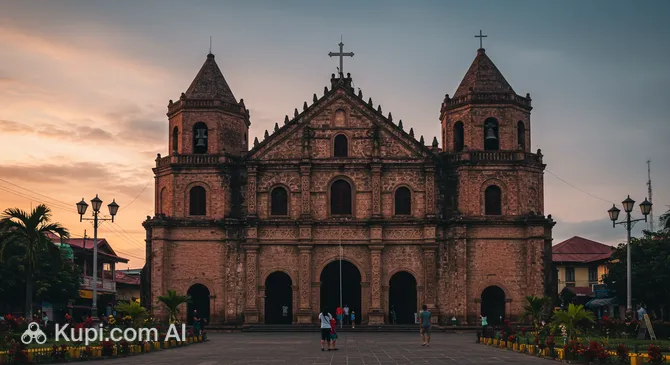
Iloilo City is a treasure trove of historical landmarks and cultural sites, offering visitors a glimpse into its rich heritage. One of the most iconic destinations is the Molo Church, renowned for its stunning Gothic-Renaissance architecture. Often referred to as the "Feminist Church," it is unique because the statues of saints lining its pillars are exclusively female. The church's intricate design and coral stone facade make it a favorite subject for photographers and history enthusiasts alike.
Molo Church. Illustration.
Source: Kupi.com AI
Traveler photos:
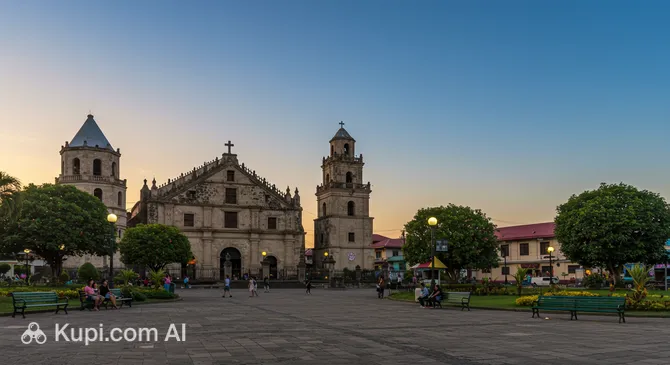
Another religious masterpiece is the Jaro Metropolitan Cathedral (National Shrine of Our Lady of Candles). This cathedral is historically significant as the seat of the Roman Catholic Archdiocese of Jaro. It features a distinctive layout where the bell tower stands across the street at Jaro Plaza, separated from the main church structure. Devotees flock here to venerate the image of the Lady of Candles, which is believed to be miraculous.
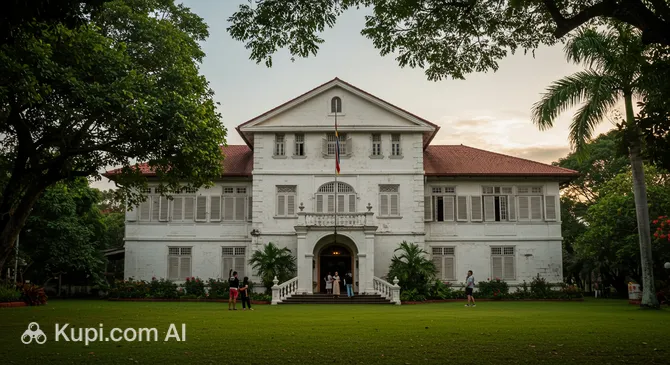
Just across from the Molo Church stands the elegant Molo Mansion. Once a private ancestral home known as the Yusay-Consing Mansion, this restored heritage house is now a vibrant stop for tourists. Visitors can admire its classic colonial architecture, shop for local souvenirs, and taste the famous pancit molo in the garden café. It serves as a beautiful example of how the city preserves its past while adapting to modern tourism.
Molo Mansion. Illustration.
Source: Kupi.com AI
Traveler photos:
For those interested in delving deeper into the region's past, Museo Iloilo is an essential stop. Located along Bonifacio Drive, this museum was the first government-built museum outside of Manila. It houses an impressive collection of cultural artifacts, including fossils, pottery, and jewelry that trace the history of Panay Island from the pre-colonial era to the present day.
Travelers looking for a fun break from historical sightseeing can head to WaterWorld Iloilo. As the first water park in the city, it offers a refreshing escape with its array of thrilling water slides, lazy rivers, and themed pools. It is a perfect destination for families and groups seeking entertainment and relaxation under the sun.
Local Cuisine
Iloilo City is often hailed as the "Food Haven of the Philippines," where culinary traditions are deeply rooted in the local culture. The city's gastronomy is a defining part of the travel experience, characterized by rich, savory flavors and fresh ingredients sourced from the surrounding fertile lands and seas. Eating here is more than just a necessity; it is a celebrated pastime, with locals taking immense pride in their heritage dishes that have become famous across the country.
The undisputed star of the local food scene is La Paz Batchoy. Originating from the district of La Paz, this hearty noodle soup is a must-try for every visitor. It consists of firm round noodles, pork offal, crushed pork cracklings (chicharon), and a raw egg, all swimming in a slow-cooked, flavorful bone marrow broth. It is traditionally enjoyed with puto (steamed rice cakes) or pandesal. Another iconic dish is Pancit Molo. Despite its name suggesting a dry noodle dish, it is actually a comforting soup filled with meat dumplings, shredded chicken, and shrimps, named after the historic Molo district.
Seafood lovers will delight in the abundance of fresh catch available throughout the city, particularly oysters, locally known as talaba. These are typically served steamed or baked and are incredibly affordable, often enjoyed in open-air seafood shacks along the coast. For a taste of the countryside, travelers should try KBL (Kadyos, Baboy, at Langka), a unique sour soup made with pigeon peas, pork, and jackfruit, distinctively flavored with a local souring fruit called batuan.
The dining culture in Iloilo ranges from humble roadside eateries and traditional markets to modern lifestyle hubs. For those who enjoy a contemporary atmosphere with a wide variety of choices, Festive Walk Mall is a popular destination. It features a vibrant outdoor strip lined with restaurants and cafes that comes alive at night, offering everything from international cuisine to beloved local favorites.
Festive Walk Mall. Illustration.
Source: Kupi.com AI
Traveler photos:
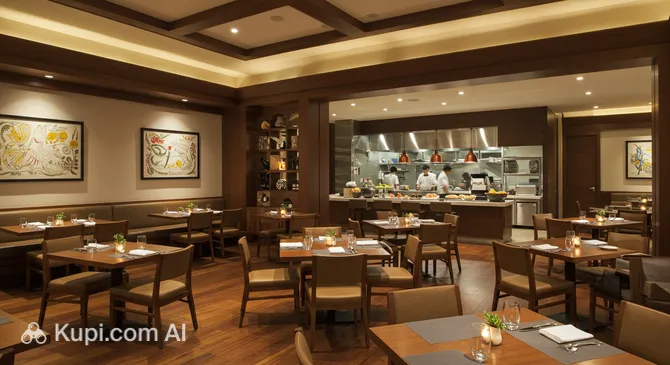
When it comes to drinks, the local coffee culture is strong, with heritage coffee shops serving robust native brews that have fueled locals for generations. For evening relaxation, visitors can explore the city's nightlife and grill houses. Places like Gerry's Grill Iloilo offer a perfect setting to enjoy grilled specialties accompanied by ice-cold local beers or cocktails. If you prefer a more luxurious gastronomic experience, the Richmonde Hotel Iloilo Restaurant provides an exquisite menu featuring both international dishes and elevated versions of Ilonggo classics.
Richmonde Hotel Iloilo Restaurant. Illustration.
Source: Kupi.com AI
Traveler photos:
Whether you are snacking on street food along the river or enjoying a lavish spread at Luxury Buffet – SM City Iloilo Southpoint, the flavors of Iloilo are sure to leave a lasting impression on your palate.
Travel Tips
To help you make the most of your visit to the "City of Love," we have compiled a set of essential travel tips designed to ensure a smooth and enjoyable experience. From navigating local transport to understanding cultural nuances, these practical insights will help you explore Iloilo City like a pro.
Clothing and Gear: Iloilo City has a tropical climate, so pack lightweight, breathable clothing like cotton or linen to stay cool. Comfortable walking shoes are a must, especially if you plan to explore the heritage streets or the Esplanade. Since the city is home to many historic churches, remember to bring a shawl or wear modest clothing (covering shoulders and knees) when visiting religious sites to show respect.
Transportation: The most popular and affordable way to get around is by jeepney. Both traditional and modern air-conditioned jeepneys ply specific routes across the city; simply say "Lugar lang" or knock on the roof to signal the driver to stop. For a more comfortable and private ride, ride-hailing apps like Grab are widely available and reliable. Tricycles are also common for short distances within subdivisions or smaller streets.
Finances: The local currency is the Philippine Peso (PHP). While major malls, hotels, and upscale restaurants accept credit cards, cash is king for small eateries, souvenir shops, and public transport. It is advisable to carry smaller bills and coins for jeepney fares and tips. ATMs are abundant throughout the city, particularly in commercial areas and inside shopping centers.
Health and Safety: Iloilo City is generally considered one of the safest urban centers in the country. However, standard precautions like watching your belongings in crowded areas still apply. Pharmacies like Mercury Drug and Watsons are ubiquitous, with some branches operating 24/7. It is recommended to drink bottled or filtered water rather than tap water to avoid stomach issues.
Communication: The primary local language is Hiligaynon (often called Ilonggo), known for its melodic and gentle intonation. However, English is widely spoken and understood, making communication very easy for international tourists. A simple "Salamat" (Thank you) or "Namit" (Delicious) will surely bring a smile to the locals' faces. SIM cards from major providers like Globe and Smart are easily purchasable at the airport or convenience stores.
Local Etiquette: Ilonggos are famous for being soft-spoken and affectionate (malambing). It is polite to match their gentle tone; being loud or aggressive can be seen as disrespectful. When greeting elders, a nod or a smile is appreciated. The pace of life here is relatively relaxed, so embrace the laid-back atmosphere.
What to Avoid: Avoid raising your voice or showing visible anger in public situations, even if you are frustrated. causing a scene causes a "loss of face" for everyone involved and is considered highly rude. Instead, address any issues calmly and with a smile, which will yield much better results.
Additional Tip: If you want to experience the local lifestyle, visit the Iloilo River Esplanade either early in the morning or late in the afternoon. It is the perfect time to join locals for a jog, a walk, or a Zumba session while avoiding the midday heat.
Armed with these tips, you are ready to immerse yourself in the rich culture and warm hospitality of Iloilo City. Enjoy the delicious food, the historic sights, and the friendly smiles that make this destination truly special!
Entertainment & Nightlife
While Iloilo City is deeply rooted in history, it transforms into a lively hub of entertainment once the sun goes down. The nightlife scene here is vibrant yet relaxed, reflecting the warm and friendly nature of the locals. Unlike the frantic pace of larger capitals, evenings in Iloilo are characterized by good food, cold drinks, and an abundance of live acoustic music, which is a staple in almost every popular venue.
The epicenter of the city's nightlife has traditionally been the Smallville Complex in the Mandurriao district. This sprawling area is lined with clubs, open-air bars, and KTV lounges where locals gather to unwind. It remains a go-to spot for those looking to dance or enjoy energetic crowds. More recently, the action has expanded to the nearby Megaworld area. The Festive Walk Parade, located adjacent to the Festive Walk Mall, offers a more modern and upscale strip of dining and drinking establishments. Here, you can find al fresco tables lining the street, perfect for people-watching and enjoying the cool night breeze.
For visitors looking to experience the local drinking culture, Gerry's Grill Iloilo is a fantastic choice. It combines the atmosphere of a lively bar with the comfort of a restaurant, serving classic Filipino "pulutan" (bar chow) like sizzling sisig and grilled squid alongside buckets of local beer. It is a great place to start the night with friends before heading to a club or a music lounge.
Gerry's Grill Iloilo. Illustration.
Source: Kupi.com AI
Traveler photos:
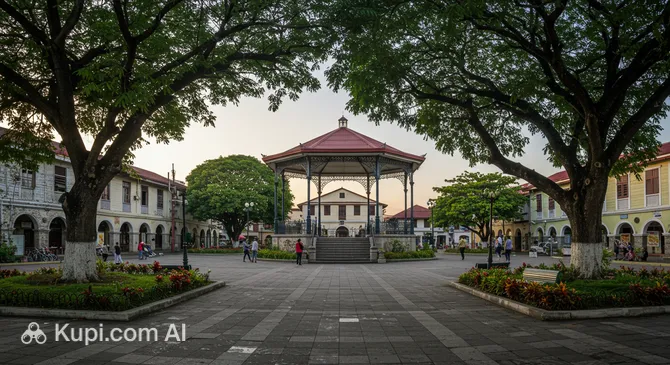
If you prefer a quieter evening, the city offers beautifully illuminated public spaces for night walks. Plaza Libertad is a historical park that becomes especially charming in the evening. Its proximity to the City Hall and downtown area makes it a safe and scenic spot for a relaxing stroll after dinner, allowing you to soak in the heritage architecture under the city lights.
Plaza Libertad. Illustration.
Source: Kupi.com AI
Traveler photos:
Practical Tips for Nightlife: Most bars and clubs are open until 2:00 AM or 3:00 AM on weekends. The dress code is generally smart casual; while shorts and flip-flops are acceptable in open-air bars, closed shoes and pants are often required for air-conditioned clubs. Prices in Iloilo are significantly more affordable than in Manila, with a bucket of beer often costing a fraction of the price found in the capital.
Getting Around and Safety: Iloilo City is considered one of the safest urban areas in the Philippines for night walks, particularly in well-lit districts like Mandurriao and the Esplanade. Public jeepneys may stop running for certain routes around 10:00 PM or 11:00 PM, so it is best to use a taxi or a ride-hailing app like Grab for late-night transport. These are readily available and provide a safe, convenient way to return to your hotel.
During the daytime, the entertainment options are just as exciting. Families and thrill-seekers should not miss WaterWorld Iloilo. As the region's premier water park, it features massive slides, a lazy river, and splash pools that provide a fun escape from the tropical heat. For those interested in culture, the city's museums and theaters offer a deep dive into the artistic soul of the province, making Iloilo a well-rounded destination for fun at any hour.
WaterWorld Iloilo. Illustration.
Source: Kupi.com AI
Traveler photos:
Parks & Museums
Iloilo City balances its urban growth with a deep respect for history and nature, offering visitors a delightful mix of open green spaces and rich cultural repositories. The city's parks are not just recreational areas but historical landmarks where significant events unfolded, while its museums provide a fascinating window into the artistic and economic heritage of the Western Visayas region.
One of the most historically significant green spaces in the city is Plaza Libertad. Located in the heart of the downtown area, this park is more than just a place to relax; it is where the flag of the first Philippine Republic was raised in triumph over Iloilo in 1898. Today, it serves as a peaceful sanctuary amidst the bustling city streets, surrounded by the City Hall and the San Jose Church. It is beautifully illuminated at night, making it a favorite spot for evening strolls.
Another vital community hub is Jaro Plaza, situated in the district of Jaro. This vibrant public square is unique because it houses the detached bell tower of the Jaro Metropolitan Cathedral, a rare architectural feature in the Philippines. The plaza is a center of activity, often bustling with local vendors, fairs, and community gatherings. It also features a monument to Graciano López Jaena, a national hero and native of Jaro, making it a site of great civic pride.
Jaro Plaza. Illustration.
Source: Kupi.com AI
Traveler photos:
For those who prefer a more modern interaction with nature, the Iloilo River Esplanade is a must-visit. While not a traditional park, this landscaped linear park stretching along the riverbanks is a model for urban rehabilitation. It offers kilometers of brick-paved paths perfect for jogging, biking, or simply watching the sunset over the mangroves, providing a breath of fresh air right in the city center.
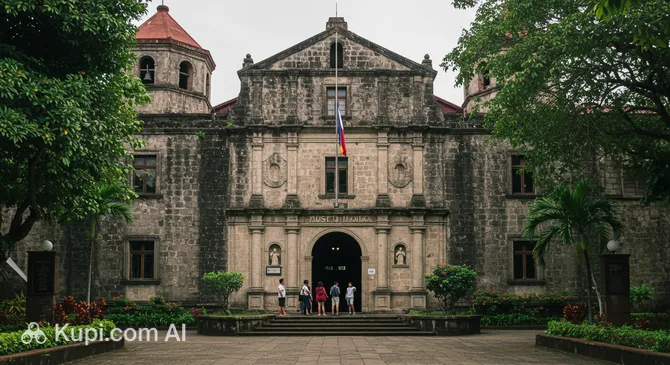
When it comes to museums, Museo Iloilo is the premier institution for understanding the region's cultural fabric. Designed by a renowned Filipino architect, the building itself is a landmark. Inside, visitors can explore an extensive collection of artifacts, including pre-colonial gold jewelry, trade pottery, and fossils that tell the story of Panay Island's geological and human history. It also showcases a rotating gallery of works by local contemporary artists.
Museo Iloilo. Illustration.
Source: Kupi.com AI
Traveler photos:
The city is also famous for its "living museums" in the form of restored heritage houses. The Molo Mansion is a prime example, allowing tourists to step into the grandeur of a bygone era. Unlike typical museums where touching is forbidden, this heritage house invites you to explore its grounds, admire the colonial architecture, and even enjoy local delicacies in its garden, blending history with leisure.
Insider Tip: For a unique look at the city's trading past, try to visit the Museum of Philippine Economic History. Housed in the beautifully restored Elizalde Building, it is one of the few museums in the country dedicated specifically to economic history, showcasing vintage ledgers, coins, and artifacts from the era when Iloilo was the "Queen City of the South."
Getting Around
Public transportation in Iloilo City is accessible, affordable, and deeply integrated into the daily life of locals. The most iconic and ubiquitous mode of transport is the jeepney. These colorful vehicles ply specific routes that connect major districts like Jaro, Molo, Mandurriao, and the City Proper. Travelers will encounter both the traditional open-air jeepneys, known for their vibrant decorations, and the modern air-conditioned jeepneys (often resembling mini-buses), which offer a more comfortable ride and higher seating capacity.
For those seeking a more private or direct journey, metered taxis are widely available throughout the city, especially near shopping malls, hotels, and transport terminals. Ride-hailing apps are also a popular and convenient alternative; Grab is the primary service provider operating in the city, allowing tourists to book car or taxi rides with transparent pricing. For shorter distances within residential areas or smaller streets where larger vehicles cannot pass, tricycles (motorcycles with sidecars) are the standard mode of transit.
Iloilo City has earned a reputation as the "Bike Capital of the Philippines," making bicycling a viable and enjoyable transport alternative. The city features an extensive network of protected bike lanes, particularly along the scenic Diversion Road and the Iloilo River Esplanade. Several hotels and independent shops offer bike rental services, allowing visitors to explore the city at a leisurely pace while enjoying the flat terrain and pedestrian-friendly infrastructure.
The payment system for public transport is predominantly cash-based. For traditional jeepneys and tricycles, passengers pay the driver directly using Philippine Pesos (PHP). It is highly recommended to carry coins and small bills (20, 50, or 100 peso notes), as drivers often struggle to break large denominations. Some modern jeepneys are equipped with automated fare collection systems using tap cards, but cash remains the universally accepted method. Taxis accept cash, though booking through an app allows for cashless credit card transactions.
Navigating the jeepney system is an experience in itself. Routes are painted on the sides of the vehicles and displayed on signboards on the windshield. To pay, passengers say "Bayad po" (Here is my payment) and pass their fare to the driver, often with the help of other passengers. To get off, simply say "Lugar lang" (Stop here, please). Public transport generally operates from early morning (around 5:00 AM) until late evening. While major routes may have jeepneys running until midnight, frequency drops significantly after 10:00 PM, making taxis or ride-hailing apps a better choice for late-night travel.
Accommodation
Accommodation in Iloilo City has evolved significantly in recent years, offering a wide spectrum of choices that cater to every type of traveler. Whether you are a backpacker seeking a budget-friendly hostel, a business traveler looking for modern amenities, or a leisure tourist desiring a luxurious stay, the city has something to offer. The hospitality landscape ranges from high-rise international hotel chains to charming boutique inns housed in restored heritage buildings.
For those who prefer modern conveniences and luxury, the district of Mandurriao, particularly within the Iloilo Business Park and near the Megaworld area, is the ideal location. This area is the city's modern lifestyle hub, filled with upscale hotels, shopping centers, and dining strips. Staying here puts you within walking distance of major malls and the vibrant nightlife scene. Conversely, the City Proper and the downtown area are excellent choices for budget travelers. These areas are bustling with activity and offer easy access to the port, heritage streets, and affordable inns.
Travelers interested in a quieter, more cultural experience might consider staying in the districts of Jaro or Molo. These areas are known for their ancestral houses and relaxed atmosphere, often hosting smaller boutique hotels or bed-and-breakfasts that provide a more personalized touch. These locations are perfect for those who want to be close to the city's famous churches and historical landmarks while avoiding the busiest commercial centers.
Booking Tip: If you plan to visit during the Dinagyang Festival, which typically takes place in the fourth week of January, it is crucial to book your accommodation months in advance. Hotels and inns across the city are often fully booked as early as six months prior to the event, and rates can be significantly higher during this peak season.
In terms of pricing, Iloilo City is generally more affordable than Manila or Cebu. Budget rooms can be found for very reasonable rates, while even 4-star and 5-star establishments offer competitive pricing compared to other major Philippine cities. Most accommodations can be easily booked through major online travel platforms, though some smaller local inns may prefer direct booking via social media or phone.
Nearby Cities
For those looking to explore the surroundings, Iloilo City serves as an excellent base for day trips to several interesting nearby locations:
One of the closest and most historically significant towns is Oton. As the first Spanish settlement on Panay Island, it offers a mix of history and leisure. Visitors can explore the local market for traditional hablon weaving products or relax at the beach resorts that line its coast. It is a perfect spot for a quick getaway to enjoy the sea breeze and local craftsmanship.
Just a short drive away lies Pavia, known as the agro-industrial center of the province. This town is famous for its pottery industry, where tourists can watch local artisans at work. Pavia is also home to a stunning red-brick church, the Santa Monica Parish Church, which is a fine example of Byzantine-Romanesque architecture. If you visit in May, you might catch the colorful Carabao-Carroza Festival.
For those interested in heritage and nature, Dumangas is another excellent option. It is home to the historic St. Augustine Church of Dumangas, a National Historical Landmark known for its Gothic architectural style. The town is also a major producer of milkfish (bangus), offering visitors a chance to see vast aquaculture farms and enjoy fresh seafood dishes.
City
Population
Distance
Jaro
43 758
3 km
Pavia
70 388
6 km
Leganes
34 725
9 km
Oton
98 509
12 km
Zarraga
27 305
13 km
These nearby destinations offer a glimpse into the diverse culture and landscapes of the region.
Shopping & Souvenirs
Shopping:
Shopping in Iloilo City offers a delightful mix of modern retail experiences and traditional bargain hunting, reflecting the city's blend of heritage and progress. Visitors can find everything from high-end international brands in sprawling malls to unique local crafts in historic districts. Whether you are looking for the latest fashion trends or authentic pasalubong (souvenirs) to take home, the city has plenty of options to satisfy your needs.
For a contemporary shopping experience, the city is home to several large commercial centers. One of the most popular destinations is City Iloilo Mall, a massive complex that serves as a one-stop shop for locals and tourists alike. It features a vast department store, numerous fashion boutiques, and a wide selection of dining outlets.
City Iloilo Mall. Illustration.
Source: Kupi.com AI
Traveler photos:
Another key lifestyle hub is Festive Walk Mall, located in the vibrant business park area. Known for its upscale ambiance, it is the perfect place to shop for premium brands and enjoy a relaxing evening at its alfresco dining strip.
Travelers seeking a more nostalgic experience should explore the historic Calle Real in the downtown area. This heritage street is lined with pre-war buildings that house traditional department stores and textile shops. It is an excellent spot to buy affordable fabrics, clothes, and general merchandise while soaking in the old-world charm of the city. Walking through this busy district gives you a glimpse of Iloilo's rich commercial history.
No trip to Iloilo is complete without buying local delicacies. The city is famous for its crunchy Biscocho (buttered toast) and delicate Barquillos (wafer rolls), which are widely available in specialized pasalubong centers. For those looking for high-quality handicrafts and locally woven Hablon fabrics, the souvenir shop inside the Molo Mansion is a must-visit. It offers a curated selection of artisanal products that showcase the best of Ilonggo craftsmanship, making for perfect gifts and keepsakes.