Support

Antique

About

Antique is a captivating destination that offers a perfect blend of natural wonders and cultural charm. Often referred to as the place "where the mountains meet the sea," this elongated province on the western coast of Panay Island is a haven for adventurers and nature lovers alike. Situated in the Philippines, Antique boasts a diverse landscape ranging from rugged mountain ranges to pristine coastlines, home to a vibrant community of approximately 612,000 residents.

Antique. Source: Kupi.Binoculars

Beyond its scenic beauty, the region holds a fascinating past that adds depth to any visit. Exploring the history of Antique reveals stories of ancient legends, including the famous tale of the ten Bornean datus who are said to have settled here centuries ago. This rich heritage is woven into the daily life of the locals, known as Antiqueños, who are renowned for their warm hospitality and distinct Kinaray-a language.

Travelers are drawn to Antique for its unique attractions that promise unforgettable experiences. One of the most iconic activities is the Kawa Hot Bath in Tibiao, where visitors can relax in giant cauldrons filled with warm water, flowers, and herbs. For those seeking island adventures, Malalison Island offers breathtaking trekking trails and crystal-clear waters, while the Bugang River is celebrated as one of the cleanest inland bodies of water in the country, perfect for peaceful river tubing.

Whether you are chasing sunsets on secluded beaches or hiking through lush jungles, Antique provides a tranquil escape from the hustle and bustle of modern life. It is a destination that invites you to slow down and immerse yourself in the raw beauty of nature. A trip to this enchanting province is sure to leave you with lasting memories and a sincere desire to return.

Weather Overview

Antique generally experiences a warm and consistent climate, inviting travelers to enjoy its natural beauty at any time. The temperatures are comfortable, ranging from an average of about 24.7°C in January to highs of over 30°C during the peak heat of April and May. This steady warmth provides a pleasant atmosphere for swimming, trekking, and exploring the local towns.

Rainfall patterns vary significantly across the calendar, so packing accordingly is essential. The months of March and April are the driest, experiencing only about 14 to 15 wet days, while the wet season peaks from July to October with rain occurring almost daily. For a comprehensive forecast and monthly averages, you can consult the guide to the weather in Antique. Expect warm, sunny days during the early part of the year, shifting to frequent showers and consistent cloud cover as the year progresses.

Interesting Facts

Beyond the main attractions of river tubing and hot baths, Antique holds many fascinating secrets that surprise even seasoned travelers. This province is rich in unique natural phenomena and cultural heritage that often go unnoticed by the casual observer.

  • The "Ant" Connection: The name "Antique" is widely believed to be derived from the local word "hantik," referring to the large, biting red ants that were once abundant in the area. Spanish chroniclers later adapted the pronunciation to its current form, but the original meaning serves as a quirky reminder of the region's wild roots.

  • Home to Giant Blooms: The province is one of the rare habitats for the Rafflesia speciosa, a species of the world's largest flower. These massive, parasitic blooms can be found in the Sibalom Natural Park and are famous for their size and pungent odor, which mimics rotting meat to attract pollinators.

  • Hidden Rice Terraces: While the northern Philippines is famous for its terraces, Antique boasts its own impressive version in San Remigio. The General Fullon Rice Terraces have been cultivated by the Iraynon-Bukidnon indigenous people for centuries, offering a lush, green landscape that remains relatively undiscovered by mass tourism.

  • A Sweet Legacy: Antique is a top producer of high-quality Muscovado sugar, a natural, unrefined brown sugar. The production process often still employs traditional mills and methods, preserving a culinary heritage that makes this "black gold" a signature product of the province.

How to Get There

Reaching this beautiful province is part of the adventure, with several viable routes depending on your point of origin. While the destination itself offers a serene escape, you have multiple options to plan your journey. For a comprehensive guide on all available transport methods, you can read more about how to get to Antique.

Most travelers choose to fly into one of the airports on Panay Island and then travel by land to their specific destination in Antique. One of the most convenient gateways is Kalibo International Airport (KLO), located in the city of Kalibo. It is situated approximately 48 km from the central area of Antique. Upon arrival, you can take a bus or rent a taxi; the drive typically takes around 1 hour and 35 minutes.

Another popular option is Boracay Airport (MPH), also known as Godofredo P. Ramos Airport, located in Caticlan. This airport serves as a major hub for tourists and is about 61 km away. The travel time from Caticlan to Antique by road is roughly 1 hour and 50 minutes. For those preferring a direct route to the provincial capital, Evelio Javier Airport (EUQ) is located directly in Antique. However, depending on where exactly you plan to stay in the province, the transfer might still take around 2 hours, as it is approximately 69 km from the northern tourist hubs.

For clarity, here is a summary of the main airports:

Airport Name City Passenger Traffic Km from City
Boracay Airport Caticlan Very High 61.3
Bacolod-Silay International Airport Bacolod High 124.0
Kalibo International Airport Kalibo High 48.4
Roxas City Airport Roxas City Medium 78.8
Evelio Javier Airport Antique Low 69.3

There are no operational railway stations in Antique or on the entire island of Panay. Consequently, once you land at any of the nearby airports, the primary mode of transport to reach the towns and attractions of Antique is by road. Buses, vans, and jeepneys are widely available and provide scenic rides along the coastal and mountain roads connecting the provinces.

Main Attractions

Antique is a treasure trove of natural wonders, offering travelers a chance to explore untouched landscapes and vibrant marine ecosystems. From white sandy beaches to lush forests, the province provides a diverse array of sights that cater to adventurers and those seeking relaxation alike. Here are some of the most compelling places to visit in this scenic region.

Malalison Island, located just a short boat ride from the municipality of Culasi, is often compared to Batanes due to its magnificent rolling hills and grassland. This hook-shaped island features a pristine white sandbar and crystal-clear waters perfect for snorkeling. Tourists flock here not just for the beach, but for the guided trek to the island's peak, which offers panoramic views of the mainland and the vast sea. It is an ideal spot for nature photography and experiencing the quiet charm of island life.

For those willing to venture further off the beaten path, Seco Island is a must-see gem situated about 21 kilometers from the shore of Tibiao. This uninhabited, elbow-shaped sandbar stands in the middle of the ocean, surrounded by varying shades of turquoise water. It is particularly famous among kitesurfing enthusiasts due to the consistent winds, but it is equally enchanting for anyone who simply wants to walk on fine white sand surrounded by nothing but the open sea.

Bugang River in Pandan is widely recognized as one of the cleanest inland bodies of water in the country. The river originates from the majestic Naranjo Water Park and winds its way through lush vegetation before emptying into the sea. It offers a serene river tubing experience where visitors can gently float downstream, admiring the vibrant greenery and clear blue waters. This attraction provides a refreshing and peaceful alternative to the more adrenaline-pumping activities in the province.

Located at the southern tip of Antique in the town of Anini-y, Nogas Island is a 24-hectare marine sanctuary that promises an immersive nature experience. The island is uninhabited and features a striking tunnel of frantic Calachuchi (Plumeria) trees leading to a historic lighthouse. Underwater, the surrounding coral reefs are teeming with colorful marine life, making it a premier destination for snorkeling and diving enthusiasts looking to explore the rich biodiversity of the Sulu Sea.

Local Cuisine

The local cuisine of Antique is a delightful reflection of its landscape, blending fresh catch from the sea with earthy ingredients from the mountains. The province is known for its distinct culinary identity, often characterized by the liberal use of coconut milk and native souring agents like batuan. Food here is hearty, unpretentious, and deeply rooted in tradition, offering travelers a genuine taste of the Visayan lifestyle.

One dish that stands out as a true Antiqueño specialty is Binabak. This delicacy is made from pounded freshwater shrimp (ulang) mixed with young coconut strips and ginger, wrapped in banana leaves, and steamed or grilled to perfection. Another local favorite is Porbida, a chicken dish resembling adobo but enriched with coconut milk, vinegar, and annatto oil, giving it a vibrant color and a creamy, tangy flavor profile. For those seeking something lighter, Laswa is a healthy vegetable soup featuring okra, squash, eggplant, and local greens, simply boiled with seafood to bring out the natural sweetness of the produce.

Since Antique is often hailed as the "Muscovado Sugar Capital of the Philippines," the province is a haven for those with a sweet tooth. You simply cannot leave without trying Bandi, a local version of peanut brittle made with rich, dark muscovado sugar and native peanuts. Another traditional treat is Butong-butong, a hard, white sugar candy created by repeatedly pulling and twisting heated muscovado syrup until it becomes stiff and crunchy.

To wash down these savory and sweet treats, locals often turn to Tuba, a traditional coconut wine collected from the sap of coconut trees. It varies in potency and sweetness depending on fermentation, making it a staple at local gatherings. For a non-alcoholic refresher, fresh Buko juice is abundant everywhere, often served straight from the coconut shell, providing a cool respite from the tropical heat.

The dining culture in Antique is refreshingly laid-back and communal. While you won't find many high-end fine dining establishments, the province charms visitors with its open-air carinderias (local eateries) and roadside stalls. Many of the best meals are enjoyed by the beach or near the river, where the ambiance is as important as the food. Visiting the local public markets is also highly recommended, especially in the mornings, to see the array of fresh seafood and native snacks being sold by friendly vendors.

Travel Tips

Visiting Antique is a journey into the heart of nature, where rustic charm meets outdoor adventure. To help you navigate this beautiful province with ease and make the most of your experience, here are some practical tips to keep in mind while planning your trip.

  1. Clothing and Gear: Since the climate is tropical and humid, pack lightweight, breathable clothing like cotton or linen. You will definitely need swimwear for the beaches and the famous Kawa Hot Baths. It is highly recommended to bring aqua shoes or sturdy sandals, as they are essential for river tubing in Bugang and exploring rocky shores. Don't forget a waterproof bag to protect your electronics during water activities.

  2. Transportation: Getting around towns is best done via tricycles, which are the most common mode of local transport. For moving between municipalities (e.g., from San Jose to Tibiao or Culasi), buses and vans are available and affordable. If you want more freedom to explore off-the-beaten-path locations, consider renting a motorbike, but ensure you have a valid license and a helmet.

  3. Finances: Cash is king in Antique, especially in rural areas and smaller towns like Tibiao and Culasi. While the capital, San Jose de Buenavista, has plenty of ATMs and establishments that accept cards, smaller villages often do not. It is wise to withdraw sufficient Philippine Pesos (PHP) before heading to remote attractions and to carry smaller bills for paying tricycle drivers and market vendors.

  4. Health and Safety: Pharmacies are readily available in town centers, but it is smart to carry a personal first-aid kit with motion sickness medicine and basic remedies. Since many attractions are outdoors, bringing effective insect repellent and high-SPF sunscreen is crucial. Always stick to bottled or purified water to avoid stomach issues, and stay hydrated, especially during treks.

  5. Communication: The primary local language is Kinaray-a, but locals are generally proficient in English and Tagalog (Filipino). You will have no trouble communicating in hotels, restaurants, and tourist spots. Mobile signal can be intermittent in mountainous areas or on remote islands like Mararison, so downloading offline maps beforehand is a good idea.

  6. Local Etiquette: Antiqueños are known for their hospitality and friendliness. A simple smile and a greeting go a long way. When visiting natural attractions, strictly follow the "Leave No Trace" principles; the province takes eco-tourism seriously. If you are entering private land or a sacred nature spot, it is polite to ask permission or say a quiet "tabi-tabi po" (excuse me) as a sign of respect for local beliefs.

  7. What to Avoid: Avoid stepping on corals or disturbing marine life when snorkeling. Also, do not expect "city speed" when it comes to service; life here moves at a relaxed pace. Getting impatient or raising your voice is considered rude and will not speed things up, so sit back and enjoy the island time vibe.

  8. Early Bird Advantage: If you plan to try the Kawa Hot Bath, try to go early in the morning or on weekdays. This ensures you get a freshly filled cauldron without having to wait in long queues, and the water temperature is much more enjoyable before the midday sun hits.

By keeping these practical tips in mind, you can focus less on logistics and more on soaking up the serene beauty of Antique. Embrace the laid-back lifestyle, respect the pristine environment, and get ready for a truly authentic travel experience.

Entertainment & Nightlife

Entertainment and Nightlife:

Antique is a province known more for its serene mountains and crashing waves than for a wild party scene, so travelers should manage their expectations regarding nightlife. The atmosphere here is refreshingly laid-back, focusing on good conversation, acoustic music, and the company of friends rather than thumping bass and neon lights. The nightlife is concentrated almost entirely in the capital, San Jose de Buenavista, where locals and visitors gather to unwind after the sun goes down.

The heart of the evening action is undoubtedly the San Jose Esplanade. As dusk falls, this coastal strip comes alive with families, couples, and groups of friends enjoying the cool sea breeze. It is a bustling hub where you can find an array of food stalls and small kiosks selling barbecue and local street food. It is the perfect place for a casual night walk, offering a safe and vibrant environment where you can soak up the local culture without spending a fortune.

For those seeking a drink and a place to sit, the town center offers several restobars and eateries that stay open late. Royalty Tower Lounge Bar is a popular spot among locals for its relaxing ambiance, hearty meals, and cold drinks, often serving as a cozy venue to end the day. Another favorite pastime in the Philippines is singing, and Antique is no exception; you will find numerous KTV bars (karaoke television) dotted around the capital where you can rent a private room or sing your heart out in an open lounge. The dress code is almost always casual—shorts and flip-flops are the norm.

Practicalities are important when planning a night out here. Most establishments close relatively early compared to big cities like Manila, with many shutting their doors by midnight or 1:00 AM. Tricycles are the primary mode of transport. While they are plentiful during the day, they become scarce late at night, so it is wise to arrange a ride back to your accommodation in advance or keep the number of a trusted driver. The streets of San Jose are generally safe for walking, but as with any travel destination, it is best to stay in well-lit areas and avoid flashing large amounts of cash.

While the nights are quiet, daytime entertainment in Antique offers a different kind of charm. For a dose of culture, you can visit the Old Capitol Building or explore the open spaces of the EBJ Freedom Park, which honors the local hero Evelio B. Javier. For movie buffs, Robinsons Place Antique houses a modern cinema and various recreational shops, providing a classic mall experience if you need a break from the outdoor heat.

Parks & Museums

While Antique is primarily celebrated for its rugged mountains and pristine coastlines, the province also offers serene green spaces and poignant historical sites that tell the story of its people. The region's parks and cultural landmarks provide a quiet respite and a deeper understanding of the local heritage, making them essential stops for travelers looking to connect with the soul of the province.

Sibalom Natural Park is the crown jewel of Antique's protected areas and a must-visit for nature enthusiasts. Spanning over 5,000 hectares, this dense forest is a sanctuary for rare biodiversity, including the Visayan warty pig and the Walden’s hornbill. It serves as a guardian of the region's watershed and offers well-maintained trails for trekking. Visitors can explore the canopy walk for a bird's-eye view of the lush vegetation or hike to nearby waterfalls, immersing themselves in an environment that feels prehistoric and untouched.

For a more relaxed, urban green space, EBJ Freedom Park in the capital, San Jose de Buenavista, serves as the province's main public square. Named after the local hero Evelio B. Javier, the park is a favorite gathering spot for locals to jog, picnic, or simply unwind in the late afternoon. It features paved walkways, manicured gardens, and monuments that pay tribute to the province's history, offering a glimpse into the daily life and community spirit of the Antiqueños.

In terms of cultural heritage, the Museo ni Evelio stands as a significant repository of modern history. Located within the Old Capitol building complex, this museum houses memorabilia and personal effects of Evelio Javier, whose assassination sparked a political movement in the region. The exhibits provide a moving narrative of his life and the province's struggle for democracy, offering tourists a meaningful context to the statues and street names they encounter throughout the town.

The Old Capitol Building itself is an architectural landmark worth admiring. Preserved to reflect its colonial-era roots, the structure showcases the "Gapang" style of masonry, utilizing massive limestone blocks. It stands as a testament to the durability of the province's history and often serves as a backdrop for cultural events and government functions, bridging the gap between Antique's past and present.

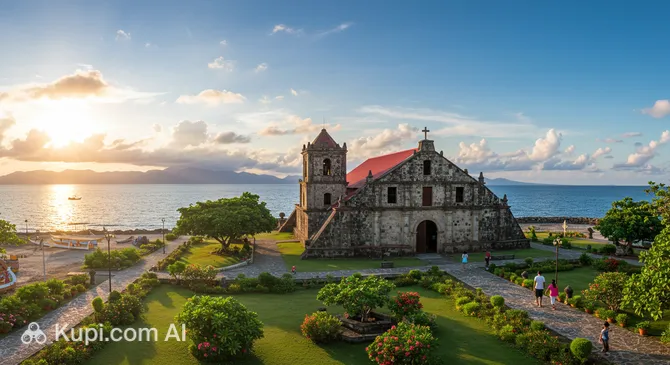
Another historical treasure is the Anini-y Church (St. John of Nepomuk Parish), located in the southernmost municipality. It is the only surviving colonial church in Antique, built using coral stones and egg whites as a binder. The church's Baroque architecture and weathered facade offer a striking contrast to the tropical surroundings, making it a fascinating stop for those interested in religious history and architecture.

For a unique highland experience, consider a trip to the Aningalan Highland Strawberry Garden in San Remigio. Often called the "Summer Capital of Antique," this area offers a cool climate, pine trees, and strawberry fields that rival those in northern Luzon. It is a refreshing detour from the coastal heat, perfect for travelers seeking a mountain breeze and panoramic views of the province.

Getting Around

Navigating Antique is an adventure in itself, offering a glimpse into the authentic local lifestyle of the region. Unlike bustling metropolises with complex subway systems, the public transport network here is entirely road-based, relying on a mix of traditional Filipino vehicles and modern conveniences. The system is straightforward, affordable, and connects the capital, San Jose de Buenavista, with the various scenic municipalities along the coast and in the mountains.

For short distances within town centers, the tricycle is the undisputed king of the road. These motorcycle-sidecar combinations function similarly to taxis but on a shared or private basis. They are nimble enough to navigate narrow streets and can drop you off directly at your hotel or a specific restaurant. If you are traveling between towns—for instance, from San Jose to Tibiao or Culasi—jeepneys and multicabs are the standard modes of transport. These colorful, open-air vehicles follow specific routes and are a fantastic way to mingle with locals while enjoying the breeze.

For longer journeys spanning the length of the province, air-conditioned and non-air-conditioned buses are the most reliable option. Companies like Ceres Liner operate frequent trips along the main coastal highway, making it easy to hop from one major attraction to another. Vans (often referred to as V-Hires or GT Express) offer a faster, albeit slightly more expensive, alternative to buses. They usually wait at designated terminals and depart only when all seats are filled, so a bit of patience is sometimes required.

The payment system in Antique is almost exclusively cash-based. There are no travel cards, tap-to-pay systems, or transport apps like those found in major capital cities. You pay the driver or the conductor directly. For jeepneys and non-AC buses, payment is often collected during the ride, while van terminals may ask for payment before departure. It is crucial to carry smaller denominations of the local currency, such as 20, 50, and 100 notes, as drivers often struggle to find change for large bills.

Tourists should be aware that transport schedules can be somewhat informal. While buses generally run from early morning until late afternoon, trips become less frequent after sunset. In smaller towns, tricycles and jeepneys may stop running as early as 7:00 PM or 8:00 PM. To hail a tricycle or jeepney, simply wave your hand from the side of the road. When you are ready to get off, a loud "Para po!" (Please stop!) signals the driver to pull over. For a smoother experience, especially if you have luggage, you can negotiate a "special trip" or "pakyaw" with a tricycle driver to take you directly to your destination without other passengers.

If you prefer more independence, motorbike rentals are becoming increasingly popular, particularly in tourist hubs like Tibiao and San Jose. This allows you to explore off-the-beaten-path waterfalls and viewpoints at your own pace. However, standard car taxis are virtually non-existent here; tricycles effectively fill that void. For reaching mountainous areas where four-wheeled vehicles cannot pass, you might encounter the habal-habal (motorcycle taxi), a unique local experience where skilled drivers navigate steep, rugged terrain to bring you to hidden gems.

Accommodation

Accommodation in Antique reflects the province's rustic charm and commitment to eco-tourism. Instead of towering skyscrapers and international hotel chains, travelers will find a refreshing selection of beachfront resorts, riverside eco-lodges, and cozy homestays. The options range from simple backpacker inns to comfortable mid-range hotels, with many establishments designed to blend harmoniously with the surrounding nature. Whether you prefer the convenience of a town center or the tranquility of a bamboo hut in the mountains, there is a place to suit every preference.

The capital, San Jose de Buenavista, is the primary hub for travelers seeking modern amenities. It offers the widest selection of standard business hotels and inns, making it a convenient base for those who need easy access to banks, restaurants, and transport terminals. Staying here is practical for transit, especially if you are arriving late or have an early bus to catch. The accommodations in the capital generally provide air-conditioned rooms, Wi-Fi, and easy access to the town's nightlife and parks.

For a more immersive experience, many tourists choose to stay in the municipality of Tibiao. Famous for its eco-adventure parks, this area offers unique lodgings situated directly along the riverbanks. Imagine waking up to the sound of rushing water and enjoying breakfast with a view of the lush rainforest. These resorts often feature the famous Kawa Hot Baths right on the premises. Similarly, the towns of Culasi and Pandan are excellent choices for beach lovers. Culasi serves as the gateway to Mararison Island, where local families offer homestays that allow visitors to experience island life firsthand, while Pandan boasts resorts near the pristine Bugang River and the coast.

Booking Tip: While accommodations in the capital are usually available year-round, the unique riverside cottages in Tibiao and the island homestays in Mararison can fill up very quickly. It is highly recommended to book your stay at least a few weeks in advance if you plan to visit during the summer months (March to May) or long weekends.

The price range in Antique is generally very affordable compared to major tourist hotspots. Budget travelers can find homestays and basic fan rooms for a modest fee, while mid-range options offering air conditioning, private bathrooms, and swimming pools are reasonably priced. True luxury resorts are rare, but "luxury" here is defined by seclusion and natural beauty rather than opulence. While larger hotels in San Jose are listed on major online booking platforms, many smaller eco-lodges and family-run resorts in the countryside rely on direct bookings via social media or phone calls.

Nearby Cities

Nearby Cities:

For those looking to explore the surroundings, Antique serves as an excellent base for day trips to several interesting nearby locations:

City Population Distance (km)
Kalibo 89,127 48
Ibajay 52,364 43
New Washington 47,955 48
Culasi 44,494 7
Jamindan 38,670 34

Just a scenic drive away lies Kalibo, the vibrant capital of Aklan province. Famous globally for the Ati-Atihan Festival held every January, this bustling town offers more than just street dancing. Nature lovers can visit the Bakhawan Eco-Park, a massive mangrove reforestation project that features a 1.3-kilometer bamboo boardwalk winding through the forest and leading to a quiet lagoon. It is a fantastic spot to enjoy local cuisine, particularly fresh seafood and oysters, in a relaxed setting.

Closer to the heart of the action is Culasi, a thriving municipality that serves as a commercial and tourism hub in the northern part of the region. It is best known as the jump-off point for Mararison (Malalison) Island, but the town itself has a lively market and a beautiful promenade with views of Mt. Madja-as, the highest peak on Panay Island. A visit here offers a perfect mix of mountain backdrops and coastal charm, making it an essential stop for travelers.

Another worthwhile destination is New Washington, a quiet town known for its laid-back atmosphere and the Sampaguita Gardens. This resort complex features a year-round Christmas village, an aquarium, and a butterfly farm, making it a unique attraction for families and those looking for a whimsical detour. The town is also situated along a river, providing picturesque sunset views that contrast beautifully with the rugged landscapes of Antique.

These nearby destinations offer a glimpse into the diverse culture and landscapes of the region.

Shopping & Souvenirs

Shopping in Antique offers a delightful shift away from the high-end luxury boutiques of metropolitan cities, focusing instead on authentic local products and rustic charm. The province is a treasure trove for travelers seeking genuine Filipino craftsmanship and regional delicacies. While the capital city provides modern conveniences, the true joy of shopping here lies in exploring the local trade towns and specialty centers where the region's agricultural and artistic heritage is on full display.

The commercial heartbeat of the province is San Jose de Buenavista. This is where the majority of trading activities take place, and it serves as the primary district for both locals and tourists. The downtown area is bustling with activity, featuring a mix of standalone shops, banks, and grocery stores. A stroll through the town center allows visitors to observe the daily rhythm of life while browsing for everyday essentials and local finds.

For those looking for a modern retail experience, Robinsons Place Antique in San Jose is the premier destination. As the largest shopping mall in the province, it houses a variety of well-known national brands, fashion outlets, electronic stores, and a department store. It provides a comfortable, air-conditioned environment perfect for escaping the midday heat. Another notable establishment is the Gaisano Grand Mall Antique, which offers a wide range of affordable goods, a supermarket, and department store items, catering to both budget-conscious travelers and locals.

However, to truly experience the local culture, a visit to the San Jose Tradetown (Public Market) is essential. This is not just a place to buy food; it is a vibrant hub where you can find everything from fresh seafood and tropical fruits to native handicrafts. The market is particularly lively in the mornings. In other municipalities like Sibalom, market days bring out vendors selling unique local produce and goods from the mountains, offering a glimpse into the province's agricultural richness.

When it comes to souvenirs, Antique has several signature products that are perfect for taking home. The province is widely known as the "Muscovado Sugar Capital of the Philippines," so buying a pack of authentic Muscovado sugar is a must. For textile lovers, the Patadyong—a colorful, handwoven plaid fabric—is a cultural icon of the region, particularly from the town of Bugasong. You can buy it as fabric or fashioned into bags, scarves, and wallets. Additionally, the town of Sibalom is famous for its semi-precious gemstones, which are crafted into beautiful, affordable jewelry.

Typical store hours in the malls are from 9:00 AM or 10:00 AM until 8:00 PM or 9:00 PM. Independent shops and smaller boutiques usually close earlier, around 6:00 PM or 7:00 PM. Public markets are best visited early in the morning, often starting as early as 5:00 AM. Regarding payment, cash is definitely king in Antique. While the major malls and some hotels in San Jose accept credit cards, smaller vendors, souvenir shops, and market stalls deal exclusively in Philippine Pesos (PHP). It is highly advisable to withdraw sufficient cash when in the capital.

Regarding tax-free shopping, the Philippines has been developing a Value Added Tax (VAT) refund scheme for foreign tourists, but it is primarily implemented in major international hubs and large participating retailers in metropolitan areas. In a province like Antique, it is unlikely that you will find shops equipped to process VAT refunds. Therefore, tourists should not expect tax-free shopping facilities and should simply enjoy the generally low cost of local goods.
Reached the end of the page?

That means the route is fully explored