Support

Naga

About

Welcome to Naga, a vibrant city often referred to as the "Heart of Bicol" due to its central location and commercial significance in the Bicol Region of the Philippines. Known for its warm hospitality and deep-rooted religious traditions, this independent component city offers a unique blend of urban energy and provincial charm. Whether you are a pilgrim, a nature lover, or a foodie seeking authentic local cuisine, Naga provides a welcoming atmosphere that captivates visitors from the moment they arrive.
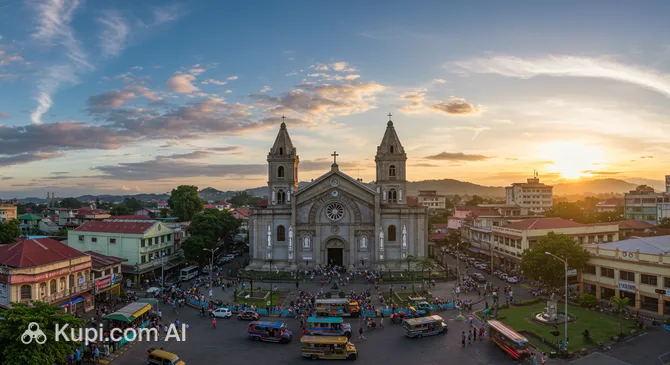
Naga. Source: Kupi.Binoculars

Geographically nestled in the province of Camarines Sur, the city sits at the foot of Mount Isarog and is surrounded by rich agricultural lands. With a population of over 200,000 residents, it serves as a bustling hub for trade, education, and culture in the region. The city's strategic location makes it an excellent base for exploring the wider peninsula, offering easy access to both mountain adventures and nearby coastal escapes.

The city prides itself on a legacy that dates back centuries. Originally established as Ciudad de Nueva Cáceres, it was one of the royal cities created by Spanish colonizers. To learn more about its fascinating past, you can explore the history of Naga, which details its transformation from a riverside settlement to a modern metropolis. Today, this heritage is most visible during the massive Peñafrancia Festival, a pilgrimage that draws millions of devotees and tourists annually.

Travelers will find plenty to see and do within and around the city limits. Nature enthusiasts can visit the Panicuason Hot Spring Resort or trek the trails of Mount Isarog National Park to witness diverse flora and fauna. For those interested in architecture and spirituality, the imposing Naga Metropolitan Cathedral stands as a major landmark. Additionally, the city is famous for its spicy cuisine, making it the perfect place to taste the authentic Bicol Express right where it is celebrated.

Whether you are passing through on a larger journey or planning a dedicated stay, Naga promises a memorable experience filled with cultural depth and natural beauty. We invite you to discover the vibrant spirit of this dynamic city and enjoy everything it has to offer.

Weather Overview

Naga experiences a tropical climate characterized by consistent warmth throughout the year, making it a destination suitable for travel in any season. Temperatures remain fairly stable, typically ranging from average lows of around 23°C to highs reaching up to 31°C during the peak of summer. Visitors can generally expect warm days year-round with a distinct increase in rainfall frequency during the second half of the year.

The city has a notable wet season, with the number of rainy days increasing significantly from May through December. July is particularly active, often recording rain on every day of the month, although the total precipitation volume remains moderate. For travelers planning their itinerary, checking the detailed weather in Naga is recommended to prepare for these frequent showers. In contrast, the period from February to April is relatively drier, with March seeing the fewest wet days and minimal rainfall.

May is typically the warmest month, with average temperatures climbing to 28.7°C, while January and February offer slightly cooler conditions, averaging around 25.5°C. Whether you visit during the drier spring months or the wetter latter half of the year, the city's climate remains humid and tropical, so light, breathable clothing is always a good choice.

Interesting Facts

Beyond the well-trodden paths, Naga holds a treasure trove of stories that reveal its historical depth and cultural vibrancy. Discover these fascinating details that add extra layers to the "Heart of Bicol."
  • The city holds the prestigious distinction of being one of the original "Royal Cities" in the country. Established in the late 16th century as Ciudad de Nueva Cáceres, it was one of the few settlements granted a coat of arms by the Spanish Crown, marking it as a center of power and religion for centuries.

  • Naga hosts one of the largest Marian pilgrimages in Asia. Every September, millions of devotees gather at the Minor Basilica and National Shrine of Our Lady of Peñafrancia to honor "Ina," the patroness of Bicol, culminating in a spectacular fluvial procession along the Naga River.

  • The city's name is deeply rooted in local flora. It is derived from the Narra tree (Pterocarpus indicus), the national tree of the Philippines, which once grew abundantly along the riverbanks when the pre-colonial settlement was first founded.

  • Naga is often considered the epicenter of the Pili nut industry. This nut is indigenous to the Philippines and is famous for its smooth, buttery texture; the city is the best place to find it processed into candies, pastries, and other unique Bicolano delicacies.

Minor Basilica and National Shrine of Our Lady of Peñafrancia. Source: Kupi.Binoculars

How to Get There

Reaching this vibrant city in the Bicol Region is quite convenient, with air travel being the fastest option for most visitors. Whether you are coming from Manila or other parts of the archipelago, you can choose from nearby gateways that serve the province. For a complete guide on all available transport modes, including buses and driving directions, you can read more about how to get to Naga to plan your trip seamlessly.

The most direct way to arrive by air is via Naga Airport (WNP), which is the primary gateway for the area. It is important to note that the city of Naga does not have its own airport; this facility is actually located in the neighboring municipality of Pili, approximately 8.5 km from the city center. The flight is short and scenic, and once you land, a taxi or van ride to downtown Naga typically takes around 30 to 40 minutes depending on traffic. This airport handles a significant volume of travelers looking for quick access to Camarines Sur.

Another viable option is flying into Bicol Airport (DRP), also known as the Southern Luzon International Airport. Located in the city of Daraga (Albay), it is about 76.4 km away from Naga. While further away, this airport is larger and often has more flight schedules. From Daraga, the overland journey to Naga usually takes approximately 2 to 2.5 hours by bus or private car. This route is a good alternative if flights to Pili are fully booked or if you plan to explore the Albay province before heading north.

For clarity, here is a summary of the main airports serving the region:

Airport Name City Passenger Traffic Km from City
Bicol Airport Daraga Large 76.4
Masbate Airport Masbate City Medium 146.3
Naga Airport Pili Medium 8.5
Virac Airport Virac Small 108.9
Catarman National Airport Catarman Small 198.9

Besides air travel, many locals and tourists opt for land transport. A comprehensive network of buses connects Naga to Metro Manila and other key cities in Luzon. The bus journey is a popular choice for budget-conscious travelers, offering a scenic route through the southern provinces, though it takes significantly longer than flying.

Main Attractions

Naga is a city deeply defined by its faith and history, offering visitors a collection of spiritual landmarks and vibrant public spaces. At the forefront of its tourism landscape is the Minor Basilica and National Shrine of Our Lady of Peñafrancia. As the spiritual heart of the Bicol region, this grand sanctuary houses the revered image of "Ina," the patroness of Bicol. Pilgrims and tourists alike are drawn to its impressive architecture and the serene atmosphere that pervades the grounds, especially during the annual festival when it becomes the epicenter of millions of devotees.

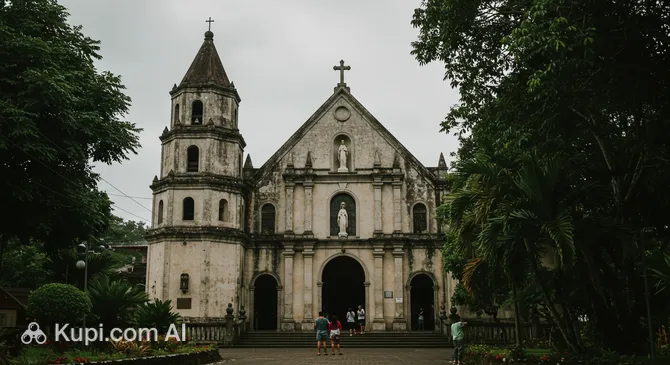
For those interested in the historical roots of this devotion, the Our Lady of Peñafrancia Shrine is an essential stop. This church served as the original home of the miraculous image for over two centuries before it was transferred to the larger basilica. The shrine offers a glimpse into the city's colonial past with its aged structure and baroque elements, providing a quieter, more intimate setting for reflection compared to its modern counterpart.

Our Lady of Peñafrancia Shrine. Source: Kupi.Binoculars

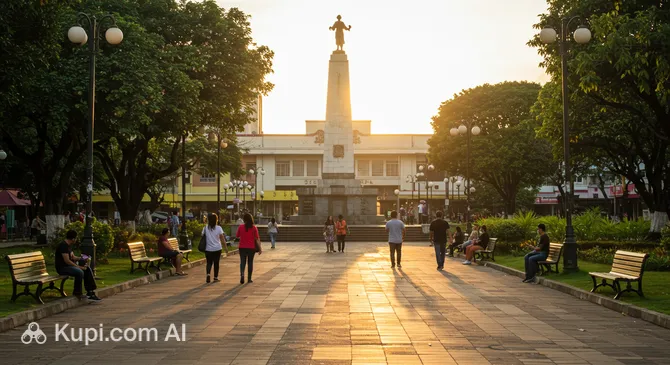
Located right in the hustle and bustle of the downtown area, Rizal Plaza serves as a central landmark and a popular gathering spot for locals. The park features a monument dedicated to the national hero, José Rizal, and is often the venue for civic events and cultural activities. Surrounded by other historical buildings and commercial establishments, it is an excellent starting point for a walking tour of the city center, allowing visitors to experience the daily rhythm of life in Naga.

Rizal Plaza. Source: Kupi.Binoculars

Local Cuisine

Naga is widely regarded as one of the culinary capitals of the region, offering a gastronomic adventure that is defined by the bold flavors of Bicolano cuisine. The local food culture is famous for its generous use of gata (coconut milk) and siling labuyo (bird's eye chili), creating dishes that are rich, creamy, and notoriously spicy. Visitors will find that dining here is not just about sustenance but an immersion into a tradition that celebrates heat and heartiness in equal measure.

The undisputed star of the city's street food scene is Kinalas. Unique to Naga, this noodle soup dish is a comfort food staple made with tender scraped meat from a pig's or cow's head. What sets it apart is the thick, savory brown sauce poured over the noodles, often garnished with minced garlic and spring onions. Locals typically enjoy it with a side of baduya (banana fritters) or a boiled egg, making it a must-try experience for any culinary traveler.

Beyond Kinalas, no trip to this city is complete without savoring the authentic versions of Bicol Express and Laing. While these dishes are available nationwide, the local preparation here is distinctively spicier and creamier. For dessert or pasalubong (gifts), the indigenous Pili nut takes center stage. You can find it in various forms, from roasted and salted to glazed with sugar or incorporated into pastries and tarts.

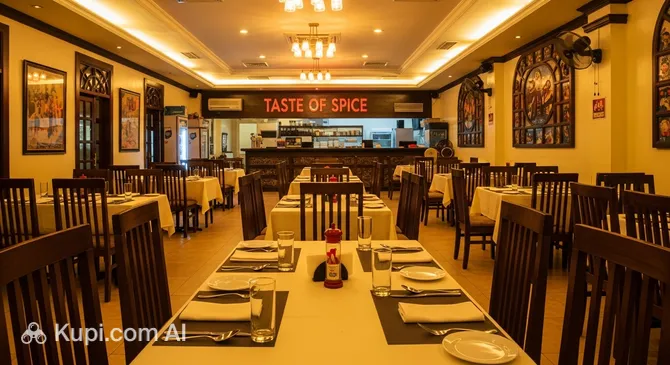
Taste of Spice. Source: Kupi.Binoculars

The dining landscape in Naga ranges from humble roadside carinderias to established restaurants perfect for family gatherings. For those looking to explore local menus, places like Taste of Spice offer a chance to sample a variety of dishes in a comfortable setting. The city also has a vibrant eating culture where you can find everything from quick bites to leisurely meals at spots like Concepcion, ensuring that every palate is well-catered to during a visit.

Travel Tips

To help you make the most of your visit to the "Heart of Bicol," we have compiled a set of essential guidelines that will ensure your trip is smooth and enjoyable. Naga is a friendly and welcoming city, but knowing a few local practicalities will help you navigate the streets and culture like a pro.

  1. Clothing and Gear: Given the tropical climate, pack lightweight and breathable fabrics like cotton or linen to stay cool. Since rain is frequent, especially from June to December, carrying a sturdy umbrella or a compact raincoat is a must. If you plan to visit the religious sites, such as the Cathedral or the Basilica, remember to dress modestly; sleeveless tops and short skirts or shorts are generally discouraged inside sacred spaces.
  2. Transportation: The most convenient way to get around the city center is by tricycle. These motorized rickshaws are everywhere and can take you directly to your destination for a modest fee; just agree on the fare beforehand if it's a special trip. For longer distances or travel between towns, jeepneys and vans are the primary modes of public transport. Taxis are available but less common than in Manila, and car rentals are generally not necessary unless you plan to explore the far reaches of the province on your own.
  3. Finances: The local currency is the Philippine Peso (PHP). While major hotels, malls, and larger restaurants in Naga accept credit cards, cash is king for smaller establishments, tricycle fares, and street food stalls. ATMs are widely available, particularly around the city center and shopping malls. Tipping is not mandatory but is highly appreciated; leaving loose change or rounding up the bill is a kind gesture.
  4. Health and Safety: Naga is generally a safe city for tourists, but it is always wise to keep an eye on your belongings in crowded areas like the public market. Pharmacies, such as Mercury Drug and Watsons, are easy to find, and some branches operate 24/7. For medical emergencies, the Bicol Medical Center is a major hospital located within the city. As a precaution, stick to bottled or purified water rather than tap water.
  5. Communication: English is widely spoken and understood, making communication easy for international travelers. The local language is Bicolano (or Bikol), though Tagalog (Filipino) is also used fluently. Learning a few local phrases can go a long way in building rapport; try saying "Dios Mabalos" (God will return the favor) which is the local way of saying "Thank you." SIM cards from major networks like Globe and Smart are readily available at the airport and convenience stores.
  6. Local Etiquette: Bicolanos are known for their warmth and religious devotion. A simple smile and a polite greeting are always well-received. When entering someone's home, it is polite to leave your shoes at the door unless told otherwise. Due to the city's deep religious roots, always maintain a respectful demeanor during processions or mass, especially during the Peñafrancia Festival season.
  7. What to Avoid: Avoid making negative comments about the local food's spiciness if you can't handle the heat; instead, simply ask for a "mild" version politely. Also, do not lose your temper if things move at a relaxed pace; the local lifestyle is generally more laid-back than in the capital, so patience is a virtue here.
  8. Shopping Tip: Do not leave the city without visiting the Naga City People's Mall or the roadside stalls for pasalubong (souvenirs). This is the best place to buy authentic Pili nut delicacies, from sugar-glazed to roasted varieties, at prices much lower than you would find at the airport or in Manila.

Armed with these practical tips, you are now ready to explore the vibrant streets and rich heritage of Naga with confidence. Embrace the local rhythm, savor the spicy flavors, and enjoy the genuine hospitality that makes this city a truly special destination in the Philippines.

Entertainment & Nightlife

When the sun sets, Naga shifts gears from a busy commercial hub to a lively center of entertainment. While it may not have the frantic pace of a mega-city, its nightlife scene is vibrant, diverse, and deeply rooted in the local culture of good food and music. The atmosphere is generally laid-back and unpretentious, making it easy for visitors to mingle with friendly locals, known as Nagueños, over a bucket of cold beer or a plate of spicy appetizers.

The undisputed heartbeat of the city's nightlife is Magsaysay Avenue. Often compared to famous entertainment strips in Manila, this avenue comes alive at night with neon lights and the sound of live bands. It is lined with a variety of establishments, from open-air grills and gastropubs to videoke bars and dance clubs. The crowd here is a mix of university students, young professionals, and tourists, all enjoying the cool evening air. The dress code is typically casual; jeans and t-shirts are perfectly acceptable in most venues, reflecting the city's relaxed vibe.

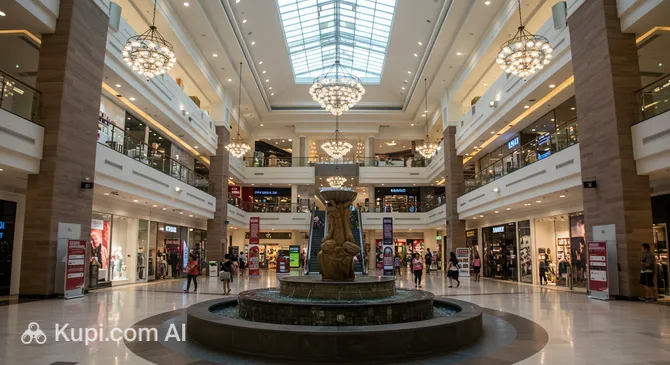
For those who prefer a more comprehensive leisure experience, the city's shopping centers offer a great starting point for the evening. City Naga Mall is a popular destination where you can catch the latest movies or enjoy late-night shopping before heading out for drinks. These hubs often host evening events and have arcades that appeal to families and groups of friends looking for wholesome fun.

City Naga Mall. Source: Kupi.Binoculars

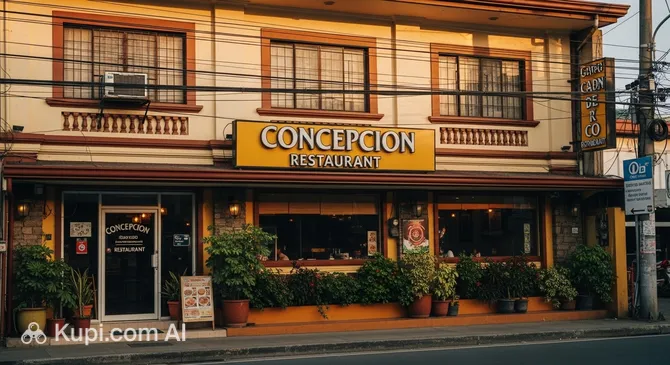
Dining is an integral part of the night out in Naga. Before hitting the bars, many locals gather at restaurants to fuel up. Concepcion is one such spot where you can enjoy a hearty meal. The culinary scene extends late into the night, with many eateries along the main avenues serving food well past midnight to cater to the party crowd. Another notable commercial area is Place Naga, which adds to the variety of urban hangout spots available to visitors.

Concepcion. Source: Kupi.Binoculars

Practical Tips for Night Owls: The best time to experience the nightlife is on Friday and Saturday nights when the energy is at its peak. Prices in Naga are generally very affordable compared to the capital, with beers and cocktails reasonably priced. Getting around is easy; tricycles are the primary mode of transport and are available throughout the night. It is advisable to agree on the fare before hopping in if you are traveling late. In terms of safety, the main entertainment districts like Magsaysay are well-lit and police presence is visible, but as with any travel, it is wise to stay in populated areas and keep an eye on your belongings.

While the nights are for socializing, the city also offers plenty of daytime entertainment. Culture buffs can explore local museums that showcase the region's history and the life of prominent national figures. There are also several parks and nature resorts on the outskirts for those who want to switch from the party scene to a relaxing day in nature.

Parks & Museums

Beyond its bustling avenues and religious landmarks, Naga offers a refreshing array of green spaces and cultural institutions that invite visitors to pause and reflect. The city creates a harmonious balance between preserving its rich history and maintaining ecological sanctuaries, providing travelers with diverse options for leisure and learning.

For a true escape into nature without leaving the city limits, the Naga City Ecology Park is a must-visit destination. This sprawling four-hectare facility is designed as a family-friendly ecotourism zone, featuring themed gardens, a topiary maze, and paved walkways perfect for a relaxing stroll. It serves as a green lung for the city and offers a peaceful environment where tourists can enjoy picnics or simply admire the local flora. It is an excellent spot for those looking to experience the quieter, greener side of the city.

Another significant public space is the Plaza Quince Martires, located in the heart of the downtown area. While it functions as a city square, it is deeply historical, dedicated to the fifteen Bicolano martyrs who fought for independence. The plaza features a monument and surrounding open spaces that are often used for commemorative events. It stands as a poignant reminder of the region's heroism and is a great place to sit, people-watch, and soak in the local atmosphere amidst historical surroundings.

Culture enthusiasts should not miss the Museo ni Jesse Robredo, a modern museum dedicated to the life and legacy of the city's beloved former mayor and national statesman. The museum offers interactive exhibits and galleries that narrate his approach to governance and his simple lifestyle. It provides a fascinating insight into contemporary Philippine political history through the lens of a local hero, making it an inspiring stop for visitors interested in leadership and civic responsibility.

For a look into the deeper past, the Holy Rosary Minor Seminary Museum (Museo del Seminario Conciliar de Nueva Caceres) houses a remarkable collection of ecclesiastical artifacts, archaeological finds, and historical memorabilia. Located within one of the oldest seminaries in the country, the museum showcases the religious and cultural evolution of the Bicol region over centuries. It is a treasure trove for history buffs, offering a glimpse into the colonial era and the enduring faith of the Bicolanos.

Insider Tip: If you are willing to venture slightly further afield, seek out the Malabsay Falls located within the Mount Isarog National Park area. While often overshadowed by the more commercial resorts, this natural waterfall offers cool, crystal-clear waters and a serene trekking experience that feels worlds away from the urban center.

Getting Around

Navigating Naga is a straightforward and authentic experience, as the city relies on a road-based public transport network rather than a complex metro or train system. The most iconic and ubiquitous mode of transport is the jeepney. These colorful, elongated vehicles ply fixed routes along major avenues and connect the downtown area (Centro) with outlying barangays and neighboring towns. They are the backbone of local mobility, offering a breezy, open-air ride that allows you to observe the daily rhythm of the city up close.

For door-to-door service or short distances within subdivisions, the motorized tricycle is the undisputed king of the road. These motorcycle sidecars are everywhere and can navigate narrower streets that jeepneys cannot reach. For even shorter trips, particularly around the market or within quiet neighborhoods, you will see the padyak (pedicab). These are bicycles with a sidecar, powered solely by the driver's pedaling, offering a slower, eco-friendly, and distinctively local way to get around.

The payment system in Naga is traditional and strictly cash-based. There are no travel cards, tap-to-pay systems, or digital turnstiles for public transit here. Passengers pay the driver directly in Philippine Pesos (PHP). Fares are regulated and generally very affordable. It is highly recommended to carry loose change (coins and small bills like 20s and 50s), as drivers often struggle to break large denominations. A typical jeepney ride costs a modest fee for the first few kilometers, while tricycle fares vary depending on whether you share the ride with others or hire the vehicle for a "special" private trip.

For tourists, the best advice is to hail tricycles and jeepneys from designated stops or simply by waving from the side of the road, which is common practice. When riding a jeepney, you pay by passing your money forward to the driver, often saying "Bayad po" (Here is my payment). Transport operates from early morning until late at night, though the frequency of jeepneys drops significantly after midnight. Tricycles are usually available 24/7, but night fares may be slightly higher.

While mass transit is dominant, alternatives exist for those seeking more comfort. Air-conditioned taxis are available, though they are less numerous than in the capital; they are often found waiting near major malls or transport terminals. Car rentals and private van hires are also options for those who prefer self-driving or have a set itinerary for the province. Additionally, the city center is relatively compact, making walking a viable and pleasant option for exploring landmarks like the plazas and the cathedral.

Accommodation

Finding the perfect place to stay in Naga is relatively easy, as the city offers a wide spectrum of accommodation options to suit every traveler's needs. The selection ranges from economical backpacker hostels and transient inns to comfortable mid-range business hotels and upscale resorts. While the city may not have an abundance of ultra-luxury international chains, it makes up for it with high-quality local establishments known for their cleanliness, modern amenities, and the signature warmth of Bicolano hospitality.

For those who prioritize convenience and accessibility, the City Center (Centro) is the ideal location. Staying in this area places you within walking distance of historical landmarks, the public market, and major transport terminals. It is particularly convenient for pilgrims and history buffs who wish to be near the major religious sites. Alternatively, travelers looking for a more vibrant atmosphere often prefer the area around Magsaysay Avenue. This district is the city's lifestyle hub, teeming with restaurants, bars, and entertainment venues, making it a great base for those who want to enjoy the nightlife just steps away from their hotel lobby.

If you prefer a quieter retreat closer to nature, the outskirts of the city towards the foot of Mount Isarog offer a different experience. Here, you can find nature resorts and hot spring accommodations that provide a serene escape from the urban bustle, yet remain accessible via a short drive from the downtown area. These spots are perfect for families and relaxation seekers.

Booking Tip: Timing is everything when planning a trip to Naga. If you intend to visit during the Peñafrancia Festival in September, it is absolutely critical to book your accommodation months in advance. During this peak pilgrimage season, hotels are often fully booked, and rates may be higher than usual. For travel during the rest of the year, securing a room is generally stress-free, though booking a few weeks ahead is still recommended.

In terms of cost, accommodation in the city is generally very affordable compared to the national capital. Budget travelers can find decent rooms for a modest price, while mid-range hotels offer excellent value with air-conditioning, Wi-Fi, and breakfast included. Most established hotels are listed on major online booking platforms, allowing for easy price comparison and reservations, but smaller inns may prefer direct bookings via phone or social media pages.

Nearby Cities

Naga serves as a strategic launchpad for exploring the wider province of Camarines Sur. Its central location allows travelers to easily visit neighboring municipalities, each offering its own slice of Bicolano culture and history. Whether you are looking for agricultural landscapes, religious sites, or simply want to see more of the region, these nearby towns are accessible via short road trips.

The closest and perhaps most significant neighbor is Pili, located just 9 km away. As the capital of the province and the site of the airport serving Naga, it is a bustling hub that visitors often pass through. To the northwest lies Libmanan, a large municipality known for its vast rice fields and caves. Another notable destination is Calabanga, often visited for its historic churches and shrines, sitting roughly 14 km from the city center.

For those planning day trips or onward travel, here is a quick guide to the nearby municipalities:

Municipality Distance from Naga Population
Pili 9 km 99,196
Calabanga 14 km 88,906
Libmanan 17 km 112,994
Bula 19 km 73,143
Nabua 29 km 86,490

Travel between these towns is generally straightforward, with a steady stream of jeepneys and vans departing from Naga's terminals. Exploring these areas provides a deeper understanding of the local lifestyle beyond the urban center.

Shopping & Souvenirs

As the commercial center of the Bicol Region, Naga offers a diverse shopping landscape that caters to both modern tastes and traditional needs. The city is a bustling hub of trade where visitors can find everything from high-end fashion and electronics to locally crafted goods and fresh produce. Whether you prefer the comfort of air-conditioned complexes or the vibrant energy of open-air markets, the city provides a satisfying retail therapy experience.

For a modern shopping experience, the city is home to several large commercial centers. City Naga Mall is a convenient stop located within the downtown area, offering a selection of retail shops, a supermarket, and entertainment options. It is a favorite among locals for its accessibility and variety of stores. Another key destination is Place Naga, a lifestyle and commercial complex that combines dining, leisure, and retail in a more upscale setting. These establishments serve as modern landmarks where tourists can escape the tropical heat while browsing for clothes, gadgets, and accessories.

Place Naga. Source: Kupi.Binoculars

To truly experience the local culture, a visit to the Naga City People's Mall (formerly the Public Market) is essential. As one of the largest public markets in Asia, it is divided into organized sections selling fresh produce, dry goods, and textiles. This is the best place to immerse yourself in the daily life of the Nagueños. Here, you can bargain for local handicrafts, woven abaca products, and inexpensive clothing while navigating through the lively aisles filled with the aroma of local spices and goods.

No shopping trip to Naga is complete without purchasing the region's most famous product: the Pili nut. The city is the primary trading hub for this delicacy, and you will find it prepared in countless ways—roasted, salted, sugar-glazed, or made into tarts and mazapan. The best places to buy these edible souvenirs are the specialized stalls near the bus terminal or the dedicated souvenir shops in the downtown area. Other popular keepsakes include t-shirts printed with Bicolano phrases and bags made from indigenous fibers.

Most shopping malls and department stores in the city operate daily from approximately 10:00 AM to 9:00 PM. While credit and debit cards are widely accepted in malls, hotels, and larger restaurants, cash remains the preferred mode of payment in the public market, smaller boutiques, and souvenir stalls. ATMs are plentiful throughout the city center, ensuring that accessing cash is never an issue for visitors.

Regarding taxes, the prices displayed on items in the Philippines are typically inclusive of the Value Added Tax (VAT). While the country has been developing a tax refund system for international tourists, it is primarily available at major international airports and participating large retailers. In Naga, it is best to assume that the price you see is the final price, though bargaining is acceptable and expected in the public market and smaller independent shops.

Reached the end of the page?

That means the route is fully explored