Support

San Jose

About

San Jose is a vibrant and bustling city located in the province of Occidental Mindoro. As the economic, financial, and commercial hub of the province, it offers a lively atmosphere that contrasts beautifully with the laid-back coastal vibe typical of the region. While it is not the provincial capital, it is the most populous city in the area, serving as a vital gateway for travelers exploring this part of the Philippines.

Geographically, San Jose sits on the southern tip of the province, bordered by the Mindoro Strait. Its location makes it a strategic point for trade and transport. With a population of over 150,000 residents, the city buzzes with activity, yet it remains deeply connected to the sea and agriculture. The climate is generally tropical, with a distinct dry season that makes beach visits particularly enjoyable.
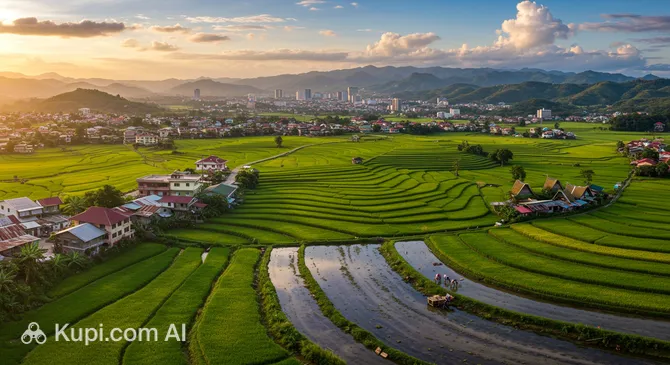
San Jose. Source: Kupi.Binoculars

The city has evolved significantly over the years. Originally known as Pandurucan, the history of San Jose is a testament to the resilience and industrious nature of its people. Today, it is famously known as the "Salt Capital of the Philippines" due to its extensive salt farms along the coastline, which are a unique sight for visitors interested in local industries.

Tourists often use San Jose as a jump-off point to some of the country's most spectacular natural wonders. It is the primary access point for the world-renowned Apo Reef Natural Park, a diver's paradise teeming with marine life. Closer to the city center, Aroma Beach is a favorite spot for locals and visitors alike, offering a long stretch of sand perfect for leisurely walks and watching stunning sunsets. Nearby Grace Island also offers floating cottages and crystal-clear waters for a relaxing day trip.

Whether you are passing through on your way to a diving adventure or staying to experience the local culture and salt production heritage, San Jose welcomes you with open arms. It is a destination that perfectly blends urban convenience with the raw beauty of island life.

Weather Overview

San Jose enjoys a tropical climate with consistently warm temperatures year-round, making it a pleasant destination for those looking to escape the cold. The city experiences average temperatures that typically range from 26°C to 28°C. May is generally the warmest month, with an average temperature of 28.1°C and highs reaching up to 30.0°C, while the months of January and February are slightly cooler, maintaining comfortable averages around 26°C.

Travelers should be mindful of the seasonal rainfall patterns when planning their visit. The weather in San Jose is characterized by a distinct wet season from June through October, during which rain becomes a daily occurrence; July, for example, can see precipitation on up to 30 days. In contrast, the driest period occurs from February to April, with February recording only about 8 wet days, offering the most stable conditions for outdoor activities and beach trips.

Interesting Facts

Beyond the main attractions and its reputation as a commercial hub, San Jose holds many fascinating secrets that reveal its deep historical and ecological significance. From pivotal wartime events to unique wildlife, there is much more to this city than meets the eye.

  • A Pivotal WWII Site: San Jose played a crucial strategic role during World War II. On December 15, 1944, it was the site of the "Mindoro Landing," where Allied forces arrived to establish vital airfields. This operation was a key turning point that facilitated the subsequent liberation of Luzon and the rest of the Philippines.

  • Home of a Rare Species: Just off the coast of the city lies Ilin Island, which is of great interest to biologists. It is the only known habitat of the Ilin Island Cloud Rat, a small, furry mammal that was believed to be extinct for decades until evidence of its continued existence resurfaced, making the area a hotspot for biodiversity.

  • A Sweet History: Before it became known as the "Salt Capital," San Jose was a major center for sugar production. In the early 20th century, it was home to the Philippine Milling Company, which operated one of the largest and most modern sugar centrals in the country, significantly shaping the local economy and infrastructure long before the salt industry took over.

  • The Meaning of Pandurucan: While many know its former name was Pandurucan, few know the story behind it. The name is derived from the local dialect meaning "a place of dropping by" or a "stopover," reflecting the city's centuries-old tradition as a welcoming resting spot for travelers and traders navigating the Mindoro Strait.

How to Get There

Planning a journey to this part of the Philippines requires some logistical preparation, especially given the island geography of Occidental Mindoro. Whether you are arriving for business or leisure, understanding your transport options is essential. You can find more about how to get to San Jose and the specific routes available to help streamline your travel plans.

While San Jose is a key destination, travelers often consider major regional hubs when planning their itinerary. One of the closest significant transport centers is Boracay Airport (MPH), located in the city of Caticlan. It is situated approximately 107 km from San Jose. Since this airport is on a neighboring island, a direct road trip is not possible, but the theoretical distance would correspond to a travel time of about 3 hours by land; in reality, a ferry connection is required. Another option is Kalibo International Airport (KLO) in Kalibo, which is about 161 km away. This international gateway welcomes a large number of visitors annually and serves as a major entry point for the wider region, though reaching San Jose from here also involves additional travel logistics.

For clarity, here is a summary of the main airports in the vicinity:

Airport Name City Passenger Traffic Km from City
Boracay Airport Caticlan Large 107.4
Kalibo International Airport Kalibo Large 160.8
Roxas City Airport Roxas City Medium 201.5
Busuanga Airport Busuanga Medium 108.0
Evelio Javier Airport Antique Small 198.7

Main Attractions

San Jose offers a delightful mix of coastal relaxation and island adventures, serving as a perfect base for exploring the natural beauty of Occidental Mindoro. One of the most accessible spots is Aroma Beach, a favorite among locals for family gatherings and leisurely strolls. Located just a short distance from the city center, this expansive stretch of beach is renowned for its laid-back atmosphere. It is particularly magical in the late afternoon, offering visitors a front-row seat to spectacular sunsets over the Mindoro Strait, making it an ideal place to unwind after a day of travel.

For those seeking a unique island experience, Grace Island on Ambulong Island is a must-visit destination. Famous for its iconic floating cottages connected by wooden boardwalks, it provides a distinctive way to enjoy the sea. Tourists are drawn here for the crystal-clear waters perfect for swimming and snorkeling, as well as the serene environment that feels worlds away from the busy city streets. It serves as an excellent spot for a day trip or an overnight stay surrounded by nature.

Adventure seekers should not miss the chance to explore Inasakan Beach, a hidden gem located on the western coast of Ilin Island. Often compared to more famous destinations for its powdery white sand and turquoise waters, this unspoiled paradise offers a tranquil escape. It is an excellent location for beach bumming and photography, allowing visitors to experience the raw, natural beauty of the province without the large crowds found in more commercialized tourist spots.

Another natural wonder nearby is White Island, also known locally as Manadi Island. This small, pristine sandbar emerges fully during low tide and offers panoramic views of the surrounding seascape. It is a popular stop for island-hopping tours, where tourists can enjoy a picnic on the sand, swim in the shallow waters, or simply bask in the tropical sun. Its simplicity and isolation make it a charming spot for those looking to disconnect and enjoy the ocean breeze.

Back in the city proper, St. Joseph the Worker Cathedral stands as a significant spiritual and architectural landmark. As the seat of the Apostolic Vicariate of San Jose, it is central to the local community's religious life. Visitors appreciate the cathedral for its modern yet solemn design and the peaceful ambiance it offers amidst the bustling town. It provides a glimpse into the deep-rooted faith and culture of the people of San Jose.

Local Cuisine

San Jose, often celebrated as the "Salt Capital of the Philippines," offers a culinary experience that is deeply rooted in its coastal geography and bountiful marine resources. The local food scene is unpretentious yet incredibly flavorful, heavily relying on the freshest catch from the Mindoro Strait. Visitors will find that the city's gastronomy is a delightful mix of traditional Filipino staples and unique provincial specialties that highlight the creativity and resourcefulness of the locals.

The undisputed star of the local table is Adobong Pugita (Octopus Adobo), a dish that has put Occidental Mindoro on the culinary map. Unlike the more common chicken or pork variations, this specialty utilizes mature octopus caught in the surrounding waters. It is slow-cooked in a savory blend of soy sauce, vinegar, garlic, and laurel leaves until the meat becomes surprisingly tender and rich in flavor. This delicacy is a must-try for any food enthusiast, often served in both humble eateries and established restaurants as a proud symbol of the province's cuisine.

Given the city's reputation for salt production, it is no surprise that dried seafood, locally known as daing, is a staple. The markets are filled with various types of sun-dried fish, which are fried to a crisp and typically served with garlic rice and egg for a hearty breakfast. Another regional favorite worth seeking out is Sinaing na Tulingan. This dish features bullet tuna slowly simmered in a clay pot with salt and dried kamias (bilimbi), creating a deep, savory broth and fish that is tender to the bone.

For those interested in unique local ingredients, the mangroves of San Jose provide a small edible shell known as Sihi. Locals often harvest these shells and cook them with coconut milk or sauté them with ginger and spices. It offers a distinct taste of the sea and serves as a testament to the rich biodiversity of the area. To wash it all down, fresh buko juice (coconut water) is widely available and provides a refreshing respite from the tropical heat.

When it comes to the dining atmosphere, the area along Aroma Beach is the heart of the city's social food culture, especially as the sun begins to set. This coastal stretch comes alive in the evenings with various food stalls and open-air eateries offering grilled favorites and street food. It is a popular spot for both locals and tourists to enjoy a casual dinner by the sea, often accompanied by a cold beer, allowing you to soak in the relaxed island vibe while savoring the local flavors.

Travel Tips

Visiting San Jose offers a genuine slice of Filipino provincial life, acting as both a bustling commercial hub and a gateway to pristine natural wonders. To help you navigate the city with ease and make the most of your adventure in Occidental Mindoro, here are some practical tips to keep in mind.

  1. Clothing and Gear: Given the tropical climate, pack lightweight, breathable fabrics like cotton or linen to stay cool. Don't forget your swimwear, sunglasses, and a sturdy hat, especially if you plan to visit Grace Island or Apo Reef. While beachwear is fine by the water, modest clothing is expected when visiting religious sites like St. Joseph the Worker Cathedral; cover your shoulders and knees. A pair of comfortable walking sandals or flip-flops is essential, and water shoes are highly recommended for rocky shores.
  2. Transportation: The primary mode of transport within the city is the tricycle (a motorcycle with a sidecar). They are abundant and affordable; however, it is wise to agree on the fare before starting your journey, especially for longer distances. For travel to neighboring towns, passenger vans and jeepneys are available at the transport terminals. Note that ride-hailing apps like Grab are not available here, and car rentals are limited, so rely on public transit or arrange transfers through your hotel.
  3. Finances: The local currency is the Philippine Peso (PHP). While San Jose is the commercial center of the province and has several ATMs (mostly major banks like BDO or Metrobank) and money changers in the town proper, cash is still king. Smaller eateries, local markets, and tricycle drivers generally do not accept credit cards. It is best to withdraw sufficient cash before heading out to remote islands or beaches where banking facilities are non-existent. Tipping is not mandatory but is much appreciated for good service.
  4. Health and Safety: San Jose is generally safe for tourists, but standard precautions should be taken; avoid displaying expensive jewelry or large amounts of cash in crowded areas. Pharmacies like Mercury Drug are available in the city center for basic medical supplies. It is highly advisable to drink only bottled or purified water to avoid stomach issues. Since this is a tropical area, bring and use insect repellent to protect against mosquitoes, especially during the early morning and late afternoon.
  5. Communication: English is widely understood and spoken, particularly in hotels and business establishments, so language barriers are rarely an issue. The main local language is Tagalog. To stay connected, purchasing a local SIM card (Globe or Smart) is recommended; these can be bought at the airport or in the town center. Wi-Fi is standard in most hotels and cafes, but mobile data signals can be spotty once you venture to the outlying islands.
  6. Local Etiquette: Filipinos are known for their hospitality and friendliness. A smile goes a long way. When interacting with elders, it is polite to speak softly and respectfully. If you are invited into a local's home, remember to take off your shoes before entering unless told otherwise. Patience is a virtue here; the pace of life is slower than in big metropolises, often referred to as "island time," so try to relax and go with the flow.
  7. What to Avoid: Do not step on corals or touch marine life when snorkeling or diving; the ecosystem is fragile and protected. Avoid losing your temper or raising your voice in public, as this causes "loss of face" and is considered very rude in Filipino culture. Also, refrain from littering, especially on beaches like Aroma Beach; locals take pride in their natural environment.
  8. Local Insight: Experience the local "sun-downer" culture at Aroma Beach. It is not just a tourist spot but a daily ritual for residents. Head there around 5:00 PM to grab a snack from a food stall, watch the sunset, and mingle with the locals. It is the best way to feel the true pulse of the city without spending a fortune.

By keeping these practicalities in mind, you will be well-prepared to enjoy the warm hospitality and rugged beauty of San Jose. Whether you are passing through for a diving expedition or staying to explore the local culture, a little preparation ensures a smooth and memorable journey.

Entertainment & Nightlife

Entertainment and nightlife in San Jose, Occidental Mindoro, reflect the city's character: laid-back, welcoming, and deeply connected to the local culture. Unlike the high-octane clubbing scenes found in metropolitan Manila, the nightlife here is centered around socializing, good food, and music. The atmosphere is generally casual and unpretentious, where locals and visitors mingle in open-air venues to enjoy the cool tropical breeze after sunset. The dress code is relaxed—shorts and flip-flops are the norm, even in the most popular spots.

The heartbeat of the city's evening entertainment is undoubtedly Aroma Beach in Barangay San Roque. This coastal stretch transforms at night into a lively baywalk filled with restobars, videoke joints, and grills. It is the perfect place to experience the local "sun-downer" tradition. As the sky turns dark, the area lights up with neon signs and the sound of live bands or enthusiastic karaoke singers fills the air. It is a safe and bustling area where you can hop from one venue to another, enjoying cold beers and pulutan (finger foods) by the sea.

For those looking for specific venues to visit, the Aroma Center Compound hosts several popular establishments. One standout is Grandiya Resto Bar, which is easily recognizable by its unique architecture designed to look like a ship. It is a favorite for its live music performances and festive vibe. Another notable spot nearby is Eder Live Music & Restobar, which often features ballroom dancing and upbeat tunes, attracting a crowd that loves to hit the dance floor. These venues typically stay open until around midnight or 1:00 AM, depending on the crowd.

If you prefer a more street-style experience, head to the San Jose Night Market located along Rizal Street near the Municipal Town Plaza. Open primarily on weekends, this market offers a vibrant mix of street food stalls, local delicacies, and affordable shopping. It is a fantastic place to immerse yourself in the local community spirit, try authentic barbecue, and enjoy a budget-friendly night out. The crowd here is a mix of families, students, and workers winding down for the week.

Practical advice for enjoying San Jose at night includes bringing sufficient cash, as many smaller bars and tricycle drivers do not accept cards. Tricycles are the main mode of transport and are readily available throughout the evening; however, fares may be slightly higher at night, so it is wise to agree on a price before hopping in. The city is generally safe, but as with any travel destination, it is best to stay in well-lit, populated areas like the Aroma Beach strip and avoid walking alone in unlit alleys late at night.

While the nights are for unwinding, San Jose also offers modest daytime entertainment options. Cultural enthusiasts can visit the Dap-Ayan Center for the Culture and the Arts to see local craftsmanship, or take a relaxing stroll through the San Jose Municipal Plaza. For a touch of history, the Central Heritage Park features ruins of an old sugar mill, offering a quiet spot for photography and reflection before the evening festivities begin.

Parks & Museums

While San Jose is primarily recognized as a bustling commercial gateway, it also offers charming green spaces and cultural venues that provide a glimpse into the local lifestyle and history. The city's recreational areas serve as community gathering spots, while its cultural sites reflect the rich heritage of Occidental Mindoro, particularly its agricultural roots and indigenous influences.

For a relaxing break in the heart of the city, the San Jose Municipal Plaza is the go-to destination. This town square functions as the social living room for residents, featuring well-maintained gardens, shaded seating areas, and a spacious layout often used for local events and festivals. It is an excellent spot for tourists to observe daily life, enjoy a quiet afternoon walk, or simply rest after exploring the nearby markets. The plaza comes alive in the late afternoon when families and students gather, creating a warm and welcoming atmosphere.

History buffs and nature lovers alike will appreciate the Central Heritage Park. This unique open-air site preserves the ruins of the old Philippine Milling Company, which was once a cornerstone of the local economy during the sugar boom. Today, the industrial remnants stand as silent sentinels amidst grassy fields, creating a nostalgic and photogenic landscape. It serves as a historical landmark that tells the story of the city's pre-war industrial might, effectively functioning as an outdoor museum where visitors can touch the past.

In terms of culture, the Dap-Ayan Center for the Culture and the Arts is a significant venue for understanding the province's identity. It acts as a hub for showcasing local craftsmanship, including traditional products and art pieces that highlight the region's creativity. The center often features works related to the indigenous Mangyan tribes, offering visitors a chance to appreciate their intricate weaving and distinct cultural heritage without having to travel far into the mountains.

For a truly authentic experience, take a short trip to the outskirts to see the salt farms that give the city its moniker, the "Salt Capital." While not a formal museum, these working landscapes offer an educational look at traditional salt-making processes. An insider tip is to visit the San Jose Municipal Plaza during the Christmas season if you are traveling in December; the locals go all out with elaborate light displays and decorations, turning the park into a dazzling festive spectacle.

Getting Around

Navigating San Jose is a straightforward and authentic provincial experience, quite different from the complex transit networks of major metropolises. The city does not have a metro system, trams, or large municipal buses circulating within the downtown area. Instead, the public transport system is informal, highly accessible, and dominated by smaller, agile vehicles suited to the local road conditions.

The undisputed king of the road in San Jose is the tricycle. These are motorcycles attached to a covered sidecar, designed to carry passengers through the city's streets and into the narrower barangay roads. They function similarly to taxis but on a smaller scale. You will see them everywhere, and they are the primary mode of transport for getting from hotels to the market, the airport, or the port. For travel between San Jose and neighboring towns or municipalities, jeepneys and UV Express vans are the standard choices, typically found at designated terminals rather than roaming the streets for passengers.

The payment system is entirely cash-based. There are no travel cards, mobile apps, or electronic ticket machines for local transport here. Passengers pay the driver directly in Philippine Pesos (PHP). For tricycles, fares are categorized into two types: "regular" and "special." A "regular" fare means you share the ride with other passengers and pay a standard low rate for a specific route. A "special" trip means you hire the entire vehicle for a private ride to your specific destination, which costs significantly more but offers convenience and speed.

For tourists, the most practical advice is to always carry smaller denominations of cash, such as coins and 20 or 50-peso bills. Drivers often do not have change for large banknotes. When hailing a tricycle, simply wave from the side of the road. If you are opting for a "special" trip, it is customary and wise to agree on the fare with the driver before you board to avoid misunderstandings upon arrival. Transport is generally available from early morning until around 9:00 PM or 10:00 PM, after which finding a ride becomes more difficult, especially in areas further from the town center.

Alternatives to public transport are somewhat limited compared to big cities. There are no standard metered taxis or ride-hailing apps like Grab or Uber operating in San Jose. Walking is a viable and pleasant option within the compact city center, where many shops and restaurants are clustered. For those wishing to explore at their own pace, renting a motorcycle is becoming an increasingly popular option, though you may need to ask your hotel for recommendations on reliable local rental shops.

A unique feature of travel here is the "pedicab" or "padyak"—a bicycle with a sidecar powered solely by the driver's pedaling. These are typically used for very short distances within neighborhoods or to cross market areas where motorized vehicles might be restricted or stuck in traffic. Riding one offers a slower, quieter perspective of the city and supports the livelihood of local drivers.

Accommodation

Finding a place to stay in San Jose is relatively easy, with options that cater primarily to practical travelers, backpackers, and those visiting for business. The accommodation landscape is dominated by budget-friendly inns, pension houses, and straightforward business hotels. Unlike major resort destinations, you won't find sprawling 5-star luxury chains here; instead, the city offers warm, family-run establishments and functional lodgings that provide a comfortable base for exploring Occidental Mindoro.

The most convenient area for tourists is the Town Proper (Poblacion). staying in the city center places you within walking distance of essential amenities such as banks, pharmacies, and the public market, as well as the terminals for tricycles and vans. For those who prefer a more scenic environment, the area near Aroma Beach is an excellent choice. Accommodations here allow guests to enjoy the cooling sea breeze and are just steps away from the vibrant sunset strip, where local nightlife and dining thrive.

For a truly unique experience, travelers often look beyond the mainland. Resorts on nearby islands, such as those on Ambulong Island, offer distinctive stays like floating cottages. These spots are perfect for visitors who want to disconnect and wake up surrounded by the calm waters of the Mindoro Strait, combining accommodation with an immersive nature experience.

When planning your trip, it is a good travel tip to book your accommodation in advance, especially if you are visiting during the summer months (March to May) or the Holy Week holidays, when local tourism peaks. While walk-ins are often possible during the off-peak season, securing a room early ensures you get the best location and rates.

In terms of pricing, San Jose is a very affordable destination. The general price range leans heavily towards the budget to mid-range categories, making it wallet-friendly for long-term stays. While some of the larger hotels are listed on international booking platforms, many smaller local inns and guesthouses still operate through direct bookings via phone or social media pages. It is also important to note that while some hotels accept credit cards, smaller establishments often require cash payment, so having Philippine Pesos on hand is highly recommended.

Nearby Cities

For those looking to explore the surroundings, San Jose serves as an excellent base for day trips to several interesting nearby locations:

Located just to the north is the municipality of Sablayan. It is a premier destination for adventure seekers, best known for the Sablayan Zipline Adventure, which features the world's longest island-to-island zipline connecting the mainland to Pandan Island. The town also serves as a critical gateway to the Apo Reef Natural Park, offering visitors a chance to experience some of the best diving and snorkeling in the country.

Travelers willing to cross into the neighboring province of Oriental Mindoro can visit Bongabong. As one of the closest towns on the eastern coast, it is known for its rich agricultural heritage and organic farming initiatives. It offers a quieter, more rural atmosphere where visitors can observe the scenic landscapes that define the transition between the two Mindoro provinces.

City Population Distance (km)
Naujan 109587 100
Sablayan 92598 59
Teresa 91344 97
Pinamalayan 90383 89
Bongabong 76973 54

These nearby destinations offer a glimpse into the diverse culture and landscapes of the region.

Shopping & Souvenirs

Shopping in San Jose offers a practical and authentic provincial experience rather than a luxury retail therapy session. As the commercial hub of Occidental Mindoro, the city provides a mix of modern convenience stores, modest shopping centers, and vibrant traditional markets. Visitors will find everything they need for their travel essentials, along with a unique selection of local products that reflect the agricultural and coastal heritage of the region.

The heart of the city's commercial activity is concentrated in the Poblacion (downtown) area, particularly along Rizal Street and its intersecting roads. This bustling district is lined with a variety of establishments, from hardware stores and pharmacies to local boutiques selling clothing and electronics. It is a lively area where locals go about their daily business, offering tourists a chance to immerse themselves in the town's energetic rhythm while browsing for affordable goods.

For a more modern shopping experience, Gaisano Capital San Jose stands as the city's primary mall. Located centrally, it offers a cool, air-conditioned respite from the tropical heat. Here, travelers can find a department store, a well-stocked supermarket for groceries and supplies, and several fast-food chains. It is the go-to spot for purchasing forgotten travel gear, toiletries, or simply enjoying a casual window-shopping stroll in a comfortable environment.

However, the true soul of San Jose's commerce lies in the San Jose Public Market. This is an essential stop for any visitor wanting to see the local trade in action. The market is divided into wet and dry sections, teeming with fresh tropical fruits, vegetables, and the catch of the day. It is particularly famous for its dedicated section selling dried seafood, which is a major industry in the province. The atmosphere is loud, colorful, and aromatic, providing a genuine slice of Filipino market culture.

When it comes to souvenirs, the city lives up to its title as the "Salt Capital of the Philippines." Visitors should look for high-quality, locally produced salt, which is often sold in bulk or smaller packs at the market. Another top recommendation is dried fish (daing) and dried squid, which are considered some of the best in the country; vacuum-packed options are sometimes available for easier transport. For cultural keepsakes, look for Mangyan handicrafts, such as woven baskets or beadwork, which support the indigenous communities of Mindoro.

Store opening hours in San Jose are generally standard for a provincial city. The main shopping mall typically operates from 9:00 AM to 8:00 PM or 9:00 PM. Independent shops and boutiques usually close around 6:00 PM or 7:00 PM. The public market starts bustling as early as 5:00 AM and winds down by early evening. regarding payment, cash is definitely king here. While the mall and some larger establishments accept credit cards, smaller vendors, market stalls, and tricycle drivers deal exclusively in Philippine Pesos. It is advisable to withdraw sufficient cash from ATMs in the town center before heading out to shop.

Tourists should not expect a tax-free shopping system in San Jose. The VAT refund schemes found in major international travel hubs are not applicable or practical in the smaller retail establishments of Occidental Mindoro. Prices are generally inclusive of tax and are already quite affordable compared to major metropolitan areas, making the shopping experience budget-friendly without the need for refunds.

Reached the end of the page?

That means the route is fully explored