Support

San Vicente

About

San Vicente. Source: Kupi.Binoculars

San Vicente is rapidly emerging as one of the most exciting destinations in the province of Palawan. Often overshadowed by its famous neighbors, El Nido and Puerto Princesa, this municipality offers a more serene and untouched tropical experience. It is a place where nature remains largely pristine, boasting lush forests, waterfalls, and an extensive coastline that captivates every visitor.

Located on the northwestern side of the main island, San Vicente is a quintessential part of the Philippines, offering a warm tropical climate perfect for beach lovers. With a population of approximately 33,500 residents, the area maintains a laid-back village atmosphere, allowing travelers to escape the crowds often found in more commercialized tourist spots.

While modern tourism is just beginning to take root here, the history of San Vicente reveals a community that has quietly thrived on fishing and agriculture before opening its doors to the world. Today, it strikes a harmonious balance between traditional local life and the developing comforts expected by international guests.

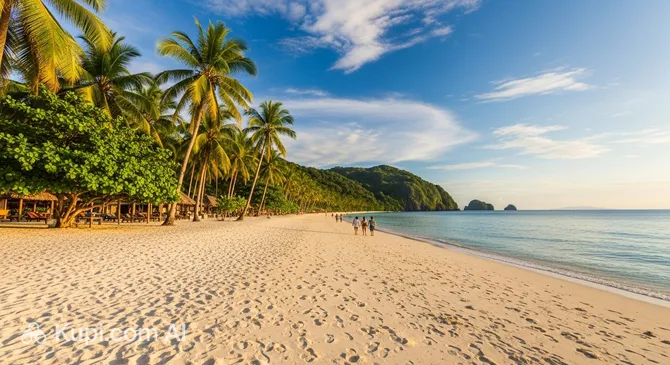
The crown jewel of the area is undoubtedly the Long Beach. Spanning about 14 kilometers, it is recognized as the longest white-sand beach in the country, offering endless stretches of sand for sunbathing and sunset walks. Another highlight is the district of Port Barton, a popular hub for backpackers known for its stunning island-hopping tours, vibrant coral reefs, and the chance to swim with sea turtles.

Whether you are seeking a solitary retreat on a massive beach or an adventure through unspoiled islands, San Vicente is a destination that promises unforgettable memories. It is the perfect time to visit this tropical paradise and experience its raw beauty before the rest of the world catches on.

Weather Overview

San Vicente enjoys a tropical climate characterized by consistent warmth throughout the year, making it a reliable destination for sun-seekers. Visitors can generally expect pleasant conditions that are perfect for island hopping and swimming. For a more detailed breakdown of seasonal patterns and forecasts, you can check the weather in San Vicente to help plan your trip.

Temperatures in the area are quite stable, typically hovering between 26°C and 28°C. The warmest period usually occurs around April and May, where average temperatures reach approximately 28.2°C, while the coolest months are January and February, averaging around 26.5°C. Even during the cooler periods, the minimum temperatures rarely drop below 25°C, ensuring a comfortable atmosphere day and night.

Rainfall patterns define the seasons here more than temperature changes. The driest part of the year occurs in February and March, which see the fewest wet days (around 9 to 10 days), making this the prime time for uninterrupted outdoor activities. Conversely, from May through October, the region experiences a distinct wet season where rain becomes much more frequent, with some months recording up to 30 wet days. Travelers visiting during this time should be prepared for regular showers, although the warm tropical air remains constant.

Interesting Facts

Beyond its stunning coastline and relaxing atmosphere, San Vicente holds fascinating secrets that set it apart from other tropical destinations. This municipality is not just a beach retreat but a place of unique festivals, ambitious planning, and impressive geographical scale.
  • Three Times the Size of Boracay: While many know about its massive coastline, few realize the sheer scale of the famous Long Beach compared to other icons. Spanning over 14 kilometers, it is roughly three times longer than the renowned White Beach of Boracay, offering visitors vast stretches of sand that remain empty even during peak seasons.

  • The "Muddy" Celebration: San Vicente is home to the unique Malagnang Festival, celebrated annually in June. The name translates to "muddy" in the local dialect, and the event features lively street dancing and competitions where participants cover themselves in mud to honor the town's rich soil and abundance of seafood, particularly crabs.

  • A Master-Planned Eco-Town: Unlike many tourist spots that grew organically and often chaotically, San Vicente is one of the Philippines' designated Flagship Tourism Enterprise Zones. This means its development follows a strict, sustainable master plan designed to preserve its forests and biodiversity, ensuring it remains an "eco-town" rather than becoming an overcrowded resort city.

  • A Haven of Islands: While the mainland beaches get the most attention, the municipality actually encompasses 22 distinct islands and islets. Most of these are located in the Port Barton district, creating a diverse archipelago within a single town that rivals the island-hopping offerings of El Nido.

How to Get There

Reaching this tropical haven in Palawan is an adventure in itself, often involving a combination of air and land travel. While the municipality is becoming more accessible, most visitors still arrive via neighboring hubs and take a scenic road trip to their final destination. For a detailed breakdown of routes, transfer options, and travel tips, you can read more about how to get to San Vicente.

The most common gateway for travelers is the Puerto Princesa International Airport (PPS), located in the provincial capital, Puerto Princesa. Since San Vicente does not have a major international hub of its own, this airport serves as the primary entry point for the region. It is situated approximately 103 km from San Vicente. Upon arrival, you can take a van or taxi to the town; the journey typically takes around 3 hours, winding through lush landscapes and rural scenery. This airport handles a large volume of passengers annually, ensuring frequent flight connections from Manila and other major cities.

Another viable option, especially for those combining destinations, is flying into El Nido (ENI). Located in the municipality of El Nido, this airport is actually closer to San Vicente, at a distance of about 76.4 km. The drive from here is shorter, taking approximately 2 hours and 15 minutes by private transfer or shuttle. While smaller than Puerto Princesa's hub, it is a popular choice for tourists planning to explore the northern parts of Palawan before heading south to the quieter beaches of San Vicente.

For clarity, here is a summary of the main airports:

Airport Name City Passenger Traffic Km from City
Puerto Princesa International Airport Puerto Princesa High 102.8
El Nido El Nido Medium 76.4
Busuanga Airport Busuanga Medium 198.7
Evelio Javier Airport Antique Small 294.3

Main Attractions

Long Beach is the undisputed centerpiece of tourism in this municipality and a sight that truly defies expectations. Stretching over 14 kilometers, it is widely considered the longest contiguous white-sand beach in the Philippines. Unlike the busy shores of other famous destinations, this massive coastline remains largely undeveloped and peaceful. Travelers visit here to experience the luxury of having vast stretches of powdery sand almost entirely to themselves, making it perfect for long meditative walks, skimboarding, or simply watching the sun dip below the horizon in solitude.

For underwater enthusiasts, the Port Barton Marine Park offers an exceptional island-hopping experience that rivals any in Palawan. This protected area is dotted with pristine islands and vibrant coral gardens that are teeming with marine life. It is particularly famous for its resident sea turtles, which are often spotted swimming gracefully near the reefs. Snorkeling here is a delight, as the waters are generally calm and clear, providing excellent visibility of the colorful underwater world.

Hidden within the lush jungles near Port Barton is Pamuayan Falls, a refreshing retreat for those looking to explore the town's interior. Reaching the waterfall involves a scenic trek of about an hour through the forest, offering a chance to see local flora and perhaps some wildlife. The falls cascade into a cool, natural pool where visitors can take a revitalizing dip. The atmosphere is tranquil and secluded, offering a perfect contrast to the heat of the beach.

One of the most photogenic stops on the local boat tours is Exotic Island. This unique attraction actually consists of two islets separated by a narrow channel. At low tide, a shallow sandbar emerges, allowing visitors to walk between the two islands. The water here is incredibly shallow and turquoise, making it an ideal spot for swimming and relaxing. The rugged rock formations and shaded sandy areas also make it a popular location for picnic lunches during island-hopping trips.

Another natural wonder worth visiting is Bigaho Falls. Located in the northern part of Port Barton, this waterfall is often praised for its wide cascade and the picturesque rock layers over which the water flows. It is accessible via a combination of a boat ride and a short hike, or a motorbike trip for the more adventurous. The pool at the base is spacious and inviting, providing a serene spot to cool off surrounded by the sounds of nature.

Local Cuisine

The culinary scene in San Vicente is a delightful reflection of its coastal geography and agricultural roots. As a town blessed with fertile soil and rich waters, the local food culture revolves heavily around freshness and simplicity. Unlike the fine dining establishments found in major cities, the gastronomic experience here is defined by "farm-to-table" and "sea-to-table" principles, where the catch of the day is often grilled just meters from where it was caught.

Seafood lovers will find themselves in paradise, as the town is particularly famous for its abundance of mud crabs, locally known as alimango. These are so central to the local identity that they are celebrated in the town's annual festival. Visitors should not miss the chance to try them steamed or cooked in spicy coconut milk. Another must-try dish is Kinilaw, the Filipino version of ceviche. Made with the freshest raw fish (often tanigue or tuna) marinated in coconut vinegar, calamansi, ginger, onions, and chili, it offers a zesty and refreshing explosion of flavors that perfectly matches the tropical climate.

For a truly authentic island experience, tourists often enjoy a traditional Boodle Fight during island-hopping tours. This communal style of dining involves a feast laid out on banana leaves, featuring mounds of rice, grilled fish, squid, pork liempo (belly), and fresh fruits like mangoes and pineapples. Eating with your hands, or kamayan, while surrounded by the stunning seascape makes the meal taste even better and serves as a memorable cultural immersion.

To quench your thirst, nothing beats the refreshing taste of fresh Buko (coconut) juice, often served straight from the shell. Since Palawan is famous for its sweet mangoes, a fresh mango shake is another essential daytime treat. As the sun sets, locals and travelers alike often unwind with a cold bottle of San Miguel Beer or a glass of local rum mixed with lime juice, enjoying the laid-back rhythm of the evening.

Dining venues in San Vicente range from humble roadside eateries, known as carinderias, to relaxed beachfront restaurants, particularly in the Port Barton area. The carinderias in the Poblacion (town center) offer a glimpse into everyday life and serve hearty, affordable home-cooked meals. Meanwhile, the establishments along the coast provide a more tourist-friendly atmosphere where you can enjoy international fusion dishes and fresh seafood platters with your toes in the sand.

Travel Tips

Traveling to San Vicente offers a rustic and authentic escape, but its developing infrastructure means a little extra preparation goes a long way. Here is a set of practical tips to help you navigate this stunning destination in the Philippines with ease and confidence.

  1. Clothing and Gear: The climate is hot and humid, so pack lightweight, breathable fabrics like cotton or linen. Since island hopping is a primary activity, a dry bag is essential to keep your electronics safe, and aqua shoes are highly recommended to protect your feet from sharp rocks and corals.
  2. Transportation: Getting around the town and coastal villages is mostly done via tricycles (motorcycles with sidecars) or habal-habal (motorcycle taxis). For those wanting to explore the massive Long Beach independently, renting a scooter is a popular choice, though be cautious of unpaved or sandy sections of the road.
  3. Finances: While some upscale resorts accept credit cards, the local economy runs primarily on cash. ATMs are scarce and often offline or out of money, so it is critical to withdraw sufficient Philippine Pesos (PHP) in Puerto Princesa or Manila before you arrive to cover your entire stay.
  4. Health and Safety: Medical facilities in San Vicente are basic, limited to small Rural Health Units and local pharmacies that may not stock specific prescription medications. Carry a personal first-aid kit, use high-SPF biodegradable sunscreen, and always drink bottled or purified water to stay healthy.
  5. Communication: English is widely spoken and understood, making communication with locals very easy. Mobile network coverage (Globe or Smart) is available in the main town and Port Barton but can be spotty or non-existent in remote areas, so download offline maps before your trip.
  6. Local Etiquette: Palawenos are known for their friendliness and hospitality; a smile is the best way to greet people. While it is a beach destination, it is respectful to wear a cover-up or t-shirt over your swimwear when walking through the town proper or dining in establishments away from the sand.
  7. What to Avoid: Strictly avoid single-use plastics and littering. Palawan is known as the country's "Last Ecological Frontier" and has strict environmental laws; always dispose of your trash properly or bring it back with you from the islands.
  8. Sandfly Protection: A specific and crucial tip for this region is to beware of sandflies (locally called nik-nik), especially on deserted stretches of beach at sunrise and sunset. Standard repellents are sometimes ineffective; locals often recommend applying a layer of coconut oil to your skin to prevent these itchy bites.

By keeping these practical tips in mind, you can focus less on logistics and more on enjoying the raw, untouched beauty of the islands. Embrace the slower pace of life here, disconnect from the digital world, and let the serene atmosphere of San Vicente provide the perfect tropical reset.

Entertainment & Nightlife

Entertainment in San Vicente is defined by its rustic charm and laid-back island atmosphere rather than high-energy nightclubs or sprawling entertainment complexes. The nightlife here is intimate and social, revolving largely around sunset sessions, beach bonfires, and casual gatherings under the stars. Travelers come here to unwind, meaning the "party scene" is more about acoustic guitars and cold drinks by the waves than DJs and dance floors.

The primary hub for evening entertainment is undoubtedly the district of Port Barton. This backpacker-friendly village comes alive after dark with a vibrant yet relaxed vibe. The main strip along the beach is lined with open-air bars and restaurants where travelers from all over the world mingle. The dress code is universally casual—flip-flops and shorts are the standard attire everywhere.

In Port Barton, you will find a few standout venues that define the local nightlife. CocoRico Bar is legendary among the backpacking crowd, known for its lively music and nightly "happy hour" traditions that often turn into impromptu dance parties. For a more chilled-out experience, Nativebo Reggae Bar offers a perfect setting with its bamboo architecture, bean bags on the sand, and soothing reggae beats that complement the sound of the ocean. Another popular spot is Mabuti Eat & Chill, which, as the name suggests, offers a relaxed artistic atmosphere ideal for conversation and cocktails.

In contrast to Port Barton, the Long Beach and Poblacion areas are significantly quieter. Nightlife here is mostly confined to hotel bars and resorts, offering a sophisticated but subdued experience. However, visitors can experience a slice of authentic local culture through Videoke. Singing is a national pastime in the Philippines, and you will often hear locals belting out classic ballads at small roadside stalls or canteens. Joining in is a great way to break the ice and interact with the friendly residents.

Practicality is key when planning a night out here. Most establishments close relatively early, often by midnight or 1:00 AM, though some bars in Port Barton stay open later if the crowd is good. Bring cash, as card machines are rare and ATMs can be unreliable. Transport at night can be tricky; tricycles (the main mode of transport) become scarce after 9:00 PM. If you are staying far from the main strips, it is advisable to arrange a ride back with your driver beforehand or stay within walking distance of your accommodation.

Safety in San Vicente is generally very good, and the area is considered safe for tourists. However, street lighting can be minimal to non-existent in many parts, especially along Long Beach or the outskirts of town. It is highly recommended to carry a flashlight or use your phone's torch when walking at night to avoid tripping on uneven paths or stepping on stray dogs, which are common but usually harmless. Always stick to the main beach paths or roads and avoid unlit, forested shortcuts.

Regarding daytime entertainment, do not expect the typical urban offerings like shopping malls, movie theaters, or amusement parks. San Vicente is an eco-tourism destination where nature provides the entertainment. Museums are virtually non-existent, although the town plaza sometimes hosts small cultural shows during festivals. The "theater" here is the sunset, and the "amusement park" is the ocean, offering endless opportunities for snorkeling, surfing, and exploration.

Parks & Museums

San Vicente is often described as a "living museum" of nature, where the primary exhibits are its sprawling forests, pristine marine sanctuaries, and protected biodiversity. Unlike bustling cities filled with concrete structures, this municipality prides itself on being an "Eco-Town," offering visitors a chance to explore vast open-air green spaces rather than enclosed galleries. While you will not find traditional museums here, the cultural heritage is deeply woven into the daily life, religious landmarks, and vibrant festivals of the community.

The most significant natural area is the Port Barton Marine Park. This protected sanctuary is a haven for underwater explorers, encompassing rich coral reefs and seagrass beds that serve as feeding grounds for resident sea turtles. It is not a park in the sense of manicured lawns, but a wild, aquatic reserve where visitors can snorkel among colorful schools of fish and witness the vibrant marine ecosystem that the town works hard to preserve. The park also includes several small islands, offering untouched sandy pockets perfect for a natural retreat.

For a change of scenery from the ocean, the Inandeng River offers a serene green escape. This area functions as a natural mangrove park, where the river winds through dense forests of century-old mangroves. It is a vital ecological zone that protects the coastline and serves as a nursery for marine life. Visitors can take a peaceful river cruise here, often guided by locals who explain the importance of the mangrove ecosystem while you drift past the tangled roots and listen to the sounds of the jungle.

In terms of cultural institutions, San Vicente does not currently have formal history museums or art galleries. However, the San Vicente Ferrer Parish Church in the Poblacion district stands as a key historical and cultural landmark. As the spiritual center of the town, this church reflects the deep-rooted faith of the locals. Its simple yet charming architecture offers a glimpse into the modest, community-focused lifestyle of the area. It is especially vibrant during the town fiesta, serving as a gathering point that unites the diverse ethno-linguistic groups residing in the municipality.

Another form of "living gallery" is the town's celebration of the Malagnang Festival. Held annually in June, this event showcases the local culture and history through street dancing and mud-themed activities. Since there is no permanent building dedicated to this history, the festival itself acts as a temporary, dynamic museum where tourists can witness the town's agricultural roots and the locals' resilience and creativity on full display.

For an authentic insider experience, try to visit the Bato Ni Ningning viewpoint early in the morning. While primarily a scenic spot, it offers a panoramic perspective of the landscape that helps you appreciate the sheer scale of San Vicente's natural heritage. Afterward, a visit to the small public market in the town center will give you a "gallery" of local life, showcasing the fresh catch and produce that define the region's culinary culture.

Getting Around

The public transport system in San Vicente is fundamentally different from what you might find in a bustling metropolis. There are no metros, trams, or large city buses here. Instead, the transportation network is informal, rustic, and heavily reliant on smaller vehicles designed to navigate the local terrain. Getting around is part of the adventure, offering a more personal and often scenic way to travel between the town center, the famous Long Beach, and the coastal villages.

The most common mode of transport for short to medium distances is the tricycle. These are motorcycles equipped with a covered sidecar, capable of carrying two to four passengers depending on their size and luggage. They function similarly to taxis and can be found waiting at the airport, the public market, and near major resorts. Tricycles are ideal for moving between your hotel and restaurants or for exploring the town proper at a leisurely pace.

For solo travelers or those heading to areas with rougher roads, the Habal-habal (motorcycle taxi) is the primary alternative. These are modified motorcycles with an extended seat to accommodate a passenger. They are faster and more agile than tricycles, making them the preferred choice for reaching secluded beaches or viewpoints like Bato Ni Ningning. Drivers are usually locals who know every twist and turn of the unpaved paths.

Connecting the different districts, such as the Poblacion (town center) and Port Barton, is typically done via public vans or occasionally jeepneys. These vehicles do not follow a strict minute-by-minute schedule but generally depart when they are full or at set times in the morning and afternoon. They are the most economical way to travel long distances across the municipality, though they can be cramped and travel times may vary depending on the number of stops.

Given the coastal nature of the area, boats are an essential part of the "public transport" network. Traditional outrigger boats, known as bancas, serve as water taxis, ferrying passengers between the mainland and the island barangays or secluded coves that are inaccessible by road. While mostly used for private tours, scheduled boat transfers are sometimes available between Port Barton and San Vicente proper, offering a scenic shortcut across the water.

The payment system is strictly cash-based. There are no travel cards, passes, or mobile apps for ticketing. You pay the driver directly upon reaching your destination. For vans, there is usually a fixed fare, but for tricycles and habal-habal, the price is often subject to negotiation. It is highly advisable to agree on the fare before the journey begins to avoid misunderstandings. Carrying smaller bills and coins is recommended, as drivers often do not have change for large denominations.

For tourists who prefer independence, scooter rentals are extremely popular and widely available. Renting a motorbike allows you to explore the 14-kilometer Long Beach and hidden waterfalls at your own pace. Rental shops can be found in the town center and Port Barton. Prices are generally charged on a 24-hour basis, and you will need to leave a valid ID as a deposit. Be aware that while the main roads are paved, many side roads are still dirt tracks, so driving caution is essential.

A few practical tips will help you navigate the system smoothly. Transport options decrease significantly after sunset. Tricycles and habal-habal drivers typically operate from early morning until around 8:00 PM or 9:00 PM. If you plan to stay out late, arrange a pickup time with a driver beforehand. Additionally, there are no official bus stops; you can simply flag down a tricycle or jeepney from the side of the road, making the system flexible and user-friendly once you get used to the local rhythm.

Accommodation

Accommodation in San Vicente caters to a wide spectrum of travelers, ranging from budget-conscious backpackers to those seeking a secluded luxury escape. The municipality is effectively divided into two distinct tourism zones: the established, backpacker-friendly village of Port Barton and the emerging, upscale destination of Long Beach. This duality means you can find everything from rustic bamboo cottages and lively hostels to modern concrete hotels and exclusive beachfront resorts.

For most visitors, the choice of where to stay depends entirely on the vibe they are looking for. Port Barton is the primary hub for international travelers. Here, the accommodation is concentrated along the bay, offering a dense collection of homestays, guesthouses, and beachfront bungalows. The atmosphere is social and laid-back, with most places located within walking distance of bars and restaurants. It is the perfect area for those who want to meet other travelers and enjoy a rustic island life.

In contrast, the Long Beach area (spanning several barangays like San Isidro, New Agutaya, and Alimanguan) offers a much quieter, more spread-out experience. This is where you will find newer mid-range hotels and developing luxury resorts that capitalize on the massive 14-kilometer stretch of sand. It is the ideal choice for couples, honeymooners, or families seeking privacy, ample space, and direct access to the open ocean, far away from the crowds found in other Palawan hotspots.

Booking Tip: While San Vicente is still considered an off-the-beaten-path destination, accommodation in Port Barton can sell out quickly during the peak dry season (December to May). It is highly recommended to book your stay at least a few weeks in advance to secure your preferred spot. Additionally, check if your chosen accommodation has a generator, as power outages can occur, and having backup power makes a significant difference in comfort.

The price range varies significantly between the two zones. In Port Barton, you can easily find budget-friendly dorm beds or simple fan-cooled rooms. Mid-range options usually include air conditioning and private verandas. On Long Beach, prices tend to be higher, reflecting the newer facilities and exclusivity. Regardless of where you choose, be prepared that many smaller establishments may strictly require cash payments, as credit card terminals and reliable internet connections can be intermittent.

Nearby Cities

For those looking to explore the surroundings, San Vicente serves as an excellent base for day trips to several interesting nearby locations. While the municipality itself offers tranquility, the wider region of Palawan in the Philippines provides a mix of urban experiences and further natural adventures for those willing to travel a bit further.

The most prominent destination for a day trip or a short visit is Puerto Princesa, the provincial capital. Located a few hours' drive away, it offers a stark contrast to the rustic vibe of San Vicente with its shopping malls, diverse restaurants, and historical landmarks like Plaza Cuartel. It is also the jumping-off point for the famous Underground River. Further south, the town of Narra is known as the "Rice Granary of Palawan" and attracts nature lovers with the majestic Estrella Falls, although its distance makes it better suited for a longer excursion. Other southern municipalities like Brookes Point offer a glimpse into the province's agricultural heartland and rich indigenous culture.

City Population Distance (km)
Puerto Princesa 307079 101
San Jose 153267 282
Batarasa 85439 300
Narra 77948 176
Brookes Point 73994 248

These nearby destinations offer a glimpse into the diverse culture and landscapes of the region, ranging from bustling city centers to quiet agricultural towns.

Shopping & Souvenirs

Shopping in San Vicente is a modest and authentic experience, reflecting the town's status as an emerging eco-tourism destination rather than a commercial hub. Visitors should not expect sprawling shopping complexes, high-end fashion boutiques, or duty-free outlets. Instead, the retail scene is characterized by small, family-run establishments, local markets, and traditional convenience shops known as sari-sari stores. The focus here is on essentials, fresh local produce, and simple beach gear, making it a place to buy what you need rather than to indulge in retail therapy.

The primary commercial activity is concentrated in the Poblacion (town center) and the tourist-friendly village of Port Barton. In the Poblacion, you will find a cluster of general merchandise stores, pharmacies, and hardware shops catering to the daily needs of residents. Meanwhile, the streets of Port Barton offer a more traveler-centric selection, with small stalls selling swimwear, sarongs, dry bags, and basic souvenirs. These areas are best explored on foot or by tricycle, allowing you to browse the local offerings at a leisurely pace.

There are no shopping malls in San Vicente. The town does not have department stores or cinema complexes. For major shopping needs, electronics, or branded clothing, locals and tourists typically travel to Puerto Princesa, which is about three hours away by land. In San Vicente, the closest thing to a "department store" would be larger grocery stands or general stores that stock a variety of household items and foodstuffs under one roof.

The heart of the local trade is the San Vicente Public Market. Located in the town center, this is the best place to immerse yourself in the local culture. Here, vendors sell freshly caught fish, tropical fruits like mangoes and bananas, vegetables, and meat. It is a wet market, so expect it to be bustling, slightly chaotic, and very authentic. In Port Barton, there are smaller satellite markets and roadside stands that offer similar fresh produce, perfect for travelers staying in self-catering accommodations or those just looking for a healthy snack.

When it comes to souvenirs, the selection is simple but charming. The most popular items to bring back are local food products, particularly roasted cashew nuts (kasuy), for which Palawan is famous. You can also find dried fish and squid, which are local delicacies. In terms of handicrafts, look for woven bags, shell accessories, or "I Love San Vicente" t-shirts sold in small stalls near the beach or transport terminals. These items support the local livelihood and make for affordable keepsakes.

Cash is essential for almost all shopping transactions in San Vicente. Very few shops accept credit cards or digital payments, although GCash is slowly becoming more common in tourist areas. Store hours are generally limited; most shops open around 8:00 AM and close by 6:00 PM or 7:00 PM. The public market is most active in the early morning, often starting as early as 5:00 AM. It is advisable to carry smaller bills and coins, as vendors often struggle to provide change for large denominations.

As a rural municipality in the Philippines, San Vicente does not offer a specific tax-free or tax-refund scheme for tourists within the town itself. The prices displayed are typically final and inclusive of any local taxes. Bargaining is not a standard practice in grocery stores or for fixed-price items, but it is acceptable to politely negotiate prices for tricycle rides, bulk purchases of fresh produce in the market, or souvenirs from beach vendors.
Reached the end of the page?

That means the route is fully explored