Support

Busuanga

About

Welcome to Busuanga, a breathtaking destination that serves as the primary gateway to the enchanting Calamian Islands. Nestled in the northern part of Palawan, this municipality offers a serene escape characterized by rolling hills, scenic coastal roads, and a laid-back atmosphere that instantly captivates travelers. Whether you are an avid diver or a nature enthusiast, Busuanga promises an authentic tropical experience away from the bustling crowds.

Geographically, the municipality occupies the western third of Busuanga Island, the largest in the Calamian Group of the Philippines. With a population of approximately 25,000 residents, the area retains a peaceful, small-town charm despite its growing popularity. The climate here is typically tropical, offering warm, sunny days that are perfect for exploring the lush landscapes and crystal-clear waters that surround the island.
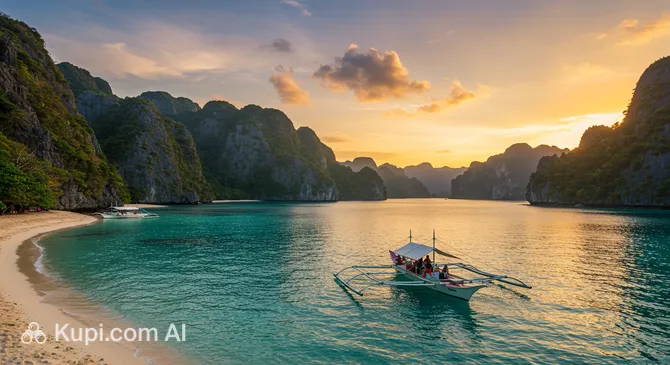
Busuanga. Source: Kupi.Binoculars

Beyond its natural splendor, the region has a fascinating background. Exploring the history of Busuanga reveals a tapestry of local culture and maritime heritage that has shaped the community over generations. Today, it stands as a testament to the harmonious balance between preserving local traditions and welcoming visitors from around the globe.

Travelers are drawn to Busuanga for its incredible variety of attractions. One of the most unique highlights is the Calauit Safari Park, a game reserve and wildlife sanctuary where giraffes and zebras roam freely against a backdrop of tropical scenery. Additionally, the area is world-renowned for its diving spots, particularly the hauntingly beautiful WWII Japanese shipwrecks located nearby. For those seeking relaxation, the pristine sands of Ocam Ocam Beach and the majestic limestone cliffs of Black Island offer picture-perfect settings.

If you are looking for an adventure that combines wildlife encounters, underwater exploration, and tranquil island living, Busuanga is the perfect choice. Pack your bags and get ready to discover one of the most diverse and beautiful corners of Palawan.

Weather Overview

Travelers planning a trip to this island municipality can expect a tropical climate with consistent warmth throughout the year. The weather in Busuanga is generally characterized by steady temperatures and two distinct seasons defined by rainfall patterns. Average temperatures hover comfortably between 26.9°C and 28.5°C, making it a great destination for beach lovers regardless of the month.

The driest period typically runs from January through April, offering the most ideal conditions for outdoor adventures and island hopping. March is particularly sunny, with an average of only 3 wet days and temperatures around 27.4°C. This is often considered the peak time for tourists seeking clear skies and calm seas.

In contrast, the months from June to October bring the rainy season, with precipitation becoming much more frequent. July sees the highest frequency of rain, with up to 30 wet days recorded, although the temperature remains warm at an average of 27.4°C. Expect warm, humid days with frequent showers during this period, while the early months of the year offer drier and slightly cooler conditions perfect for exploration.

Interesting Facts

Beyond the main attractions, Busuanga holds many fascinating secrets that reveal its unique character. This island municipality is not just about beaches; it offers a blend of curious history and rare wildlife encounters that set it apart from its neighbors.

  • The "New Zealand" of the Tropics: Unlike the dense jungles typical of the region, a massive portion of the island features vast, rolling grassy hills dotted with grazing cattle. This unique landscape is the legacy of the Yulo King Ranch, which was once established as the largest cattle ranch in Asia, giving parts of the municipality a surreal, pastoral atmosphere that feels worlds away from a tropical island.

  • A Haven for Sea Cows: The coastal waters of Busuanga are considered one of the last strongholds in the Philippines for the endangered Dugong. These gentle, plant-eating marine mammals flock to the area's pristine seagrass beds, making it one of the few places in the world where travelers have a high chance of observing them in their natural habitat.

  • Snorkel-Friendly History: While the area is famous for diving, you don't need a scuba tank to touch a piece of history. Several World War II Japanese shipwrecks lie in remarkably shallow waters nearby; some, like the Lusong Gunboat, are resting just a few meters beneath the surface, allowing snorkelers to easily view the coral-encrusted remains of the sunken fleet.

How to Get There

Reaching this island paradise is relatively straightforward, with air travel being the most convenient method for international and domestic travelers alike. To plan your journey effectively, you can read more about how to get to Busuanga and explore the various transport options available.

The most direct way to arrive is via Busuanga Airport (IATA: USU), also known as Francisco B. Reyes Airport. Located directly within the municipality of Busuanga, it serves as the primary gateway to the Calamian Islands. The airport handles regular domestic flights from major hubs such as Manila and Cebu. It is situated approximately 19.2 km from the main town center. A transfer by van or shuttle is the most common way to reach your accommodation, with the journey taking approximately 50 minutes through scenic island roads.

For travelers planning a wider exploration of Palawan, El Nido Airport (IATA: ENI) is another significant hub, located in the city of El Nido about 119.6 km away. While the city of Busuanga does not have a direct road connection to El Nido due to the sea separating them, many tourists combine both destinations by taking a ferry between the islands. This airport is a key entry point for the region, serving hundreds of thousands of passengers annually.

For clarity, here is a summary of the main airports:

Airport Name City Passenger Traffic Km from City
Boracay Airport Caticlan Large 222.1
Kalibo International Airport Kalibo Large 272.3
El Nido El Nido Medium 119.6
Busuanga Airport Busuanga Medium 19.2
Evelio Javier Airport Antique Small 267.5

The city of Busuanga does not have a railway station, and there are no train services operating on the island. Travelers primarily rely on flights, ferries, and local road transport such as vans and tricycles to navigate the region.

Main Attractions

While the neighboring town of Coron often steals the spotlight, the municipality of Busuanga boasts its own array of spectacular destinations that offer a more secluded and authentic experience. From roaming African wildlife to pristine beaches and underwater history, the attractions here cater to diverse interests, making it a compelling stop for any traveler exploring Northern Palawan.

One of the most extraordinary places to visit is Calauit Safari Park. Located on a separate island at the northwestern tip of Busuanga, this game reserve is a surreal slice of Africa in the tropics. It was established in the 1970s and is now home to free-roaming giraffes, zebras, and endemic species like the Calamian deer. Tourists are fascinated by the opportunity to feed giraffes up close and witness these majestic animals against a backdrop of lush island vegetation, a truly unique sight in Southeast Asia.

For beach lovers seeking tranquility, Black Island (locally known as Malajon Island) is a must-see gem. The island gets its name from the towering, dark limestone cliffs that contrast sharply with the blindingly white sand beach and turquoise waters. It is interesting not just for swimming and sunbathing, but also for the caves located right on the island which visitors can explore. The surrounding waters are teeming with coral reefs and a small shipwreck, providing excellent snorkeling opportunities.

Another coastal highlight is Ocam Ocam Beach. Unlike the island-hopping stops that require a boat, this beach is accessible by land and offers a laid-back, rustic atmosphere. It features a long stretch of golden-white sand lined with coconut palms and faces the open sea, offering stunning views of nearby islands. It is particularly appealing to tourists looking to escape the crowds, enjoy a quiet picnic, or witness a breathtaking sunset in a serene setting.

Nature enthusiasts will also appreciate a visit to Concepcion Falls. Tucked away near the village of Concepcion, this small but charming waterfall offers a refreshing break from the saltwater. A short trek leads to a cool, freshwater pool surrounded by greenery. It is a popular spot for a revitalizing dip and a glimpse of the local landscape, providing a simple yet delightful connection with nature.

Finally, the area is famous for its underwater heritage, particularly the Lusong Gunboat. This World War II Japanese shipwreck lies in remarkably shallow waters, often visible from the surface. It has transformed into a vibrant artificial reef, covered in corals and inhabited by schools of fish. It is incredibly interesting for tourists because it is one of the few shipwrecks in the world that can be easily explored by snorkelers, not just scuba divers, making history accessible to everyone.

Local Cuisine

The culinary scene in Busuanga is a delightful reflection of its island geography, offering a gastronomic experience that is as fresh as the ocean breeze. Food here is unpretentious, relying heavily on the bounty of the sea and the fertile soil of Palawan. For tourists, dining is not just about the taste but about the atmosphere—feasting on grilled delights with sand between your toes or enjoying a hearty meal in a rustic, open-air eatery surrounded by nature.

Seafood is naturally the star of the local table. You simply cannot leave without trying the fresh catch of the day, which often includes lapu-lapu (grouper), crabs, squid, and lobsters. These are typically prepared sinugba style—grilled over charcoal to smoky perfection—or cooked in a sour broth known as sinigang. For the adventurous eater, Palawan’s famous Tamilok is a must-try. Although often called a woodworm, it is actually a mollusk harvested from mangroves, served raw like ceviche with vinegar, chili, and calamansi. Another local staple to look out for is anything made with cashew nuts (kasuy), as Palawan is the cashew capital of the country; you might find them roasted with garlic or even incorporated into savory dishes.

To quench your thirst in the tropical heat, nothing beats the refreshing taste of a fresh mango shake. Philippine mangoes are world-renowned for their sweetness, and they are a staple refreshment here. Buko juice (young coconut water) is another hydration essential, often served straight from the shell. As the sun sets, locals and tourists alike often unwind with a cold bottle of San Miguel Beer, the quintessential Filipino lager that pairs perfectly with pulutan (finger foods) and island sunsets.

The food culture in Busuanga is distinctively laid-back. Unlike the crowded restaurants of big cities, dining here often happens in small, family-run establishments known as carinderias in villages like Concepcion or Salvacion. Here, you can enjoy home-cooked Filipino classics at affordable prices. One of the best culinary experiences, however, takes place away from the main island: the island-hopping picnic lunch. Boatmen typically prepare a feast of grilled pork, fish, fresh salad, and tropical fruits right on the boat or a secluded beach, providing an unforgettable dining setting that captures the true essence of island living.

Travel Tips

Visiting Busuanga is an adventure into a more rustic and serene side of Palawan, but because it is less commercialized than other major tourist hubs, a little preparation goes a long way. These practical tips are designed to help you navigate the island smoothly so you can focus on enjoying the stunning landscapes and warm hospitality.

  1. Clothing and Gear: Pack lightweight, breathable fabrics like cotton or linen to stay cool in the tropical heat. Since you will likely spend a lot of time on boats and in the water, aqua shoes are essential for protecting your feet from sharp corals and rocks, especially when exploring shipwrecks. Don't forget a dry bag to keep your electronics and valuables safe from splashing waves during island-hopping tours.

  2. Transportation: Public transport on the island is limited. For short distances within towns, tricycles (motorcycles with sidecars) are the most common and affordable way to get around. If you are comfortable driving, renting a motorbike is the best way to explore the scenic coastal roads at your own pace. For transfers between the airport and your hotel, shared vans are the standard and most reliable option.

  3. Finances: The local currency is the Philippine Peso (PHP). While some high-end resorts accept credit cards, cash is king in Busuanga, especially in smaller villages, local eateries, and for transport fares. ATMs are scarce outside of the main commercial hubs (like nearby Coron Town), and they can sometimes run out of cash or be offline, so it is highly advisable to bring sufficient cash with you or withdraw it immediately upon arrival at the airport.

  4. Health and Safety: Always drink bottled or purified water; never drink from the tap. As a tropical destination, mosquitoes and sandflies can be present, particularly at dusk, so carrying a strong insect repellent is a must. Pharmacies are available in main settlements like Salvacion, but they may not carry specific prescription brands, so bring a personal medical kit with basics like painkillers and motion sickness pills.

  5. Communication: English is widely spoken and understood, making communication with locals very easy. However, mobile signal and 4G/LTE data can be spotty or non-existent in remote areas and on the open sea. It is recommended to buy a local SIM card (Smart or Globe) at the airport upon arrival. downloading offline maps (like Google Maps) beforehand is a great life hack for navigating the island without a connection.

  6. Local Etiquette: Filipinos are known for their friendliness and hospitality. A smile and a polite greeting go a long way. The concept of hiya (saving face) is important, so avoid raising your voice or getting visibly angry in public, as this is considered rude and counterproductive. When entering someone's home (and some hostels), it is polite to remove your shoes at the door.

  7. What to Avoid: Strictly avoid stepping on corals or touching marine life while snorkeling or diving. The ecosystem is fragile, and Palawan is very protective of its natural resources. Also, avoid using single-use plastics whenever possible; many tour operators now encourage reusable water bottles to keep the islands clean.

  8. Additional Tip: Be prepared for power outages. Electricity supply on the island can occasionally be unstable, leading to temporary brownouts. Packing a high-capacity power bank will ensure your phone and camera stay charged so you never miss capturing a moment.

By keeping these tips in mind, you will be well-equipped to embrace the laid-back "island life" that makes Busuanga so special. Relax, respect the local environment, and get ready for an unforgettable journey through one of the Philippines' most beautiful frontiers.

Entertainment & Nightlife

Nightlife in Busuanga is a reflection of its overall character: serene, rustic, and intimately connected with nature. Unlike the high-energy party scenes found in Boracay or the bustling bars of nearby Coron Town, the evening entertainment here is defined by tranquility and relaxation. The "nightlife" is less about flashing lights and loud DJs, and more about enjoying a cold drink while watching a spectacular sunset, followed by a quiet dinner under a blanket of stars. It is the perfect place to unwind and disconnect from the noise of the modern world.

The social hub for travelers in this municipality is often the village of Concepcion. This small community has become a gathering spot for divers and backpackers. Here, the atmosphere is incredibly laid-back and friendly. You will find a few open-air restobars where travelers swap stories of the day's underwater adventures over bottles of beer. The dress code is universally casual—flip-flops and shorts are the standard attire everywhere you go.

For a more upscale evening experience, the area's resorts offer the best venues. Al Faro Cosmio Hotel is a standout location, perched on a hill with a lighthouse-style structure. Its bar offers panoramic views of the bay, making it arguably the best spot in the municipality for sunset cocktails. Another excellent option is the South Pacific Bar at Busuanga Bay Lodge, where you can enjoy a sophisticated wine list and expertly crafted drinks in a luxurious setting overlooking the water. For a more local vibe, you might encounter the favorite Filipino pastime: videoke. Small roadside eateries often have karaoke machines, and joining the locals for a song is a fun, authentic way to spend the night.

Practicality is key when planning your evening. Most venues close relatively early, often by 10:00 PM or 11:00 PM, so it is best to start your night around sunset. Prices are generally affordable, though resort bars will charge premium rates compared to village eateries. Getting around at night can be challenging as public tricycles are scarce after dark. It is highly recommended to arrange transport with your hotel or stay within walking distance of your dining spot.

regarding safety, Busuanga is a peaceful place with a low crime rate, making it safe for evening strolls. However, street lighting is minimal to non-existent in many areas. Always carry a flashlight or use your phone's torch when walking along the roads to make yourself visible to passing motorbikes and to avoid stepping on uneven ground. If you need a ride, ask your restaurant or resort to call a tricycle or van for you, as flagging one down on the street is difficult at night.

As for daytime entertainment, do not expect shopping malls, cinemas, or amusement parks. The "entertainment" here is entirely outdoor-focused. While there are no museums or theaters, the cultural experience comes from visiting local markets or observing daily village life. For those taking a break from island hopping, many resorts offer daytime amenities like billiards, swimming pools, and spa services, which serve as the primary form of leisure when not exploring the natural wonders of Palawan.

Parks & Museums

In Busuanga, the concept of parks and museums is redefined by the island's raw, natural beauty and its unique history. Instead of manicured city gardens, you will find sprawling wildlife sanctuaries and dense mangrove forests. Similarly, the region's "museums" are rarely enclosed within four walls; they are often found submerged beneath the sea or located on neighboring islands that share a deep historical connection with the municipality. For travelers, this means exploring the great outdoors is the best way to appreciate the local heritage and environment.

The most significant natural area in the municipality is the Calauit Game Preserve and Wildlife Sanctuary. While often highlighted as a top attraction, it serves primarily as a protected park where conservation meets adventure. Spanning over 3,700 hectares, this area was established to save exotic African animals and endemic Palawan species. Unlike a typical zoo, the animals here roam freely across a savanna-like landscape that feels more like the plains of Kenya than a tropical island. It provides a unique opportunity to walk among giraffes and observe nature in a protected, open environment.

Another vital "green space" is the extensive network of Mangrove Forests lining the coasts and rivers, particularly along the Busuanga River. These dense, emerald tunnels serve as the island's lungs and a nursery for marine life. Exploring these areas by kayak offers a peaceful retreat into nature, far removed from the noise of motorized boats. At night, these forests transform into a magical setting for firefly watching tours, where thousands of flickering lights illuminate the trees, creating a natural spectacle that rivals any city light show.

When it comes to history and culture, the municipality itself does not have a formal indoor museum. However, the surrounding waters host what is frequently described as an "Underwater Museum". The World War II Japanese shipwrecks scattered around Busuanga and Coron Bay act as submerged time capsules. Sites like the Okikawa Maru and the Lusong Gunboat allow snorkelers and divers to touch the rusted hulls of history. These wrecks are encrusted with corals and teeming with fish, effectively blending a historical gallery with a thriving marine ecosystem.

For those seeking a traditional museum experience, a day trip to the nearby Culion Museum and Archives is highly recommended. Although located on the neighboring island of Culion, it is the cultural heart of the Calamianes region and easily accessible by boat from Busuanga. This poignant museum chronicles the history of the island as a former leper colony, showcasing medical equipment, photographs, and personal artifacts from the early 20th century. It offers a deeply moving insight into the resilience of the human spirit and the medical history of the Philippines.

For an authentic local experience, take a walk through the town center of Salvacion. While it lacks grand monuments, the small town plaza and the local parish church offer a glimpse into the daily life of the community. It is a humble, quiet space where you can observe the laid-back rhythm of the islanders, far removed from the tourist-heavy spots.

Getting Around

Public transport in Busuanga is fundamentally different from the complex systems found in major metropolitan areas. There are no trains, subways, or large city buses here. Instead, the transportation network is informal, rustic, and relies entirely on road and sea travel. For tourists, getting around involves a mix of tricycles for short distances, passenger vans for longer journeys, and boats for reaching the surrounding islands.

The most ubiquitous form of local transport is the tricycle. These are motorcycles equipped with a covered sidecar, capable of carrying two to four passengers depending on the size and luggage. They function similarly to taxis but for shorter routes within villages or between nearby towns. They are perfect for quick trips to a restaurant, a nearby beach, or the local market. For inter-town travel, such as moving from the airport to your resort or heading to Coron Town, shared vans (often called shuttles) are the standard. These air-conditioned vehicles follow specific routes or can be hired privately.

The payment system is strictly cash-based. There are no travel cards, tap-to-pay systems, or mobile ticketing apps available for public transport in the city. Transactions are done directly with the driver or the conductor. It is crucial to carry the local currency in smaller denominations (coins and bills like 20s, 50s, and 100s), as drivers often do not have change for large banknotes. Prices for tricycles are usually per person for short regular trips, but if you hire the vehicle for a specific destination or a "special trip," you will need to negotiate the fare beforehand.

For those who prefer more independence, motorbike rentals are a very popular alternative. Many tourists choose to rent a scooter to explore the coastal roads and hidden waterfalls at their own pace. Rental shops are easy to find, and hotels can often arrange this for you. However, ride-hailing apps like Uber or Grab do not operate in this area. Taxis in the traditional sense are also virtually non-existent; if you need a comfortable private car, you must book a private van transfer through a tour operator or your accommodation.

A unique aspect of transport here is the motorized banca (outrigger boat). While often viewed as a tour vessel, these boats are effectively the "water taxis" of the region. They are the only way to reach island resorts, secluded beaches, or dive spots. You can hire a boatman at the local pier for a day trip. Be aware that public transport options like tricycles and shared vans operate primarily during daylight hours. After sunset, finding a ride can be difficult, so it is advisable to arrange evening transport in advance with your hotel.

Accommodation

Finding the perfect place to stay in Busuanga is all about choosing the kind of retreat that suits your travel style. Unlike the bustling streets of neighboring Coron Town, accommodations in this municipality are scattered across lush landscapes, quiet fishing villages, and secluded bays. The options here prioritize nature and tranquility, offering a serene side of the Philippines that ranges from exclusive private island resorts to charming, family-run guesthouses.

For those seeking luxury and privacy, the area boasts several high-end resorts that offer a true tropical escape. These properties are often located on their own private coves or small offshore islands, providing guests with exclusive access to pristine beaches and house reefs. You can expect amenities such as infinity pools overlooking the South China Sea, spa services, and fine dining restaurants that highlight local seafood. It is the ideal choice for honeymooners or travelers looking to disconnect in style.

Mid-range travelers and adventure seekers often flock to the village of Concepcion. This area serves as a convenient base for exploring the famous World War II shipwrecks and the Calauit Safari Park. Here, you will find a concentration of dive resorts and boutique hotels that cater specifically to water enthusiasts. The atmosphere is social and laid-back, with many establishments featuring open-air restaurants where guests gather to share stories after a day of diving. These hotels typically offer comfortable air-conditioned rooms, equipment rentals, and organized boat tours.

Budget-conscious visitors will find plenty of affordable options in the form of homestays and backpacker inns, particularly in the town of Salvacion and along the main road. These accommodations offer a "back-to-basics" experience, often featuring traditional bamboo cottages or simple rooms with fans. Staying in these smaller establishments provides a wonderful opportunity to interact with local families and experience the authentic hospitality of the region without breaking the bank.

Before booking, it is important to consider the logistics of your stay. Since many resorts in Busuanga are located in remote areas, they often rely on solar power and generators, so electricity might be limited to certain hours in budget accommodations. Additionally, mobile signal and Wi-Fi can be intermittent. Most properties can arrange airport transfers from Busuanga Airport, which is highly recommended as public transport to secluded resorts can be scarce. Booking your room well in advance is advisable, especially during the dry season from December to May.

Nearby Cities

For those looking to explore the surroundings, Busuanga serves as an excellent base for day trips to several interesting nearby locations:

City Population Distance (km)
San Jose 153,267 126
Sablayan 92,598 132
Bongabong 76,973 171
Coron 65,855 27
Mansalay 59,114 169

These nearby destinations offer a glimpse into the diverse culture and landscapes of the region.

Coron is the most popular and accessible neighbor, sharing the same island landmass as the municipality of Busuanga. While Busuanga offers tranquility, Coron Town serves as the bustling commercial hub of the Calamianes. A day trip here allows visitors to hike up Mt. Tapyas for a panoramic sunset view or relax in the therapeutic saltwater pools of Maquinit Hot Springs. It offers a lively contrast with its busy market, souvenir shops, and wider variety of dining options, making it an easy and rewarding excursion by van or motorbike.

Another fascinating destination for a day tour is the historic town of Culion. Although it requires a short boat ride across the channel, it is a significant cultural landmark. Once known as the world's largest leper colony, Culion has transformed into a heritage town with a rich history. Visitors can explore the well-preserved Spanish-era church and the informative museum that chronicles the town's unique past. The architecture and the quiet, orderly streets offer a distinct atmosphere that differs greatly from the resort vibes of other nearby islands.

Shopping & Souvenirs

Shopping in Busuanga is a low-key and authentic experience that reflects the municipality's rural charm. Unlike major urban centers or the neighboring town of Coron, you will not find sprawling shopping malls, high-end fashion boutiques, or duty-free complexes here. Instead, the retail scene is defined by small, family-owned establishments, roadside stalls, and local markets that cater primarily to daily needs and the island lifestyle. For tourists, this offers a chance to engage with the local community and purchase goods that are fresh, organic, and uniquely native to Palawan.

The main commercial hub of the municipality is the town center of Salvacion. This is where most of the essential trading takes place. While it cannot be described as a "shopping district" in the traditional sense, the main road is lined with various general merchandise stores, hardware shops, and small groceries. It is the best place to stock up on supplies such as toiletries, snacks, and bottled water before heading to more remote resorts or island-hopping tours. Do not expect pedestrian shopping streets; the vibe is functional and laid-back.

There are no shopping malls in Busuanga. The retail landscape is dominated by sari-sari stores—small, window-front convenience stores found in almost every village. These colorful little shops are cultural icons in the Philippines, selling everything from single servings of shampoo to canned goods and cold drinks. For a more substantial grocery run, visitors usually head to the larger stores in Salvacion, but the selection remains basic. Travelers looking for branded clothing, electronics, or extensive souvenir shops typically take a trip to the nearby Coron Town, which serves as the commercial center for the entire island.

The highlight of the local shopping scene is undoubtedly the Salvacion Public Market. This is the beating heart of the town, especially in the early morning. Here, you can find the freshest catch of the day, including lapu-lapu, squid, and crabs, often sold directly by the fishermen's families. It is also a great place to buy tropical fruits like mangoes, bananas, and pineapples at very affordable prices. The market offers a raw and genuine glimpse into the local way of life, far removed from the polished aisles of a supermarket.

When it comes to souvenirs, the best items to bring back are edible treats that showcase Palawan's agriculture. Cashew nuts (kasuy) are the region's most famous product; you can find them roasted, fried with garlic, or sugar-coated. Another popular take-home item is dried seafood, particularly danggit (dried rabbitfish) and dried squid, which are breakfast staples in the Philippines. You might also find bottles of wild honey harvested from the local forests, as well as simple woven handicrafts or pearl accessories sold by vendors near the beaches and resorts.

Store hours in Busuanga are generally limited compared to big cities. Most shops and market stalls open early, around 6:00 AM or 7:00 AM, and tend to close by 6:00 PM or 7:00 PM. Sunday hours may be shorter. Payment is almost exclusively cash-based. While a few high-end resorts may accept credit cards, the vast majority of shops, markets, and eateries in the town and villages only accept Philippine Pesos. It is crucial to withdraw sufficient cash before leaving the airport or major towns, as ATMs can be scarce and unreliable in this rural municipality.

Reached the end of the page?

That means the route is fully explored