Support

Caticlan

About

Caticlan might be best known as the gateway to paradise, but this energetic barangay in the province of Aklan plays a crucial role in the tourism landscape of the Philippines. Situated at the northernmost tip of Panay Island, it serves as the primary embarkation point for millions of travelers eager to reach the white sands of Boracay. The area buzzes with the excitement of impending holidays, creating a unique atmosphere of anticipation and movement.

With a population of approximately 14,000 residents, the community maintains a welcoming, small-town feel despite the constant flow of international and domestic visitors. The local climate is typically tropical, offering warm and humid weather year-round that perfectly complements the coastal setting. Its strategic geographic location has made it an indispensable hub for transport and commerce in the region.
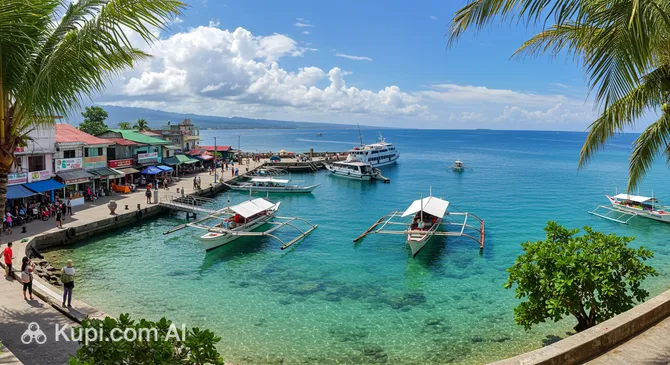
Caticlan. Source: Kupi.Binoculars

While modern travelers primarily recognize it for its transport facilities, the history of Caticlan has long been tied to maritime trade and connection between the Visayan islands. Today, its most significant features include the Godofredo P. Ramos Airport, which provides the quickest air link to the area, and the bustling Caticlan Jetty Port. Visitors passing through can also enjoy scenic views of the Tabon Strait and the lush green landscapes of mainland Panay before crossing the water.

Whether you are rushing to catch a boat or have a moment to spare while waiting for a transfer, Caticlan offers a vibrant introduction to the beauty of the Visayas. It stands as the perfect starting line for an unforgettable tropical adventure, welcoming guests with efficiency and local charm.

Weather Overview

Caticlan experiences a consistent tropical climate characterized by warm temperatures and varying chances of rain throughout the year. The thermometer rarely fluctuates drastically, making it a destination where summer clothes are appropriate regardless of the month. May is typically the warmest time, with an average temperature of 27.8°C, while January and February are slightly cooler, hovering around 25.6°C.

When planning your trip and checking the weather in Caticlan, it is important to consider the rainfall patterns. The early months of the year, particularly from February to April, tend to have the lowest precipitation volume, with March seeing the fewest rainy days. Conversely, the period from June to December brings a significant increase in the frequency of wet days; for instance, July can experience rain on up to 31 days, requiring travelers to be prepared for frequent showers.

Overall, visitors can expect warm conditions year-round with a high likelihood of rain, especially in the second half of the year. While the total rainfall amount in millimeters remains relatively moderate according to local data, the frequency of wet days suggests that carrying an umbrella or raincoat is always a good idea, particularly if you are visiting between June and December.

Interesting Facts

Beyond its reputation as a busy transit hub, Caticlan holds several fascinating details that often go unnoticed by travelers rushing to their island destination. This coastal community offers more than just a jetty port and an airport runway; it has its own unique geographical and administrative quirks.

  • Despite handling thousands of international and domestic tourists daily, Caticlan is technically not a city. It is a barangay (village) under the jurisdiction of the municipality of Malay, allowing it to retain a distinct local charm amidst the constant bustle of travel.

  • Navigation from the Caticlan Jetty Port is heavily influenced by seasonal weather patterns. During the Habagat (southwest monsoon) season, sea conditions often require boats to divert their course and land at Tambisaan Beach instead of the usual Cagban port to ensure safe passage for passengers.

  • While it serves as the mainland launchpad, Caticlan is inextricably linked to the fame of White Beach. The community sits at the northernmost tip of the Panay Peninsula, making it the closest geographical point on the mainland to the world-renowned powdery sands located just across the narrow Tabon Strait.

  • The local airport, officially known as Godofredo P. Ramos Airport, is named after the "Father of Aklan." It holds the distinction of being one of the busiest airports in the region relative to the small size of the community it serves, acting as a critical lifeline for the local tourism economy.

Tambisaan Beach. Source: Kupi.Binoculars

How to Get There

Reaching this bustling gateway is the first exciting step of your tropical adventure. While there are several ways to approach the region, air travel is by far the most popular and convenient method. For travelers looking for detailed logistics, routes, and tips, you can read more about how to get to Caticlan to plan your journey seamlessly.

The most direct entry point is Boracay Airport (IATA: MPH), also known as Godofredo P. Ramos Airport. Located just 1.1 km from the center of Caticlan, it is practically on the doorstep of the jetty port. This airport is a major hub, handling a large volume of passengers annually who are eager to reach the nearby islands. Flights here land directly in the barangay, allowing you to transfer to a boat or your accommodation within minutes.

Another common option is flying into Kalibo International Airport (IATA: KLO), situated in the city of Kalibo. Although it is approximately 52.4 km away from Caticlan, it often serves larger aircraft and international flights. Travelers arriving here typically take a bus or van shuttle to reach Caticlan. The journey by road takes approximately 1 hour and 40 minutes, offering a scenic drive through the province of Aklan.

For those exploring more of the Panay Island, Roxas City Airport (IATA: RXS) in Roxas City is another alternative, though it is further away at about 93.1 km. The travel time from Roxas City to Caticlan is significantly longer, taking roughly 2 hours and 40 minutes by land transport.

For clarity, here is a summary of the main airports:

Airport Name City Passenger Traffic Km from City
Boracay Airport Caticlan Very High 1.1
Bacolod-Silay International Airport Bacolod High 171.1
Kalibo International Airport Kalibo High 52.4
Roxas City Airport Roxas City Medium 93.1
Evelio Javier Airport Antique Low 127.2

Main Attractions

While Caticlan is primarily recognized as the logistical gateway to the region, it serves as the threshold to some of the Philippines' most spectacular sights. Situated within the municipality of Malay, this area offers immediate access to world-renowned beaches and vibrant establishments that define the tropical holiday experience for thousands of visitors every day.

White Beach. Source: Kupi.Binoculars

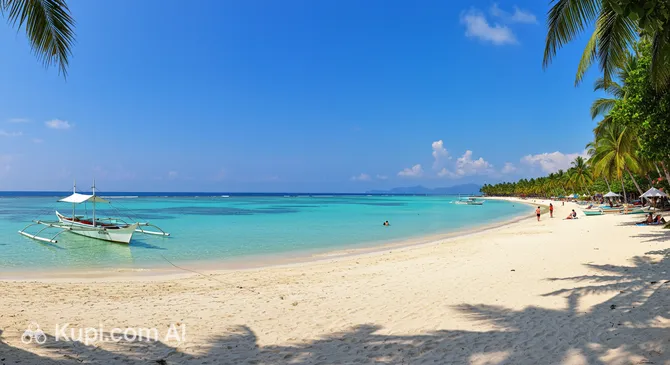
Undoubtedly the most famous magnet in the vicinity is White Beach. Although it sits just across the water from the Caticlan jetty, this iconic destination is the primary reason travelers flock to the area. Celebrated globally for its four kilometers of powdery white sand and crystal-clear waters, it offers a diverse range of experiences, from peaceful relaxation spots to energetic nightlife zones.

For those seeking a quieter alternative with excellent underwater scenery, Tambisaan Beach is a wonderful discovery. Often serving as an alternative entry point during the monsoon season, this beach is renowned for its rich marine life and coral gardens located close to the shore. It provides a fantastic opportunity for snorkeling away from the larger crowds, allowing visitors to appreciate the biodiversity of the Sibuyan Sea.

Accommodation in the area can be an attraction in itself, with properties like Astoria Current redefining the tropical stay. This vibrant resort is known for its striking modern architecture and lively atmosphere, often featuring fire dancers and pool events. It serves as a perfect base for tourists who want to immerse themselves in the energetic vibe of the islands while enjoying top-tier amenities.

Astoria Current. Source: Kupi.Binoculars

Culinary exploration is also a key part of the local experience, with establishments like Bistro des Amis offering delightful dining options. Visitors can enjoy a mix of flavors that cater to international palates, providing a comforting and delicious break after a day of travel. Places like this contribute to the cosmopolitan charm that has developed around this major tourism hub.

Local Cuisine

Caticlan serves as a delightful introduction to the culinary traditions of Aklan province. While many travelers pass through quickly, those who stop to eat will discover dishes deeply rooted in local agriculture and the bounties of the sea. The cuisine here is characterized by the generous use of coconut milk, lemongrass, and fresh ingredients, offering a savory and creamy profile that distinguishes it from other regional Filipino flavors.

One of the signature dishes you must try is Chicken Binakol. Similar to the famous Tinola, this soup is traditionally cooked with coconut water instead of plain water, giving it a distinct natural sweetness. It is often prepared with native chicken and simmered with young coconut meat and lemongrass inside a bamboo tube or a clay pot. Another local favorite is Inubaran, a hearty stew made with chicken and the pith of a banana stalk (ubad), cooked in coconut milk until tender. This dish offers a unique texture and a rich, comforting taste that is quintessential to Aklan.

For seafood lovers, the coastal location ensures a steady supply of fresh catch. Grilled squid, buttered shrimp, and steamed oysters are commonly found in local eateries. The preparation is usually simple to highlight the freshness of the ingredients, often served with a side of soy sauce, vinegar, and chili (sawsawan) to customize the flavor.

When it comes to drinks, the tropical setting calls for refreshing beverages. Mango shakes are a staple, utilizing the sweet, world-famous mangoes of the Philippines to create a cool, creamy treat. For something more tart and revitalizing, fresh Calamansi juice (local lime) is the perfect thirst quencher, served either hot or cold. In the evenings, locals and tourists alike often unwind with a cold bottle of San Miguel Beer, the national lager that pairs perfectly with grilled appetizers.

The Grillhouse Sportsbar. Source: Kupi.Binoculars

The dining scene in Caticlan ranges from humble roadside carinderias (eateries) serving home-cooked meals to more comfortable restaurants catering to waiting passengers. For a relaxed atmosphere where you can enjoy hearty meals and cold drinks, The Grillhouse Sportsbar is a popular choice. It provides a welcoming environment to enjoy both local and international comfort food before heading to the port or the airport.

Street food is also a vibrant part of the culture here. Near the transport terminals, you can find vendors selling Chori Burgers (chorizo burgers), a sweet and spicy pork patty served in a bun. This snack has become legendary among travelers in the region, offering a quick and delicious bite that perfectly captures the local street food spirit.

Travel Tips

Visiting Caticlan offers a unique glimpse into the bustling life of a major transit hub, and being prepared can turn a simple stopover into a smooth and enjoyable part of your journey. These practical tips are designed to help you navigate the local customs, logistics, and climate with the ease of a seasoned traveler.

  1. Clothing and Gear: Given the tropical climate, lightweight and breathable fabrics like cotton or linen are your best friends. Pack comfortable sandals or flip-flops, as they are perfect for moving between boats and sandy shores. Don't forget a high-SPF sunscreen, sunglasses, and a hat to protect against the strong sun. If you plan to visit local churches, dress modestly by covering your shoulders and knees. Bring a universal travel adapter (Type A, B, or C) for your electronics.

  2. Transportation: The primary mode of local transport within Caticlan is the tricycle (a motorcycle with a sidecar). They are affordable and readily available for short trips, such as moving between the airport and the jetty port. For those arriving at Caticlan Airport (Godofredo P. Ramos), the jetty is technically walkable, but with luggage, a short tricycle ride is recommended. Ride-hailing apps are generally not available here; you will rely on these local trikes or shuttle vans.

  3. Finances: The currency is the Philippine Peso (PHP). While some hotels and larger restaurants accept credit cards, cash is king for tricycles, small eateries, and terminal fees. There are ATMs located at the airport and the Caticlan Jetty Port, but they can occasionally be offline or out of cash, so it is wise to bring enough PHP for your immediate transit needs. Tipping is not mandatory but is appreciated; rounding up the fare or leaving 20-50 pesos is a kind gesture.

  4. Health and Safety: Caticlan is generally safe for tourists, but standard precautions apply—keep an eye on your belongings, especially in the crowded port terminal. Pharmacies are available near the town center and the jetty port for basic medical supplies. For serious medical emergencies, there are hospitals in the nearby town of Malay or a larger facility in Kalibo. Always carry mosquito repellent, as dengue fever is a risk in tropical areas.

  5. Communication: English is widely spoken and understood, making communication easy for international travelers. The local dialect is Aklanon, but most locals also speak Tagalog (Filipino). You can purchase local SIM cards (Globe or Smart) right at the airport arrival area or near the port to ensure you have data connectivity, which is useful for maps and communication.

  6. Local Etiquette: Filipinos are known for their hospitality and friendliness. A smile and a polite greeting like "Good morning" go a long way. When interacting with elders or people in authority, keeping a calm and respectful tone is important. Patience is a virtue here; "island time" is a real concept, so expect a more relaxed pace compared to major cities.

  7. What to Avoid: Strictly avoid littering or smoking in public places that are not designated smoking areas. The municipality of Malay (which includes Caticlan and Boracay) enforces strict environmental ordinances, and you can be fined for dropping trash or cigarette butts. Also, avoid losing your terminal fee and environmental fee receipts at the port, as you will need to present them at multiple checkpoints.

  8. Port Logistics Hack: When departing from the Caticlan Jetty Port, be prepared for a multi-step process involving separate windows for the boat ticket, terminal fee, and environmental fee. Have your hotel booking voucher printed or easily accessible on your phone, as port authorities often require proof of a confirmed booking before allowing you to board the boat to the islands.

By keeping these practicalities in mind, you can navigate Caticlan with confidence and focus on the excitement of your tropical getaway. Whether you are just passing through or staying to explore the mainland, a little preparation ensures a hassle-free and memorable experience.

Entertainment & Nightlife

Unlike the high-energy party scene of nearby Boracay, the nightlife in Caticlan is significantly more subdued and localized. Travelers staying here for the night will find a relaxed atmosphere that revolves around casual dining, cold drinks, and the company of locals and fellow passengers. The entertainment scene is not defined by thumping nightclubs or neon-lit districts but rather by cozy roadside establishments and hotel bars where you can unwind after a long journey.

For those looking to enjoy a drink and a hearty meal, The Grillhouse Sportsbar is a standout venue. Conveniently located near the airport, it serves as a social hub where tourists can catch sports matches on TV, enjoy a cold beer, and mingle with a diverse crowd. It offers a friendly, pub-like environment that is perfect for killing time or relaxing before an early morning flight.

Bistro des Amis. Source: Kupi.Binoculars

Another excellent option for a pleasant evening is Bistro des Amis. This establishment brings a touch of European flair to the barangay, offering a quieter setting suitable for conversation and a nice glass of wine. The vibe here is laid-back and welcoming, making it a favorite among travelers who prefer a sit-down dinner over a loud bar scene. Most venues in the area, including these, are concentrated along the main highway or near the jetty port, making them easily accessible.

In true Filipino fashion, you might also encounter local videoke bars dotted around the community. These spots are unpretentious and often open-air, inviting anyone to sing a song for a small fee. The dress code throughout Caticlan is extremely casual; shorts, t-shirts, and flip-flops are the norm everywhere. Most places close relatively early compared to big cities, often winding down by 10:00 PM or 11:00 PM, so it is best to head out for dinner and drinks shortly after sunset.

During the day, entertainment options are more nature-oriented. While there are no major museums or amusement parks in the barangay itself, visitors can explore the serene grounds of places like Faith Village Gardens, which offers a peaceful retreat. Safety at night is generally good, but the streets can be dimly lit. It is advisable to take a tricycle to get back to your accommodation rather than walking long distances in the dark. Tricycles are affordable and usually available until the last establishments close.

Parks & Museums

While Caticlan is primarily known as a bustling transport hub, it offers pockets of greenery and cultural heritage that provide a refreshing contrast to its busy terminals. The area is defined less by urban parks and grand museums, and more by its lush coastal environment, serene gardens, and the living traditions of the Aklan province that surround it.

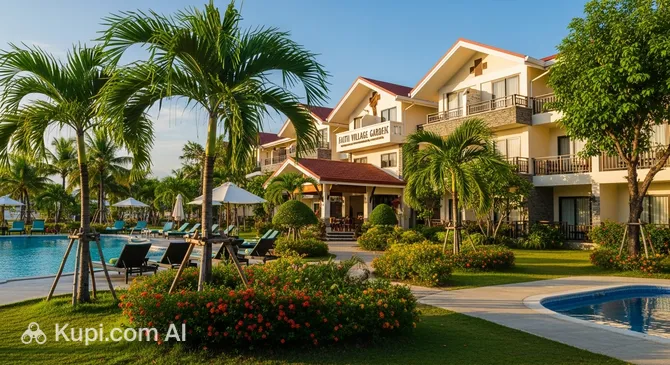
One of the most serene spots to escape the crowds is Faith Village Gardens. This peaceful retreat serves as a sanctuary amidst the activity of the port town, offering visitors a chance to walk through beautifully landscaped grounds. It is an ideal location for travelers seeking a moment of reflection or a quiet break before continuing their journey. The garden's design incorporates local flora, creating a cooling atmosphere that showcases the tropical beauty of the region.

Faith Village Gardens. Source: Kupi.Binoculars

For those who prefer nature in its wildest form, the marine environment off the coast acts as a natural park of its own. Tambisaan Beach is not just a shoreline but a gateway to a vibrant underwater ecosystem. Often referred to by locals as a snorkeling capital, the coral gardens here are accessible right from the beach. It functions as a natural marine area where visitors can observe diverse fish species and coral formations, making it a significant natural asset for the community.

Although Caticlan itself does not house traditional indoor museums, the rich culture of the Malay municipality is best experienced at the Motag Living Museum, located just a short drive away. This interactive cultural venue is unique because it does not keep artifacts behind glass; instead, it invites visitors to participate in traditional farming, weaving, and cooking methods. It offers a hands-on window into the history and daily life of the Aklanon people, preserving heritage through active demonstration rather than static display.

In terms of architectural landmarks, the Santo Niño Parish Church stands as a spiritual and historical anchor for the local Catholic community. Its structure is simple yet significant, reflecting the modest and resilient spirit of the barangay. It serves as a gathering place for locals and offers tourists a glimpse into the religious devotion that plays a central role in Philippine culture.

For an authentic insider experience, venture slightly inland to the Nabaoy River. This pristine waterway is a favorite among locals for its cold, crystal-clear waters and lush jungle surroundings. Unlike the commercialized beaches, the river offers a raw connection to nature where you can enjoy a refreshing dip and a traditional picnic under the shade of towering trees.

Getting Around

Navigating Caticlan is a straightforward experience, distinct from the complex transit networks found in large metropolises. As a relatively small barangay, the area does not have a metro, tram, or municipal bus system. Instead, the "king of the road" here is the humble tricycle—a motorcycle with an attached sidecar. These vehicles are the primary mode of public transport for getting around the town, moving between the airport and the jetty port, or reaching local accommodations.

For travel beyond the immediate vicinity, such as heading to neighboring towns or the provincial capital, multicabs and passenger vans are the standard options. You will typically find these stationed at designated terminals near the jetty port and the airport. They operate on a fill-and-go basis, meaning they depart only when the vehicle is full of passengers. While they are less frequent than tricycles, they offer a comfortable and affordable way to explore the wider province.

The payment system in Caticlan is traditional and relies almost exclusively on cash. There are no travel cards, tap-to-pay apps, or digital ticketing systems for local ground transport. Fares are generally very affordable, usually ranging from a small fixed amount for short shared rides to higher rates for private "special" trips. It is essential to carry Philippine Pesos in smaller denominations (coins and 20, 50, or 100 notes), as drivers often do not have change for large bills.

For tourists, the most practical advice is to clarify the fare before hopping into a tricycle. Drivers may ask if you want a "regular" ride (sharing the tricycle with other passengers along a fixed route) or a "special" ride (hiring the entire vehicle for a direct trip to your destination). A "special" trip is faster and more convenient for travelers with luggage but costs significantly more. Most transport operates from early morning until early evening; finding a ride late at night can be more challenging and may require negotiation.

Alternatives like app-based ride-sharing services or metered taxis are generally not available within the barangay itself. Walking is a viable option for very short distances, particularly if you are backpacking, but the heat and humidity can make this tiring. For those arriving at the airport and heading straight to the jetty, the distance is short, but taking a tricycle is highly recommended due to the lack of paved sidewalks suitable for rolling heavy suitcases.

A unique feature of the local transport landscape is the seamless connection between air and sea. The transport system is heavily oriented towards moving people from the Godofredo P. Ramos Airport to the Caticlan Jetty Port. This specific route is extremely efficient, with a constant stream of tricycles and shuttles dedicated solely to ferrying passengers between these two hubs, ensuring that the transfer process is quick and hassle-free for the thousands of travelers passing through daily.

Accommodation

Accommodation in Caticlan is designed primarily to cater to the needs of travelers in transit, offering a convenient range of options that prioritize accessibility and efficiency. While the area is often seen merely as a jumping-off point for island hopping, it hosts a variety of lodging choices ranging from simple backpacker inns and budget guesthouses to more comfortable mid-range hotels. Most establishments are practical and straightforward, perfect for tourists with early morning flights or those arriving late who prefer to rest before crossing to Boracay the next day.

The most popular area to stay is undoubtedly the vicinity of the Godofredo P. Ramos Airport and the Caticlan Jetty Port. Staying in this zone minimizes travel time and stress, allowing visitors to be within walking distance or a short tricycle ride of their next connection. There are also a few properties located slightly inland or along the coast, offering a quieter atmosphere away from the noise of the terminals for those who have a bit more time to spare.

For visitors seeking a peaceful environment with a touch of nature, Faith Village Gardens is a notable choice. This property stands out for its serene setting and lush greenery, providing a relaxing sanctuary that feels removed from the hustle of the port. On the more upscale end of the spectrum, travelers in the region often look to properties like Astoria Current. Known for its modern amenities and vibrant design, it represents the higher standard of resort accommodation available to those visiting this famous tourist corridor.

When planning your stay, it is advisable to book in advance, especially during the peak summer months (March to May) and major holidays like Christmas and Holy Week. During these times, the influx of tourists can fill up convenient rooms quickly. While many smaller inns accept walk-ins, securing a reservation ensures you have a guaranteed place to rest immediately upon arrival.

In terms of pricing, Caticlan is generally affordable. Budget travelers can find basic rooms for a very reasonable price, often paid in cash upon arrival at smaller family-run establishments. Mid-range and resort-style options will typically cost more and are best booked through online platforms where credit card payments are accepted. Regardless of your budget, the accommodation landscape here is defined by hospitality and the practical necessity of connecting travelers to their tropical adventures.

Nearby Cities

For those looking to explore the surroundings, Caticlan serves as an excellent base for day trips to several interesting nearby locations:

Just a short distance away is the municipality of Malay. While Caticlan is its busiest port, the town proper and its surrounding barangays offer a different pace of life. Travelers can explore inland attractions such as the Nabaoy River for a refreshing swim in fresh water or visit the Motag Living Museum to experience traditional farming and weaving culture firsthand.

Further south is Kalibo, the capital of Aklan province. It is best known for the Bakhawan Eco-Park, a massive mangrove reforestation project that provides a serene escape into nature with its long bamboo boardwalks. Kalibo is also a cultural hub, famous for the Ati-Atihan Festival and its local piña cloth weaving industry, making it a great spot for history and craft enthusiasts.

Another worthwhile stop is Ibajay, located between Caticlan and Kalibo. This town is home to the Katunggan It Ibajay, a park featuring centuries-old mangrove trees that tower over the boardwalks. It offers a quiet and majestic natural setting that contrasts beautifully with the busy beaches of the nearby islands.

City Population Distance (km)
Antique 612,974 60
Kalibo 89,127 51
Malay 60,077 2
Ibajay 52,364 31
Odiongan 49,284 54

These nearby destinations offer a glimpse into the diverse culture and landscapes of the region.

Shopping & Souvenirs

As a transit hub primarily focused on moving travelers to the nearby islands, Caticlan is not a major shopping destination in the traditional sense. You will not find sprawling luxury avenues or high-end designer boutiques here. Instead, the shopping scene is practical and convenient, geared towards providing essentials for tourists in transit and daily necessities for the locals. It is the perfect place to pick up last-minute travel gear, snacks, or toiletries before boarding a boat.

The main retail activity is concentrated along the Maharlika Highway and the immediate vicinity of the Caticlan Jetty Port. This area is lined with small convenience stores, pharmacies, and souvenir stalls that cater to the constant stream of arriving and departing passengers. It is a bustling strip where you can quickly purchase sunscreen, beach slippers, or bottled water without straying far from the transport terminals.

For a more modern and comfortable shopping experience, the standout facility is CityMall Boracay-Caticlan. Located just a short distance from the port, this community mall serves as the primary commercial center for the barangay. It houses a well-stocked supermarket, a food court, and several branded retail outlets selling clothing and electronics. It provides a cool, air-conditioned respite from the tropical heat and is the best place to visit if you need specific grocery items or forgotten travel accessories.

To experience the local way of life, a visit to the Caticlan Public Market is recommended. This traditional market is where residents shop for fresh produce, meat, and seafood. For tourists, it is an excellent spot to buy affordable tropical fruits like sweet mangoes, bananas, and pineapples. The atmosphere is lively and authentic, offering a glimpse into the daily commerce of the Aklan province away from the tourist-heavy zones.

When it comes to souvenirs, Caticlan offers distinct local products that make for great gifts. The region of Aklan is famous for its processed meats, so look for Tocino (cured pork) or Longganisa (local sausage). Dried seafood, such as squid and fish, is also a popular buy here, often sold at significantly lower prices than on the resort islands. Simple handicrafts and t-shirts marked with "Caticlan" or "Boracay" are widely available at the stalls near the jetty.

Most shops, particularly those in the mall, operate from around 9:00 AM to 9:00 PM. However, smaller convenience stores near the port may open earlier and close later to accommodate ferry schedules. While the mall and larger establishments accept credit cards, cash is the preferred mode of payment for market vendors, tricycle drivers, and small roadside stalls. Ensure you have smaller denominations of Philippine Pesos handy for smoother transactions.

Tax-free shopping is generally not a feature of Caticlan, as it is a domestic municipality rather than a duty-free zone. Prices are standard for the region, and while bargaining is acceptable in the public market or with small souvenir vendors, fixed prices are the norm in the mall and convenience stores.

Reached the end of the page?

That means the route is fully explored