Support

Cebu City

About

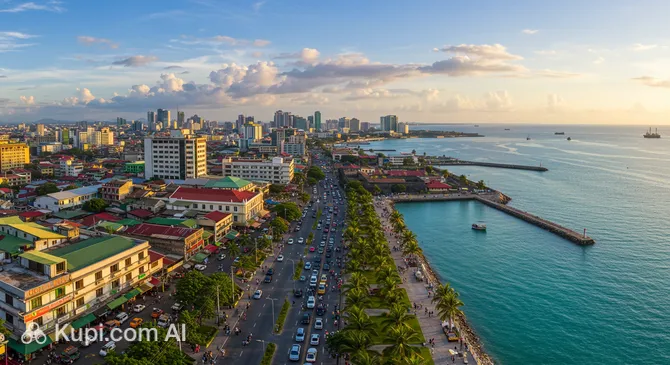
Known as the "Queen City of the South," Cebu City stands as a vibrant hub of commerce, trade, and tourism in the Visayas region. It offers a fascinating blend of urban energy and tropical island charm, making it one of the most significant cultural centers in the Philippines. With a population of nearly a million residents, this bustling metropolis serves as the capital of the Cebu province and provides travelers with a unique mix of modern amenities and rich heritage.

Geographically, the city is situated on the eastern shore of Cebu Island, protected by Mactan Island and the Cordillera Central mountain range. This strategic location contributes to its generally fair tropical climate, which is perfect for exploring the city year-round. As the oldest city in the country, the deep and storied history of Cebu City is evident in its well-preserved landmarks and enduring traditions, reflecting centuries of Spanish influence and indigenous culture.
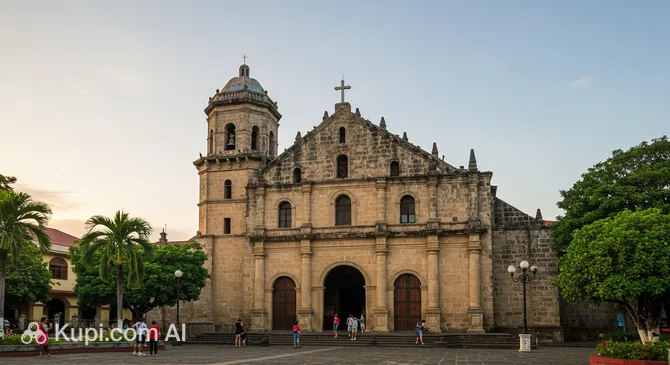
Cebu City. Source: Kupi.Binoculars

Visitors are often drawn to the city's iconic sites, such as Magellan's Cross, a symbol of the arrival of Christianity in the archipelago, and the stunning Basilica Minore del Santo Niño. For those seeking panoramic views, the Taoist Temple located in the Beverly Hills subdivision offers a serene escape with colorful architecture and a glimpse of the city skyline. Beyond the historical sites, the city is famous for its lively festivals, particularly the grand Sinulog Festival, which attracts millions of tourists annually.

Whether you are a history buff, a foodie looking to taste the famous Cebu lechon, or an adventurer planning to explore nearby islands, Cebu City is an excellent starting point. Its warm hospitality and dynamic atmosphere make it a must-visit destination for anyone traveling through Southeast Asia.
Weather Overview

Travelers visiting Cebu City can expect a warm and consistent tropical climate throughout the year. The average temperatures remain quite stable, typically ranging from a comfortable 26.0°C in February to a peak of 28.1°C in May. Even during the cooler months of December and January, the weather stays pleasant with minimum temperatures rarely dropping below 24.6°C, making it an ideal destination for sun-seekers at any time.

While the temperatures are steady, visitors should be prepared for frequent precipitation. The city experiences a high number of wet days each month, ranging from 21 days in March to 30 days in December, although the overall rainfall volume is often light. For those wanting to pack the right gear for their specific travel dates, reviewing the detailed guide to weather in Cebu City is highly recommended. Expect warm conditions year-round with a regular chance of rain showers, so carrying a light raincoat or umbrella is always a good idea.

Interesting Facts

Beyond the famous historical landmarks, Cebu City holds many fascinating secrets and unique distinctions that surprise even seasoned travelers. Digging a little deeper reveals a destination rich in record-holding sites and culinary legends that define its local character.
Temple of Leah. Source: Kupi.Binoculars
  • The city is home to the oldest national road in the Philippines, Colon Street. Established in the 16th century by Miguel Lopez de Legazpi, it was the center of the city's early commerce and remains a bustling thoroughfare that transforms into a vibrant night market after sunset.

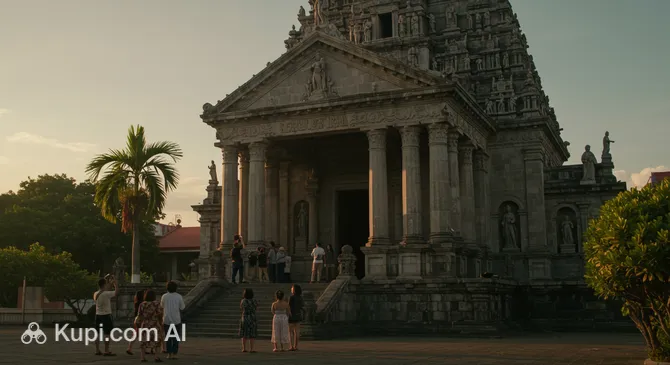
  • Often referred to as the "Taj Mahal of Cebu," the Temple of Leah is a grandiose Roman-style shrine built by a local business tycoon as a symbol of undying love for his late wife. Standing atop a hill, this massive structure features intricate sculptures, a museum, and offers commanding views of the metropolis below.

  • History enthusiasts will appreciate that Fort San Pedro is the oldest triangular bastion fort in the country. Originally constructed of wood in 1565 to repel pirates and invaders, it was later rebuilt with stone and now serves as a peaceful historical park.

  • Cebu is widely hailed as the "Lechon Capital of the World," a title solidified when renowned chef Anthony Bourdain declared the local roasted pig the "best pig ever." The Cebuano version is stuffed with a specific blend of herbs and spices, making it so flavorful that it is traditionally eaten without any dipping sauce.

How to Get There

Reaching this bustling metropolis is relatively easy, as it serves as a major transportation hub for the Visayas region. Most travelers arrive by air, landing at the busy international airport connected to the main island. For a comprehensive guide on all available transport methods, including ferries and land travel, you can read more about how to get to Cebu City.

The primary gateway for visitors is Mactan-Cebu International Airport (CEB). While the airport acts as the main entry point for Cebu City, it is situated approximately 10.4 km from the city center. It is a major hub with large annual passenger traffic, connecting the province to key destinations across Asia and the Middle East. A taxi ride from the terminal to the downtown area typically takes around 35 to 40 minutes, depending on traffic conditions. You can find more details about the airport on its dedicated page: Mactan-Cebu International Airport.

Travelers exploring the wider region might also consider Bohol-Panglao (TAG), located in the city of Tagbilaran, about 83 km from Cebu City. While it is on the neighboring island of Bohol, it is a significant entry point for tourists planning an island-hopping itinerary. Getting to Cebu City from there requires a fast ferry connection. More information is available here: Bohol-Panglao.

For clarity, here is a summary of the main airports in the vicinity:

Airport Name City Passenger Traffic Km from City
Mactan-Cebu International Airport Cebu City Large 10.4
Bacolod-Silay International Airport Bacolod Medium 107.6
Bohol-Panglao Tagbilaran Medium 83.1
Dumaguete Airport Dumaguete Small 126.2
Mambajao Mambajao Small 148.1

Cebu City currently does not have an inter-city railway station. Public transportation within the city and to neighboring towns relies heavily on a network of buses, taxis, and the iconic local jeepneys. Travelers are advised to check bus schedules or arrange private transfers for longer journeys across the island.

Main Attractions

Exploring Cebu City reveals a tapestry of historical landmarks and modern wonders. A visit is incomplete without stepping into the Basilica Minore del Santo Niño. As the oldest Roman Catholic church in the country, founded in 1565, it houses the revered statue of the Child Jesus. The church is a spiritual center for locals and a stunning example of colonial architecture that has survived fires and earthquakes over centuries.

Basilica Minore del Santo Niño. Source: Kupi.Binoculars

Just a few steps away stands Magellan's Cross, housed in a stone rotunda. This wooden cross is said to encase the original one planted by Portuguese explorer Ferdinand Magellan in 1521, marking the introduction of Christianity to the archipelago. The ceiling of the chapel features beautiful murals depicting the first baptism, making it a quick but essential stop for history enthusiasts.

For a glimpse into the lifestyle of the 19th-century Filipino elite, travelers should visit the Casa Gorordo Museum. This well-preserved ancestral house, built in the 1850s, showcases antique furniture, costumes, and household items that tell the story of the city's colonial past. The museum also features a lovely courtyard and a cafe, offering a quiet retreat from the busy streets.

Those seeking a break from historical sites can head to Cebu Ocean Park, the largest oceanarium in the Philippines. Located near the SM Seaside complex, it features thousands of marine creatures, a spectacular viewing tunnel, and interactive animal encounters. It is an excellent destination for families and anyone interested in the diverse marine biodiversity of the region.

Finally, for a breathtaking perspective of the metropolis, a trip to Tops Lookout is highly recommended. Situated on a mountain summit, this observation deck offers panoramic views of the city skyline, Mactan Island, and the shimmering sea, providing a cool and breezy escape from the tropical heat.

Local Cuisine

The culinary landscape of Cebu City is a vibrant reflection of its history and geography, offering a delicious mix of indigenous flavors, Spanish influences, and modern gastronomy. While the city is rightfully famous for its world-class Lechon, visitors will find that the local food culture extends far beyond roasted pig. A staple on many local tables is Puso, or "hanging rice," which consists of rice wrapped and boiled in woven coconut leaves. This unique preparation imparts a subtle, earthy aroma to the rice, making it the perfect accompaniment to the savory grilled dishes found throughout the city.

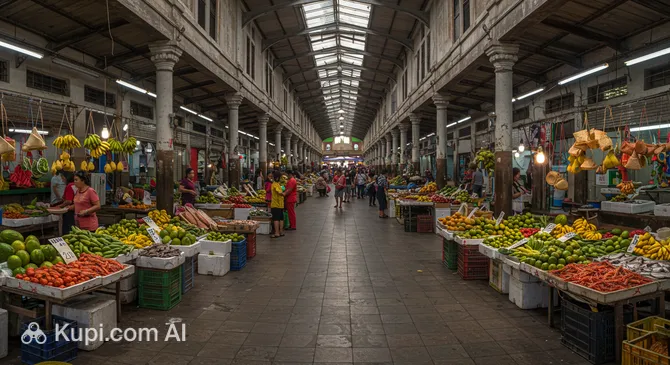
For a true taste of Cebuano tradition, a visit to the Taboan Public Market is essential. This bustling marketplace is the epicenter of the trade for Danggit (salted, sun-dried rabbitfish) and dried mangoes, two of the province's most iconic products. The market offers a sensory experience with its rows of dried seafood and local delicacies, making it the ideal spot to purchase "pasalubong" (souvenirs) to share with friends and family back home.

Taboan Public Market. Source: Kupi.Binoculars

The city's dining scene has also embraced modern culinary trends, blending local ingredients with international techniques. Food enthusiasts should not miss The Pig and Palm, a restaurant that has put Cebu on the global food map. Helmed by a Michelin-starred chef, it serves a sophisticated tapas-style menu in a chic setting. For those craving comfort food in a relaxed atmosphere, Acacia Steakhouse offers premium cuts of meat and hearty dishes tucked away in a quiet corner of the city.

The Pig and Palm. Source: Kupi.Binoculars

As the sun sets, the city offers diverse options for drinks and casual bites. The Turning Wheels Craft Brewery is a pioneer in the local craft beer scene, providing a friendly space to sample innovative ales inspired by the tropics. Alternatively, for a more raw and authentic vibe, travelers can wander through the historic Carbon Market, where local vendors serve affordable street food amidst the energetic pulse of the city's oldest and largest market.

Travel Tips

To make the most of your adventure in the "Queen City of the South," a little preparation goes a long way. Whether you are here for the historical landmarks or the vibrant street food scene, these practical tips will help you navigate Cebu City with the confidence of a local.

  1. Clothing and Gear: Given the tropical climate, pack lightweight, breathable fabrics like cotton or linen to stay cool. Since rain showers can occur unexpectedly even during dry months, carrying a foldable umbrella or a light raincoat is highly recommended. If you plan to visit religious sites like the Basilica Minore del Santo Niño, remember to dress modestly; sleeveless shirts and shorts above the knee are often not permitted inside.
  2. Transportation: The most convenient way to get around is by using ride-hailing apps like Grab, which offer safe and transparent pricing. White taxi cabs are also reliable, but always ensure the driver turns on the meter. For a truly local experience, try riding a jeepney, the colorful public buses; just be sure to have small coins ready for the fare and know your route, as the system can be complex for first-timers.
  3. Finances: The local currency is the Philippine Peso (PHP). While credit cards are widely accepted in malls, hotels, and upscale restaurants, "cash is king" in local markets, small eateries, and for transport. ATMs are plentiful in commercial areas, but it is wise to break large bills (like 1,000 pesos) at convenience stores, as taxi drivers and street vendors often lack change.
  4. Health and Safety: Cebu City is generally safe for tourists, but standard urban precautions apply; keep an eye on your belongings in crowded areas like Colon Street. Pharmacies such as Mercury Drug and Rose Pharmacy are ubiquitous, with many branches open 24/7. It is advisable to stick to bottled or purified water rather than drinking from the tap to avoid stomach issues.
  5. Communication: English is one of the official languages and is widely spoken and understood, making communication very easy for travelers. The local language is Cebuano (or Bisaya), not Tagalog, though most locals understand Tagalog as well. A simple "Salamat" (Thank you) is always appreciated. You can easily purchase a tourist SIM card from Globe or Smart at the airport or convenience stores for reliable mobile data.
  6. Local Etiquette: Cebuanos are known for their warmth and hospitality. A smile is the best greeting. When addressing locals, especially those older or in service roles, using "Sir" or "Ma'am" is polite and common. If you are invited to a local's home, it is customary to take off your shoes at the door unless told otherwise.
  7. What to Avoid: Avoid losing your temper or raising your voice in public, even if you encounter frustrations like traffic. In Filipino culture, this causes a "loss of face" and is considered highly disrespectful; remaining calm and smiling will resolve issues much faster. Also, avoid assuming that pedestrian crossings guarantee vehicles will stop—always look both ways and cross with the flow of locals.
  8. Traffic Tip: Traffic in Metro Cebu can be quite heavy, especially during rush hours (7:00–9:00 AM and 5:00–8:00 PM). If you have a flight to catch or a scheduled tour, always allocate an extra 30 to 60 minutes of travel time to ensure you arrive without stress.

Armed with these practical insights, you are ready to dive into the energy and culture of this amazing city. Embrace the laid-back island vibe, indulge in the local flavors, and enjoy the warm welcome that awaits you in Cebu City!

Entertainment & Nightlife

As the sun sets over the Visayas, Cebu City transforms into a bustling hub of nocturnal activity, offering a diverse array of entertainment options that cater to every type of traveler. The nightlife scene here is vibrant and eclectic, ranging from sophisticated rooftop lounges and high-energy dance clubs to laid-back acoustic bars and lively night markets. Whether you are looking to dance the night away or enjoy a quiet cocktail with a view, the city's districts have something unique to offer.

One of the most popular areas for nightlife is Cebu IT Park in Lahug. This business district never sleeps and is packed with 24-hour dining options, open-air bars, and a safe, walkable atmosphere. It is a favorite among young professionals and tourists alike. For a more traditional clubbing experience, General Maxilom Avenue (often referred to as Mango Avenue) is the historic epicenter of the party scene, lined with numerous bars and discos that stay open until the early hours. Meanwhile, the upscale area of Crossroads in Banilad offers a more refined setting with wine bars and distinct dining concepts.

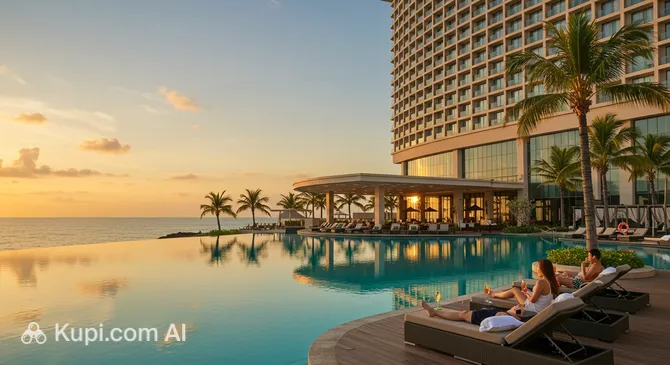
For those seeking a luxurious evening, the NUSTAR Resort & Casino is a premier destination. Located at the South Road Properties, this integrated resort features world-class gaming facilities, fine dining, and entertainment, setting a new standard for leisure in the region. If you prefer a relaxed vibe with excellent drinks, Maya Mexican Restaurant near Crossroads is well-regarded for its extensive tequila selection and stylish interior, making it a great spot for socializing before heading to a club.

NUSTAR Resort & Casino. Source: Kupi.Binoculars

Travelers looking for panoramic views of the glittering city skyline should consider visiting the Rooftop Bar & Lounge. Venues like this provide a perfect backdrop for a romantic evening or a chill night out with friends. The atmosphere in Cebu's nightlife venues is generally welcoming and casual. While high-end clubs and hotel bars may require smart casual attire (no flip-flops or sleeveless shirts for men), most pubs and outdoor venues are relaxed regarding dress codes.

Practical advice for a night out includes starting your evening around 9:00 PM, as many clubs only get busy after 11:00 PM. Prices are generally affordable compared to Western standards, with local beers often costing just a few dollars. Getting around at night is easiest via ride-hailing apps like Grab, which are reliable and safe. While Cebu City is generally safe, especially in well-guarded areas like IT Park and major hotels, it is advisable to stay in well-lit areas, avoid walking alone in quiet streets late at night, and always keep an eye on your personal belongings.

Beyond the nightlife, the city offers plenty of daytime entertainment to fill your itinerary. Culture enthusiasts can explore the National Museum of the Philippines – Cebu or the Museo Sugbo to dive deeper into the region's heritage. For a more leisurely day, the Ayala Center Cebu provides a mix of shopping, dining, and cinema experiences amidst beautiful landscaped terraces, perfect for escaping the midday heat.

Parks & Museums

Parks and Museums:

While Cebu City is famous for its dynamic urban pace, it also offers serene green spaces and a wealth of museums that safeguard the region's rich heritage. Visitors looking to understand the soul of the city will find plenty of opportunities to explore its colonial past, artistic achievements, and relaxing open-air environments.

One of the most significant green spaces in the downtown area is Plaza Independencia. Located near the port area and the historic Fort San Pedro, this sprawling park is a favorite recreational spot for locals and tourists alike. Dotted with century-old acacia trees and well-manicured lawns, it serves as a peaceful sanctuary amidst the city's hustle. It is an ideal place for a leisurely afternoon walk, offering a glimpse into the daily life of Cebuanos who gather here for picnics and relaxation.

For those willing to venture slightly outside the city center to enjoy nature, Serenity Farm and Resort in the mountain barangay of Busay offers a refreshing escape. Perched in the highlands, this area provides cool breezes and lush scenery, standing in contrast to the coastal heat of the metro. It is part of the city's scenic trans-central highway route, which is famous for its flower gardens and panoramic views.

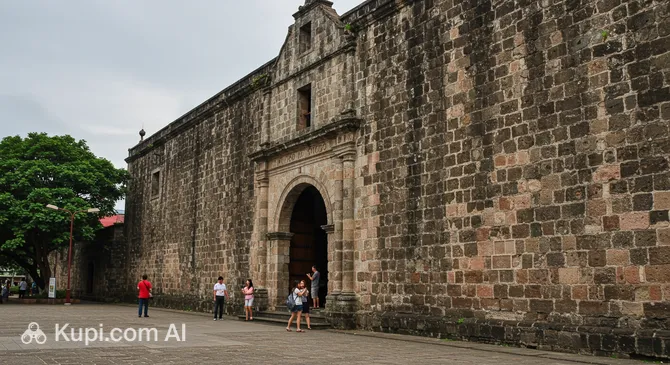
The city's museum scene is headlined by the fascinating Museo Sugbo. Housed in what was once the Cebu Provincial Jail, built in 1871, this museum is a marvel of transformation. The coral-stone walls that once held prisoners now protect extensive galleries detailing the political and cultural history of the province, from the pre-colonial era to World War II. It is arguably the most comprehensive repository of Cebuano history in the region.

Museo Sugbo. Source: Kupi.Binoculars

Another cultural gem is the National Museum of the Philippines – Cebu. Located in the historic Malacañang sa Sugbo building near the waterfront, this relatively new addition to the city's cultural landscape focuses on the rich maritime traditions, archaeological finds, and biodiversity of Cebu. The building itself is an architectural landmark, having served as the old Customs House during the American colonial period.

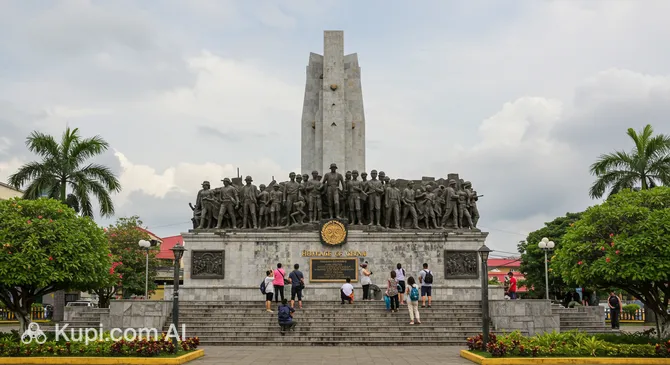
Stepping back further in time, the Parian district invites travelers to explore the Heritage of Cebu Monument. This massive, tableau-style sculpture by national artist Eduardo Castrillo depicts significant events in the city's history, including the Battle of Mactan. Just a short walk away is the Yap-San Diego Ancestral House, one of the oldest residential homes in the Philippines. Built in the late 17th century, it offers a tangible connection to the past with its original coral stone walls and molave wood construction.

Heritage of Cebu Monument. Source: Kupi.Binoculars

For a unique insider experience, consider visiting the University of San Carlos Museum. Often overlooked by mainstream tour groups, this academic museum holds an impressive collection of anthropological and biological specimens. It provides a quiet and scholarly look into the diverse flora, fauna, and indigenous cultures of the Visayas, making it a hidden treasure for curious minds.

Getting Around

Navigating Cebu City is an adventure in itself, as the public transport system is a colorful mix of traditional vehicles and modern conveniences. Unlike many major global cities, there is currently no metro, subway, or light rail system in operation here. Instead, the streets are dominated by road-based transportation, with the iconic jeepney serving as the backbone of local mobility. These vibrant, elongated vehicles are the most popular and affordable way to get around, following specific routes painted on their sides or displayed on signboards in the windshield.

For a more comfortable and modern experience, travelers can utilize the MyBus system. These are modern, air-conditioned buses that connect key hubs such as the airport, the port area, and major shopping malls like SM City Cebu and SM Seaside. Unlike jeepneys, which stop almost anywhere, MyBus vehicles follow a fixed schedule and stop only at designated stations. This makes them a reliable option for tourists carrying luggage or those who prefer a more structured travel experience.

When it comes to payment, "Cash is King" throughout the city. For jeepneys, fares are paid directly to the driver or passed forward by fellow passengers; it is essential to carry smaller bills and coins, as drivers often cannot change large denominations. The standard fare is very affordable, typically starting at a base rate for the first few kilometers. In contrast, the MyBus system uses a reloadable MyBus Card, which can be purchased and topped up at ticket booths in their terminals. Some modern jeepneys (often white and air-conditioned) also accept automated fare collection cards, but carrying cash remains the safest bet.

For those prioritizing convenience and speed, taxis and ride-hailing apps are widely available. White sedan taxis are standard and use a meter; always ensure the driver turns it on at the start of the trip. Yellow taxis are generally airport units and are slightly more expensive. The most popular ride-hailing app in the city is Grab, which allows you to book a car (GrabCar) or a taxi (GrabTaxi) with a fixed or estimated price, eliminating the worry of negotiating fares or getting lost.

A unique and highly popular alternative for beating the city's notorious traffic is the habal-habal or motorcycle taxi. You will see drivers waiting at street corners, but for safety and fair pricing, it is highly recommended to use booking apps like Angkas, JoyRide, or Move It. These services provide helmets and trained drivers, offering a quick way to weave through gridlock during rush hours. While adventurous, this mode of transport is best suited for solo travelers with minimal baggage.

Tourists should be aware that traffic in the city can be heavy, particularly during the morning (7:00 AM – 9:00 AM) and evening (5:00 PM – 8:00 PM) rush hours. Operating hours for public transport vary; jeepneys run 24/7 but are fewer in number late at night, while buses typically operate from early morning until around 10:00 PM. To stop a jeepney, simply wave your hand, and to get off, say "Lugar lang" (Please stop here) or tap a coin on the metal handrail.

Accommodation

Accommodation in Cebu City caters to a diverse spectrum of travelers, ranging from backpackers seeking budget-friendly hostels to business executives looking for five-star luxury. The city is divided into several key districts, each offering a distinct vibe. The uptown area, particularly around the Cebu Business Park and IT Park, is ideal for those who want easy access to modern shopping malls, dining, and nightlife. In contrast, the downtown area near the port is perfect for travelers planning early morning ferry trips to neighboring islands.

For those seeking opulence and world-class amenities, the developing South Road Properties area has become a new destination for luxury. Here, you will find the massive NUSTAR Resort & Casino, which defines modern sophistication with its sea-view rooms, extensive gaming facilities, and fine dining options. It represents the new face of hospitality in the region, offering a resort-style experience within the metropolis.

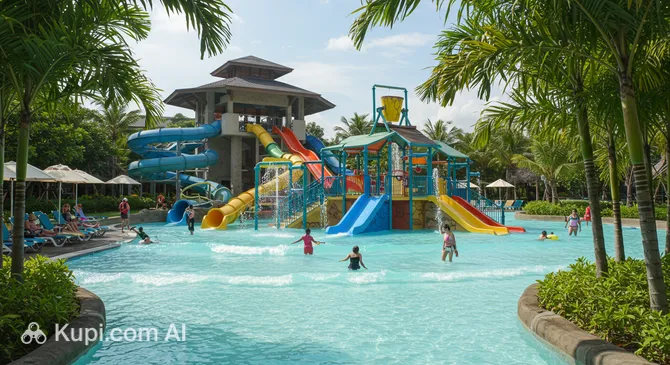
Families and groups looking for entertainment right at their doorstep might prefer staying at places that combine accommodation with leisure activities. Cebu Westown Lagoon is a popular choice, featuring man-made pools, slides, and a relaxing atmosphere that appeals to both kids and adults. It provides a unique "staycation" vibe where guests can enjoy water park facilities without leaving the city limits.

Cebu Westown Lagoon. Source: Kupi.Binoculars

Travelers wishing to escape the tropical heat and urban congestion can head to the highlands of Busay. This area offers cooler temperatures and stunning views of the skyline. A notable option here is Serenity Farm and Resort, which provides a peaceful retreat surrounded by nature. It is an excellent base for exploring nearby mountain attractions like flower gardens and observation decks.

Serenity Farm and Resort. Source: Kupi.Binoculars

It is worth noting that many of the famous "Cebu" beach resorts are actually located on the neighboring Mactan Island, near the airport, rather than in Cebu City itself. However, staying in the city offers the advantage of being closer to historical landmarks, cultural sites, and the vibrant local food scene. Whether you choose a high-rise hotel in the business district or a cozy guesthouse in the suburbs, you will find the warm Cebuano hospitality everywhere.

Nearby Cities

For those looking to explore the surroundings, Cebu City serves as an excellent base for day trips to several interesting nearby locations:

City Population Distance (km)
Lapu-Lapu City 497,604 9
Mandaue 364,116 6
Talisay City 263,048 9
Toledo 207,314 27
Danao 156,321 26

Just a short drive across the channel lies Lapu-Lapu City on Mactan Island. Connected to the main island by bridges, it is a hub for history and leisure, hosting the famous Mactan Shrine which commemorates the historic Battle of Mactan. It is also the gateway to world-class beach resorts and diving spots, making it perfect for a relaxing day by the sea.

To the south is Talisay City, often celebrated as the "Lechon Capital" of the province due to its distinct and flavorful version of the famous roasted pig. Beyond its culinary fame, it serves as a historical site where American forces landed during World War II. For travelers seeking adventure, Danao to the north offers eco-tourism activities, including a well-known adventure park featuring caving, trekking, and cable car rides.

These nearby destinations offer a glimpse into the diverse culture and landscapes of the region.

Shopping & Souvenirs

Shopping in Cebu City offers a delightful contrast between ultra-modern retail complexes and bustling traditional marketplaces. As the commercial hub of the Visayas, the city caters to every budget and preference, from luxury brands and high-street fashion to bargain handicrafts and local delicacies. It is a place where air-conditioned comfort meets the raw energy of street trade.

For a taste of the local hustle, travelers should head to Colon Street. Recognized as the oldest national road in the Philippines, this downtown district is lined with department stores, budget bazaars, and street vendors selling everything from clothing to electronics at rock-bottom prices. It is a chaotic but authentic slice of Cebuano life, particularly vibrant during the annual night market seasons.

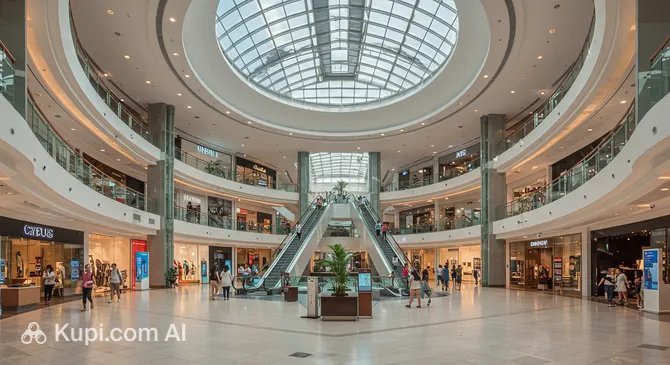
The city is also home to massive world-class shopping centers. Ayala Center Cebu, located in the business park, is a favorite for its landscaped terraces and upscale dining options. For a truly expansive experience, visitors can explore Seaside City Cebu. One of the largest malls in the country, this architectural marvel sits by the waterfront and features a skating rink, a rooftop park, and hundreds of retail outlets.

Seaside City Cebu. Source: Kupi.Binoculars

To experience the local trade culture, a visit to the city's markets is essential. Carbon Market is the largest and oldest produce market, offering a sensory overload of sights and smells, though visitors should be mindful of their belongings here. For those seeking the province's famous edible souvenirs, Taboan Public Market is the undisputed destination for dried seafood, particularly the savory danggit (rabbitfish) and dried squid.

When it comes to souvenirs, Cebu is renowned for its dried mangoes, which are widely considered the best in the world. Other popular items to bring home include Otap (a flaky, sugar-coated puff pastry), handcrafted guitars from nearby Mactan, and accessories made from indigenous materials like shell and wood. These local products make for perfect gifts that capture the island's tropical spirit.

Most shopping malls in the city operate daily from 10:00 AM to 9:00 PM or 10:00 PM. While major department stores and boutiques accept credit cards and mobile payments, cash remains the preferred mode of payment in street markets, smaller shops, and for transportation. ATMs are widely available throughout commercial areas.

Regarding taxes, the Philippines typically includes a Value Added Tax (VAT) in the marked price of goods. While the government has been working on implementing a VAT refund system for foreign tourists to boost retail tourism, it is advisable to check with the customer service desks of major malls for the most current procedures and eligibility requirements regarding tax-free shopping.

Reached the end of the page?

That means the route is fully explored