Support

Butuan

About

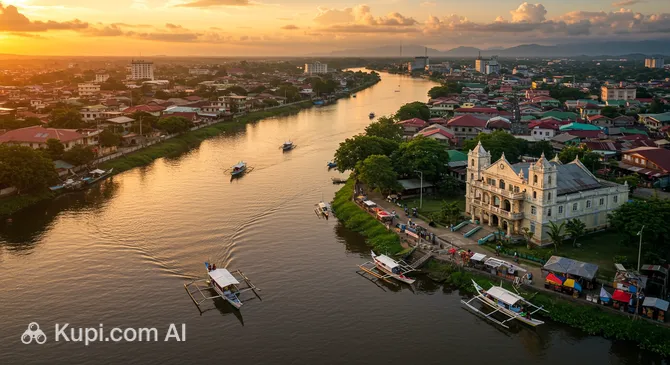
Butuan is a vibrant city known for its deep historical roots and bustling modern energy. Located in the northeastern part of Mindanao, it serves as the regional center of the Caraga Region in the Philippines. This highly urbanized city acts as a gateway to the region's natural wonders and offers a unique blend of urban convenience and cultural heritage.
Butuan. Source: Kupi.Binoculars

Geographically, the city is situated along the banks of the majestic Agusan River, which has played a crucial role in its development as a trading hub. With a population of approximately 372,910 residents, Butuan is a lively metropolis that maintains a welcoming and friendly atmosphere. The climate is generally tropical, characterized by significant rainfall throughout the year, keeping the surrounding landscapes lush and green.

What truly sets this destination apart is its archaeological significance. The fascinating history of Butuan is best exemplified by the discovery of the Balangay boats, the oldest known watercraft in the archipelago, proving its status as an ancient trading center. Visitors should not miss the Butuan National Museum, where these maritime treasures and other artifacts are displayed. For nature enthusiasts, the imposing silhouette of Mount Mayapay offers a scenic backdrop and opportunities for adventure.

Whether you are a history buff eager to explore ancient civilizations or a traveler looking for a dynamic stopover in Mindanao, Butuan has something to offer. Its rich heritage, combined with the warmth of its people, makes it a compelling destination worth adding to your travel itinerary.

Weather Overview

Butuan experiences a consistent tropical climate characterized by warm temperatures throughout the year. The city maintains a steady warmth, with average temperatures hovering between 25°C and 27°C. May is typically the warmest month, seeing averages around 27.0°C and highs reaching nearly 30°C, while January and February offer slightly cooler conditions with minimum temperatures dipping to around 23°C.

Precipitation is a constant feature of the local climate, with a significant number of wet days recorded every month. Visitors should expect frequent showers, as the city experiences between 20 to 28 wet days per month year-round, with June and December often seeing rain on most days. To help pack the right gear for your trip, it is helpful to consult the detailed guide on the weather in Butuan before you arrive. Despite the regularity of the rain, the consistent warmth ensures that the atmosphere remains pleasant for exploration.

Interesting Facts

Beyond the main attractions, Butuan holds many fascinating secrets that showcase its status as a historical powerhouse in the Philippines. Digging deeper into its past reveals stories that surprise even the most seasoned travelers.

  • Long before Spanish colonization, the area was known as the Kingdom of Butuan, a wealthy polity famous for its gold. The abundance of this precious metal was so great that ancient residents reportedly used gold for everyday items, and the "Golden Tara," a 21-carat gold Buddhist figurine discovered here in 1917, remains one of the most significant archaeological finds in the country.

  • The city is at the center of a long-standing historical debate regarding the site of the First Easter Mass in the Philippines. While Limasawa is the officially recognized site, many historians and locals believe the event actually took place in Mazaua, which is associated with present-day Butuan, adding a layer of intrigue to its religious heritage.

  • The name of the city is believed to have originated from the Batuan fruit, a sour fruit belonging to the mangosteen family that was once abundant in the area. Others suggest it derives from the name of a chieftain, Datu Buntuan, who ruled the area during the pre-colonial era.

How to Get There

Reaching this historic city is relatively straightforward, thanks to its status as a regional hub in the Caraga region. Whether you are arriving by air from Manila or Cebu, or traveling by land from neighboring provinces, there are several convenient options available. You can find more detailed information on all ways to reach the city in our dedicated guide.

The most direct way to arrive is via Butuan Airport (BXU), also known as Bancasi Airport. It is the primary gateway to the area and is conveniently located just 6.8 km from the city center. Several major domestic airlines operate daily flights here. Once you land, a taxi or shuttle ride to the downtown area typically takes about 30 minutes, making it the most efficient choice for travelers.

If you are looking for more flight schedules or international connections, you might consider flying into Laguindingan International Airport (CGY) in Cagayan de Oro. Although it is situated approximately 125 km away from Butuan, it serves as a major transport hub for Northern Mindanao with significantly higher passenger traffic. From there, you can take a bus or rent a van to reach Butuan, a journey that generally takes around 3.5 to 4 hours depending on traffic conditions.

Another alternative is Surigao Airport (SUG) in Surigao City, located about 90 km away. While smaller, it offers an additional entry point to the region. The travel time from Surigao to Butuan by land is roughly 2.5 hours.

For clarity, here is a summary of the main airports:

Airport Name City Passenger Traffic Km from City
Laguindingan International Airport Cagayan de Oro High 125.0
Sayak Airport (Siargao) Del Carmen Medium 113.5
Butuan Airport Butuan Medium 6.8
Mambajao Mambajao Small 97.7
Surigao Airport Surigao Small 90.2

Currently, there is no operational railway service connecting Butuan to other parts of Mindanao. Travelers often rely on the extensive bus network that links the city to major hubs like Davao and Cagayan de Oro. Additionally, the nearby Nasipit Port serves as a significant maritime gateway for ferries arriving from Cebu, Manila, and other islands, providing a scenic alternative for those who prefer sea travel.

Main Attractions

Butuan is a city that seamlessly blends its profound historical significance with the conveniences of modern urban life. While it is famous for its ancient archaeological finds, the city also boasts contemporary leisure spots where travelers can relax, shop, and enjoy the local lifestyle. From sprawling shopping complexes to tranquil resorts, there are several key places to visit during your stay.

For those seeking relaxation within the city limits, Almont Inland Resort is a top choice. This establishment is more than just a hotel; it is a recreational haven known for its serene ambiance and lush greenery. Tourists and locals alike flock here to enjoy its inviting swimming pools and the renowned Manay Maling’s Restaurant, which serves delicious local cuisine. It is an excellent spot for families or anyone looking to unwind after a day of exploring the region's historical sites.

Almont Inland Resort. Source: Kupi.Binoculars

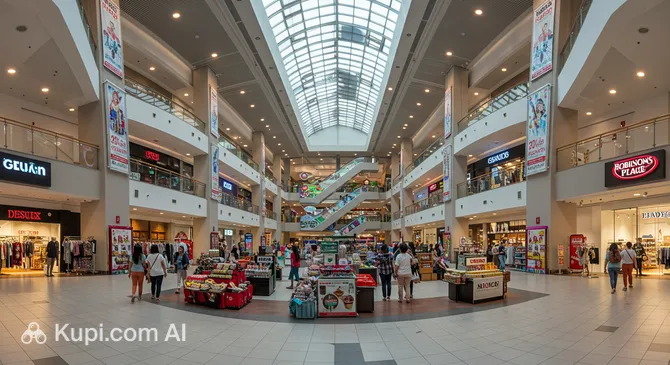
Shopping enthusiasts will find plenty to do at Place Butuan, a major lifestyle and commercial hub in the city. This modern shopping mall offers a wide array of retail stores, from popular fashion brands to specialty shops. It also features a diverse selection of dining options, making it a perfect destination for foodies looking to sample both international flavors and local Filipino dishes in a comfortable, air-conditioned setting.

Place Butuan. Source: Kupi.Binoculars

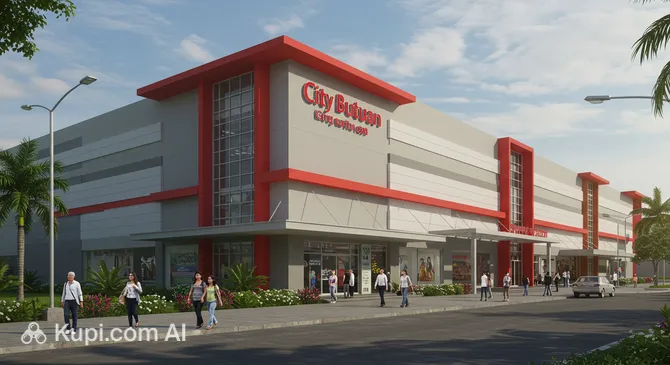
Another prominent destination for entertainment and leisure is the City Butuan Mall. As one of the city's bustling commercial centers, it provides a comprehensive shopping experience with its department stores and supermarkets. Visitors can catch the latest movies at the cinema or enjoy the various entertainment zones designed for all ages. It serves as a vibrant gathering place where the energy of modern Butuan is truly palpable.

City Butuan Mall. Source: Kupi.Binoculars

Beyond the modern attractions, no trip to the city is complete without acknowledging its rich heritage. The Butuan National Museum is an essential stop for history buffs. It houses the remains of the Balangay boats, the oldest watercraft found in the Philippines, which serve as a testament to the city's ancient maritime glory. Together with the nearby Balangay Shrine, these cultural landmarks offer a fascinating glimpse into the pre-colonial past of the region.

Local Cuisine

The culinary landscape of Butuan is a delightful reflection of its rich history and abundant natural resources, particularly the Agusan River and the surrounding sago palm forests. Food here is distinctively Mindanaoan, characterized by the use of coconut milk, spices, and fresh seafood, but the city boasts several unique delicacies that you will struggle to find anywhere else in the Philippines.

One of the absolute must-try items is Palagsing, a local delicacy that has become synonymous with Butuan. This sweet, unleavened cake is made from unaw (starch derived from the lumbia or sago palm), mixed with young coconut meat and brown sugar. Wrapped in banana leaves, it has a chewy texture and a distinct earthy sweetness. Another favorite snack or souvenir is Nilambiran, a special type of suman (sticky rice cake). What makes it unique is its two-toned appearance, created by twisting chocolate-flavored glutinous rice with the plain white variety, symbolizing a delicious blend of flavors.

For savory dishes, the city offers excellent versions of Kinilaw, a raw fish salad marinated in vinegar, citrus, ginger, onions, and chili. In this region, it is often prepared with tabon-tabon fruit or biasong (a local lime) to remove the fishy smell and enhance the flavor. Given the city's river location, freshwater fish and crustaceans also feature heavily on local menus, often cooked in rich coconut milk.

When it comes to drinks, the daring traveler should sample Laksoy. This is a potent local liquor distilled from the sap of the nipa palm. It is considered one of the signature products of Butuan and is known for its strong kick. It is widely available in local markets and is often sold in traditional glass bottles. For non-alcoholic options, fresh fruit shakes, particularly those made from durian or mango, are popular refreshments to beat the tropical heat.

The food scene in Butuan ranges from humble street food stalls to comfortable dining establishments. Locals often frequent the public markets for affordable and authentic meals. For a more relaxed atmosphere, you can visit Almont Inland Resort, which houses Manay Maling’s Restaurant. This spot is well-regarded for serving heritage dishes in a serene setting. Alternatively, for those who prefer a wide variety of choices in one location, the food courts and restaurants at Place Butuan offer a mix of local favorites and modern fast food, making it easy to explore different flavors in comfort.

Travel Tips

Welcome to Butuan, a city where ancient history meets modern Mindanaoan life. To help you navigate your journey through this historic trading hub with ease and confidence, we have compiled a list of essential practical tips.

  1. Clothing and Gear: Given the tropical climate, lightweight and breathable fabrics like cotton or linen are your best bet for staying comfortable. Since Butuan experiences significant rainfall throughout the year, especially in the afternoons, it is highly recommended to carry a compact umbrella or a light raincoat. If you plan to visit religious sites like the St. Joseph Cathedral, dress modestly by covering your shoulders and knees.

  2. Transportation: The most common way to get around the city center is by tricycle. These motorized rickshaws are color-coded (often orange in Butuan) and are perfect for short distances; just agree on the fare before hopping in. For longer trips or travel between the airport and downtown, multicabs (small jeepneys) and vans are widely available and affordable. Car rentals are available but generally not necessary unless you plan to explore remote areas of the Caraga Region on your own.

  3. Finances: The local currency is the Philippine Peso (PHP). While major hotels, shopping malls like Place Butuan, and upscale restaurants accept credit cards, cash is king in smaller establishments, local markets, and for transport fares. ATMs are plentiful in the city center and within malls. Tipping is not mandatory but is appreciated; leaving a small amount or rounding up the bill is a kind gesture for good service.

  4. Health and Safety: Butuan is generally a safe city for tourists, but standard precautions should always be taken; avoid displaying expensive jewelry or large amounts of cash in crowded areas. Pharmacies like Mercury Drug and Watsons are easy to find and stock most standard medications. It is advisable to drink bottled or purified water rather than tap water to avoid any stomach issues.

  5. Communication: English is widely spoken and understood, especially in business, hospitality, and by younger locals, so you will have no trouble communicating. The primary local language is Cebuano (Bisaya). Learning a simple "Salamat" (Thank you) goes a long way. SIM cards from major providers like Globe and Smart are readily available at the airport and convenience stores, ensuring you stay connected with 4G/LTE data.

  6. Local Etiquette: Filipinos are known for their hospitality and friendliness. A smile is the best greeting. When addressing elders or people you don't know, it is polite to use "Sir" or "Ma'am." If you are invited to a local's home, it is customary to leave your shoes at the door unless told otherwise. Patience is a virtue here; things may move at a more relaxed pace than you are used to, often referred to as "Filipino time."

  7. What to Avoid: Avoid losing your temper or raising your voice in public. Public displays of anger are considered disrespectful and cause the local person to "lose face," which can make resolving a situation much harder. Always maintain a calm and friendly demeanor, even during minor inconveniences.

  8. Local Insight: Don't leave the city without trying Palagsing. This local delicacy, made from unaw (sago starch) and young coconut, is a specialty of Butuan that is hard to find elsewhere. You can often buy it fresh early in the morning at the Langihan Public Market or from vendors near the museum.

By keeping these practical tips in mind, you are all set to enjoy the rich culture and warm hospitality of Butuan. Have a safe and memorable trip exploring the archaeological and natural treasures of this unique Philippine city!

Entertainment & Nightlife

While Butuan is celebrated for its archaeological treasures, the city also offers a lively array of modern entertainment options. Visitors looking to unwind after a day of historical exploration will find that the local lifestyle centers and leisure spots provide a perfect balance of relaxation and fun.

The city's modern shopping complexes serve as the primary hubs for social activity and entertainment. Place Butuan is a popular gathering spot that offers much more than just retail therapy. It frequently hosts live acoustic sessions, seasonal fairs, and community events, making it an excellent place to experience the vibrant local atmosphere in a contemporary setting.

For movie enthusiasts and families, City Butuan Mall is a top destination. It features modern cinemas screening the latest local and international films, offering a comfortable escape from the tropical heat. The mall also houses amusement centers and arcades, ensuring there are fun activities available for travelers of all ages.

If you prefer a more laid-back experience involving nature and water, Almont Inland Resort provides a refreshing alternative to the urban rush. Known for its inviting swimming pools and recreational facilities, it is a fantastic venue for a relaxing afternoon dip or a leisurely dinner by the water, allowing you to recharge without leaving the city limits.

Travelers visiting at the right time can also witness Butuan's grandest cultural entertainment. The Kahimunan Festival in January and the Balangay Festival in May transform the streets into colorful venues of street dancing, parades, and music, offering an immersive look into the region's spirited traditions.

Parks & Museums

While Butuan is rapidly modernizing, its true soul lies in its rich historical landscape and inviting green spaces. For travelers looking to step away from the commercial centers, the city offers a compelling mix of museums that safeguard its ancient maritime glory and parks that provide a breath of fresh air. Exploring these sites offers a deeper understanding of why this city was once a premier trading hub in Southeast Asia.

The crown jewel of the city's cultural offerings is the Butuan National Museum. This institution is an absolute must-visit for anyone interested in Philippine history. It houses an impressive collection of archaeological finds, including ancient ceramics, gold ornaments, and burial coffins. However, its most prized exhibits are the remains of the Balangay boats. These wooden watercraft, dating back as early as 320 AD, are the oldest known in the Philippines and serve as irrefutable proof of Butuan's pre-colonial status as a sophisticated maritime society.

To see where history was literally unearthed, head to the Balangay Shrine Museum in Barangay Libertad. Located at the actual excavation site, this museum provides a unique in-situ experience. Visitors can view the hull of a Balangay boat still embedded in the ground, offering a tangible connection to the past. It is a quiet, contemplative space that highlights the ingenuity of early Filipino boat builders and navigators.

In the heart of the city lies Guingona Park, the town's central plaza and a favorite gathering spot for locals. It is home to the Shrine of the Philippine Flag, commemorating the first formal raising of the flag in Mindanao. With its giant Acacia trees providing ample shade, it is a perfect spot for a leisurely stroll or to simply sit and observe the daily life of the Butuanons. In the evenings, the park often comes alive with lights and community activities.

For those seeking adventure amidst nature, Delta Discovery Park is a standout destination. Located in Barangay Bonbon, this hilly park is famous for having one of the longest ziplines in Asia. Beyond the adrenaline rush, it offers sweeping panoramic views of the city and the surrounding lush landscapes. It is a fantastic place for eco-tourism enthusiasts who want to combine outdoor fun with scenic beauty.

A short drive from the city center brings you to the Banza Church Ruins, a site that beautifully merges history with nature. These are the remains of the oldest stone church in Mindanao, built in 1625. Today, the ruins are famously embraced by a massive Balete (banyan) tree, creating a hauntingly beautiful and photogenic structure. It stands near the Agusan River, making it a serene location for reflection and photography.

For a truly authentic experience, try to visit the Agusan River promenade during sunset. While not a formal park, the riverbanks offer a raw and picturesque view of the lifeblood of the city. Watching the small boats glide over the water as the sun dips below the horizon provides a peaceful end to a day of exploration.

Getting Around

Navigating Butuan is a unique experience that relies heavily on road-based transportation rather than a centralized rail or metro system. The city does not have trains, trams, or a subway network. Instead, the streets are filled with a variety of local vehicles that are both efficient and culturally distinct. The most iconic and ubiquitous mode of transport here is the motorized tricycle. In this city, these vehicles are distinctively colored orange, making them easy to spot. They serve as the primary means of getting around the city center and into the immediate suburbs, functioning similarly to taxis but for shorter distances and at a much lower cost.

For longer journeys or travel between major districts, multicabs and jeepneys are the standard choices. Multicabs are smaller versions of the traditional Filipino jeepney and ply fixed routes throughout the city. They are particularly useful for reaching key destinations such as the airport, the Langihan Transport Terminal, and major shopping malls. These vehicles operate on a "hop-on, hop-off" basis, where you can board or alight anywhere along the designated route simply by signaling the driver.

The payment system across almost all public transport in the city is strictly cash-based. There are no electronic travel cards, tap-to-pay systems, or mobile ticket apps for local transit. Passengers pay directly to the driver or the conductor on board. The currency used is the Philippine Peso (PHP). Fares are very affordable; a standard tricycle ride within the city center typically costs a small fixed amount per person for shared rides, though the price increases if you hire the tricycle for a "special" or private trip. It is highly advisable to carry small bills and coins, as drivers often struggle to provide change for large banknotes.

For tourists, the best practical advice is to always confirm the fare before starting your journey, especially when taking a tricycle. If you are chartering the vehicle for a private ride (known locally as "pakyaw"), negotiation is common and expected. To stop a jeepney or multicab, you can simply say "para" (stop) or tap the roof or handrail. Operating hours are generally from early morning, around 5:00 AM, until roughly 9:00 PM or 10:00 PM. Transport becomes scarce late at night, so plan your evening activities accordingly.

If you prefer more comfort or are traveling with luggage, taxis are available, though they are less numerous than tricycles. They are generally metered, but it is always good practice to remind the driver to turn the meter on. Ride-hailing apps are not as dominant here as in the capital, so flagging down a taxi or arranging one through your hotel is often the most reliable method. Car rentals are also an option for those who wish to explore the surrounding province at their own pace, and parking is generally manageable within the city.

A unique feature of local transport is the habal-habal, or motorcycle taxi. These are often used to reach remote areas or tourist spots located outside the main city center that are inaccessible to four-wheeled vehicles. While they offer a fast way to cut through traffic or navigate rough terrain, safety gear can vary, so always look for drivers who provide helmets. Additionally, since the city is bisected by a major river, small motorized boats are sometimes used by locals to cross the water to specific barangays, offering a scenic, albeit rustic, alternative perspective of the area.

Accommodation

Accommodation:

Travelers visiting Butuan will find a practical and welcoming selection of accommodation options that cater to various needs. The city generally focuses on functionality and comfort rather than ultra-luxury, offering a good mix of reliable mid-range business hotels, budget-friendly inns, and spacious inland resorts. Whether you are in town for a historical tour or a business trip, you can expect warm local hospitality and clean facilities.

For those who prioritize convenience, the best area to stay is the city center (Downtown), particularly along or near J.C. Aquino Avenue and Montilla Boulevard. Staying in this area places you within easy reach of major shopping malls, the regional museum, and various dining establishments. It is also the most strategic location for accessing public transportation to explore the rest of the province. Alternatively, visitors seeking a quieter environment surrounded by nature often prefer the resorts located on the outskirts of the city proper.

A standout choice for travelers looking for a relaxing retreat is the Almont Inland Resort. Unlike typical city hotels, this establishment offers a resort-style atmosphere complete with swimming pools and lush gardens. It is well-regarded for providing a sense of tranquility while still being accessible from the city center, making it an excellent option for families or anyone wishing to unwind after a day of sightseeing.

Accommodation prices in Butuan are generally very affordable compared to the Philippines' major tourist hubs. Travelers can find comfortable mid-range rooms at reasonable rates, while backpackers have access to numerous budget lodges. While walk-ins are often possible at smaller inns, it is highly recommended to book in advance through online platforms if you plan to visit during the Kahimunan Festival in January or the Balangay Festival in May, as the best hotels tend to reach full capacity during these vibrant celebrations.

Nearby Cities

For those looking to explore the surroundings, Butuan serves as an excellent base for day trips to several interesting nearby locations:

Just a short drive north lies Cabadbaran, the capital of Agusan del Norte. This city is a delightful stop for history enthusiasts, boasting a collection of well-preserved ancestral houses that offer a peek into the region's colonial past. Beyond its heritage, it is known for its scenic inland resorts and proximity to Mount Hilong-Hilong, attracting hikers and nature lovers seeking adventure.

To the west, situated in the province of Misamis Oriental, is Gingoog. Often celebrated as the "City of Waterfalls," it is a paradise for outdoor adventurers. The area is home to numerous majestic cascades and cold springs, providing a refreshing escape into nature. Its unique location between the mountains and the sea ensures a pleasant climate and offers stunning natural vistas.

Heading south brings you to Bayugan, the "Cutflower Capital" of Agusan del Sur. This vibrant city is famous for its colorful festivals and thriving agricultural scene. It serves as a welcoming gateway to the lush landscapes of the interior province, making it a worthwhile destination for travelers interested in experiencing the local culture and the greener side of Mindanao.

City Population Distance (km)
San Miguel 172,073 46
Gingoog 136,698 51
Bayugan 109,499 35
Cabadbaran 80,354 19
Buenavista 68,892 15

These nearby destinations offer a glimpse into the diverse culture and landscapes of the region.

Shopping & Souvenirs

As the commercial and trading hub of the Caraga Region, Butuan offers a shopping experience that ranges from modern air-conditioned complexes to bustling traditional markets. The city serves as the primary retail center for neighboring provinces, meaning visitors can find a wide variety of goods, from international fashion brands to unique local handicrafts. Whether you are looking for the latest gadgets or hunting for regional delicacies, the city provides ample opportunities to satisfy your shopping needs.

The main artery for shopping in the city is J.C. Aquino Avenue. This major thoroughfare is lined with the city's largest commercial establishments, restaurants, and hotels, making it the most convenient area for tourists to explore. Walking or taking a short ride along this avenue will lead you to the most popular retail destinations, ensuring that you are never far from modern conveniences.

For a contemporary retail experience, Place Butuan is a favorite stop for both locals and travelers. This lifestyle center combines shopping with leisure, offering a curated selection of clothing boutiques, specialty shops, and dining outlets in a relaxed atmosphere. Another key destination is the City Butuan Mall, which provides a comprehensive department store experience, a supermarket for essentials, and various entertainment zones, making it a one-stop-shop for families and groups.

To experience the local pulse of the city, a visit to the Langihan Public Market is essential. This sprawling market is where the true commerce of the city happens. It is divided into sections selling fresh produce, meat, and dry goods. It is also the best place to find affordable local textiles and everyday items. The energy here is vibrant and offers a stark contrast to the quiet polish of the malls.

When it comes to souvenirs, Butuan has distinct offerings that reflect its culture. The most iconic item to bring home is Palagsing, a sweet delicacy made from sago starch and young coconut, which is unique to this area. You can also look for bottles of Laksoy, the potent local nipa palm liquor. For non-food items, look for handicrafts made from wood or abaca, or replicas of the Golden Tara and Balangay boats, which pay homage to the city's rich history.

Shopping hours in Butuan generally follow standard Philippine schedules. Malls typically open from 10:00 AM to 9:00 PM daily, while standalone shops may close earlier around 6:00 PM or 7:00 PM. Public markets are active from the very early hours of the morning until the evening. regarding payment, Cash is king in markets, small souvenir stalls, and for transport. However, major malls, supermarkets, and branded stores on J.C. Aquino Avenue widely accept credit and debit cards.

Regarding taxes, the Philippines has been working on implementing a Value Added Tax (VAT) refund system for international tourists, but it is best to check the latest status upon arrival. Generally, the displayed price on goods is inclusive of VAT (12%), so the price you see is the price you pay. Always keep your receipts, especially for significant purchases.

Reached the end of the page?

That means the route is fully explored