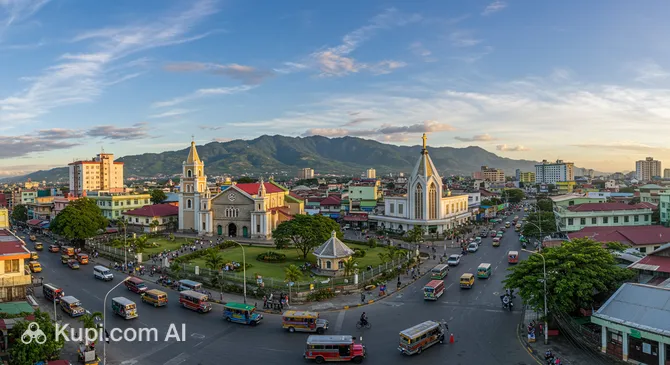
Welcome to Cagayan de Oro, a vibrant metropolis often affectionately known as the "City of Golden Friendship." Located along the northern coast of Mindanao, it serves as a dynamic regional center and a major gateway to the southern part of the Philippines. The city is celebrated for the genuine warmth and hospitality of its locals, creating an inviting atmosphere that blends urban energy with a relaxed provincial charm.
Cagayan de Oro. Illustration.
Source: Kupi.com AI
Geographically, the city is situated in the province of Misamis Oriental and is home to a growing population of approximately 728,000 residents. It sits strategically at the mouth of the Cagayan de Oro River, a waterway that defines much of the local landscape and tourism. While it is a modern, highly urbanized city today, it has deep roots. Travelers interested in understanding its transformation from a riverside settlement to a bustling economic hub can explore the history of Cagayan de Oro to appreciate its rich cultural heritage.
The city is perhaps best known as the whitewater rafting capital of the country. The rapids of the Cagayan de Oro River provide thrilling adventures ranging from beginner-friendly courses to challenging runs for experts. Beyond the water, visitors can enjoy the lush scenery at Mapawa Nature Park, which offers trekking and waterfalls, or visit the Seven Seas Waterpark for family-friendly entertainment. Whether you are seeking adrenaline-pumping activities or simply wish to experience the friendly local culture, Cagayan de Oro is a destination that should not be missed.
Weather Overview
Travelers visiting this region can expect a consistent tropical climate characterized by steady warmth throughout the year. The temperatures remain quite stable, with daily averages generally hovering between 24.8°C and 26.2°C. Nighttime lows typically settle around 23°C, while daytime highs reach up to 28°C, making for comfortable yet humid conditions. May is often the warmest month, while January and February are marginally cooler.
Rainfall is a frequent occurrence, so visitors should be prepared for wet conditions regardless of the season. The city experiences a high number of rainy days, ranging from 21 to 29 wet days per month, with October and December being particularly frequent in terms of precipitation events. To help plan your trip around these patterns, you can consult the detailed guide on the weather in Cagayan de Oro. Overall, expect warm days with a very high likelihood of rain, making a raincoat or umbrella an essential travel companion.
Average monthly temperature
Average monthly precipitation
Interesting Facts
Beyond the main attractions and the thrill of whitewater rafting, Cagayan de Oro holds many fascinating secrets that peel back the layers of its vibrant history and culture. From architectural marvels to the origins of its glittering name, here are some intriguing details about the city.
The city's name has a glistening origin story that was formalized in modern times. Although the area was called Cagayan de Misamis by Spanish colonizers, the "de Oro" suffix was only added in 1950. This change was made to celebrate the gold deposits historically found in the river and the nearby hills, permanently linking the city's identity to its mineral wealth.
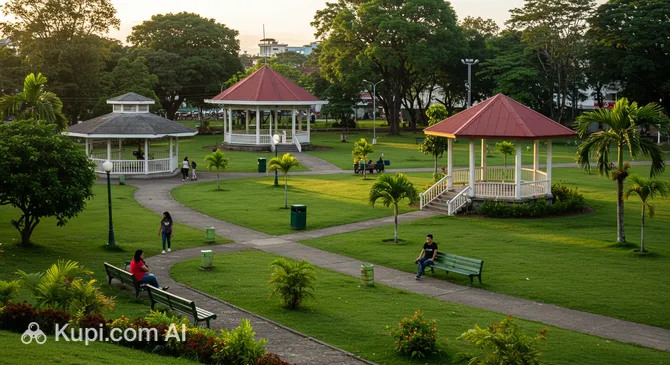
One of the city's most beloved landmarks, Gaston Park, has a storied past that goes far beyond leisure. Before becoming a peaceful public space with its famous dancing fountain, it served as the main town plaza during the Spanish era and was a significant historical site during the Philippine-American War.
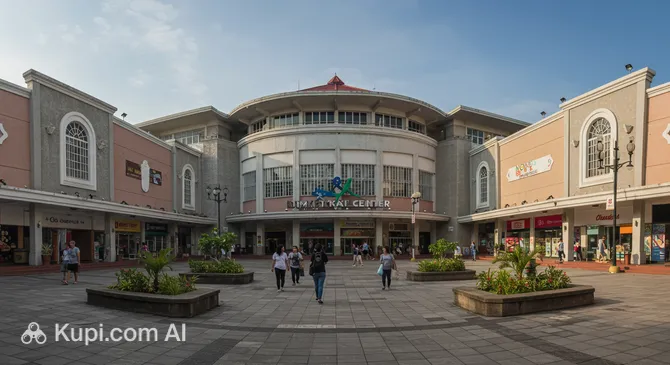
Shopping enthusiasts might be surprised to learn that Limketkai Center features a remarkable architectural feat. Its massive atrium is often cited as one of the largest in the Philippines, designed without a single central column to support its vast roof, creating an unobstructed and airy space.
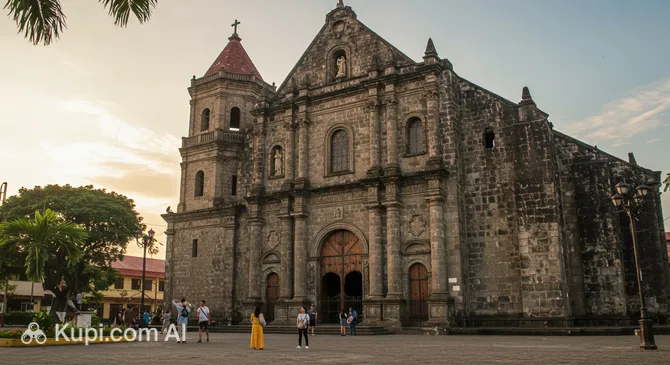
The St. Augustine Metropolitan Cathedral stands as a symbol of resilience. While the current structure is admired for its beautiful stained glass and Gothic-inspired design, it was actually rebuilt after the original 19th-century church was destroyed during the bombings of World War II.
Gaston Park. Illustration.
Source: Kupi.com AI
Traveler photos:
How to Get There
Reaching this vibrant city is relatively straightforward, with air travel being the most common and convenient method for international and domestic tourists. For a comprehensive guide on all available transport options, including routes and tips, you can read more about how to get to Cagayan de Oro on our detailed page.
The primary gateway for visitors is Laguindingan International Airport (CGY). While it serves as the main hub for Cagayan de Oro, it is located approximately 25.9 km from the city center. This is a major regional airport with high passenger traffic, connecting the area to key destinations like Manila and Cebu. Travel time from the airport to the downtown area is usually around 60 minutes by taxi or shuttle van.
If flights to Laguindingan are unavailable, you might consider alternative airports in neighboring cities, though they require longer ground or sea transfers. Mambajao airport (CGM) is located in Mambajao, about 85.8 km away (often involving a ferry crossing from Camiguin). Another option is Labo Airport (OZC) in the city of Ozamiz, situated roughly 95 km from Cagayan de Oro. Travelers landing here should be prepared for a longer journey to reach their final destination.
For clarity, here is a summary of the main airports:
Cagayan de Oro offers a diverse mix of historical landmarks, green spaces, and modern lifestyle hubs that reflect its dynamic character. Visitors can explore sites that tell the story of the city's resilience and faith, or simply relax in parks that serve as the community's living room.
A central figure in the city's religious life is the St. Augustine Metropolitan Cathedral. This iconic structure is renowned for its Gothic-inspired architecture and beautiful stained glass windows, which cast a colorful glow over the interior. It is a place of peace and reflection, standing as a testament to the enduring spirit of the locals, especially after its reconstruction following World War II.
St. Augustine Metropolitan Cathedral. Illustration.
Source: Kupi.com AI
Traveler photos:
For those who enjoy nature within the city, Vicente de Lara Park is a perfect stop. Located directly in front of the provincial capitol, this park is a popular recreational area shaded by towering mahogany trees. It provides a cool and inviting atmosphere for morning joggers, families having picnics, or travelers simply looking for a quiet bench to rest on during a busy day of sightseeing.
Travelers looking for a modern shopping and dining experience should visit Limketkai Center. As one of the largest commercial complexes in Mindanao, it offers a vast array of retail stores, entertainment options, and restaurants serving local delicacies. Its expansive atrium and unique design make it a landmark in its own right, buzzing with activity from morning until night.
Limketkai Center. Illustration.
Source: Kupi.com AI
Traveler photos:
Another significant spot is the Golden Friendship Park, situated in the heart of the Divisoria district. This plaza is dedicated to local heroes and serves as a historical marker for the city. Surrounded by the busy downtown area, it offers a glimpse into the heritage of Cagayan de Oro and stands as a symbol of the warm hospitality the city is famous for.
Local Cuisine
Local Cuisine:
The culinary scene in Cagayan de Oro is a delightful reflection of its location as a coastal trading hub, blending indigenous Mindanaoan flavors with Spanish influences and modern Filipino tastes. The city is a haven for food lovers, offering everything from fresh seafood to unique street food inventions that have become nationally famous.
You cannot visit the city without trying its signature dish, Sinuglaw. The name is a creative combination of two distinct cooking methods: sinugba (grilled pork belly) and kinilaw (raw fish marinated in vinegar, citrus, and spices). This dish perfectly balances the smoky, savory richness of the pork with the fresh, tangy kick of the fish ceviche, making it the ultimate appetizer or main course for locals.
For those with a sweet tooth, the famous Pastel is an essential treat. While it traces its roots to the nearby island of Camiguin, Cagayan de Oro has adopted it as its own, becoming the primary production hub. These are soft, fluffy buns traditionally filled with sweet yema (custard), though you can now find varieties filled with ube, chocolate, and cheese. It is the most popular pasalubong (souvenir gift) to bring home to family and friends.
To experience authentic heritage cuisine in a nostalgic setting, travelers should visit Cucina Higala. This restaurant is renowned for elevating traditional regional recipes and serving them in an ambiance that reflects the city's history. It is an excellent place to sample local favorites like Binaki (steamed sweet corn cakes wrapped in corn husks) or Humba (braised pork) in a comfortable, sit-down environment.
Cucina Higala. Illustration.
Source: Kupi.com AI
Traveler photos:
The city's street food culture is equally vibrant and best experienced after sunset. The areas surrounding Divisoria Plaza are often buzzing with activity, offering a variety of quick bites. Adventurous eaters should try Proben, a popular street snack made from the proventriculus of a chicken, dipped in flour and deep-fried until crispy. To wash it all down, locals typically enjoy ice-cold beers or fresh fruit shakes made from the region's abundant mangoes and pineapples.
Travel Tips
Visiting Cagayan de Oro is a delightful experience thanks to the genuine warmth of its people, but having a few logistical tricks up your sleeve will ensure your adventure is completely hassle-free. Here are some practical tips to help you navigate the "City of Golden Friendship" like a seasoned traveler.
Clothing and Gear: Since the weather is tropical and humid, pack lightweight, breathable fabrics like cotton or linen. A sturdy umbrella or a foldable raincoat is a must, as rain showers can occur suddenly throughout the year. If you plan to go whitewater rafting, bring a dry bag for your electronics and secure swimwear (rash guards are recommended). When visiting religious sites like the St. Augustine Metropolitan Cathedral, dress modestly by covering your shoulders and knees.
Transportation: The most iconic way to get around the city center is the Motorela, a unique vehicle specific to Cagayan de Oro that resembles a cross between a jeepney and a tricycle. For longer distances, colorful Jeepneys are the standard and affordable option. Taxis are widely available, and ride-hailing apps like Grab are reliable and safe for tourists. Car rental is generally not necessary unless you plan to explore remote areas of the province on your own.
Finances: The currency is the Philippine Peso (PHP). While credit cards are accepted in hotels, malls like Limketkai Center, and upscale restaurants, cash is king for local eateries, souvenir shops, and public transport. ATMs are plentiful in commercial areas. Tipping is not strictly mandatory but is highly appreciated; leaving 10% or rounding up the bill is a kind gesture for good service.
Health and Safety: Cagayan de Oro is one of the safer cities in the region, but standard travel precautions apply—keep an eye on your belongings in crowded places like Divisoria Plaza. Drink only bottled or purified water, never tap water. Pharmacies like Mercury Drug and Watsons are common, with many branches operating 24/7. Mosquito repellent is advisable if you are visiting nature parks or staying out late.
Communication: English is widely spoken and understood, so you will have no trouble communicating. The local language is Cebuano (often called Bisaya), not Tagalog, though most locals understand Tagalog as well. A simple "Salamat" (Thank you) goes a long way. You can easily buy a local SIM card (Globe or Smart) at the airport or any convenience store to stay connected, as free Wi-Fi is mostly limited to hotels and coffee shops.
Local Etiquette: The locals are known for their friendliness, so a smile is the best greeting. It is polite to address people as "Sir" or "Ma'am" unless told otherwise. When interacting with elders, the gesture of pagmamano (taking the elder's hand to your forehead) is a sign of respect, though a polite nod is sufficient for tourists. Patience is a virtue here; life moves at a more relaxed pace than in Manila.
What to Avoid: Avoid losing your temper or raising your voice in public. Filipinos value "saving face" and social harmony, so public displays of anger are considered very rude and counterproductive. Also, avoid assuming everyone speaks Tagalog as their first language; while they understand it, they take pride in their local Cebuano heritage.
Additional Tip: If you plan to experience the famous whitewater rafting, book your slot in advance, especially during weekends or holidays. Most packages include pick-up from the city center, so you don't need to worry about navigating to the river put-in point yourself.
By keeping these practicalities in mind, you can focus less on logistics and more on the thrilling rapids and warm smiles that make Cagayan de Oro such a memorable destination. Enjoy your journey through the heart of Northern Mindanao!
Entertainment & Nightlife
As the sun sets over Northern Mindanao, Cagayan de Oro transforms from a busy trade hub into one of the most vibrant nightlife destinations in the region. The city offers a diverse after-dark scene that caters to everyone, from those seeking high-energy dance clubs to travelers looking for a relaxed evening of acoustic music and excellent food.
The heartbeat of the city's nightlife is undoubtedly Corrales Avenue. This strip is lined with an eclectic mix of gastropubs, open-air bars, and KTV lounges. It is home to the famous "Lifestyle District," a compound dedicated entirely to dining and entertainment where you can find live bands playing everything from reggae to pop rock. For a high-energy clubbing experience, venues like Pulse Live Music Venue on Tiano Brothers Street attract a younger crowd ready to dance until the early hours. The atmosphere here is energetic but friendly, reflecting the city's moniker as the "City of Golden Friendship."
For a more local and grounded experience, head to the area surrounding Divisoria Plaza. While historically known as the town center, at night it becomes a bustling hub for street food and casual gatherings. On weekends, the streets often fill with locals enjoying grilled favorites and affordable cold drinks. It is the perfect place to immerse yourself in the local culture without the need for a dress code or an expensive cover charge.
Divisoria Plaza. Illustration.
Source: Kupi.com AI
Traveler photos:
If you prefer a more polished evening entertainment experience, Downtown Premier is an excellent choice. This modern lifestyle hub offers more than just shopping; it features a state-of-the-art cinema (including a Director's Club for a premium movie experience), a bowling center, and a Sky Garden that provides a refreshing spot for evening relaxation. It serves as a great starting point for the night before heading to the busier bar districts.
Downtown Premier. Illustration.
Source: Kupi.com AI
Traveler photos:
Practical Nightlife Tips:
Timing: Bars and pubs usually start filling up around 9:00 PM, with the peak party hours occurring between 11:00 PM and 1:00 AM, especially on Fridays and Saturdays.
Dress Code: Most bars and the Lifestyle District have a "smart casual" dress code. Avoid wearing flip-flops or sleeveless shirts if you plan to enter the clubs. For Divisoria, casual wear is perfectly acceptable.
Getting Around: Taxis are plentiful and generally safe at night. Ride-hailing apps like Grab are also available and are recommended for tourists for convenience and transparent pricing.
Safety: The main nightlife areas are well-lit and populated, making them safe for walking. However, as in any city, it is wise to stay in groups and keep an eye on your belongings.
While the nights are for partying, the days in Cagayan de Oro offer their own excitement. Before the sun goes down, you can explore the city's rich culture at the Museo de Oro or enjoy family-friendly thrills at the Seven Seas Waterpark. Whether you are rafting down the river by day or dancing on Corrales Avenue by night, the city ensures your itinerary is always full.
Parks & Museums
While Cagayan de Oro is famous for its adrenaline-pumping adventures, the city also offers serene green spaces and rich cultural repositories that provide a deeper understanding of its heritage. For travelers seeking a break from the urban bustle or a lesson in local history, the city's parks and museums serve as perfect sanctuaries.
One of the most prominent green spaces in the city center is Vicente de Lara Park. Located right in front of the Misamis Oriental Provincial Capitol, this park is a favorite among locals for morning jogs and leisurely afternoon strolls. Shaded by ancient mahogany trees, it offers a cool respite from the tropical heat and serves as a venue for various cultural events and government programs. It is an excellent spot to observe the daily life of the residents in a relaxed setting.
Vicente de Lara Park. Illustration.
Source: Kupi.com AI
Traveler photos:
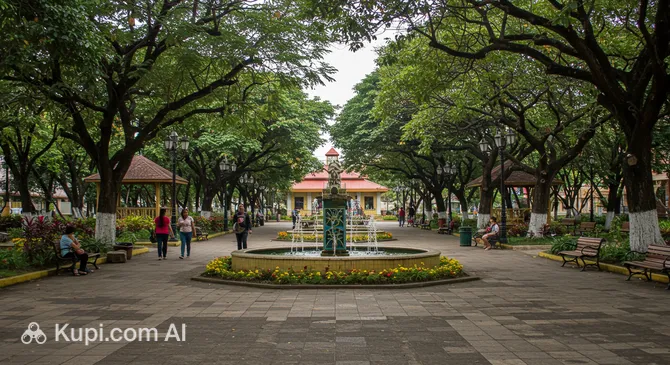
Another significant public space is Golden Friendship Park, situated in the heart of the Divisoria district. This plaza is not just a recreational area but a historical landmark dedicated to national and local heroes. It stands as a reminder of the city's patriotic spirit and is often the site of flag-raising ceremonies and public gatherings. Its central location makes it an easy stop for tourists exploring the downtown area.
Golden Friendship Park. Illustration.
Source: Kupi.com AI
Traveler photos:
For those interested in active recreation, the Pelaez Sports Center is a key facility. It is the oldest sports complex in Northern Mindanao and features a large track and field oval, swimming pools, and courts. It is open to the public for jogging and exercise, making it a hub for fitness enthusiasts and a testament to the city's support for athletic development.
Pelaez Sports Center. Illustration.
Source: Kupi.com AI
Traveler photos:
When it comes to museums, Cagayan de Oro boasts institutions that vividly narrate the region's diverse history. The Museo de Oro, located within the Xavier University campus, is a must-visit for culture buffs. It houses an extensive collection of artifacts from the pre-colonial era, including burial jars and archaeological finds from Huluga Cave. The museum also features an ethno-history section dedicated to the indigenous tribes of Mindanao, offering a profound look into the island's roots.
Another cultural gem is the Museum of Three Cultures at Capitol University. This gallery is unique in its mission to showcase the harmonious coexistence of the three dominant cultural groups in Mindanao: the indigenous Lumads, the Maranao Muslims, and the Christian settlers. The exhibits include intricate textiles, musical instruments, and religious artifacts that highlight the rich tapestry of the island's heritage.
For a mix of history and nature, visitors should consider a trip to the Macahambus Hill and Cave. This site is historically significant as the location of the Battle of Macahambus Hill, where Filipino revolutionaries won a victory against American forces in 1900. Today, it offers a scenic view of the Cagayan River and a chance to walk through the cave that once served as a fortress.
Insider Tip: If you are looking for a scenic view to end your day, head up to High Ridge or Eden's Solace in Upper Macasandig. These spots are not traditional parks but offer panoramic views of the city skyline, especially beautiful at sunset. It is a quiet escape where you can enjoy the cool breeze and watch the city lights twinkle below.
Getting Around
Navigating Cagayan de Oro is an adventure in itself, thanks to its unique and accessible public transport options. The most iconic vehicle you will encounter here is the Motorela, a local invention that combines the features of a motorcycle and a jeepney. These distinctively designed tricycles are the kings of the city center's side streets, capable of carrying around six to eight passengers for short distances. They are not just a mode of transport but a cultural symbol of the city's ingenuity.
For traveling longer distances along main avenues and highways, Jeepneys and Multicabs are the primary choices. These vehicles follow specific routes, which are usually painted on their sides or displayed on signboards on the windshield. They connect the downtown area to major districts, commercial centers like Limketkai, and the Agora Market Terminal. While they typically do not have air conditioning, the open windows provide a breezy ride, offering an authentic local experience.
Payment in public transport is almost exclusively cash-based. There are no travel cards or automated ticketing systems for motorelas and jeepneys. Fares are very affordable, with a minimum ride typically costing a small amount in local currency (around 15-20 PHP). Passengers pay by handing coins or small bills directly to the driver or passing them forward through other passengers, a practice known locally as "bayad." It is highly recommended to carry smaller denominations and coins, as drivers often struggle to change large bills.
For tourists seeking more comfort or a direct route, taxis are widely available and generally reliable. They are air-conditioned and use a meter system. Alternatively, ride-hailing apps like Grab operate within the city, allowing you to book a car or a taxi with transparent pricing and the convenience of cashless payment via credit card or the app's wallet. This is often the best choice for travelers carrying luggage or those unfamiliar with street names.
Public transport operates from early morning until late at night, though the frequency of jeepneys and motorelas decreases significantly after 10:00 PM. To stop a vehicle, simply wave your hand from the side of the road. When you are ready to get off, say "Lugar lang" (Stop here) or tap the roof of the vehicle. While the system is informal, locals are incredibly helpful; do not hesitate to ask a fellow passenger or the driver if the vehicle is headed to your destination.
Accommodation
Finding the perfect place to stay in Cagayan de Oro is relatively easy, as the city offers a wide spectrum of accommodation options to suit every travel style and budget. The hospitality landscape ranges from economical backpacker hostels and pension houses to mid-range business hotels and upscale lifestyle resorts. Whether you are in town for a quick business trip, a whitewater rafting adventure, or a leisurely family vacation, there is a comfortable room waiting for you.
For travelers who want to be in the center of the action, the downtown area surrounding Divisoria Plaza is the most convenient choice. Staying here places you within walking distance of historical landmarks, street food markets, and the bustling night market. It is an excellent base for those who rely on public transport, as jeepneys and motorelas are readily available. Alternatively, visitors seeking a more modern and polished environment often prefer the district around Limketkai Center. This area is home to several larger hotels that offer direct access to shopping malls, cinemas, and a variety of dining establishments, making it ideal for leisure travelers who prioritize convenience and comfort.
The price range for accommodations in Cagayan de Oro is generally very reasonable compared to major capital cities. Budget travelers can find clean and safe pension houses or hostels for a very low cost, often with basic amenities like air conditioning and Wi-Fi. Mid-range hotels, which make up the bulk of the city's options, typically offer breakfast buffets and swimming pools. While there are fewer ultra-luxury resorts within the city limits, the "Uptown" area offers quieter, high-quality stays that provide a retreat from the urban noise.
Booking Tip: While it is usually possible to find a room upon arrival, it is highly recommended to book your accommodation in advance if you plan to visit during the Higalaay Festival in August. During this month-long celebration, hotels fill up quickly with both domestic and international tourists. Most establishments are listed on major online booking platforms, which is the most reliable way to secure your reservation and check for current deals.
Nearby Cities
For those looking to explore the surroundings, Cagayan de Oro serves as an excellent base for day trips to several interesting nearby locations:
One of the most popular excursions is to Manolo Fortich, located in the neighboring province of Bukidnon. Just a short drive away, this town offers a refreshing escape with its cooler climate and scenic landscapes. It is famous for the Dahilayan Adventure Park, which features one of Asia's longest dual ziplines, and the vast Del Monte Pineapple Plantation, where visitors can enjoy the sight of endless fields of greenery.
Another significant destination is El Salvador City, situated to the west of Cagayan de Oro. This city is best known as a pilgrimage site due to the Divine Mercy Shrine. The shrine complex features a towering 50-foot statue of the Divine Mercy, which overlooks Macajalar Bay, offering a peaceful atmosphere for reflection and beautiful views of the coast.
For those interested in a quick seaside getaway, Opol is an accessible option. Located very close to the city limits, it is known for its beaches and seaside cottages where locals enjoy fresh seafood. It provides a relaxed setting for a simple day by the water without venturing too far from the city center.
City
Population
Distance
Libona
48 965
13 km
Opol
66 327
15 km
El Salvador City
58 771
16 km
Tagoloan
80 319
17 km
Villanueva
40 419
18 km
These nearby destinations offer a glimpse into the diverse culture and landscapes of the region.
Shopping & Souvenirs
Shopping in Cagayan de Oro is a delightful mix of modern convenience and traditional charm, reflecting its status as the commercial hub of Northern Mindanao. Visitors can easily transition from browsing high-end international brands in sprawling air-conditioned malls to haggling for local handicrafts in bustling street markets. Whether you are looking for the latest fashion trends or authentic regional delicacies to take home, the city offers a diverse retail landscape that caters to every budget.
For a comprehensive shopping experience, Limketkai Center is the undisputed go-to destination. As one of the largest shopping complexes in the region, it houses a vast array of department stores, boutiques, and specialty shops within its massive complex. It is more than just a place to buy goods; it is a lifestyle center where locals gather. Just a short distance away, Downtown Premier offers a more upscale and contemporary vibe, featuring a curated selection of global brands and a sleek design that appeals to the modern traveler.
If you prefer a more authentic, street-level atmosphere, the district surrounding Divisoria Plaza is the place to be. This area serves as the city's downtown heart and is lined with smaller shops, ukay-ukay (thrift stores), and stalls selling affordable clothing and accessories. It is particularly vibrant in the late afternoon and evening, where the energy of the city is most palpable. Exploring these streets offers a chance to find unique bargains and observe the daily commerce of the locals.
For a taste of local life and fresh produce, a visit to Cogon Market is essential. As the city's main public market, it is a sensory overload of sights and smells, offering everything from fresh tropical fruits like lanzones and durian to locally woven textiles. It is the best place to find indigenous handicrafts and materials that represent the rich culture of Mindanao, often at prices much lower than in the malls.
When it comes to souvenirs, no trip to Cagayan de Oro is complete without buying a box of Pastel. These soft, sweet buns filled with yema (custard) are the region's most famous delicacy and make for a perfect gift. You should also look for Malong, a traditional tube skirt made of multi-colored cotton cloth, which is both beautiful and functional. Roasted cashew nuts from the nearby province are another popular item to pack in your luggage.
Most shopping malls and department stores operate daily from 10:00 AM to 9:00 PM, though hours may extend during holidays. Major establishments accept credit cards and mobile wallet payments, but cash is still the preferred method of payment in public markets, small boutiques, and souvenir stalls around Divisoria. It is advisable to carry smaller denominations when shopping in these traditional areas to make transactions smoother.
Regarding taxes, the Philippines has been moving towards implementing a VAT refund system for foreign tourists. While this is becoming more available, it is best to inquire at the customer service counters of large department stores or major malls like Limketkai Center to check if they participate in the tax-free scheme. Be sure to keep your receipts and have your passport handy if you plan to claim any applicable refunds upon departure.