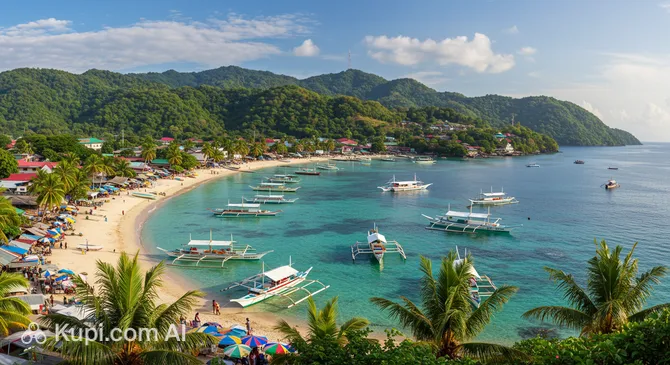
Shopping in Mambajao is a laid-back and authentic experience that reflects the simple island lifestyle of Camiguin. Unlike major metropolitan cities filled with high-end luxury boutiques and sprawling retail complexes, the shopping scene here is focused on essentials, local craftsmanship, and unique regional delicacies. Visitors will find that the charm of shopping in this municipality lies in discovering small, family-run businesses and interacting with friendly local vendors rather than browsing international fashion brands.
The primary commercial hub is located in the Poblacion (town center), particularly along the streets surrounding the public market and the municipal hall. This area serves as the main artery for trade, lined with general merchandise stores, pharmacies, hardware shops, and souvenir stalls. It is best to explore this district on foot, allowing you to weave in and out of the small establishments that sell everything from beach gear to native handicrafts.
While you will not find massive shopping complexes, Gaisano Capital Camiguin stands as the most significant modern retail establishment in town. It functions as a department store and supermarket, providing tourists with a convenient spot to purchase groceries, toiletries, clothing, and travel necessities. For many visitors, this is the go-to place for stocking up on supplies before heading to the beach resorts or hiking trails.
For a taste of local culture, the Mambajao Public Market is an unmissable stop. It is the beating heart of the town's daily life, bustling with activity from early morning. Here, you can find fresh tropical fruits, locally caught seafood, and vegetables. It is also a great place to hunt for inexpensive native woven products and simple beachwear. The market offers a vibrant atmosphere where you can observe the daily rhythm of the Camiguinons.
When it comes to souvenirs, Mambajao is famous for its culinary treasures. The absolute must-buy item is Pastel de Camiguin, a soft bun filled with sweet yema (custard). The most famous brand, Vjandep, has its roots here, and buying a box freshly made is a highlight for many. Another top souvenir is the Lanzones fruit, especially during the harvest season in October, known for being the sweetest in the country. You can also find locally made tablea (cacao tablets) and handicrafts made from nito vine or coconut shells.
Stores in Mambajao generally operate on a traditional schedule. Most small shops and the public market open early, around 6:00 AM or 7:00 AM, and close by 6:00 PM or 7:00 PM. Larger establishments like the supermarket may stay open until 8:00 PM, but nightlife shopping is virtually non-existent. Cash is king throughout the town. While the main department store and a few souvenir shops may accept credit cards or e-wallets, the vast majority of vendors, especially in the market, strictly require Philippine Pesos.
Regarding tax-free shopping, tourists should be aware that the Philippines is currently developing a VAT refund system for foreign visitors, but it is primarily targeted at major international retailers in large cities like Manila or Cebu. In a small provincial town like Mambajao, tax-free shopping infrastructure is not available. Visitors should expect to pay the standard prices displayed, which are already generally affordable compared to major urban centers.