Support

Tacloban

About

Tacloban serves as the vibrant gateway to Eastern Visayas, offering a blend of urban energy and scenic beauty. As the provincial capital of Leyte, this port city is a bustling hub of commerce and culture, home to approximately 251,881 residents who are known for their warmth and resilience.

Situated in the eastern part of the Philippines, the city sits along the shores of Cancabato Bay. Its strategic location makes it a vital point for transportation and trade within the archipelago, while travelers enjoy its warm, tropical climate which is perfect for exploring the outdoors throughout much of the year.
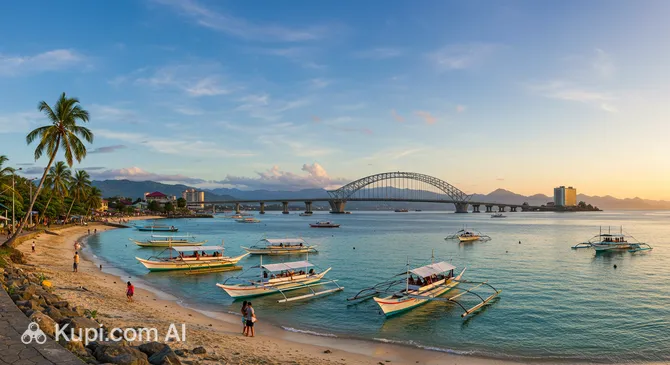
Tacloban. Source: Kupi.Binoculars

Exploring the streets reveals the fascinating history of Tacloban, from its early days as a small fishing village to its rise as a significant urban center. The city is deeply connected to its past, yet it pulses with modern life, particularly during the colorful Pintados-Kasadyaan Festival which celebrates the region's rich heritage.

One of the city's most iconic landmarks is the magnificent San Juanico Bridge, known as the longest bridge in the country spanning a body of seawater, which connects Leyte to the neighboring island of Samar. Visitors are also drawn to the Santo Niño Shrine and Heritage Museum, a grand mansion that houses a vast collection of art, antiques, and religious artifacts, offering a unique glimpse into local craftsmanship and culture.

Whether you are passing through on an island-hopping adventure or staying to explore the local sights, Tacloban provides a welcoming atmosphere and a distinct local charm. It is an excellent starting point for discovering the natural wonders and cultural treasures of the Leyte province.

Weather Overview

Tacloban experiences a consistent tropical climate characterized by warm temperatures and high humidity throughout the year. Regardless of when you visit, the weather remains generally hot, making it ideal for those who enjoy a sun-soaked atmosphere, though travelers should always be prepared for showers. For a more detailed breakdown of conditions during your intended stay, you can consult the guide to weather in Tacloban.

Temperatures in the city are quite stable, with monthly averages fluctuating only slightly. May is typically the warmest month, with an average temperature of 28.1°C and highs reaching up to 30.3°C. January is generally the coolest time of the year, though it remains pleasant with an average of 26.3°C and minimums around 24.4°C. This consistent warmth means lightweight, breathable clothing is suitable for any month.

Rainfall is a frequent occurrence in Tacloban, with a high number of wet days recorded across the calendar. The data suggests that rain is common even in the relatively drier months like March, which sees about 19 wet days, while October can experience precipitation on up to 30 days. Expect warm weather year-round with regular chances of rain, so packing an umbrella or raincoat is highly recommended.

Interesting Facts

Beyond the main attractions, Tacloban holds many fascinating secrets and historical footnotes that define its unique character. This city is not just a gateway to Eastern Visayas but a place with a storied past and resilient spirit, filled with stories that often surprise visitors.
  • The name "Tacloban" traces its roots to the local word "taklub," a bamboo contraption traditionally used by fishermen to catch crabs and shrimp. The area was originally referred to as "tarakluban," meaning the place where these devices are used, which eventually evolved into the city's modern name.

  • While Manila is the well-known capital, Tacloban briefly held the title of the national capital of the Philippines. From October 1944 to February 1945, during the liberation period of World War II, the city served as the temporary seat of the Commonwealth government under President Sergio Osmeña.

  • The city's patron saint, the Santo Niño, is surrounded by a miraculous legend known as "El Capitan." According to local lore, the revered statue was lost at sea in 1889 while being transported to Manila for restoration. Months later, the crate containing the image was reportedly found floating off the coast of Mindoro and was triumphantly returned to Tacloban.

  • A poignant symbol of the city's resilience is the M/V Eva Jocelyn, a massive cargo vessel that was swept inland by the storm surge of Super Typhoon Haiyan in 2013. The ship's bow has been preserved and transformed into a memorial park in the Anibong district, standing as a tribute to the strength and survival of the local community.

How to Get There

Traveling to this part of the Philippines is relatively easy, with air travel being the most efficient method for the majority of visitors. For those planning their journey, you can find more about how to get to Tacloban, including details on land and sea connections.

The city is primarily served by D. Z. Romualdez Airport (TAC), which is conveniently located within Tacloban itself. It is a busy regional hub connecting the city to Manila and Cebu. The airport is situated approximately 7.8 km from the downtown area, and a trip by taxi or shuttle usually takes about 32 minutes. Given its significant passenger volume, it is well-equipped to handle the influx of tourists and locals alike.

For international travelers, Mactan-Cebu International Airport (CEB) serves as a major alternative gateway. Located in Cebu City, roughly 150 km away, it is a large international airport offering numerous global connections. While it is on a neighboring island, many visitors choose to fly into Cebu and then take a connecting flight or a fast ferry to reach Leyte.

For clarity, here is a summary of the main airports:

Airport Name City Passenger Traffic Km from City
Mactan-Cebu International Airport Cebu City Very Large 149.9
D. Z. Romualdez Airport Tacloban Large 7.8
Masbate Airport Masbate City Medium 190.5
Catarman National Airport Catarman Medium 142.7
Surigao Airport Surigao Small 174.7

Beyond air travel, Tacloban is a key transportation hub in the Eastern Visayas region. It is accessible by land via the Pan-Philippine Highway, with buses and ferries frequently arriving from Luzon and Mindanao. The San Juanico Bridge also provides a scenic land route connecting the city to the island of Samar.

Main Attractions

Tacloban offers a compelling mix of historical landmarks, architectural marvels, and modern lifestyle hubs. While the city is deeply rooted in history, it also embraces development, providing visitors with a variety of interesting stops during their stay.

One of the most recognizable symbols of the region is the San Juanico Bridge. Stretching over 2 kilometers across the San Juanico Strait, it connects the islands of Leyte and Samar. It is famous not only for its length but for its graceful shape, which forms the letters "L" and "S" when viewed from above. Tourists often stop here to walk along the span, enjoying panoramic views of the whirlpools in the strait below and the lush scenery of the surrounding islands.

For those interested in culture and history, the Santo Niño Shrine and Heritage Museum is a must-visit. This imposing structure was originally built as a presidential rest house and now serves as a museum showcasing a lavish collection of Filipino art, Chinese porcelain, and European antiques. Each room is thematically designed, featuring intricate wood carvings and dioramas that offer a glimpse into the opulent lifestyle of the past and the artistic heritage of the region.

North Tacloban Mall. Source: Kupi.Binoculars

Travelers looking for a modern break from sightseeing can head to the North Tacloban Mall. As a contemporary shopping destination, it offers a variety of retail stores, dining options, and entertainment facilities. It is a convenient spot to cool off, sample local and international cuisines, or pick up travel essentials while experiencing the city's growing urban development.

Just a short distance from the city center in the neighboring town of Palo, you will find the MacArthur Landing Memorial National Park. This historical site marks the spot where General Douglas MacArthur fulfilled his promise to return to the Philippines during World War II. The park features larger-than-life bronze statues of MacArthur and his entourage standing in a shallow pool, immortalizing the moment of their arrival. It is a popular spot for picnics and reflection on the region's significant role in world history.

Another unique site within the city is the M/V Eva Jocelyn Shrine in the Anibong district. This memorial is built around the bow of a cargo ship that was washed ashore during Super Typhoon Haiyan. It stands as a powerful testament to the strength of nature and the resilience of the Taclobanon people, serving as a quiet place for remembrance and a reminder of the city's ability to rebuild and move forward.

Local Cuisine

The culinary landscape of Tacloban offers a delightful journey into Waraynon culture, characterized by a love for root crops, fresh seafood, and distinctively sweet native delicacies. Food here is not just sustenance but a reflection of the region's agricultural abundance and coastal geography. A visit to the city is incomplete without exploring its unique flavors, which range from rich, coconut-based desserts to savory dishes fresh from the ocean.

Among the most iconic treats you must try is Binagol. This sweet, sticky pudding is made from talyan (a type of giant taro), coconut milk, and sugar, all packed into a polished coconut shell and covered with banana leaves. It is a symbol of Leyte and makes for a perfect souvenir. Another local favorite is Moron (Chocolate Moron), a soft, sticky rice cake cooked with coconut milk and cocoa, spiraled into a chocolate-vanilla pattern and wrapped in banana leaves. For a savory option, the local Kinilaw (fresh raw fish marinated in vinegar, calamansi, and spices) highlights the freshness of the catch from the nearby waters.

When it comes to beverages, the locals have a traditional drink known as Tuba. This is a potent coconut wine harvested from the sap of coconut palms. In Leyte, it is often colored a deep red using the bark of the mangrove tree, giving it a distinct appearance and flavor profile. For those preferring non-alcoholic refreshments, fresh Buko juice (coconut water) is widely available and provides a cooling respite from the tropical heat.

The food culture in Tacloban is vibrant and unpretentious. Locals often frequent "dampa" style eateries where you can pick fresh seafood and have it cooked to your liking. As the sun sets, barbecue stalls pop up along the streets, offering grilled meats and a lively atmosphere. For travelers seeking a more familiar or air-conditioned dining experience, the North Tacloban Mall hosts a variety of restaurants and food stalls that serve both local Filipino favorites and international dishes, making it a convenient stop for a meal after a day of sightseeing.

Travel Tips

Welcome to Tacloban! To ensure your visit to this resilient and warm-hearted city is as smooth and enjoyable as possible, we have compiled a list of essential travel advice. Keeping these practical tips in mind will help you navigate the local culture and logistics with ease, allowing you to focus on creating wonderful memories.

  1. Clothing and Gear: Given the tropical climate, lightweight and breathable fabrics like cotton or linen are your best bet to stay cool. Since rain can occur unexpectedly even during warmer months, it is highly recommended to carry a compact umbrella or a light raincoat. If you plan to visit religious sites such as the Santo Niño Church, remember to dress modestly; avoid sleeveless tops and short shorts to show respect.

  2. Transportation: The most common way to get around the city is by tricycle (a motorcycle with a sidecar). They are perfect for short distances; just be sure to agree on the fare beforehand or ask a local for the standard rate. For longer trips or travel between towns, jeepneys are an affordable and iconic option. Taxis are available but are less numerous than in major capitals, so you might need to head to designated stands at malls or the airport.

  3. Finances: The local currency is the Philippine Peso (PHP). While credit cards are accepted in major hotels, shopping malls, and upscale restaurants, cash is king in Tacloban. You will need small bills and coins for tricycles, local markets, and small eateries. ATMs are widely available in the city center and within shopping complexes, but it is wise to withdraw enough cash before heading to more remote areas.

  4. Health and Safety: Tacloban is generally a safe city for tourists, but standard precautions like keeping an eye on your belongings in crowded areas apply. It is advisable to drink bottled or purified water rather than tap water to avoid stomach issues. Pharmacies like Mercury Drug and Watsons are common in the city center, with some branches operating 24/7 for any medical needs.

  5. Communication: English is widely spoken and understood, making it very easy for international travelers to communicate. The local language is Waray-Waray, though most locals also speak Tagalog (Filipino). Learning a few basic words like "Salamat" (Thank you) or "Maupay nga aga" (Good morning) will go a long way in connecting with the friendly locals. SIM cards are readily available at the airport and convenience stores.

  6. Local Etiquette: The people of Tacloban are known for their hospitality and resilience. A smile is the best greeting. When interacting with elders, you may observe the "Mano" gesture (taking an elder's hand to one's forehead), which is a sign of respect, though a polite nod is sufficient for tourists. It is also polite to remove your shoes before entering a private home unless told otherwise.

  7. What to Avoid: Be mindful and respectful when visiting memorials related to Super Typhoon Haiyan (Yolanda). This is a deeply emotional part of the city's recent history; avoid making loud noises, joking, or taking inappropriate "selfies" at these solemn sites. Additionally, avoid raising your voice or displaying visible anger in public, as this is considered rude and can cause a loss of face for everyone involved.

  8. Shopping Tip: For the best souvenirs, head to Zamora Street. This area is famous for shops selling local delicacies like Binagol and Moron. It is the perfect place to buy authentic "pasalubong" (gifts) to bring home to friends and family, often at better prices than at the airport.

By following these simple guidelines, you will be well-prepared to experience the true charm of Tacloban. Embrace the local lifestyle, enjoy the delicious food, and let the warmth of the "City of Love" make your trip truly unforgettable.

Entertainment & Nightlife

When the sun sets over Leyte, Tacloban transforms from a busy commercial hub into a lively city with a relaxed and welcoming nightlife scene. Unlike the high-energy clubbing atmosphere found in Manila or Cebu, the evening vibe here is more about good conversation, cold drinks, and live music. The locals love to socialize, and you will often find them gathering at open-air grills and restobars to unwind after a long day.

The heart of the city's nightlife is undoubtedly Burgos Street. This district is lined with a variety of establishments ranging from coffee shops that stay open late to energetic bars featuring local bands. It is the best place to experience the local "acoustic" culture, where talented singers perform covers of classic and contemporary hits. Popular spots like Calle Z are institutions in the area, famous not just for their crispy "bulalo" and beer, but for providing a consistent venue for live entertainment and a bustling crowd.

For those who prefer a refreshing sea breeze with their evening meal, Magsaysay Boulevard is the place to be. Stretching along the coast, this area comes alive at night with barbecue stands and outdoor tables. It offers a more laid-back atmosphere where you can enjoy grilled seafood and "pulutan" (bar snacks) while watching the lights reflect on the water. It is a favorite spot for groups of friends and families looking for an affordable and cheerful night out.

If you are looking for a more modern and air-conditioned environment, the North Tacloban Mall is a key destination for evening leisure. Apart from its retail options, the mall houses a cinema where you can catch the latest blockbuster movies. It also offers a variety of dining options that remain open into the evening, making it a convenient stop for a late dinner or a safe and comfortable place to hang out before heading back to your hotel.

Regarding practicalities, the nightlife in Tacloban is generally casual. There is rarely a strict dress code, so shorts and t-shirts are perfectly acceptable in most bars and grills. Prices are very affordable compared to major tourist destinations, with beers and cocktails costing a fraction of what you might pay in the capital. Getting around at night is easy via tricycles, though drivers may ask for a slightly higher fare or a "pakyaw" (chartered) rate after regular commuting hours. The city is generally safe for night walks, especially in well-lit areas like Burgos and Magsaysay, but it is always wise to stay aware of your surroundings.

While the city is known for its evening social scene, daytime entertainment also offers a few diversions. Aside from the historical museums, visitors can enjoy local theaters or spend time in the city's parks. However, the true spirit of Tacloban's entertainment lies in its community-centric gatherings, where the warmth of the people makes every night out feel like a celebration.

Parks & Museums

Tacloban is a city where history and nature intertwine, offering visitors a selection of meaningful green spaces and cultural repositories. While it is a bustling urban center, the city maintains pockets of tranquility and grand structures that narrate the rich and sometimes tumultuous story of Leyte and the Philippines.

Balyuan Park and Amphitheater is one of the most popular public spaces in the city, located strategically along the shores of Cancabato Bay. It serves as a communal hub where locals gather to jog, exercise, or simply enjoy the fresh sea breeze. The park is particularly scenic during sunset, offering a picturesque view of the water and the distant mountains. It often hosts cultural shows and public events, making it a lively spot to experience the local atmosphere.

Although technically located in the adjacent town of Palo, the MacArthur Landing Memorial National Park is an essential green space for any itinerary in Tacloban. This extensive park features well-maintained gardens and a shallow reflecting pool that houses the iconic bronze statues of General Douglas MacArthur and his entourage. It is a peaceful area for walking and picnicking, surrounded by tall trees that provide ample shade, allowing visitors to reflect on history in a serene environment.

In the heart of the downtown area lies Plaza Rizal, a classic Filipino town square located right in front of the Santo Niño Church. It serves as a breathing space amidst the busy streets, offering a glimpse into the daily life of the Taclobanons. It is a great place to sit on a bench, watch the world go by, and admire the surrounding heritage structures.

For culture enthusiasts, the Santo Niño Shrine and Heritage Museum is the crown jewel of the city's museums. This two-story mansion was built to showcase Filipino heritage and culture, featuring a ballroom, a chapel, and 13 guest rooms, each decorated with motifs from different regions of the country. The museum houses an impressive collection of original paintings, antiques, ivory statues, and Chinese porcelain, providing a visual feast that speaks to the artistic appreciation of the past era.

Another significant site is the Price Mansion, a historic house that played a pivotal role during World War II. Built in 1910 by an American businessman, it served as the headquarters and residence of General MacArthur after the liberation forces landed in Leyte. Today, it stands as a sturdy reminder of the city's colonial past and wartime history, allowing visitors to step back in time and see where crucial decisions were made.

Architecturally, the Leyte Provincial Capitol is a landmark worth noting. This neoclassical building dates back to the early 20th century and served as the temporary seat of the Philippine Commonwealth government for a brief period in 1944. Its majestic white façade and columns make it a favorite subject for photographers and architecture lovers.

For a truly local experience, take a walk up to Kanhuraw Hill, where the City Hall is located. It offers a commanding view of the bay and is a breezy spot to relax. If you visit in June, the area transforms into the center of festivities for the Pintados-Kasadyaan Festival, filling the air with music and cultural displays.

Getting Around

Navigating Tacloban is a unique experience that immerses you in the local culture, as the city does not rely on a modern metro or train system. Instead, the public transport network is built around road-based vehicles, primarily jeepneys and multicabs. These colorful, open-air vehicles serve as the main mode of transit, running along fixed routes that connect the downtown area with major districts like Marasbaras, San Jose, and Abucay. For shorter distances or trips into residential neighborhoods where jeepneys do not pass, tricycles (motorcycles with sidecars) are the most convenient option. In the very heart of the city or narrow streets, you might also see pedicabs, locally known as "potpot," which are bicycles with sidecars used for short hops.

The payment system in Tacloban is strictly cash-based, and you will not find electronic card readers or ticketing machines for local transit. When riding a jeepney or multicab, you simply pay the driver directly by saying "bayad po" (here is my payment) and passing your money forward. If you are seated far from the driver, fellow passengers will helpfuly pass your fare along. It is essential to carry small bills and coins, as drivers often struggle to change large banknotes. Fares are very affordable, typically starting at a low base rate for the first few kilometers, with small increments for longer distances.

For tourists, understanding the logistics is quite simple once you get the hang of it. Jeepneys and multicabs operate from early morning, around 5:00 AM, until late in the evening, usually winding down by 9:00 PM or 10:00 PM. Stops are not always strictly marked; while there are designated loading and unloading zones in the city center, in many other areas you can often flag down a vehicle by waving your hand. To get off, you simply tap a coin on the metal handrail or say "para" (stop) to alert the driver. If you are traveling to other towns or need to catch a bus to a different province, you will likely need to head to the New Transport Terminal in the Abucay district, which serves as the main hub for regional buses and vans.

If you prefer a more direct and private mode of transport, taxis are available, though they are less numerous than in major metropolises like Manila. You will mostly find them waiting at the airport or near major shopping malls. For a modern alternative, ride-hailing apps have begun to gain popularity in the city, with services like Maxim allowing users to book cars or tricycles conveniently via smartphone. This can be particularly useful if you are unfamiliar with routes or carrying luggage. Walking is also a viable option within the downtown area, as many key spots, markets, and the port area are relatively close to one another.

While there are no historic trains or cable cars, the transport experience itself is a highlight. Riding a jeepney offers a breezy, open-window tour of the city and a chance to sit shoulder-to-shoulder with friendly locals. It is a raw and authentic way to see the daily life of the city unfold. Just remember that during rush hours, traffic can get heavy and vehicles fill up quickly, so allowing a little extra travel time is always a good idea.

Accommodation

Finding a place to stay in Tacloban is generally straightforward, with options that cater to a variety of travel styles and budgets. The city offers a mix of accommodation types, ranging from affordable backpacker hostels and pension houses to mid-range business hotels. While you won't find ultra-luxury 5-star resorts typical of major island destinations, there are plenty of comfortable, clean, and modern establishments that provide excellent service and amenities for a pleasant stay.

For most tourists, the downtown area is the most convenient place to base yourself. Staying near Zamora Street or Rizal Avenue puts you within walking distance of local markets, fast food chains, and transport terminals for jeepneys. This central location is ideal for travelers who want to be in the heart of the action and have easy access to the city's main sights. Alternatively, the area along Magsaysay Boulevard and Cancabato Bay is popular for those seeking a more relaxed atmosphere with sea views and proximity to the city's nightlife and dining strip.

Since Tacloban is a regional commercial hub, many hotels focus on practical comfort, offering amenities like air conditioning, Wi-Fi, and function rooms. Travelers can expect a range of choices from well-known national hotel chains to charming, family-run inns. The hospitality here is warm and personal, often reflecting the resilient and friendly spirit of the locals.

Booking Tip: It is highly recommended to book your accommodation in advance if you plan to visit during June. This is when the city celebrates the Pintados-Kasadyaan Festival, and hotels tend to fill up quickly due to the influx of tourists and festival-goers. For visits during the rest of the year, securing a room is usually easier, but booking ahead is still wise to get the best rates.

In terms of pricing, Tacloban is quite affordable compared to major tourist hotspots in the Philippines. Budget travelers can find decent rooms for a very low cost, while mid-range options offer great value for money. Most establishments accept walk-ins, but using online booking platforms is the most convenient way to secure your spot and check for deals. Cash is widely used for smaller pension houses, while larger hotels typically accept credit cards.

Nearby Cities

For those looking to explore the surroundings, Tacloban serves as an excellent base for day trips to several interesting nearby locations:

City Population Distance (km)
Palo 76,213 11
Alangalang 57,185 9
Basey 56,685 29
Carigara 54,656 31
Burauen 52,511 32

One of the most popular quick excursions is to Palo, located just a short drive south. This town is the religious center of the province and is home to the stunning Palo Metropolitan Cathedral. Apart from its spiritual significance, the town is steeped in history, serving as the backdrop for the famous landing of Allied forces during World War II, making it a meaningful stop for history enthusiasts.

Crossing the famous San Juanico Bridge brings you to the town of Basey in the province of Samar. It is renowned for its vibrant mat-weaving industry, where locals craft colorful "banig" from tikog grass. For adventure seekers, Basey is the gateway to the Sohoton Caves and Natural Bridge, a magnificent geological park that offers river cruises through limestone formations and cathedral-like caverns.

For those who prefer nature and cool mountain air, Burauen is known as the "Spring Capital of Leyte." It is the access point to the Mahagnao Volcano Natural Park, a protected area featuring a dormant volcano, crater lakes, and lush rainforests. It is an excellent destination for trekking, kayaking, and enjoying the tranquility of the outdoors away from the city bustle.

These nearby destinations offer a glimpse into the diverse culture and landscapes of the region.

Shopping & Souvenirs

Shopping in Tacloban offers a distinct mix of modern convenience and traditional charm, reflecting its status as the commercial heart of Eastern Visayas. While it may not rival the colossal retail scene of Manila, the city provides a satisfying array of options ranging from air-conditioned shopping complexes to bustling street stalls. Visitors can find everything from international fashion brands to unique regional handicrafts, making it an excellent place to stock up on essentials or hunt for local treasures.

For a taste of the local trade, the downtown area is the primary destination. Zamora Street is particularly famous among tourists and locals alike as the go-to strip for "pasalubong" or souvenir shopping. This vibrant street is lined with vendors selling the region's famous delicacies. Parallel to it, Rizal Avenue serves as a busy commercial artery where you can find general merchandise, clothing boutiques, and hardware stores, buzzing with the energy of daily city life.

The city has seen significant development in its retail sector with the establishment of modern malls. One of the key spots is the North Tacloban Mall, which provides a comfortable environment for shopping, dining, and entertainment. It features a selection of retail outlets and a supermarket, making it a convenient stop for travelers. Additionally, Robinsons Place Tacloban in the Marasbaras district is a major lifestyle hub, hosting a wide variety of shops, a department store, and a cinema.

To experience the authentic local atmosphere, a visit to the Tacloban City Public Market is essential. This sprawling market is a sensory experience, filled with fresh produce, seafood from the nearby bay, and dry goods. It is the best place to observe the daily routine of the Taclobanons and find affordable items. On weekends, smaller flea markets or "tiangges" often pop up, offering clothes and accessories at bargain prices.

When it comes to souvenirs, Tacloban is renowned for its sweet treats and handicrafts. The top items to bring home are Binagol (sweet taro pudding in a coconut shell) and Moron (chocolate sticky rice cake). These delicacies are widely available along Zamora Street. You can also look for Banig products—colorful mats, bags, and purses woven from tikog grass—which are a specialty of the neighboring town of Basey but are frequently sold in Tacloban's souvenir shops.

Most shopping malls in the city operate daily from 10:00 AM to 9:00 PM, though supermarkets often open earlier. Independent shops and market stalls typically start their day around 7:00 AM or 8:00 AM and close by early evening. While major malls and supermarkets accept credit and debit cards, cash is essential when shopping in public markets, small boutiques, or souvenir stands along Zamora Street. ATMs are widely available throughout the commercial districts.

Regarding taxes, the Value Added Tax (VAT) is generally included in the displayed price of goods in the Philippines. While discussions regarding a tourist tax refund scheme in the country have been ongoing, it is currently most practical to assume that the price you see is the final price. Duty-free shopping is generally limited to major international airports, so it is best to simply enjoy the local prices, which are often quite reasonable compared to larger metropolitan areas.

Reached the end of the page?

That means the route is fully explored