Support

Virac

About

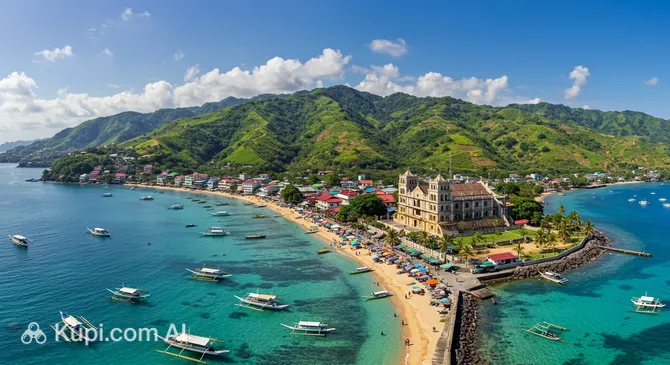
Virac stands as the vibrant capital and commercial hub of the island province of Catanduanes. As the primary gateway to the "Land of the Howling Winds," this municipality offers a perfect blend of modern conveniences and rustic island charm. Situated in the eastern region of the Philippines, Virac is nestled between rolling hills and the vast Pacific Ocean, providing a scenic backdrop for travelers seeking an off-the-beaten-path adventure.

Virac. Source: Kupi.Binoculars

With a population of approximately 76,000 residents, the town maintains a welcoming and community-oriented atmosphere. While exploring the town center, visitors can delve into the rich history of Virac, which is reflected in its enduring landmarks and local traditions. The town serves not only as a transit point but as a destination in its own right, boasting a climate that supports lush greenery and a relaxed coastal lifestyle.

Travelers are often drawn to the area's stunning natural attractions. Twin Rock Beach Resort is a popular spot known for its creamy white sands and unique rock formations, offering excellent opportunities for swimming and relaxation. Another notable site is the Cathedral of the Immaculate Conception, a spiritual center that showcases the town's deep-rooted faith and architectural heritage. For those who enjoy surfing and raw nature, the nearby coastlines offer impressive waves and pristine views.

Whether you are looking to explore the rugged landscapes of Catanduanes or simply wish to enjoy fresh local seafood by the sea, Virac is an excellent starting point. Its friendly locals, accessible amenities, and proximity to nature make it a delightful stop for any itinerary.

Weather Overview

Virac enjoys a warm and tropical climate year-round, making it a lush destination regardless of the season. Average temperatures are remarkably stable, typically ranging from a comfortable 25.4°C in January to a peak of around 27.8°C in May. While the heat is rarely extreme, the consistent warmth creates a perfect atmosphere for beach activities and island exploration.

Precipitation is a regular occurrence in the region, contributing to the province's verdant landscapes. The area experiences frequent rainfall throughout the year, with December often recording the highest frequency of wet days. For travelers seeking clearer skies, March and April are generally the most favorable months, having the fewest rainy days on average. It is always best to check the specific weather in Virac before your trip to pack appropriate gear for the occasional showers.

Interesting Facts

Beyond its reputation as a gateway to the province, Virac holds many fascinating secrets and historical footnotes that add depth to its island charm. From ancient legends of tribal chieftains to unique natural formations, the town offers curious travelers plenty of stories to uncover.
  • Floral Origins: The name "Virac" is widely believed to be a derivation of the local word "Burac," which means "flower." According to lore, early Spanish visitors mispronounced the word when referring to the area, which was then covered in blooming trees, eventually leading to the modern name.

  • A Royal Foundation: Local history traces the town's roots back to pre-Spanish times and a tribal chieftain named Datu Lumibao. It is said that he and his wife, Milbigan, established the first organized settlement near the Vidak Spring, planting the seeds for what would become the capital of Catanduanes.

  • A Geological Masterpiece: Unlike the hills of Bohol, Batag Beach in Virac is famous for the stunning Batag Rock Arch. This natural rock formation rises dramatically from the water, creating a magnificent archway that frames the horizon and serves as a striking subject for landscape photography.

  • Symbol of Unity: Virac is deeply connected to the abaca industry, which is vital to the economy of the Philippines. This bond is immortalized in the town's official seal, which features an abaca cord symbolizing the strength and unity of its people.

How to Get There

Reaching this island capital is an adventure in itself, offering travelers a chance to witness the stunning landscapes of the Bicol region. While the journey involves crossing the sea or flying directly, the destination is well worth the effort. For a detailed guide on all available transport options, you can read more about how to get to Virac and plan your itinerary accordingly.

The most convenient and direct entry point is Virac Airport (IATA: VRC). Located just 0.8 km from the city center, it serves as the primary gateway for visitors flying straight into the province. The airport handles regular commercial flights, mainly from Manila, making it the fastest option. Since it is situated practically within the town, the travel time to the downtown area is very short, taking approximately 20 minutes by tricycle or taxi, accounting for traffic and logistics.

Alternatively, travelers can fly into Bicol Airport (IATA: DRP), which is located in the city of Daraga, about 77.2 km away from Virac. As a larger regional hub with higher passenger traffic, it offers more flight frequencies. However, since Virac is on the island of Catanduanes and Daraga is on the mainland, arriving here requires a subsequent journey by land to the Tabaco Port followed by a ferry crossing. The total travel time is significantly longer than a direct flight, but it provides a scenic route for those who enjoy sea travel.

For clarity, here is a summary of the main airports in the vicinity:

Airport Name City Passenger Traffic Km from City
Bicol Airport Daraga Large 77.2
Masbate Airport Masbate City Medium 148.7
Naga Airport Pili Medium 101.3
Virac Airport Virac Small 0.8
Catarman National Airport Catarman Small 128.4

The city of Virac does not have a railway station, and there are no train services operating on the island of Catanduanes. Visitors arriving from other parts of the Philippines typically rely on bus networks that connect to the Tabaco Port on the mainland, followed by a ferry, or utilize the direct flight options mentioned above. Local transport within the city is readily available via tricycles and jeepneys.

Main Attractions

One of the most iconic destinations in the area is Twin Rock Beach Resort, located in Barangay Igang. This semi-private cove is famous for the two prominent rock formations that jut out of the sea, standing like sentinels guarding the shore. Tourists flock here not only for the picturesque scenery perfect for photography but also for the creamy white sands and clear waters. It is a well-developed spot offering amenities for kayaking, swimming, and leisure, making it ideal for families and travelers seeking a comfortable beach experience.

For those interested in history and architecture, the Cathedral of the Immaculate Conception sits at the heart of the town. As the religious center of the province, this church is a testament to the deep-rooted faith of the locals. Visitors are often captivated by its grand structure, stained-glass windows, and the peaceful ambiance that offers a quiet respite from the bustling town center. It serves as a significant landmark that connects the modern city with its colonial past.

Travelers looking for a more rugged and raw connection with nature should visit Mamangal Beach. Known for its long stretch of sand and lush vegetation, this beach is a favorite among locals and surfing enthusiasts. During the swell season, the waves here attract surfers looking for a less crowded alternative to the more famous breaks in the region. Even for non-surfers, the laid-back atmosphere and the stunning views of the horizon make it a perfect place for a relaxing afternoon picnic.

To gain a deeper understanding of the province's heritage, a stop at the Museo de Catanduanes is highly recommended. Located within the Old Capitol Building, this museum houses a collection of artifacts, photographs, and memorabilia that tell the story of the island's history and culture. From traditional clothing to items showcasing the abaca trade, the exhibits provide tourists with valuable context about the unique identity and resilience of the people of Catanduanes.

Local Cuisine

The culinary landscape of Virac is a delightful reflection of its island geography and Bicolano heritage, characterized by the generous use of gata (coconut milk) and sili (chili peppers). As the capital of Catanduanes, the town offers an abundance of fresh seafood that is often significantly more affordable than in major cities. Visitors should not miss the opportunity to try Ginataang Kinis, a signature dish featuring succulent local mud crabs cooked in rich, spicy coconut milk. Another must-try is the province's unique version of Laing, where dried taro leaves are simmered to perfection in coconut cream, often paired with pork or shrimp.

For a taste of native snacks, the local Latik is a distinctive treat that sets Catanduanes apart from other regions. Unlike the fried coconut curds found elsewhere, the Catanduanon Latik is a sticky rice cake flavored with malunggay extract and served with a decadent caramelized coconut syrup. Travelers with a sweet tooth should also look for Suman and various pili nut delicacies, which are abundant due to the region's thriving pili trees. These snacks are perfect for breakfast or as a midday energy boost while exploring the town.

When it comes to beverages, the island offers both refreshing and potent options. Tuba, a traditional organic wine made from fermented coconut sap, is a popular local alcoholic drink that is best enjoyed fresh. For a non-alcoholic alternative, visitors can cool down with a rich Pili Nut Shake, a creamy and nutty smoothie that showcases the province's most famous crop. Fresh coconut water, or Buko Juice, is also widely available and serves as the perfect natural hydrator on a warm tropical day.

The food culture in Virac is best experienced along the Virac Boulevard, especially in the late afternoon and evening. This seaside promenade comes alive with locals and tourists gathering to enjoy the cool ocean breeze and vibrant sunset views. Here, you can find a mix of casual restaurants and street food stalls selling barbecue and grilled seafood. For a more authentic experience, the Virac Public Market offers a glimpse into daily life, where travelers can buy fresh produce or sample affordable home-cooked meals at small eateries known as carinderias.

Travel Tips

Welcome to Virac, the friendly capital of Catanduanes! To help you navigate the "Land of the Howling Winds" with ease and make the most of your island adventure, here are some essential practical tips to keep in mind.

  1. Clothing and Gear: Pack lightweight, breathable fabrics like cotton or linen to stay cool in the tropical heat. Since Catanduanes is known for its frequent rainfall, carrying a sturdy umbrella or a raincoat is absolutely essential, regardless of the season. If you plan to visit religious sites like the Cathedral of the Immaculate Conception, remember to dress modestly, covering your shoulders and knees.

  2. Transportation: The most common way to get around Virac is by tricycle (a motorcycle with a sidecar). They are plentiful and affordable; for short trips within the town proper, fares are standard, but you can hire one for a "special trip" to nearby beaches. For travel to other towns, jeepneys and UV Express vans are available at the designated terminals, though they often wait to fill up before departing.

  3. Finances: The local currency is the Philippine Peso (PHP). While Virac is the commercial hub and has several ATMs and banks (mostly around the town plaza and public market), cash is still king. Small eateries, tricycle drivers, and sari-sari stores generally do not accept credit cards, so always carry enough smaller bills and coins for daily expenses.

  4. Health and Safety: Virac is generally very safe for tourists, but it is wise to keep an eye on your belongings in crowded areas like the public market. Pharmacies are readily available in the town center, with some major chains operating extended hours. Always drink bottled or purified water, which is easily purchasable at local convenience stores, rather than tap water.

  5. Communication: English is widely spoken and understood, especially in hotels, restaurants, and by younger locals, so you will have no trouble communicating. The local dialect is Bicolano. To stay connected, you can purchase a prepaid SIM card from local networks (Smart or Globe) at the airport or in town; mobile data signals are generally good in the city center but may be spotty in remote areas.

  6. Local Etiquette: The people of Catanduanes are known for their warmth and hospitality. A simple smile and a greeting of "Good morning" or "Good afternoon" go a long way. When interacting with elders, it is polite to speak softly and respectfully. If you are invited into a local's home, it is customary to take off your shoes at the door unless told otherwise.

  7. What to Avoid: Do not lose your temper or raise your voice in public, as this causes a "loss of face" and is considered very rude in Filipino culture. Also, avoid underestimating the weather; if there is a typhoon warning or rough sea advisory, strictly follow local authorities' instructions and stay indoors or on dry land.

  8. Market Day Tip: Visit the Virac Public Market early in the morning to experience the town's vibrant daily life. This is the best time and place to buy fresh tropical fruits, local snacks, and souvenirs made from abaca (Manila hemp), which is the province's top product and makes for a durable, eco-friendly gift.

By keeping these tips in mind, you will be well-prepared to embrace the laid-back island lifestyle of Virac. Enjoy the warm hospitality, the lush scenery, and the unique charm of this beautiful corner of the Philippines!

Entertainment & Nightlife

While Virac is known for its serene island charm rather than a high-octane clubbing scene, the capital of Catanduanes offers a pleasant and laid-back nightlife experience. The evening entertainment here revolves around socializing, enjoying good food, and the favorite Filipino pastime: karaoke. The atmosphere is casual and welcoming, perfect for travelers who prefer a chilled beer by the sea over loud, crowded discotheques.

The heartbeat of the town's nightlife is undoubtedly Virac Boulevard (often referred to as Imelda Boulevard). As the sun sets, this seaside promenade transforms into a lively strip where locals and tourists gather. The cool ocean breeze makes it an ideal spot for an evening walk, followed by dinner and drinks at one of the many open-air establishments lining the road. The crowd here is a mix of families, groups of friends, and travelers, all enjoying the relaxed "island time" vibe.

For those looking for specific places to unwind, Kemji Resort is a popular choice. Although it is a resort, its restaurant and bar area often serve as a social hub for evening entertainment, offering a comfortable setting for cocktails and conversation. Another hub of activity is the Virac Town Center (VTC). As the province's modern lifestyle mall, it hosts various dining outlets that stay open into the evening, providing a convenient place to grab a meal or coffee in a more urbanized setting. Scattered around the town proper, you will also find numerous KTV bars where you can rent a private room and sing the night away, a quintessential part of the local culture.

Practicality is key when planning a night out in Virac. Most establishments operate with a casual dress code; shorts and flip-flops are perfectly acceptable almost everywhere. Prices are generally very affordable compared to major cities like Manila. However, keep in mind that Virac is an early-to-bed town. Many restaurants close by 9:00 PM or 10:00 PM, though some bars and KTV spots may stay open until midnight or slightly later on weekends.

Regarding safety and transport, Virac is considered very safe for night walks, especially along the well-lit Boulevard. However, public transportation can become scarce late at night. Tricycles are the primary mode of transport, but drivers tend to pack up early. If you plan to stay out late, it is advisable to arrange a ride back to your accommodation in advance or get the mobile number of a trusted tricycle driver to pick you up.

During the daylight hours, entertainment in Virac is more low-key and cultural. Apart from the natural attractions mentioned earlier, visitors can spend time at the Virac Town Center for shopping or catching a movie if the cinema is operational. For a touch of history, the Museo de Catanduanes offers an educational afternoon break. Ultimately, entertainment in Virac is about slowing down and appreciating the simple, friendly rhythm of provincial life.

Parks & Museums

While Virac is best known for its stunning coastal landscapes and island vibes, the town also offers charming public spaces and cultural venues that provide a deeper look into the life of Catanduanes. Visitors can find respite in the breezy open areas scattered around the municipality or step back in time to understand the rich heritage of the province through its key historical institutions.

For a relaxing break in the heart of the town, the Virac Town Plaza (Plaza Rizal) is the central gathering spot for locals and tourists alike. Situated conveniently near the cathedral and the municipal hall, this park serves as the community's "living room." Shaded by trees and anchored by a monument to the national hero, Jose Rizal, it is an excellent place to sit on a bench, watch the world go by, and feel the pulse of daily life in the capital. It often hosts local events and small fairs, adding a festive touch to its peaceful atmosphere.

Another significant open space is the Virac Boulevard. While it transforms into a dining hub at night, during the day, it functions as a scenic waterfront promenade. Stretching along the coastline, it offers unobstructed views of the Pacific Ocean and the distant silhouette of the Mayon Volcano on clear days. It is a favorite route for morning joggers and those seeking a refreshing sea breeze, serving as a linear park where the land meets the sea.

When it comes to cultural immersion, the Museo de Catanduanes stands as the premier institution in the city. Housed on the second floor of the Old Capitol Building, the museum is a treasure trove of the province's collective memory. It features a curated collection of archeological finds, religious heirlooms, and ethnological items that trace the evolution of Catanduanes from pre-colonial times to the present. The building itself is a historical landmark, with its classic architecture adding to the educational experience.

In addition to the main museum, the town's cultural narrative is often displayed through the Old Provincial Capitol. Although primarily a government structure, its preservation allows visitors to appreciate the American-era architectural style that characterizes the town's administrative history. Walking through its halls and grounds offers a sense of the political and social history that shaped the island province.

For a more adventurous "natural museum" experience, travelers can venture to Buyo Cave. Located a short distance from the town center, this natural attraction offers a glimpse into the geological history of the island. Unlike manicured gardens, this site provides a raw and authentic look at the region's karst formations, making it an intriguing stop for spelunking enthusiasts and nature lovers seeking something beyond the typical beach trip.

Getting Around

Public transport in Virac is straightforward, rustic, and heavily reliant on road-based vehicles, reflecting the town's laid-back island character. Visitors should not expect a complex network of subways, trams, or large city buses. Instead, the primary mode of transportation within the city limits and immediate outskirts is the tricycle—a motorcycle with an attached sidecar. These colorful and ubiquitous vehicles function as the town's taxis and are the most convenient way to navigate the narrow streets and reach local attractions.

For travel beyond the town center to neighboring municipalities or distant beaches, the iconic Filipino jeepney and UV Express vans are the standard options. Jeepneys follow specific routes and are ideal for experiencing local culture, while the air-conditioned vans offer a faster and more comfortable ride to towns like San Andres or Pandan. These vehicles typically congregate at designated terminals, often located near the public market or the port area, waiting to fill up with passengers before departing.

The payment system in Virac is entirely cash-based. There are no travel cards, tap-to-pay systems, or mobile transport apps like Uber or Grab operating in the area. Fares are paid directly to the driver in Philippine Pesos (PHP). It is crucial to carry smaller denominations, such as 20, 50, and 100 peso bills, or coins, as drivers often struggle to find change for large banknotes. For jeepneys, payment is passed down the line of passengers to the driver, a practice known locally as "bayad po."

When using tricycles, there are generally two types of fare structures: "regular" and "special." A regular trip means you share the ride with other passengers and pay a fixed, modest fee for a short distance along a set route. A "special" trip involves hiring the entire tricycle to take you directly to a specific destination, similar to a private taxi. For special trips, especially to tourist spots or the airport, it is advisable to agree on the price with the driver before hopping in to avoid misunderstandings.

For tourists who prefer more independence, motorbike rental is a highly popular alternative. Several rental shops operate within the town proper and near the airport, offering scooters for daily or weekly rates. This is often the best way to explore the coastal roads and hidden coves at your own pace. While walking is feasible and pleasant within the compact downtown area—particularly around the plaza and the boulevard—having a motorbike unlocks the wider beauty of the province.

Travelers should be aware that public transport in Virac does not operate 24/7. Tricycles and jeepneys are plentiful during the day but become significantly scarcer after 8:00 PM or 9:00 PM. If you plan to stay out late for dinner or drinks, it is wise to arrange a pick-up with a tricycle driver beforehand or ensure your accommodation can help you secure a ride back.

Accommodation

Accommodation in Virac caters primarily to adventure seekers and laid-back travelers, offering a range of options that prioritize comfort and hospitality over high-end luxury. The city provides a mix of budget-friendly inns, convenient pension houses, and seaside resorts. While you won't find sprawling 5-star international hotel chains here, the local establishments are known for their cleanliness, decent amenities, and the warm service typical of Catanduanes.

For those who prioritize convenience and accessibility, staying in the Town Center (Poblacion) is the most practical choice. This area places you within walking distance of the Virac Public Market, the cathedral, and various dining spots. It is also the hub for public transport, making it easy to catch a tricycle or jeepney to other parts of the island. The accommodations here are mostly business hotels and lodges, perfect for travelers who plan to spend most of their day exploring and just need a comfortable place to sleep.

Travelers looking for a more scenic and relaxing experience should consider the coastal areas, particularly around Barangay Igang and Batag. These locations are home to beach resorts that offer direct access to the sea and recreational facilities like swimming pools. Staying here allows you to wake up to the sound of ocean waves and enjoy a resort atmosphere while still being only a short tricycle ride away from the main town.

Booking Tip: While walk-ins are often possible during the off-peak season, it is highly recommended to book your accommodation in advance if you are visiting during the summer months (March to May) or during the local festivals. These periods attract a high volume of domestic tourists and returning locals, causing the best rooms to sell out quickly.

Prices in Virac are generally very affordable compared to major tourist destinations in the Philippines. Budget accommodations such as hostels and homestays are widely available for backpackers, while mid-range hotels and resorts offer air-conditioning, hot showers, and Wi-Fi for a moderate fee. While major online booking platforms list the larger hotels, many smaller inns and pension houses still operate via direct booking through phone or social media pages. It is advisable to have cash on hand for deposits or payments upon arrival, as card terminals may not be available in smaller establishments.

Nearby Cities

For those looking to explore the surroundings, Virac serves as an excellent base for day trips to several interesting nearby locations. Just across the Lagonoy Gulf lies the vibrant city of Legazpi, world-renowned for the majestic Mayon Volcano and its ATV adventures. Closer to the main ferry port is Tabaco, often called the "City of Love," which is famous for its cutlery industry and historic church. Travelers can also venture to Sorsogon City, a gateway to natural wonders and whale shark interactions, offering a delightful contrast to the island atmosphere of Catanduanes.

City Population Distance (km)
Legazpi 209533 70
Sorsogon City 182237 72
Tabaco 140961 67
Buhi 81306 76
Bacacay 72485 48

These nearby destinations offer a glimpse into the diverse culture and landscapes of the region.

Shopping & Souvenirs

As the commercial capital of Catanduanes, Virac offers the most comprehensive shopping experience on the island. While travelers should not expect high-end luxury boutiques or sprawling international outlets, the town provides a vibrant mix of modern conveniences and traditional trade. The shopping scene here is practical and community-focused, catering to both the daily needs of locals and the souvenir-hunting desires of tourists. It is the best place in the province to stock up on supplies, withdraw cash, and purchase authentic local products before heading to more remote beach destinations.

The heart of the town's commercial activity is concentrated in the Poblacion (downtown) area, particularly along Rizal Avenue and the streets surrounding the public market. This district is a bustling hive of activity where small independent shops, pharmacies, hardware stores, and clothing boutiques line the roads. Walking through this area offers a glimpse into the local lifestyle, with vendors selling everything from beach gear to electronics. It is a compact and walkable zone where you can easily find travel essentials.

For a more modern, air-conditioned shopping experience, Virac Town Center (VTC) is the premier destination. Located centrally, this lifestyle mall serves as the modern hub of the province. It houses a well-stocked supermarket, a department store, various fashion retailers, and a selection of fast-food chains and cafes. It is the ideal spot for tourists looking for familiar brands, groceries, or a cool place to escape the midday tropical heat. Another notable establishment is the Center Mall Virac, which offers additional retail options and convenience.

To truly experience the local culture, a visit to the Virac Public Market is a must. This is the town's primary trading post, teeming with fresh produce, seafood caught daily from the nearby Pacific waters, and local meats. Beyond food, the dry goods section is a treasure trove for bargain hunters, selling affordable clothing, flip-flops, and household items. The market is liveliest in the early morning, offering an authentic sensory experience of sights, sounds, and smells unique to the island.

When it comes to souvenirs, Virac is the perfect place to buy products made from Abaca (Manila hemp). Since Catanduanes is known as the "Abaca Capital of the Philippines," you can find high-quality, durable handicrafts such as woven bags, placemats, slippers, and decor at very reasonable prices. Food souvenirs are also popular; look for Pili nut delicacies (candied, roasted, or in tarts) and Latik, a sticky rice treat that is a local specialty. These items are widely available at the public market and specialized souvenir shops near the port or airport.

Most shops in Virac operate from approximately 8:00 AM to 6:00 PM or 7:00 PM. The larger establishments, like the Virac Town Center, may stay open until 8:00 PM or 9:00 PM. Regarding payment, cash is definitely king in Virac. While the mall, larger grocery stores, and some hotels accept credit cards, the vast majority of small shops, market vendors, and souvenir stalls only take Philippine Pesos. It is highly advisable to withdraw sufficient cash from the ATMs in the town center before venturing out to shop.

Tourists should be aware that tax-free shopping or VAT refund schemes are generally not available or operational in provincial towns like Virac. The prices displayed on goods are final and inclusive of all applicable taxes. Bargaining is not common in department stores or fixed-price shops, but you can try to negotiate politely when buying in bulk at the public market or from independent souvenir vendors.
Reached the end of the page?

That means the route is fully explored