Support

Catarman

About

Catarman stands as the bustling capital of Northern Samar, acting as the primary center for commerce and education in this part of the Philippines. Located along the northern coast of the island of Samar, facing the vast Philippine Sea, it offers a unique mix of urban activity and coastal serenity. With a population of approximately 98,000 people, the city is a significant hub that connects travelers to the wider Eastern Visayas region.

The town is deeply rooted in its traditions and past. Those who wish to delve deeper into the local narrative can discover the fascinating history of Catarman, which has evolved from a small settlement into a thriving municipality. It is also known for hosting the University of Eastern Philippines, the first state university in the Visayas, which contributes to the town's lively and dynamic atmosphere.

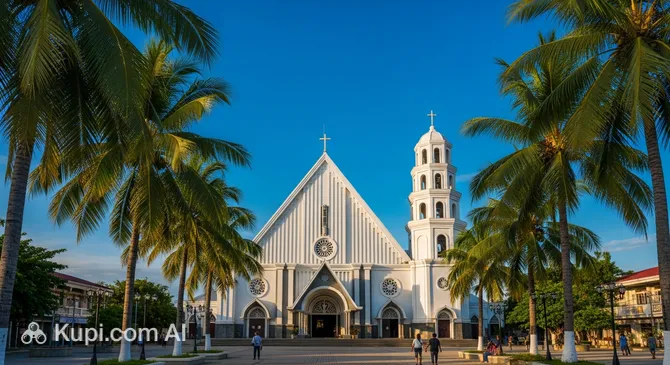
Catarman. Source: Kupi.Binoculars

For tourists, Catarman serves as an excellent base for exploration. Key attractions include the serene White Beach, perfect for a leisurely afternoon by the water, and the town's proximity to the famous Biri Islands with their spectacular rock formations. The town center itself is anchored by the Diocesan Shrine of Our Lady of the Annunciation, a testament to the enduring faith of the community.

Whether you are here to enjoy the local cuisine, explore the scenic landscapes, or simply experience the warmth of the Waray-Waray culture, Catarman welcomes you with open arms. It is a destination that promises both relaxation and the opportunity to witness the authentic rhythm of life in Northern Samar.

Weather Overview

Travelers visiting this part of Northern Samar can expect a warm and tropical climate year-round. The temperatures remain remarkably consistent, with monthly averages generally hovering between 26°C and 28°C. May tends to be the warmest time of the year, seeing highs around 31°C, while January offers slightly cooler but still pleasant conditions.

Precipitation is a regular feature of the local climate, so it is wise to carry an umbrella regardless of when you visit. The region experiences a high number of wet days throughout the year, peaking from July to October. To help you pack the right gear for your trip, we recommend checking the detailed weather in Catarman. Expect warm, humid days with frequent showers, even during the months with lower total rainfall like March.

Interesting Facts

Beyond the main attractions, Catarman holds many fascinating secrets that reveal the depth of its local culture and history. The town offers more than just scenic views; it is a place where linguistic roots and unique culinary traditions tell the story of its people.

  • The Origin of the Name: Local lore suggests that "Catarman" is derived from the Waray word Katadman, which translates to "sharp point" or "edge." This name likely refers to the town's original geographical setting at the mouth of the river, acting as a sharp point of land facing the sea.

  • A Unique Culinary Heritage: The city is one of the best places to try Tamalos, a distinct Samar delicacy rooted in the Mexican tamale from the Spanish galleon trade era. Unlike the corn-based version, this heavy savory dish is made with rice flour, rich peanut sauce, and tender pork, creating a flavor profile you won't find elsewhere.

  • A Campus Like a Town: The University of Eastern Philippines is not just a school; it is often described as a "town within a town." Its massive campus covers a significant portion of the municipality, encompassing forest reserves, residential communities, and even its own beachfront, creating a unique ecosystem distinct from the city center.

  • The Sweetest Souvenir: Catarman is famous for Pinyato, a local confectionery that puts a twist on peanut brittle. Often made with peanuts and puffed rice held together by caramelized sugar, it is the signature pasalubong (gift) that travelers bring home from this part of Northern Samar.

How to Get There

Reaching this part of Northern Samar is relatively straightforward, thanks to its own airport and connections to major transport hubs in the region. Whether you prefer a direct flight or a scenic land journey through the Visayas, there are options to suit your travel style. For a comprehensive guide on all available routes, you can read more about how to get to Catarman to help plan your itinerary.

The most convenient way to arrive is by flying directly into Catarman National Airport (CRM). Located approximately 9.3 km from the city center, this regional airport serves as the primary gateway for travelers. It handles a modest volume of traffic, ensuring a quick and easy arrival process. Once you land, a trip to the heart of the city takes just a short drive by local transport.

Alternatively, if direct flights are unavailable, many travelers choose to fly into D. Z. Romualdez Airport (TAC) in the city of Tacloban. This is a major hub located about 138 km from Catarman. While it requires a longer transfer, the airport offers more flight frequencies and connections. The overland journey from Tacloban to Catarman typically takes several hours by taxi or van, offering a chance to see the landscapes of Samar and Leyte along the way.

For clarity, here is a summary of the main airports serving the area:

Airport Name City Passenger Traffic Km from City
D. Z. Romualdez Airport Tacloban Large 138.4
Bicol Airport Daraga Medium 129.6
Masbate Airport Masbate City Small 110.4
Virac Airport Virac Small 136.5
Catarman National Airport Catarman Small 9.3

Main Attractions

While Catarman is often seen as a gateway to the wider wonders of Northern Samar, the city itself possesses a charm that invites travelers to linger and explore. The town offers a mix of spiritual heritage, academic history, and coastal relaxation that defines the local lifestyle. Here are some of the key places to visit within the municipality.

Diocesan Shrine of Our Lady of the Annunciation is the spiritual heart of the city and a must-visit for those interested in local culture and architecture. Standing prominently in the town center, this cathedral is not only a place of worship but also a gathering point for the community. Its structure reflects a blend of modern restoration and historical resilience, serving as a peaceful sanctuary amidst the bustling activity of the capital.

A unique feature of Catarman is the University of Eastern Philippines (UEP). Far more than just an educational institution, its sprawling campus is a landmark in its own right. Visitors often tour the grounds to see the iconic UEP Amphitheater and enjoy the park-like atmosphere. The campus is so vast that it encompasses hills, residential areas, and even a stretch of coastline, making it a perfect spot for a scenic walk or a glimpse into the daily life of the local students.

For those seeking sand and sea without leaving the municipality, White Beach offers a refreshing escape. Located along the coast near the university area, this stretch of shoreline is a favorite among locals for picnics and afternoon swims. While it may not have the commercial polish of major resorts, its raw beauty and the view of the rolling waves from the Pacific Ocean make it a relaxing spot to unwind and watch the sunset.

Freedom Park serves as the central public square where the town's social life unfolds. Surrounded by key government buildings and local establishments, it is an excellent place to observe the relaxed pace of life in Northern Samar. In the evenings, the park often comes alive with locals enjoying the cool air, making it a simple yet authentic stop for tourists wanting to connect with the friendly vibe of Catarman.

Local Cuisine

The culinary landscape of Catarman is a vibrant reflection of its coastal geography and Waray heritage. As a bustling hub in the Philippines, the town offers a diet rich in fresh seafood, coconut milk, and bold spices. Dining here provides a genuine taste of Northern Samar, where modest ingredients are transformed into flavorful feasts.

At the heart of the local dining table is Tamalos. While its unique history is a point of local pride, the experience of eating it is what truly matters to a visitor. It is a hearty, savory dish often reserved for special occasions or enjoyed as a filling meal to fuel the day. Seafood lovers should also seek out Kinilaw, a local version of ceviche. Here, the freshness of the catch is highlighted by a marinade of coconut vinegar, ginger, and chili, often enriched with coconut milk to create a creamy, tangy balance.

Mornings in the city often begin with Queseo (or Kiseyo), a local white cheese crafted from carabao milk. It has a distinctively salty and tart profile that pairs perfectly with hot pan de sal. Locals traditionally dip the bread and cheese combo into hot chocolate or coffee for a comforting breakfast. Before leaving, be sure to grab a pack of Pinyato. This sweet delicacy is the quintessential takeaway treat from the region, perfect for satisfying a sugar craving or as a gift for loved ones.

To beat the tropical heat, fresh Buko juice is a staple refreshment found on nearly every corner. For those looking to sample traditional spirits, Tuba is the local coconut wine of choice. If you prefer something smoother and more potent, ask for Bahalina, an aged version of tuba that is a favorite companion during evening social gatherings and celebrations.

The best way to experience these flavors is by visiting the local carenderias and food stalls scattered around the town center and near the university. These humble eateries offer authentic home-cooked meals at budget-friendly prices. As the sun sets, the streets come alive with vendors grilling barbecue, creating a relaxed and communal atmosphere where you can enjoy the true taste of the town.

Travel Tips

Welcome to Catarman, the friendly and bustling capital of Northern Samar. To help you navigate this charming town with ease and make the most of your visit, we have compiled a set of essential travel tips suited for the local lifestyle.

  1. Clothing and Gear: Given the tropical climate, pack lightweight and breathable fabrics like cotton or linen to stay cool in the heat. Since rain showers can occur unexpectedly throughout the year, carrying a compact umbrella or a light raincoat is highly recommended. If you plan to visit religious sites like the Diocesan Shrine, remember to dress modestly, covering your shoulders and knees.
  2. Transportation: The most common way to get around the town center is by tricycle (a motorcycle with a sidecar). Fares are generally affordable, but it is wise to ask a local or the driver for the standard rate before hopping in, especially if you are hiring one for a private trip ("pakyaw"). For travel to neighboring towns, jeepneys and vans are available at the transport terminals. Note that ride-hailing apps are not operational here.
  3. Finances: The local currency is the Philippine Peso (PHP), and cash is definitely king in Catarman. While there are several ATMs and banks in the town center (such as near the municipal hall and UEP), many smaller shops, local eateries, and tricycle drivers do not accept credit cards. It is best to carry enough small bills for daily expenses. Tipping is not mandatory but is appreciated for good service.
  4. Health and Safety: Catarman is generally a safe place for tourists, but standard precautions apply; avoid poorly lit areas late at night and keep your valuables secure. There are several pharmacies in the town center, including major chains that carry standard supplies. For medical emergencies, the Northern Samar Provincial Hospital is located within the municipality. As a general rule, stick to bottled or purified water rather than drinking from the tap.
  5. Communication: English is widely spoken and understood, especially in business establishments and around the university area, making communication easy. The local language is Waray-Waray; learning a simple greeting like "Maupay nga aga" (Good morning) will surely earn you warm smiles from the locals. SIM cards from major networks are easily available at convenience stores, and mobile data signal is generally good within the town proper.
  6. Local Etiquette: The people of Northern Samar are known for their hospitality and friendliness. It is polite to return a smile and greet people you interact with. If you are invited into a local home, it is customary to take off your shoes at the door unless the host insists otherwise. Respect for elders is paramount in Filipino culture, so always speak politely and patiently.
  7. What to Avoid: Avoid raising your voice or showing visible anger in public situations, as this is considered rude and can cause "loss of face" for everyone involved. Also, refrain from taking photos of people without their permission, although most locals are happy to pose if asked nicely.
  8. Additional Tip: Experience the "student town" vibe by visiting the area around the University of Eastern Philippines in the late afternoon. This is when the streets come alive with students and street food vendors. It is the perfect time and place to try affordable local snacks and soak in the youthful energy of the city.

By keeping these practical tips in mind, you will be well-prepared to enjoy the relaxed rhythm and genuine warmth of Catarman. Have a wonderful trip and enjoy discovering the unique character of this Northern Samar gem!

Entertainment & Nightlife

Nightlife in Catarman is defined not by flashy nightclubs or thumping bass, but by a laid-back and convivial atmosphere that reflects the warmth of the Waraynon people. The evening scene here is centered around socializing, music, and food. "Tagay"—the local tradition of sharing drinks and stories—is the heartbeat of the town after dark. Visitors will find that the best way to enjoy the night is to join the locals at an open-air grill or a cozy restobar, enjoying cold drinks and the fresh evening breeze.

The town has two distinct hubs for evening entertainment. The first is the Town Proper (Poblacion), particularly the streets surrounding the municipal hall and the cathedral. Here, you will find a mix of professionals and families enjoying dinner at local eateries that stay open late. The second hub is the area around the University of Eastern Philippines (UEP). As a university town, this district buzzes with youthful energy, offering budget-friendly student hangouts, street food stalls, and affordable eateries where the crowd is lively and the prices are low.

Videoke is the undisputed king of entertainment in Catarman. You will find that almost every bar and restaurant has a karaoke machine, and it is socially acceptable for anyone to grab the microphone and sing a song or two. The atmosphere is unpretentious and welcoming. Establishments often feature open-air seating, plastic tables, and buckets of local beer paired with pulutan (bar snacks) like sizzling sisig, barbecue, or kinilaw. For those who prefer live music, several restobars along the main highway host acoustic bands on weekends, playing popular Filipino and international covers.

If you are looking for specific places to soak up the local evening vibe, Freedom Park is a great starting point. In the early evening, the area transforms into a vibrant communal space where locals gather to eat street food, chat, and people-watch. It offers a safe and family-friendly environment to experience the town's social life. Another key spot is the UEP Campus Grounds and its immediate vicinity. While not a "club" in the traditional sense, the strip of eateries and small cafes outside the university gates comes alive at night with students and young professionals, offering a glimpse into the modern pulse of the city.

For practical advice, the dress code in Catarman is strictly casual; shorts, t-shirts, and sandals are the norm everywhere. Most venues close relatively early compared to major metropolises, with last calls often around midnight or 1:00 AM, though some videoke bars may stay open later on weekends. Safety is generally not a major concern in these busy areas, but it is always wise to keep an eye on your belongings. Getting around at night is best done via tricycle. Be aware that public transport becomes scarcer after 10:00 PM, so it is a good idea to arrange a ride back to your accommodation in advance or ask the venue staff to help you hail a tricycle.

While the night is for relaxing, daytime entertainment in Catarman offers a slower, more cultural pace. Visitors can explore the UEP Biodiversity Park for a nature walk or visit the university's museum if open, which houses artifacts relevant to the province's history. For a simple leisure activity, catching a movie or browsing the shops at the local commercial centers provides a cool respite from the midday sun before the evening festivities begin.

Parks & Museums

Catarman offers a modest but meaningful selection of green spaces and cultural sites, largely centered around its coastal geography and its status as a university town. While it may not boast vast national museums, the city's heritage is deeply woven into its institutions, religious landmarks, and the natural beauty of its surroundings.

University of Eastern Philippines (UEP) Campus Grounds serve as the primary green lung of the municipality. Far more than just an educational facility, the campus is a sprawling expanse of nature that functions as a public park for locals and visitors alike. It features avenues lined with century-old acacia trees, open fields, and the iconic "Sunken Garden" amphitheater. Tourists will appreciate the cool, shaded atmosphere, making it an ideal spot for a leisurely walk or a picnic while observing the daily rhythm of student life.

Freedom Park is the central hub of social activity in the town proper. Located near the provincial capitol and municipal buildings, this public square is where the community gathers for events, exercise, and relaxation. It is a compact but vibrant space that offers a glimpse into the local culture. For visitors, it provides a convenient resting spot while exploring the town center and a chance to see the monuments dedicated to national heroes.

For a natural escape by the water, White Beach remains a favorite local destination. Although it is a simple stretch of coastline without the commercial development of major resorts, its accessibility makes it significant. It offers a raw and breezy environment where you can walk along the sand, watch the waves of the Philippine Sea, and enjoy a quiet moment away from the bustle of the commercial district.

In terms of culture and history, the Diocesan Shrine of Our Lady of the Annunciation stands as a living museum of the town's spiritual heritage. As the seat of the Diocese of Catarman, this cathedral is architecturally significant, blending modern renovations with its historical foundations. Inside, visitors can admire the religious art and observe the deep devotion of the Northern Samar community, offering a profound insight into the local way of life.

While Catarman does not have a large standalone public museum, the University of Eastern Philippines often acts as a custodian of local culture. The university frequently hosts cultural exhibits and houses archives related to the history and arts of Northern Samar. Visitors interested in the academic and cultural preservation of the region should inquire at the university administration building about any ongoing displays or access to the university library's special collections.

Insider Tip: For a truly atmospheric experience, take a tricycle ride through the UEP campus just before sunset. The light filtering through the massive acacia trees creates a magical setting, and the road eventually leads towards the university's beachfront, offering a perfect end to a day of exploration.

Getting Around

The public transport system in Catarman is straightforward, informal, and relies entirely on road-based vehicles. Unlike major metropolises, there are no metros, trams, trains, or large city buses operating within the town. Instead, the streets are dominated by smaller, agile vehicles that are uniquely Filipino. For tourists, getting around is an authentic experience that offers a closer look at the local culture and daily life.

The primary mode of transportation within the city center and immediate suburbs is the tricycle (a motorcycle with an attached sidecar). These vehicles function as the town's taxis, capable of navigating both main highways and narrower residential streets. For very short distances, especially within neighborhoods or to the market, you may also see pedicabs (bicycles with sidecars), locally known as padyak or potpot. For travel to outlying barangays or neighboring towns, jeepneys and multicabs (small vans) are the standard options, following fixed routes that usually start or end at designated terminals.

The payment system in Catarman is strictly cash-based. There are no travel cards, tap-to-pay systems, or mobile ticketing apps for public transit here. Passengers pay the driver directly, usually at the end of the trip for tricycles or upon boarding for jeepneys. Fares are regulated but affordable. A standard tricycle ride within the town proper costs a small fixed amount per person, though the price increases for longer distances. It is essential to carry smaller denominations of the Philippine Peso (PHP), such as 20, 50, and 100 peso bills and coins, as drivers often do not have change for large banknotes.

For tourists, using the transport system is relatively easy once you know the basics. To catch a tricycle, you can simply flag one down on the street. If the tricycle already has passengers, the driver may stop to pick you up if you are going in the same direction, as rides are often shared. For a private ride, you can ask for a "special trip" or pakyaw, which means you hire the entire vehicle for a negotiated price—this is recommended if you have luggage or are visiting a specific tourist spot like White Beach. Jeepneys and vans typically wait at the majestic transport terminal or near the public market until they are full before departing.

Operating hours are generally from early morning (around 5:00 AM) until the evening. Public transport availability drops significantly after 8:00 PM or 9:00 PM. If you plan to stay out late, perhaps to enjoy the nightlife near the university, it is wise to arrange your ride back in advance or ensure you are in a busy area where tricycles still pass by. There are no night buses or 24-hour transport services.

Regarding alternatives, ride-hailing apps like Uber or Grab are not available in Catarman. Taxis are also virtually non-existent; the tricycle effectively fills this role. Car rentals are available but are typically arranged as "car with driver" services through local tour operators or hotels rather than self-drive agencies. However, the town center is quite compact and walkable. Many visitors find that walking is a pleasant way to explore the area around the cathedral, the municipal hall, and the nearby shops, especially in the late afternoon when the heat subsides.
Accommodation

Accommodation in Catarman is reflective of its status as a provincial hub rather than a major tourist resort destination. Travelers will primarily find a selection of budget inns, pension houses, and mid-range business hotels. There are no 5-star luxury resorts here; instead, the hospitality scene focuses on providing clean, comfortable, and practical lodging suitable for business travelers, visiting students, and backpackers exploring Northern Samar.

When choosing where to stay, location is key. The most convenient area is the Town Proper (Poblacion), particularly the streets surrounding the municipal hall and the cathedral. Staying here places you within walking distance of the public market, fast-food chains, and the main transport terminals. Another popular zone is the barangay of Dalakit, located near the airport. This area is slightly quieter and often favored by travelers who have early flights or prefer a more relaxed environment while still being just a short tricycle ride away from the city center.

For those visiting the university, there are several smaller lodges and dormitories located near the University of Eastern Philippines (UEP). These accommodations are typically very affordable and offer a basic "student-style" living experience, often surrounded by affordable eateries and internet cafes. It is a good option for backpackers or those who want to be close to the campus grounds and the nearby beach.

Booking Tips and Prices: Prices in Catarman are generally very affordable compared to major cities in the Philippines. Most stays fall into the budget to mid-range category. While some of the larger hotels may be listed on international booking platforms, many smaller inns and pension houses still rely on direct bookings via phone or Facebook. It is highly recommended to carry enough cash, as many establishments may not accept credit cards. Advance booking is usually not necessary for most of the year, but it is wise to secure a room ahead of time if you are visiting during the town fiesta in August or the University's graduation season, when occupancy rates spike.

Nearby Cities

Nearby Cities:

Catarman serves as an ideal jumping-off point for exploring the wider province of Northern Samar. The surrounding area is dotted with municipalities that offer their own unique attractions, from historical landmarks to scenic natural wonders. Whether you are looking for a larger urban center or a quiet rural town, the road network connects you to several interesting destinations within a short drive.

Below is a list of nearby cities and towns that are easily accessible from Catarman, along with their population and distance:

City Population Distance (km)
Mondragon 41,415 17
Pambujan 35,532 35
Calbayog 186,960 39
Las Navas 36,621 43
Laoang 60,607 46

Shopping & Souvenirs

Shopping in Catarman offers a genuine slice of provincial life in the Philippines. While you will not find high-end luxury boutiques or sprawling designer outlets here, the city provides a practical and authentic retail experience. The shopping scene is a mix of modern convenience and traditional commerce, where air-conditioned malls coexist with bustling open-air markets. For tourists, it is an excellent opportunity to purchase daily essentials at affordable prices and to discover unique local products that define the culture of Northern Samar.

The main commercial activity is concentrated in the Town Proper (Poblacion). The streets surrounding the public market and the area near the cathedral are lined with a variety of establishments, from pharmacies and hardware stores to independent clothing boutiques. A stroll along J.P. Rizal Street and the adjacent avenues reveals a lively atmosphere where locals go about their daily errands. This district is walkable and offers a chance to browse through general merchandise stores that sell everything from footwear to household items.

For a modern shopping experience, Gaisano Grand Mall Catarman is the primary destination. As the largest commercial center in the municipality, it serves as a one-stop shop for both locals and visitors. Inside, you will find a well-stocked supermarket, a department store featuring clothing and electronics, and a selection of fast-food chains. It is the go-to place for travelers needing to replenish toiletries, buy travel gear, or simply enjoy a break in an air-conditioned environment.

To truly understand the local lifestyle, a visit to the Catarman Public Market is essential. This is the vibrant heart of the town's trade, particularly in the early morning. Here, vendors display the freshest catch from the Philippine Sea, locally grown fruits, and vegetables. It is also a great place to find dry goods and inexpensive clothing. The market offers a sensory experience filled with the sights and sounds of bargaining, providing a stark contrast to the quiet aisles of the mall.

When it comes to souvenirs, Catarman is famous for its culinary treats rather than handicrafts. The ultimate pasalubong (gift) from this region is Pinyato, a local delicacy made of peanuts and puffed rice bound by caramelized sugar. It is sweet, crunchy, and distinctly Waray. You can buy these in packs at the public market or specialized stalls near the bus terminals. Another item to look out for is Tablea (pure cacao tablets) used for making hot chocolate, which is often sold by local producers in the market area.

Most shops in the city operate from around 8:00 AM to 7:00 PM, though the Gaisano Grand Mall typically stays open until 8:00 PM or 9:00 PM. The public market starts much earlier, with activity peaking at dawn. regarding payment, Cash is King in Catarman. While the mall and major drugstores accept credit and debit cards, small boutiques, market stalls, and tricycle drivers deal strictly in Philippine Pesos (PHP). Ensure you have enough smaller bills and coins for smooth transactions.

Travelers should note that Tax-Free shopping or VAT refund services are not available in Catarman. These facilities are generally limited to major international airports and large luxury retailers in metropolitan Manila. Prices here are already inclusive of tax and are generally quite affordable, so the price you see on the tag is the final price you pay.

Reached the end of the page?

That means the route is fully explored