Support

Kalibo

About

Kalibo, the vibrant capital of the province of Aklan, is widely recognized as the primary gateway to the world-famous Boracay Island. However, this bustling municipality in the Philippines is a worthy destination in its own right, offering a unique blend of cultural heritage, agricultural industry, and natural beauty. Situated on the northwest portion of Panay Island, the city is home to approximately 89,000 residents and serves as a vital center for commerce and education in the region.

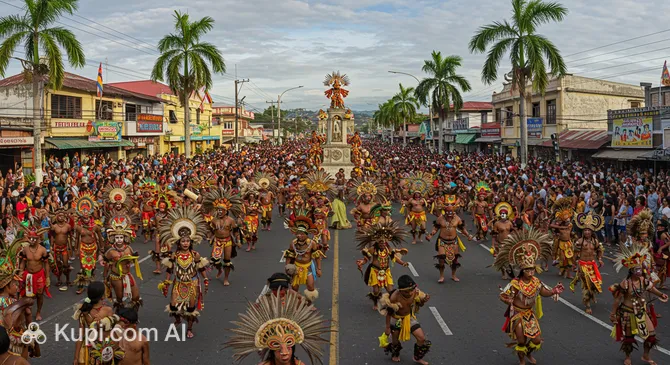
Kalibo. Source: Kupi.Binoculars

The city enjoys a tropical climate that complements its lush surroundings, including the nearby Aklan River. While many travelers pass through its airport, those who take the time to explore will discover the deep roots and history of Kalibo. The area is famous for its high-quality piña cloth, a fabric woven from pineapple fibers, which is considered one of the finest distinctively Filipino textiles.

One of the city's biggest draws is the celebrated Ati-Atihan Festival, held annually in January. Known as the "Mother of All Philippine Festivals," this energetic event honors the Santo Niño with rhythmic drumming, street dancing, and colorful indigenous costumes. For nature lovers, the Bakhawan Eco-Park is a must-visit attraction; this award-winning mangrove reforestation project features a long bamboo boardwalk that takes visitors deep into a serene forest, offering a peaceful escape from the urban center. Whether you are joining the festive crowds or seeking a quiet nature walk, Kalibo invites you to experience its warm hospitality.

Weather Overview

Travelers to this region can expect a tropical climate with consistent warmth throughout the year. The average monthly temperatures in the city generally range from 25.6°C in the cooler months of January and February to a peak of 28.0°C in May. Daily highs often reach up to 30.0°C during the warmest season, making it ideal for those who enjoy heat, while nighttime lows rarely drop below 24.0°C.

Rainfall is a frequent occurrence, with a high number of wet days recorded each month regardless of the season. Even during the relatively drier period in March and April, when precipitation volume is around 4mm, there are still about 20 to 21 wet days. The frequency of rain increases later in the year, with months like July and December seeing up to 30 wet days, although recorded precipitation volume remains modest at around 10-11mm. For the most up-to-date forecasts and seasonal trends, it is helpful to consult the guide on weather in Kalibo before your trip.

Interesting Facts

Beyond the main attractions, Kalibo holds many fascinating secrets that reveal its deep cultural and natural significance. While often viewed as a transit hub, the city possesses a rich history and unique ecological features that surprise many visitors.
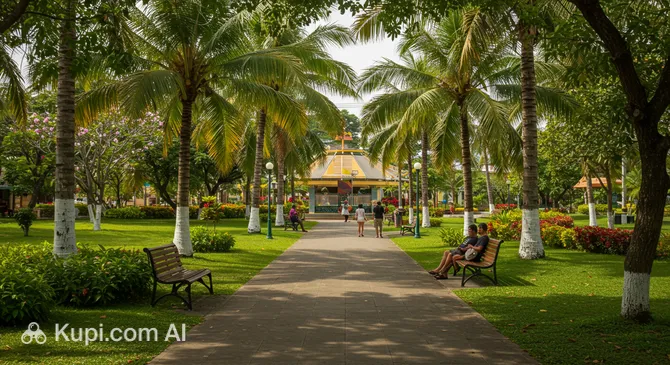
Pastrana Park. Source: Kupi.Binoculars
  • The name "Kalibo" is widely believed to be derived from the local phrase "sangkaka-libo," which translates to "one thousand." This title commemorates the legend that one thousand indigenous inhabitants attended the first Catholic mass celebrated in the area, marking a pivotal moment in its history.

  • Located in the heart of the town, Pastrana Park serves as more than just a public square; it is the converging point for the chaotic energy of the Ati-Atihan Festival. During the celebrations, thousands of street dancers and musicians end their parade here, creating a pulsating center of rhythm and tradition that few other parks in the country experience.

  • The famous Bakhawan Eco-Park is not a naturally occurring forest but a man-made engineering success. It began as a mangrove reforestation project intended to protect the shoreline from harsh tides and floods, eventually transforming a barren mudflat into one of the most successful mangrove sanctuaries in the Philippines.

  • Kalibo is the undisputed capital of the Piña cloth industry, producing the "Queen of Philippine Fabrics." Local artisans painstakingly scrape fibers from the leaves of the Red Spanish Pineapple to weave this translucent, ivory-white textile, which is highly prized for making the formal Barong Tagalog.

How to Get There

Reaching the vibrant capital of Aklan is relatively straightforward, thanks to its status as a major gateway to the region. For travelers planning their journey, you can find more about how to get to Kalibo and the specific transport options available in our detailed guide.

The most convenient entry point is Kalibo International Airport (KLO), which is located directly in the city. Since the airport is only about 1.5 km from the center, the transfer is incredibly quick. You can expect to reach your hotel or the downtown area in approximately 5 to 10 minutes by tricycle or taxi.

If flights to Kalibo are unavailable, a good alternative is Roxas City Airport (RXS) in the city of Roxas City. This airport is situated roughly 43 km away, and the overland journey to Kalibo via bus or van typically takes around 1 hour and 25 minutes. Another popular option is flying into Boracay Airport (MPH) in Caticlan. Although it is primarily used for Boracay tourists, it is about 52 km from Kalibo, with a travel time of approximately 1 hour and 40 minutes by road.

For clarity, here is a summary of the main airports:

Airport Name City Passenger Traffic Km from City
Boracay Airport Caticlan High 52.1
Bacolod-Silay International Airport Bacolod High 123.6
Kalibo International Airport Kalibo High 1.5
Roxas City Airport Roxas City Medium 43.1
Evelio Javier Airport Antique Small 112.4

The city of Kalibo does not have a railway station, and there are no operating train services on Panay Island. Visitors arriving at airports in neighboring provinces typically rely on the extensive network of buses, vans, and jeepneys to reach the city. The road network is well-connected, making land travel a viable and common mode of transport for both locals and tourists.

Main Attractions

While Kalibo is often seen as a transit point, the city possesses a charm of its own with several landmarks that reflect its culture and modern development. Visitors spending time in the capital of Aklan can explore a mix of historical sites, community parks, and contemporary lifestyle centers.

Located in the heart of the town, Pastrana Park is the pulse of the local community. While it is famous for hosting the vibrant Ati-Atihan festivities, on regular days it serves as a peaceful recreational space where locals gather for morning jogs, casual strolls, and evening relaxation. The park is surrounded by key landmarks and offers a glimpse into the daily life of the Aklanon people, making it a great spot for people-watching and soaking in the town's atmosphere.

Just a short walk from the plaza stands the St. John the Baptist Cathedral, the spiritual center of the Diocese of Kalibo. This modern cathedral, constructed after the original church was destroyed by an earthquake and fire in earlier centuries, is an architectural landmark with a beautifully designed interior. It remains a significant site for pilgrims and tourists alike, particularly during religious celebrations when the structure is beautifully illuminated.

For history enthusiasts, the Museo It Akean is an essential stop. Housed in a heritage building that once served as a school and a trial court, the museum showcases the rich cultural history of the province. Exhibits include artifacts related to the Ati-Atihan Festival, memorabilia from renowned local figures, and displays detailing the textile industry of the region, providing context to the famous piña cloth production.

CityMall Kalibo. Source: Kupi.Binoculars

Travelers looking for modern conveniences and leisure can visit CityMall Kalibo. As one of the primary shopping destinations in the area, it offers a variety of retail stores, dining options, and entertainment facilities. It is a convenient stop for tourists needing to resupply before heading to Boracay or for those wanting to enjoy a comfortable meal and air-conditioned respite from the tropical heat.

Local Cuisine

Local Cuisine:

The culinary landscape of Kalibo offers a flavorful journey into the heart of Aklanon culture. The local cuisine is heavily influenced by the abundance of coconut palms in the province, with many dishes featuring rich coconut milk, known locally as gata, and fresh ingredients sourced from the nearby sea and farms. Travelers visiting the capital of Aklan should not miss the opportunity to taste authentic regional specialties that are difficult to find elsewhere in the Philippines.

One of the most iconic dishes in the area is Inubaran na Manok. This savory stew is made with native chicken and the pith of a banana stalk, called ubad, simmered in coconut milk and lemongrass. It is a comfort food that perfectly represents the resourcefulness and creativity of local cooks. For those who enjoy soups, Chicken Binakol is another must-try; unlike the common Tinola, this dish is cooked with coconut water, giving the broth a distinctively sweet and refreshing taste.

Jollibee. Source: Kupi.Binoculars
Jollibee in Kalibo

For the more adventurous eater, the mangroves of Aklan yield a unique delicacy known as Tamilok. Often referred to as woodworm, it is actually a mollusk harvested from decaying wood and is typically served raw as a ceviche-style dish, marinated in vinegar, chili, and onions. It is a popular appetizer among locals, especially when paired with a cold drink.

The city also caters to those looking for familiar comfort food. A visit to Jollibee is a staple experience for many tourists and locals alike. Located conveniently in the town center, it offers the famous fried chicken and sweet-style spaghetti that have made the brand a global icon of Filipino fast food. Whether you are dining in a simple roadside eatery or a modern restaurant, the food in Kalibo is served with the same warm hospitality that defines the region.

Travel Tips

Welcome to Kalibo, a vibrant destination that offers much more than just a transit point to Boracay. To help you navigate the capital of Aklan with ease and enjoy its unique cultural heritage, here are some practical tips for your journey.

  1. Clothing and Gear: Given the tropical climate, lightweight and breathable fabrics like cotton or linen are your best friends. Since rain is frequent throughout the year, always carry a compact umbrella or a light raincoat. If you plan to visit religious sites like the St. John the Baptist Cathedral, remember to dress modestly—cover your shoulders and knees. Comfortable walking shoes are essential, especially for exploring the long bamboo boardwalks of the Bakhawan Eco-Park.
  2. Transportation: The most common way to get around the city is by tricycle. These motorized rickshaws are everywhere and can take you to most hotels and attractions within the town proper. For short trips, the fare is usually inexpensive, but it is wise to agree on the price before hopping in or ask a local about the standard rate. Ride-hailing apps are generally not available here, so rely on tricycles for local movement and vans or buses at the terminal for inter-city travel.
  3. Finances: The local currency is the Philippine Peso (PHP). While hotels and major establishments like CityMall Kalibo accept credit cards, cash is king in smaller shops, local eateries, and for tricycle fares. ATMs are readily available in the city center and near the plaza. It is advisable to withdraw enough cash before heading to more remote areas or if you plan to buy souvenirs from local market stalls.
  4. Health and Safety: Pharmacies such as Mercury Drug and Watsons are easy to find in the downtown area; some branches operate late, though not always 24/7. As a general precaution, drink only bottled or purified water, never tap water. If you are visiting the mangrove forest, apply mosquito repellent beforehand to avoid insect bites. The city is generally safe, but always keep an eye on your belongings in crowded places, particularly during festival season.
  5. Communication: English is widely understood and spoken, so you will have no trouble communicating with hotel staff, drivers, and vendors. The local language is Aklanon, though Tagalog is also universally spoken. A simple "Salamat" (Thank you) goes a long way in building rapport. You can easily purchase local SIM cards (Globe or Smart) at the airport or in the city center to stay connected.
  6. Local Etiquette: The people of Aklan are known for their warm hospitality. A smile is the best greeting. When interacting with elders, it is polite to speak softly and respectfully. If you are visiting during the Ati-Atihan Festival, feel free to join the street dancing—the locals love it when tourists participate in the fun—but always be respectful of the religious nature of the event, as it honors the Santo Niño.
  7. What to Avoid: Avoid losing your patience if service is slower than what you are used to; the "island pace" is real and part of the charm. Also, strictly avoid littering, especially in eco-tourism zones like the Bakhawan Eco-Park. The community takes great pride in their environmental efforts, and leaving trash behind is considered highly disrespectful.
  8. Shopping Tip: Kalibo is the best place to buy authentic Piña cloth products. Since this is the production hub, you can find high-quality shawls, bags, and Barong fabrics at better prices than in Manila. Visit the local heritage museum or specific showrooms to ensure you are getting the real handwoven fabric rather than synthetic imitations.

With these tips in hand, you are ready to experience the warmth and rhythm of Kalibo. Whether you are there for the festivities or a quiet nature retreat, a little preparation will ensure your visit is smooth and memorable.

Entertainment & Nightlife

Unlike the high-energy party scene of nearby Boracay, the nightlife in Kalibo is significantly more laid-back and authentic to the local lifestyle. The evening entertainment here revolves less around thumping nightclubs and more around social gatherings, live acoustic bands, and the quintessential Filipino pastime: videoke. Visitors will find that the atmosphere is casual and friendly, with locals often gathering at open-air resto-bars to enjoy cold drinks and grilled food after work.

The heart of the town's evening activity is often found around the downtown area and the streets surrounding the plaza. As the sun sets, Pastrana Park transforms into a lively community hub. It is a fantastic place to experience the local culture, as families and groups of friends congregate to enjoy the cool evening air. The area often hosts a night market atmosphere with street food vendors selling barbecue and local snacks, making it a perfect spot for a budget-friendly and immersive night out.

For those seeking a more modern entertainment experience, CityMall Kalibo is the primary destination. This complex houses the city's cinema, offering travelers a chance to catch the latest movies in a comfortable, air-conditioned setting. It also features a range of dining options that stay open into the evening, providing a quiet retreat from the bustling streets outside.

If you find yourself hungry late at night, options can be somewhat limited compared to major metropolises, but reliable favorites like Jollibee are available for a quick and familiar meal. For drinks, look for small bars along C. Laserna Street or near the Aklan Catholic College area, where you can find establishments serving affordable beer and pulutan (bar snacks). The dress code is almost universally casual; shorts and t-shirts are perfectly acceptable in nearly all venues.

Getting around at night is relatively safe and easy. Tricycles are the main mode of transport and are usually available until midnight, though you may need to pay a slightly higher "special trip" fare in the late hours. The town is generally safe for walking in well-lit areas, but it is advisable to take a ride if you are heading to the outskirts. While the nightlife is the main evening draw, daytime visitors should not miss the cultural sights, such as the local museums and the expansive mangrove forests, which offer a different kind of tranquility before the sun goes down.

Parks & Museums

While Kalibo is frequently celebrated for its lively festivals and bustling streets, the city also offers serene green spaces and cultural institutions that provide a deeper understanding of its heritage. Visitors willing to step away from the main transit routes will find a surprising array of parks, nature reserves, and museums that showcase the rich history and environmental beauty of the Aklan province.

The crown jewel of the city's natural attractions is undoubtedly the Bakhawan Eco-Park. Often referred to as the Philippines' most successful mangrove reforestation project, this 220-hectare forest is a haven for nature lovers. Visitors can walk along a 1.3-kilometer bamboo boardwalk that winds through the thick mangroves, leading to a stunning view of the Sibuyan Sea. It is a peaceful retreat where you can observe local wildlife, enjoy fresh air, and witness the incredible result of community-led environmental protection.

For a more central experience, Pastrana Park serves as the beating heart of the town. Located near the cathedral and the municipal hall, this public square is historically significant as the site of the first Ati-Atihan celebration. Today, it functions as a vibrant communal space where locals jog, practice street dancing, and relax in the evenings. It is an excellent spot for tourists to sit back and observe the daily rhythm of life in Kalibo.

Those interested in the region's past should make time for the Museo It Akean (Museum of Aklan). Housed in a beautifully preserved heritage building that dates back to the Spanish colonial era, the museum offers a comprehensive look at the province's history. Its exhibits range from pre-colonial artifacts and religious heirlooms to displays on the famous Ati-Atihan Festival. A significant portion of the gallery is dedicated to the intricate art of Piña cloth weaving, highlighting the craftsmanship that has put the region on the global map.

Another important cultural landmark is the Aklan Freedom Shrine. This monument stands dedicated to the 19 Martyrs of Aklan who fought for independence during the Philippine Revolution. It is a solemn and historically rich site that offers insight into the local spirit of resilience and patriotism. Nearby, the St. John the Baptist Cathedral dominates the skyline with its modern architectural design, serving as the spiritual center for the Catholic community and a major pilgrimage site for devotees of the Santo Niño.

For an authentic experience off the beaten path, consider a short trip to Tigayon Hill. Located just outside the city center, this limestone elevation was once a secret sanctuary for freedom fighters. Today, it offers a small museum, several caves to explore, and an observation deck that provides a panoramic view of the winding Aklan River. It is a favorite spot among locals for picnics and offers a unique perspective of the landscape that few transient tourists get to see.

Getting Around

The public transport system in Kalibo is distinctively different from major metropolitan areas; there are no metros, trams, or train lines operating within the city. Instead, the local transportation network relies heavily on road-based vehicles that are well-suited to the town's relatively compact size. The most ubiquitous mode of transport is the motorized tricycle, a motorcycle with an attached sidecar. These vehicles rule the streets and serve as the primary way for locals and tourists to move between neighborhoods, hotels, and the downtown area.

For travel within the city center, tricycles function similarly to taxis but operate on a more informal system. There are generally two ways to ride them: a "regular" trip, where you share the ride with other passengers and pay a fixed, modest fare for a specific route, or a "special" trip, where you hire the entire vehicle for a private ride to your specific destination. For longer distances or trips to neighboring municipalities, jeepneys and multicabs are the standard options. These follow fixed routes and are typically found at designated terminals or flagged down along major roads.

The payment system in Kalibo is entirely cash-based. There are no travel cards, tap-to-pay systems, or mobile ticketing apps for local city transport. Passengers must pay the driver directly in Philippine Pesos (PHP). It is highly recommended to carry smaller denominations, such as 20, 50, or 100 peso bills and coins, as drivers often do not have change for large banknotes. Fares are generally very affordable, with short tricycle rides costing only a small amount per person, though "special" trips will command a higher, negotiated price.

Operating hours for public transport are quite flexible but not 24/7. Tricycles and jeepneys are most active from early morning, around 6:00 AM, until roughly 10:00 PM. After this time, finding a ride becomes significantly more difficult, and fares for the few remaining tricycles may increase. Tourists arriving late at night should arrange transfers with their hotel or rely on airport transport services if coming from a late flight.

Regarding alternatives, standard sedan taxis are relatively scarce compared to major cities and are mostly found queuing at Kalibo International Airport rather than cruising the streets for passengers. Ride-hailing apps are generally not active or reliable in this area, so visitors should not depend on them. For those who prefer self-navigation, car rentals are available but limited, and parking can be tight in the busy market areas. However, given the flat terrain and small footprint of the city center, walking is often a pleasant and viable alternative for exploring the main plaza and nearby attractions.

A practical tip for tourists using tricycles is to always clarify the fare before hopping in. If you are unsure of the standard rate, ask your hotel receptionist or a local shopkeeper beforehand to avoid being overcharged. Additionally, while the system may seem chaotic at first glance, it is quite efficient; simply wave your hand to flag down a passing tricycle, state your destination, and enjoy the breezy, open-air ride that is a hallmark of the provincial Philippine experience.

Accommodation

Finding a place to stay in Kalibo is generally straightforward, as the city offers a practical selection of accommodations suited to its role as a transit hub and provincial capital. The range of options is primarily focused on functionality and affordability, consisting largely of budget-friendly pension houses, backpacker inns, and mid-range business hotels. Unlike the luxury resort scene found on nearby islands, the lodging landscape here is more modest, catering to travelers seeking a comfortable layover or a base for exploring the local culture.

When choosing a location, visitors typically decide between two main areas depending on their itinerary. For those with early morning flights or short layovers before heading to Boracay, staying near the airport is the most convenient option. However, travelers interested in the local lifestyle often prefer the downtown area surrounding Pastrana Park. This central district places you within walking distance of the cathedral, the public market, and various dining establishments, allowing for a more immersive experience of the town.

Booking in advance is usually not necessary for most of the year, as room availability is generally good. However, there is one major exception: the Ati-Atihan Festival in January. During this period, the city transforms into a bustling tourist hotspot, and accommodations are often fully booked months in advance. Prices during the festival week can triple, and many establishments require minimum stays. For travel outside of this peak season, prices remain very affordable, with most bookings easily made through major online platforms or even by walk-in for smaller guesthouses.

Nearby Cities

For those looking to explore the surroundings, Kalibo serves as an excellent base for day trips to several interesting nearby locations:

City Population Distance (km)
Roxas City 179,292 43
Ibajay 52,364 21
Panay 48,890 45
New Washington 47,955 7
Culasi 44,494 40

Just a short drive from the provincial capital lies New Washington, a quiet coastal municipality deeply connected to the history of the Aklan province. It is famous for being the hometown of the late Cardinal Jaime Sin, a prominent figure in Philippine history, and visitors can explore a shrine dedicated to his memory. The town is also situated along a scenic river, offering a relaxing atmosphere and fresh seafood that rivals its larger neighbors.

Heading west towards the road to Boracay, travelers will reach Ibajay, a town that offers a more rustic and traditional experience. It is home to the Katunggan It Ibajay, an impressive mangrove eco-park that features centuries-old trees and a peaceful boardwalk for nature walks. Culturally, Ibajay is known for celebrating its own version of the Ati-Atihan Festival, which many locals consider to be the more traditional and authentic precursor to the grand festivities in Kalibo.

For those willing to venture a bit further into the neighboring province of Capiz, Roxas City makes for a rewarding day trip. Known as the "Seafood Capital of the Philippines," it is a culinary haven where visitors can feast on fresh crabs, oysters, and shellfish at seaside restaurants along Baybay Beach. The city also offers a mix of heritage sites, including the ancestral house of former President Manuel Roxas and the nearby Panay Church, which houses the largest church bell in Asia.

These nearby destinations offer a glimpse into the diverse culture and landscapes of the region.

Shopping & Souvenirs

Shopping in Kalibo offers a distinct mix of modern convenience and traditional provincial charm. As the commercial hub of the Aklan province, the city is not defined by high-end luxury boutiques or massive sprawling complexes, but rather by practical trade centers and a vibrant local industry. Visitors can find everything from daily necessities to unique cultural handicrafts. The town is particularly renowned for its textile industry, making it the ultimate destination for purchasing authentic, high-quality local fabrics that are difficult to find elsewhere.

The main commercial activity is concentrated in the downtown area, particularly along the streets radiating from the town plaza and near the cathedral. Here, rows of smaller independent shops, pharmacies, and general merchandise stores line the roads. Walking through this district offers a glimpse into the daily trade of the locals, where you can find affordable clothing, footwear, and household goods. It is a bustling area, especially during the day, and serves as the primary shopping ground for residents of neighboring municipalities.

For those seeking a comfortable and air-conditioned shopping experience, CityMall Kalibo is the premier destination. Located along the main highway, this community mall provides a modern retail environment with a selection of well-known Filipino clothing brands, a supermarket, and various dining outlets. It is a convenient stop for tourists who need to restock on travel essentials, withdraw cash from secure ATMs, or simply enjoy a break from the tropical heat while browsing standard retail offerings.

To experience the local vibe, a visit to the Kalibo Public Market is essential. This bustling marketplace is where the heart of the city beats, offering fresh tropical fruits, vegetables, and locally caught seafood. Beyond food, the market area is a good place to find inexpensive beachwear, slippers, and dry goods. It is chaotic, colorful, and loud, providing an authentic contrast to the sanitized atmosphere of the malls.

When it comes to souvenirs, Kalibo is the undisputed capital of the Piña cloth industry. This exquisite fabric, woven from the fibers of pineapple leaves, is considered the "Queen of Philippine Fabrics" and is used to make the formal Barong Tagalog. Tourists should look for showrooms or heritage centers dedicated to this craft to purchase authentic shawls, fans, and cloth directly from the source. Other popular take-home items include local delicacies such as ampaw (sweetened puffed rice) and dried fish, which are specialties of the region.

Most shops and malls in the city operate from around 9:00 AM to 8:00 PM, though the public market opens much earlier, often at dawn. While CityMall Kalibo and larger establishments accept credit cards, cash is king in Kalibo. Small souvenir shops, market stalls, and independent vendors will almost exclusively require payment in Philippine Pesos (PHP). It is advisable to carry smaller denominations when shopping in the market to make transactions smoother.

Regarding taxes, the Philippines generally includes Value Added Tax (VAT) in the displayed price of goods. While a VAT refund scheme for tourists is being developed in the country, it is primarily focused on major international hubs and large retailers. In a provincial setting like Kalibo, visitors should not expect tax-free shopping facilities and should assume the price on the tag is the final price.
Reached the end of the page?

That means the route is fully explored