Support

Roxas City

About

Welcome to Roxas City, a vibrant destination widely celebrated as the "Seafood Capital of the Philippines." As the capital of the province of Capiz, this city offers a delightful blend of culinary excellence, cultural heritage, and scenic beauty. Situated on the northeastern tip of Panay Island, it serves as a significant gateway to the Western Visayas region of the Philippines.

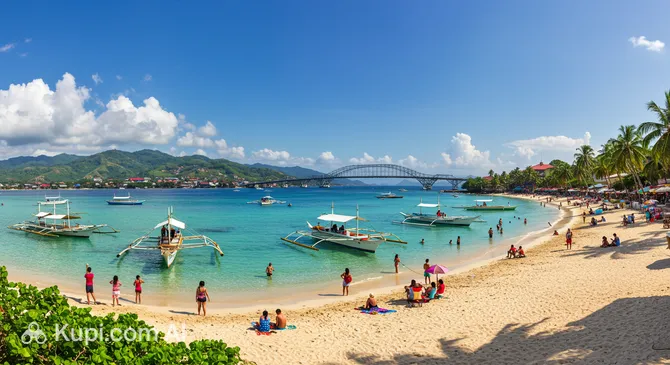
Roxas City. Source: Kupi.Binoculars

The city is home to approximately 179,000 residents and features a tropical climate that complements its coastal geography. Winding rivers and lush mangroves characterize the landscape, creating a unique atmosphere that is both lively and relaxing. To understand the local culture more deeply, exploring the history of Roxas City is highly recommended; the city was named in honor of its most famous son, President Manuel Roxas, and retains many historical landmarks.

Travelers flock here primarily for the food, with Baybay Beach being the epicenter of the gastronomic scene, lined with restaurants serving fresh scallops, oysters, and crabs. Beyond the cuisine, visitors can explore the Ang Panublion Museum to see local artifacts or take a short trip to the nearby Panay Church to view the "Dakong Lingganay," the biggest church bell in Asia. A visit to Roxas City promises a memorable experience filled with warm hospitality and unforgettable flavors.

Weather Overview

Roxas City experiences a tropical climate characterized by consistent warmth and frequent rainfall throughout the year. The city remains generally hot and humid, making it suitable for beach visits and outdoor exploration, provided you are prepared for sudden showers. For a detailed forecast and monthly breakdowns, you can check the weather in Roxas City.

Temperatures are quite stable, with average daily values hovering between 25.9°C in the cooler months of January and February and peaking at around 28.2°C in May. While the heat is constant, rain is also a regular feature; even the driest months like March and April see about 22 wet days, while months like October and December can have up to 30 rainy days. Expect warm days with a high chance of precipitation, so packing light, breathable clothing alongside reliable rain gear is highly recommended.

Interesting Facts

Beyond its reputation as a seafood haven, Roxas City holds fascinating stories and cultural details that add depth to its charm. From linguistic legends to rare culinary treasures, the city offers several unique features for the curious traveler to discover.

  • The Legend of the Twins: Local folklore suggests that the name "Capiz" (the province of which Roxas City is the capital) originated from the local word "kapid," meaning twins. The story goes that when Spanish conquistadors first arrived and asked for the name of the place, a local mother thought they were inquiring about her twin children, leading to a historical miscommunication that stuck.

  • Source of Iconic Windows: The translucent, grid-patterned windows seen in heritage houses across the Philippines are made from Placuna placenta mollusks, commonly known as "Capiz shells." This city is the primary source of these shells, which are harvested here and crafted into everything from classic windowpanes to intricate chandeliers and home decor.

  • Home of the "Angel Wings": While the city is famous for seafood in general, it is specifically the sanctuary of the rare "Diwal" or Angel Wing clam. Known for its sweet, tender meat and shell that resembles wings, this delicacy was once nearly extinct but has been revived through dedicated local conservation efforts, making it a must-try exclusive treat.

  • A Bridge That Stood Time: The Roxas City Bridge, formerly known as the Old Capiz Bridge, is a historic landmark built in 1910. A testament to the sturdy engineering of the American colonial period, it is one of the few structures in the area that survived the heavy bombings of World War II, remaining a vital link across the Panay River to this day.

How to Get There

Reaching Roxas City is convenient thanks to its own domestic airport and its proximity to other major gateways on Panay Island. Whether you are flying directly or arriving via a neighboring city, the journey offers a glimpse of the region's scenic landscapes. For a detailed breakdown of all transport options and routes, you can read more about how to get to Roxas City.

The most direct way to arrive is through the Roxas City Airport (RXS), which is located just within the city limits. It is a regional hub that connects the province of Capiz to Manila. Since the airport is situated only about 5.1 km from the city center, the transfer is very quick; a taxi or tricycle ride typically takes around 30 minutes depending on traffic. This accessibility makes it the preferred choice for most travelers visiting the "Seafood Capital."

Alternatively, travelers often fly into Kalibo International Airport (KLO), located in the neighboring city of Kalibo. This is a larger airport serving international flights and is approximately 41.9 km away from Roxas City. From Kalibo, you can take a bus or van to reach Roxas City, a journey that usually takes about 1 hour and 30 minutes by road. Another option further away is the Boracay Airport (MPH) in Caticlan, roughly 95 km from the city, which serves as a gateway for those visiting Boracay Island before heading to Capiz.

For clarity, here is a summary of the main airports in the region:

Airport Name City Passenger Traffic Km from City
Boracay Airport Caticlan Very High 95.1
Bacolod-Silay International Airport Bacolod High 91.1
Kalibo International Airport Kalibo High 41.9
Roxas City Airport Roxas City Medium 5.1
Evelio Javier Airport Antique Low 123.8

Main Attractions

While Roxas City is primarily famous for its culinary delights, it also boasts a collection of historical landmarks and natural wonders that offer a deeper look into the culture of Capiz. From unique museums to eco-tourism sites, the city provides a variety of experiences for travelers looking to explore beyond the dining table.

Ang Panublion Museum is one of the most distinctive landmarks in the city. Housed in a circular structure that was originally built as a water tank in 1910, the building itself is a piece of history. The name "Panublion" translates to "guardian of precious things" in the local dialect, which is fitting for a museum that preserves the rich heritage of the province. Inside, visitors can view memorabilia related to President Manuel Roxas, as well as collections of indigenous artifacts and local costumes, making it an essential stop for history buffs.

For those seeking a relaxing atmosphere by the sea, Baybay Beach is the city's leisure hub. Although it features the grey sand typical of the region, its true allure lies in the vibrant promenade lined with open-air restaurants. This is the heart of the "Seafood Capital" experience, where tourists can pick fresh seafood from the stalls and have it cooked to their liking. It is also a popular spot for locals to unwind during sunset, offering a lively yet laid-back glimpse into daily life in Capiz.

Just a short drive from the city center lies the historic Santa Monica Parish Church in the neighboring town of Panay, a site closely linked to Roxas City's tourism circuit. This coral-stone church is famous for housing the "Dakong Lingganay," or the Big Bell of Panay. Cast in the 19th century from 70 sacks of coins donated by the townspeople, it is considered the largest church bell in Asia. Visitors are often allowed to climb the belfry to see the massive bell up close and enjoy a panoramic view of the surrounding countryside.

Nature lovers should not miss the Palina Greenbelt Ecopark, a shining example of community-based eco-tourism. Located along the Palina River, this park offers tranquil river cruises on bamboo rafts. It is an excellent way to experience the region's lush mangrove ecosystem while enjoying fresh local food served right on the floating cottages. The tour provides a peaceful escape from the city noise and highlights the local commitment to environmental preservation.

Local Cuisine

Kitchen:

A trip to Roxas City is, first and foremost, a culinary adventure. As the officially recognized "Seafood Capital of the Philippines," the local cuisine is defined by the incredible freshness and abundance of its marine harvest. The city's brackish waters, a mix of saltwater from the sea and freshwater from the rivers, create the perfect environment for high-quality shellfish and fish, ensuring that seafood here is sweeter and more succulent than in many other parts of the country.

The crown jewel of the local dining scene is the Diwal, also known as the Angel Wing Clam. This rare delicacy is famous for its sweet, tender meat and its shell, which spreads out like wings when alive. While it can be found in a few other places, Capiz is its primary sanctuary. It is best enjoyed simply—steamed with lemongrass or baked with garlic and butter—to allow its natural flavor to shine. Because it is seasonal, catching a taste of fresh Diwal is considered a highlight of any visit.

Beyond the rare clams, the city offers an unlimited supply of Talaba (oysters) and scallops at surprisingly affordable prices. Unlike the expensive platters found in high-end city restaurants elsewhere, oysters here are sold by the sack or bucket. They are typically served steamed to ensure safety and freshness, often accompanied by a dipping sauce of vinegar, soy sauce, and calamansi (local lime). Crabs, locally called Alimango, are another staple, prized for their firm flesh and rich fat (aligue).

The culinary culture in Roxas City also extends to preserved goods. The local markets are filled with various types of Bulad (dried fish) and dried squid, which make for excellent "pasalubong" (souvenirs). For a sweet finish, visitors should try local delicacies made from glutinous rice and coconut, but the true essence of dining here remains the "paluto" experience—buying fresh ingredients from the market or a stall and having them cooked on the spot to your preference.

Travel Tips

To ensure your visit to Roxas City is as smooth and enjoyable as possible, a little preparation goes a long way. While the "Seafood Capital" is known for its laid-back atmosphere and warm hospitality, keeping these practical tips in mind will help you navigate the local customs, climate, and logistics with ease.

  1. Clothing and Gear: Given the tropical climate, lightweight and breathable fabrics like cotton or linen are your best bet to stay cool. Comfortable walking sandals or flip-flops are essential, especially for trips to Baybay Beach. Since rain can occur unexpectedly, packing a compact umbrella or a light raincoat is wise. If you plan to visit religious sites like the Santa Monica Parish Church, remember to dress modestly; avoid sleeveless tops and short shorts, or bring a shawl to cover your shoulders.

  2. Transportation: The primary mode of transport within the city is the tricycle. These motorized rickshaws are everywhere and can take you to almost any point in town. For short distances, they function like shared taxis with affordable fares, but you can also hire them for a "special trip" (private ride) to specific tourist spots—just agree on the price before hopping in. Jeepneys are available for longer routes to neighboring towns, while car rentals are less common and generally not necessary for city exploration.

  3. Finances: The currency used is the Philippine Peso (PHP). While major hotels and shopping malls in Roxas City accept credit cards, cash is king when dining at the famous seafood stalls along Baybay Beach or buying souvenirs at public markets. ATMs are readily available in the city center and commercial areas. Tipping is not strictly mandatory but is highly appreciated; leaving 10% or rounding up the bill is a kind gesture for good service.

  4. Health and Safety: Roxas City is generally safe for tourists, but standard travel precautions apply. Drink only bottled or purified water to avoid stomach issues. Since the province has many mangroves and river systems, bringing a good insect repellent is crucial to protect against mosquitoes, especially during dawn and dusk. Pharmacies like Mercury Drug and Watsons are easily found in the city proper for any medical needs.

  5. Communication: The local language is Hiligaynon (Ilonggo), but English is widely spoken and understood, so you will have no trouble communicating with locals. Learning a few local phrases like "Salamat" (Thank you) or "Maayong aga" (Good morning) goes a long way in building rapport. SIM cards from major providers like Globe and Smart are available at the airport and convenience stores, ensuring you stay connected with good 4G/LTE coverage in the city.

  6. Local Etiquette: The people of Capiz, known as Capiznons, are known for their gentleness and hospitality. A smile is the universal greeting here. When interacting with elders, it is polite to speak softly and respectfully. The pace of life is slower than in the capital, so patience is key—embrace the relaxed "island time" vibe rather than rushing service staff.

  7. What to Avoid: Avoid raising your voice or showing visible anger in public, as this causes a "loss of face" for locals and is considered very rude. Also, strictly avoid littering, especially in eco-tourism zones like the Palina Greenbelt Ecopark; the city takes pride in its clean environment and marine resources.

  8. Dining Tip: For the authentic "Seafood Capital" experience, timing is everything. Head to the seafood stalls at Baybay Beach in the late afternoon just before sunset. This allows you to pick the freshest catch of the day while it is still plentiful and enjoy your meal with a view of the sun dipping below the horizon.

Armed with these tips, you are ready to dive into the culinary and cultural wonders of Roxas City. Embrace the local lifestyle, feast on the freshest seafood, and enjoy the genuine warmth of the Capiznons for a truly unforgettable travel experience.

Entertainment & Nightlife

Entertainment and nightlife in Roxas City reflect the province's relaxed and friendly character. Unlike the high-energy clubbing scenes found in metropolitan Manila or the party island of Boracay, the evening atmosphere here is defined by laid-back gatherings, excellent food, and live acoustic music. The nightlife culture is centered heavily on socializing over a hearty meal and cold drinks, making it perfect for travelers who prefer meaningful conversations and coastal breezes over loud, crowded dance floors.

The undisputed hub of evening activity is Baybay Beach. As the sun sets, this stretch of coast transforms into a lively promenade. The famous People's Park, often referred to as the Seafood Court, comes alive with rows of open-air restaurants and stalls. Here, the vibe is incredibly casual and rustic. Locals and tourists alike sit at wooden tables, enjoying platters of grilled seafood and oysters (talaba) paired with local beer, often accompanied by the sounds of local bands playing acoustic covers of popular songs. It is the best place to experience the authentic "Capiznon" way of unwinding.

For a slightly more modern and upscale setting, the Pueblo de Panay township offers a different flavor. This developing commercial district is home to Cafe Terraza, a popular venue perched on a hill. It provides a stunning panoramic view of the city and the surrounding greenery, making it an ideal spot for sunset cocktails or a romantic dinner. The area is also seeing the growth of coffee shops and bistro-style bars where the younger crowd gathers for late-night chats and lighter fare.

Practicalities for a night out in Roxas City are simple. The dress code is almost universally casual; shorts, t-shirts, and sandals are perfectly acceptable, especially along the beach. Most venues close relatively early compared to big cities, with activity winding down around midnight or 1:00 AM. Getting around is easy via tricycles, which are plentiful even at night. However, it is advisable to agree on a fare beforehand if you are traveling late. The city is generally very safe for night walks, particularly in well-lit areas like Baybay and the city plaza, though standard travel vigilance should always be observed.

Regarding daytime entertainment, the city offers modest but enjoyable options beyond sightseeing. For movie enthusiasts, modern cinemas are available at major shopping centers like Robinsons Place Roxas and SM City Roxas. These malls also serve as air-conditioned refuges from the midday heat, featuring arcades and family entertainment centers. While the city may not have large amusement parks, the simple joy of a picnic at the beach or a leisurely afternoon at a local cafe remains a staple of the Roxas City lifestyle.

Parks & Museums

Roxas City balances its bustling seafood scene with a refreshing array of green spaces and cultural institutions that preserve the soul of Capiz. For travelers looking to step away from the dining table and immerse themselves in nature or history, the city offers accessible parks and museums that tell the story of its people and its environment.

One of the most accessible green spaces is the Roxas City Plaza. Located right in the heart of the city, this public square serves as a communal living room for locals. It is beautifully landscaped and situated near the Panay River, offering a breezy spot for an afternoon stroll. The plaza is anchored by a charming bandstand and is surrounded by historical structures, including the city cathedral and the provincial capitol. It is an excellent place for tourists to observe local life, enjoy a quiet moment, or simply admire the colonial-era layout of the city center.

For a more immersive nature experience, the Cadimahan River Tour offers a fantastic eco-tourism adventure. Similar to the Palina Greenbelt, this community-run initiative allows visitors to drift along the river on floating bamboo cottages. The area is dense with mangroves and serves as a sanctuary for various bird species and marine life. It is particularly interesting for those who want to see the aquaculture industry of Capiz up close, as the river tour often includes demonstrations of how locals harvest the seafood that makes the city famous.

When it comes to museums, the Ang Panublion Museum remains the city's premier cultural repository. As mentioned in general guides, its structure—a repurposed water tank painted in white—is an attraction in itself. Inside, the exhibits go beyond just political history; they showcase the ethnographic heritage of the Panay Bukidnon indigenous people, displaying traditional embroidery (Panubok), beadwork, and pottery. It provides a crucial context to the region's identity, making it a must-visit for anyone interested in the anthropology and arts of the Visayas.

Another significant site is the Manuel Roxas Ancestral House. As the birthplace of the fifth President of the Philippines, after whom the city is named, this heritage house stands as a monument to the nation's post-war history. The structure preserves the architectural style of the early 20th century, featuring hardwood floors, capiz-shell windows, and antique furniture. A visit here offers a personal glimpse into the life of the Roxas family and the era that shaped the modern city.

For a quiet retreat, the Capiz Provincial Park offers a serene environment distinct from the busy city center. It is an unpretentious green space where visitors can appreciate local flora and enjoy a moment of stillness away from the commercial districts. Additionally, a walk along the riverbanks near the city bridge at dusk provides a simple yet memorable "park-like" experience, where the sunset reflects beautifully off the water, offering a peaceful alternative to the beach crowds.

Getting Around

Navigating Roxas City is a straightforward and authentic experience, as the public transport system is primarily informal and road-based. Unlike major metropolises, there are no metro systems, trams, or trains here. Instead, the city relies on a network of smaller, versatile vehicles that are well-suited to the local geography. The pace is relaxed, and getting around offers a chance to interact with locals and see the sights up close.

The undisputed king of the road in Roxas City is the tricycle. These are motorcycles attached to a covered sidecar, capable of carrying a few passengers. They function as the city's primary taxi service and can be found on almost every corner. Tricycles operate in two ways: "regular" trips, where you share the ride with others along a set route for a minimal fee, and "special" trips, where you hire the vehicle exclusively to take you directly to your destination. For tourists, the "special" trip is often the most convenient option for reaching specific hotels, restaurants, or attractions like the Ang Panublion Museum.

For longer distances, such as traveling from the city center to Baybay Beach or neighboring towns within the province of Capiz, Jeepneys and Multicabs are the standard choice. These colorful, elongated vehicles follow specific routes displayed on their windshields or sides. They are an iconic part of Filipino culture and offer a breezy, open-air travel experience. For inter-city travel or trips to the airport, air-conditioned vans (often called "UV Express") and buses are also available at designated terminals.

The payment system in Roxas City is entirely cash-based. There are no travel cards, tap-to-pay systems, or transport apps like those found in capital cities. You pay the driver directly, usually at the end of a tricycle ride or upon boarding a jeepney. It is essential to carry small denominations—coins and bills of 20, 50, or 100 Pesos—because drivers often do not have change for large banknotes. Fares are generally very affordable, with short tricycle rides costing only a few pesos per person, though "special" trips will require a negotiated price agreed upon before you board.

Operating hours for public transport are quite broad, typically starting as early as 5:00 AM to accommodate students and market-goers. Tricycles and jeepneys are plentiful throughout the day but begin to dwindle after 9:00 PM or 10:00 PM. If you plan to stay out late enjoying the nightlife at Baybay Beach, it is wise to arrange your return transport in advance or be prepared to wait a bit longer for a passing tricycle.

While taxis exist, they are far less common than in larger cities and are mostly found at the airport or major transport hubs. Ride-hailing apps are generally not active in this area, so flagging down a vehicle is the norm. Car rentals are available but are not strictly necessary given the compact nature of the city. In fact, the city center is quite walkable, and exploring on foot is often the best way to discover hidden heritage houses and local shops.

Accommodation

Finding a place to stay in Roxas City is generally a straightforward and affordable experience. Unlike the high-end luxury resort scene found on nearby Boracay Island, the accommodation landscape here is more modest and functional, catering primarily to business travelers, families, and food tourists. The options typically range from budget-friendly pension houses and backpacker inns to comfortable mid-range hotels and seaside resorts.

There are two main areas where tourists usually choose to base themselves, depending on the purpose of their visit. The City Proper (Downtown) is ideal for those who want to be close to historical landmarks like the city plaza, the cathedral, and the museum. Staying here offers easy access to banks, public markets, and transport terminals. Alternatively, the Baybay Beach area is the preferred choice for leisure travelers. Accommodation here consists mostly of beachside resorts and hotels that offer immediate access to the famous seafood stalls and the refreshing sea breeze, creating a more relaxed, vacation-like atmosphere.

Another emerging area is the Pueblo de Panay township, a modern development located on the outskirts of the city center. This district features newer facilities, hotels with modern amenities, and proximity to transport hubs like the bus terminal, making it a convenient option for those who prefer a quieter, more organized setting away from the hustle of the old downtown.

The price range for accommodation in Roxas City is generally very reasonable. Budget travelers can find clean and basic rooms for a fraction of the cost of major tourist hubs, while mid-range hotels offer air conditioning, Wi-Fi, and swimming pools at competitive rates. Truly high-end luxury properties are scarce, but the warmth of the service often makes up for the lack of 5-star opulence.

Booking Tips: While walk-ins are often possible during the off-peak season, it is highly recommended to book in advance if you are visiting during the summer months (March to May) or during the Sinadya sa Halaran festival in December, when the city fills up with visitors. Major hotels are listed on international booking platforms, but many smaller inns and pension houses may rely on direct bookings via phone or social media pages.

Nearby Cities

Roxas City is strategically positioned on Panay Island, making it an excellent base for exploring the wider Western Visayas region. The city is surrounded by a diverse array of municipalities and component cities, ranging from bustling provincial capitals to quiet agricultural towns. Travelers can easily reach these neighboring destinations via public transport to experience the distinct culture and geography of the area.

City / Town Population Distance (km)
Dumarao 49,506 35
Sara 54,637 40
Kalibo 89,127 43
Passi 88,873 44
Estancia 53,200 45

Among the most prominent neighbors is Kalibo, the capital of Aklan province. It is widely known for the vibrant Ati-Atihan Festival and serves as the primary gateway to the famous Boracay Island. Another key destination is Passi, a component city in Iloilo often called the "Sweet City" because of its extensive pineapple plantations and sugar industry.

For those interested in the region's marine livelihood, Estancia in Northern Iloilo is a major fishing hub, earning it the nickname "Alaska of the Philippines" due to its rich seafood catch. Meanwhile, the towns of Sara and Dumarao offer a more relaxed, rural atmosphere, providing a glimpse into the peaceful countryside life of Panay.

Shopping & Souvenirs

Shopping in Roxas City offers a distinct mix of modern convenience and traditional provincial charm. While it may not be a high-fashion metropolis, the city provides a satisfying retail experience where air-conditioned malls coexist with bustling public markets. The shopping scene here is less about luxury brands and more about discovering local craftsmanship and the region's famous marine bounty. Visitors will find that the city is an excellent place to purchase authentic Filipino products, particularly those unique to the province of Capiz.

The city's commercial activity is concentrated around a few key thoroughfares. Roxas Avenue and Arnaldo Boulevard serve as the main arteries for shopping, lined with a variety of establishments ranging from hardware stores and pharmacies to local boutiques and convenience shops. The downtown area, or "Poblacion," remains a busy hub for smaller general merchandise stores where you can find everyday essentials at lower prices compared to the larger commercial centers.

For a modern shopping experience, the city is home to major malls that provide a cool respite from the tropical heat. Robinsons Place Roxas, located in the Pueblo de Panay township, is a popular destination featuring a department store, a supermarket, and a cinema, along with various dining options. Another key spot is SM City Roxas on Arnaldo Boulevard, which offers a wide selection of national and international retail chains, making it a one-stop shop for clothing, electronics, and groceries. Gaisano Marketplace is another well-frequented establishment, known for offering affordable goods and a large supermarket.

However, the true heart of shopping in the "Seafood Capital" lies in its markets. The Teodoro Arcenas Trade Center (TATC) is the city's main public market and a must-visit for any traveler. This is where the local culture thrives. The wet market section is a spectacle of fresh catch—scallops, oysters, crabs, and fish—sold at prices significantly lower than in the capital. Even if you aren't cooking, walking through the aisles offers a vibrant glimpse into the daily life of the Capiznons.

When it comes to souvenirs, Capiz shell products are the definitive keepsake from Roxas City. As the province is the namesake of these translucent shells, you can find them crafted into exquisite items such as chandeliers, lampshades, trays, and picture frames. These are widely available in souvenir shops near the city plaza or at the airport. Another essential buy is dried seafood, locally known as "bulad." The market offers high-quality dried squid, danggit, and dilis, which are vacuum-packed by vendors for easy transport.

Store hours in Roxas City are generally consistent. Shopping malls typically operate from 10:00 AM to 9:00 PM daily. Standalone shops and boutiques usually open around 9:00 AM and close by 6:00 PM or 7:00 PM. The public market starts bustling as early as 4:00 AM for the freshest catch and winds down in the early evening. Regarding payment, cash is king, especially in markets, small souvenir stalls, and for tricycle fares. While malls and major restaurants accept credit cards, it is highly advisable to carry smaller denominations of the Philippine Peso for local transactions.

Tourists should be aware that tax-free shopping or VAT refund counters are not a standard feature in provincial cities like Roxas City. The prices displayed on goods are typically inclusive of the Value Added Tax (VAT). Bargaining is not common in malls or department stores, but it is acceptable and often expected when buying in bulk at the public market or from small souvenir vendors.
Reached the end of the page?

That means the route is fully explored