Support

Daraga

About

Welcome to Daraga, a vibrant and historically significant municipality located in the province of Albay. Known for its breathtaking landscapes and rich cultural heritage, this bustling town serves as a primary gateway for travelers exploring the Bicol Region. With the majestic Mayon Volcano providing a stunning backdrop to daily life, Daraga offers a unique blend of natural beauty and small-town charm that captivates visitors from the moment they arrive.

Geographically situated in the eastern part of the Philippines, Daraga enjoys a tropical climate that lushly coats its surroundings in green. It is a first-class municipality with a population of approximately 133,000 residents, making it a lively hub of commerce and tourism in the region. Its strategic location near Legazpi City makes it easily accessible while maintaining a distinct character defined by its resilience and scenic vistas.
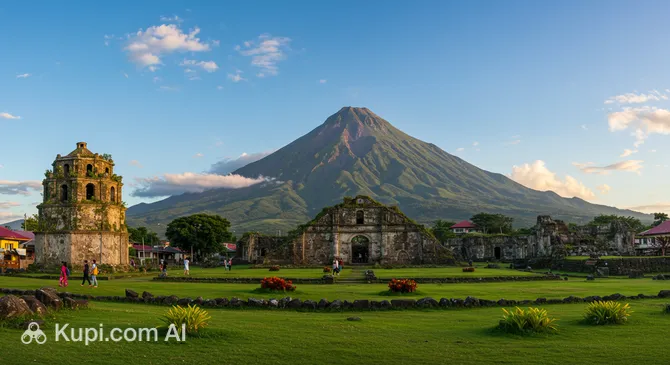
Daraga. Source: Kupi.Binoculars

The town is deeply connected to the geological and colonial past of the region. You can delve deeper into the fascinating history of Daraga to understand how the community has thrived despite the challenges posed by the nearby volcano. This heritage is most visibly preserved in its iconic landmarks, which stand as testaments to the town's enduring spirit and faith.

One of the most famous attractions here is the Cagsawa Ruins, the remnants of an 18th-century church buried by the 1814 eruption of Mayon Volcano. Today, the belfry stands as a poignant memorial and offers one of the most photographed views in the country. Another architectural gem is the Nuestra Señora de la Porteria, also known as the Daraga Church. Perched atop a hill, this Baroque-style church not only showcases intricate stone carvings but also provides a panoramic view of the volcano and the sea.

Whether you are a history buff, a nature lover, or simply seeking a picturesque escape, Daraga promises an unforgettable experience. Its combination of awe-inspiring scenery, historical depth, and warm local hospitality makes it a must-visit destination on your Philippine itinerary.

Weather Overview

Travelers planning a trip to this region should be prepared for a tropical climate characterized by consistent warmth and significant humidity. To get a detailed breakdown of what to expect during your specific travel dates, you can check the weather in Daraga page. Generally, the town experiences stable temperatures year-round, making it a destination that can be visited at any time, though carrying an umbrella is always a wise decision due to the frequency of showers.

The warmest period typically occurs around May, with average temperatures reaching up to 28.4°C and daily highs occasionally climbing above 31°C. The cooler months are usually January and February, though the weather remains pleasant with averages hovering around 25.5°C. Rainfall is a constant companion throughout much of the year; expect warm days with frequent wet spells, particularly from July to December when rainy days are most common. March usually offers the driest conditions, with fewer wet days compared to the rest of the year.

Interesting Facts

Beyond the famous volcanic landscapes, Daraga holds several fascinating secrets that add depth to its charm. From linguistic roots to architectural marvels born of necessity, here are some captivating facts about this Bicolano town.

  • The municipality's name is derived from the local Bicolano word "daraga," which translates to "maiden" or "unmarried woman." This poetic moniker is often said to reflect the pristine and captivating beauty of the town's natural surroundings.

  • The stunning Nuestra Señora de la Porteria Church is a marvel of adaptation; it was constructed using volcanic stones. Furthermore, its strategic location on top of a hill was not merely for aesthetics—it served as a vital lookout and sanctuary for residents seeking refuge from pirate raids and flash floods in centuries past.

  • While often grouped with Legazpi City in travel brochures, the world-famous Cagsawa Ruins are geographically and administratively located within Daraga. This site, featuring the buried church belfry, is the town's most distinct historical marker.

  • Daraga is a haven for adventurous foodies, particularly those looking to try the region's signature Sili Ice Cream. This unusual dessert blends the cooling texture of ice cream with the fiery heat of local chili peppers, perfectly representing the spicy culinary tradition of the Bicol region.

How to Get There

Reaching this scenic destination in the Bicol Region is increasingly convenient due to improved infrastructure. For a comprehensive look at all available transportation methods, including buses and driving directions, you can read more about how to get to Daraga.

The most direct and popular way to arrive is by flying into Bicol Airport (IATA: DRP), also known as the Bicol International Airport. This modern facility is actually located within the municipality of Daraga itself, making it the perfect gateway for your trip. Since the terminal is situated just about 2 km from the main town area, the transfer is quick and hassle-free, typically taking around 20 to 25 minutes by taxi or airport shuttle.

Another option for travelers is Naga Airport (IATA: WNP), which is located in the municipality of Pili, approximately 70 km from Daraga. While this requires a longer land transfer upon arrival, it serves as a good alternative if flights to Bicol Airport are fully booked. The journey from Pili to Daraga usually takes about 2 hours by bus or private car.

For clarity, here is a summary of the main airports in the vicinity:

Airport Name City Passenger Traffic Km from City
Bicol Airport Daraga Medium 2.1
Masbate Airport Masbate City Small 81.7
Naga Airport Pili Small 70.5
Virac Airport Virac Small 76.2
Catarman National Airport Catarman Small 121.8

Main Attractions

Daraga offers a compelling mix of historical landmarks and scenic spots that highlight the natural beauty of the Albay province. While the town is famous for its close relationship with the Mayon Volcano, its attractions go beyond just viewpoints, offering visitors a chance to engage with local history, architecture, and agritourism.

The most iconic destination in the municipality is undoubtedly the Cagsawa Ruins Park. This site features the blackened belfry of an 18th-century Franciscan church that was buried during the catastrophic 1814 eruption of Mayon Volcano. It is widely considered one of the best spots to view the perfect cone of the volcano. Tourists flock here not only for the postcard-perfect photos but also to enjoy the surrounding park, which hosts souvenir stalls, local food vendors, and serves as a starting point for thrilling ATV adventures around the volcano's foothills.

Another historical gem is the Nuestra Señora de la Porteria, commonly referred to as the Daraga Church. Perched atop a hill, this stunning structure is a National Cultural Treasure known for its unique Churrigueresque architectural style, characterized by intricate floral carvings on its volcanic stone facade. Beyond its religious and historical significance, the church grounds offer a sweeping panoramic view of the volcano on one side and the calm waters of the Albay Gulf on the other, making it a peaceful retreat for sightseeing.

For those seeking a more relaxing and rustic atmosphere, FarmPlate has become a popular modern attraction in Daraga. This agritourism site is designed to resemble a classic countryside ranch, complete with a large red barn, sprawling green pastures, and areas for picnics and bonfires. It is an excellent place for families and groups to unwind, enjoy fresh air, and take photos amidst a beautifully landscaped environment that feels far removed from the busy town center.

Local Cuisine

The culinary scene in Daraga is a fiery and flavorful reflection of the wider Bicol Region, famous across the Philippines for its bold use of gata (coconut milk) and sili (chili peppers). For food lovers, visiting this town is a gastronomic adventure where creamy textures meet intense spice. The local cuisine is distinct and unforgettable, often regarded as some of the most flavorful comfort food in the country.

No trip to Daraga would be complete without trying the region's namesake dish, Bicol Express. This stew is made from pork cubes cooked slowly in coconut milk with shrimp paste and a generous amount of green chili peppers, creating a dish that is both rich and spicy. Another must-try is Pinangat, a local delicacy originating from the neighboring town but widely available here. It consists of shredded taro leaves, meat, and chilies wrapped in whole taro leaves and simmered in coconut milk until it melts in your mouth.

For those with a sweet tooth, the abundance of Pili trees in the province makes Pili nuts a staple snack. You can find them roasted, glazed with honey, or processed into tarts and candies, making them perfect edible souvenirs. If you are feeling adventurous, seek out the famous Sili Ice Cream. This unique dessert offers a creamy sweetness that is quickly followed by a surprising kick of heat, a true testament to the locals' love for spice.

To balance the heat of the main courses, locals often turn to refreshing natural drinks. Fresh Buko juice (young coconut water) is widely available and is the perfect antidote to a spicy meal. You might also find shakes made from Pili nuts, which have a rich, buttery flavor similar to almond milk but with a distinct local twist.

The food culture in Daraga is accessible and unpretentious. You will find a mix of "carinderias" (small local eateries) serving home-cooked meals alongside established restaurants that often offer views of the Mayon Volcano. The area around the Cagsawa Ruins is particularly lively, filled with food stalls where you can grab quick snacks like toasted pinipig or fresh coconut while sightseeing. Whether you are dining in a roadside stall or a sit-down venue, the hospitality is warm, and the portions are generous.

Travel Tips

To ensure your visit to Daraga is as enjoyable and hassle-free as possible, we have compiled a set of practical recommendations tailored to the local environment and culture. These tips will help you navigate the town with ease, allowing you to focus on the stunning views of Mayon Volcano and the rich heritage of Albay.

  1. Clothing and Gear: Given the tropical climate, pack lightweight, breathable fabrics like cotton or linen to stay cool. Since rain showers can occur unexpectedly, especially in the afternoons, carrying a compact umbrella or a light raincoat is essential. Comfortable walking shoes are a must for exploring the Cagsawa Ruins and climbing the hill to Daraga Church. If you plan to enter the church, remember to dress modestly by covering your shoulders and knees.

  2. Transportation: The most common and convenient way to get around Daraga is by tricycle. These motorized sidecars can navigate small streets and take you directly to attractions; just be sure to agree on the fare before starting the ride or ask a local for the standard rate. For longer distances or trips to neighboring Legazpi City, jeepneys are an affordable and authentic option. Taxis are available but are less frequent than tricycles within the town center.

  3. Finances: The official currency is the Philippine Peso (PHP). While major hotels and some restaurants accept credit cards, cash is king in Daraga, especially for tricycle fares, souvenir stalls at Cagsawa, and local eateries. It is advisable to carry smaller bills (20s, 50s, and 100s) as change can be scarce. ATMs are widely available in the town center and near commercial establishments.

  4. Health and Safety: Pharmacies like Mercury Drug and Watsons are easily found in the town proper and usually operate during standard business hours, with some branches open late. Tap water is generally not recommended for drinking; stick to bottled or purified water to avoid stomach issues. As a precaution against mosquitoes, especially if you are exploring nature parks or staying out at dusk, apply insect repellent.

  5. Communication: English is widely understood and spoken, making communication relatively easy for international travelers. The local languages are Bicolano and Tagalog. Learning a simple "Salamat" (Thank you) or "Magandang umaga" (Good morning) is always appreciated by locals. Prepaid SIM cards from major networks like Globe and Smart are readily available at convenience stores and the airport for mobile data.

  6. Local Etiquette: Bicolanos are known for their warmth and hospitality. A smile goes a long way when interacting with locals. When visiting someone's home, it is polite to leave your shoes at the door unless told otherwise. In public, maintaining a calm demeanor is important; raising your voice or showing visible anger is considered rude and causes "loss of face."

  7. What to Avoid: Do not take photos of locals without asking for permission first, particularly in rural areas. Additionally, avoid making jokes about security or bombs, especially near the airport and transport terminals, as this is taken very seriously by authorities and can lead to legal trouble.

  8. Golden Hour for Views: To get the best possible view of the Mayon Volcano, try to wake up early. The volcano is notorious for "shyness," often hiding behind clouds by mid-morning or early afternoon. Visiting the Cagsawa Ruins or the Daraga Church viewpoint between 6:00 AM and 8:00 AM usually offers the clearest skies and the most stunning photo opportunities.

By keeping these practical tips in mind, you will be well-prepared to embrace the laid-back rhythm and fiery culture of this beautiful Bicolano town. Enjoy your journey, soak in the scenery, and let the charm of Daraga make your trip truly memorable!

Entertainment & Nightlife

The nightlife in Daraga is characterized by a relaxed and rustic charm rather than the high-energy clubbing scene found in larger metropolises. Evenings here are best spent enjoying the company of friends and family at local "restobars" and grills, where the focus is on good conversation, acoustic music, and excellent food. The town’s proximity to Legazpi City means that travelers looking for thumping bass and dance floors are just a short tricycle or jeepney ride away, but those staying within Daraga will find a more laid-back, culturally immersive experience.

Most of the evening activity is concentrated along the National Highway and Rizal Street, which serve as the town's main arteries. Here, you will find a variety of establishments ranging from open-air eateries to cozy cafes that stay open late. The atmosphere is generally casual and unpretentious; there is no strict dress code, and flip-flops or shorts are perfectly acceptable at most venues. Locals typically head out for dinner around 7:00 PM, with drinks and socializing continuing until around midnight.

For a dining experience that captures the town's heritage, Balay Cena Una is a classic destination. This establishment is often celebrated for its warm, ancestral house ambiance and its menu of traditional Bicolano favorites. Guests can enjoy a quiet, nostalgic evening surrounded by timber interiors and local decor, making it an ideal spot for a romantic dinner or a sophisticated meal away from the bustle of the main roads.

If you are looking for a more casual night out with cold drinks and hearty food, popular local hangouts like Hideout Bar & Grill or Sloppy Joe’s are excellent choices. These venues are known for their friendly vibe, serving up delicious "pulutan" (bar chow) and grilled specialties. They often feature live acoustic bands, providing a perfect soundtrack for unwinding after a day of exploration. For budget-conscious travelers, the area around the town plaza also comes alive with street food vendors selling barbecue skewers, offering a taste of local culture under the night sky.

When planning a night out, it is important to note that public transportation, particularly tricycles, becomes less frequent after 10:00 PM. It is advisable to arrange for a ride back to your accommodation in advance or have a taxi contact number handy. The town is generally safe for night walks, especially in well-lit areas along the main road, but standard travel precautions should always be observed.

During the daytime, entertainment in Daraga shifts towards cultural and outdoor exploration. While the town does not have large movie theaters or amusement parks—those can be found in the nearby malls of Legazpi—it offers rich experiences for history buffs and nature lovers. Visitors can spend their days exploring the grounds of the Cagsawa Ruins, taking ATV tours around the volcano's foothills, or visiting local galleries and souvenir shops that showcase the artistry of the Albay province.

Parks & Museums

While Daraga is often celebrated for its proximity to the majestic Mayon Volcano, the town itself offers a selection of green spaces and cultural repositories that allow visitors to connect with the local heritage and environment. Unlike dense urban centers filled with manicured city parks, Daraga's recreational areas are often integrated with its historical landmarks and agricultural landscapes, providing a unique blend of nature and history.

Cagsawa Ruins Park is the most prominent green space in the municipality. While famous for the iconic sunken belfry, the surrounding area functions as a lively park complex. Visitors can stroll through landscaped gardens, rest under the shade of trees, or explore the vibrant network of souvenir stalls and local eateries. It serves as a communal hub where tourists and locals mingle, often used as the staging ground for ATV tours that take adventurers deeper into the volcanic foothills.

For a more modern and curated approach to nature, FarmPlate has emerged as a favorite recreational destination. This agritourism site offers a rustic escape with its sprawling green pastures, a picturesque red barn, and designated picnic areas. It is designed to mimic a countryside ranch, providing a relaxing atmosphere where families can enjoy the fresh air, fly kites, or simply sit by a bonfire in the evening. It represents a growing trend of eco-friendly tourism in the Albay province.

In terms of museums, the town hosts a significant institution right within its most famous landmark. The Cagsawa National Museum, a branch of the National Museum of the Philippines, is located within the Cagsawa Ruins Park complex. This facility provides crucial context to the site, housing exhibits related to the geological history of Mayon Volcano and the devastating 1814 eruption. Visitors can view photographs, volcanic rocks, and artifacts that tell the story of the region's resilience against natural calamities.

Beyond the formal museum, the Nuestra Señora de la Porteria (Daraga Church) stands as a monumental piece of living history. As a National Cultural Treasure, the church itself functions as an open-air gallery of Baroque and Churrigueresque architecture. The intricate floral motifs carved into its volcanic stone facade and its twisting columns offer art and history enthusiasts a close-up look at colonial-era craftsmanship that has survived for centuries.

Another significant historical site that often goes unnoticed by the average tourist is the Budiao Ruins. Similar to Cagsawa, this site features the remains of a church destroyed during the 1814 eruption. Located just a few kilometers away from the town center, the ruins of the Budiao Church offer a raw and untouched glimpse into the past. It is less commercialized than Cagsawa, providing a solemn and atmospheric experience for those interested in the archaeological aspects of the town.

For an authentic and quieter experience, consider visiting the Budiao Ruins early in the morning. Unlike the bustling Cagsawa complex, this site is often empty, allowing for a peaceful contemplation of the stone structures against the backdrop of the volcano. It is a perfect spot for photographers seeking a unique angle of Albay's history without the crowds.

Getting Around

Navigating the public transport system in Daraga is an authentic experience that relies entirely on road-based vehicles rather than a modern subway or rail network. The city does not have a metro, tram, or trolleybus system. Instead, the streets are dominated by the colorful and iconic Jeepneys, which serve as the primary means of transit for longer distances, connecting the municipality to neighboring areas and key commercial hubs. These repurposed military jeeps are open-air and follow specific designated routes, which are usually painted on the side of the vehicle or displayed on a signboard in the windshield.

For shorter distances and navigating the narrower streets within the town, motorized tricycles are the most convenient option. These are motorcycles with attached sidecars that can carry two to four passengers. Tricycles function similarly to taxis but on a smaller scale, offering door-to-door service. They are particularly useful for reaching specific attractions like the Cagsawa Ruins or traveling between the main highway and residential areas where jeepneys do not pass.

The payment system in Daraga is straightforward and strictly cash-based. There are no travel cards, digital passes, or mobile apps for paying fares on public transport. Travelers must carry small denominations of the local currency, such as coins and bills of 20 or 50, as drivers often do not have change for large amounts. Fares are very affordable; jeepney rides have a fixed minimum rate for the first few kilometers, while tricycle fares vary depending on whether you are sharing the ride with others or hiring the vehicle for a "special" private trip.

When using a jeepney, you can hail one from virtually anywhere along the route by simply waving your hand. To pay, you pass your money down the line of passengers to the driver, saying "Bayad po" (Here is my payment). When you are ready to disembark, you signal the driver by saying "Para po" (Please stop) or, in some cases, by tapping a coin on the metal handrail. It is important to note that public transport typically operates from early morning until around 9:00 PM or 10:00 PM. After this time, finding a ride can become difficult, so it is wise to plan your return trip accordingly.

For those seeking more comfort or carrying heavy luggage, taxis are available, though they are less ubiquitous on the streets compared to major metropolitan areas. You are most likely to find them waiting at the Bicol International Airport, which is located within Daraga, or at major shopping centers in the nearby city. Car rentals are an option for those who prefer self-driving, but given the bustling nature of the local traffic and the unique driving habits, many tourists find it more relaxing to rely on hired drivers or public transit.

A unique aspect of the local transport culture is the flexibility of the tricycle drivers, who often double as informal tour guides. It is common for tourists to negotiate a chartered price (often called a "pakyaw" rate) for a driver to take them to multiple tourist spots, such as the Daraga Church and Cagsawa Ruins, and wait for them at each location. This arrangement offers a personalized and efficient way to see the sights without the hassle of waiting for a new ride at every stop.

Accommodation

Accommodation in Daraga is generally characterized by its affordability and warm, small-town hospitality. Unlike the highly commercialized hotel districts in major metropolitan areas, the options here lean towards budget-friendly inns, cozy homestays, and mid-range hotels. While travelers often look to the neighboring city for luxury chains, Daraga offers a more laid-back atmosphere with establishments that frequently boast stunning, unobstructed views of the Mayon Volcano right from your window.

When choosing where to stay, location plays a key role depending on your itinerary. The town proper (Poblacion) is the most convenient area for those who rely on public transportation. Staying here places you within walking distance of the market, fast-food chains, and the terminal for jeepneys heading to other parts of Albay. It is an excellent base for travelers who plan to explore the town’s historical sites, such as the hilltop church, on foot.

For visitors seeking a scenic retreat, the areas surrounding the Cagsawa Ruins offer a different charm. Accommodations in this vicinity are often resort-style or nature-inspired, providing a peaceful environment away from the bustle of the highway. These spots are perfect for waking up to the sight of the volcano and are convenient for those planning early morning ATV tours. Additionally, with the Bicol International Airport located within the municipality, a growing number of transient houses and hotels have sprung up near the terminal, catering specifically to travelers with early flights or late arrivals.

Booking Tips and Prices:

The cost of accommodation in Daraga is generally lower than in larger tourist hubs. Budget travelers can find comfortable rooms ranging from PHP 800 to PHP 1,500 per night, while mid-range hotels with more amenities typically cost between PHP 2,000 and PHP 4,000. While major booking platforms list the larger hotels, many smaller inns and homestays still operate via direct booking through social media or phone calls.

It is highly recommended to book your accommodation in advance if you are visiting during the Cagsawa Festival in February or the Holy Week season, as rooms fill up quickly with both local and foreign tourists. For smaller establishments, it is also wise to confirm if they accept credit cards, as many family-run businesses may prefer cash payments.

Nearby Cities

For those looking to explore the surroundings, Daraga serves as an excellent base for day trips to several interesting nearby locations:

Just a few kilometers away lies Legazpi, the provincial capital and a bustling commercial hub. It offers a mix of urban conveniences and scenic spots, such as the famous Legazpi Boulevard, where visitors can enjoy seaside walks with a clear view of Mayon Volcano. It is also the primary destination for shopping, dining, and accessing wider transport networks in the region.

To the north, Tabaco is a coastal city often referred to as the "City of Love." It is culturally significant for its thriving cutlery industry, producing high-quality knives and scissors known locally as "tabak." History enthusiasts will appreciate a visit to the St. John the Baptist Church, a National Cultural Treasure made of volcanic stone, while the city's port serves as a gateway to the island province of Catanduanes.

Another inviting destination is Ligao, known for its unique natural attractions. The city is home to Kawa-Kawa Hill, a distinct landform that resembles a cauldron ("kawa") and features a crater-like depression instead of a peak. This park is a favorite among locals and tourists for its blooming sunflower farm and panoramic views of the Albay province.

City Population Distance (km)
Legazpi 209,533 7
Sorsogon City 182,237 36
Tabaco 140,961 25
Ligao 118,096 23
Polangui 89,176 32

These nearby destinations offer a glimpse into the diverse culture and landscapes of the region.

Shopping & Souvenirs

Shopping in Daraga offers a delightful immersion into the local culture and craftsmanship of the Bicol Region. Unlike the sprawling luxury retail hubs found in metropolitan areas, the shopping scene here is defined by rustic charm, authentic native products, and bustling community markets. Visitors will find that the best purchases are often those that reflect the town's agricultural heritage and artistic resilience, particularly items made from abaca fiber and volcanic stone.

The town's commercial activity is concentrated along Rizal Street and the National Highway. This busy thoroughfare serves as the main artery for local commerce, lined with a mix of independent boutiques, convenience stores, and small eateries. It is a lively area where tourists can observe the daily rhythm of the town while browsing for everyday essentials or local snacks. Walking along these streets provides easy access to banks, pharmacies, and the town's primary shopping center.

For a more modern shopping experience, LCC Mall Daraga is the go-to destination. Located centrally on Rizal Street, this establishment serves as the town's primary mall, offering a supermarket, a department store, and a selection of fast-food chains. It is a convenient stop for travelers who need to restock on travel supplies, buy groceries, or enjoy air-conditioned comfort. While it is smaller than the mega-malls in neighboring cities, it provides all the necessary amenities for a comfortable visit.

The heart of the local trade beats strongest at the Daraga Public Market. Recently improved to offer a cleaner and more organized environment, this market is where the locals shop for fresh produce, seafood, and regional delicacies. It is an excellent place to see the variety of fruits grown in the province, including the famous pili nut in its raw form. For a more tourist-centric market experience, the cluster of souvenir stalls near the Cagsawa Ruins is unmissable. These vendors offer a wide array of handicrafts and are the best place to hunt for gifts to take home.

When it comes to souvenirs, Daraga is a treasure trove of unique Bicolano products. The most iconic item to buy is the Pili nut, which is sold in various forms such as roasted, glazed, or made into sweet tarts and candies. Another popular buy is abaca craftsmanship; you can find durable and stylish bags, slippers, and home decor woven from this strong natural fiber. For something truly unique to the area, look for volcanic stone crafts. Artisans carve stones sourced from around Mayon Volcano into intricate items ranging from small keychains and figurines to functional mortar and pestle sets.

Most shops and stalls in Daraga operate from approximately 8:00 AM to 7:00 PM, though the public market starts bustling as early as dawn. The larger establishment, LCC Mall, typically stays open until 8:00 PM. While the mall and some larger restaurants accept credit cards, cash is essential when shopping at the public market, souvenir stalls, and smaller boutiques. It is advisable to carry smaller denominations of the Philippine Peso, as vendors may not always have change for large bills.

Reached the end of the page?

That means the route is fully explored