Support

Calapan

About

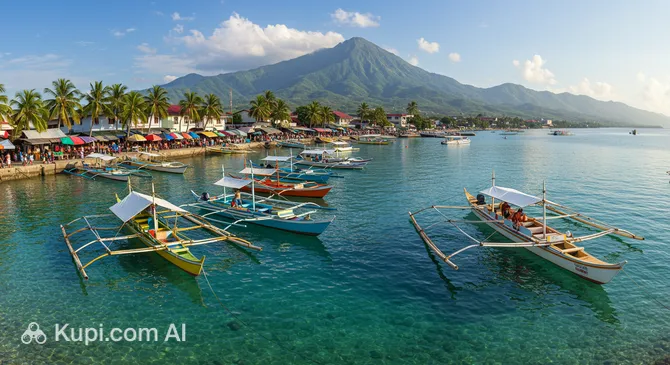
Welcome to Calapan, the vibrant capital of Oriental Mindoro and the primary gateway to this enchanting province. Situated on the northeastern coast of Mindoro Island, this bustling city serves as a vital hub for commerce and transport in the Philippines. With its strategic location facing the Verde Island Passage, Calapan offers a unique mix of urban energy and coastal serenity, making it an excellent starting point for travelers exploring the region's natural wonders.

Calapan. Source: Kupi.Binoculars

Home to approximately 145,000 residents, the city is known for its warm hospitality and lively atmosphere. While it functions as a modern administrative center, it retains a deep connection to its roots. Visitors interested in the past can explore the history of Calapan, which traces its evolution from a small settlement to a thriving chartered city. The local culture is vividly celebrated during the annual Kalap Festival, a colorful event that highlights the community's heritage and resilience.

Travelers will find plenty to admire within and around the city limits. Nature enthusiasts should not miss a trip to Harka Piloto Island, a nearby marine sanctuary known for its pristine waters and diverse aquatic life, perfect for snorkeling. Back on the mainland, the Santo Niño Cathedral stands as a significant spiritual landmark, while the Calapan City Zoological and Recreational Park offers a pleasant green space for leisure. Whether you are passing through the port or staying to explore, Calapan invites you to experience its distinct charm and authentic island lifestyle.

Weather Overview

Calapan enjoys a warm tropical climate year-round, making it a welcoming destination for travelers seeking consistent heat. The average temperatures are quite stable, typically ranging from a comfortable 24.0°C in January to a peak of 27.1°C in May. Even during the cooler months, the weather remains pleasant, with minimum temperatures rarely dropping below 22°C, ensuring a cozy atmosphere for exploration.

Rainfall is a regular feature of the local climate, with a significant number of wet days recorded throughout the year. The wettest period generally spans from July to December, where rain can occur on up to 30 days in a month, while March and April tend to be the driest, offering fewer rainy days. For a more detailed breakdown to help plan your itinerary, you can view the current weather in Calapan.

Interesting Facts

Beyond the main attractions, Calapan holds many fascinating secrets that reveal the depth of its local culture and history. Here are some intriguing facts that make this coastal hub truly unique.

  • Origin of the Name: The name "Calapan" is derived from the Tagalog word kalap, which means "to gather wood." In earlier times, the area was covered in thick forests, and people from neighboring lands would travel here specifically to collect timber.

  • A Unique Status: Calapan holds the distinction of being the only city in the province of Oriental Mindoro. While the province comprises numerous municipalities, Calapan stands alone as its sole chartered city and administrative capital.

  • A Vital Link: The city is a crucial node in the Strong Republic Nautical Highway, a system of roads and ports connecting the major islands of the Philippines. This makes Calapan not just a provincial port, but a national gateway linking Luzon to the Visayas and Mindanao.

  • Festival Roots: The annual Kalap Festival is more than just a street party; it is a historical tribute. The performances specifically reenact the city's origins of wood gathering, celebrating the hard work and community spirit that established the settlement.

How to Get There

Reaching this coastal city typically involves a combination of land and sea travel, as it is situated on Mindoro Island. Most travelers arrive via the nearby port after a bus journey from the capital, but flying into the major hubs on Luzon is the first step for international and distant domestic visitors. For detailed routes and schedules, you can read more about how to get to Calapan and plan your journey accordingly.

The city of Calapan does not have its own airport, but the most convenient entry point is Ninoy Aquino International Airport (MNL) in Manila, located approximately 126 km away. As the primary international gateway to the country, it handles a massive volume of passengers. From the airport, travelers typically take a bus or taxi to Batangas Port, followed by a ferry to Calapan. The entire journey, including the land transfer and sea crossing, generally takes around 3 to 4 hours.

Another viable option for travelers, especially those coming from northern Luzon or specific international destinations, is Clark International Airport (CRK) in Angeles City. This airport is situated about 210 km from Calapan. While further away, it serves as a significant hub with modern facilities. The travel time from here is longer, taking approximately 5 to 6 hours, as it involves transit through Manila to reach the port in Batangas.

For clarity, here is a summary of the main airports in the region:

Airport Name City Passenger Traffic Km from City
Ninoy Aquino International Airport Manila Very High 126.0
Boracay Airport Caticlan Medium 182.2
Clark International Airport Angeles City Medium 210.5
Kalibo International Airport Kalibo Medium 229.1
Busuanga Airport Busuanga Small 180.7

Main Attractions

While Calapan is often viewed as a transit point, the city and its surroundings boast several worthwhile stops that highlight the natural beauty and culture of Oriental Mindoro. From protected marine sanctuaries to peaceful green spaces, the local attractions offer a glimpse into the relaxed island lifestyle and the community's dedication to environmental preservation.

One of the most commendable eco-tourism initiatives in the area is the Silonay Mangrove Conservation and Ecopark. Located just a short drive from the city center, this protected area features a long bamboo boardwalk that winds through a dense mangrove forest, leading out to a viewing tower with sweeping views of the sea. It is a fantastic spot for birdwatching, photography, and learning about the vital role mangroves play in the coastal ecosystem. Visitors can enjoy the serene atmosphere and even participate in tree-planting activities to support local conservation efforts.

For those eager to explore the underwater wonders of the Verde Island Passage, Harka Piloto Island is a must-visit destination. Designated as a marine sanctuary, this small island offers excellent snorkeling and diving opportunities with its crystal-clear waters and vibrant coral reefs. The lack of heavy commercial development allows nature to thrive, making it an idyllic escape for travelers seeking solitude and a direct connection with marine life.

In the heart of the city stands the Santo Niño Cathedral, a central landmark for the local community and a significant religious site. As the seat of the Apostolic Vicariate of Calapan, the cathedral is not only a place of worship but also a gathering point that reflects the deep spiritual roots of the province. Its architecture is modern yet inviting, offering a quiet space for reflection amidst the bustle of the city streets.

Families and leisure seekers often head to the Calapan City Zoological and Recreational Park. This public space serves as the city's main park, featuring landscaped gardens, a playground, and a mini-zoo that houses various animal species. It is a popular venue for morning jogs, afternoon picnics, and community events, providing a refreshing green lung within the urban landscape where locals and tourists alike can unwind.

Local Cuisine

The culinary landscape of Calapan reflects its dual identity as a bustling coastal hub and the capital of an agriculturally rich province. Visitors can expect a delightful mix of fresh seafood caught daily from the nearby waters and rustic, hearty dishes that make the most of the island's abundant coconuts and tropical fruits. The food scene here is unpretentious but deeply flavorful, offering an authentic taste of the Tagalog region's island life.

One distinct local delicacy that every traveler should try is the Mindoro version of Suman sa Lihiya. This sticky rice treat is a beloved snack, typically wrapped in banana leaves and served with a generous drizzle of thick coco jam or sweet peanut sauce. For those seeking a savory main course, Adobong Pugita (octopus adobo) is a must-try. This dish highlights the local expertise in preparing seafood, where tender octopus is slow-cooked in a savory vinegar and soy sauce mixture, resulting in a rich and tender meal that pairs perfectly with steamed rice.

When it comes to beverages, Calapan takes pride in its local produce. As Oriental Mindoro is known as the "Calamansi Capital of the Philippines," the signature drink is undoubtedly fresh Calamansi juice. You will find this refreshing citrus drink served everywhere, from roadside stalls to established restaurants, often sweetened with honey or sugar. Fresh Buko juice (coconut water) is another staple refresher, often sold straight from the shell by vendors, providing a natural way to beat the tropical heat.

The food culture in the city is vibrant and accessible, centering heavily on the public market and small, family-run eateries known as carinderias. These spots are where locals go for affordable, home-cooked meals and are excellent places to immerse yourself in the daily rhythm of the city. Additionally, Calapan is a hub for "pasalubong" (souvenir) shopping; visitors frequently stop at local specialty shops to buy bags of crispy banana chips, a famous provincial export, to take home to friends and family.

Travel Tips

To help you make the most of your visit to the bustling gateway of Oriental Mindoro, we have compiled a list of essential travel advice. These practical tips are designed to ensure your stay in Calapan is as smooth, comfortable, and enjoyable as possible, allowing you to focus on the city's charm and natural beauty.

  1. Clothing and Gear: Given the tropical climate, lightweight and breathable fabrics like cotton or linen are your best bet for staying cool. Since rainfall is common, especially from July to December, always carry a folding umbrella or a raincoat. Comfortable walking shoes are a must for exploring parks like the Silonay Mangrove, and if you plan to visit the Santo Niño Cathedral, remember to dress modestly, covering your shoulders and knees.
  2. Transportation: The most common way to get around the city is by tricycle. These motorized three-wheelers can take you almost anywhere within the town proper. For longer distances or trips to neighboring municipalities, jeepneys and UV Express vans are available at designated terminals. Ride-hailing apps are not the norm here, so be prepared to hail a tricycle on the street; for "special" (private) trips, it is wise to agree on the fare with the driver before hopping in.
  3. Finances: The official currency is the Philippine Peso (PHP). While major establishments, hotels, and malls in the city center accept credit cards, cash is absolute king for tricycles, local markets, and small eateries (carinderias). ATMs are widely available in the downtown area and near the port, but it is advisable to carry smaller denominations for small purchases where change might be scarce.
  4. Health and Safety: Calapan is generally a safe city for tourists, but standard precautions like watching your belongings in crowded areas, especially near the port, are recommended. Pharmacies such as Mercury Drug and Watsons are easily found in the city center for basic medical needs. To avoid stomach issues, stick to bottled or purified water and avoid drinking tap water.
  5. Communication: English is widely understood and spoken, particularly in business and tourism sectors, so you will have no trouble communicating. The local language is Tagalog. Learning a few basic phrases like Salamat (Thank you) or Magandang umaga (Good morning) is a great way to build rapport with the friendly locals. SIM cards from major networks like Globe and Smart are readily available at the port and local convenience stores for internet access.
  6. Local Etiquette: Filipinos are known for their warmth and hospitality. A smile goes a long way here. When interacting with elders, it is polite to speak softly and respectfully. If you are invited to a local's home, it is customary to leave your shoes at the door unless told otherwise. Patience is a virtue; relax and go with the flow rather than rushing, embracing the more laid-back "island time" mentality.
  7. What to Avoid: Avoid raising your voice or displaying visible anger in public, as causing someone to "lose face" is considered very rude in Filipino culture. Also, avoid assuming that ferries run exactly to the minute; maritime schedules can be affected by weather and port congestion, so keep your travel plans flexible.
  8. Port Wisdom: Since Calapan is a major transit hub, the port area can get extremely busy, especially during holidays and weekends. If you are catching a ferry back to Batangas, try to arrive at the pier at least an hour or two early to secure your ticket and seat, as lines can get long and trips can sell out quickly.

Armed with these practical tips, you are well-prepared to navigate the streets of Calapan with confidence and ease. Whether you are passing through on your way to the beaches or staying to uncover the city's hidden gems, embracing the local way of life will surely make your journey a memorable one.

Entertainment & Nightlife

Entertainment in Calapan is defined by a relaxed and friendly atmosphere rather than a high-energy clubbing scene. As a provincial capital, the nightlife here is centered around socializing, good food, and music. The city comes alive after sunset with the sounds of locals enjoying their evenings in open-air restobars, videoke joints, and casual dining spots. Travelers should not expect sprawling nightclubs with DJs; instead, the vibe is distinctly Filipino, featuring live acoustic bands, cold beers, and hearty appetizers known as "pulutan."

The busiest areas for evening activities are typically found within the city proper (Poblacion) and along the main thoroughfares near the major commercial centers. J.P. Rizal Street and the vicinity of the large malls are often where the action is concentrated. The crowd is a mix of office workers unwinding after a shift, students, and families, creating a safe and communal environment. The dress code is almost universally casual—shorts, t-shirts, and sandals are perfectly acceptable in most establishments, although some hotel bars might prefer smart-casual attire.

For those looking to experience a more refined local scene, Halcons' Bar and Resto is a well-known establishment situated within the Filipiniana Hotel complex. It offers a comfortable setting where visitors can enjoy a quiet drink and dinner in a pleasant ambiance. Another popular type of venue in the city encompasses the various grill houses and restobars scattered along the highway. In these spots, the energy is typically higher, and live bands frequently perform covers of popular pop and rock songs, making them favorite hangouts for groups of friends.

Practicality is key when planning a night out in Calapan. Most venues open around 5:00 PM and close by midnight or 1:00 AM, so it is best to start your evening early. Prices are generally very affordable compared to metropolitan areas like Manila. A bucket of beer and a platter of food can cost surprisingly little, making it easy to enjoy a full night without breaking the bank. Cash is the preferred mode of payment, as many smaller bars and tricycle drivers do not accept cards.

Getting around at night requires a bit of planning. The primary mode of transport is the tricycle. While they are abundant during the day, they become scarcer after 10:00 PM. If you are staying late, be prepared to pay a "special" rate for a private trip, which is higher than the regular daytime fare. It is often wise to ask the establishment to help you hail a ride or arrange for a pick-up. In terms of safety, the city is generally peaceful, but it is always advisable to stay in well-lit areas and avoid walking alone on deserted streets late at night.

During the daylight hours, entertainment shifts towards cultural and leisure activities. The Oriental Mindoro Heritage Museum, located at the Old Provincial Capitol, is an excellent stop for history buffs. It showcases the rich heritage, artifacts, and timeline of the province in a beautifully preserved setting. For a more modern experience, the Xentro Mall and CityMall offer air-conditioned respite with cinemas showing the latest movies, shopping outlets, and amusement arcades that are popular with families and younger travelers.
Parks & Museums

Beyond the well-trodden paths of its major eco-tourism sites, Calapan offers distinct civic spaces that provide a glimpse into the daily lives of its residents and the province's architectural legacy. These areas serve as the communal soul of the city, offering travelers a chance to experience the local atmosphere away from the busier tourist hubs.

The Calapan City Plaza stands as the beating heart of the community. Located prominently in front of the City Hall, this public square is a favorite gathering spot for locals, particularly in the late afternoons when the tropical heat subsides. It offers an authentic slice of island life, where families stroll, students gather, and vendors sell local snacks. For visitors, it is an ideal place to sit back, observe the relaxed rhythm of the city, and engage with the friendly Mindoreño population in a casual setting.

Architecturally, the Old Provincial Capitol is a landmark that commands attention. While it houses the local museum, the building itself is a historical treasure worth admiring. Constructed in the early 20th century, it showcases the classic American-colonial style prevalent during that era. Its restored façade, featuring sturdy columns and symmetrical lines, reflects the administrative grandeur of the past. Walking around its grounds allows architecture enthusiasts to appreciate the craftsmanship and historical significance of this enduring structure.

For a quiet moment of reflection, the Mindoro Heroes Memorial Park serves as a solemn tribute to the brave individuals who shaped the region's history. Situated within the provincial capitol complex, this dedicated space features monuments honoring local figures who fought for freedom and progress. It provides a serene environment for contemplation, distinct from the recreational nature of the city's other parks, reminding visitors of the resilience and courage embedded in the province's identity.

Getting Around

Navigating Calapan is an experience distinct from the structured public transport systems found in major global metropolises. There is no metro, tram, or large bus network operating within the city limits. Instead, the local transport system is informal, colorful, and heavily reliant on road-based vehicles. The undisputed "king of the road" here is the tricycle—a motorcycle with an attached sidecar. These agile vehicles serve as the primary mode of transportation for locals and tourists alike, capable of weaving through narrow streets and delivering passengers directly to their destinations.

For travel beyond the city center or to neighboring municipalities in Oriental Mindoro, jeepneys and UV Express vans are the standard options. Jeepneys, iconic symbols of Filipino culture, ply fixed routes along major highways and are ideal for budget-conscious travelers heading to the port or the outskirts. Air-conditioned vans offer a faster and more comfortable alternative for longer distances, typically departing from designated terminals once they are full. These vehicles bridge the gap between the city proper and the rest of the province.

The payment system in Calapan is strictly cash-based. There are no travel cards, digital passes, or ticketing apps for intra-city transport. Passengers pay the driver directly in Philippine Pesos (PHP). It is crucial to carry coins and small bills (such as 20, 50, or 100 peso notes), as drivers often do not have change for large denominations. Fares are generally very affordable, often costing just a few pesos for short shared rides.

When using tricycles, it is helpful to understand the difference between a "regular" and a "special" trip. A regular trip involves sharing the ride with other passengers and following a general route, which is the cheapest option. A special trip means you are hiring the entire vehicle for a private ride to a specific location, similar to a taxi service, for which you will pay a higher, agreed-upon fee. To stop a jeepney or tricycle, simply wave from the side of the road; to get off, say "Para" (Stop) loud enough for the driver to hear.

Operating hours are flexible but generally align with the daily rhythm of the city. Public transport is most abundant from early morning, around 5:00 AM, until the early evening. After 9:00 PM or 10:00 PM, finding a ride becomes significantly more difficult, and you may need to negotiate a higher rate for a special trip. Ride-hailing apps and standard metered taxis are not widely available in the city, so travelers should be prepared to hail vehicles on the street or head to established transport terminals near the public market and the port.

Accommodation

Accommodation in Calapan is characterized by its practicality and affordability, catering primarily to business travelers, families, and tourists passing through to other parts of Mindoro. Unlike the luxury resort scene found in nearby Puerto Galera, the options here are more modest and functional. The city offers a solid selection of budget-friendly inns, pension houses, and mid-range hotels that provide clean, comfortable, and convenient bases for exploring the provincial capital.

For most visitors, the best area to stay is within the City Center (Poblacion). This location places you within walking distance of the public market, fast-food chains, and shopping centers like Xentro Mall. Staying here allows for easy access to local transport terminals, making it simple to catch a tricycle or jeepney to nearby attractions. Alternatively, travelers with early morning ferry schedules often prefer accommodations near the Calapan Port. These establishments are designed for convenience, ensuring a stress-free transit to the pier for trips back to Batangas.

The price range for lodging in the city is generally very reasonable, with most rooms falling into the budget to lower mid-range categories. While major online booking platforms are gaining popularity, many smaller local inns still operate on a direct-contact basis. It is often effective to call ahead or simply walk in, especially during the off-peak season. However, if you plan to visit during the Kalap Festival in March or the busy Holy Week period, securing your reservation weeks in advance is highly recommended to guarantee availability.

Nearby Cities

For those looking to explore the surroundings, Calapan serves as an excellent base for day trips to several interesting nearby locations.

Just a short drive away lies the municipality of Naujan, a destination that appeals strongly to nature enthusiasts and history buffs alike. It is most famous for the Naujan Lake National Park, a vast freshwater sanctuary that teems with wildlife and serves as a critical habitat for migratory birds. For a touch of heritage, visitors can explore the Simbahang Bato, the atmospheric ruins of a 17th-century church made of coral stone, which offers a quiet glimpse into the island's colonial past.

Traveling further south along the coast brings you to Pinamalayan, affectionately known as the "Rainbow Capital of Oriental Mindoro." This town is celebrated for its vibrant community spirit and the colorful Bahaghari Festival. It features the spacious Pinamalayan Centennial Park, a perfect spot for a leisurely stroll, and serves as a peaceful alternative to the busier tourist hubs, offering a more authentic slice of provincial life.

Across the Verde Island Passage, Batangas City is easily accessible via a ferry ride. As a major urban center, it offers a contrast to the island vibe of Mindoro with its large shopping malls, diverse dining options, and the historic Basilica of the Immaculate Conception. It is an ideal day trip for those needing urban conveniences or wishing to explore the heritage of the neighboring province.

City Population Distance (km)
Batangas City 351,437 44
Naujan 109,587 17
Bauan 90,819 51
Pinamalayan 90,383 49
San Pascual 69,009 50

These nearby destinations offer a glimpse into the diverse culture and landscapes of the region.

Shopping & Souvenirs

Shopping in Calapan offers a practical and authentic glimpse into the lifestyle of Oriental Mindoro. As the province's commercial hub, the city provides a reliable mix of modern conveniences and traditional trade. While it is not known for high-end luxury boutiques or sprawling fashion districts, travelers will find everything they need, from travel essentials to unique local delicacies that make for perfect gifts.

The bustling heart of the city's commerce is centered along J.P. Rizal Street. This main thoroughfare is lined with a variety of independent shops, banks, pharmacies, and general merchandise stores. It is a lively area where locals go for their daily transactions, and walking along this strip offers a true sense of the city's energy. Here, you can find affordable clothing, electronics, and local snacks in a vibrant street-side setting.

For a more modern and air-conditioned shopping experience, the city features several community malls. Xentro Mall Calapan is a popular destination for both shopping and leisure, housing a department store, a supermarket, and a selection of well-known fast-food chains. CityMall Calapan is another key establishment, offering a convenient stop for groceries and basic retail needs. These malls serve as cool refuges from the tropical heat and are excellent places to restock on supplies.

To truly immerse yourself in the local culture, a visit to the Calapan City Public Market is essential. This is where the region's agricultural bounty is on full display. The market is divided into wet and dry sections, selling fresh seafood caught from the nearby strait, tropical fruits, and vegetables. It is also a great place to find inexpensive beachwear, sandals, and household items, often at negotiable prices.

When it comes to souvenirs, or "pasalubong," Calapan has several signature items that are highly recommended. The city is famous for its Suman sa Lihiya, a sticky rice delicacy served with coco jam; Merl's Native Delicacies is a renowned local brand often sought after by visitors for this treat. Additionally, since the province is a major producer of bananas and calamansi, bags of crispy banana chips and bottles of calamansi concentrate are popular, lightweight, and delicious items to bring home.

Most shops and malls in the city typically operate from 10:00 AM to 9:00 PM, although the public market opens as early as 5:00 AM. While the malls and larger establishments accept major credit cards, cash remains the preferred method of payment, especially in the public market, small souvenir stalls, and tricycles. It is advisable to carry smaller denominations of the Philippine Peso (PHP) when exploring the local street shops to ensure smooth transactions.

Reached the end of the page?

That means the route is fully explored